
 Wenzhou Lita Electric Co., Ltd.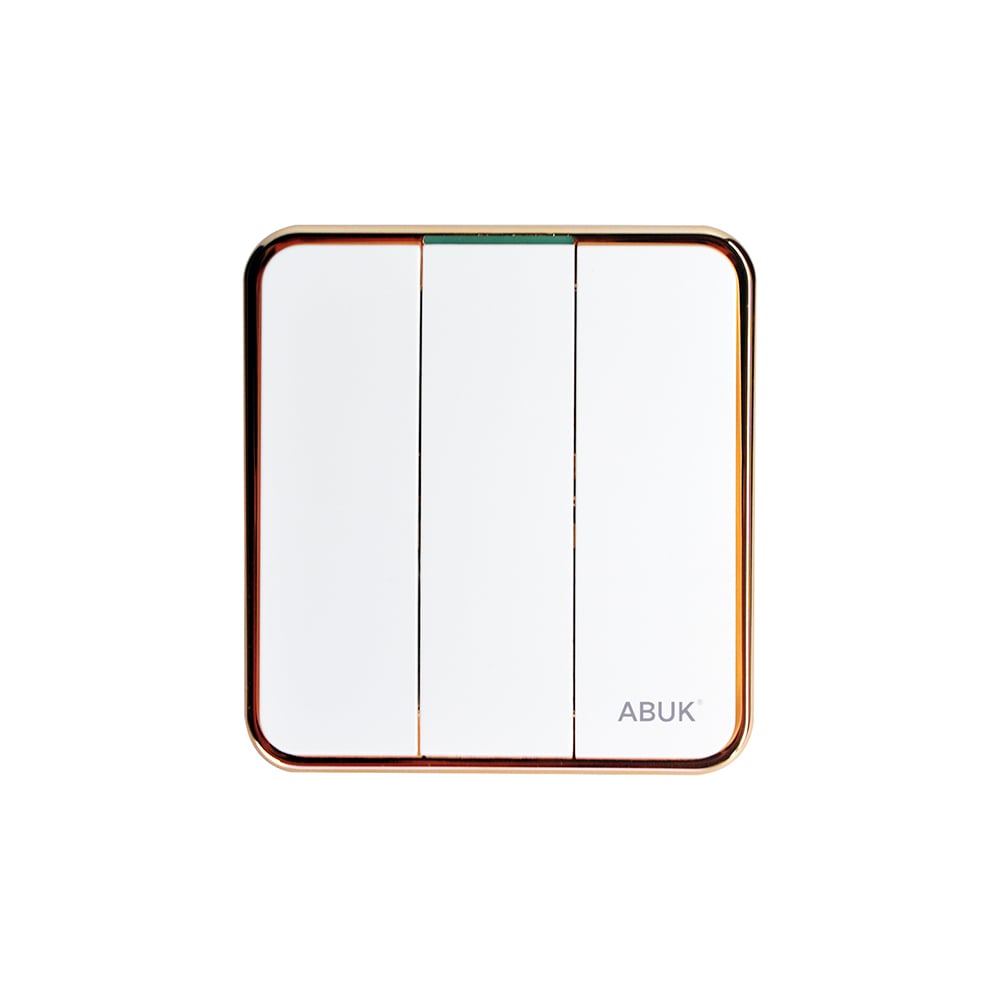






Do Light Switches Need Grounding? Safety and Wiring Explained
When a facilities contractor in Manchester encountered repeated nuisance trips after replacing worn corridor switches, the team removed a faceplate to check the terminations and found a loose metal box with no dependable bonding path. The visible failure looked like a defective switch; the reversal came when the inspection showed that the root cause was specification and continuity control, not simply a bad product.
Summary: A switch mechanism does not normally use the equipment grounding conductor to operate, but exposed conductive parts and the installation often need an effective fault-current path. Under NFPA 70/NEC Articles 250 and 404, the answer depends on the enclosure, wiring method, listed equipment and local adoption. Specify a grounded light switch assembly where the product instructions and installation conditions call for it; have a qualified electrician verify box bonding and continuity before replacement.

What light switch grounding does—and does not—do
Light switch grounding connects exposed metal parts, such as a metal switch yoke or metal box, to the equipment grounding system. It is not the same as the neutral conductor and should not carry normal load current. Its purpose is to help a fault clear through an effective path, reducing the time an accessible metal surface could remain energized.
In North American wiring, an equipment grounding conductor is commonly bare copper or insulated green; green with a yellow stripe is widely used in IEC-style systems. Color is an identification aid, not proof of a safe connection. A continuity test performed by a qualified person, together with the applicable installation rules, is the meaningful check; visual inspection alone cannot establish a reliable grounding path.
Why the box and yoke matter
NEC Article 250 addresses grounding and bonding, while Article 404 addresses switches. A metal switch box can need bonding so that it is not left floating if a conductor fault contacts it. The switch yoke may also need a grounding connection unless the wiring method, listed device and code provisions provide an equivalent path. This is why light switch grounding must be evaluated as an assembly: device, yoke, box, cover and wiring method.
Metal, plastic and older two-wire installations
A plastic box does not itself become energized in the way a metal box can, but the absence of a metal enclosure does not automatically settle the question. The switch yoke, a metal faceplate, connected equipment, device listing and local code can still affect the installation. Procurement specifications should distinguish “nonmetallic box” from “no equipment grounding conductor present.”
Older two-wire switch loops are a common replacement risk. A new device may fit physically while the existing cable lacks a grounding conductor, and a neutral may not be available at the switch location. Do not treat a neutral as a substitute for protective grounding or add ad-hoc jumpers. A qualified electrician should assess whether the existing wiring method is permitted to remain, whether a grounding path is available, and whether a broader upgrade is required.
Grounding rules for dimmer switches
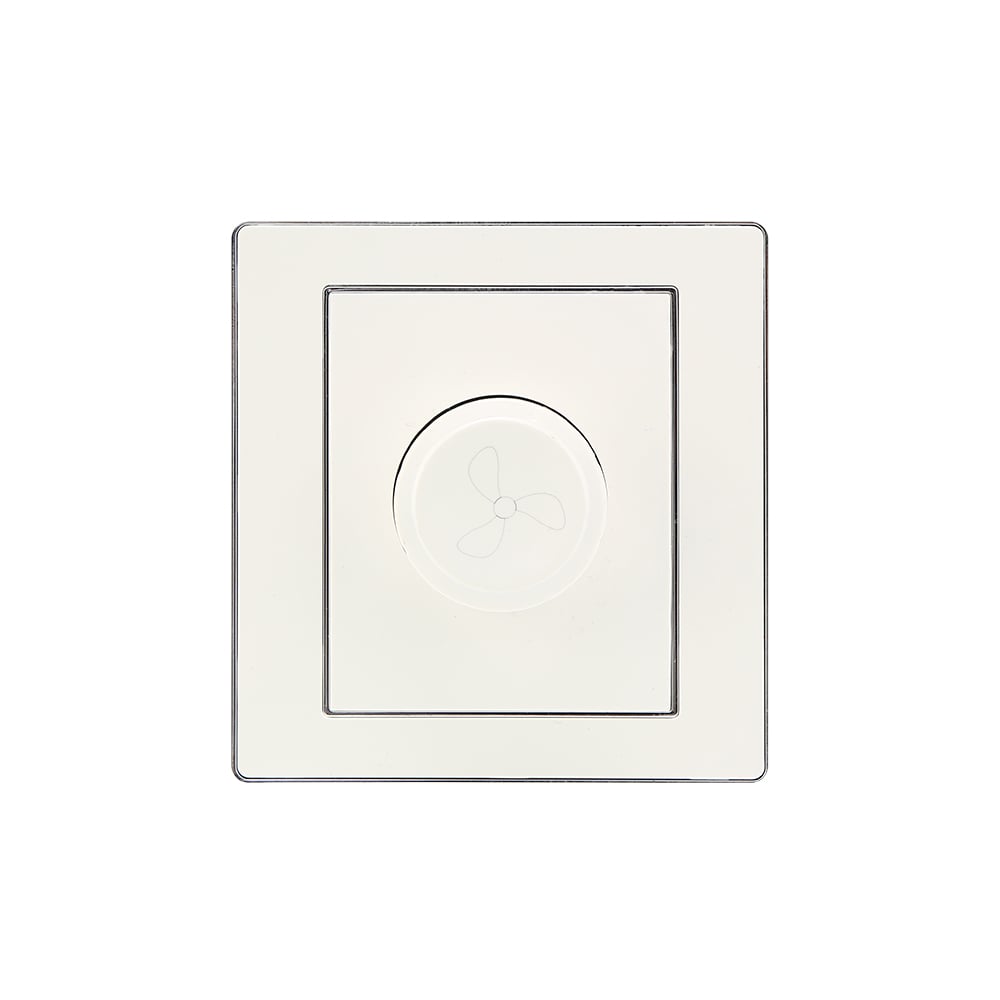
Dimmers add heat-management electronics and manufacturer-specific instructions. Many have a grounding lead or grounding terminal; for a grounded light switch or dimmer, follow the device instructions and the applicable electrical code, including listed-equipment installation requirements. Compatibility also matters: LED driver type, load range, multi-gang derating and enclosure space can affect reliability even when the basic switching circuit works.
For contractors and distributors, record the dimmer model, load type, box material and grounding arrangement on the submittal. This makes the protective-earth arrangement a controlled installation attribute rather than a last-minute site correction, and helps avoid returns caused by flicker, overheating or an unsuitable device application.
Comparison: what changes the grounding decision?
| Installation factor | Typical grounding consideration | Procurement implication |
|---|---|---|
| Metal box and metal yoke | Bonding continuity is central to fault protection. | Specify compatible grounding hardware and verify continuity during installation. |
| Plastic box with grounded conductor present | Device instructions and exposed metal parts still govern. | Check the exact device listing and terminal arrangement. |
| Older two-wire circuit | Grounding path may be absent or depend on an approved wiring method. | Allow survey time; do not assume a like-for-like swap is compliant. |
| Electronic dimmer | Grounding, heat and load compatibility must be considered together. | Match the model to lamp/driver load and installation instructions. |
Application matrix for grounded switch installations
| Application | Primary review point | Useful acceptance record |
|---|---|---|
| Commercial renovation | Existing box bonding and conductor condition | Qualified inspection and continuity-test record |
| New-build distribution | Destination-market code and approved wiring method | Approved submittal and installation documentation |
| Hospitality LED upgrade | Dimmer load compatibility and multi-gang heat limits | Manufacturer compatibility data and commissioning result |
| Export or multi-market supply | Local standard, plug/socket system and marketing claim | Model-specific compliance documents for the destination |
Standards and compliance: use the right scope
NFPA 70, commonly called the NEC, provides installation rules in jurisdictions that adopt it; Article 250 covers grounding and bonding and Article 404 covers switches. OSHA electrical-safety requirements govern workplace safety responsibilities in the United States, not product selection alone. IEC 60669-1 is a product standard for general-purpose fixed electrical switches; it is not a substitute for the installation code in the destination market.
For a protective-earth claim, the commercial risk is not only field failure. Unsupported statements can cause submittal rejection, rework, delayed handover or a documentation dispute. Confirm the edition adopted locally, the authority having jurisdiction, product instructions and the intended application. Treat any test report or declaration as scoped evidence, not blanket approval for every configuration or country.
Selection guide for buyers and project teams
- Survey box material, available conductors and circuit condition before finalizing a replacement quantity.
- Match switch type, voltage, current rating, load technology and environment to the project specification.
- Require model-level instructions and record the protective-earth connection on the submittal.
- For dimmers, review the stated compatible load range and installation limits before ordering.
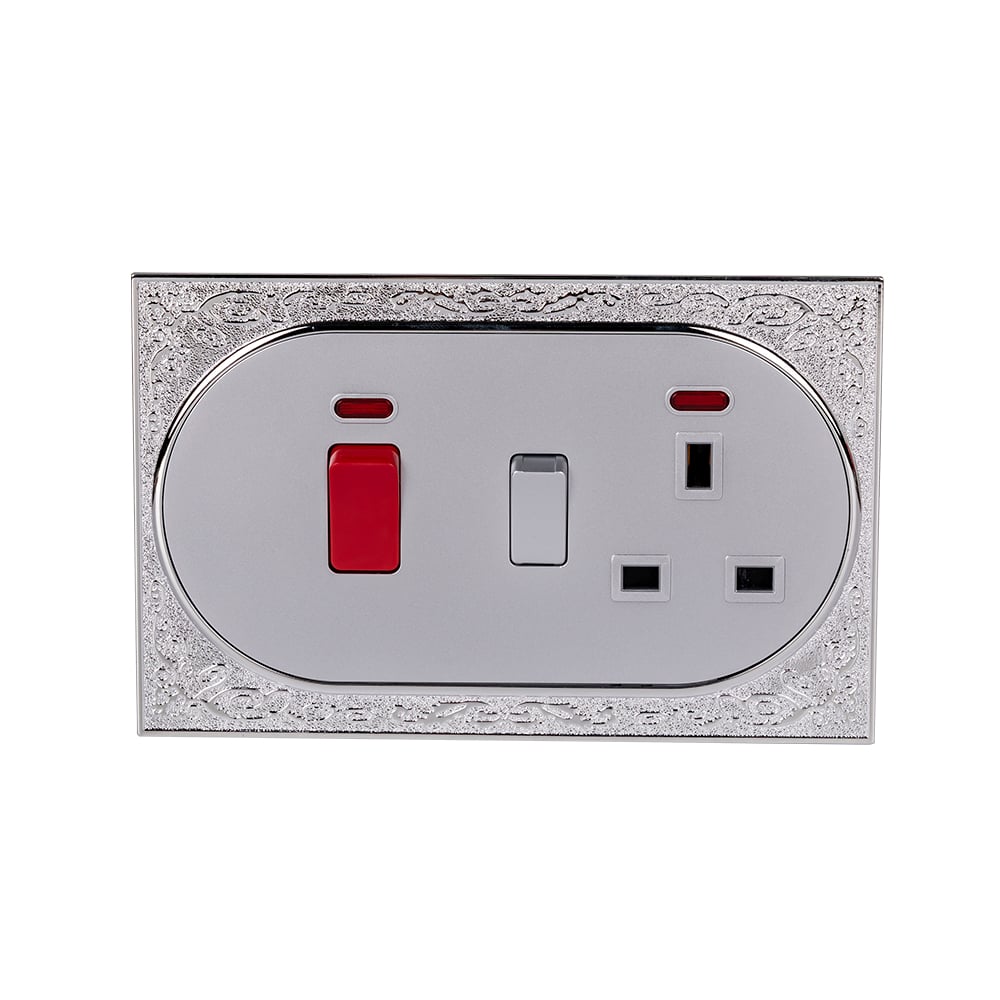
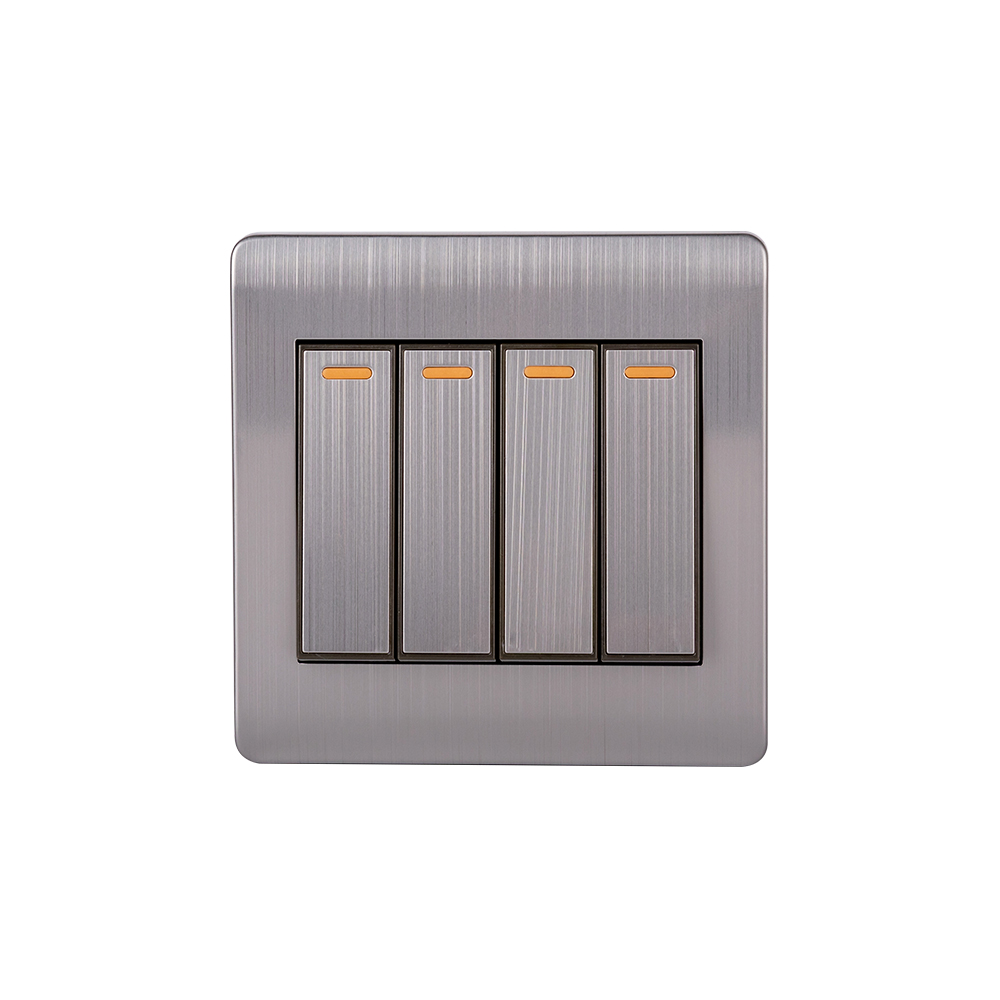
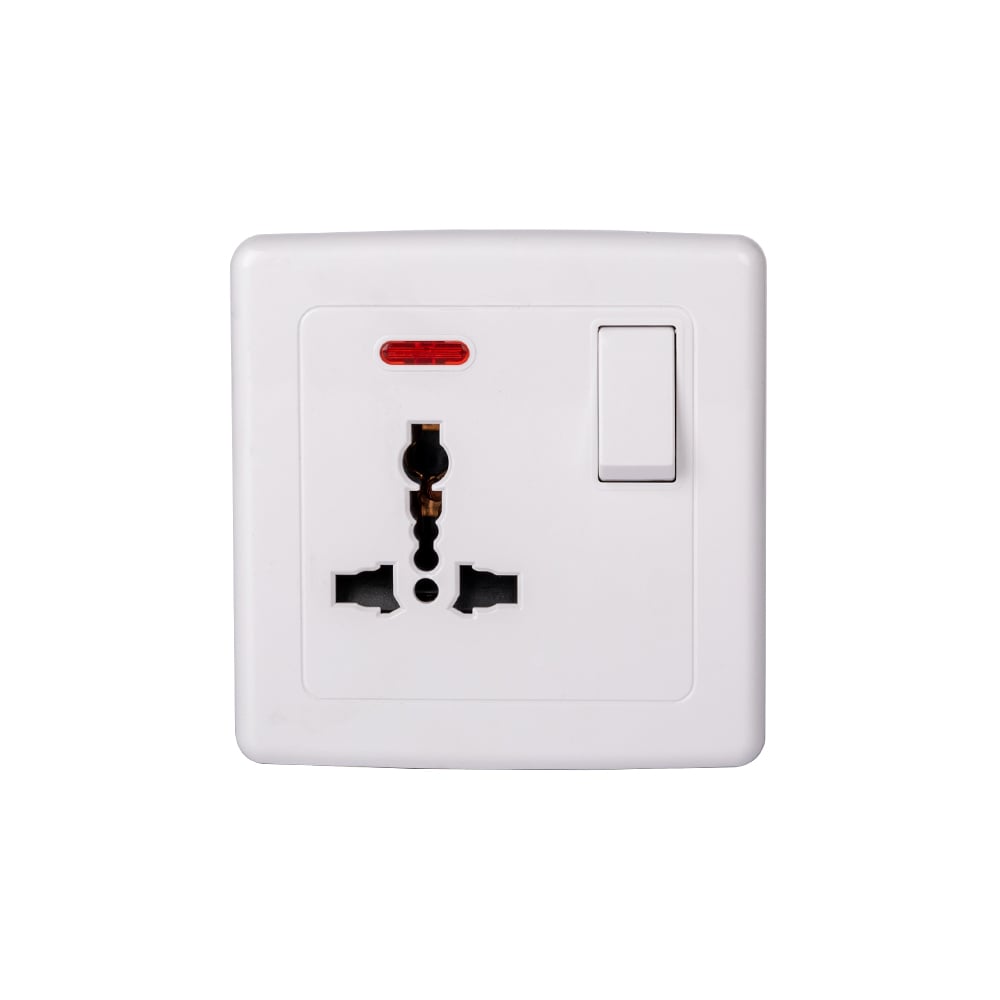
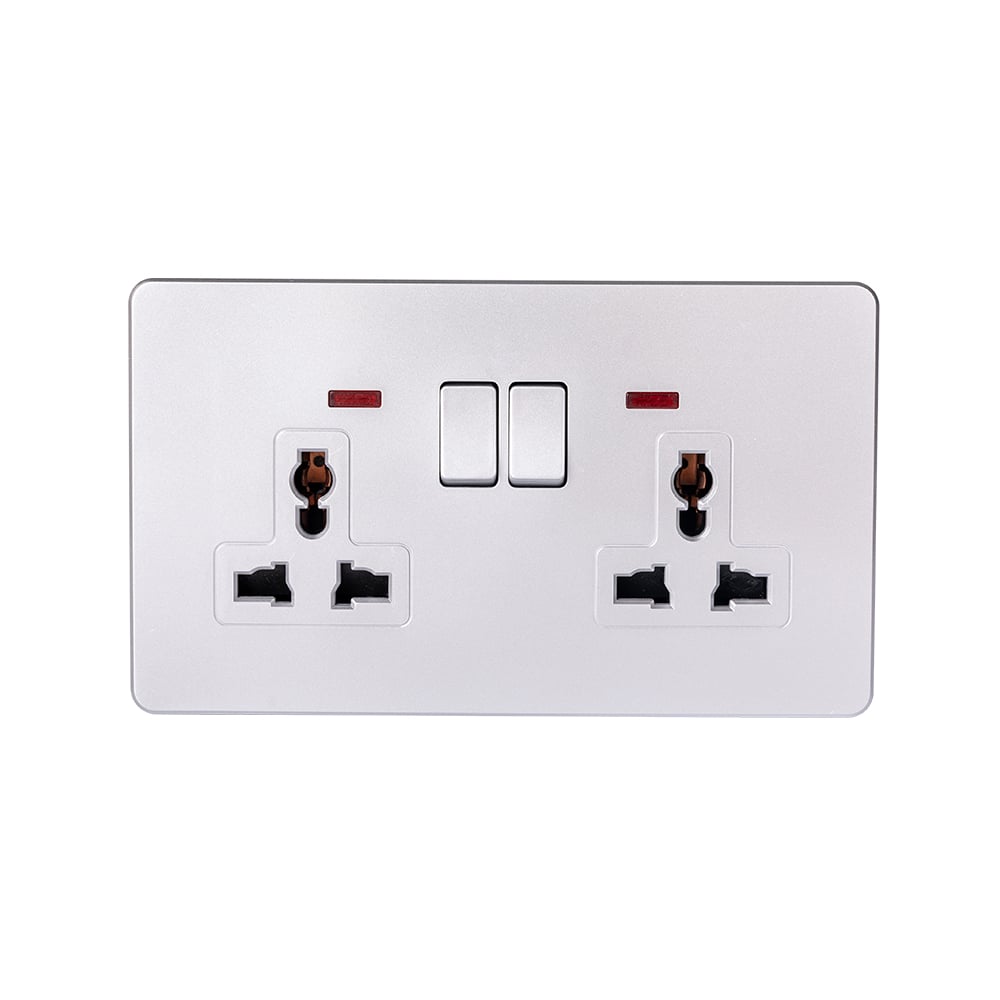
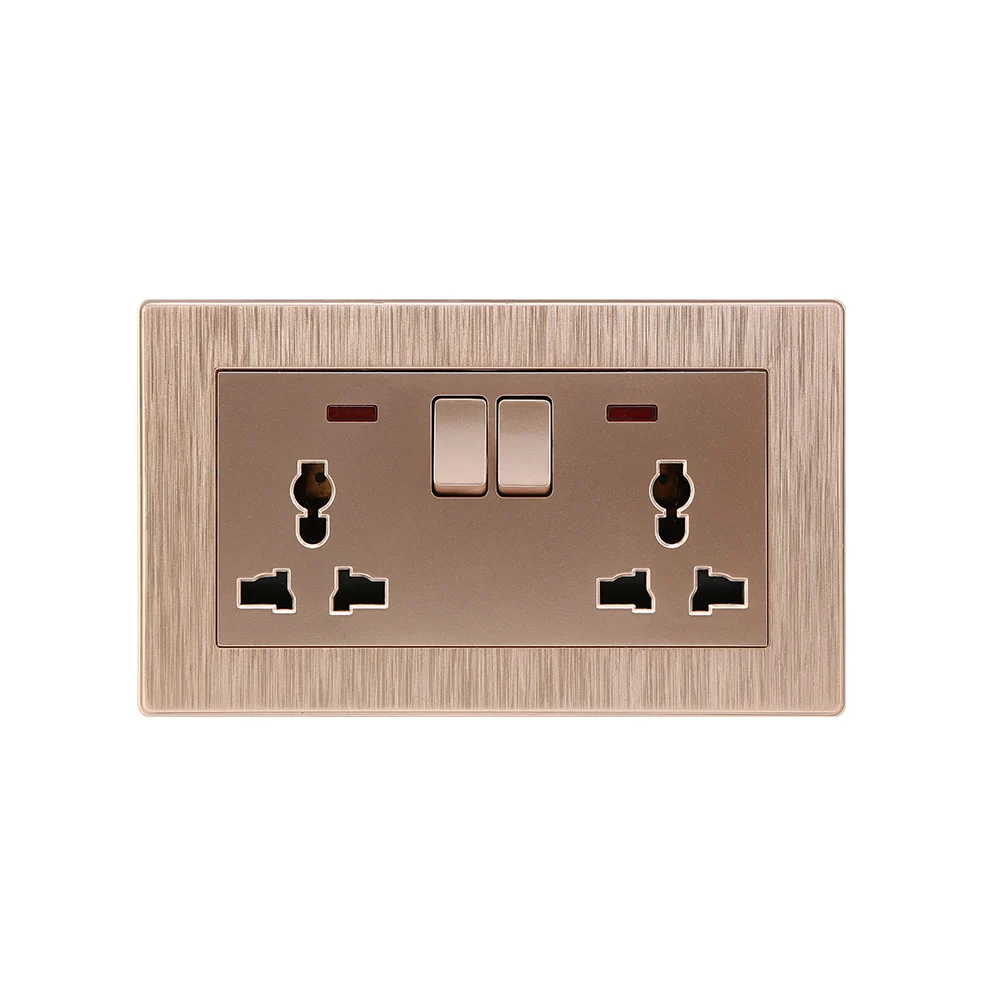
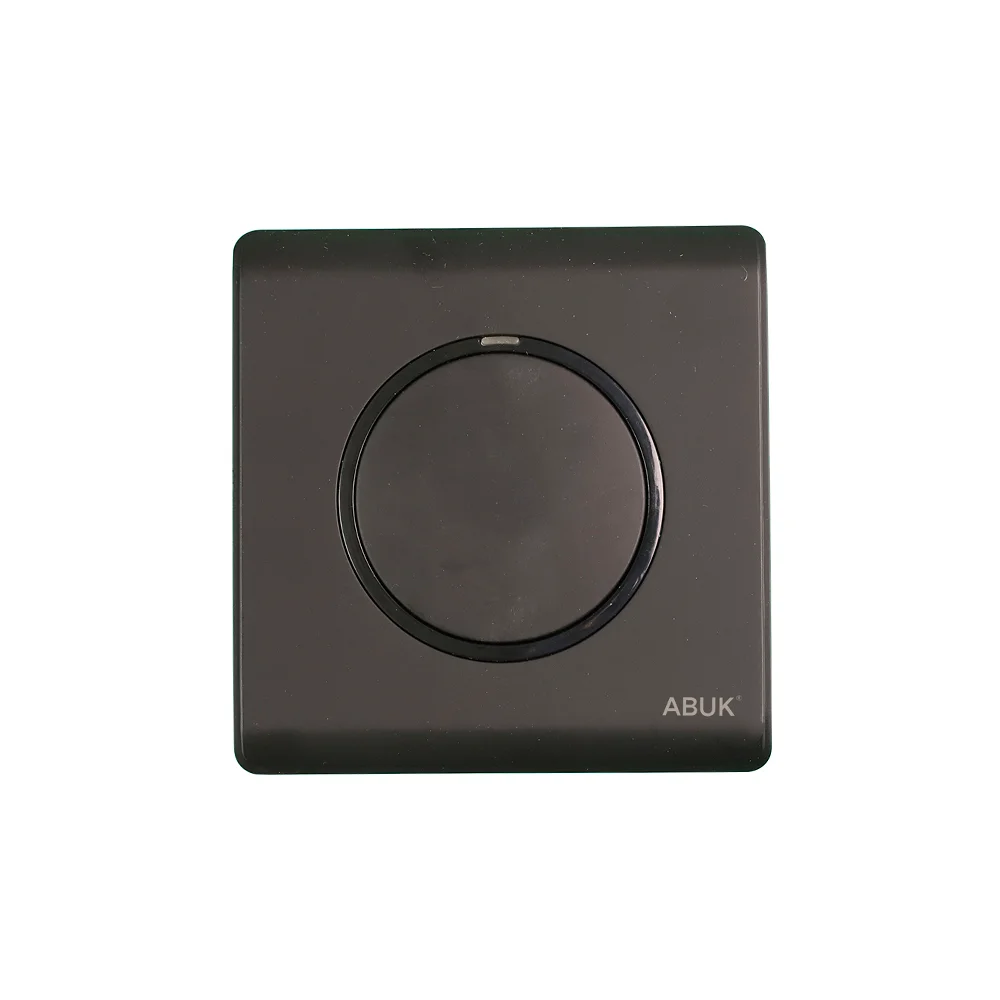
For wall-switch and receptacle sourcing, ABUK’s wall switch and socket range can be evaluated against the project’s wiring method and documentation needs. Relevant models and destination markets may have CE, RoHS and GCC documentation; buyers should request the documents applicable to the exact model and market. Learn more about the supplier’s scope on the ABUK company profile.
Frequently asked questions
Do light switches need a ground wire?
Not every switch mechanism needs a grounding conductor to switch a load, but many installations require exposed metal parts to be grounded or bonded. The correct answer depends on the box, wiring method, device listing and local code. Have a qualified electrician verify the actual circuit rather than judging by the faceplate.
Why is grounding important for a metal light switch?
A metal yoke or enclosure can become energized if insulation or a conductor fails. Bonding it to the equipment grounding system provides a path intended to help protective devices clear a fault. That is why a grounded light switch and bonded metal box must be assessed together.
Can a plastic switch box be ungrounded?
A plastic box itself is nonconductive, but that does not make every ungrounded installation acceptable. The device, faceplate, wiring method and local rules still matter, especially where metal parts are present. An existing older circuit should be assessed under the applicable code rather than modified informally.
What should I do if no ground wire is present?
Stop short of making assumptions about the circuit and arrange a qualified assessment. The electrician can determine whether an approved grounding path exists, whether the installation may remain as found, or whether an upgrade is required. This is a safety and compliance decision, not a cosmetic device replacement.
Primary references
- NFPA 70: National Electrical Code, including Articles 250 and 404.
- OSHA 29 CFR 1910 Subpart S—Electrical.
- IEC 60669-1: Switches for household and similar fixed electrical installations.
A switch is small, but its grounding path is part of the larger protection system—specify the whole installation, not just the device.
When your team is comparing project-ready switch options, review ABUK electrical products and contact ABUK for model-specific documentation and sourcing support.