
 Wenzhou Lita Electric Co., Ltd.
Vietnam Plug Type and Voltage Guide: What Travelers Need to Know
When an operations coordinator in Ho Chi Minh City encountered an urgent equipment setup, she unpacked imported monitors and chargers after relying on a travel-adapter video. A power supply failed within minutes of connection, delaying the installation. The adapter was not faulty: the failure traced to input-voltage assumptions and an unverified grounding path, which are separate from whether the plug physically fits.
Summary: Vietnam is commonly described as 220 V, 50 Hz, while actual outlets may accept Type A, C or F-style plugs. An electric plug vietnam check should confirm the device label, outlet earth contacts and building condition. Use an adapter for plug geometry; use a converter only when the appliance is not rated for 220 V.
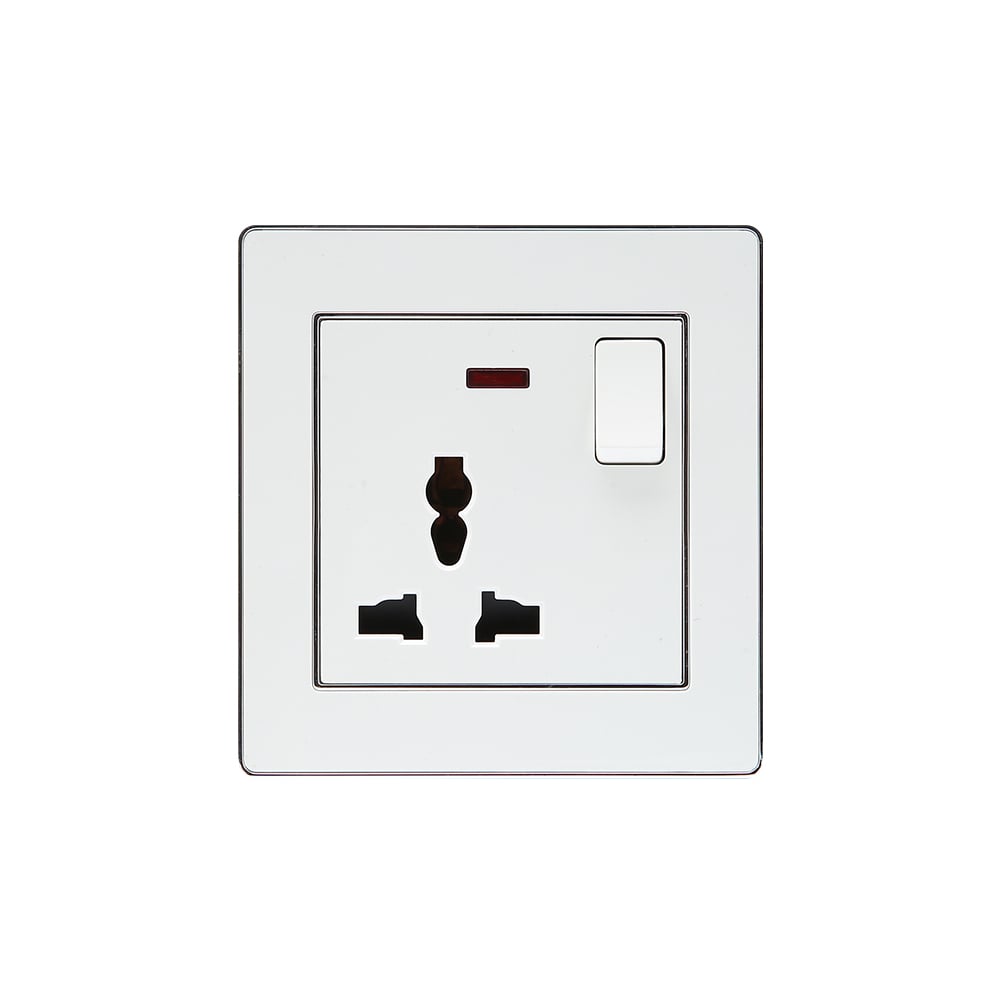
For travelers and technical teams, plug type is only one part of compatibility. A hotel may offer a multi-standard receptacle, a two-pin outlet, or a worn installation with uncertain earthing. IEC 60038 gives context for nominal supply voltages; it does not certify a hotel outlet or appliance connection.
Plug layout, supply rating and earthing are different checks
Travel guidance often lists Type A, C and F compatibility. Type A has two flat pins and is generally unearthed; Type C has two round pins and is also unearthed; Type F has round pins with side earth contacts. A two-pin fit does not prove earthing. An electric plug vietnam review starts with the outlet, not a country diagram.
Voltage and frequency are independent of pin shape. A brick marked “100–240 V~, 50/60 Hz” is normally intended for common travel ranges. A “120 V, 60 Hz” device is different: an adapter changes neither voltage nor frequency. For earthed equipment, confirm that the plug, adapter and socket retain the earth path; never defeat an earth pin.
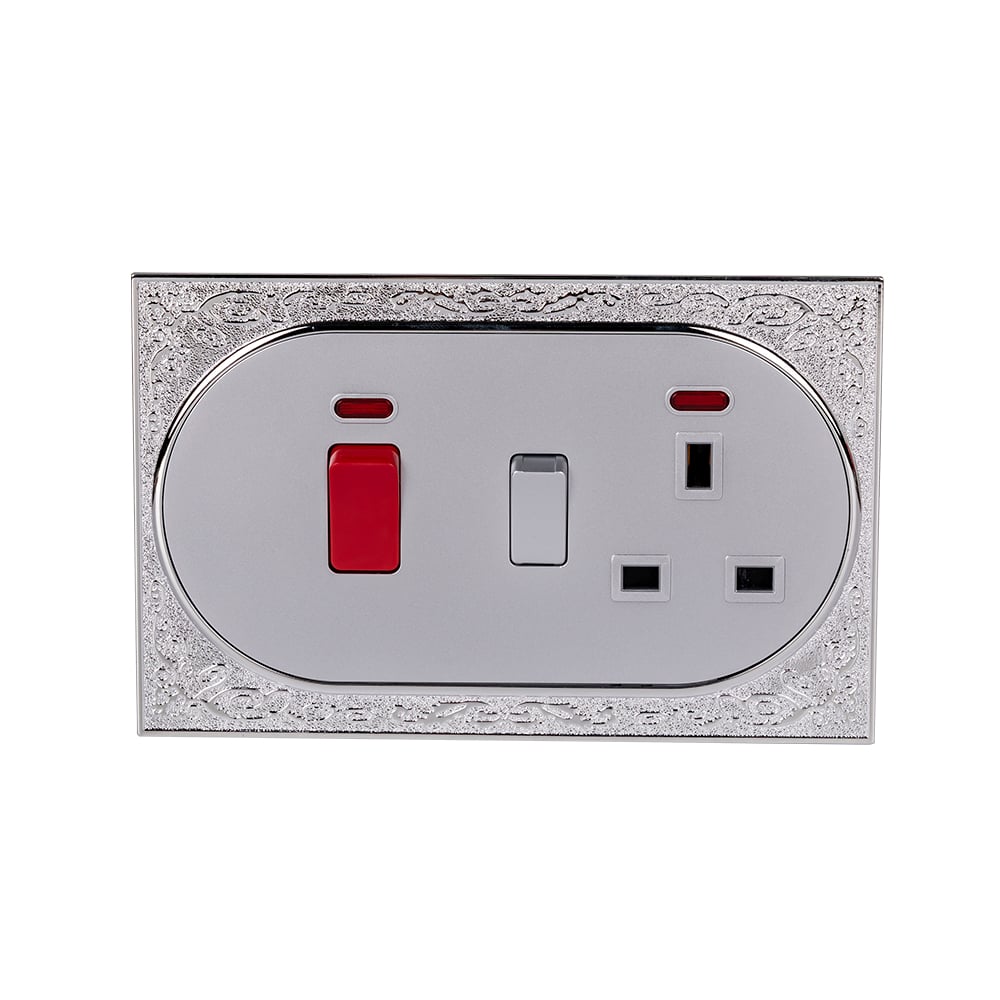
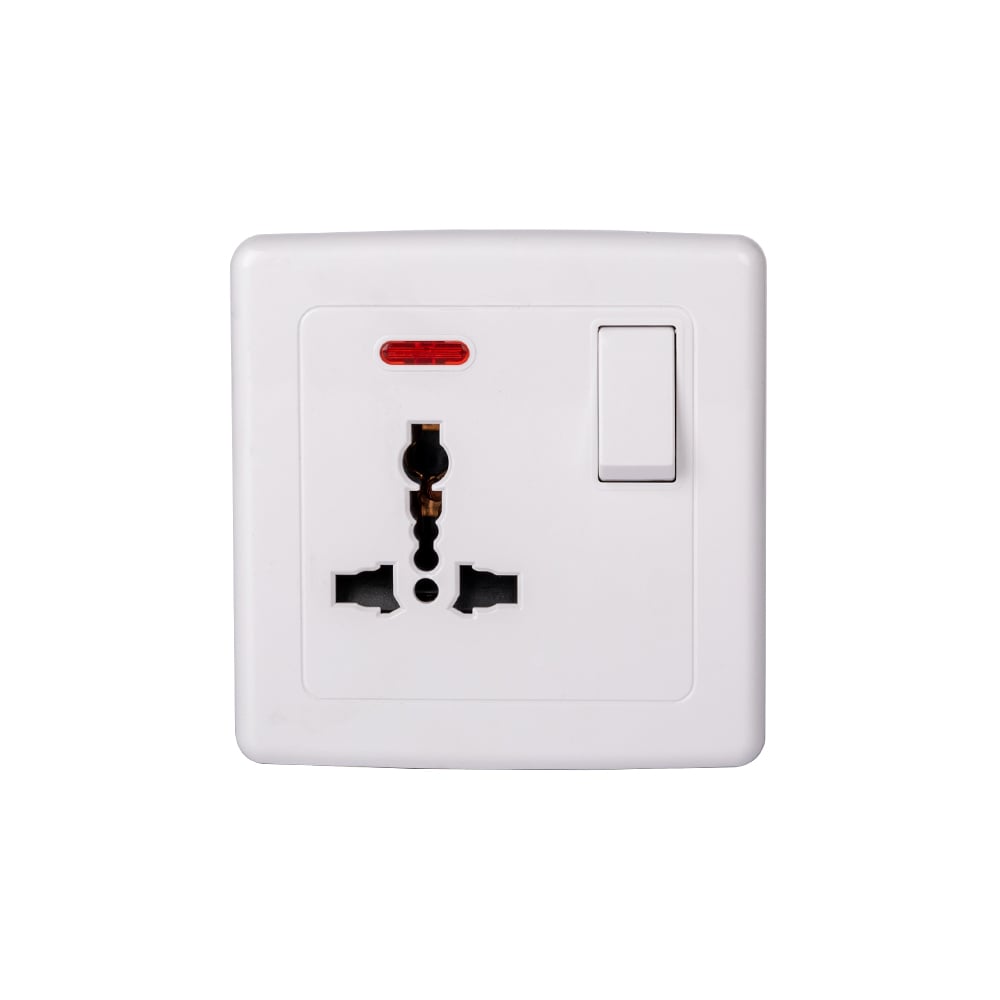
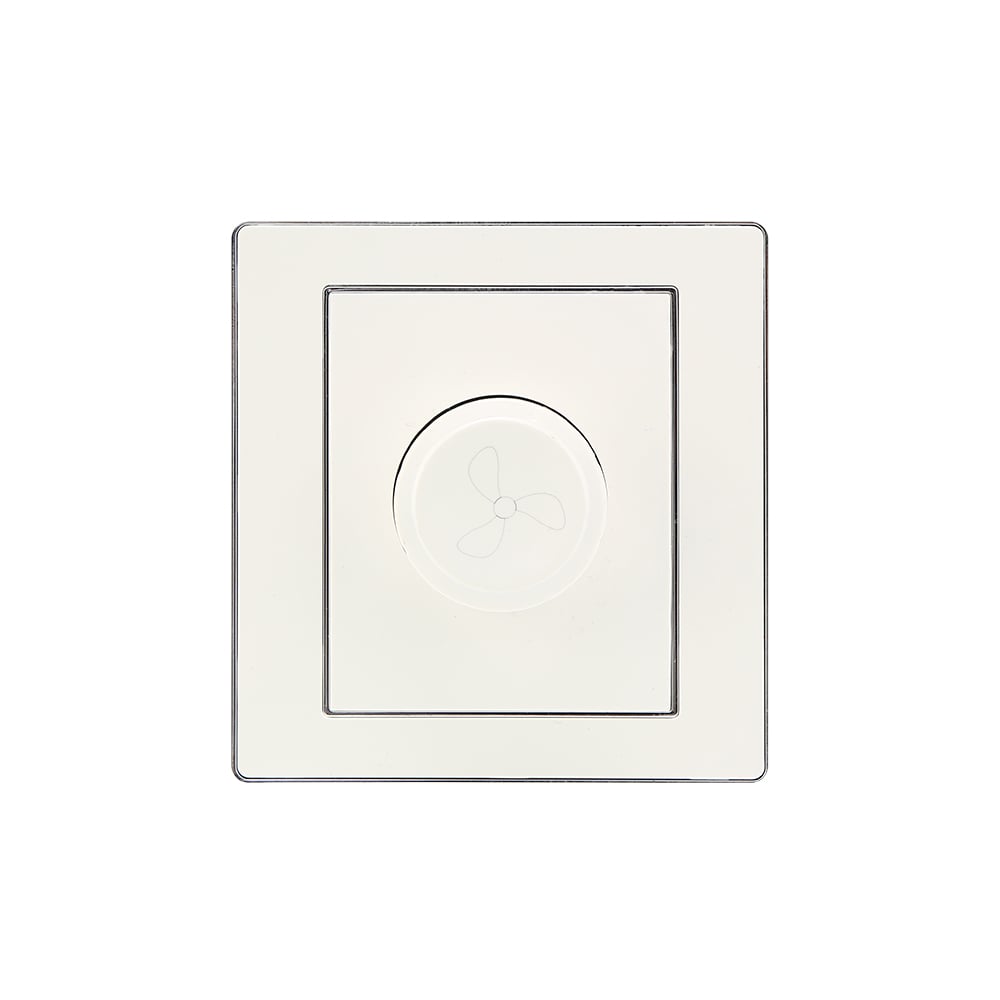
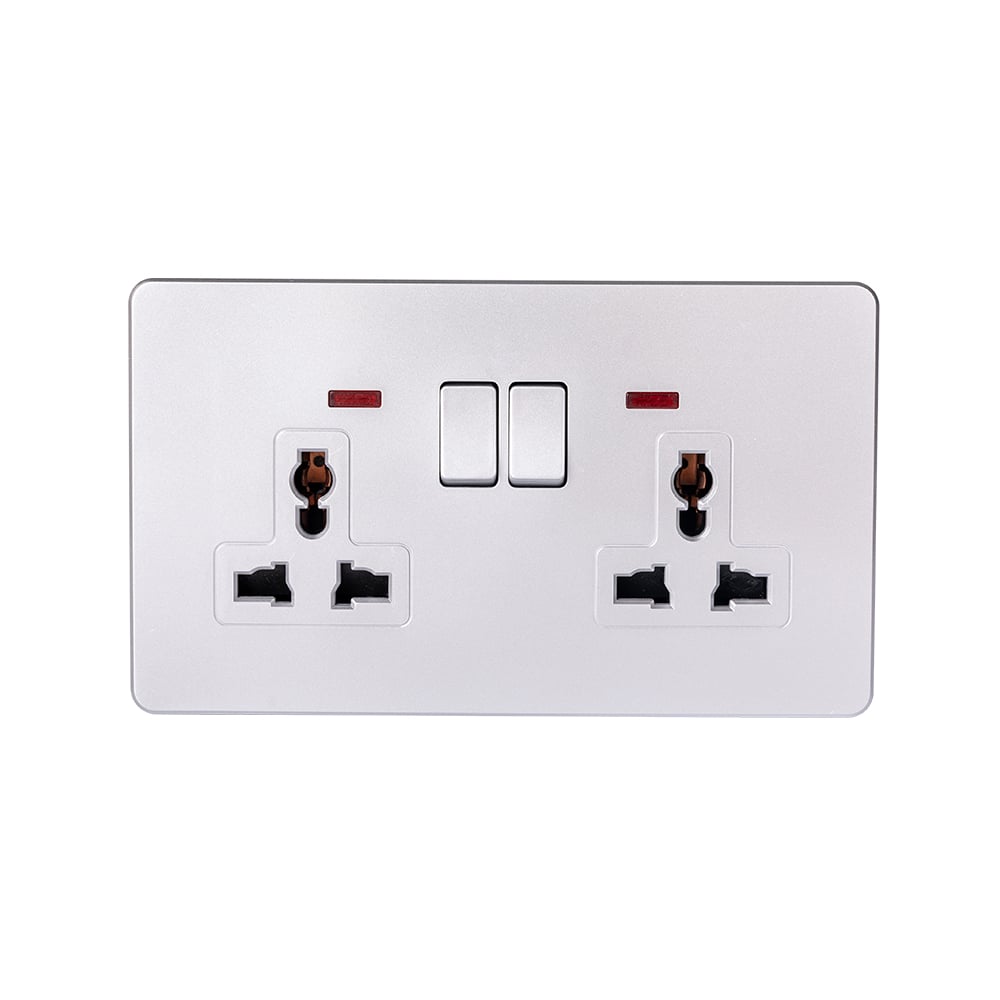
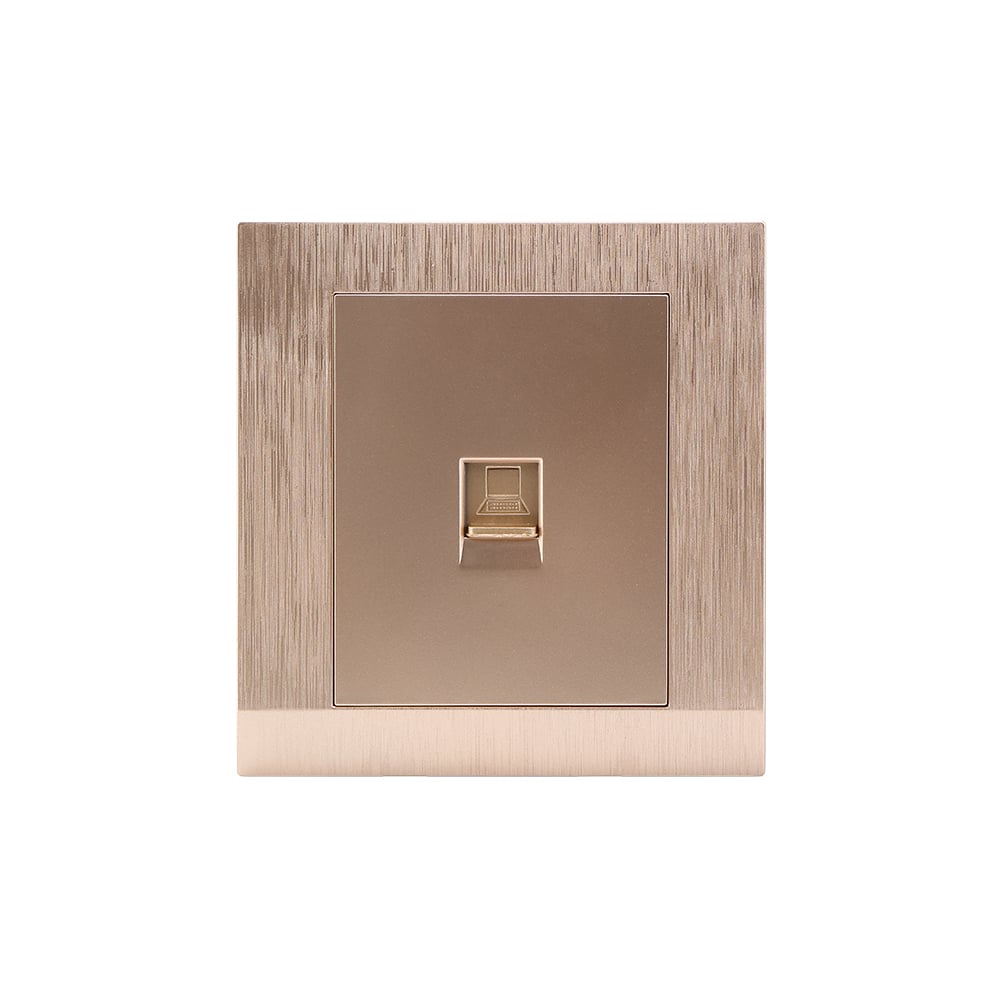
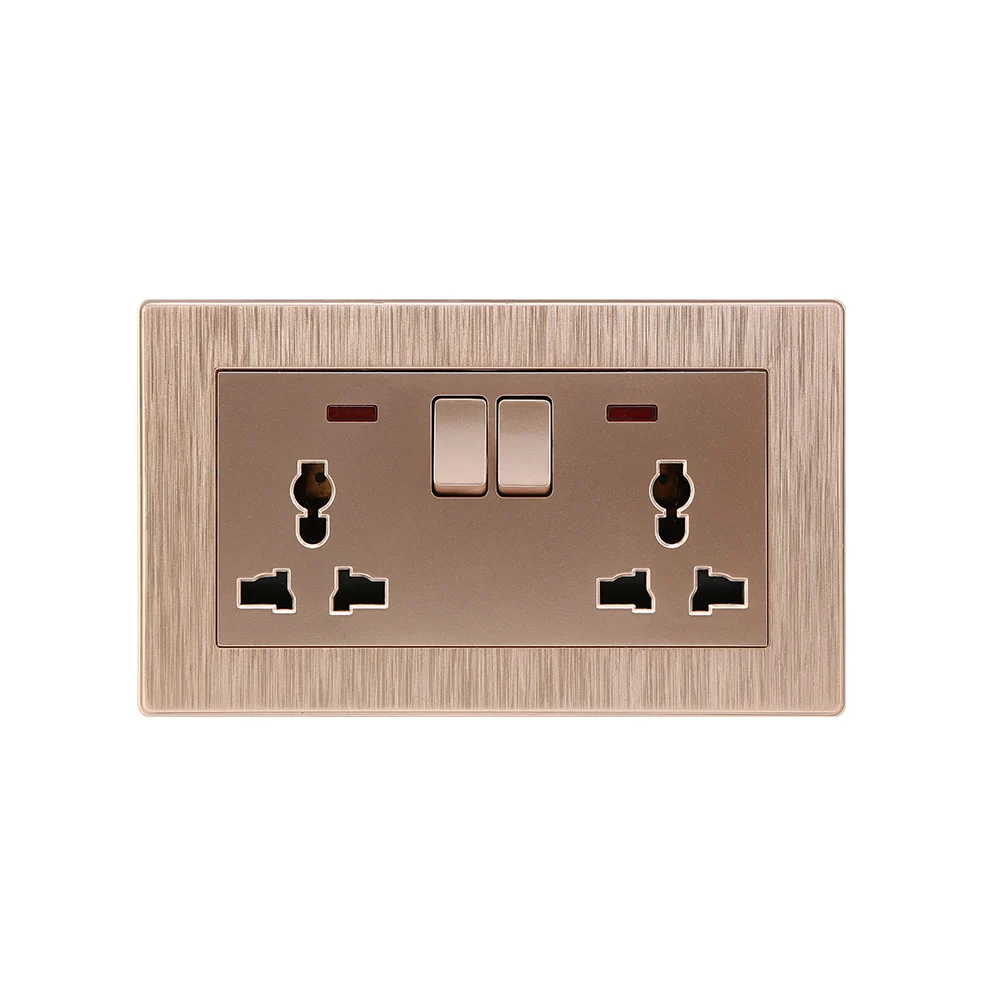
For temporary fit-outs, review the outlet family alongside the wall switches and sockets specification, protection and load. A loose, hot, damaged or unmarked outlet needs qualified assessment.
Plug and voltage compatibility matrix
Use this electric plug vietnam matrix as a planning screen, not as a promise for every building. Check the actual receptacle face, appliance label and any supplied adapter before connection.
| Item to compare | Typical Vietnam travel context | Compatibility decision | What can still vary |
|---|---|---|---|
| Supply rating | Commonly 220 V, 50 Hz | Match appliance input | Wiring and circuit capacity |
| Type A plug | Flat two-pin | Check fit; no earth | Slot geometry |
| Type C plug | Round two-pin | Confirm seating | Outlet construction |
| Type F plug | Round pins plus side earth | Align earth contacts | Earth continuity |
| Universal adapter | Changes geometry | Stay within marked rating | Voltage conversion or earth |
Travel adapter and device checklist
Hotel outlet variations justify a brief inspection, especially for business-critical equipment. This checklist separates questions often combined in an adapter purchase.
| Device or situation | Label or physical check | Suitable action | Do not assume |
|---|---|---|---|
| Laptop or USB charger | Input range and Hz | Adapt only if 220 V/50 Hz is in range | All chargers are dual-voltage |
| 120 V-only appliance | “120 V” label | Use rated conversion, or disconnect | An adapter converts voltage |
| Grounded IT equipment | Earth contact and cable | Use a compatible earthed path | Two-pin fit proves grounding |
| High-load heater | Watts/amps and heat | Use a suitable circuit | Hotel outlets support high loads |
| Loose receptacle | Damage, heat marks, grip | Choose another and report it | Physical fit is safe |
For terminology on common North American outlet layouts, see this overview of a duplex receptacle. It helps identify the form factor, but it does not establish compatibility with a Vietnamese installation.
Standards and destination-market verification
IEC 60038 addresses nominal public-supply voltages. IEC 60884-1 covers household and similar plugs and socket-outlets within stated ratings; it does not declare every plug/socket pair compatible. IEC 60083 sets out domestic-use plugs and socket-outlets standardized in IEC member countries. Their scopes differ, and a standard may define dimensions or tests without being a product certification.
Before deployment, an electric plug vietnam decision should verify destination-market rules, project specification and local practice. Frequency, voltage, pin layout, earthing and building condition are separate checks. Supplier documentation does not determine Vietnamese installation compliance.
Selection guide for travel, projects and procurement
- Inspect the actual outlet before ordering adapters in volume; record pins, earth contacts and condition.
- Register each device’s input range, frequency, wattage and earthing need.
- Specify marked adapter ratings and retained protective earth, not “universal” marketing alone.
- For permanent work, use a qualified local professional to validate circuits and installation requirements.
For buyers standardizing outlets across projects, ABUK provides configurable wiring-device solutions with CE, RoHS and GCC documentation where applicable. Procurement teams handling an electric plug vietnam requirement should request drawings, ratings and destination-market evidence that match the installation rather than relying on visual similarity.
Frequently asked questions
What plug types are used in Vietnam?
Travel references commonly identify Type A, C and F compatibility in Vietnam. Outlet designs vary by building, so inspect the actual outlet and do not treat a country plug list as a guarantee of pin fit or earthing.
What voltage and frequency does Vietnam use?
Vietnam is commonly described as 220 V at 50 Hz. Confirm the appliance label before use; a plug adapter does not change either value, and a device with a limited input range may need a correctly rated converter or should remain disconnected.
Will a US plug work in Vietnam?
A two-flat-pin US Type A plug may fit some outlets, but it may not fit all of them and does not establish an earth connection. The appliance must also accept 220 V, 50 Hz; check the outlet, the device label and the adapter rating individually.
Should I bring a universal adapter to Vietnam?
Yes, a quality universal adapter is useful as a plug-geometry tool, provided it fits the actual outlet and stays within its marked rating. It is not automatically a voltage converter or grounding solution, so inspect the device label and outlet before use.
References, closing line and next step
- International Electrotechnical Commission: IEC 60038, IEC standard voltages
- International Electrotechnical Commission: IEC 60884-1, plugs and socket-outlets for household and similar purposes
- International Electrotechnical Commission: IEC 60083, plugs and socket-outlets standardized in IEC member countries
The reliable travel rule is simple: match the device, the plug and the installation—not just the adapter. Review ABUK’s wiring-device product range when specifying project equipment, and contact the team for configuration and documentation discussions.