
 Wenzhou Lita Electric Co., Ltd.
Mexico Electrical Outlets and Voltage: US Plug Compatibility Guide
When a facilities coordinator in Cancún received a last-minute shipment of US countertop equipment for a resort renovation, the two-pin plugs fitted several guest-room outlets but one appliance immediately lost power under load. The visible problem looked like a faulty device; the reversal came when the team found that plug fit, protective earth, circuit capacity and the appliance nameplate had never been checked together.
Summary: Mexico commonly uses Type A and Type B receptacle patterns at a nominal 127 V, 60 Hz. A US plug will often fit, but fit is not a safety or performance decision: confirm whether the equipment needs a grounding path, accepts the local supply range, and can be used on the available circuit. For a project, record the nameplate voltage and current, inspect the actual outlet, and have a qualified local electrician verify the installation before energizing equipment.
How Mexico’s Type A and Type B outlets affect incoming equipment
A typical Mexico electrical outlet is compatible in shape with North American straight-blade plugs. Type A has two parallel flat slots and no protective-earth contact; Type B adds a round grounding contact. Both patterns are common, and supply is generally described as 127 V at 60 Hz.
IEC 60038 is the international reference for standard voltages and includes 127/220 V systems in its nominal-voltage framework. NEMA WD 6 identifies straight-blade configurations. Neither source is a field test or certification of a particular hotel outlet.
For buyers, the phrase Mexico plug type should therefore trigger two questions: will the blades mate, and is the intended protective function present? A quote should state the Mexico plug type rather than rely on a travel description. The first question may be answered from a plug diagram; the second requires inspection and, where appropriate, testing by a qualified person.
Why Type A versus Type B is a protective-earth decision, not a cosmetic one
The practical difference between the two common patterns is not cosmetic. A Type A plug can only provide line and neutral. A Type B plug can provide line, neutral and protective earth—but only if the receptacle and its branch wiring are correctly earthed. The correct Mexico plug type is therefore a protective-function decision, not a three-hole faceplate assumption.
| Decision point | Type A context | Type B context | Procurement action |
|---|---|---|---|
| Contact arrangement | Two flat blades | Two flat blades plus round grounding pin | Match the appliance plug without defeating pins or widening slots. |
| Protective earth | No equipment-ground contact | Potential earth path, subject to installed wiring | For Class I equipment, verify the earth path rather than relying on appearance. |
| Typical device fit | Many double-insulated low-power devices | Grounded appliances and equipment with a three-pin plug | Read the manufacturer instructions and plug type before travel or deployment. |
| Legacy-location risk | Older two-slot outlets may remain in service | Ground contact may be present but unverified | Arrange an on-site check before committing critical equipment. |
| Commercial consequence | Adapter may physically fit but omit required protection | Incorrect grounding assumptions can cause rework or equipment restrictions | Put outlet condition and circuit data in the site survey. |
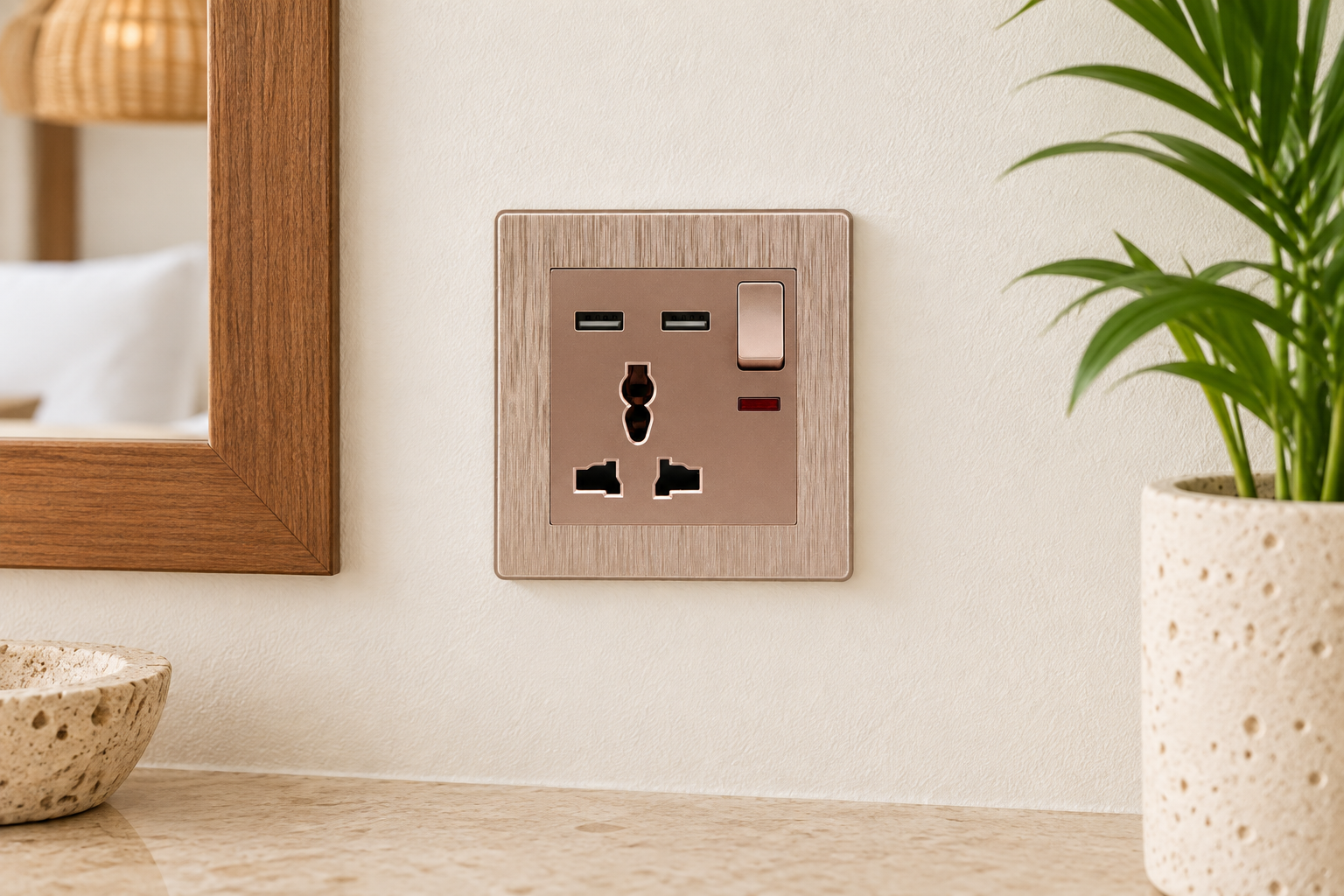
A Mexico plug type guide cannot replace an installation assessment. In resorts and older hotels, room-by-room renovation histories can differ. Ask whether the receptacle is grounded, whether the circuit is protected locally, and whether the outlet is intact. A plug-in tester can flag some conditions, but it is not proof that every fault scenario is safe.
The common question “Are Mexican outlets the same as Canadian or US outlets?” is best answered in layers. Type A and Type B blade geometry and 60 Hz frequency are familiar to many North American devices, but Mexico’s nominal 127 V supply is not simply an exact 120 V label, and outlet appearance does not verify the installed ground path. Use the appliance manufacturer’s permitted voltage range and a qualified site check for any Class I, high-current or business-critical load.
How Mexico’s 127 V supply compares with a 120 V appliance nameplate
The nominal Mexico voltage of 127 V is close to the US nominal 120 V, which is why many US consumer devices operate normally. The decision is still made from the appliance nameplate. “100–240 V, 50/60 Hz” normally indicates a wide-range electronic power supply; “120 V only” requires review of the maker’s stated tolerance and the local supply.
Motors, heating elements, compressors, specialty tools and some older electronics are not simply “US compatible.” A fixed-voltage resistive load can draw different power when supply changes; motors and controls may have voltage, starting-current and duty restrictions. Common 60 Hz frequency does not settle voltage or grounding.
| Nameplate or site condition | What it means | Suitable next step | Do not assume |
|---|---|---|---|
| 100–240 V, 50/60 Hz | Wide-range input stated by manufacturer | Confirm plug fit, grounding needs and current rating; use a properly rated adapter if needed. | That any adapter adds grounding or surge protection. |
| 120 V only, tolerance stated | Compatibility depends on the documented permitted range | Compare stated tolerance with the verified supply and seek manufacturer guidance if unclear. | That “120 V” always accepts 127 V. |
| 120 V only, tolerance absent | Information is incomplete for a voltage decision | Obtain written guidance or choose equipment specified for the site. | That a travel blog can authorize use. |
| 230 V or 220–240 V appliance | Its required input differs substantially from common receptacle supply | Use the correct dedicated supply or a properly selected transformer where the manufacturer permits it. | That a shape adapter converts voltage. |
| High-current or continuous-duty equipment | Branch-circuit loading matters as much as nominal voltage | Review circuit rating, conductor protection and installation instructions with a qualified electrician. | That a hotel receptacle can serve industrial duty. |
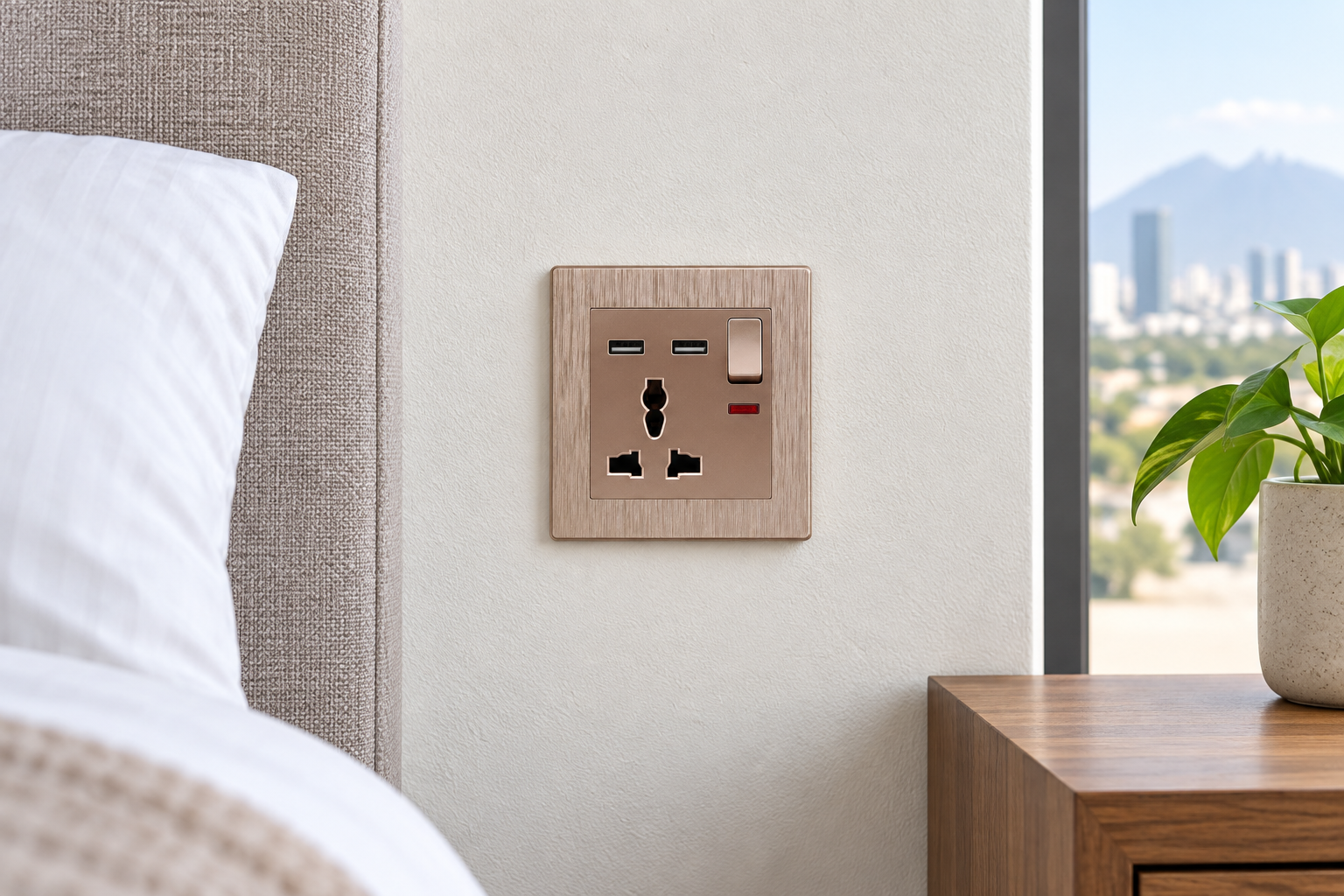
This is the useful boundary for Mexico voltage: 127 V is a system designation, while a nameplate tolerance is an equipment decision. If the tolerance cannot be established, treat compatibility as unconfirmed rather than applying a generic “US plug works” label.
Why adapters and converters do not solve every current-rating risk
An adapter changes the physical interface; it does not convert 127 V to 120 V, create protective earth or increase circuit capacity. A converter or transformer changes voltage and must suit the appliance type, input/output voltage and sustained load. Follow the manufacturer’s instructions for sensitive or high-value equipment.
A travel strip, multi-outlet adapter or extension lead can become the weak link when chargers, kitchen appliances or tools share one receptacle. Check the lowest-rated component, avoid damaged or warm leads, and never use a strip as a substitute for a permanent circuit. The nominal Mexico electrical outlet rating and installed branch circuit need local assessment.
For teams that also specify North American installations, ABUK’s US outlet voltage basics explain why voltage, amperage and the exact receptacle configuration must be reviewed as one set of requirements.
Which standards and site checks support a Mexico deployment
Use standards according to their scope. IEC 60038 addresses voltage designations, while NEMA WD 6 identifies straight-blade configurations. Mexican installations are governed by applicable local rules and the authority having jurisdiction; a NEMA-looking connector is not evidence that an installation meets Mexican requirements. For a product within a Mexican Official Standard (NOM) scope, verify the current conformity route and labeling requirements with a qualified local advisor.
Visual inspection can reveal damage or incompatible geometry; continuity, polarity, earthing and protective-device checks need suitable test methods and competent personnel. Do not call a product “approved,” “certified” or compliant for Mexico without product-specific, in-scope documentation. Unsupported claims create customs, tender and replacement-cost exposure.
How buyers can select equipment for Mexico projects without guessing
- List each appliance’s input voltage, frequency, current, plug pattern, Class I or Class II construction, and manufacturer instructions.
- Survey the real outlet: Type A or Type B, physical condition, grounding availability, circuit location and whether it is a legacy installation.
- For a 120 V-only product, compare its documented tolerance to the verified Mexico voltage; do not infer acceptance from plug fit.
- Separate a simple adapter decision from a transformer, dedicated circuit or grounding verification decision.
- For permanent work, have a qualified local electrician confirm installation and applicable Mexican requirements before commissioning.
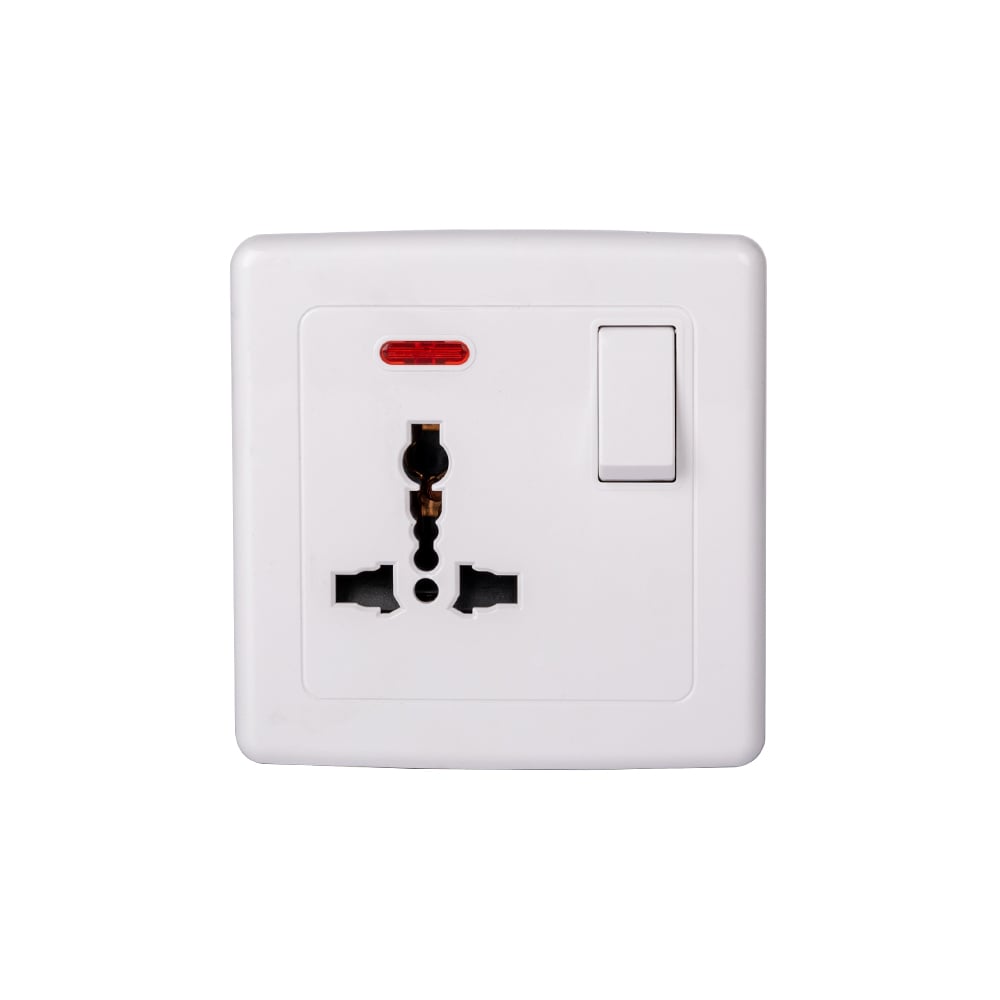
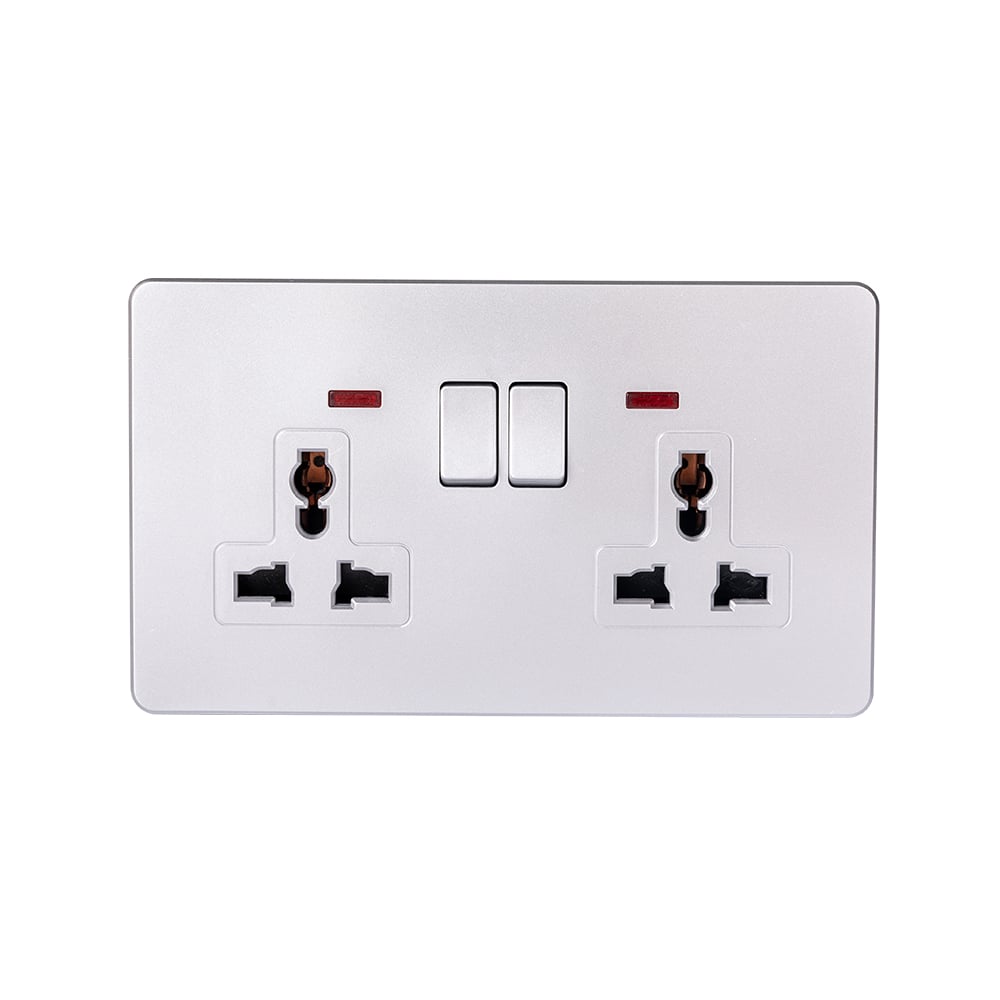
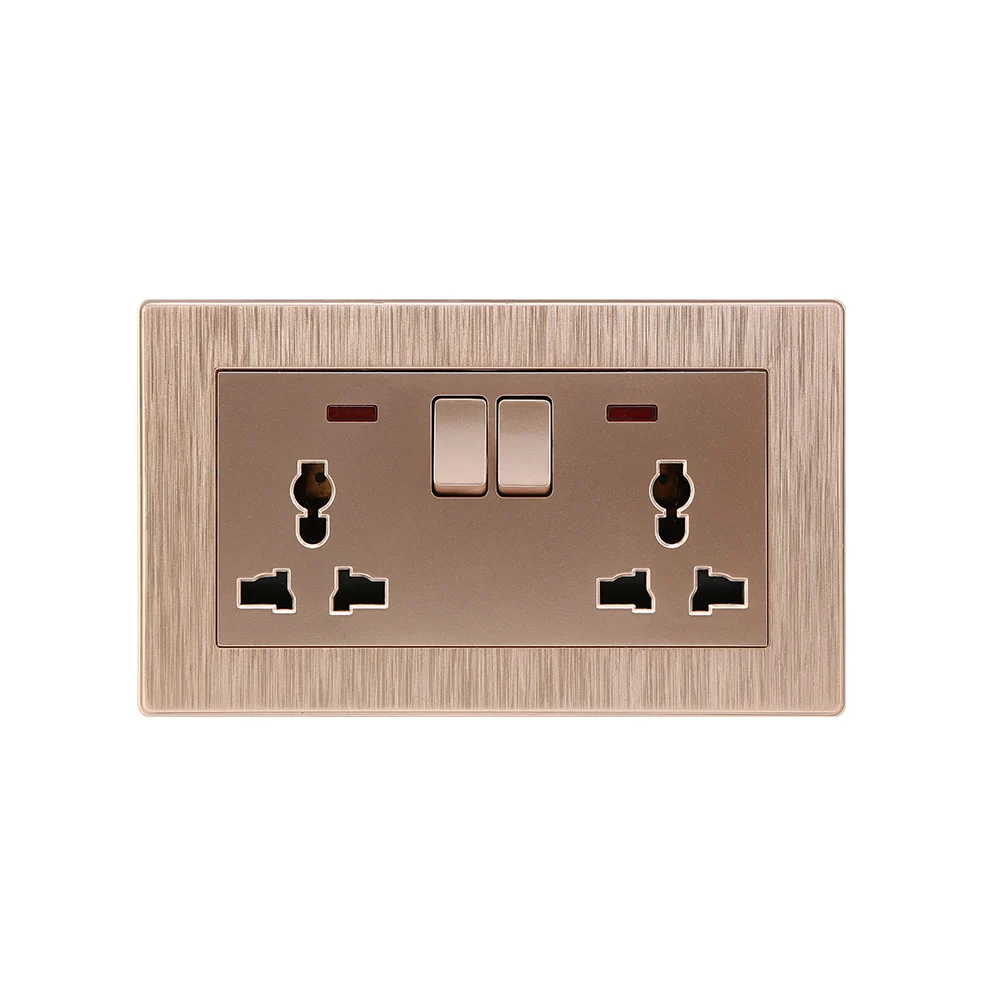
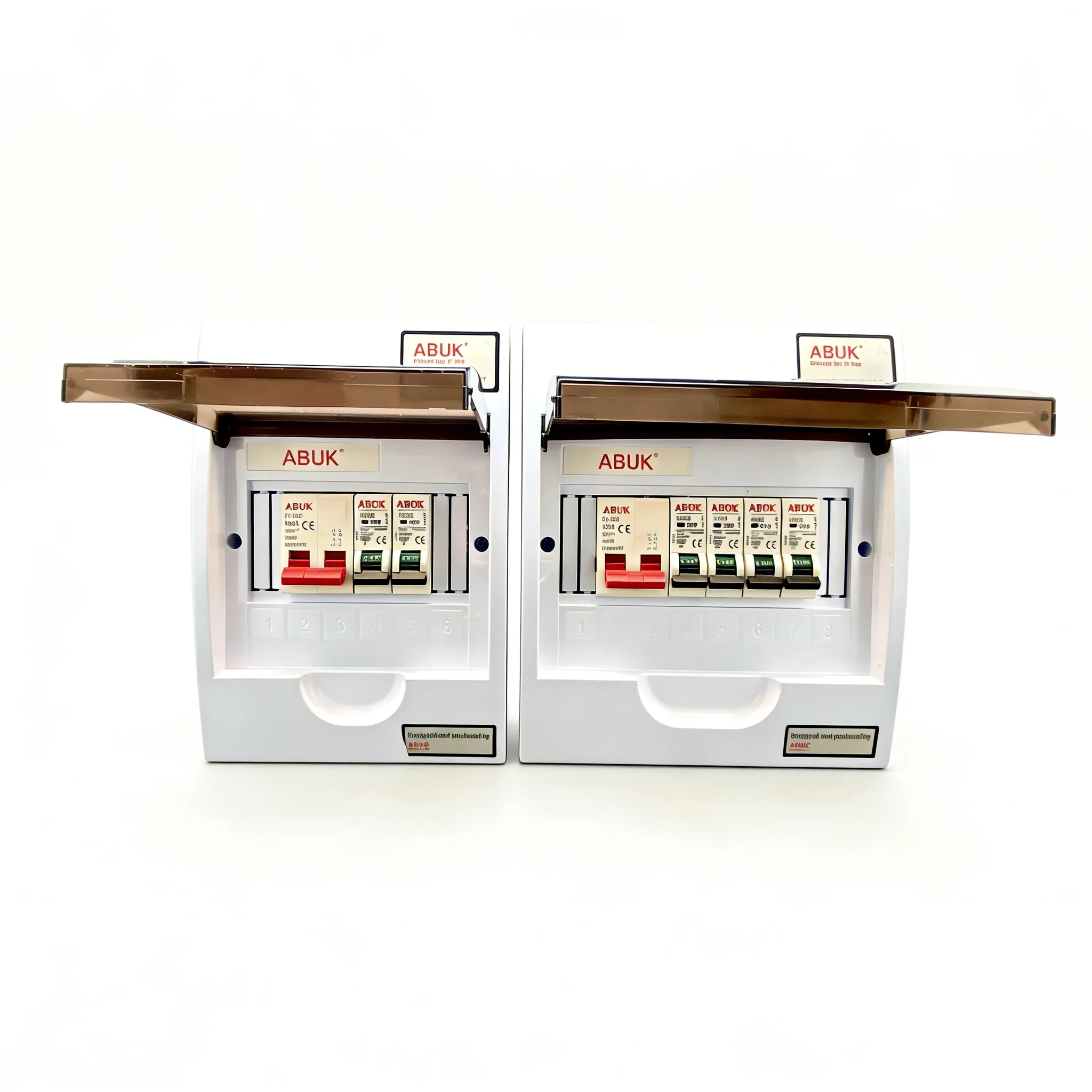
For sourcing conversations, ABUK can help organize documentation around configuration, rated current and destination-market review. Explore the wall switch and socket range when the project requires a defined specification.
Frequently asked questions
What electrical outlet type is used in Mexico?
Mexico commonly uses Type A and Type B outlets. Type A has two flat slots, while Type B adds a grounding contact; availability can vary, so inspect the actual site for grounded equipment and confirm which Mexico plug type is installed.
Can I use a US plug in Mexico?
Many US flat-blade plugs physically fit common Mexico electrical outlet patterns. That does not confirm voltage tolerance, protective earth, circuit rating or appliance suitability; check the nameplate and outlet condition.
Is Mexico voltage the same as the United States?
Mexico is commonly described as 127 V, 60 Hz, whereas US general-purpose supply is commonly nominal 120 V, 60 Hz. Many devices accommodate both, but the nameplate—not the country label—determines whether an appliance is suitable.
Do resorts in Mexico have grounded outlets?
Some do, especially in newer or renovated areas, but this cannot be guaranteed from a resort category or Type B faceplate. If grounding is essential, ask about the specific room and arrange a competent on-site check.
References and next step
- IEC 60038: IEC standard voltages — nominal-voltage reference and scope.
- NEMA straight-blade plug and receptacle reference chart — configuration identification.
- Government of Mexico: Mexican Official Standards (NOMs) — official standards information.
- U.S. Department of State: Mexico International Travel Information — travel-safety preparation source; it is not an electrical compliance standard.
The dependable rule is simple: a familiar plug shape begins the review; the appliance nameplate, verified protective earth and circuit capacity finish it.
When your specification needs to move from travel assumptions to a documented sourcing decision, contact ABUK for product-category guidance.