
 Wenzhou Lita Electric Co., Ltd.
European Sockets and Switches
When a procurement manager in Milan encountered a shortage of socket accessories, she accepted a quotation for “European standard” replacements. In this hypothetical project, the first inspection found a mismatch between the planned plugs, local socket system and mounting frames. The problem was not the finish; Europe had been treated as one electrical-accessory specification.
Summary: European sockets and switches share some supply characteristics, but not one universal plug, earth-contact or mounting system. Many European public supplies are nominally 230V, 50Hz; France, Germany, Italy and Switzerland still use different socket arrangements. Specify the destination country, grounded plug system, switch function and mounting family before comparing prices or ordering samples.
For an electrical contractor, compatibility has several layers. A plug may enter a socket without providing the intended protective earth, while a switch may match the wall finish but fail to fit the installed box. Good procurement keeps these questions separate.
Which socket types are used across Europe?
The familiar two-pin Type C Europlug is an unearthed plug, not a universal description of an installed socket. The EN 50075 Europlug is rated 2.5A and intended for suitable Class II equipment. That specific rating should not be applied to every two-pin plug commonly called Type C.
France commonly uses Type E sockets with a projecting earth pin. Germany commonly uses Type F, or Schuko, with side earthing contacts. Italy uses Type L arrangements, including different 10A and 16A pin spacings. Switzerland uses Type J; the UK and Ireland use Type G. World Standards documents these national differences and the associated compatibility limits.
A country label still needs a project check. Older buildings, specialist circuits and combination socket designs can complicate the picture. Purchasing a “universal” socket because it accepts many shapes can introduce additional safety and approval questions rather than resolve them.
Does fitting the socket mean that the appliance is compatible?
No. Mechanical fit, protective earthing and electrical input rating must all be appropriate. A grounded appliance requires a suitable earth path; a travel adapter cannot be assumed to preserve that path merely because the plug fits. A correctly designed CEE 7/7 hybrid plug accommodates Type E and Type F earthing arrangements, while other plug designs may not.
A Type C Europlug fits many suitable European sockets, but not every socket on the continent. For example, a 16A-only Italian Type L socket has different pin spacing from the 10A pattern. UK Type G requires an appropriate adapter for a Europlug; shutters must never be defeated with improvised objects.
Nominal 230V, 50Hz supply also does not establish appliance suitability. The appliance nameplate must cover the actual supply. An adapter changes the physical connection; it does not necessarily convert voltage or frequency. A charger marked 100–240V may accommodate the voltage, while an appliance marked only 120V requires a separate suitability assessment.
How should switch function be specified?
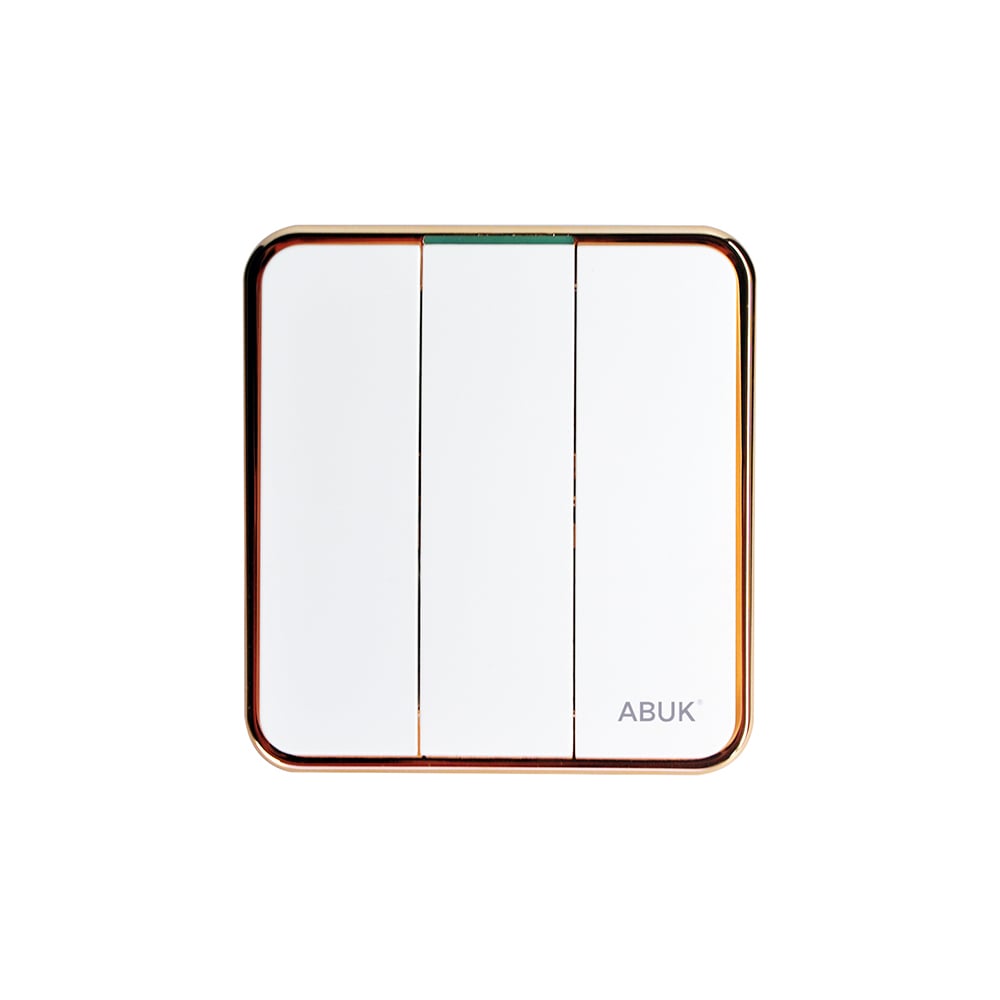
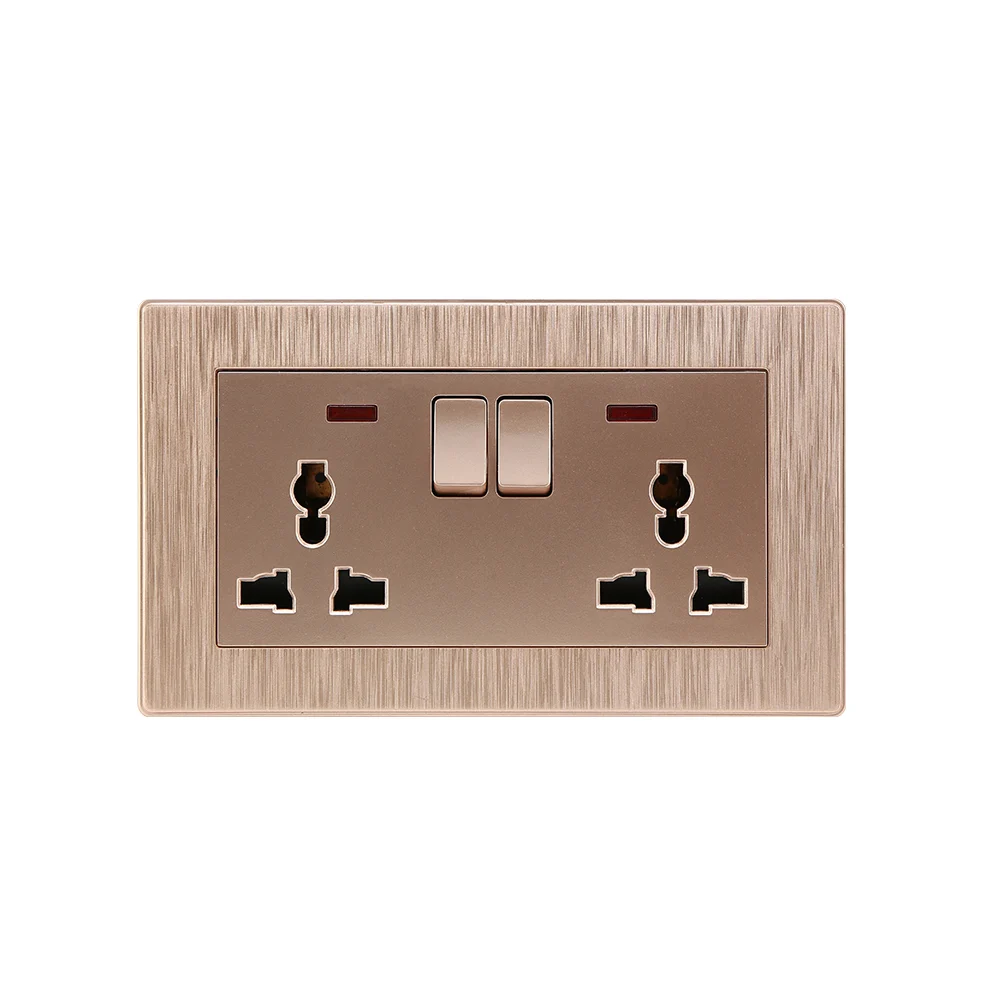
European sockets and switches are often chosen as a coordinated decorative range, but switch function is a separate decision. One rocker can be a simple on/off switch, part of a two-location circuit, or another mechanism. Three rockers indicate three visible controls; they do not prove the internal circuit arrangement or suitability for a particular load.
IEC 60669-1 addresses general requirements for household and similar fixed-installation switches. Procurement still needs the exact model’s marked voltage, current, load suitability and wiring instructions. An AC current rating alone does not establish compatibility with every LED driver or its inrush characteristics.
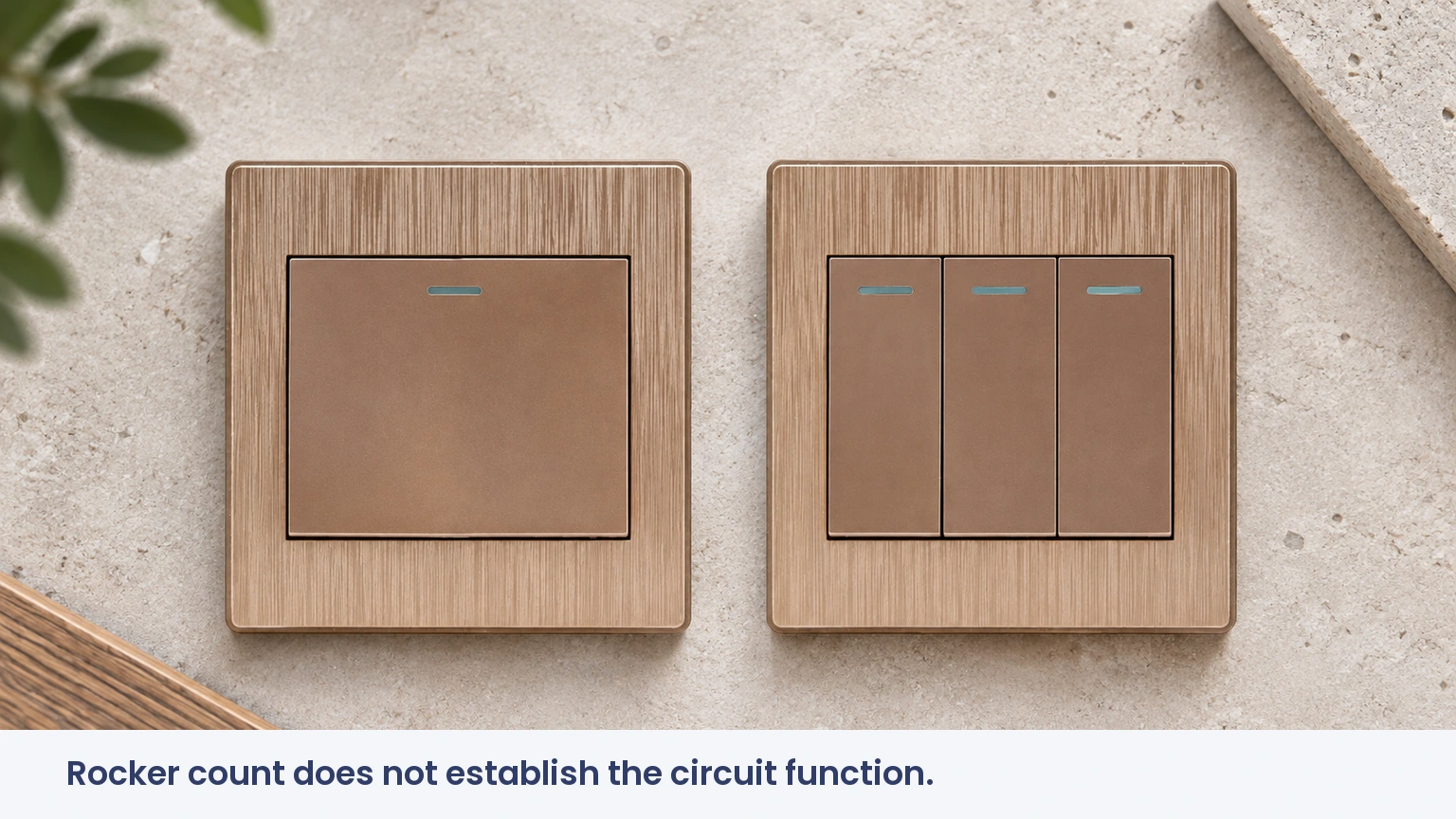
For multi-location control, terminology also matters. “Two-way” and “three-way” can mean different things across markets. A written description—one light controlled from two locations—plus a supported circuit diagram avoids ambiguity. Smart or illuminated mechanisms may introduce neutral or minimum-load requirements that a basic mechanical switch does not have.
Why do matching frames sometimes fail to fit?
A shared faceplate width does not prove that two mechanisms use the same mounting centres, box depth or frame system. IEC 60884-1 covers general requirements for household and similar plugs and socket-outlets; national systems and manufacturer mounting families still determine the actual accessory combination.
Buyers should check the complete assembly: mechanism, support, decorative frame, back box and available conductor space. A 1-gang description identifies a position count, not a universal set of dimensions. Mix-and-match purchasing is particularly risky when different suppliers use similar-looking trim around different retention systems.
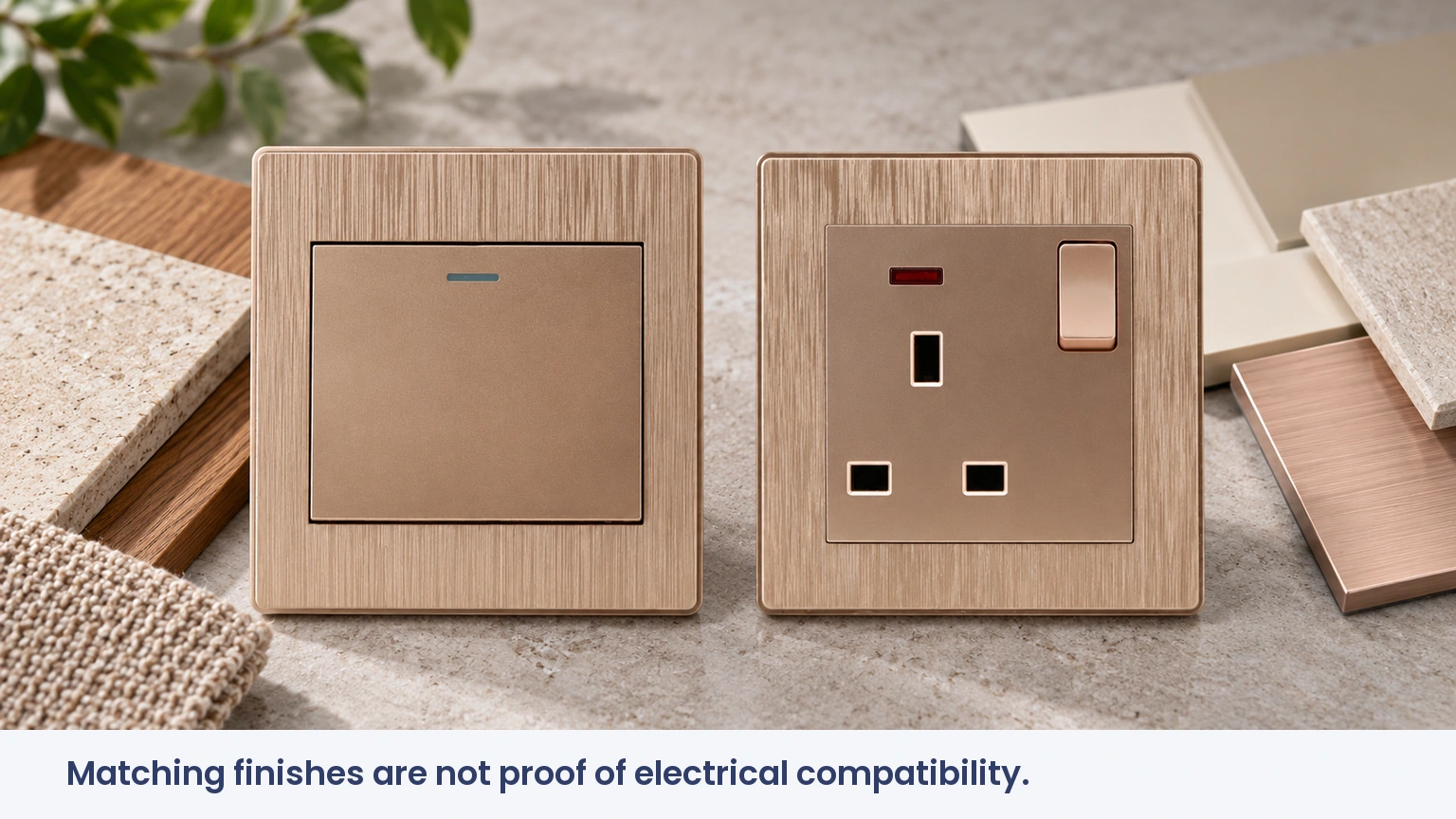
Requesting one complete sample assembly before a bulk order can reveal an incompatibility that individual product photographs hide. The return on that check is practical: fewer delayed installations, fewer damaged frames and less site labour spent adapting an unsuitable part.
How do the main national socket systems compare?
| Market example | Common system | Procurement check |
|---|---|---|
| France | Type E | Plug compatibility with the socket’s earth pin |
| Germany | Type F / Schuko | Side earthing contacts and approved plug arrangement |
| Italy | Type L; other approved combinations also occur | 10A versus 16A spacing and exact socket design |
| Switzerland | Type J | Swiss plug and socket requirements |
| UK and Ireland | Type G | Local socket, fused-plug and installation requirements |
This table identifies common systems, not every installed variant. It is a starting point for the destination specification, not permission to substitute one national accessory for another.
Which project conditions change the selection?
| Application | Question to resolve | Likely cost of getting it wrong |
|---|---|---|
| Hotel rooms | Local compliant sockets and guest charging needs | Adapter complaints and accessory replacement |
| Apartment renovation | Existing box and frame compatibility | Wall repair and additional fitting labour |
| Office fit-out | Load types, position and switching function | Late layout changes and inconvenient outlets |
| Outdoor or damp locations | Environmental protection and local installation rules | Unsuitable accessories and rejected inspection |
What do CE, RoHS and local standards actually establish?
CE is a marking under applicable EU legislation, not a single blanket certificate for every electrical accessory. The Low Voltage Directive 2014/35/EU generally covers equipment within 50–1,000V AC, but domestic plugs and socket-outlets are excluded from its scope. Switches and combined electronic accessories require their own scope assessment; other applicable legislation must also be considered.
RoHS addresses restrictions on specified hazardous substances within its scope. It does not prove plug compatibility or correct installation. GCC requirements relate to destination markets in the Gulf and do not replace European national requirements. The supplier’s documentation should identify the exact model, applicable rules and responsible entity.
What should be included in a European accessory enquiry?
- Name the country and intended plug system, rather than “EU type.”
- State load and switching function in plain language.
- Supply the mounting-system requirements and request a complete sample.
- Ask for model-specific evidence and instructions before approving the finish.
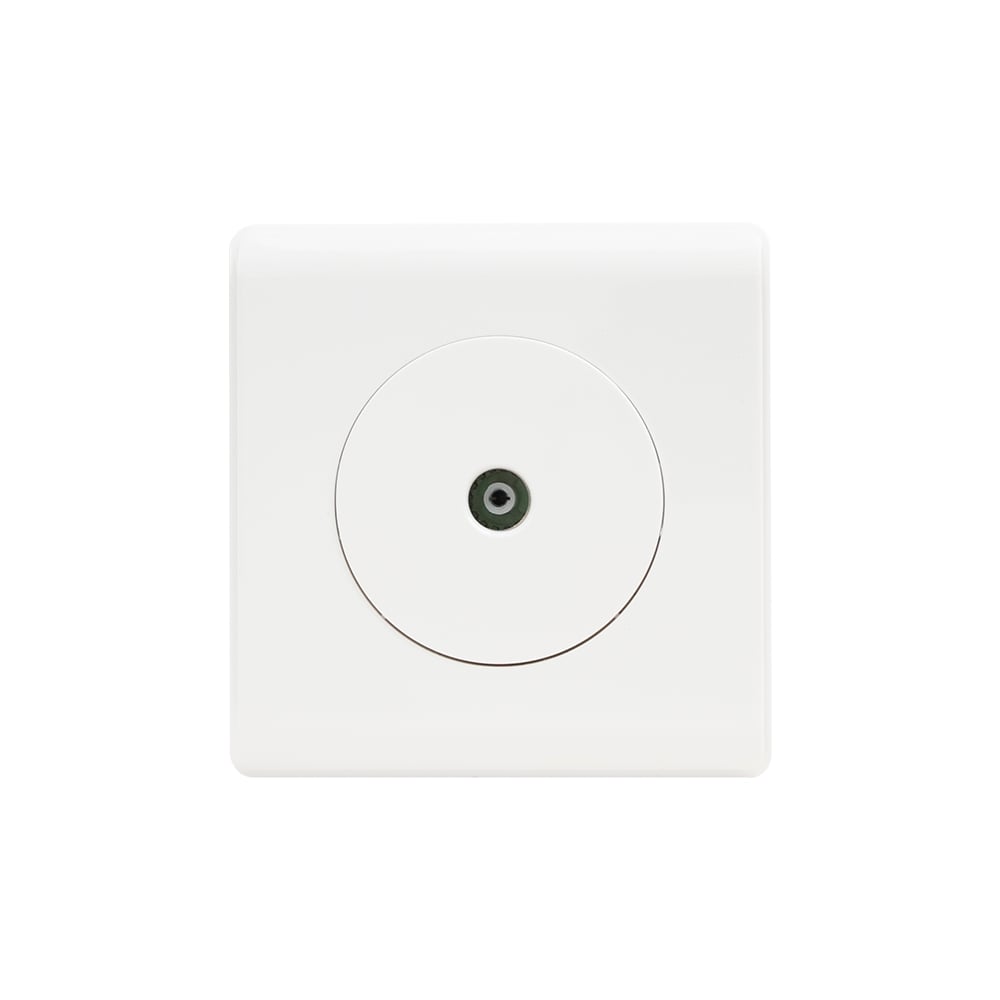
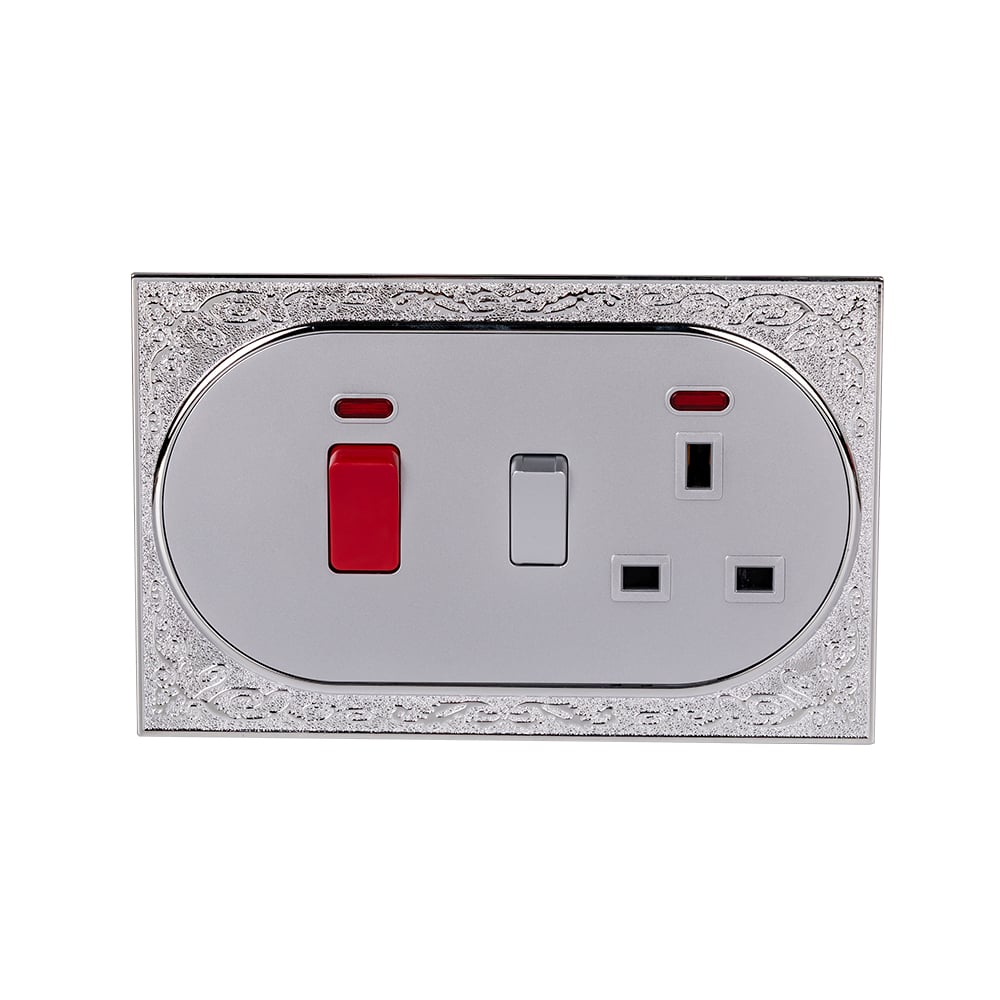
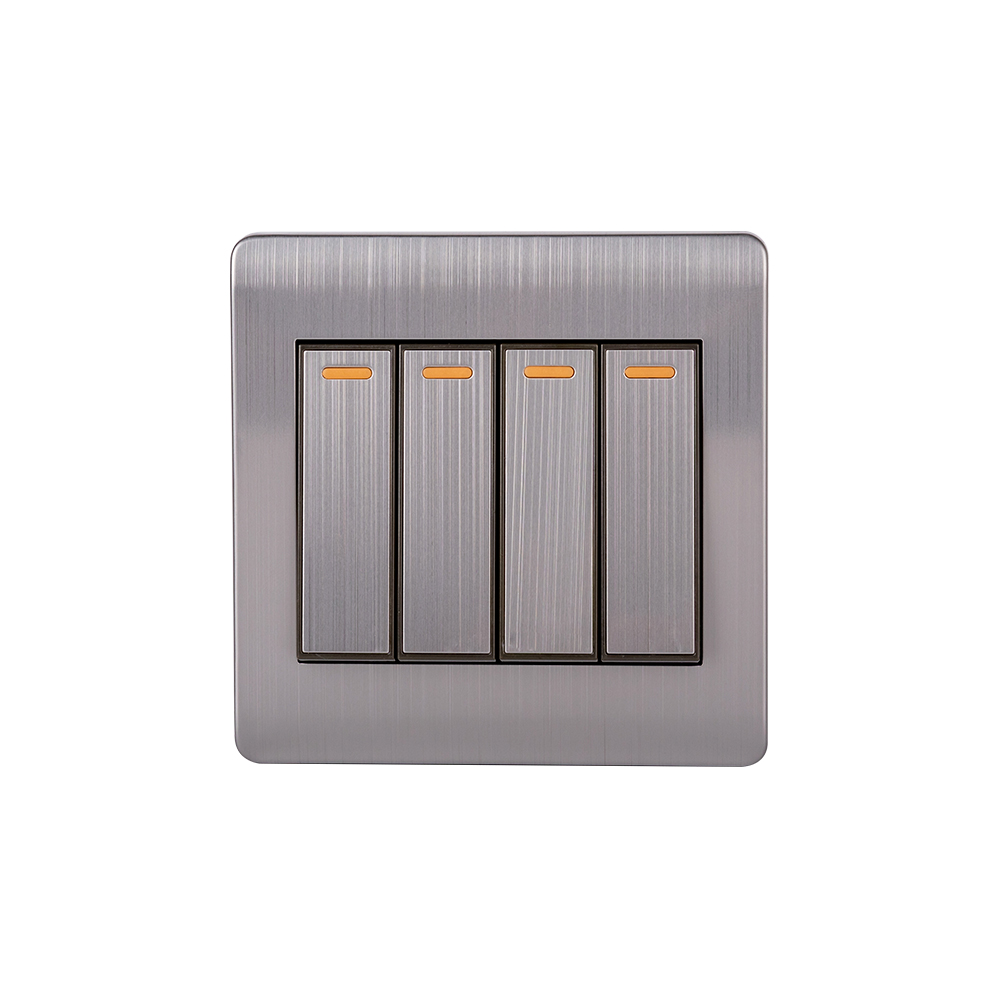
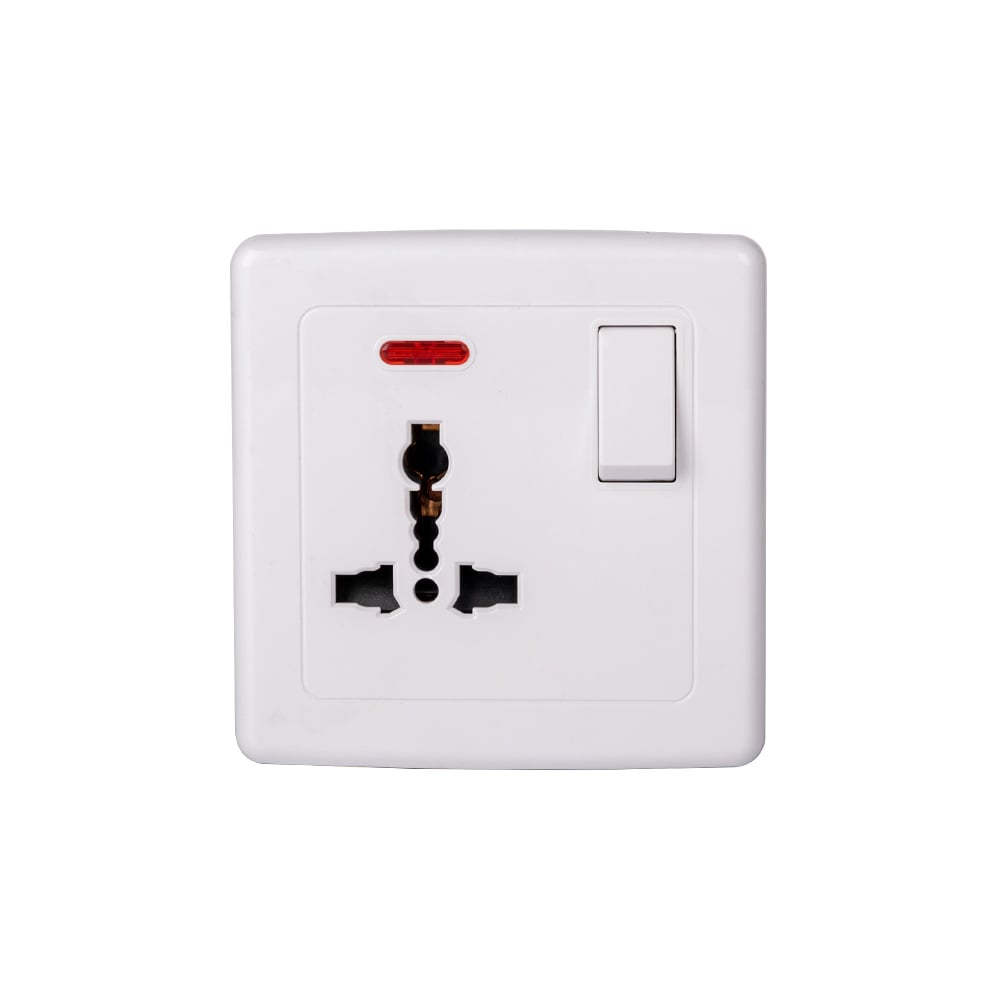
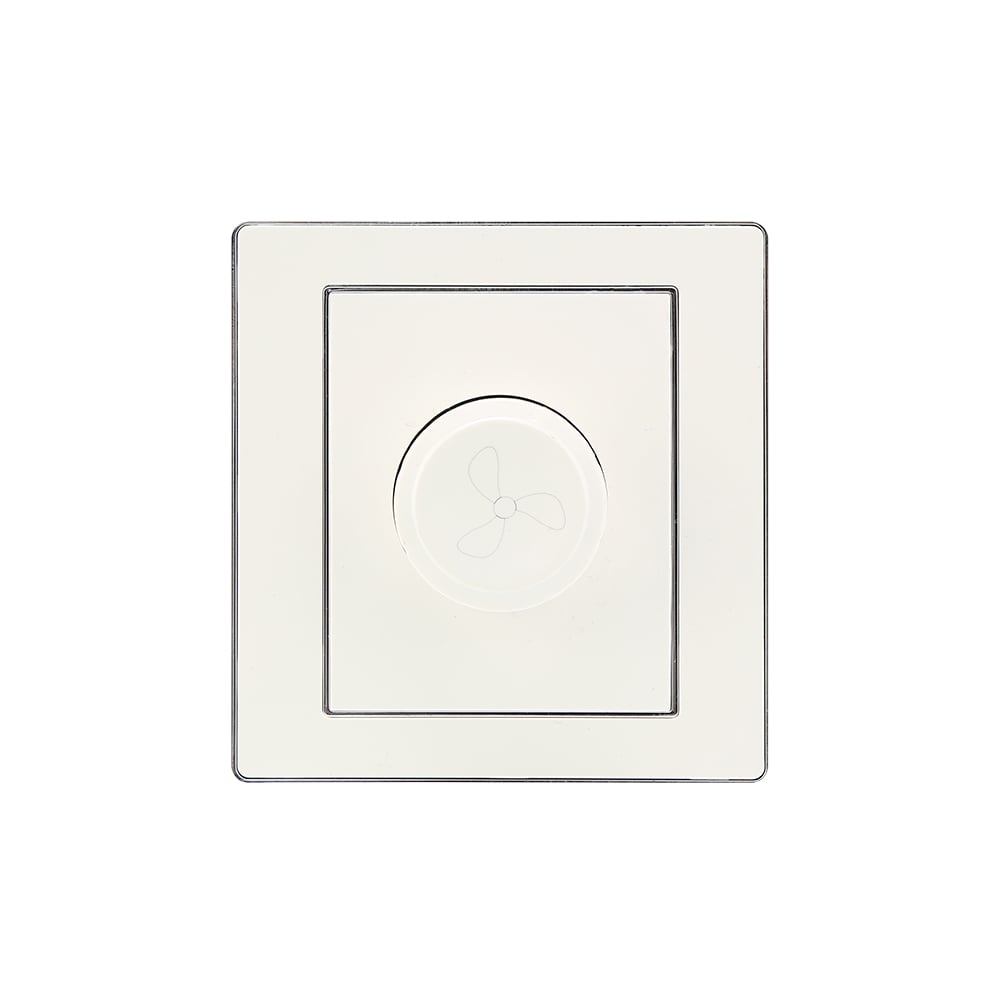
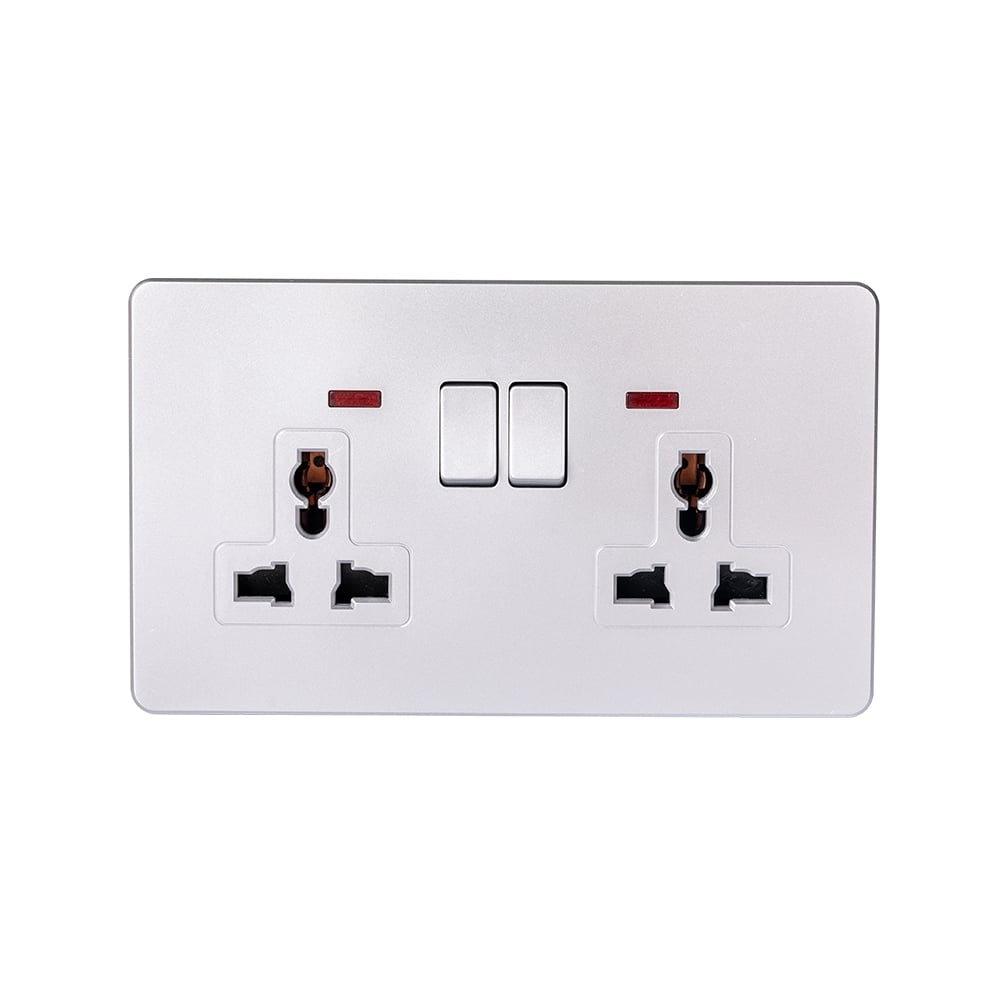
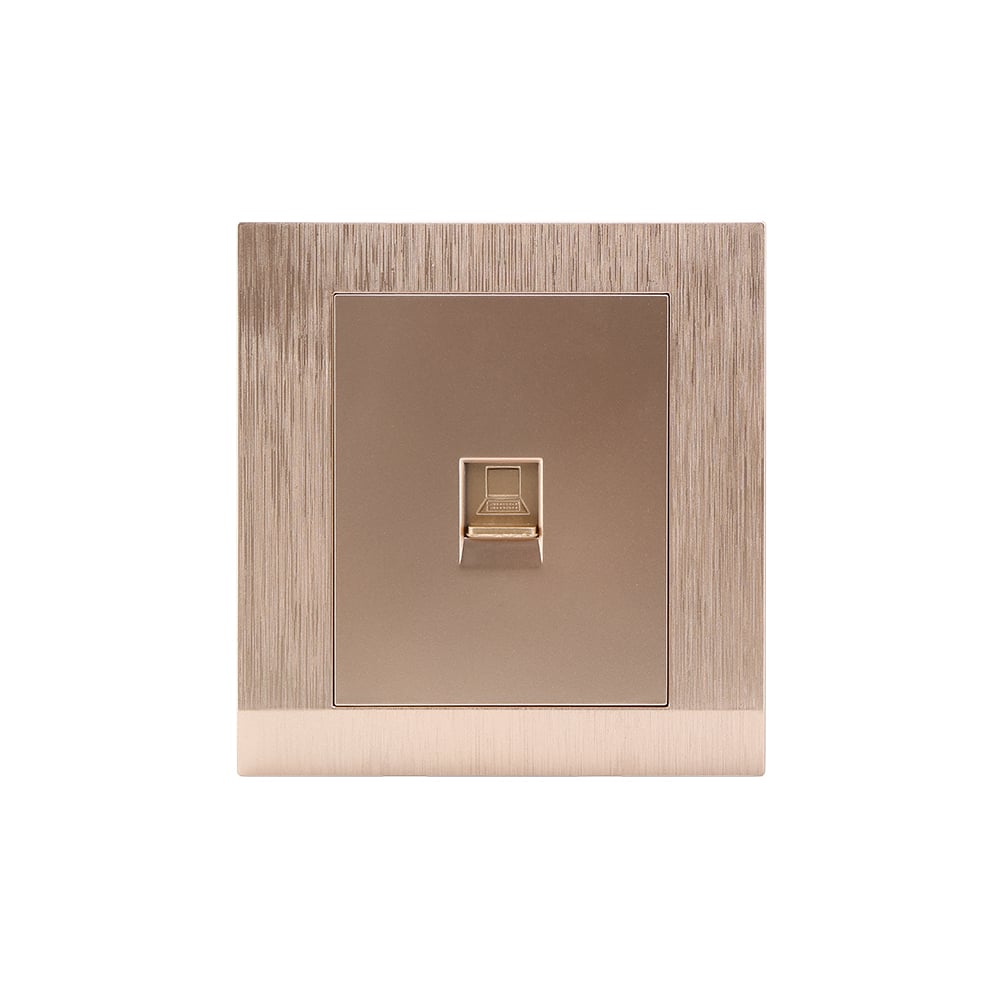
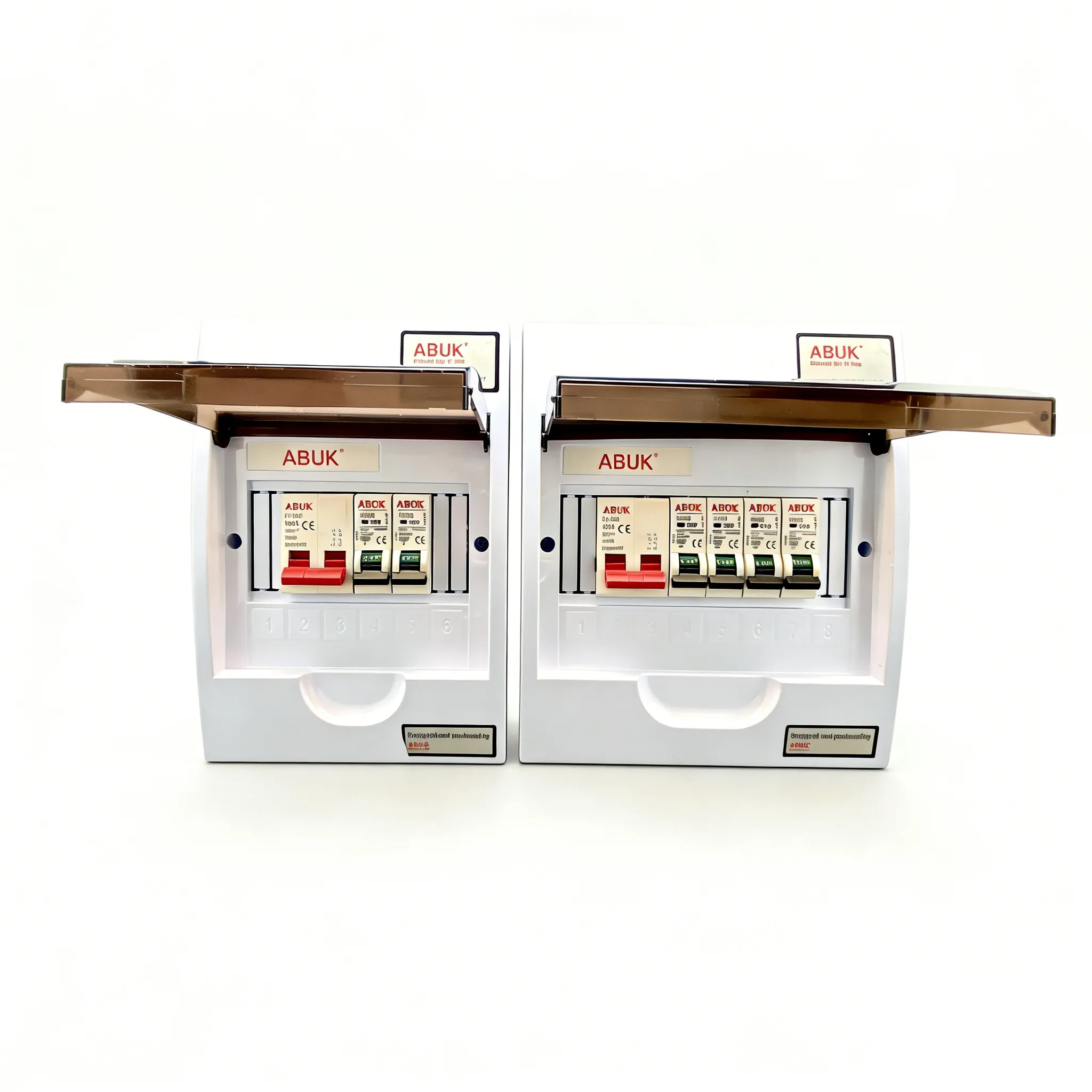
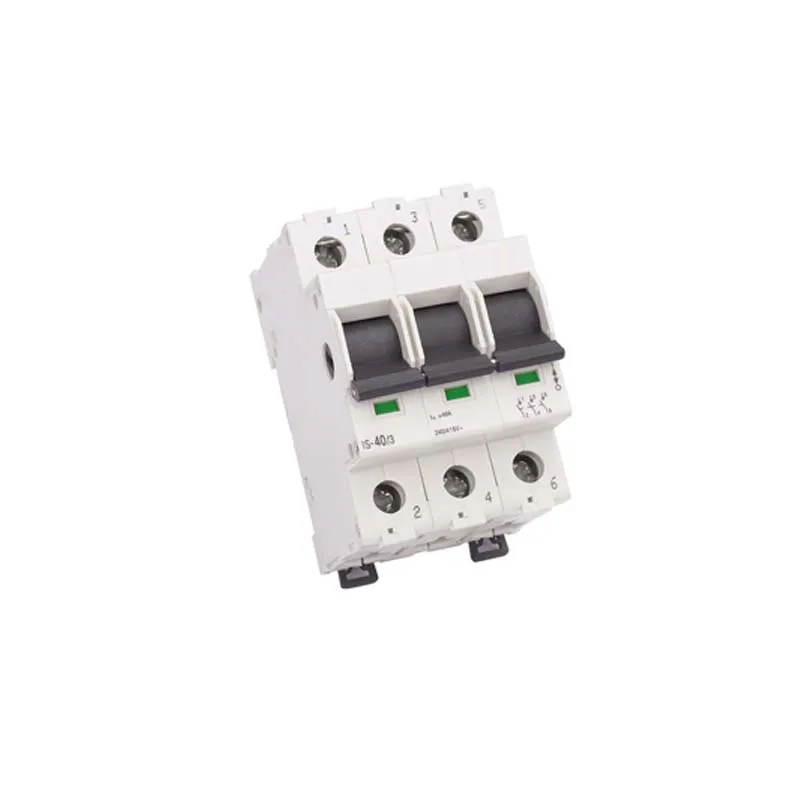
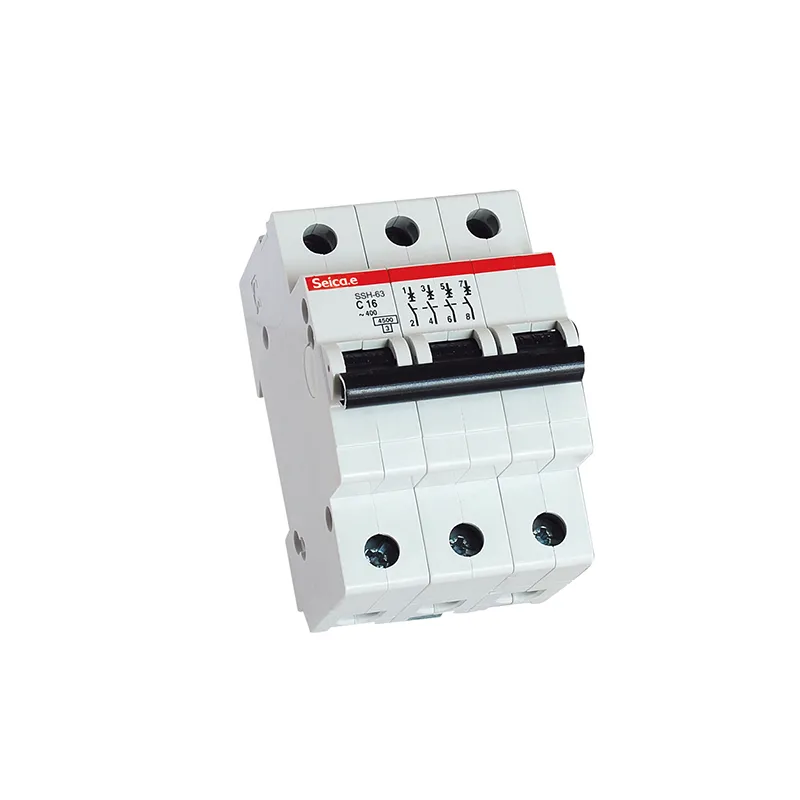
ABUK’s switch and socket range can be assessed against that specification. The pictured accessories illustrate finish and selection issues; they do not establish approval for every European market. Country-specific reading includes French socket types and Italian Type L sockets.
Frequently asked questions
What are the main types of European sockets and switches?
Common socket systems include E, F, L, J and G, depending on the country. Switches are specified separately by circuit function, load rating and mounting family.
Which European socket is used with a grounded plug?
Several systems provide protective earth, including E, F, L, J and G. The plug must match the particular earthing arrangement; a two-pin Europlug has no earth connection.
What voltage do European wall sockets provide?
Many European supplies are nominally 230V AC at 50Hz. Actual supply conditions and appliance input ratings still need to be checked.
Can a Type C plug fit every European outlet?
No. A Europlug fits many compatible sockets but not all national patterns or current-rated variants. Physical fit also cannot supply an earth connection that the plug does not have.
References
- World Standards: plug and socket systems
- European Commission: Low Voltage Directive
- European Commission: RoHS Directive
A coordinated room starts with compatible electrical systems, then matching finishes. Contact ABUK for project sourcing with the destination country and complete accessory specification.