
 Wenzhou Lita Electric Co., Ltd.



How Much Does It Cost to Install a Wall Socket?
When a renovation coordinator in Leeds encountered two very different quotes for an extra socket, she first compared the accessory prices. In this hypothetical example, the cheaper quote excluded wall chasing, making good and circuit testing. The apparent saving disappeared once both contractors priced the same job. The socket itself had never been the main difference.
Summary: Wall socket installation cost depends on circuit suitability, cable route, access, finish and testing—not only the accessory. Checkatrade’s UK search listing, checked on 26 October 2026, gives an indicative £100–£200 for a new plug socket including labour. That is a budgeting reference, not a verified quote or universal price. Obtain a site-specific scope before comparing contractors.
This guide uses the UK as its budgeting context and pounds sterling as its currency. The indexed price summary was available during research; the full cost guide was not accessible for checking its detailed assumptions. Projects elsewhere should use local quotations rather than currency-convert a UK headline price.
Is the job a replacement, an additional point or a new circuit?
Replacing an existing wall socket in a sound box is different from adding a new point several metres away. A new point needs a cable route and a check that the circuit can support the proposed work. A dedicated new circuit adds distribution-board work, protective-device selection and a larger verification scope.
BS 7671 requirements govern UK installation work; the existing arrangement must be assessed rather than assumed suitable because another socket is nearby. A quotation should state whether it covers a like-for-like replacement, an extension of an existing circuit or a new circuit. “Install one socket” is too vague for a reliable price comparison.
A 13A socket marking does not mean that any number of additional loads can be added to the circuit. Expected appliance demand, circuit design and protective measures matter. Electrical Safety First’s guidance on overloading is especially relevant when the proposed point is intended to replace an already crowded extension lead.
How much do cable routes and wall construction change labour?
A short accessible route can be less disruptive than a concealed route behind finished masonry. Surface containment may avoid extensive chasing, but it introduces a visible finish that the client must accept. Concealed wiring may require lifting floors, drilling, plaster repair and later decoration.
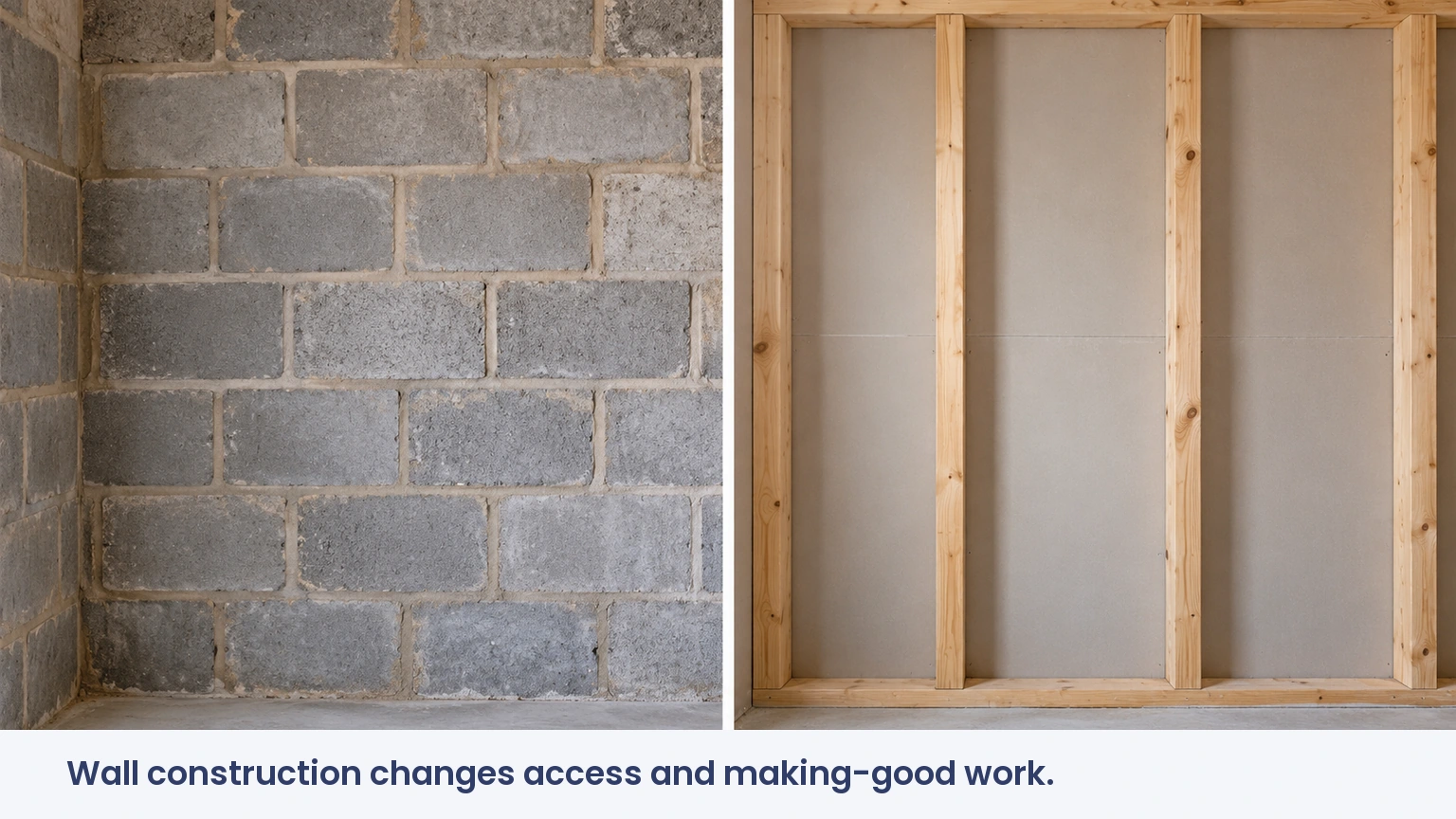
For a simple comparison, consider two hypothetical locations: one 1 metre from an accessible cable route, the other 8 metres away across a finished room. Those distances are examples, not pricing units. The longer route is not automatically eight times the cost, because access, obstacles and reinstatement can outweigh cable length.
The route must also comply with the applicable installation rules; the cheapest physical path is not necessarily permissible. A useful site survey identifies likely access points and who restores each surface. Unstated making-good work is one of the easiest ways for a low headline quote to become an expensive finished job.
When do circuit upgrades change the budget?
The electrician may find that the existing circuit, protective arrangements or distribution board needs attention before the extra point can be added. That finding is not the same as saying every socket installation needs a full rewire. The repair or upgrade should be explained in terms of the actual installation and applicable BS 7671 requirements.
Additional RCD or RCBO provision, damaged wiring, insufficient space or unsuitable existing arrangements can change the work. The contractor should distinguish work required for the proposed addition from optional improvements elsewhere. Buyers should ask what observation or test supports each added item.
A sound quotation also defines how unexpected conditions are handled. A written variation procedure is more useful than a vague “extras may apply” note: it states when work stops, how the client is informed and what evidence accompanies a revised price. No electrical defect should be hidden simply to preserve the original quotation.
How should a complete installation price be built?
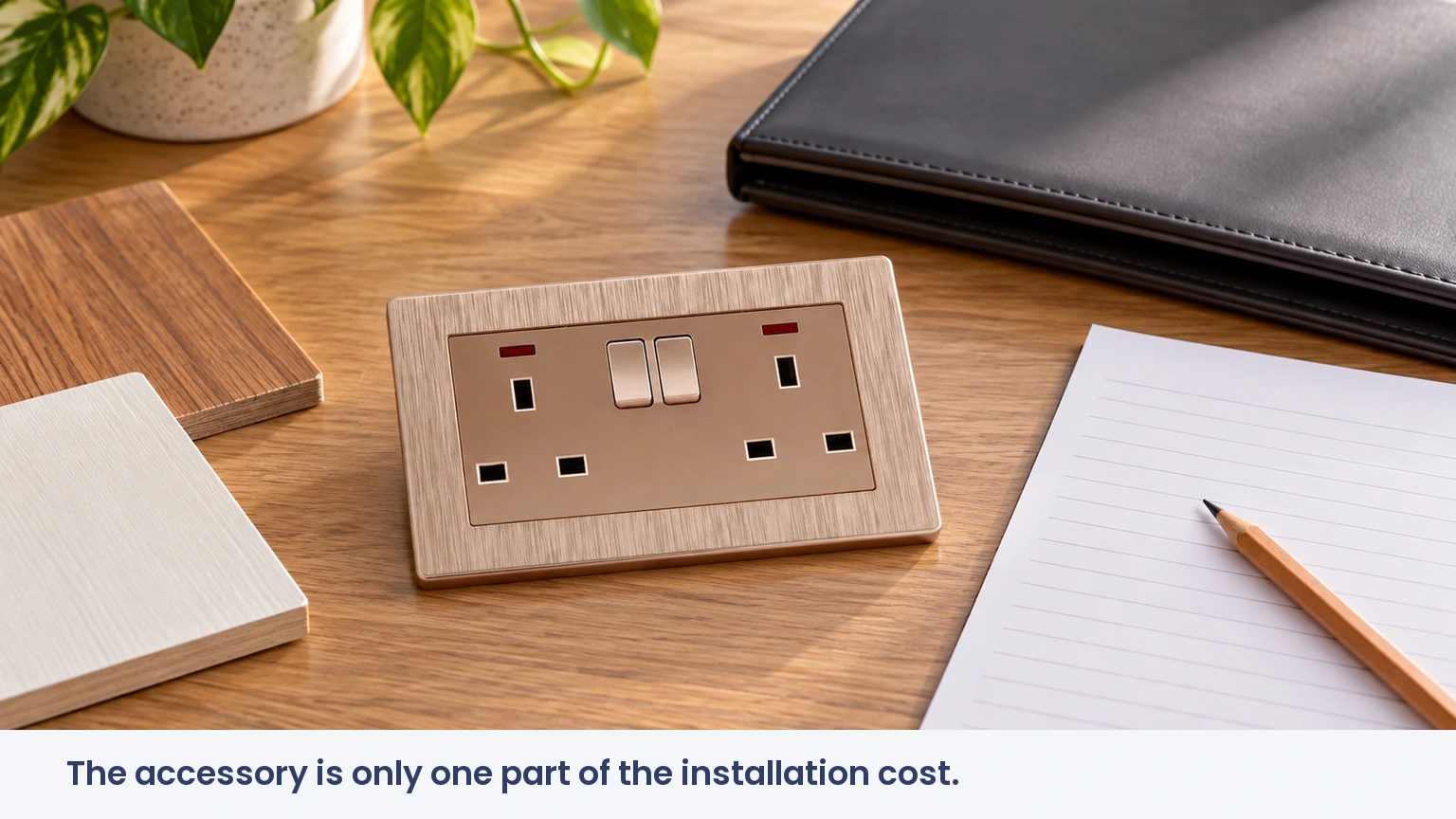
A practical budget is the sum of survey or diagnosis, accessory and materials, installation labour, access and repairs, testing, documentation and applicable taxes. These are cost categories, not mandatory separate charges; some contractors bundle them. The point is to establish what the total includes.
For illustration only, a quote with £150 of installation work and £80 of excluded plaster repair totals £230 before any other excluded items. It is not cheaper than a £220 quotation covering the same work and repair. These figures demonstrate comparison arithmetic; they are not market rates or ABUK installation prices.
Testing must remain in the scope. HSE guidance emphasizes competent electrical work, while GS38 addresses safe testing practices. A discount obtained by omitting verification does not represent the same completed installation.
Which quotation offers the better total value?
| Quote item | Low-detail offer | Comparable, complete offer |
|---|---|---|
| Accessory | “Standard socket” | Specified model, finish and required functions |
| Cable route | Not described | Agreed surface or concealed route |
| Wall repairs | Assumed by the buyer | Included, excluded or separately priced |
| Circuit condition | No stated assessment | Existing-circuit suitability checked |
| Completion | Accessory fitted | Testing and appropriate documentation included |
For an occupied office, the timing of isolation can also outweigh a small difference in unit cost. A slightly higher labour charge may be commercially reasonable if it avoids an unplanned interruption. That decision should be based on an agreed work window, not an unsupported promise of zero downtime.
Which conditions are most likely to move the final price?
| Cost driver | Why it matters | Information to provide |
|---|---|---|
| Wall construction | Changes access and reinstatement | Masonry, plasterboard, tile or finished joinery |
| Location and access | Changes routing and labour | Room layout and occupied hours |
| Accessory specification | Changes device and box requirements | Socket type, finish and any USB functions |
| Circuit condition | May add remedial work or protection | Available inspection records and intended loads |
| Number of points | May share setup and access work | Complete locations before quoting |
Batching several planned electrical socket outlets into one visit may reduce duplicated setup and wall-repair work, but savings are not guaranteed. Asking for both the total project price and the scope per point makes the comparison clearer than dividing every quote by the socket count.
What compliance costs should remain visible?
UK work must meet the relevant installation and building-regulation requirements. The type of work and location determine the appropriate certification or notification route; not every additional socket has identical paperwork requirements. The electrician should state the documentation included and any required notification.
Accessory conformity and installation compliance are separate. CE, RoHS or GCC-market documents must be checked for the exact model and destination; they do not remove local installation obligations. Purchasing an inexpensive accessory without suitable evidence can create replacement costs or inspection delays.
What should buyers send with a request for quotation?
- A marked location plan and the intended appliances or loads.
- The preferred socket system, finish and mounting arrangement.
- Known wall construction, access restrictions and decoration expectations.
- A request for testing, documentation, taxes and exclusions to be stated clearly.
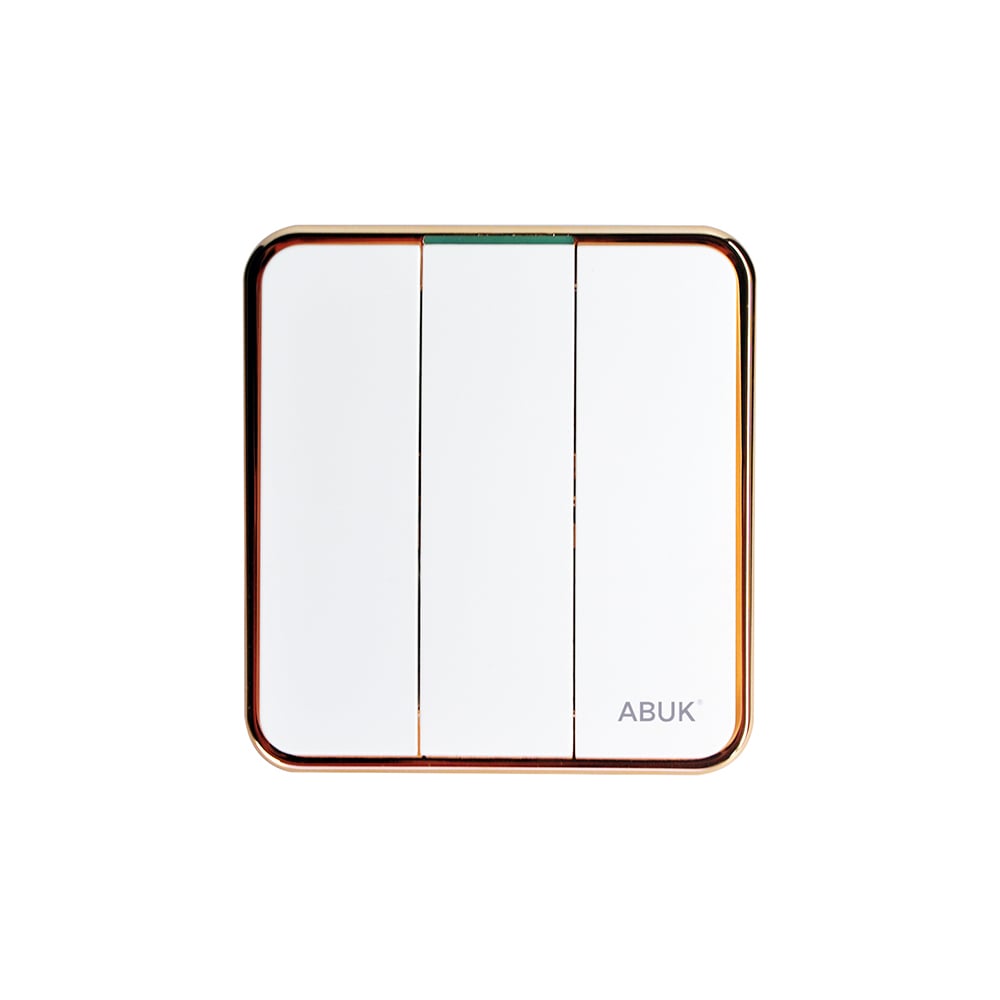
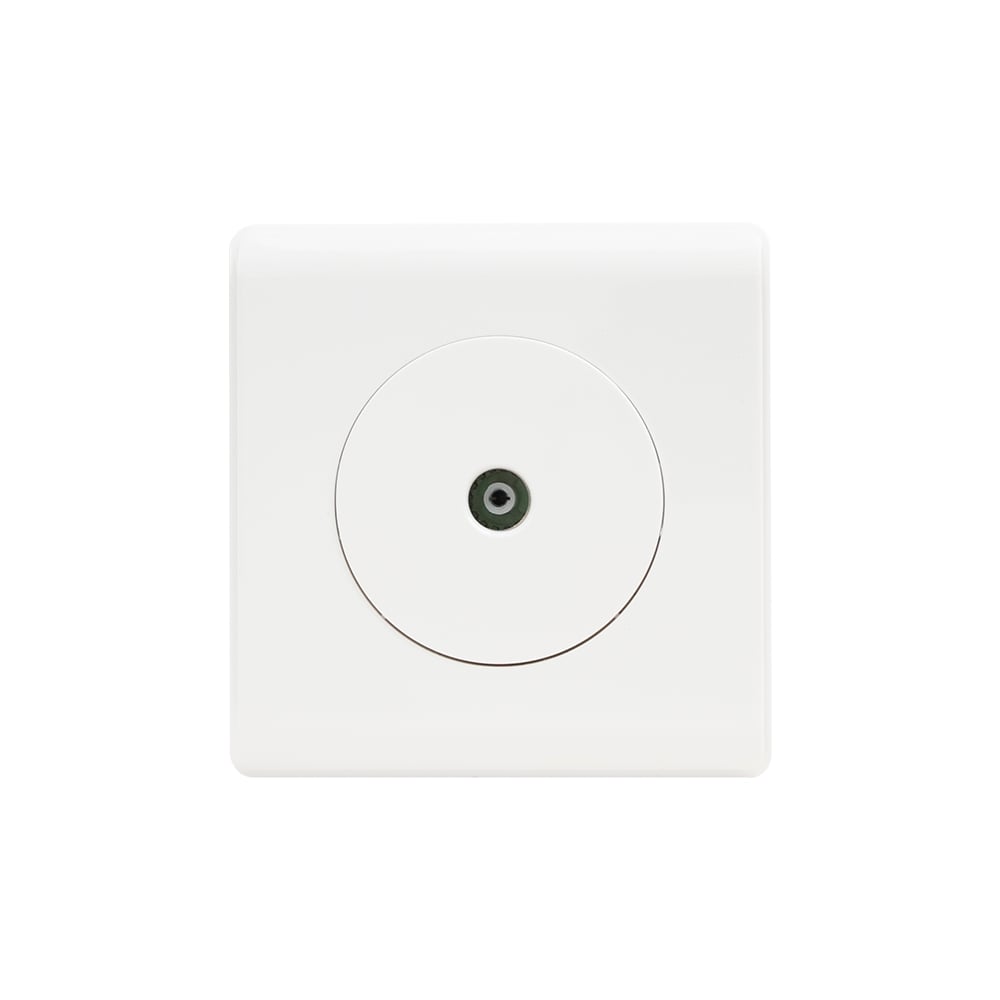
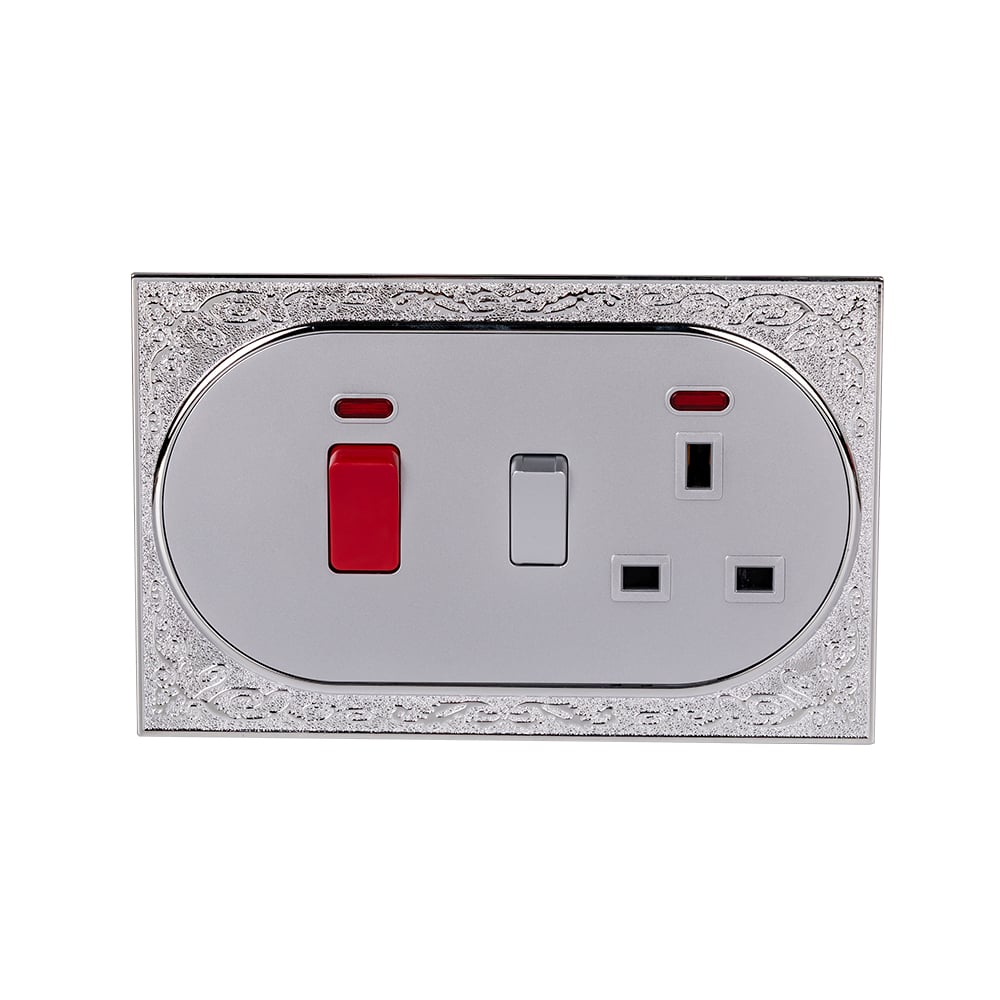
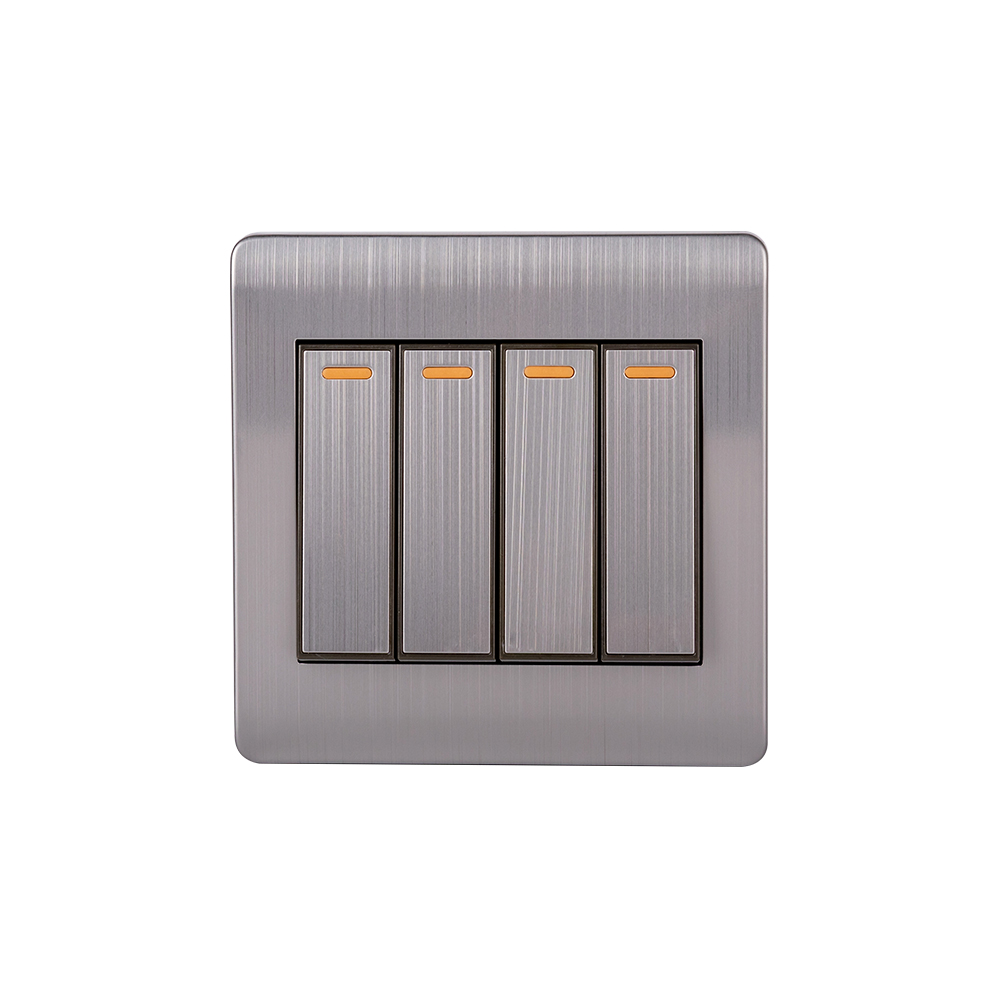
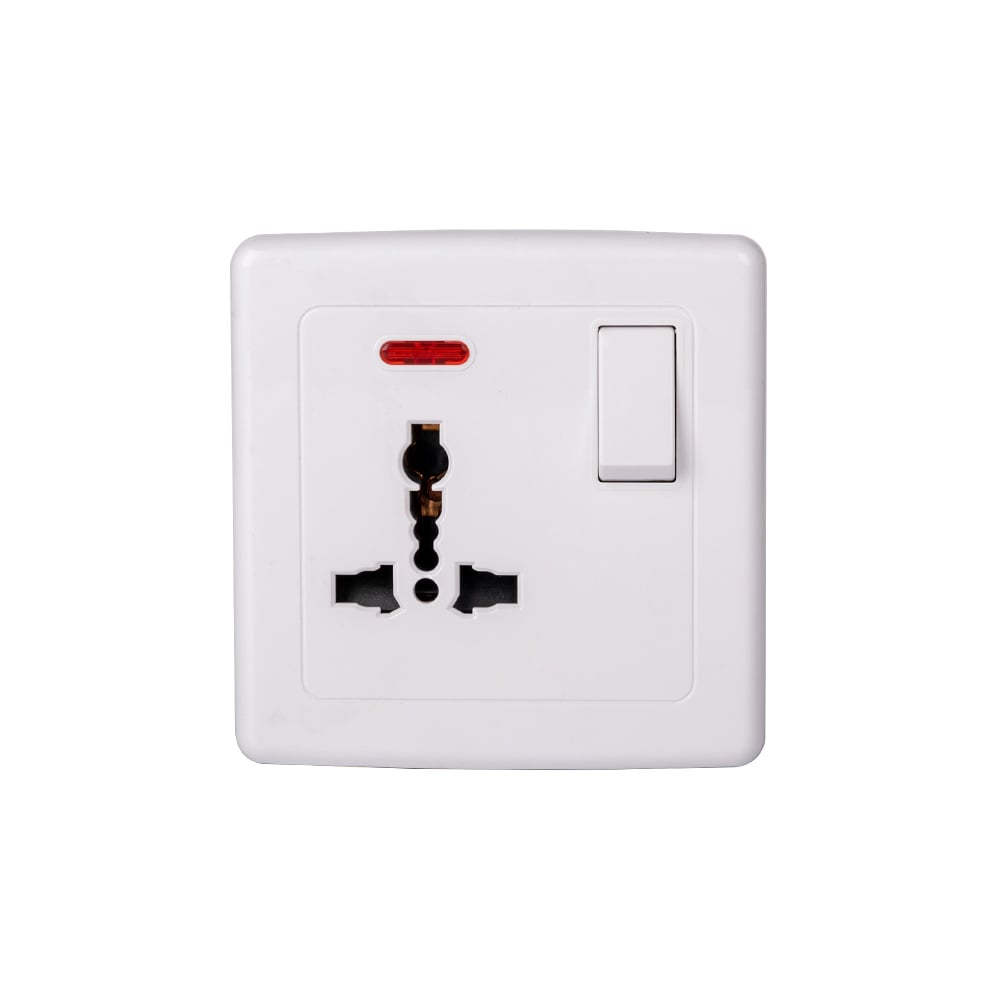
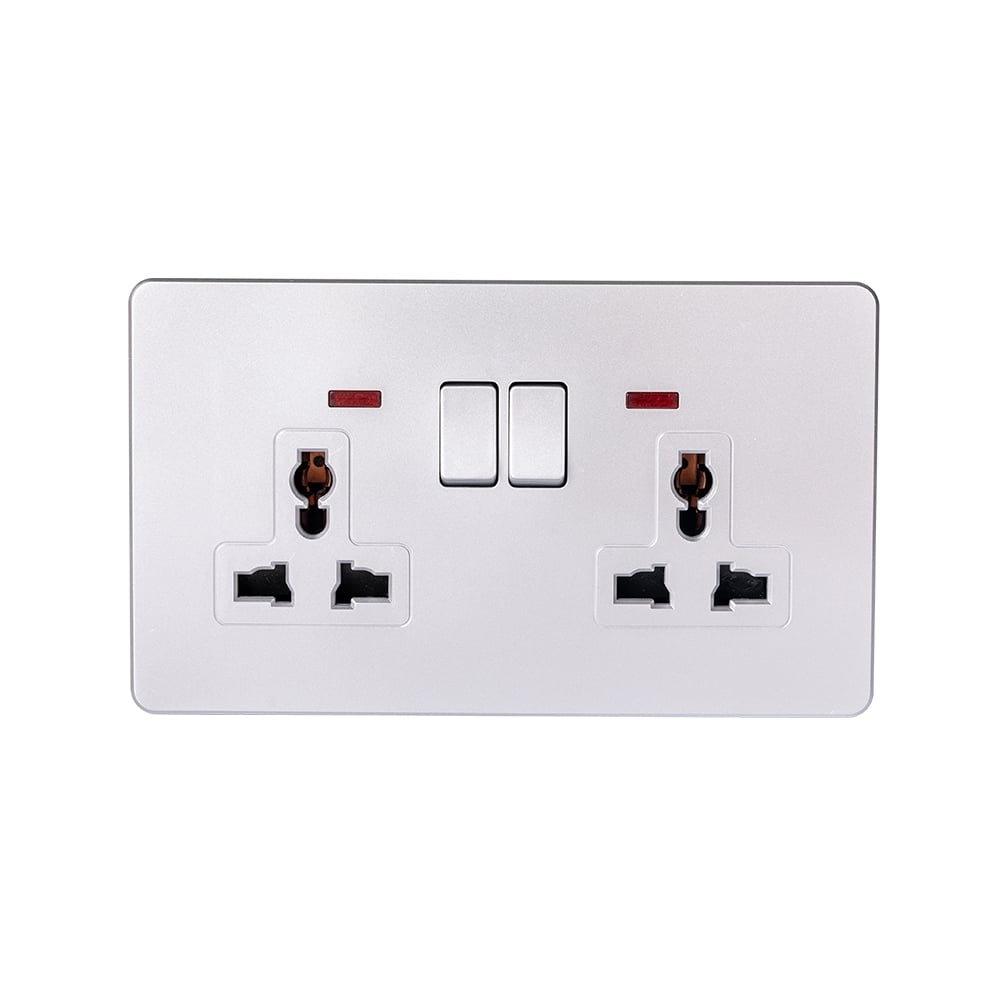
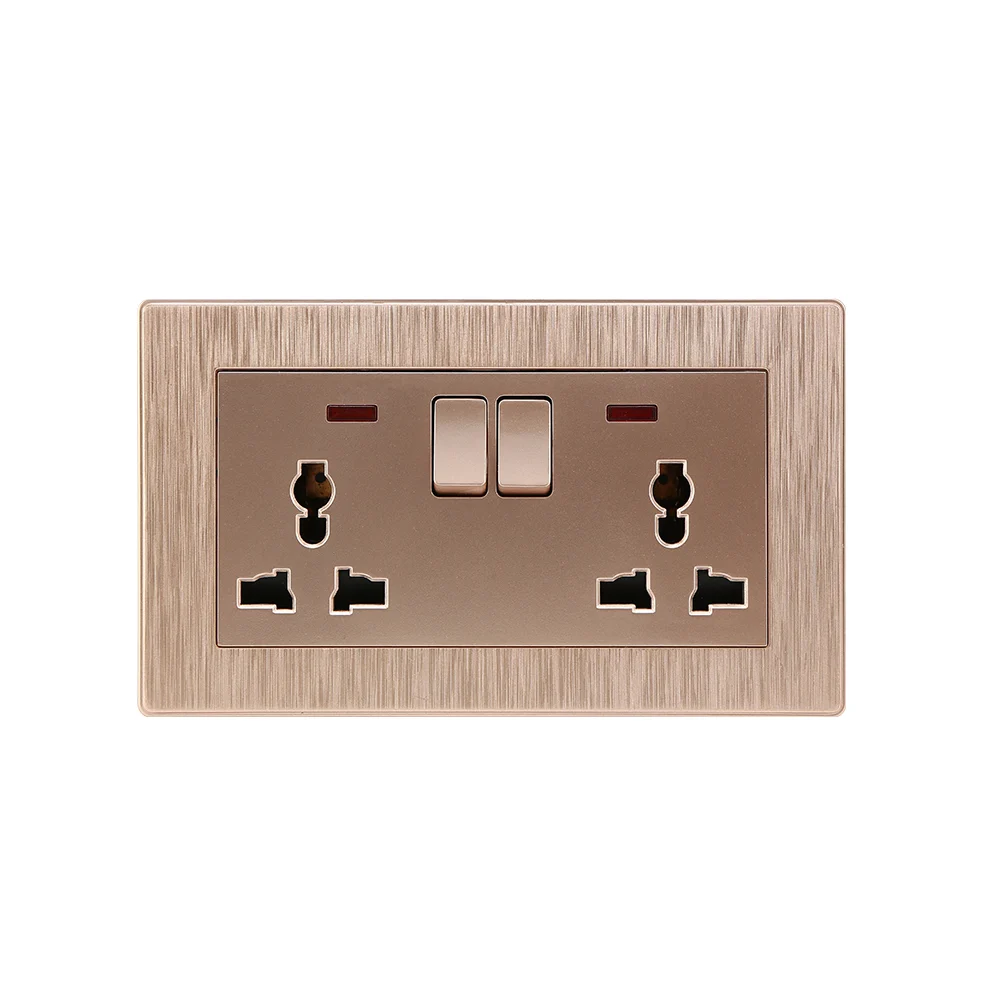
ABUK’s socket and switch products can support the accessory specification; local installation quotations remain a separate part of the budget. For home electrical outlets, the guides to adding an outlet and wall socket installation help define the work before prices are compared.
Frequently asked questions
How much does it cost to install a wall socket?
A UK budgeting reference from Checkatrade’s indexed summary is £100–£200 including labour, subject to scope. Difficult routes, repairs or new circuits can change the price substantially; a site-specific written quote is needed.
What affects wall socket installation cost?
Circuit suitability, cable route, wall construction, accessory choice, access, making good and verification. Comparing only the price of the socket misses much of the work.
Is rewiring needed when adding a new socket?
Not necessarily. The electrician must assess whether the existing circuit can support the addition and whether any affected wiring or protection needs upgrading.
Does socket installation cost more in masonry walls?
It can when concealed wiring requires chasing and repair. An accessible surface route may change that comparison, so the chosen finish and route should be agreed first.
References
- Checkatrade: plug socket installation cost guide — indicative indexed summary checked 26 October 2026; detailed page assumptions were not independently accessible.
- HSE: competent electrical installation and maintenance
- HSE GS38: electrical testing guidance
- Electrical Safety First: avoiding socket overload
The useful price is the cost of a finished, verified installation, including the wall left behind. Request an accessory quotation from ABUK with the market, models and quantities so that product costs can be compared alongside the local installation scope.