
 Wenzhou Lita Electric Co., Ltd.
Are Wall Sockets AC or DC?
When a facilities coordinator in Dublin encountered a failed replacement power supply, matching the connector had seemed sufficient. In this hypothetical case, a spare adapter fitted a small office device, but the device would not start. The overlooked detail was on the electrical label: a connector that fits does not establish the correct voltage, current type or polarity.
Summary: Ordinary household wall sockets supply AC; electronics commonly convert it to DC through a power supply. The US Department of Energy identifies 110–120V at 60Hz in the United States and 220–240V at 50Hz in many other countries. Buyers must check the local supply and the device’s input requirements rather than judge compatibility by plug shape.
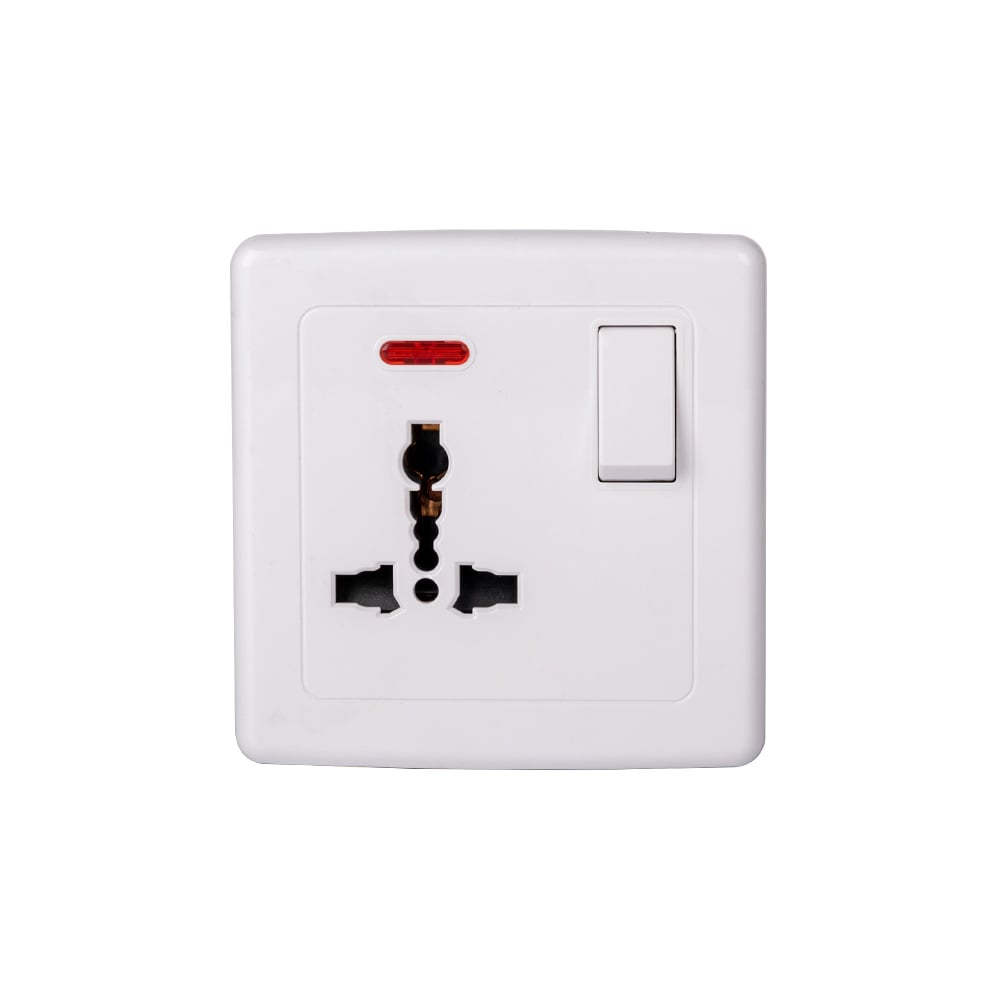
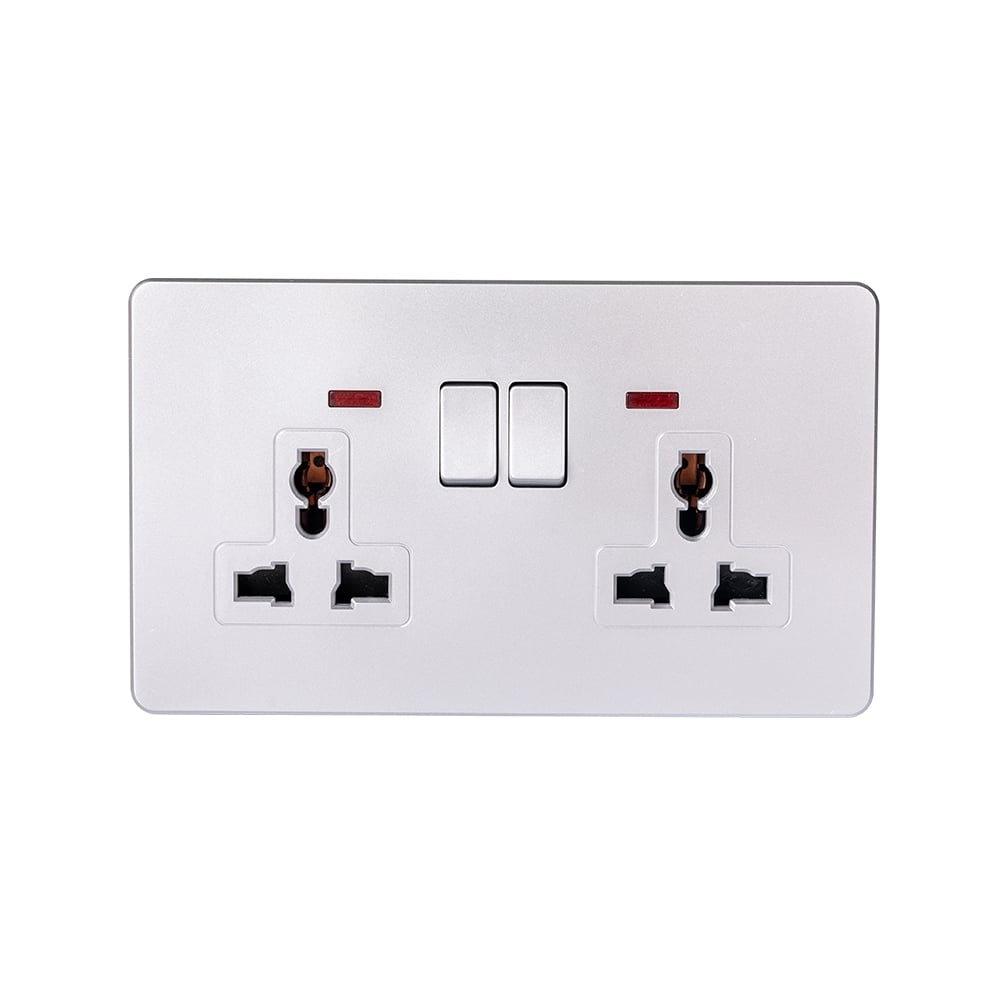
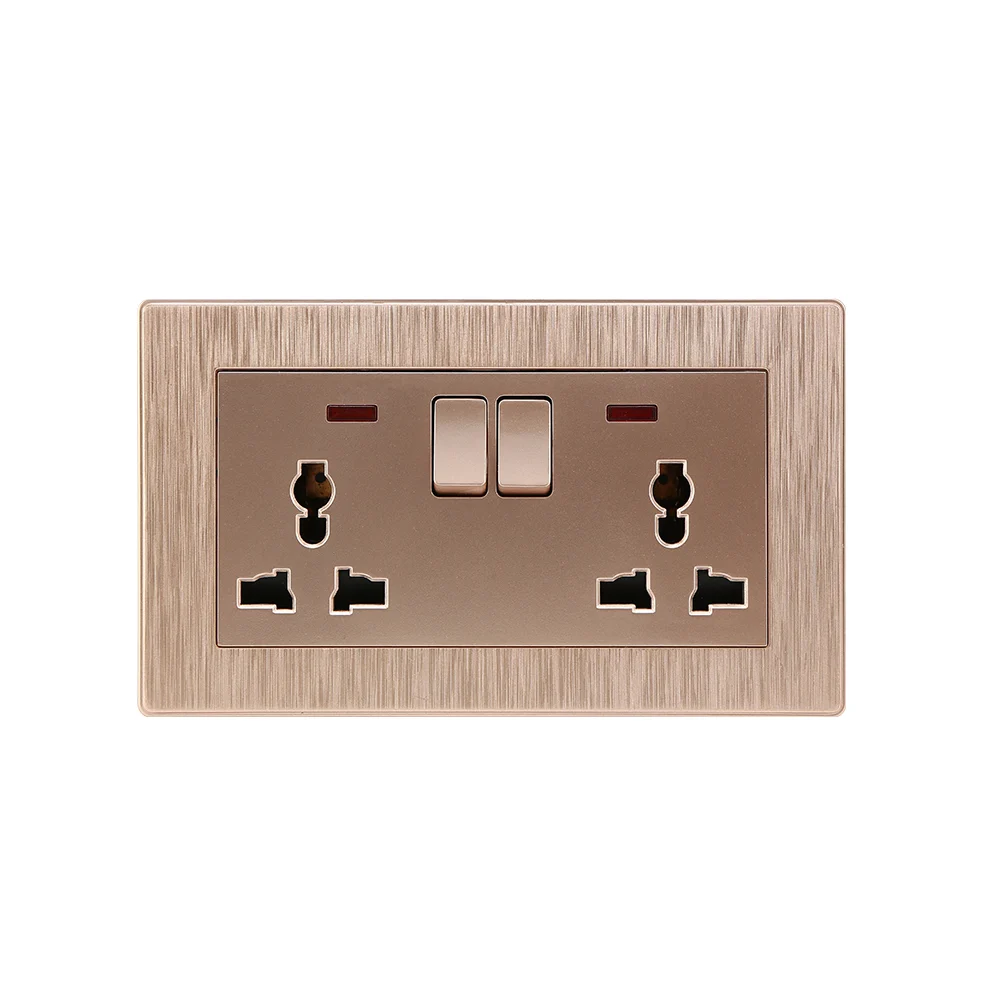
The question “Are wall sockets AC or DC?” becomes more interesting when a plate includes USB ports. The mains receptacle and USB connector can sit centimeters apart while delivering fundamentally different supplies.
Why do ordinary wall sockets supply AC?
AC means alternating current: in a conventional mains supply, voltage reverses polarity periodically. A 50Hz supply completes 50 cycles each second, so one full cycle takes 20 milliseconds. DC has a defined polarity instead; it need not be perfectly free of ripple to be described as DC.
The Department of Energy explains the historical advantage of transformers in changing AC voltage for transmission and distribution. Modern high-voltage DC transmission also exists, so “AC is always more efficient” would be an oversimplification. The relevant fact for a building user is the specified supply at the outlet, not the technology used on every part of the grid.
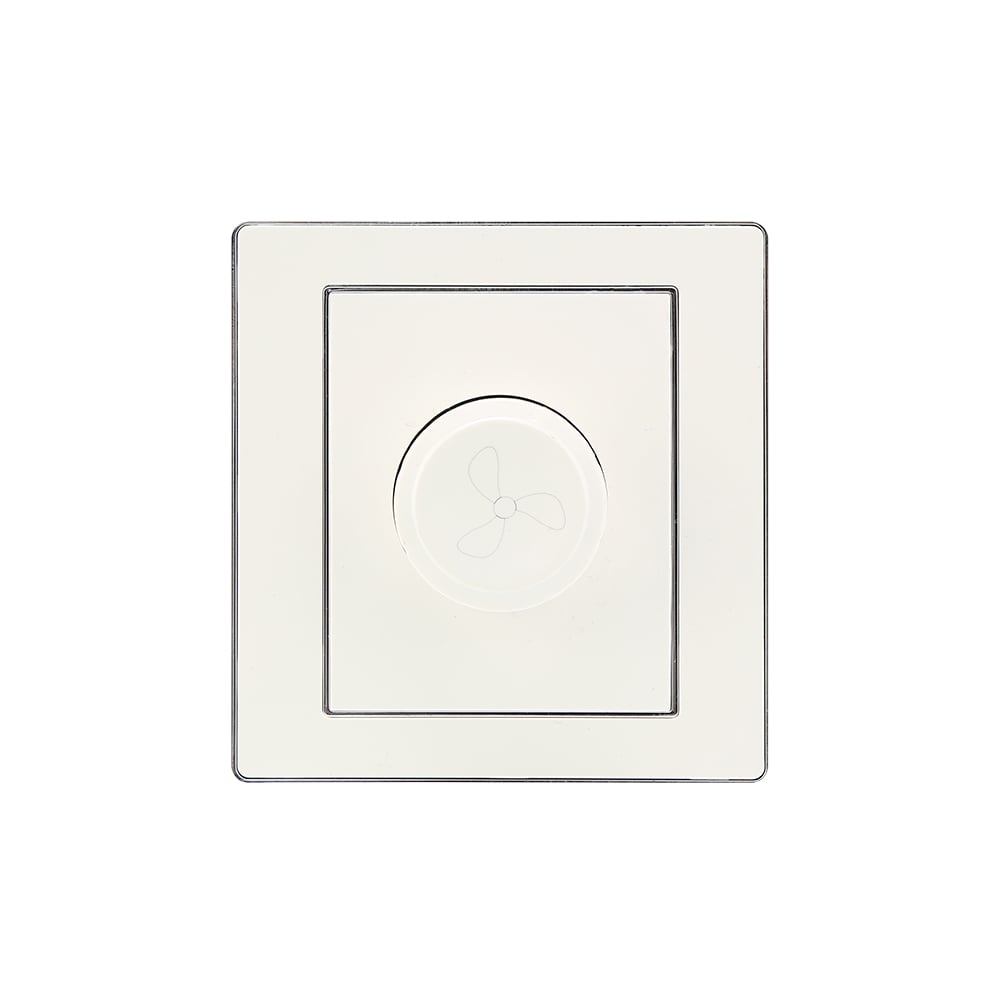
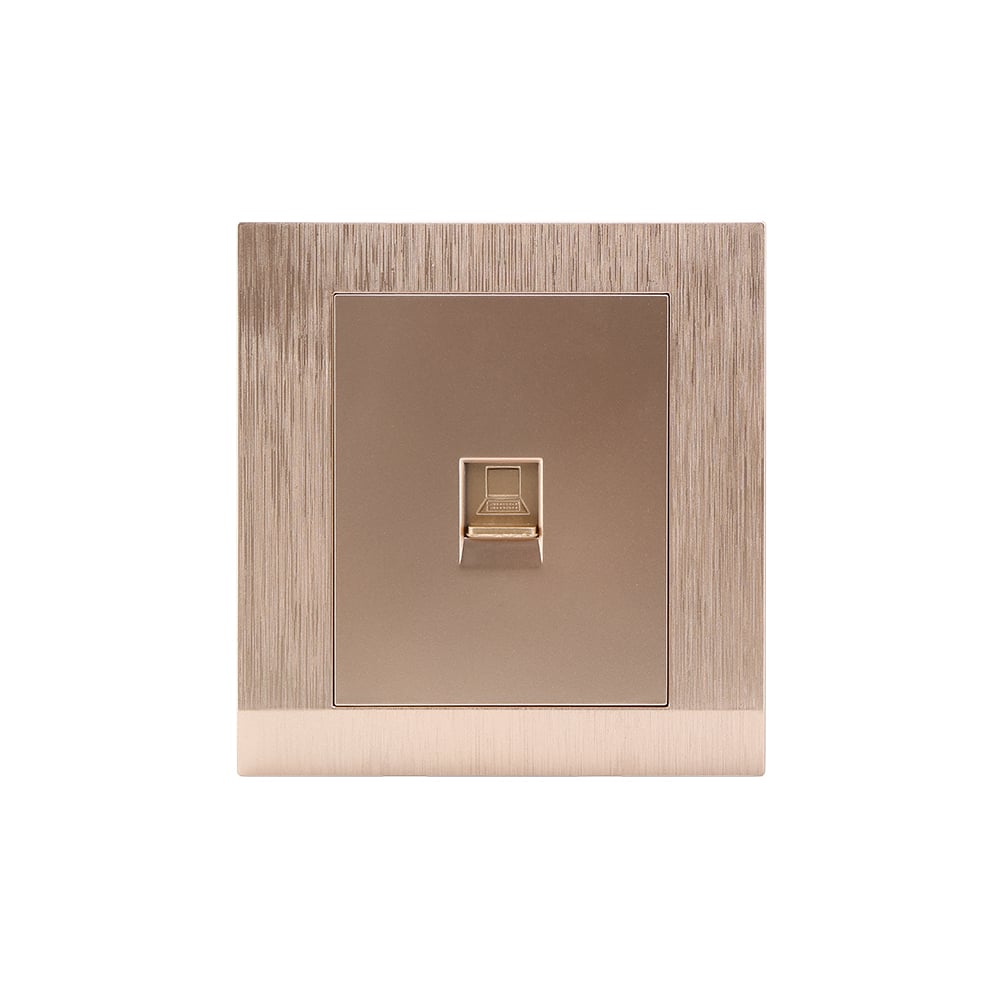
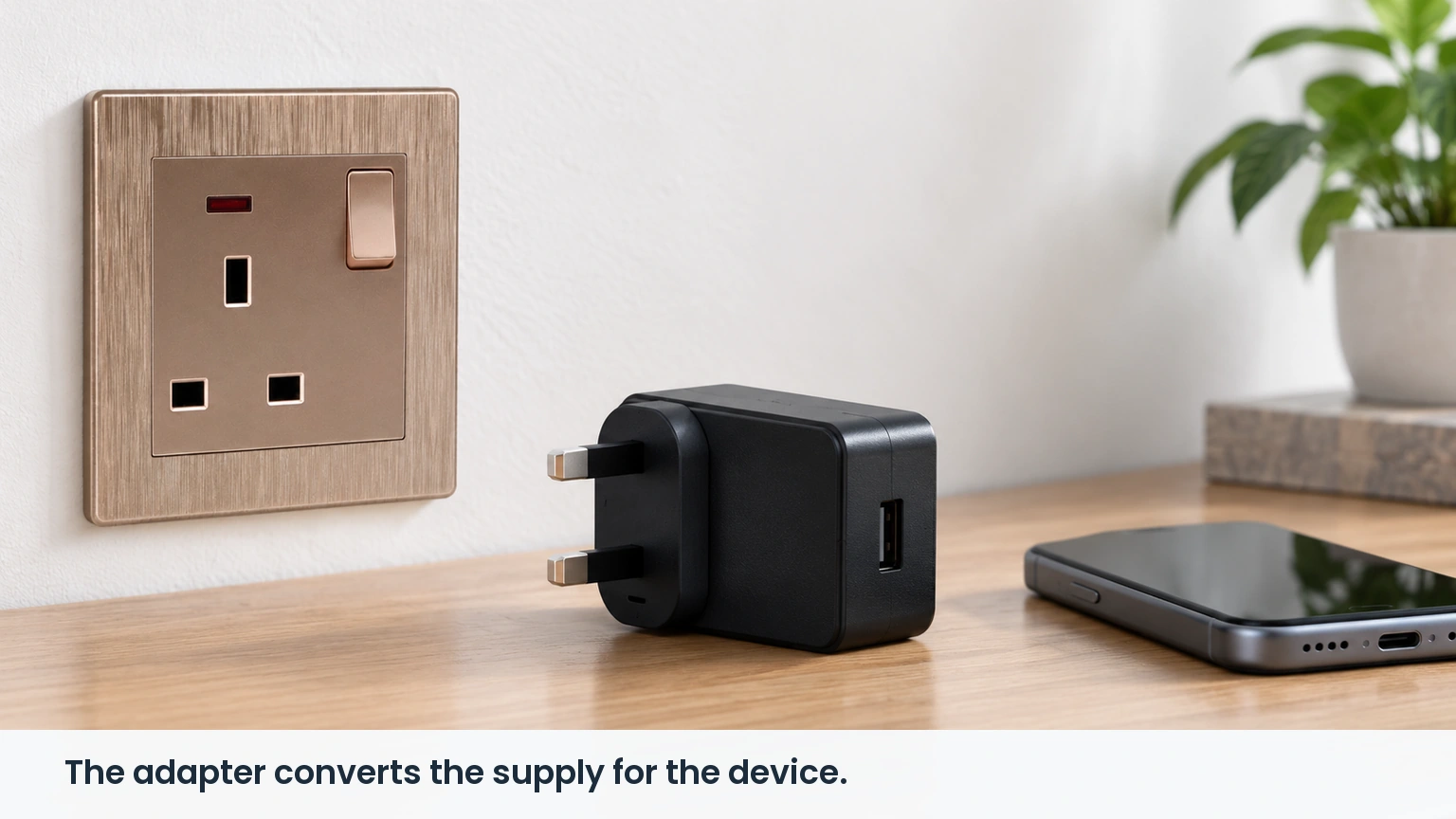
AC wall sockets do not normally perform the conversion for a connected appliance. An ordinary passive socket provides an accessible connection to the circuit; changing its decorative plate does not change AC into DC or alter the supply frequency.
Where does AC become DC?
A laptop brick, phone charger or internal appliance power supply can perform the conversion. In broad terms, a suitable supply rectifies and regulates the input and provides the isolation and protection required by its design. Its output must suit the device. This is a functional explanation, not a diagram for constructing or repairing mains electronics.
An integrated USB socket places that conversion equipment inside the wall accessory. USB-IF’s Power Delivery specifications define negotiated power behavior for supported devices; a USB port still does not expose the building’s mains voltage as its normal output. A wall plate can therefore contain an AC socket and DC USB ports without contradiction.
For an illustrative label, “Input: 100–240V AC, 50/60Hz” describes what the adapter accepts. “Output: 12V DC, 2A” describes a different side of the device. These are example values; the actual label and instructions govern.
Why must the output label match the device?
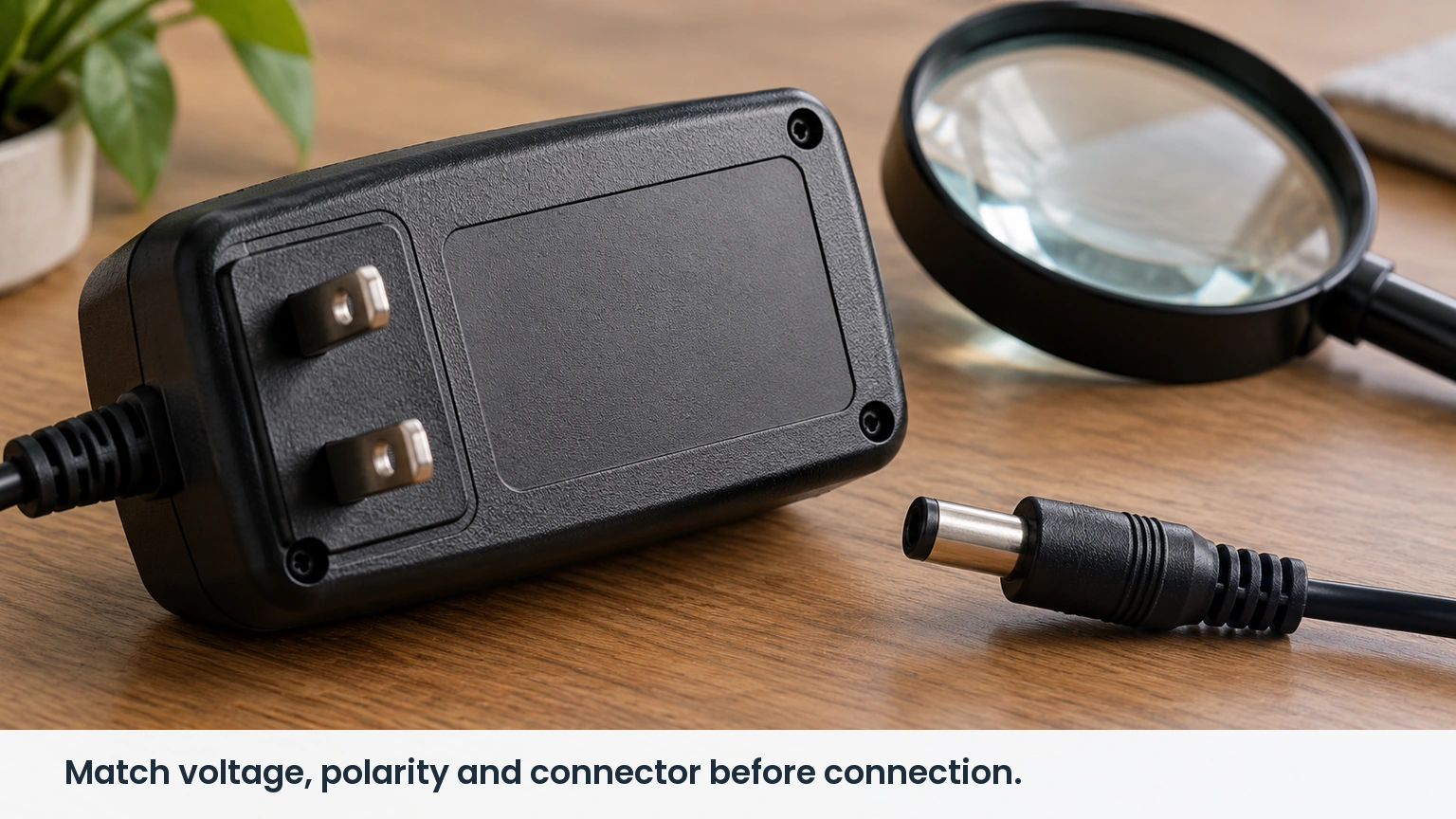
Voltage, polarity, connector arrangement and available current all matter. A conventional regulated 12V DC device generally needs the specified 12V output; a 19V adapter with a matching barrel connector is not an acceptable substitute merely because it inserts easily. Proprietary or negotiated charging systems add communication requirements.
For a compatible fixed-voltage supply, an adequate current rating indicates available capacity, not a command to force that current through the load. However, that principle is not permission to interchange arbitrary adapters: voltage regulation, polarity, safety classification and manufacturer requirements remain essential. USB-IF’s negotiated charging framework should not be assumed for a non-USB barrel connector.
A two-line label can prevent a costly mistake. Facilities teams should record both input and output specifications in spare-parts inventories, together with the device model; keeping only a photograph of the connector loses the information that determines electrical compatibility.
Does a travel adapter change voltage or frequency?
A simple plug adapter changes the physical connection. It normally does not convert voltage, change 50Hz to 60Hz or turn AC into DC. The Department of Energy’s comparison of national supplies explains why physical fit and electrical compatibility must be checked separately.
A device whose actual input label accepts 100–240V AC and 50/60Hz may need only a suitable, correctly rated plug adapter for the destination. A single-voltage appliance may need a different solution or may be unsuitable for use there. Heating equipment, motors and sensitive timing equipment require particular attention to the manufacturer’s guidance.
Plug geometry also does not prove a protective-earth connection. A two-pin adapter cannot be assumed to provide the earth required by a three-wire appliance. The Swiss plug and socket guide covers an example where national connector compatibility deserves separate checking.
How do the main power arrangements compare?
| Connection | What it normally provides | What still needs checking |
|---|---|---|
| Ordinary mains receptacle | Local AC supply | Voltage, frequency, current capacity and earthing |
| Integrated USB port | Converted DC under its supported charging specification | Available profiles, cable and shared output |
| External AC/DC adapter | Specified DC output | Input range, polarity and exact device compatibility |
| Passive travel adapter | A different physical plug interface | It normally provides no electrical conversion |
Which details matter most in different applications?
| Application | First check | Hidden cost if overlooked |
|---|---|---|
| Hotel room charging | USB output available to guests | Complaints about slow or unavailable laptop charging |
| Imported office equipment | Actual mains input label | Replacement power supplies or incompatible equipment |
| Maintenance spare stock | Device-specific adapter identification | Incorrect substitutions during an urgent repair |
| Multi-country accessory procurement | National socket system and documentation | Rejected installations despite a matching visual finish |
Total cost is not just the price of a socket or adapter. For a small office, one avoided replacement visit may matter more than a minor purchase saving; for a large estate, standardizing documented spare supplies can reduce inventory confusion without pretending that every device accepts the same charger.
What do safety markings establish—and what do they not?
Product conformity and supply compatibility are separate checks. A product bearing an applicable conformity mark can still be the wrong voltage for an appliance. CE and RoHS documentation, where relevant, does not turn a passive adapter into a converter; GCC-market requirements similarly need to be evaluated for the exact product and destination.
HSE warns that simple socket testers cannot detect every fault. Likewise, measuring a voltage once cannot establish all aspects of a safe installation. Selecting DC power supplies should start with manufacturer specifications, while uncertain fixed wiring should be assessed by a competent electrician.
What should a purchasing team record before ordering?
- Destination country, supply voltage and frequency.
- Socket or plug system and any protective-earth requirement.
- Device input label and, where relevant, adapter output voltage and polarity.
- Required USB charging profiles or manufacturer-approved replacement supply.
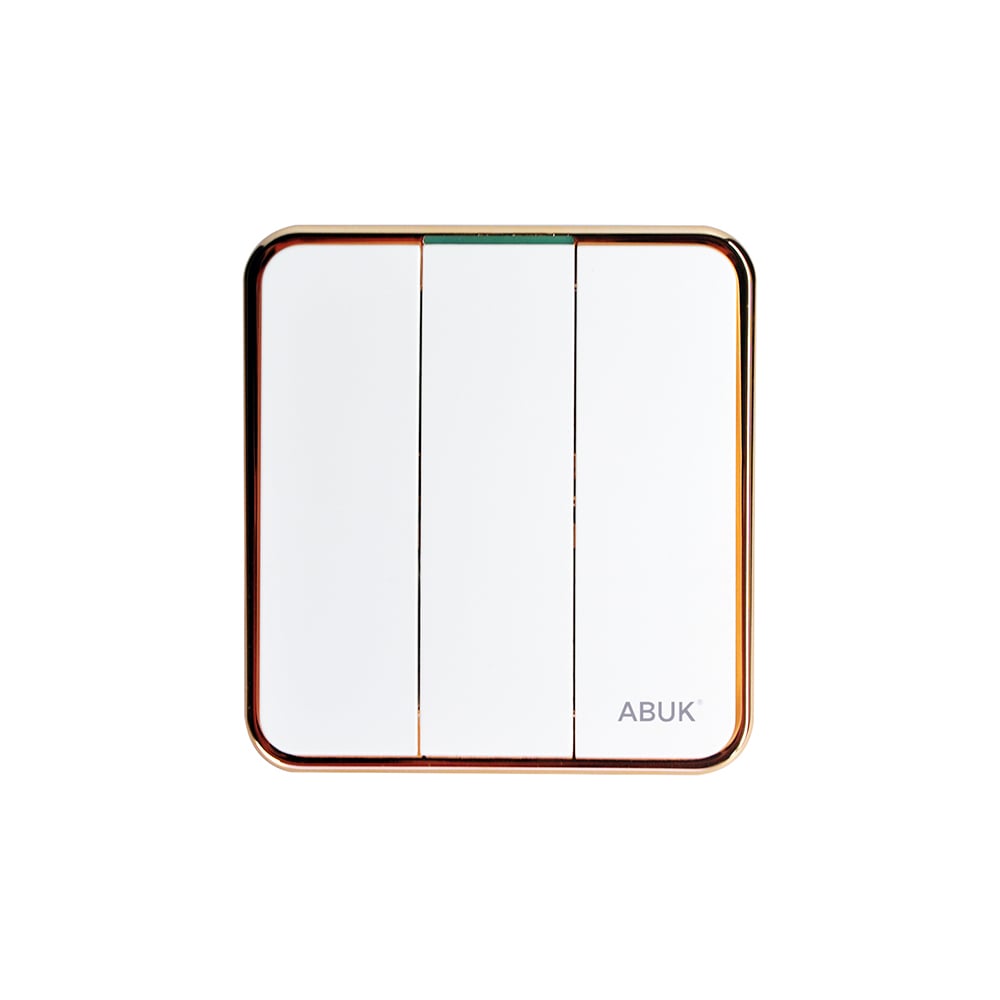
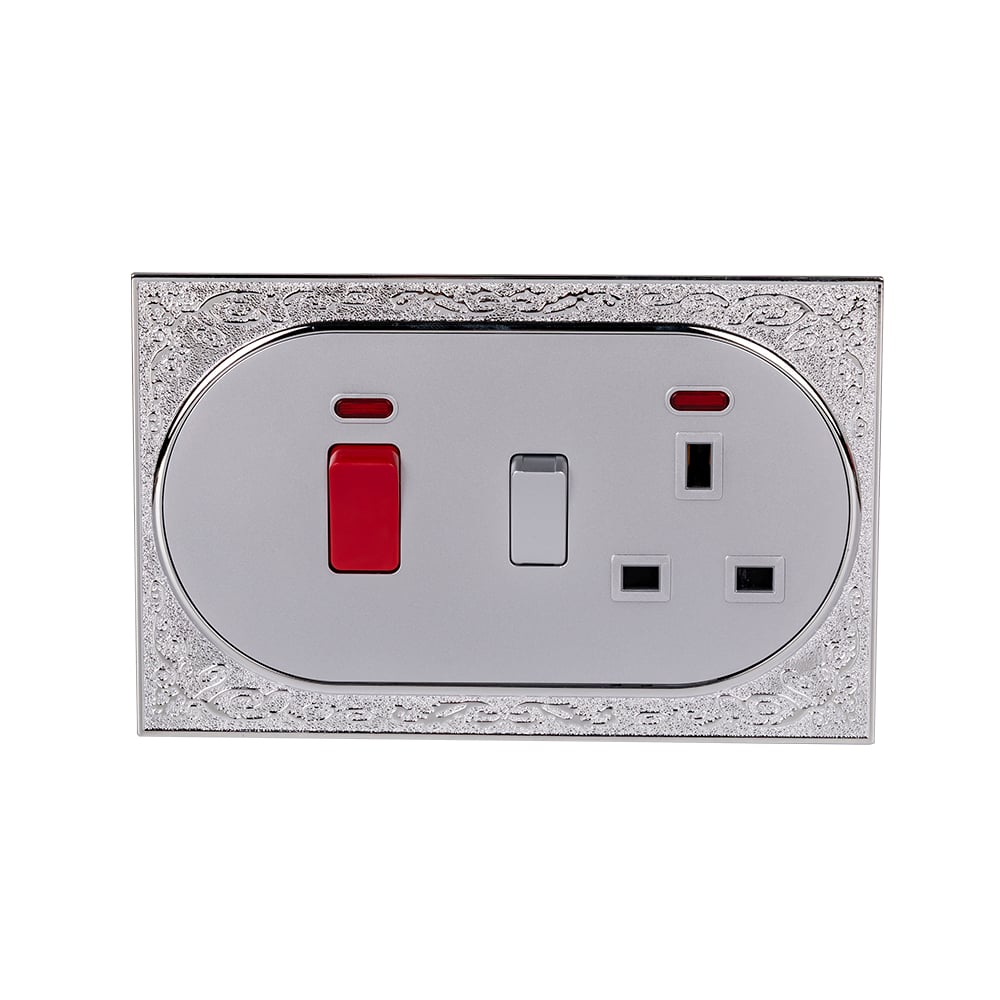
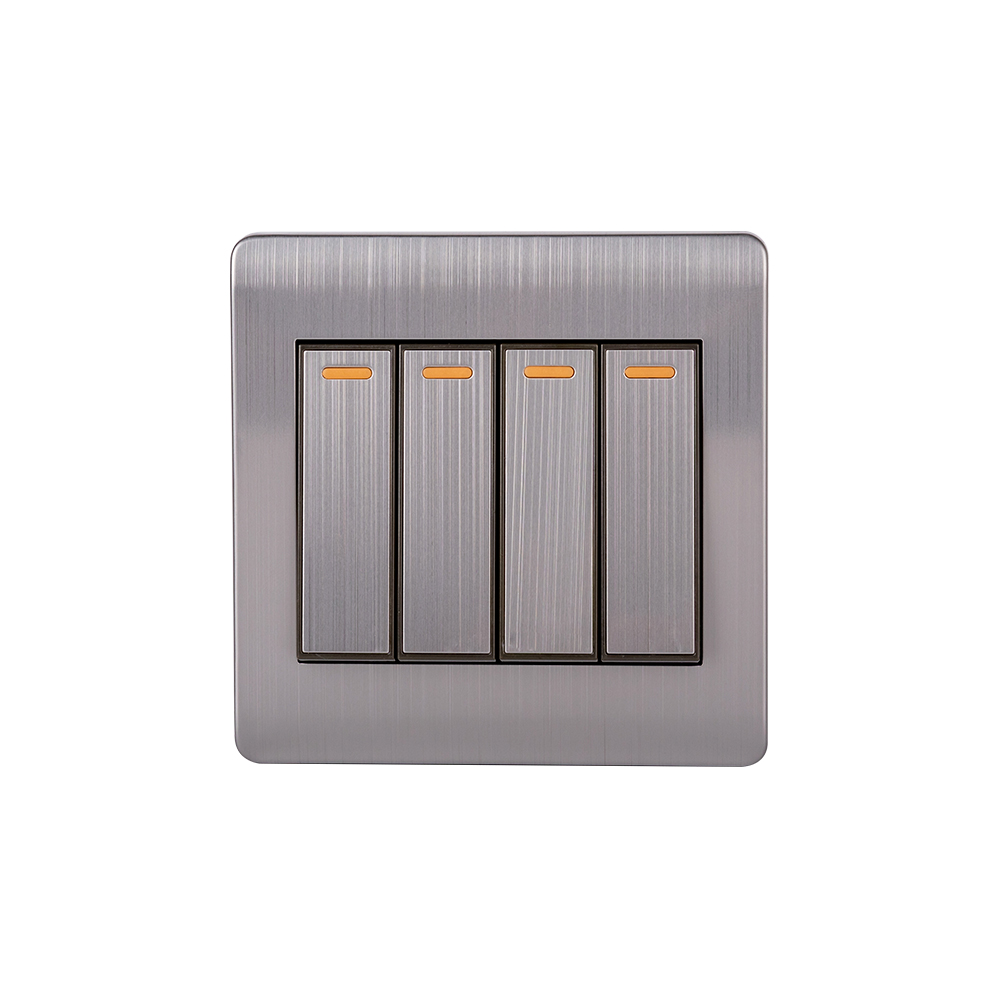
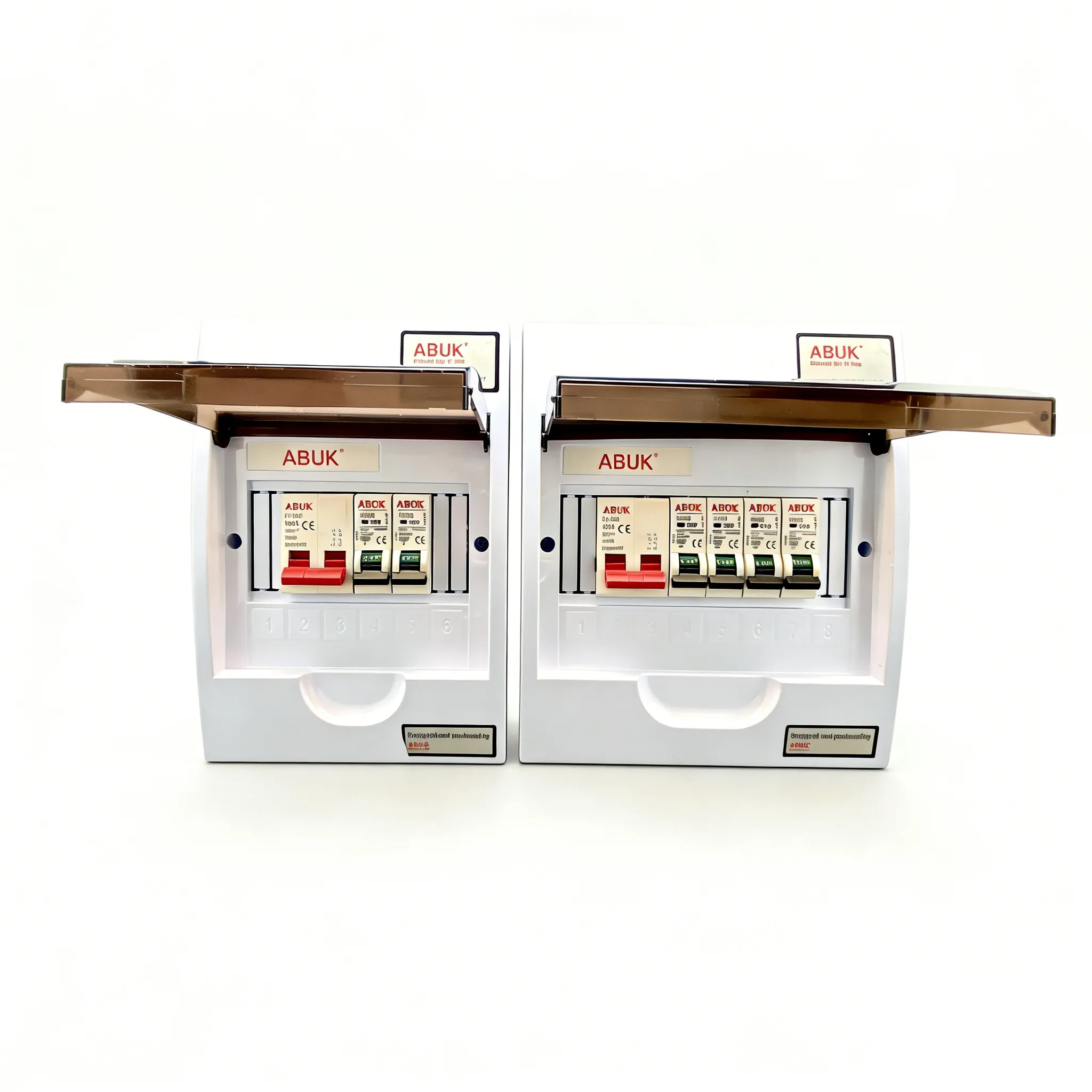
ABUK’s socket and switch range should be assessed against those requirements, including exact-model documentation. A finish or faceplate style can be selected afterward; it should not decide the electrical specification.
Frequently asked questions
Are wall sockets AC or DC?
Ordinary household mains sockets normally supply AC. A USB connector built into the same accessory supplies converted DC under its own specification.
Does a wall socket provide alternating current?
Yes, a conventional household mains socket does. Voltage and frequency vary by country and circuit, so the local supply still needs to match the appliance input.
Why do electronics convert AC from a socket to DC?
Electronic circuits and batteries commonly require controlled DC supplies. A suitable external adapter or internal power supply provides the necessary conversion and regulation.
Can a DC device plug directly into an AC wall outlet?
Only equipment designed for mains input, including its required power supply, should connect that way. A bare low-voltage DC device needs the correct supply; a connector adapter alone is insufficient.
References
- US Department of Energy: Electricity 101
- USB-IF: USB charging and Power Delivery
- HSE: electrical equipment and installation safety
A matching connector answers only a mechanical question; the label answers the electrical one. ABUK’s electrical accessories can be shortlisted once the supply is understood. Provide the destination and device requirements with an enquiry to keep that distinction clear.