
 Wenzhou Lita Electric Co., Ltd.
Swiss Type J 10A vs 16A Plugs: What Is the Difference?
When a procurement coordinator in Zurich encountered an appliance plug that would not fit the apartment’s outlet, a “Swiss-compatible” label on the order seemed reassuring. In this hypothetical case, the appliance arrived with a 16A connection while the available socket was a 10A type. The delay came from an incomplete connector specification, not a defective plug.
Summary: Swiss 10A and 16A connections differ in rating and pin geometry. T12 plugs and T13 sockets belong to the familiar 10A arrangement; T23 plugs and sockets are rated 16A. A suitable 10A Swiss plug can fit a T23 socket, but the 16A plug does not fit a T13 outlet. An adapter never increases circuit capacity.
The travel term Swiss Type J plug is useful but too broad for procurement. ESTI identifies SN 441011 as the Swiss household connector system; orders should specify the actual Swiss type, current rating and intended application.
How are Swiss 10A and 16A connections identified?
The common earthed 10A plug is T12, paired with a recessed T13 socket. Its pins are round. The 16A T23 arrangement uses a different pin geometry with rectangular pins. ESTI’s published connector information identifies these ratings; the Plug and Socket Museum provides a useful visual technical explanation of their mechanical compatibility.
The 250V marking associated with these accessories is a product rating, not a promise that a Swiss wall socket always supplies exactly 250V. Switzerland’s nominal household supply is 230V. Confusing rated voltage with actual nominal supply can produce inaccurate purchasing descriptions.
Identification should start with the type and markings, supported by the manufacturer’s documentation. A photograph of three pins alone is insufficient: it may obscure pin shape, rating or another national system. Buyers should ask for the exact designation on the quotation and packing documentation.
Which Swiss plugs fit which sockets?
A T12 10A plug can be used in a compatible T23 16A socket; the reverse pairing is intentionally prevented by the 16A plug’s geometry. Forcing, filing or replacing pins defeats the connector system and is not an acceptable remedy.
A Type C Europlug is different again. The familiar EN 50075 Europlug is a two-pin, unearthed connector rated 2.5A; it can fit compatible Swiss household sockets. That does not mean every European two-pin plug is the same, nor that a high-load appliance with a different plug can be treated as a Europlug device.
The protective-earth requirement belongs to the appliance and connection system. A device that requires earthing must not lose it merely to obtain a physical fit. The Switzerland electrical outlet type guide gives additional context for travelers and buyers distinguishing Type C from the Swiss system.
Why does an adapter not increase circuit capacity?
The lowest applicable limit in the connected system still matters: appliance, plug, adapter, extension lead, socket and circuit must be considered together. A connector conversion does not upgrade conductors or protective devices. ESTI’s guidance on adapters emphasizes using suitable products within the Swiss system rather than treating physical insertion as the complete safety test.
At a nominal 230V, 10A × 230V equals 2,300VA and 16A × 230V equals 3,680VA. For a substantially resistive load, watts are approximately the same numerical value; motor and electronic loads may need power-factor and starting-current consideration. These calculations illustrate the difference in rating, not permission to operate every circuit continuously at its nominal limit.
An appliance supplied with a 16A plug should prompt a check of its instructions and the intended circuit. Replacing its plug with a 10A type or buying a convenient adapter without that assessment can hide the mismatch rather than resolve it.
What changes when the connection is outdoors?
Current rating is only one dimension of suitability. ESTI’s SN 441011 guidance also discusses the Swiss IP55 connector system and restrictions on compatible combinations. An indoor plug that can be inserted into another accessory does not automatically preserve a weather-protection rating.
For a balcony, service area or outdoor installation, the specification should identify environmental exposure, the complete mating arrangement and the conditions under which the claimed protection applies. A recessed socket and a child-protection shutter are also separate features; neither establishes outdoor suitability by itself.
This is an often-missed source of replacement cost. Purchasing the correct amperage but the wrong environmental version can mean new accessories, another installation visit and a delayed handover. The inexpensive check is to define the location before approving the model.
How do the main Swiss connector options compare?
| Connector | Typical rating and geometry | Key limitation |
|---|---|---|
| T12 plug / T13 socket | 10A; round plug pins | T13 does not accept the T23 16A plug |
| T23 plug / socket | 16A; rectangular plug pins | A matching socket does not remove circuit-design requirements |
| Type C Europlug | 2.5A; two round pins, no earth | Not a substitute for an earthed high-current connection |
Which details should be specified for each buyer?
| Buyer or application | Essential detail | Common omission |
|---|---|---|
| Apartment refurbishment | Exact socket type and circuit suitability | Assuming all three-pin Swiss connections are identical |
| Imported appliance procurement | Appliance input and supplied plug | Ordering only by destination country |
| Hotel guest accessories | Suitable temporary adapter and load limits | Ignoring earthing and continuous use |
| Outdoor maintenance | Complete environmental compatibility | Reading the IP rating of one component alone |
Which Swiss standards should appear in the project documents?
ESTI states that SN 441011 replaces SN SEV 1011, whose withdrawal date was 28 February 2022. The national system covers more than wall sockets: it also includes plugs, adapters and cord extensions. A supplier’s broad “European standard” statement is therefore not an adequate Swiss specification.
CE, RoHS or GCC documentation may relate to other applicable obligations, but none substitutes for demonstrating suitability for the Swiss connector system. Existing older documents should be checked for current relevance rather than copied into a new order without review.
How can a buyer avoid ordering the wrong Swiss connection?
- Write the Swiss type designation and current rating into the purchase specification.
- Confirm the appliance’s real input requirements and need for protective earth.
- Check the circuit and location before selecting an adapter or replacement socket.
- Request model-specific documentation and a sample before a bulk order.
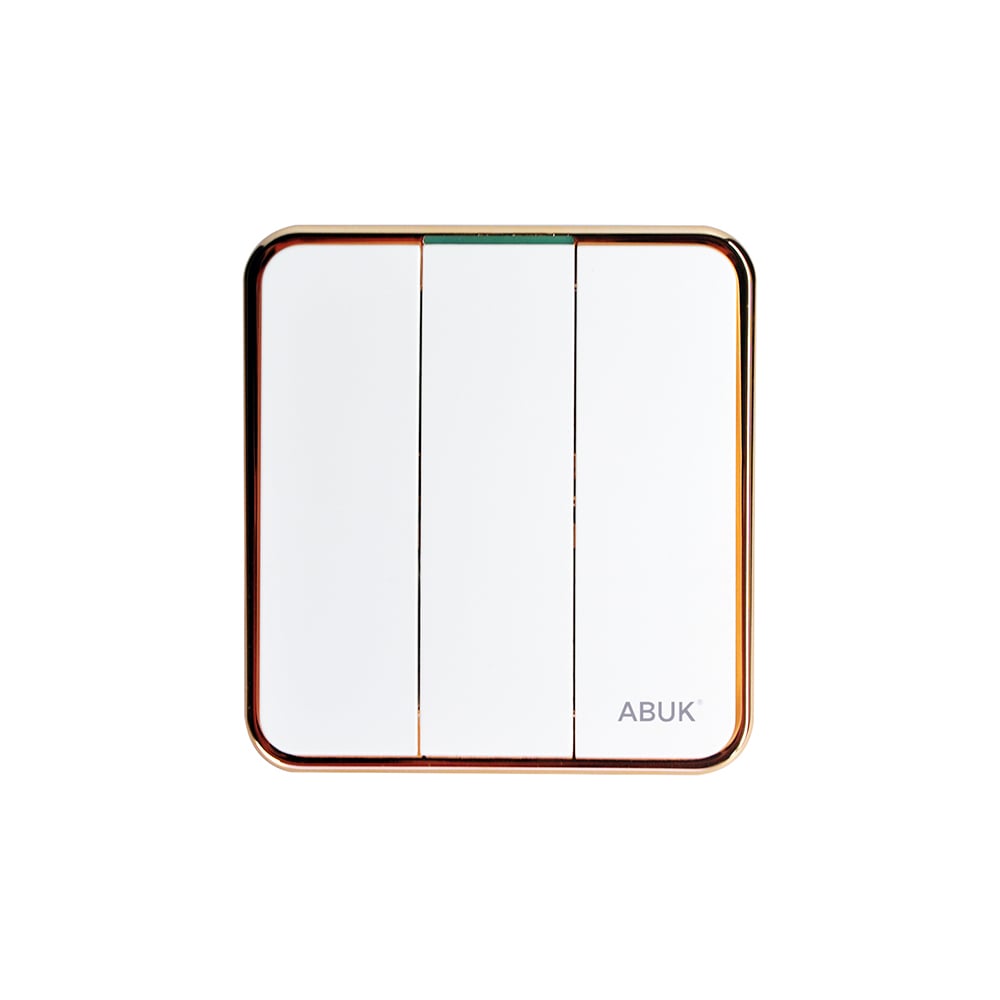
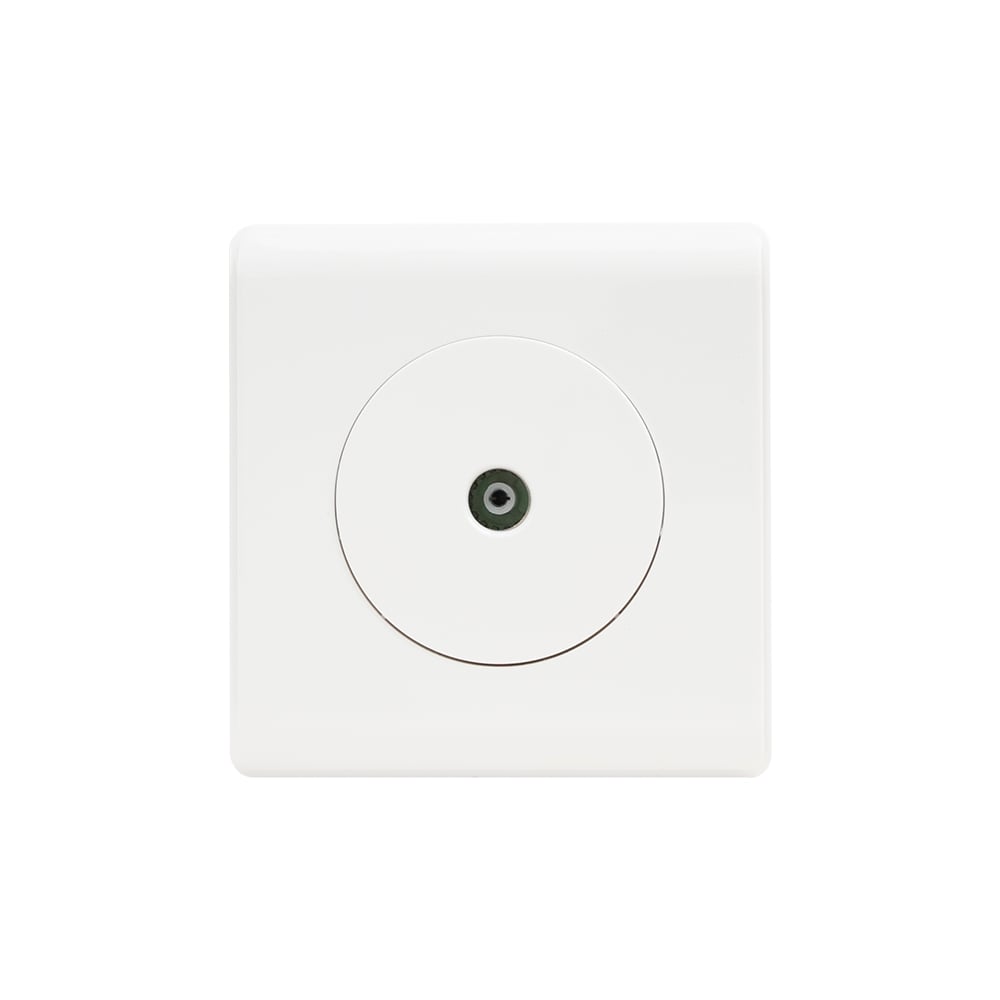
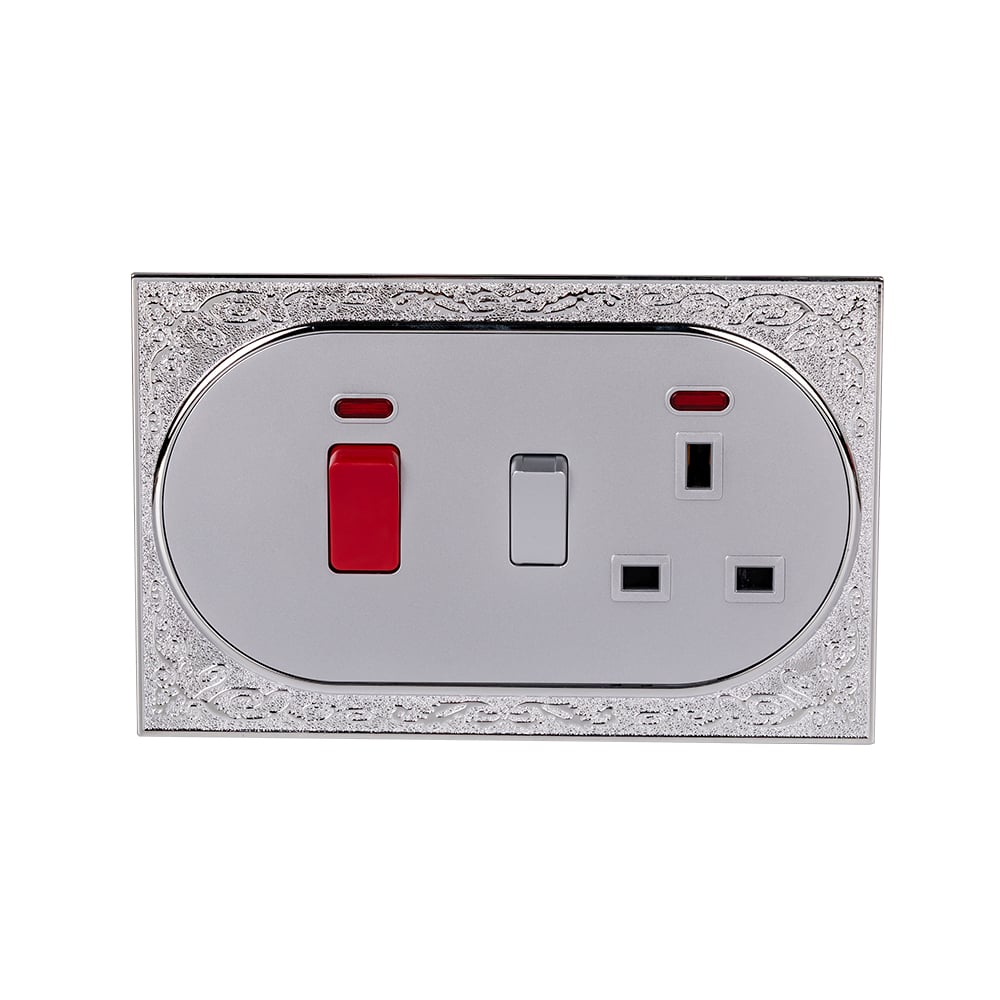
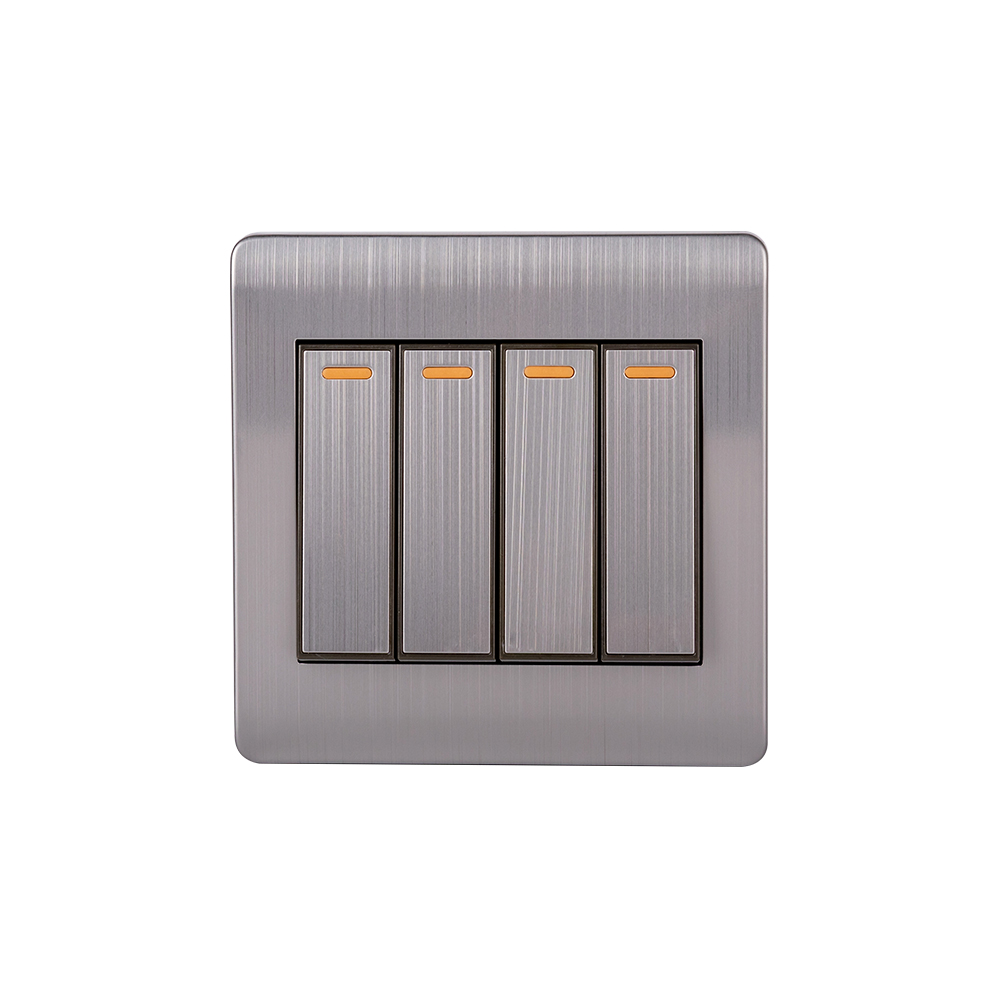
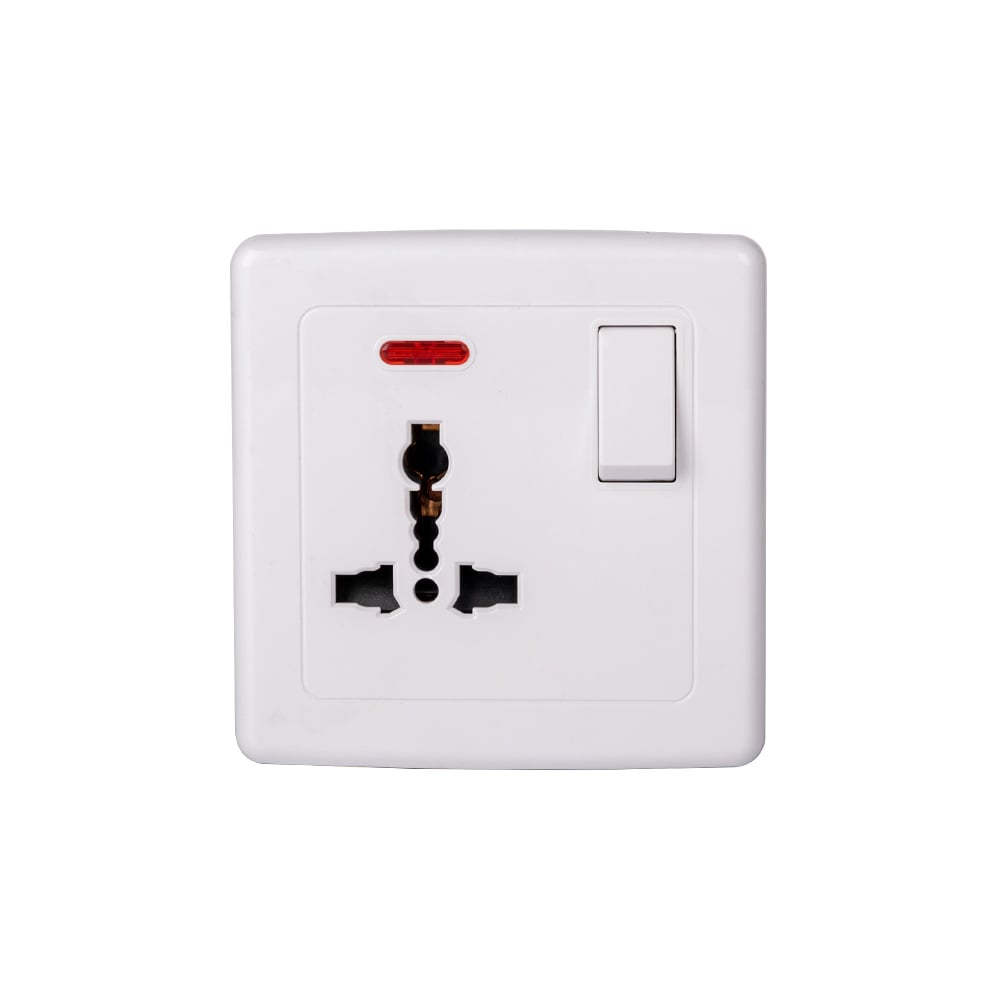
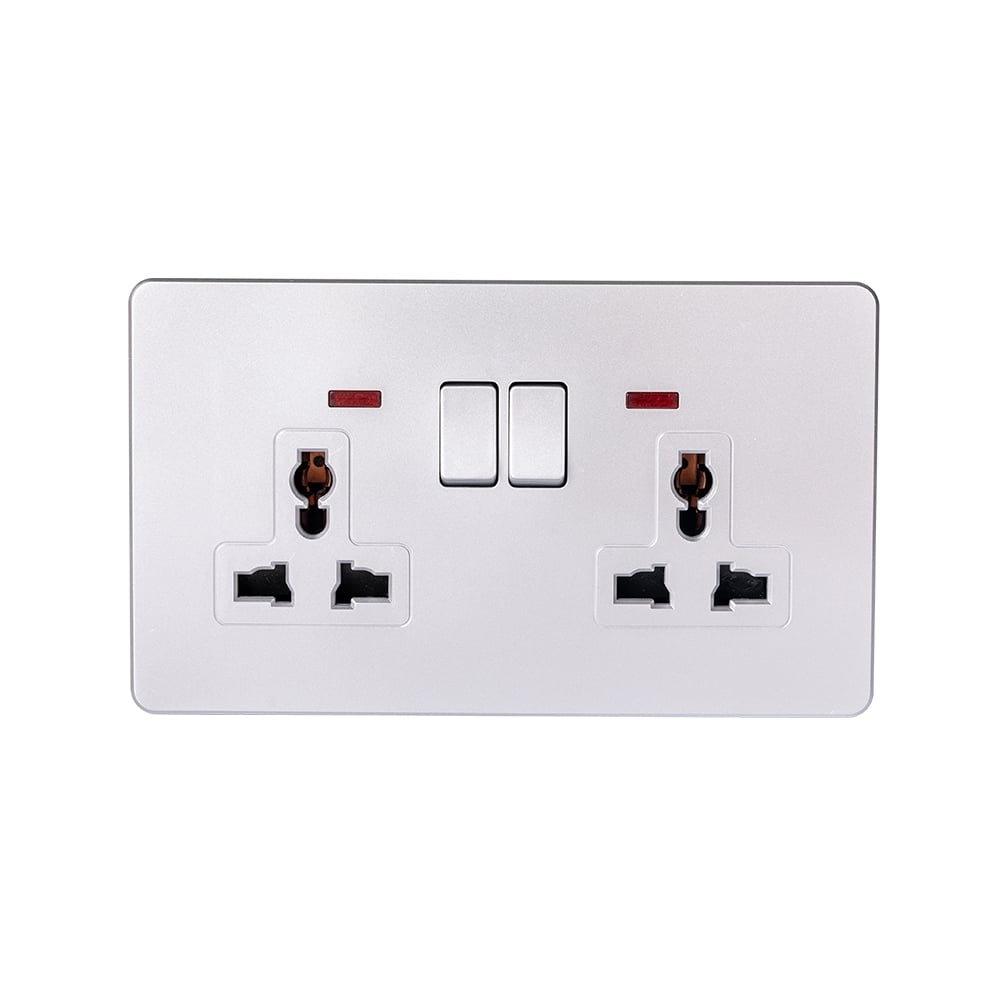
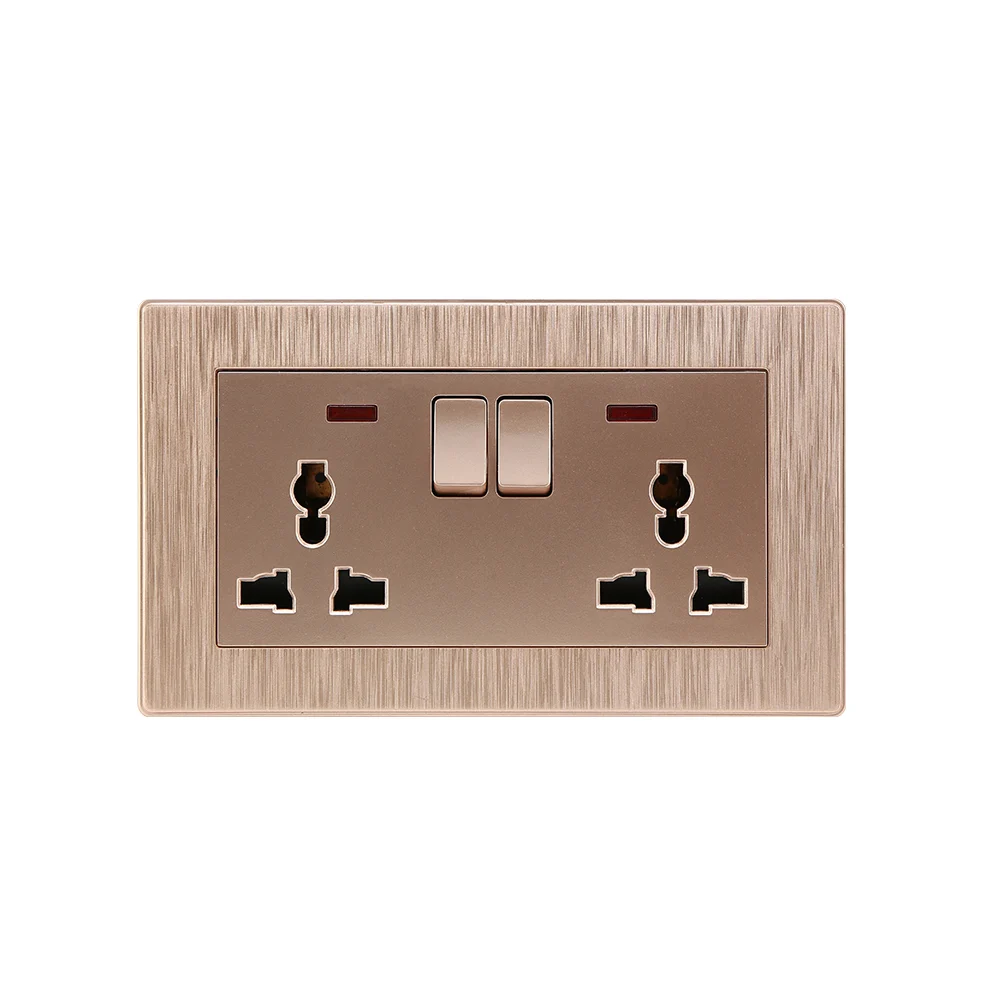
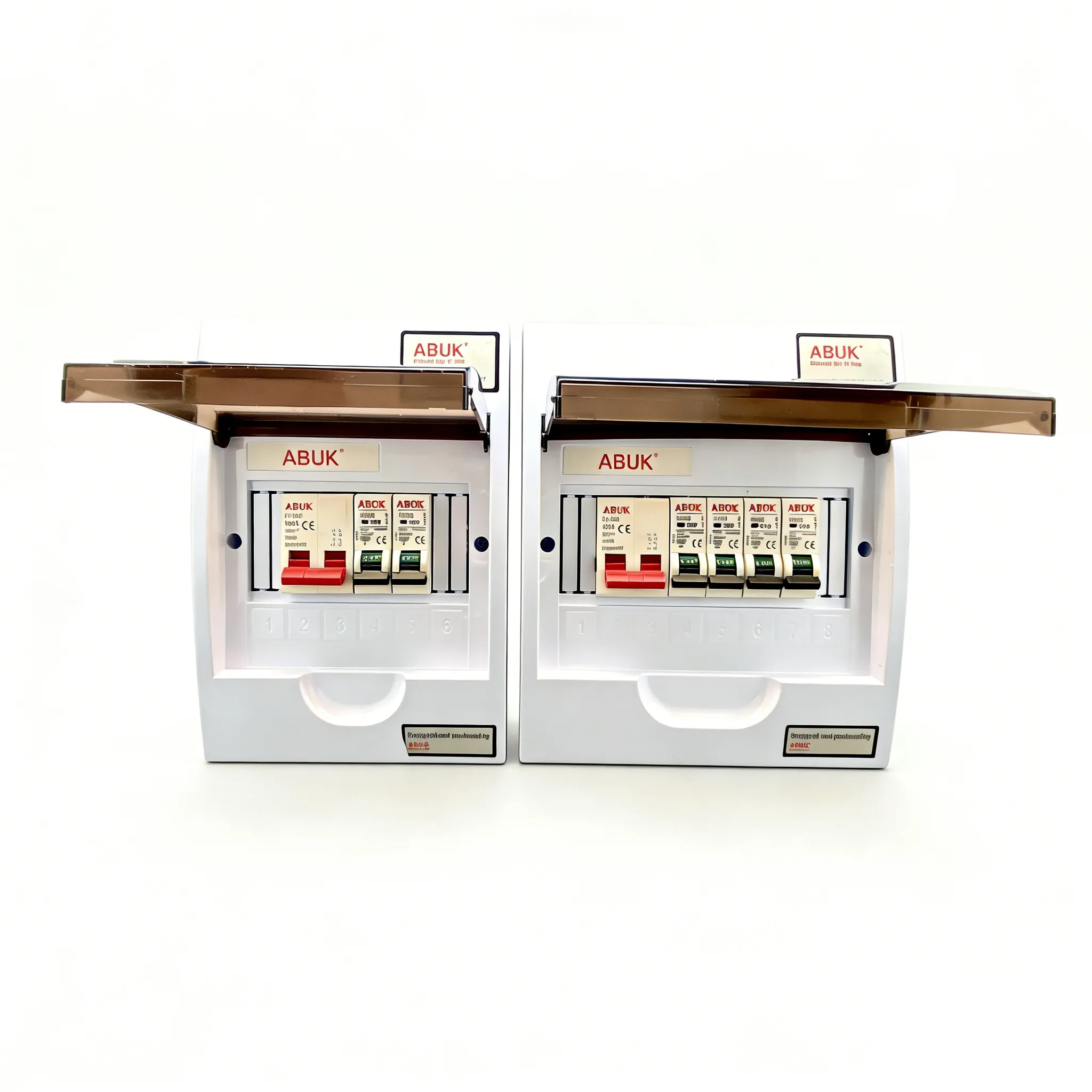
ABUK’s wall socket and switch range can support accessory sourcing, subject to exact-model destination checks. The product samples in this article illustrate procurement review; they do not establish a Swiss connector type or Swiss approval.
Frequently asked questions
What is the difference between a 10A and a 16A Swiss plug?
The familiar T12 10A plug has round pins; the T23 16A plug uses rectangular pins and a higher current rating. Their permitted mating combinations differ.
Is Switzerland Type C or Type J?
Switzerland uses its national connector system, commonly described to travelers as Type J. Compatible Type C Europlugs can also be used, within their limits.
Can a Type C plug fit into a Type J socket?
A genuine Type C Europlug fits compatible Swiss household sockets. It remains an unearthed 2.5A connector; it does not supply a protective-earth connection.
Can a 10A Type J plug be used in a 16A Swiss socket?
A T12 10A plug can fit a compatible T23 16A socket. The connected appliance and cord retain their own ratings.
How can you identify a Swiss 10A plug versus a 16A plug?
Check the type and rating markings, then confirm the geometry: T12 has round pins, while T23 has rectangular pins. Documentation should resolve uncertainty.
Do you need an adapter for an appliance with a 16A plug in Switzerland?
It needs a suitable connection and circuit. An adapter is not automatically appropriate and cannot make a 10A supply arrangement suitable for a higher-current load.
References
- ESTI: Swiss household system under SN 441011
- ESTI / Electrosuisse: Swiss plug-system guidance
- ESTI: connector type and rating reference
- Plug and Socket Museum: Swiss connector geometry
A country name narrows the search; an exact type and rating makes the order usable. ABUK’s electrical accessories should be assessed against that specification. Send the required Swiss plug type and project conditions when requesting model information.