
 Wenzhou Lita Electric Co., Ltd.
Are USB Ports in Irish Wall Sockets Safe for Fast Charging?
When a hotel buyer in Cork encountered complaints about slow phone charging, the newly installed USB sockets were only weeks old. In this hypothetical example, the order had specified “fast charging” without naming supported protocols; guests discovered that their devices behaved differently. The missing information was the charging specification, not necessarily a failed socket.
Summary: Built-in USB ports can provide safe fast charging when the accessory, cable and device support the required protocol and the installation is suitable. USB-IF’s PD 3.1 specification allows up to 240W, but that ceiling says nothing about a particular wall socket’s output. Buyers should verify profiles, simultaneous-port limits, conformity and service arrangements.
A USB wall socket in Ireland combines two selection problems: a fixed electrical accessory for the local installation and a power supply for connected electronics. “Fits a Type G wall plate” and “charges this phone quickly” require different evidence.
Does USB-C guarantee fast charging?
No. USB-C identifies a connector system, while USB Power Delivery describes negotiated power behavior. A device, source and cable must support the required combination. USB-IF’s published explanation distinguishes the protocol’s capabilities from the power delivered in any particular application.
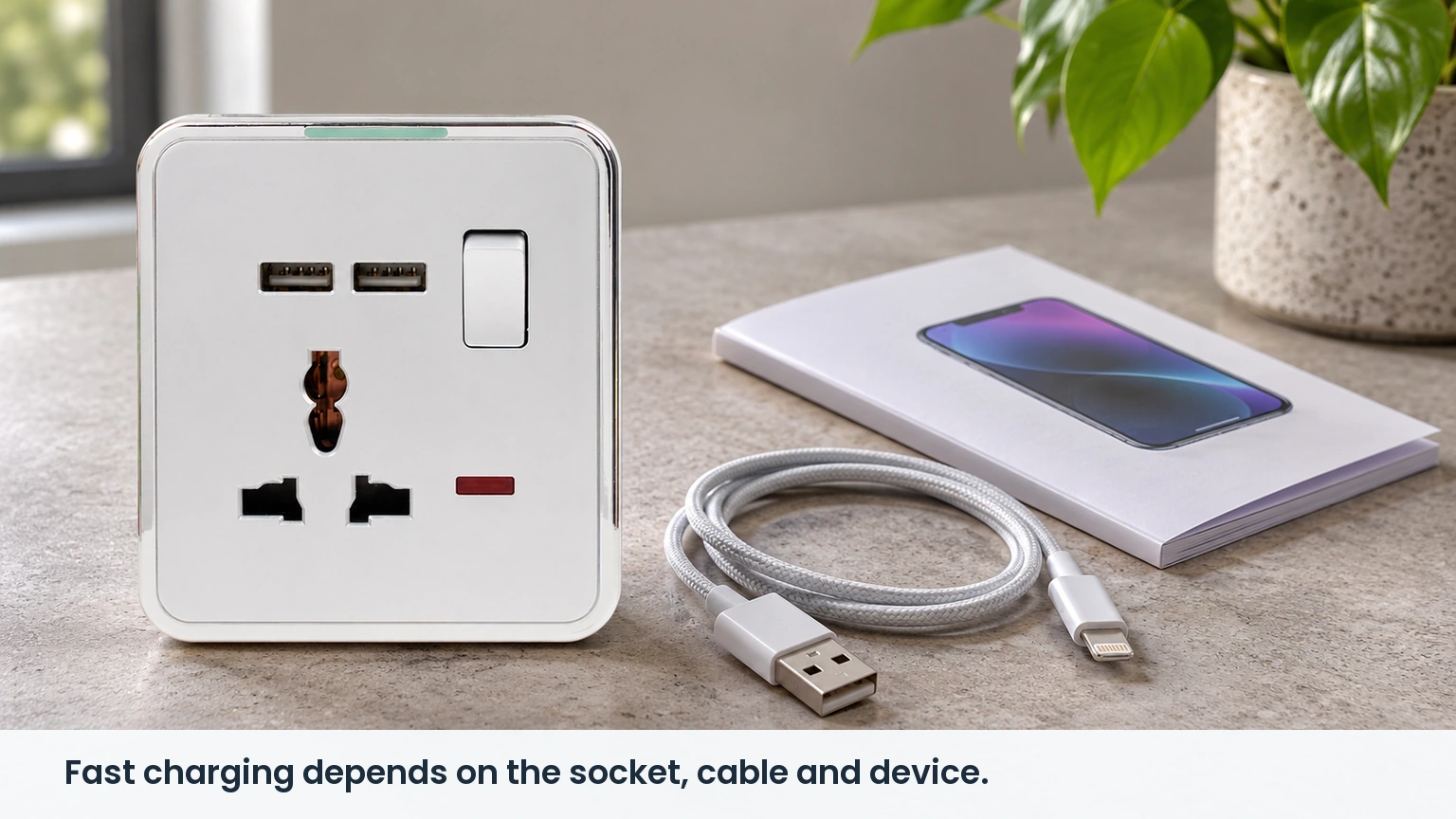
For example, 5V at 3A is 15W; 9V at 3A is 27W. Those calculations illustrate why voltage profiles matter, not the specification of the pictured accessory. A port supplying only one profile cannot be assumed to offer another because its shape looks modern.
Apple’s current fast-charge guidance ties charging performance to the iPhone model, adapter and cable, and notes that temperature and usage affect results. That is a more useful procurement approach than advertising one charging time for every guest’s device. Ask the socket supplier for a supported-profile table and test the intended device mix.
How should Quick Charge compatibility be checked?
Quick Charge is Qualcomm’s charging technology, not a generic name for every USB port that charges faster than an older adapter. Support varies by generation and product. A phone’s compatibility does not prove that an unidentified wall socket implements the matching protocol.
The purchasing specification should name the charging protocols and the documented per-port outputs. It should also state whether the advertised output is available from one port alone or while two ports are occupied. A “30W total” statement may describe a shared budget rather than 30W for each device.
For a hotel or office, a small trial is more informative than a connector photograph. Check representative phones and cables with one device and with both ports occupied. Charging behavior can be observed without making unsupported claims about the protection circuit hidden inside the accessory.
What does the Irish mains supply change for a USB user?
Ireland normally uses nominal 230V, 50Hz mains and Type G connections. A built-in USB power supply converts the mains input to its specified DC output; the phone does not normally receive 230V through the USB port. The electric plug sockets in Ireland guide explains the separate issue of mains plug compatibility.
A visitor’s plug-in charger may accept 100–240V at 50/60Hz, but the actual label must say so. If it does, an appropriate Type G adapter may be all that is needed; a voltage converter is not automatically required for an iPhone charger. A passive adapter cannot make a single-voltage charger suitable.
USB outlet safety also depends on fixed-installation details such as box depth, wiring condition and the manufacturer’s mounting instructions. A charging test does not establish that the installation is electrically sound. Alterations should be assessed and completed under the applicable Irish requirements.
When is a replaceable charger easier to maintain?
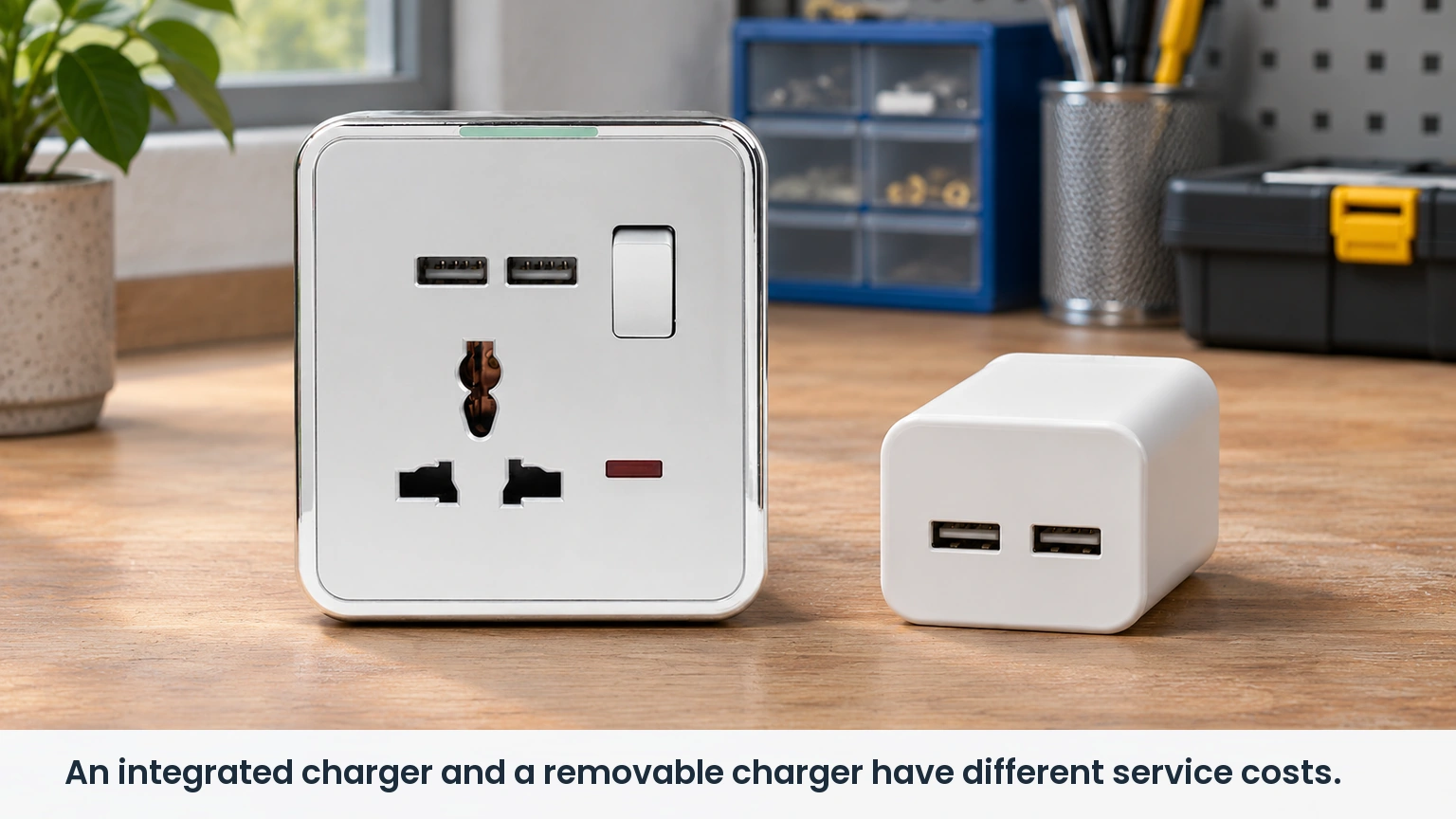
An integrated charger gives a tidy, convenient charging point. Its drawback appears when charging standards change or the electronics fail: replacement may involve the fixed accessory and an electrical visit. A removable charger can often be changed without altering the wall installation.
Neither arrangement is inherently safer merely because it is built in or removable. Legrand’s USB safety guidance emphasizes product quality and compatibility; its model-specific protection claims should not be generalized to every wall charger on the market.
A hypothetical 40-room property replacing integrated chargers must account for access, labor and room availability as well as component price. There is no need to invent a failure rate to make that comparison. Quote a replacement visit and compare service options over the intended refurbishment period.
Which charging arrangement fits the intended use?
| Arrangement | Useful advantage | Detail to confirm |
|---|---|---|
| Integrated USB-A | Supports compatible existing cables | Actual output and charging protocol |
| Integrated USB-C PD | Negotiated charging for supported devices | Profiles and simultaneous-port output |
| Replaceable plug-in charger | Separate replacement and upgrade | Mains input, plug fit and device compatibility |
| Several ports sharing one supply | Convenient multi-device access | What changes when another device connects |
Which symptoms deserve maintenance attention?
| Observation | Possible investigation | Appropriate response |
|---|---|---|
| Slow charging on one cable | Cable or device compatibility | Check with a known suitable cable and instructions |
| Power changes with a second device | Shared output allocation | Compare against the model’s documented behavior |
| New discoloration, odor or crackling | Possible electrical or thermal damage | Stop use and arrange competent assessment |
| Loose or physically damaged port | Mechanical wear | Remove from use pending repair or replacement |
Some warmth during conversion is expected, but there is no universal touch test proving a socket safe. Repeated disconnects may involve the cable, device temperature or supply electronics; observation should guide investigation, not become a guessed diagnosis. The broader USB wall socket safety guide covers these distinctions.
Which conformity claims should be checked before purchase?
Request documents identifying the exact accessory and charging variant. CE marking, where applicable, concerns conformity with relevant legislation; it is not a promise of universal fast charging. RoHS concerns restricted substances. Neither establishes USB output profiles or a service-life guarantee.
USB-IF certification and authorized logos have their own program requirements. They do not replace national installation rules. Likewise, an overseas safety listing or GCC document should not be presented as the complete basis for use in an Irish property.
What should be included in a USB socket specification?
- Define the devices and simultaneous charging combinations that need support.
- List protocols, output profiles and cable requirements rather than “fast charging” alone.
- Confirm installation depth, environmental conditions and exact-model documentation.
- Agree replacement availability and who pays for service visits.
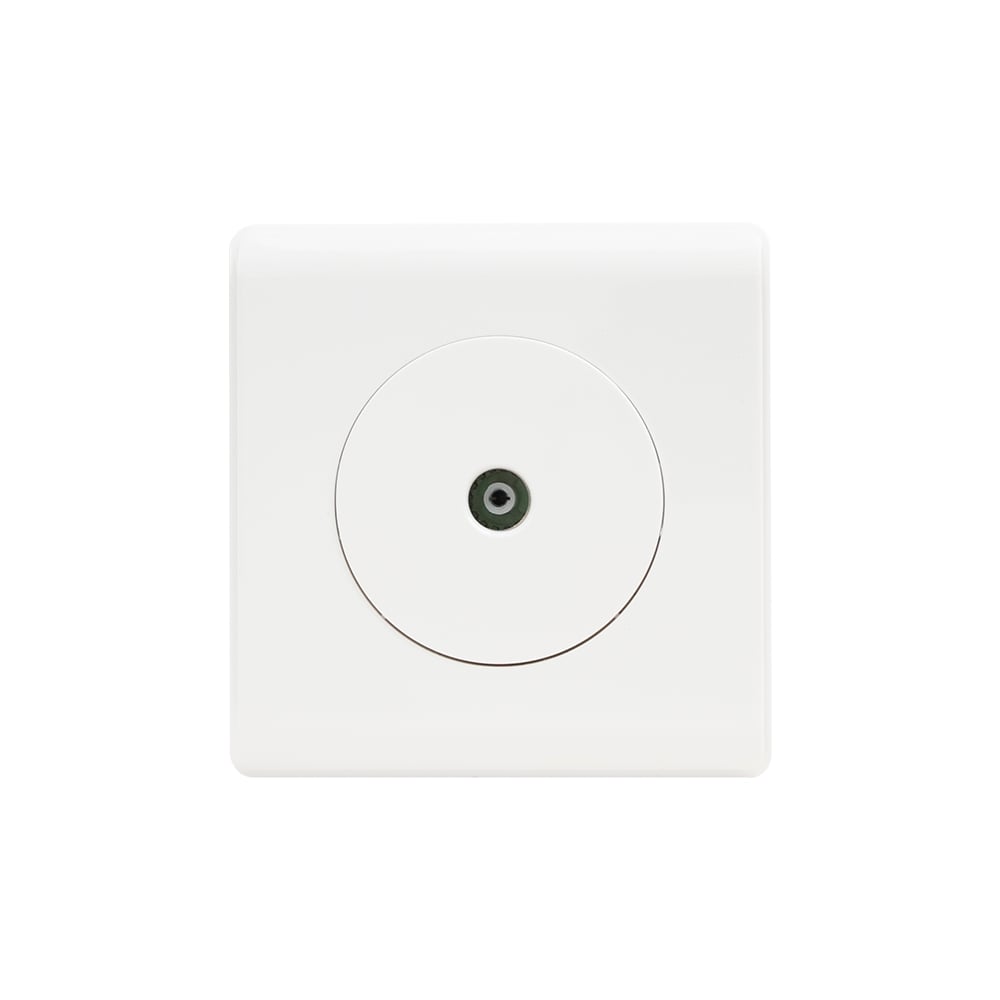
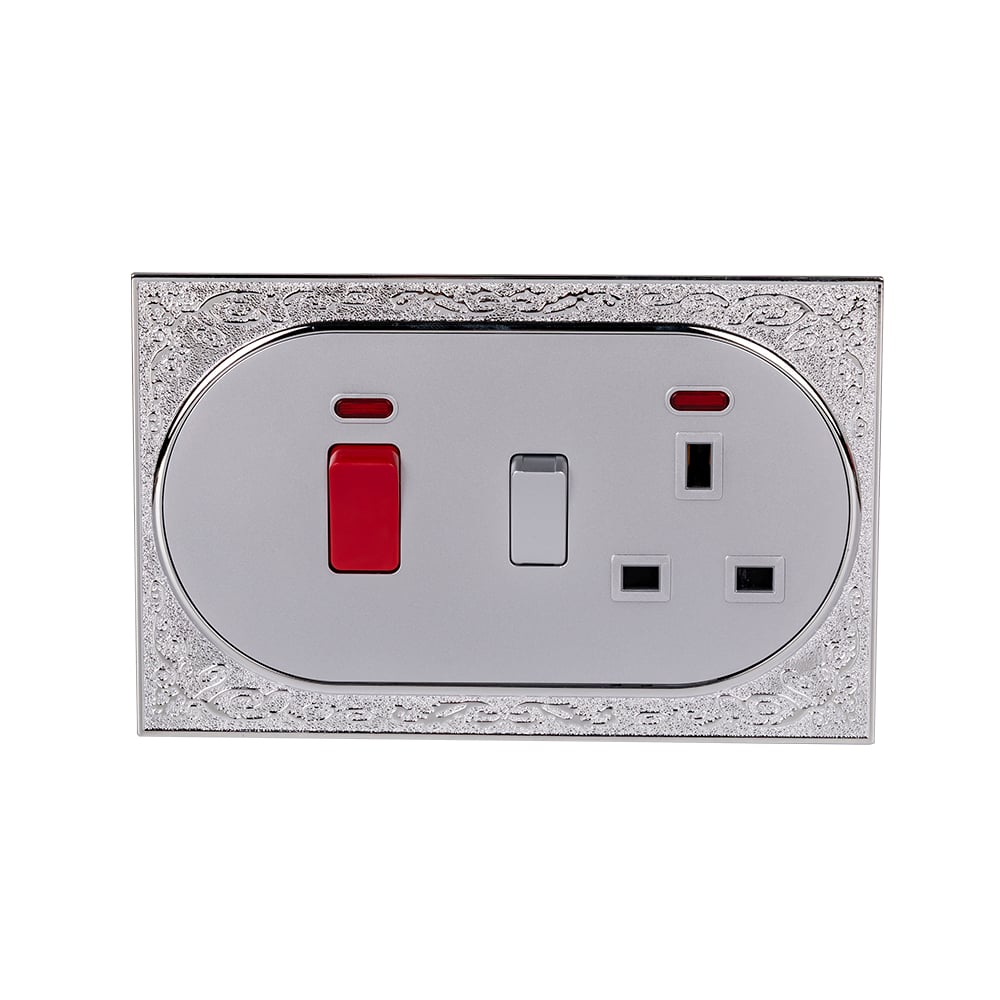
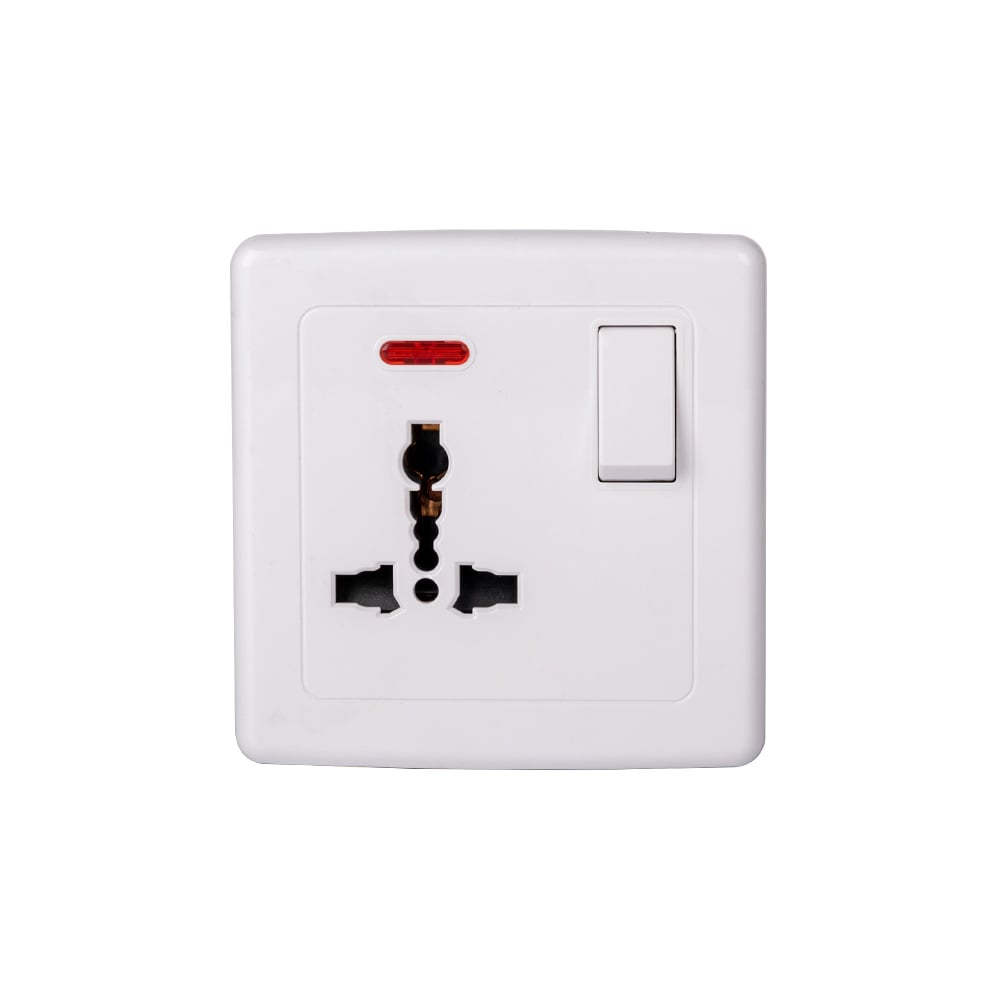
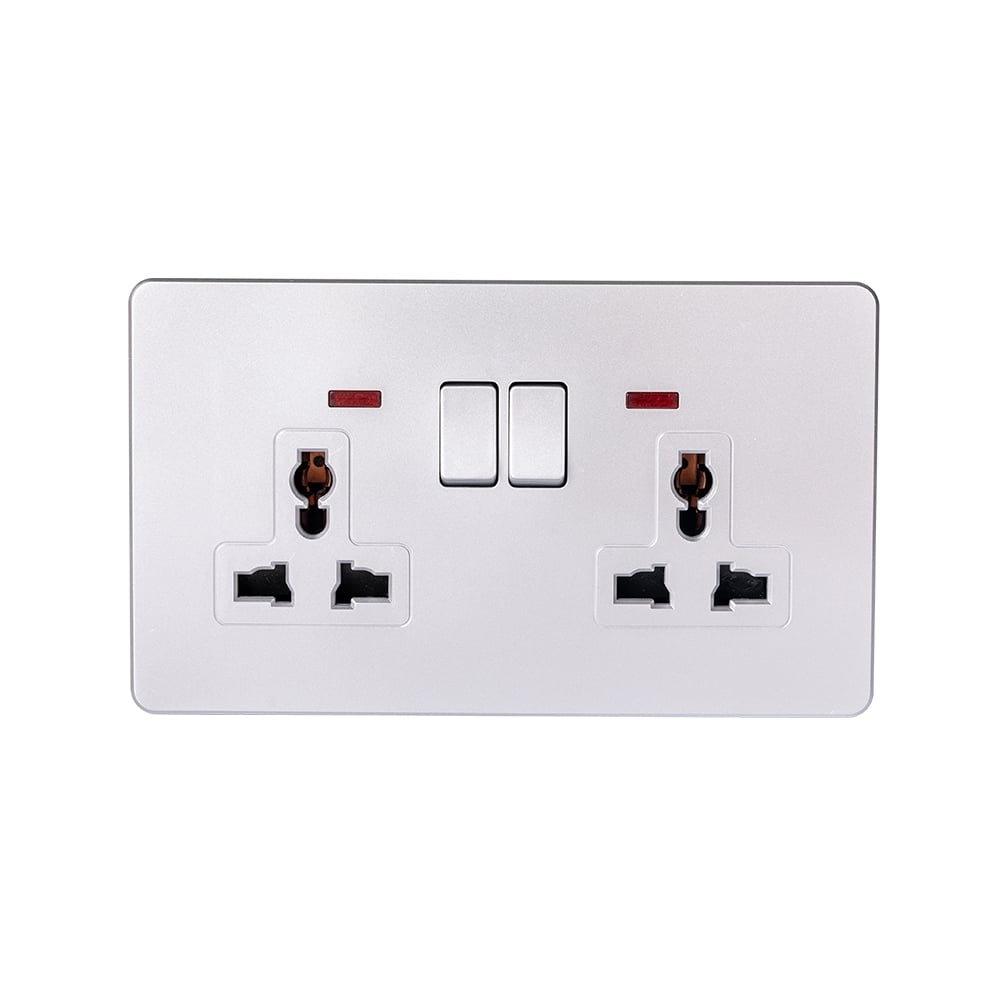
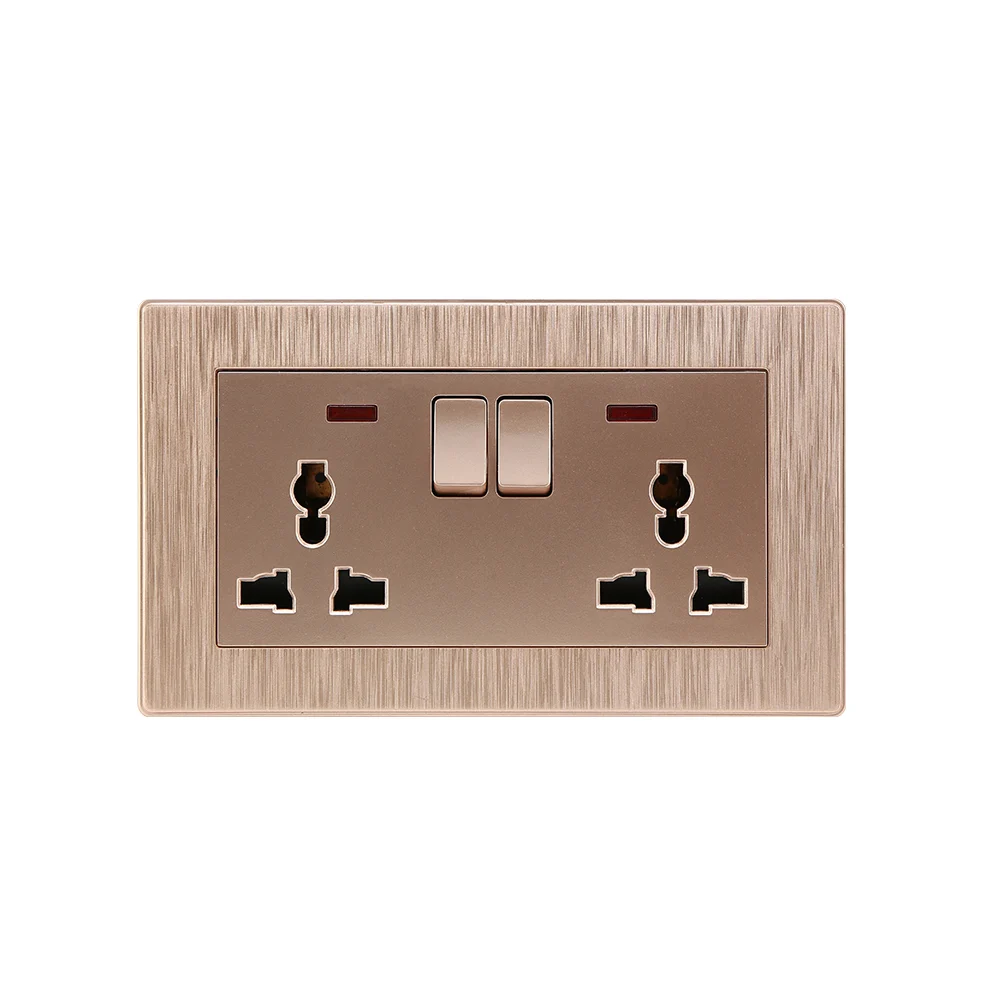
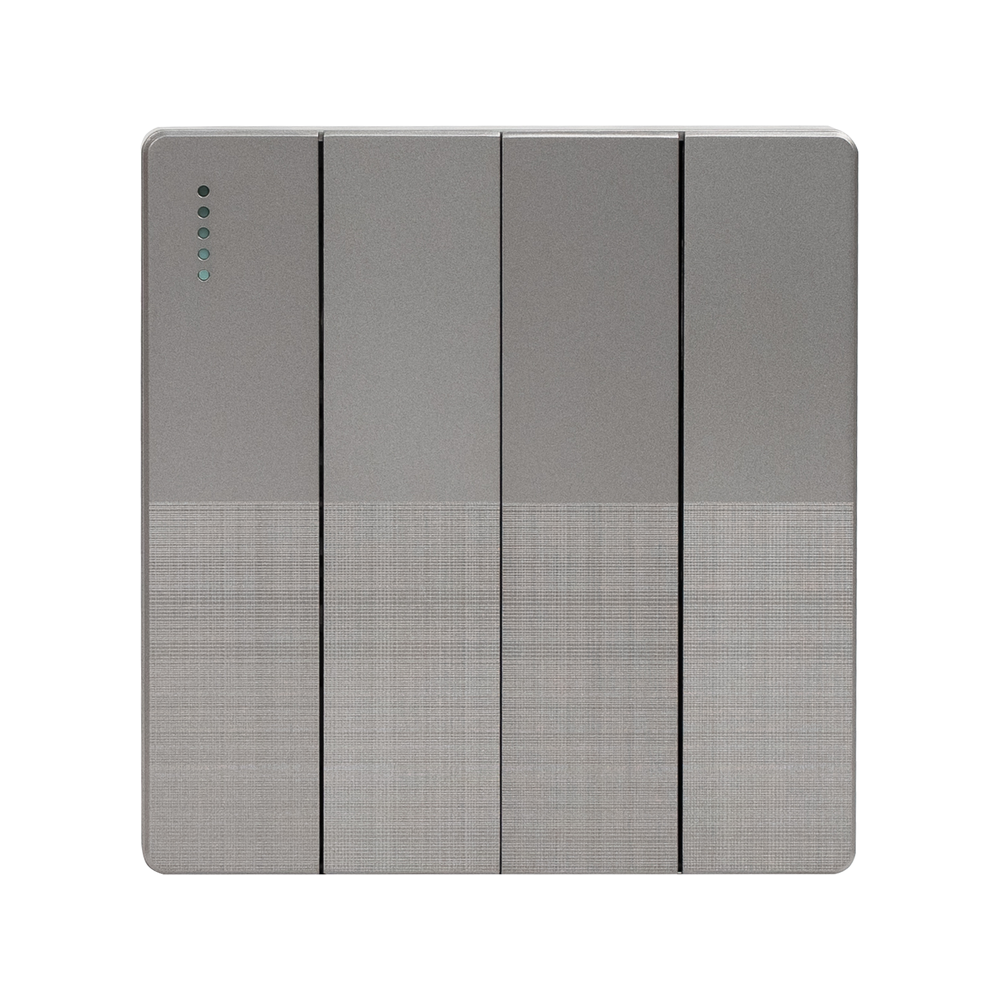
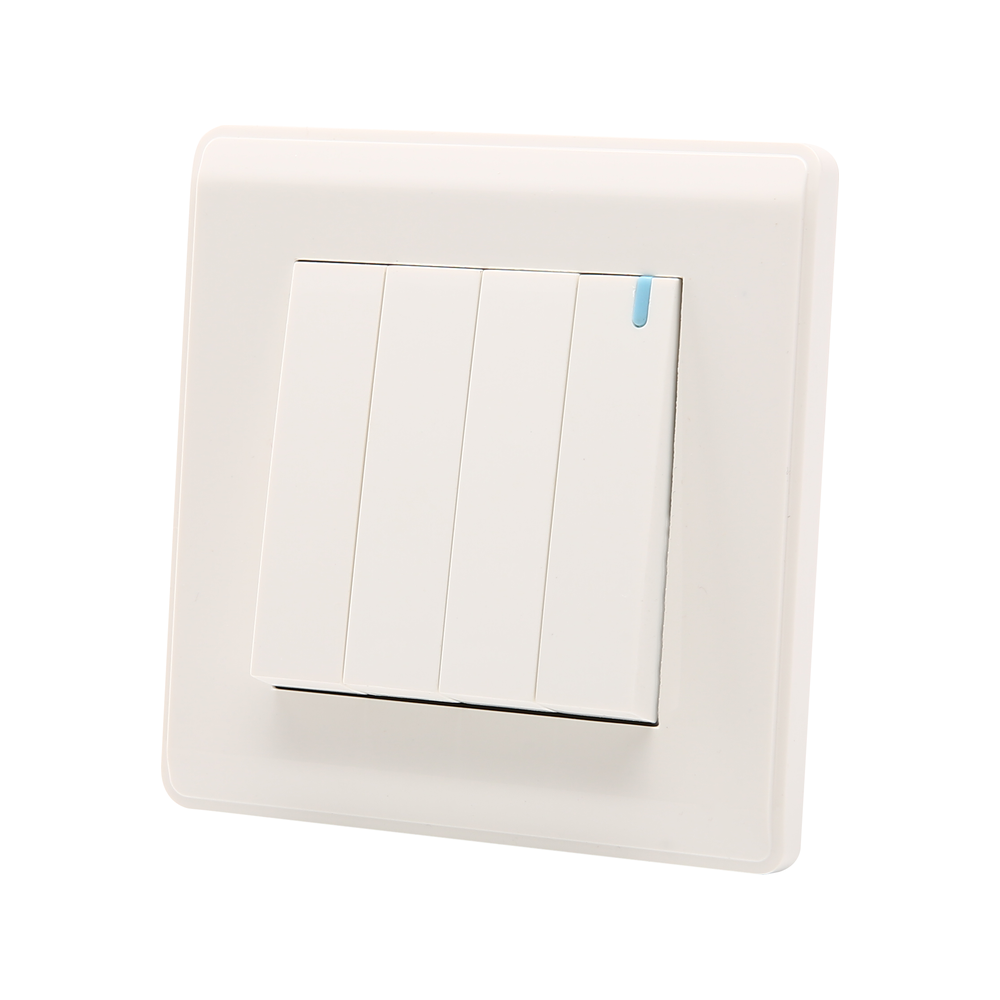
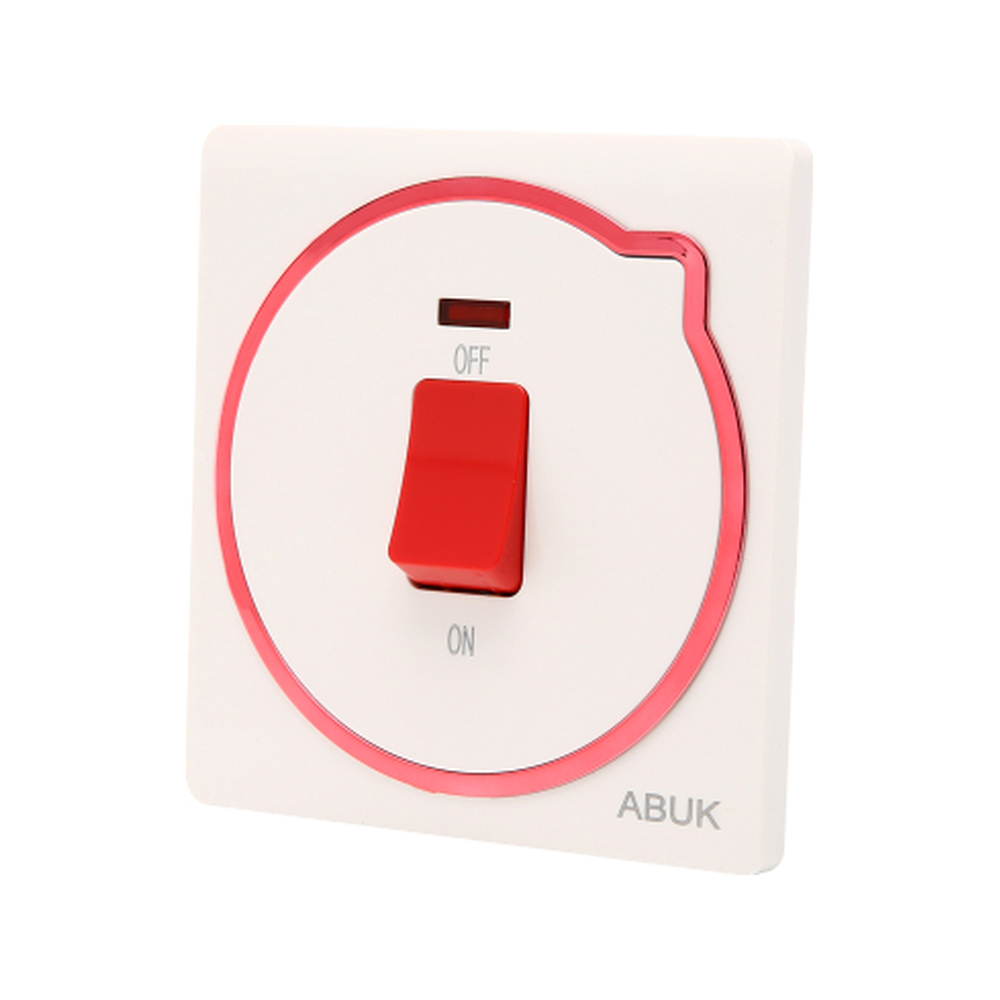
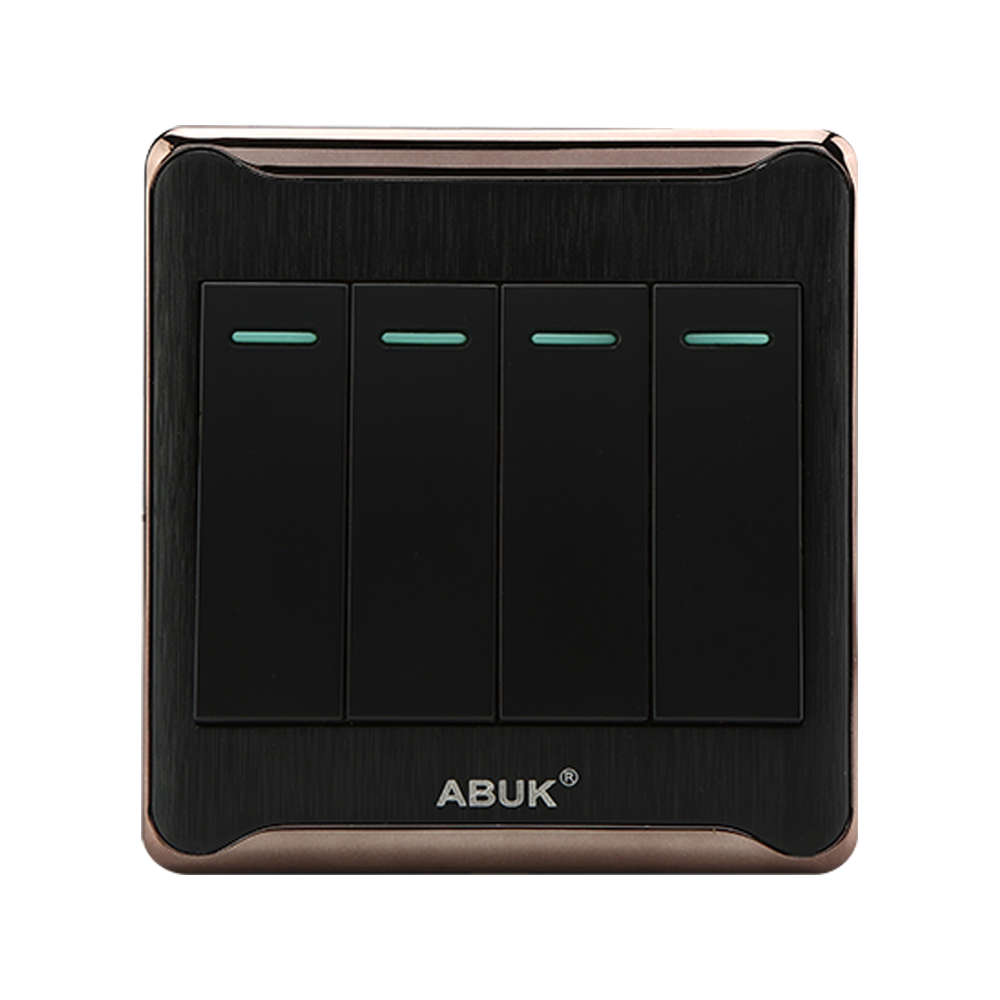
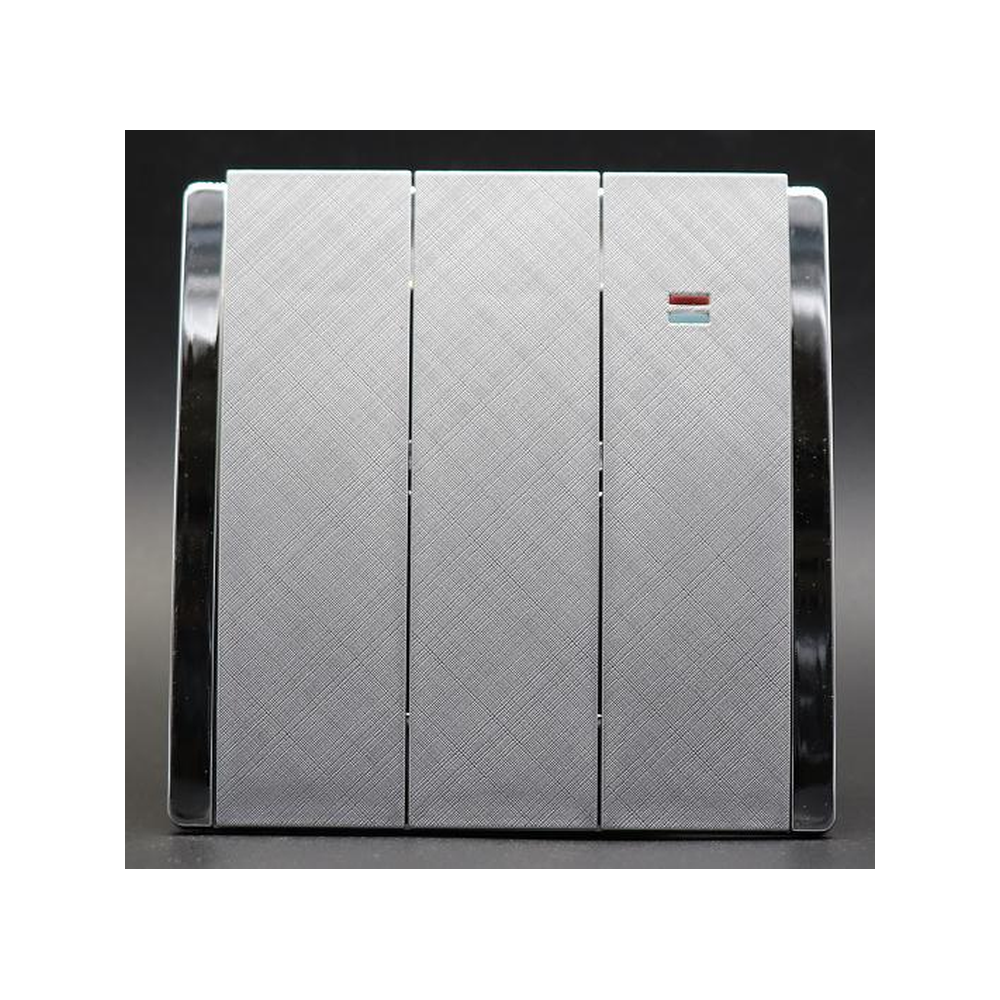
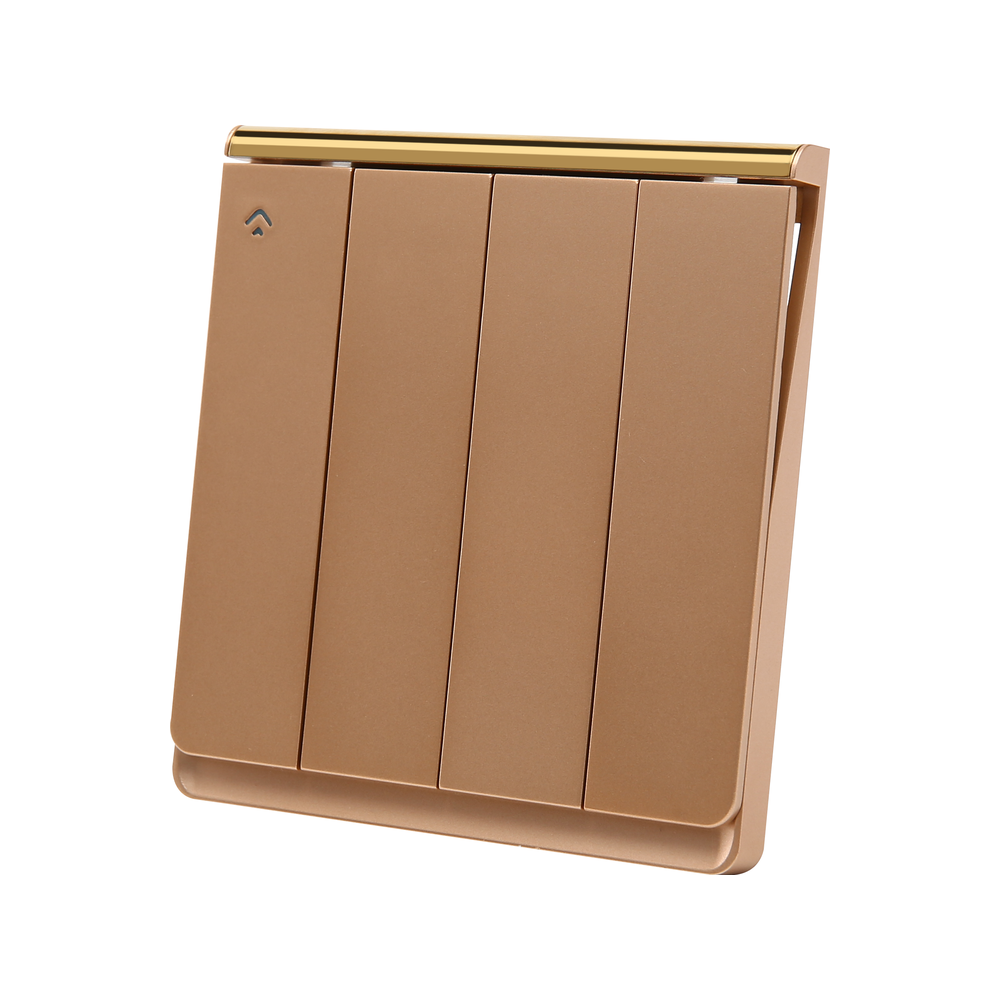
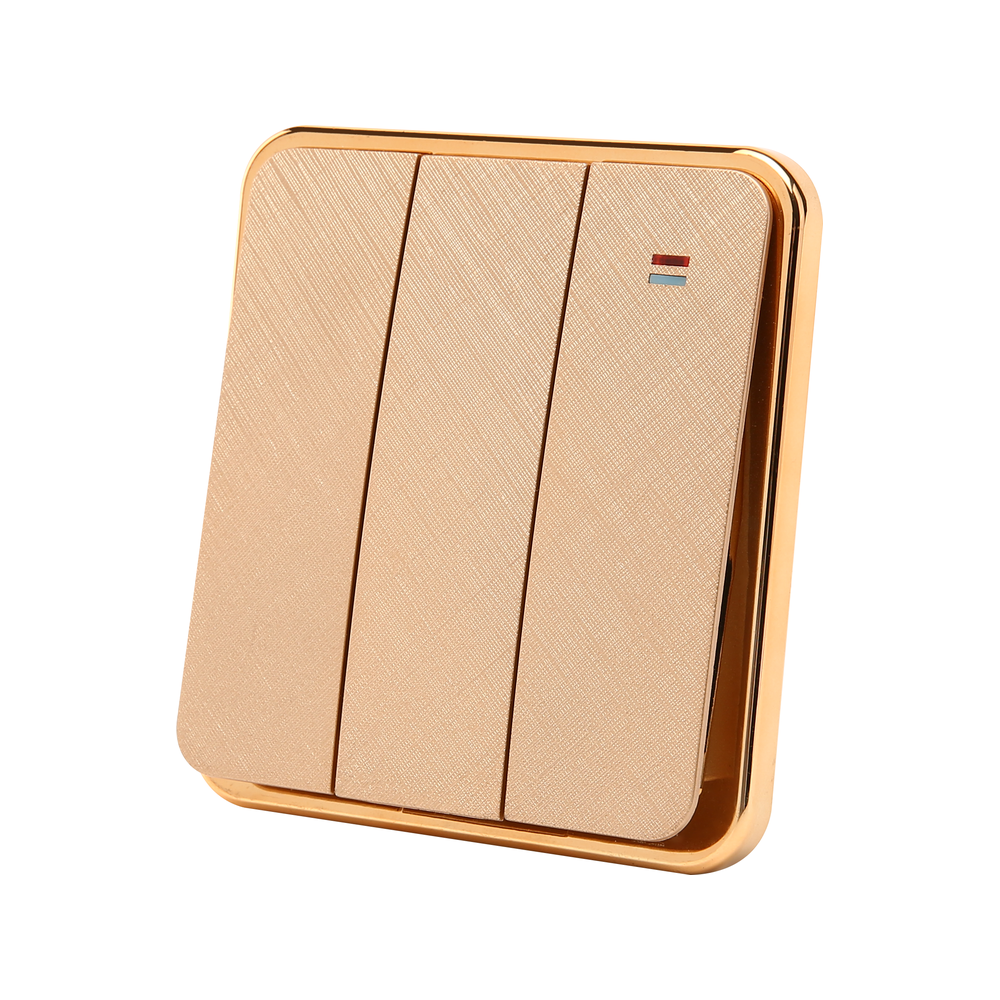
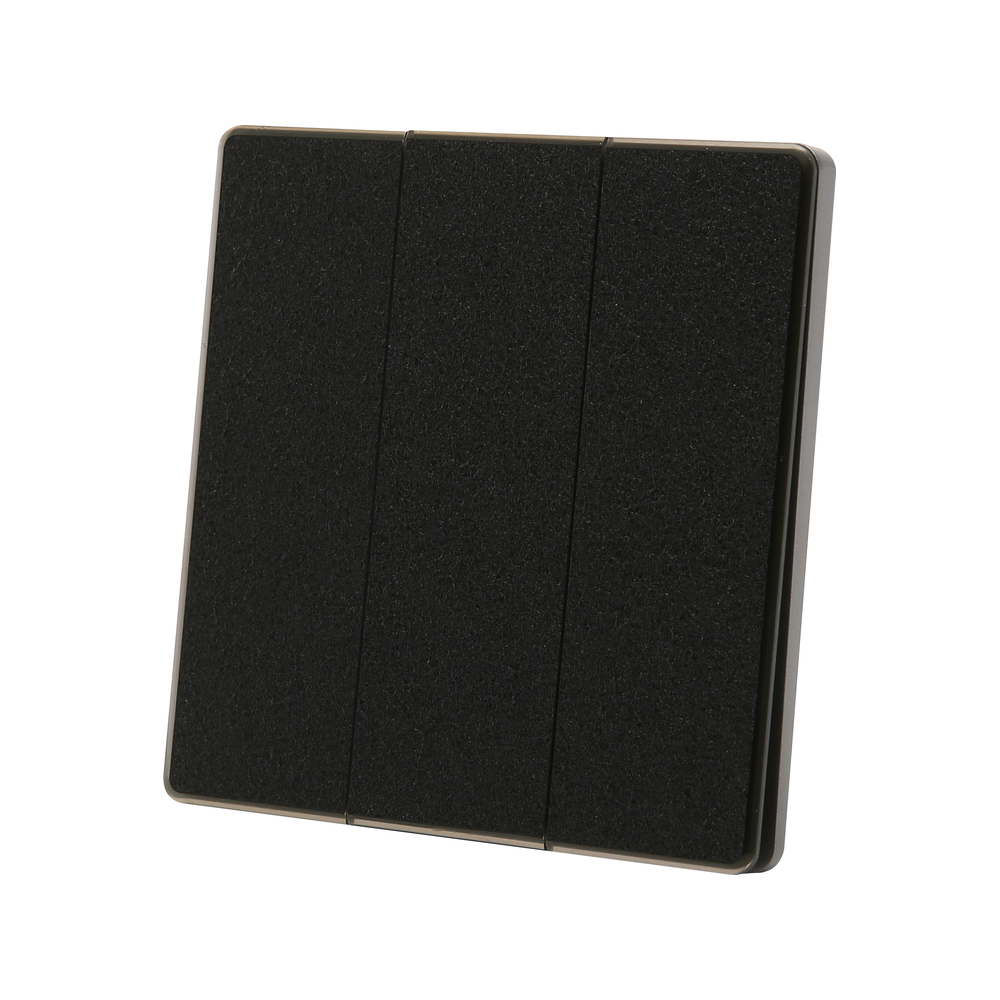
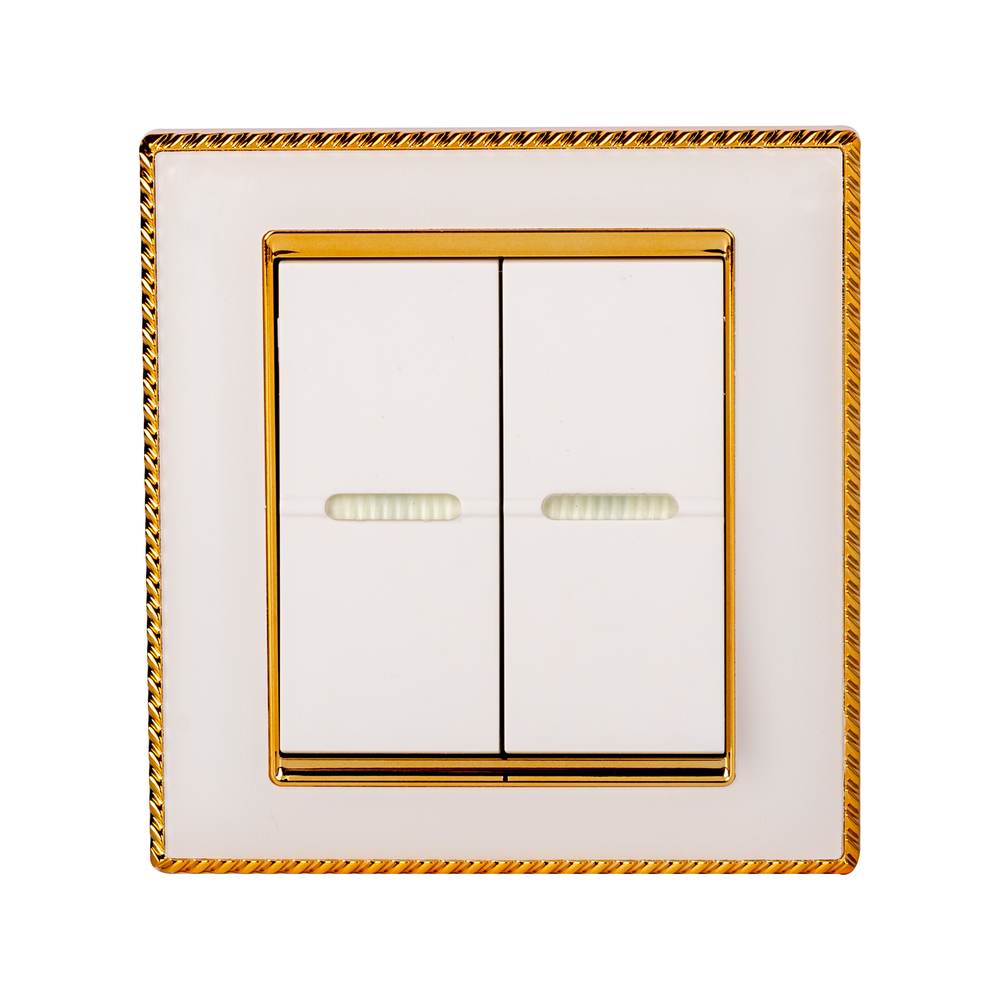
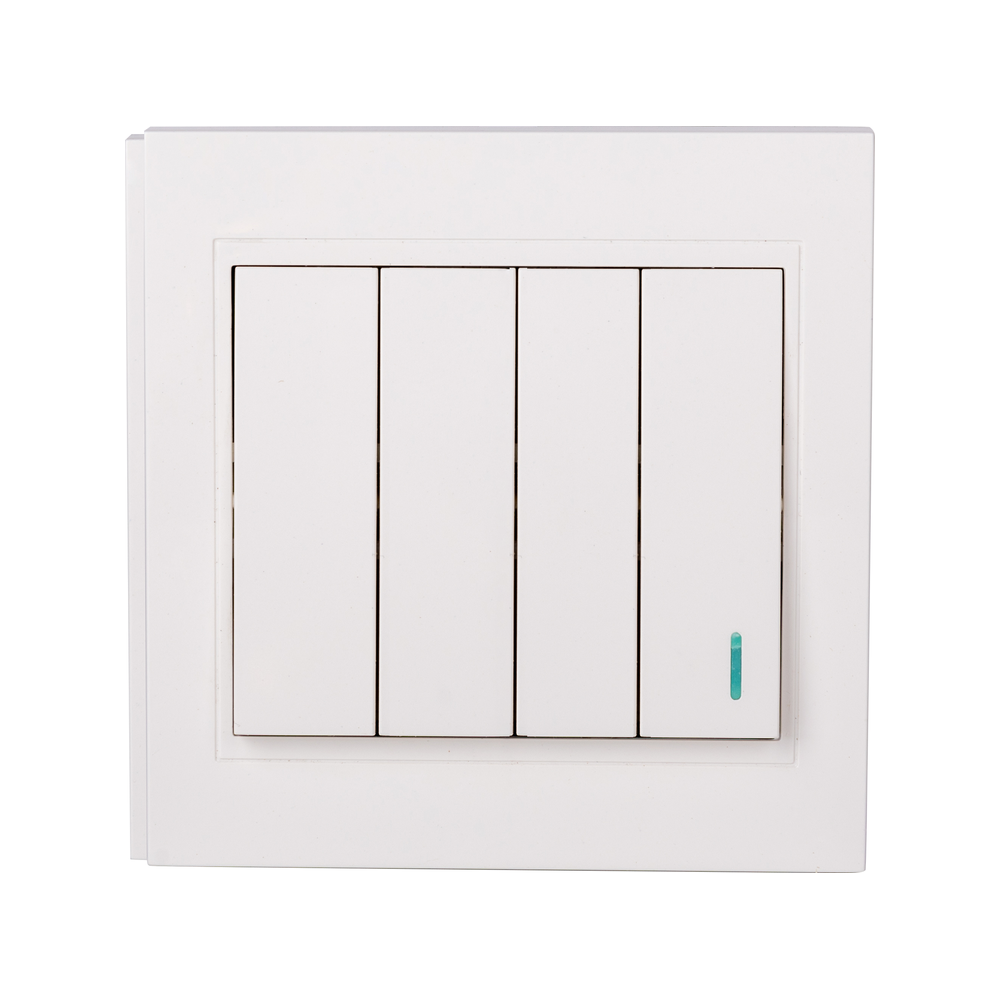
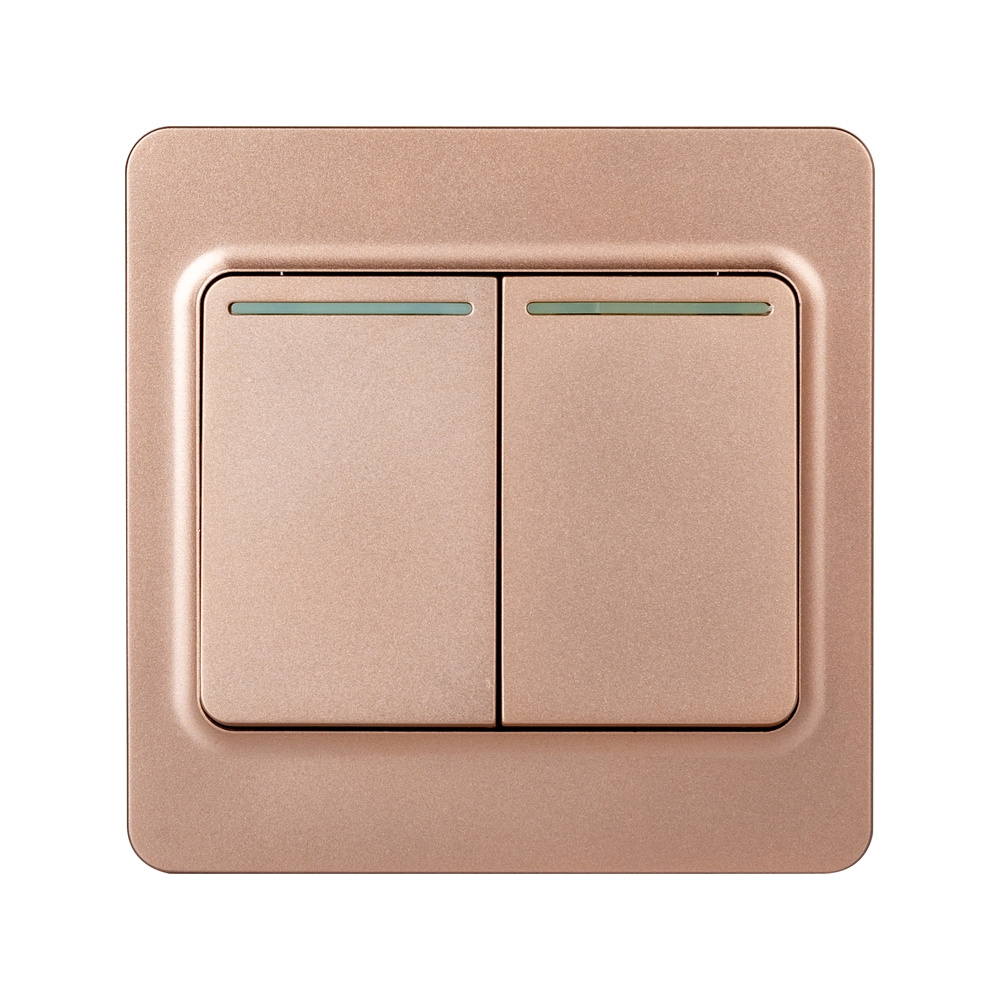
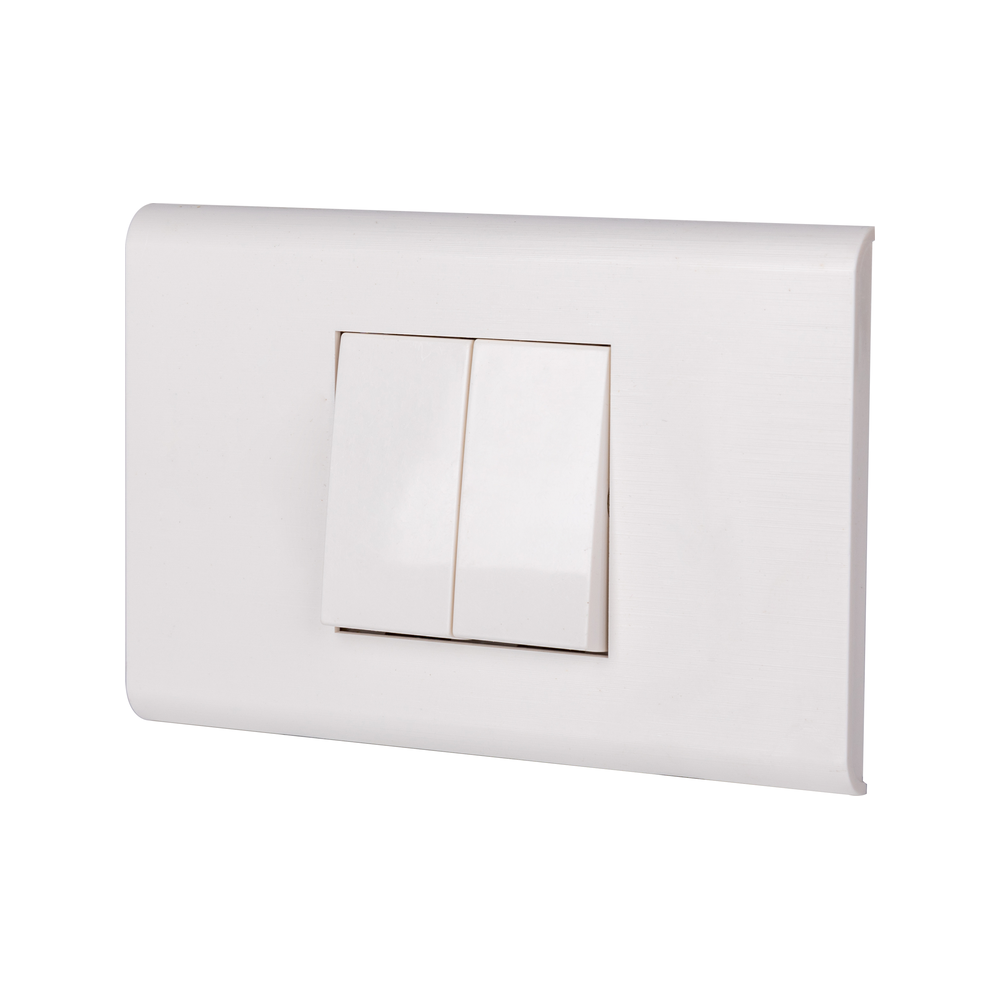
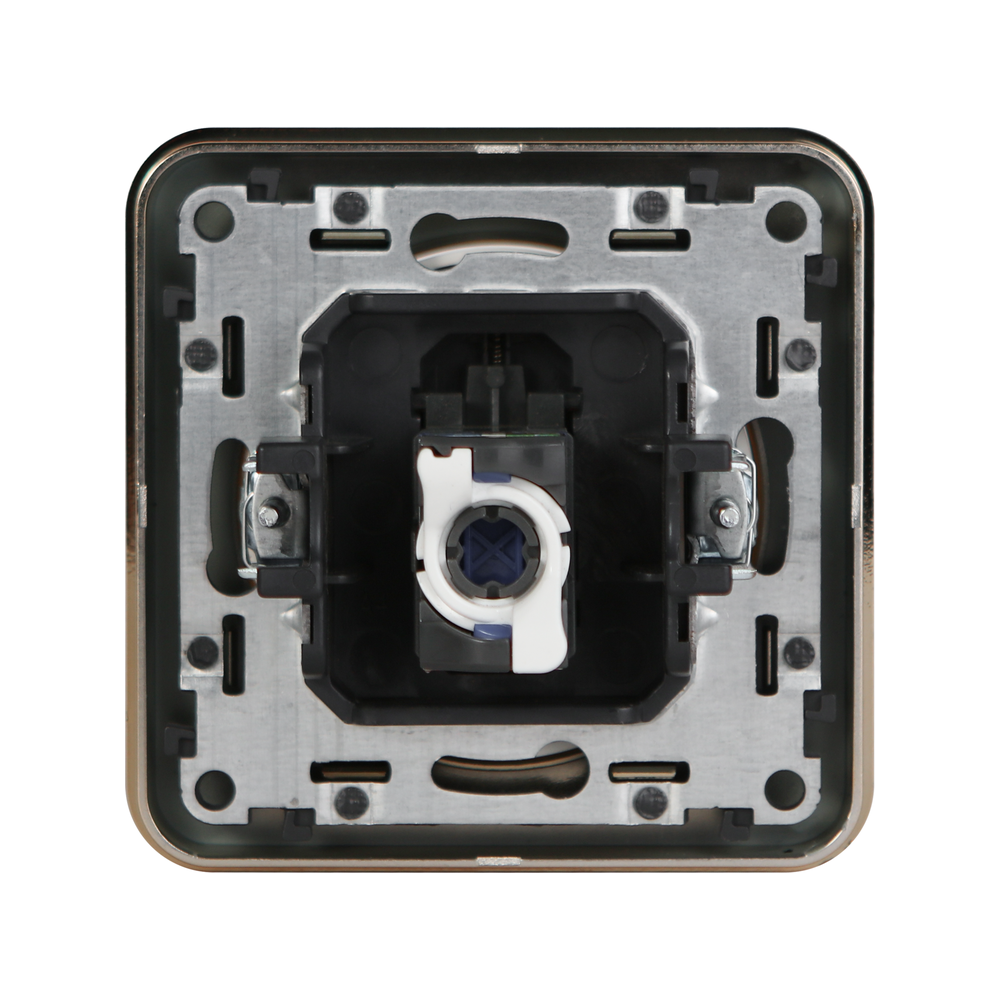
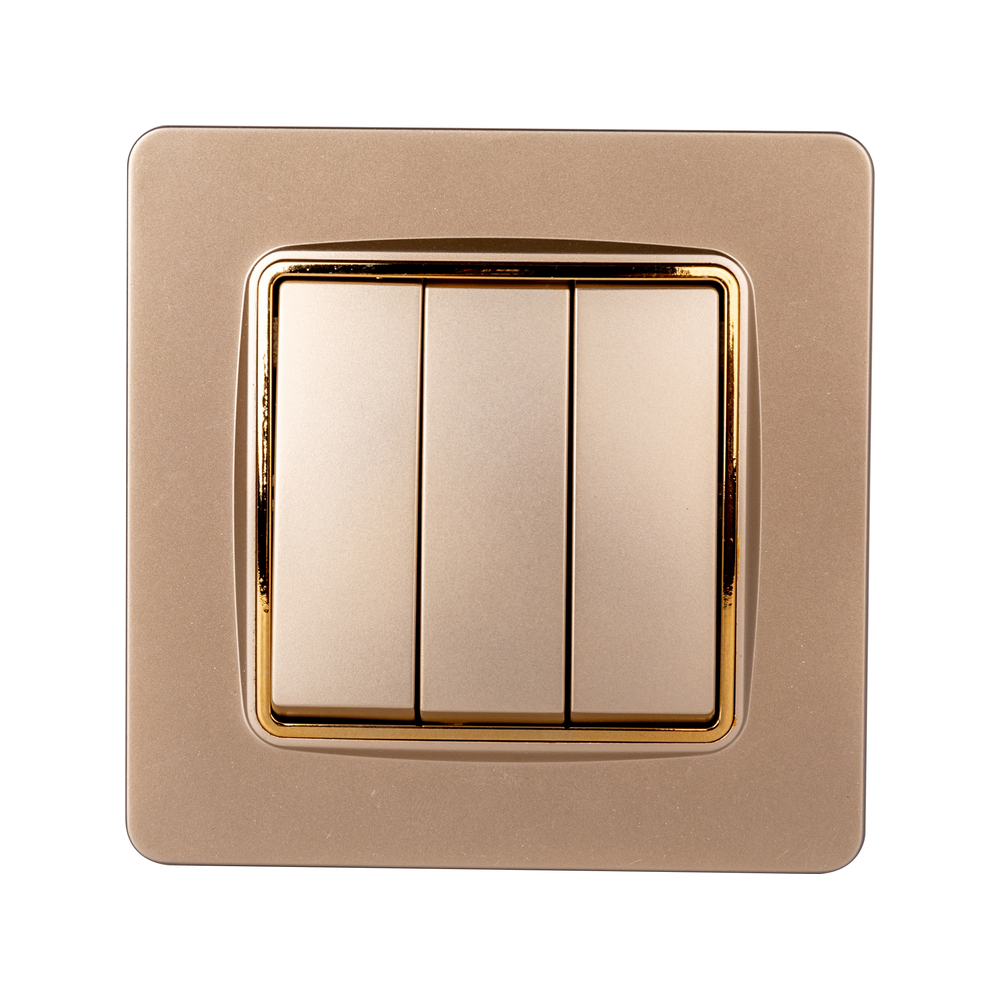
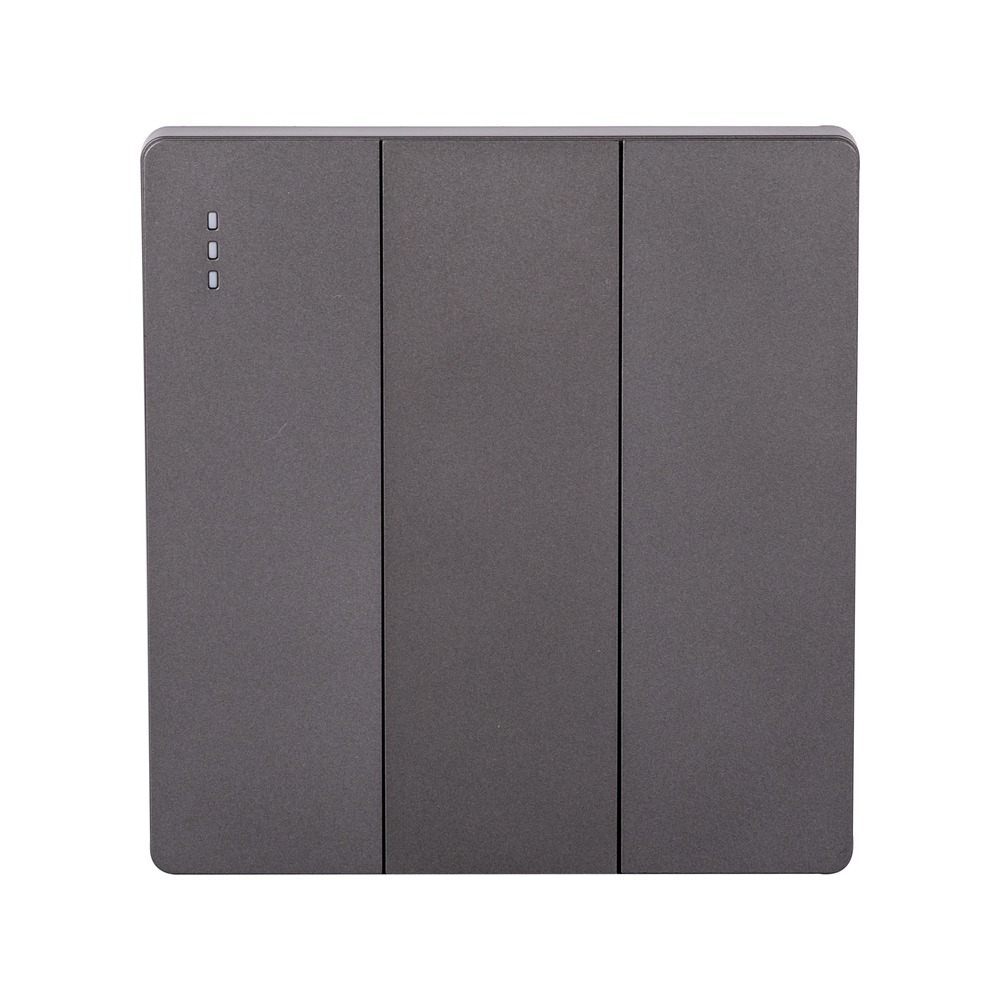
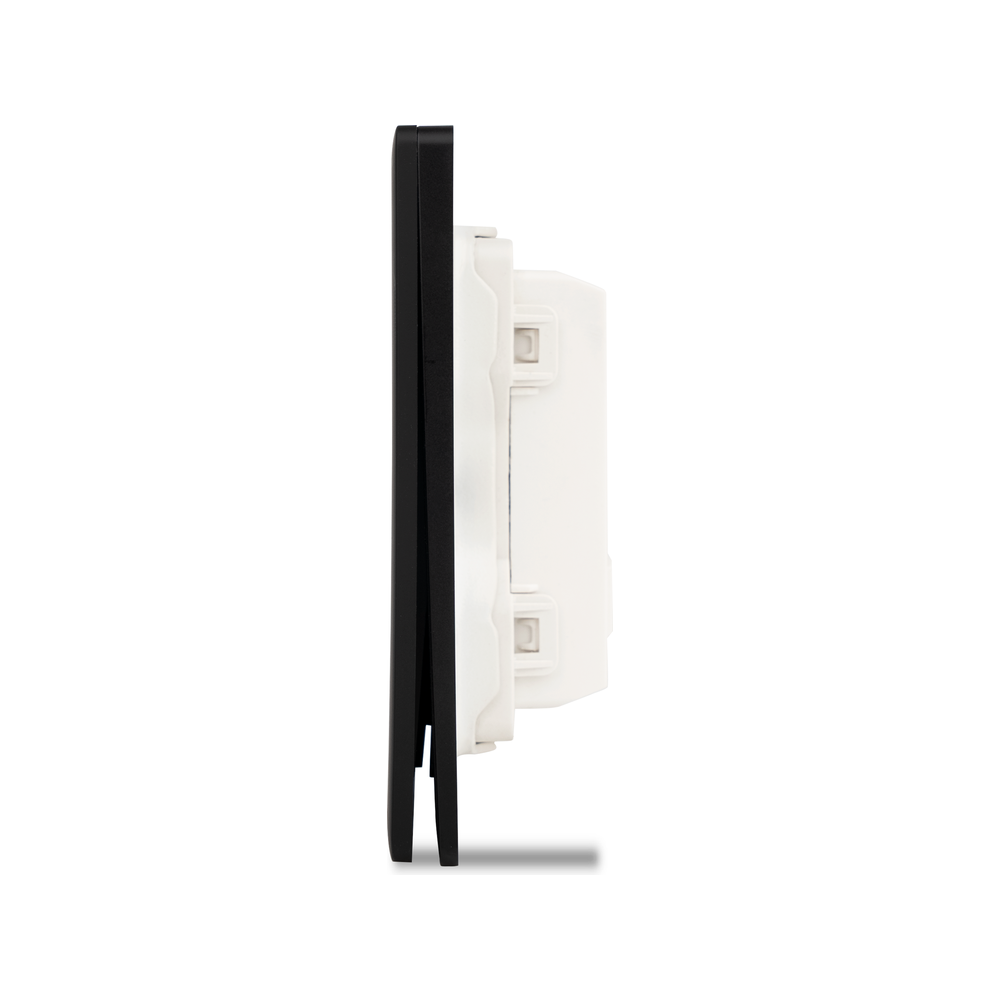
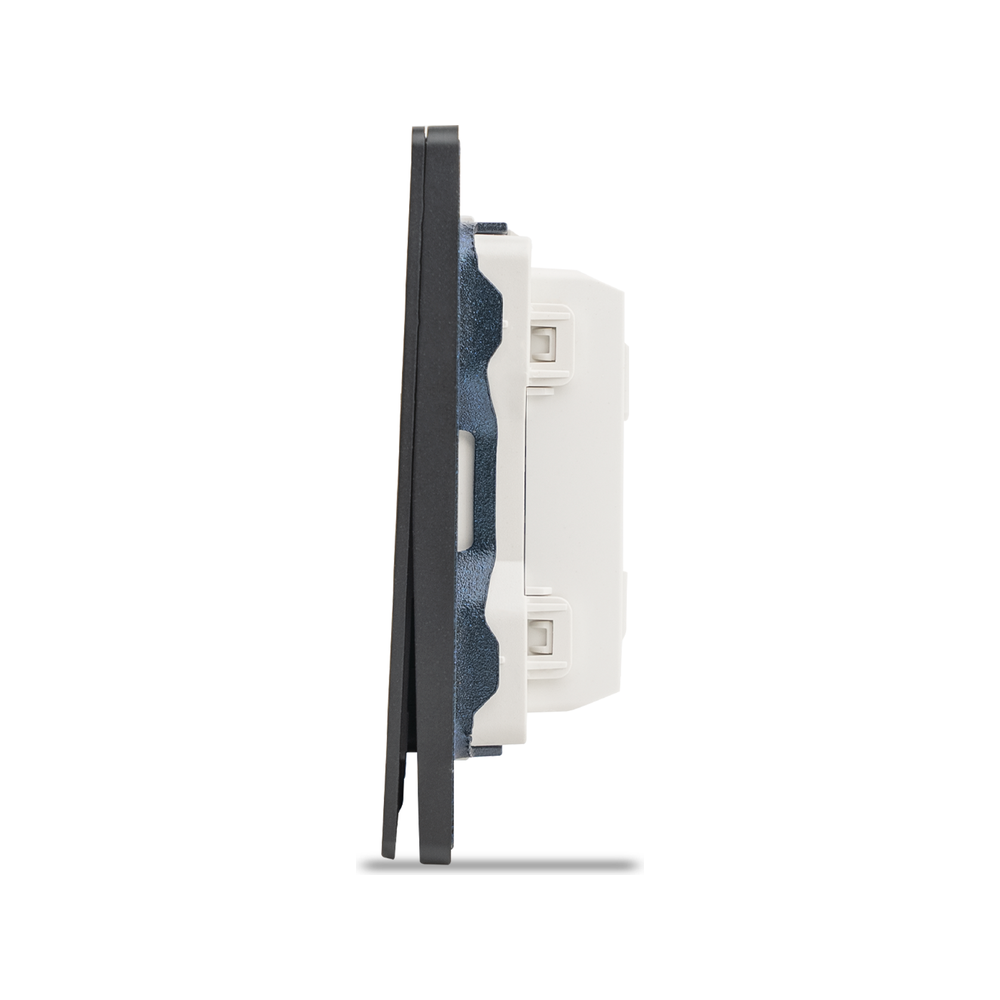
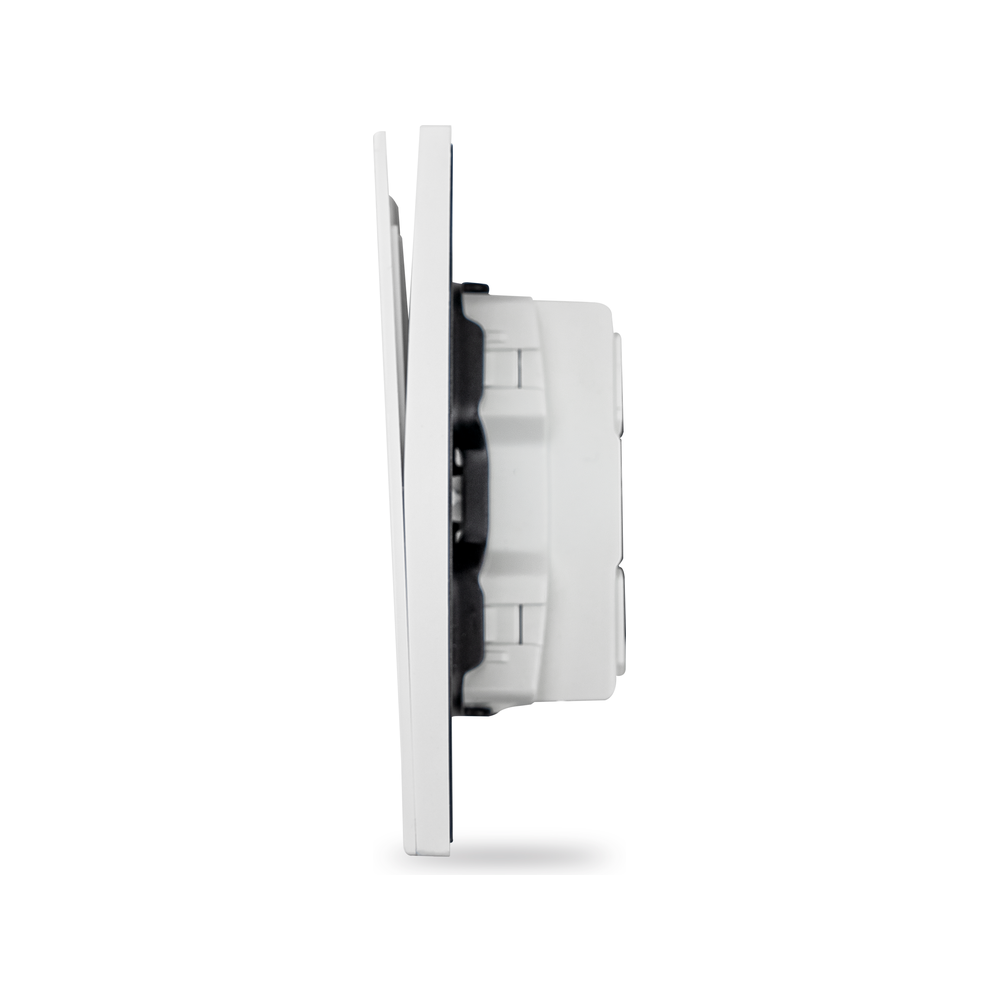
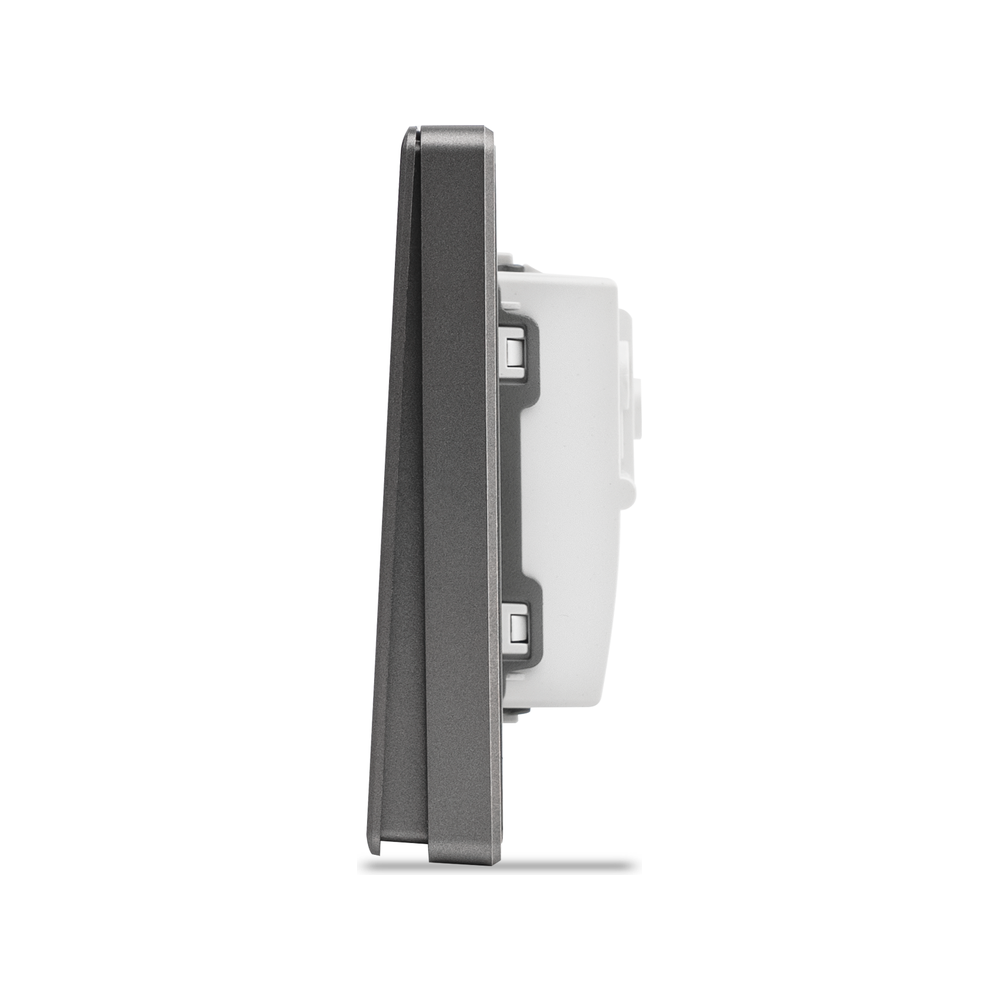
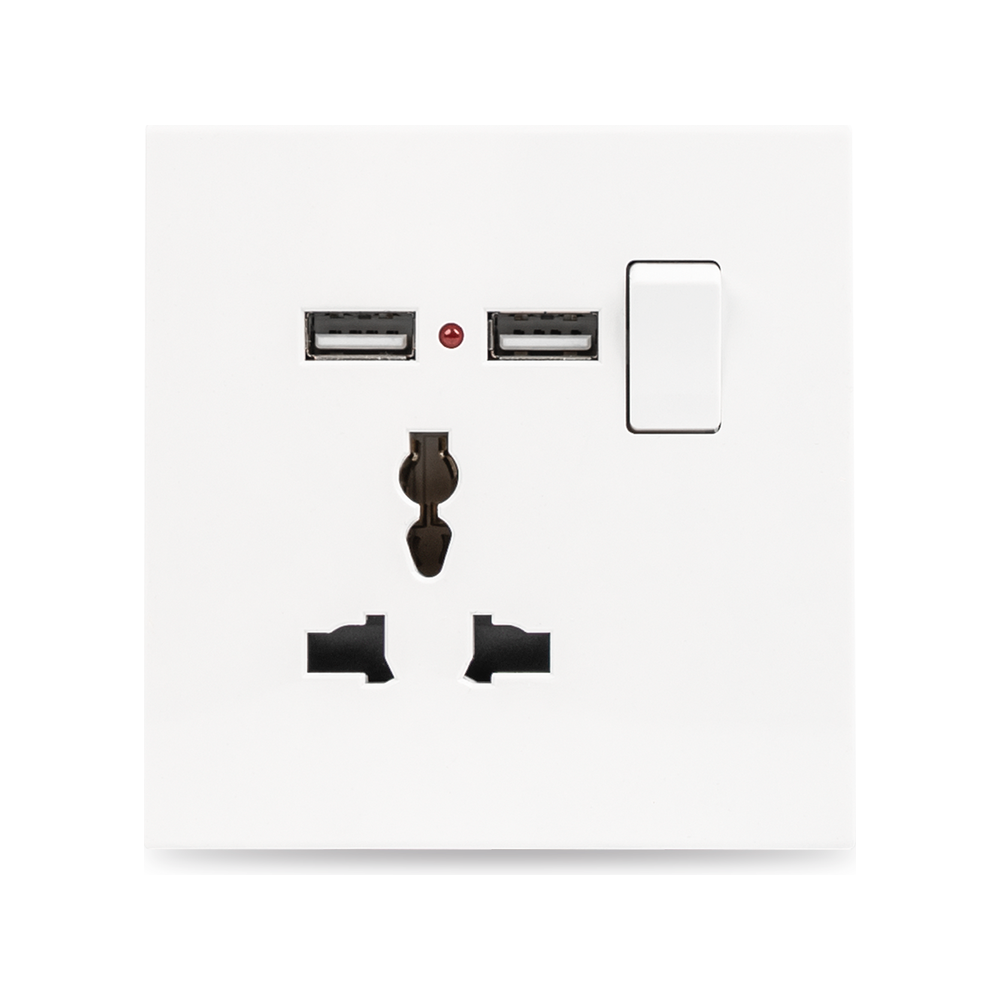
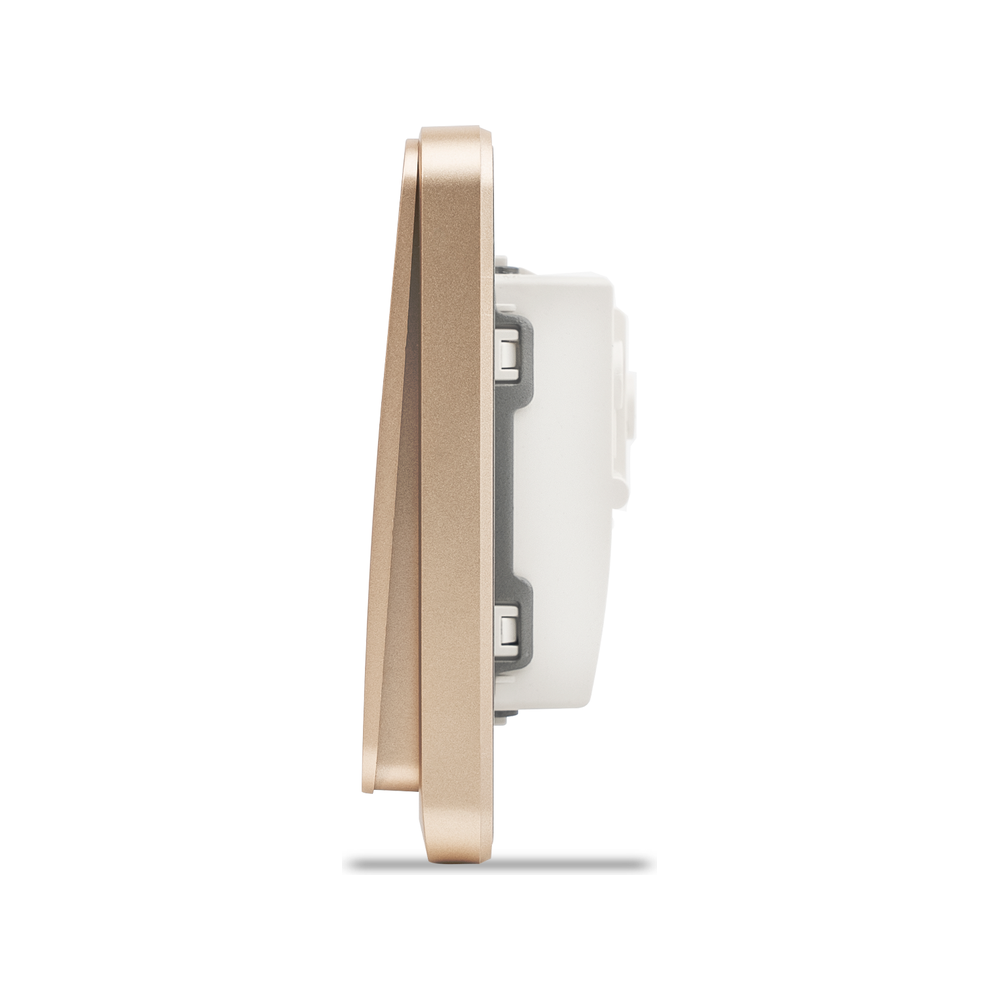
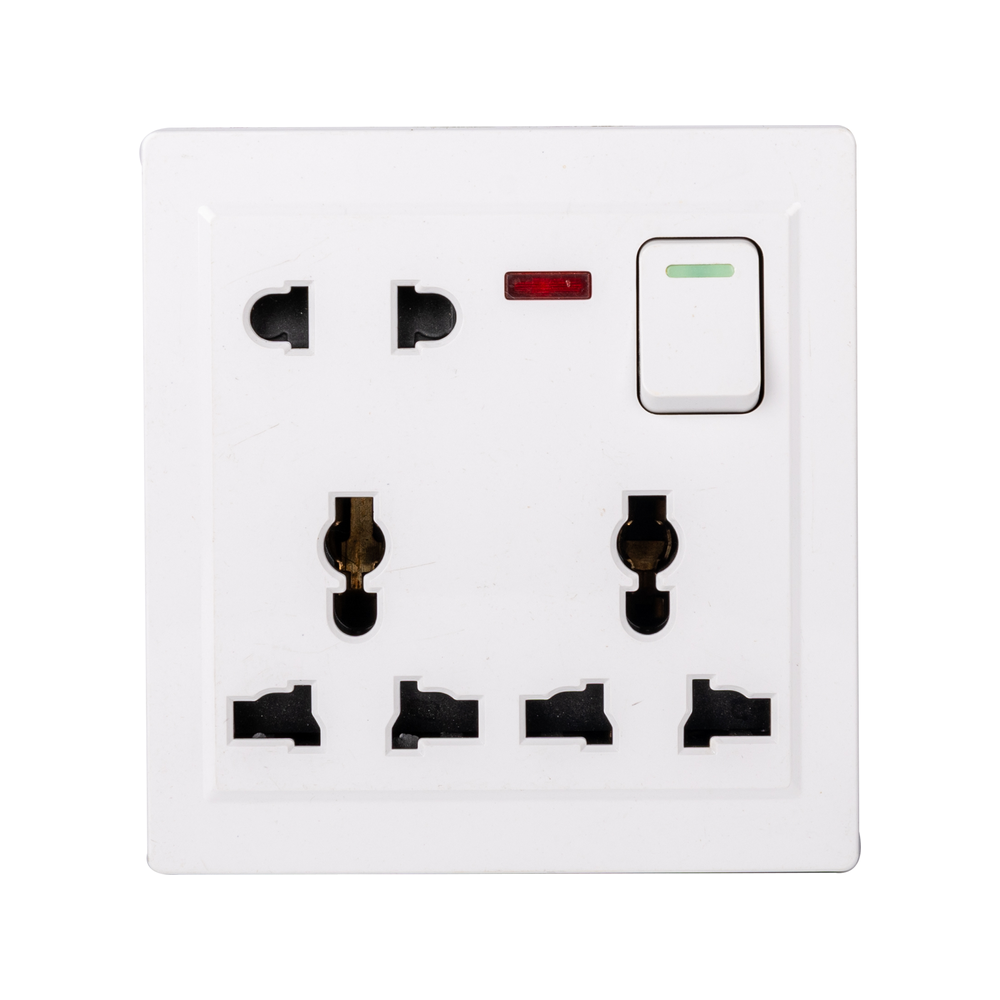
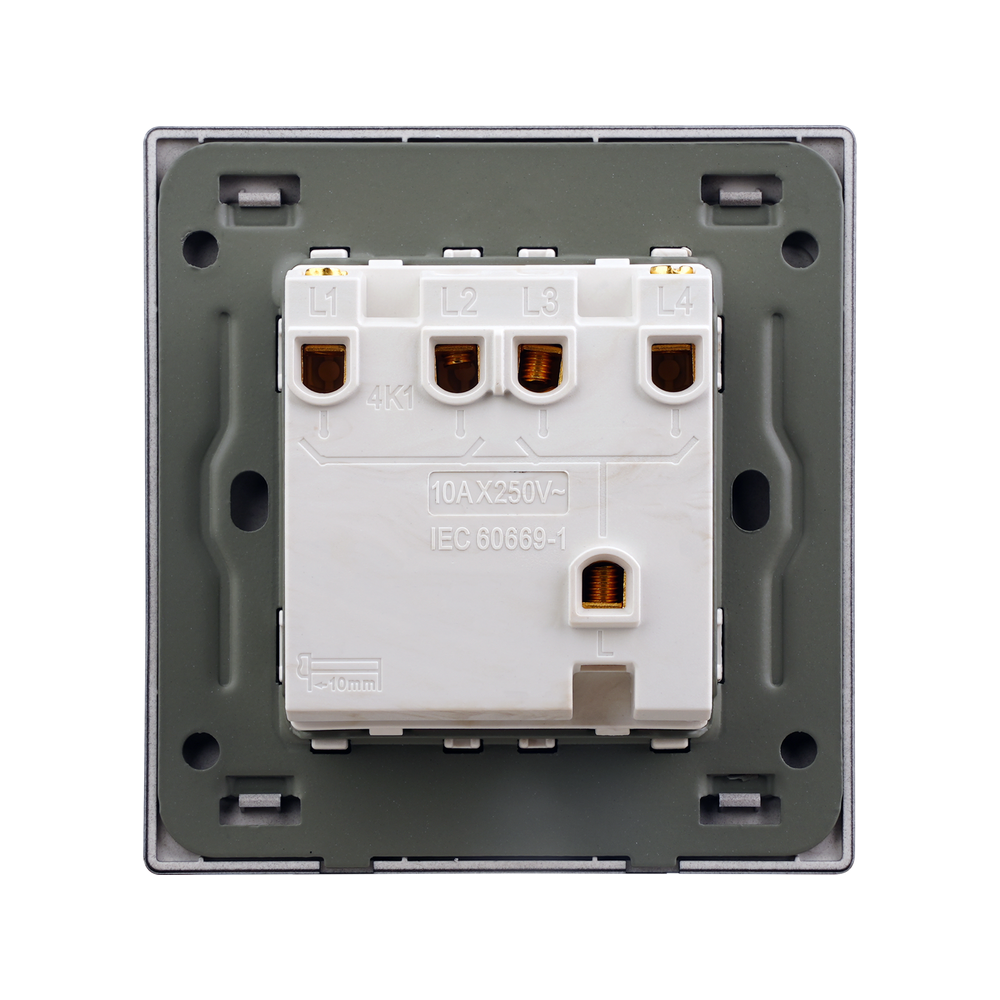
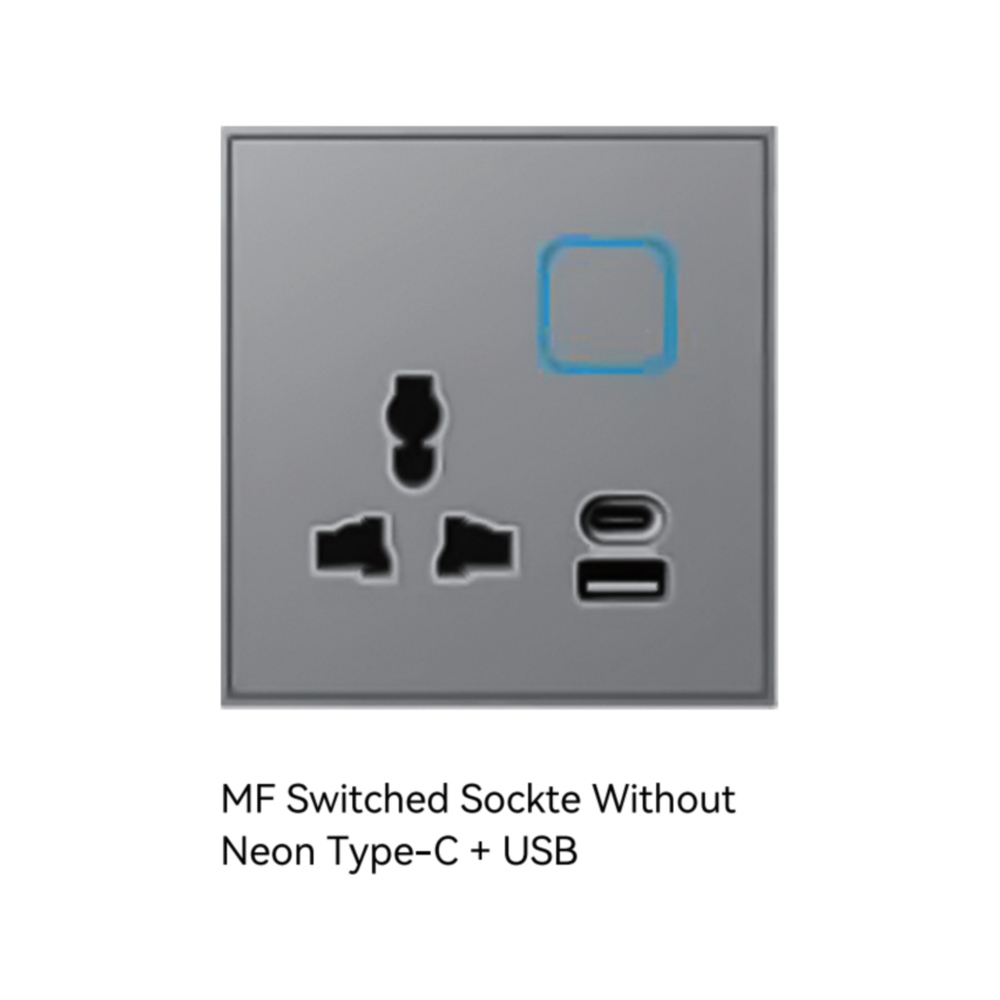
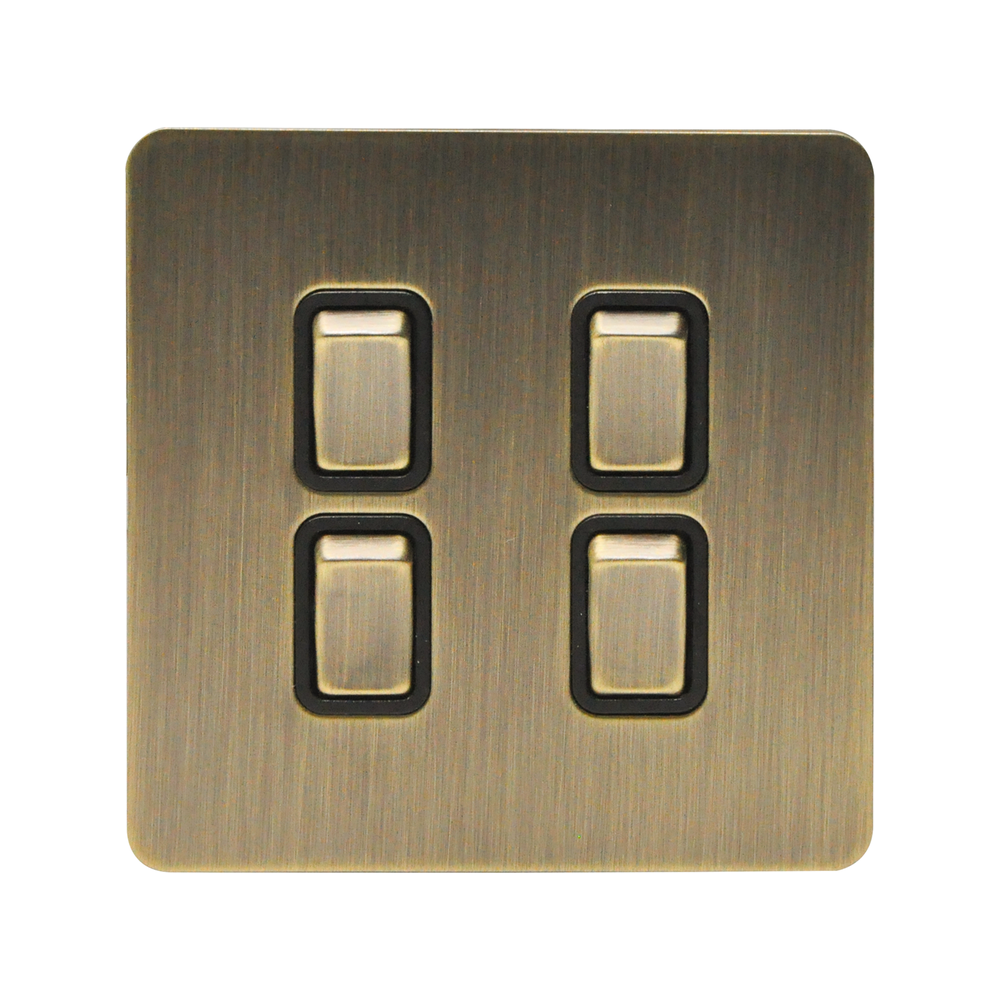
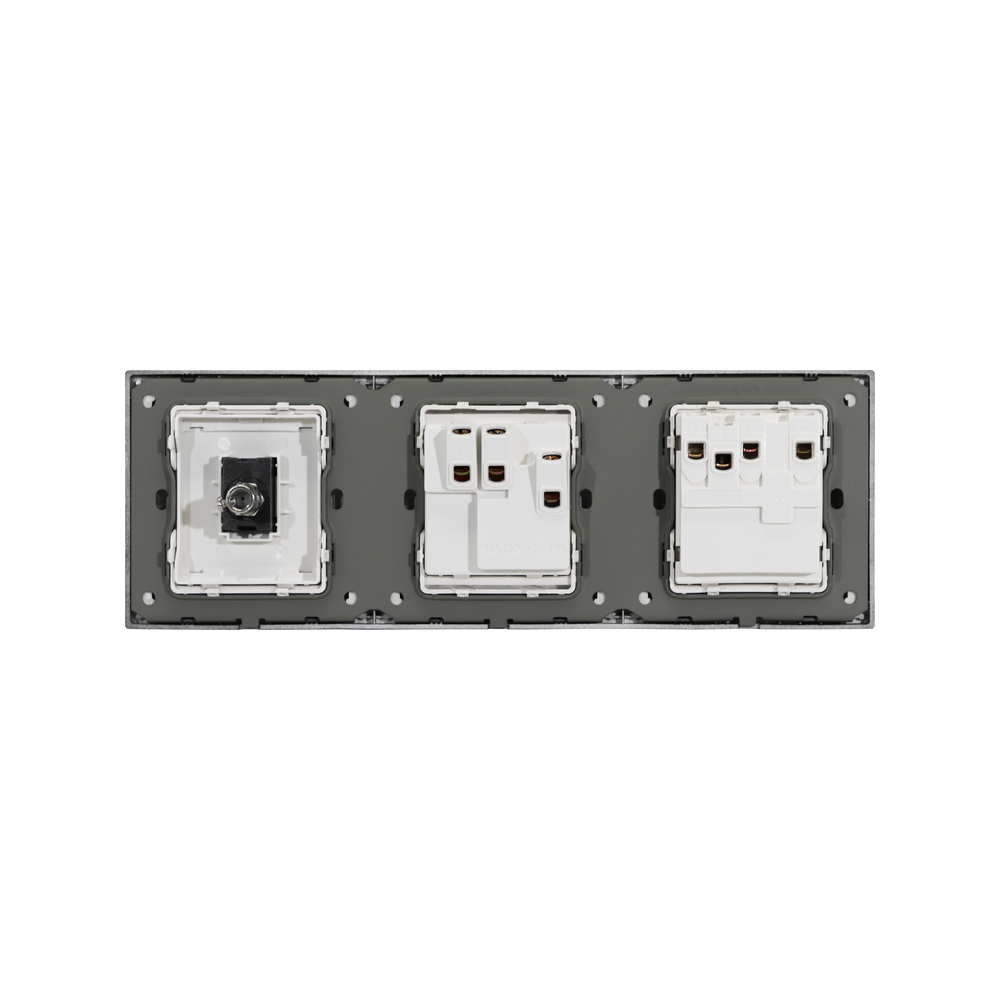
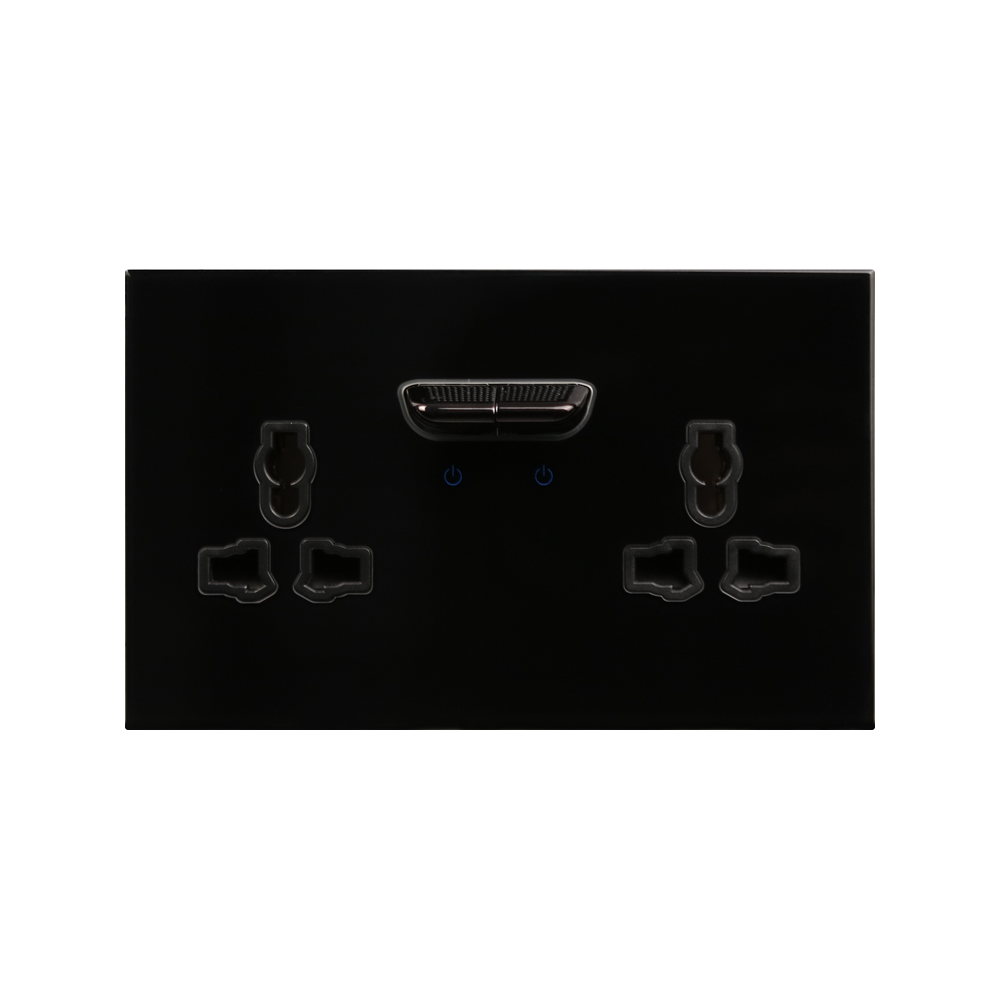
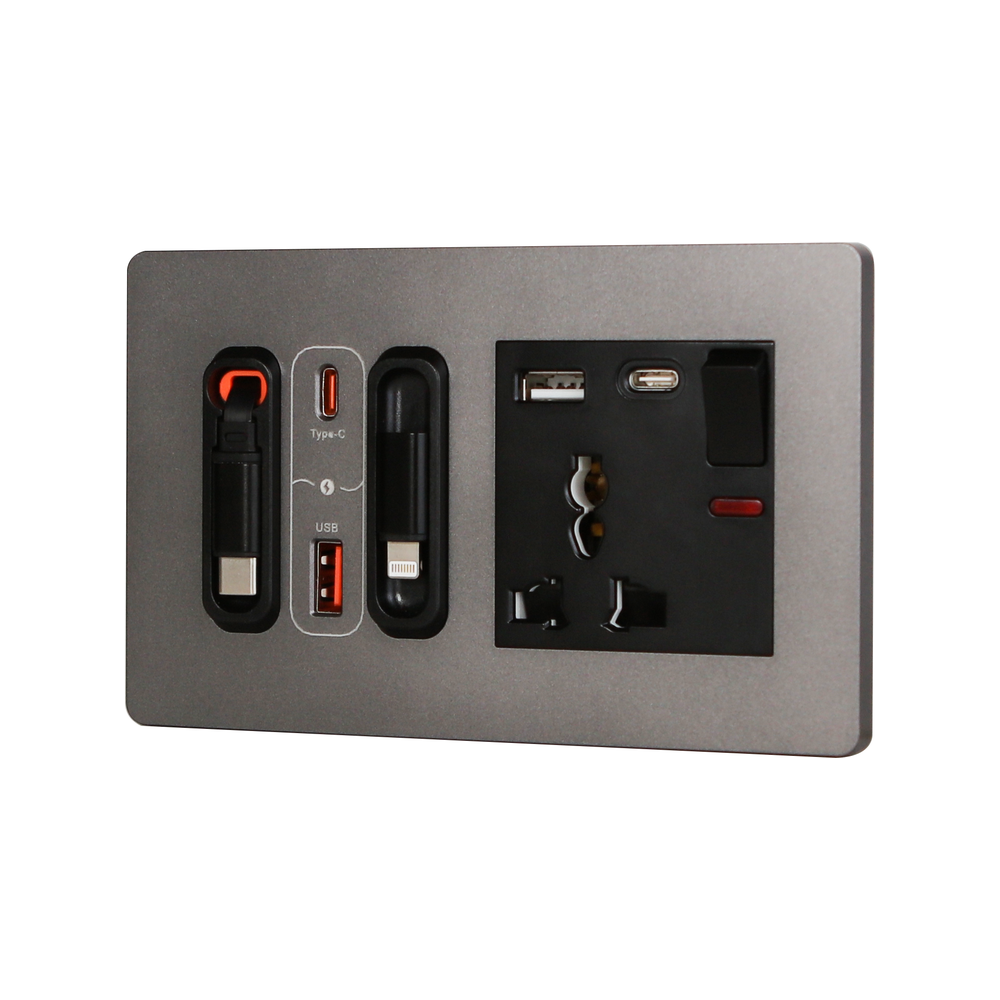
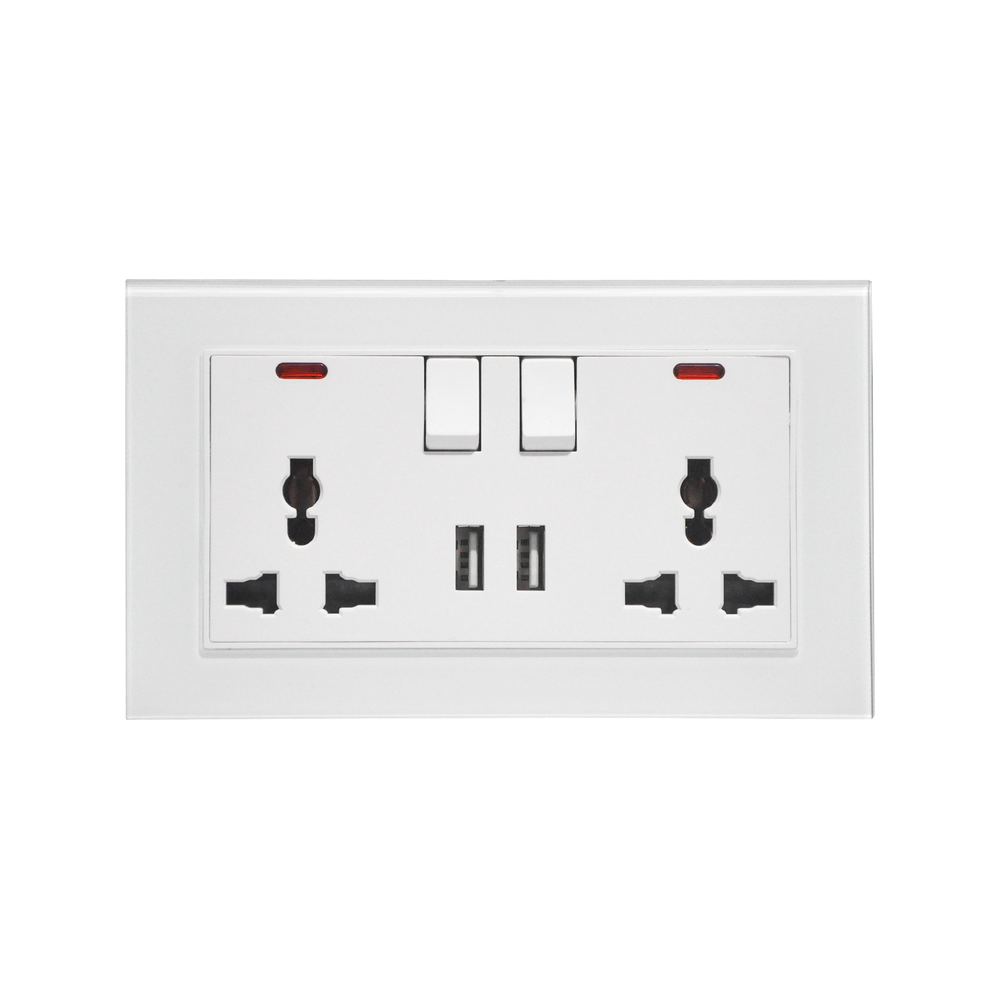
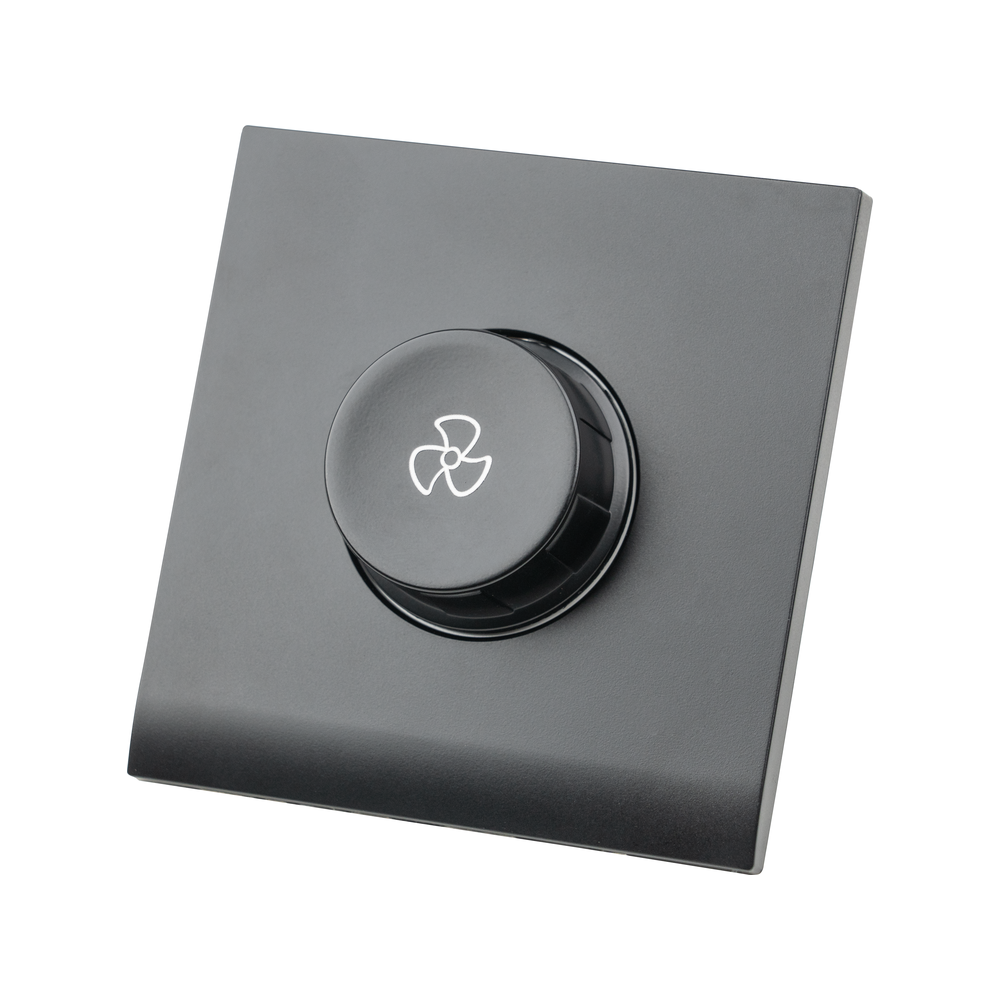
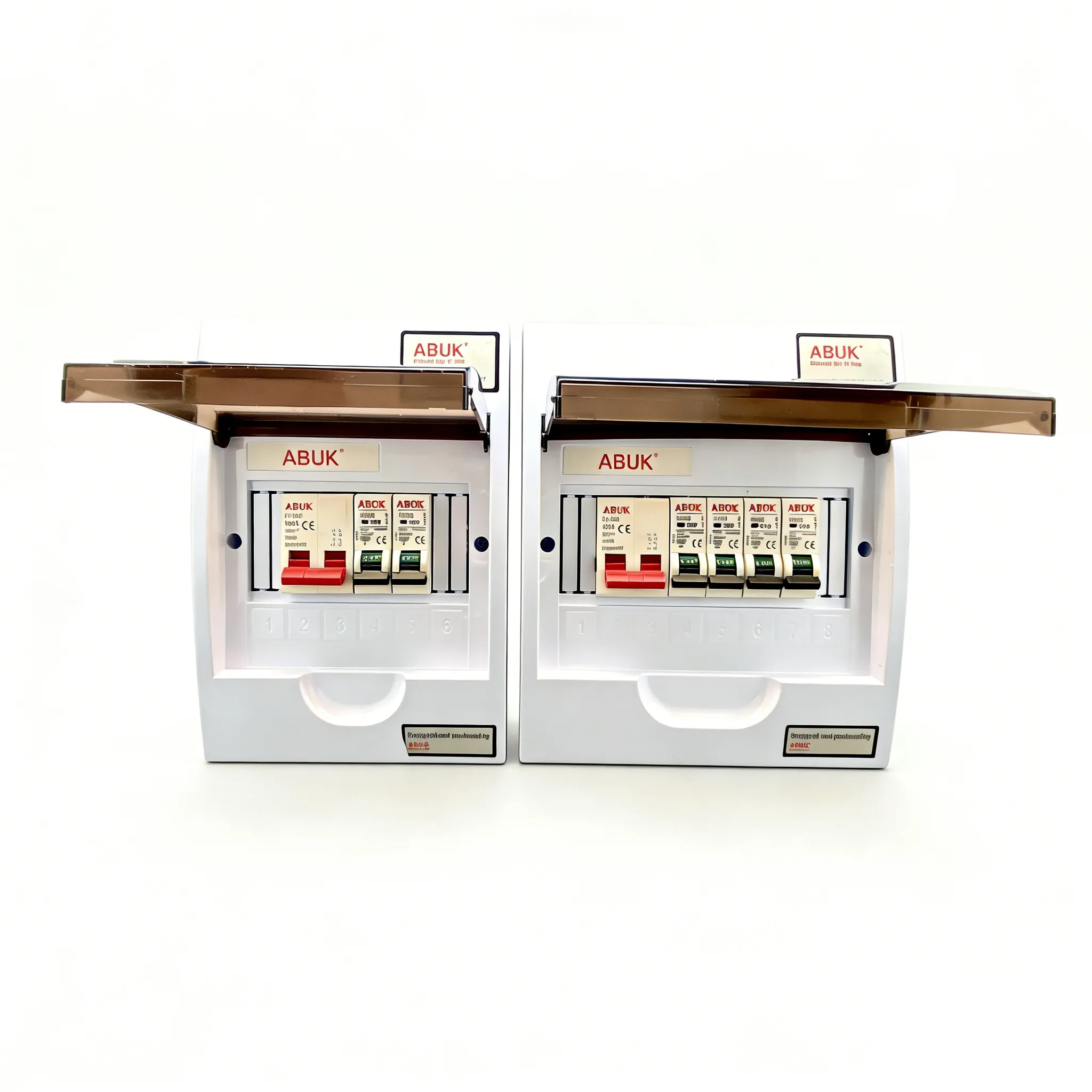
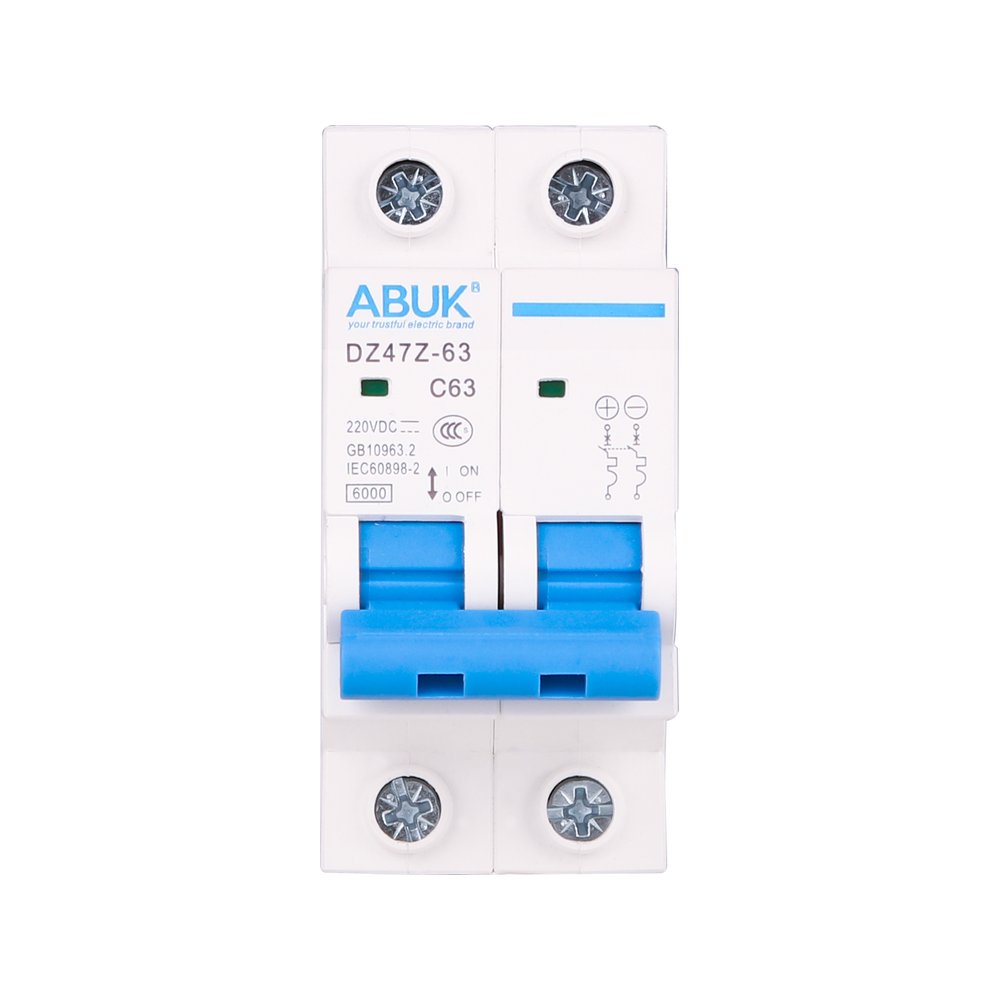
ABUK provides electric plug sockets and USB accessories for project selection. Buyers should request the specific charging model’s output data and Irish-market suitability evidence; the illustrated sample’s appearance does not prove those features.
Frequently asked questions
Are wall sockets with USB ports safe?
They can be when the exact product is suitable, correctly installed and used within its ratings. A USB connector alone does not establish quality or conformity.
Is Quick Charge safe to use with a compatible phone?
A compatible, properly designed source and suitable cable can support the phone’s intended charging behavior. Verify the specific protocol support rather than rely on an unqualified “quick charge” label.
Can you charge an iPhone in Ireland without a voltage converter?
Usually, with a suitable USB source or charger whose mains input accepts the local supply. Check the charger label and use the correct plug connection.
Are built-in USB sockets safer than plug-in USB chargers?
Not automatically. Product design, conformity, installation and condition matter more than whether the charger is built in. Their replacement and maintenance arrangements differ.
How can you identify a safe USB wall socket in Ireland?
Check model identification, destination-specific documentation, rated input and output, installation instructions and a traceable supplier. Verify advertised charging protocols separately.
When should an old USB wall socket be replaced?
When damage, unreliable operation or assessment warrants replacement, or when its documented charging capability no longer meets the need. There is no universal replacement age for all models.
References
- USB-IF: USB charging and Power Delivery
- Apple Ireland: fast-charge requirements
- Legrand: USB wall outlet safety considerations
- HSE: electrical equipment condition and competent work
A useful fast-charging claim names the devices and conditions it supports. ABUK can help with model information for a defined brief; send the charging and installation requirements before finalizing the accessory order.