
 Wenzhou Lita Electric Co., Ltd.
Do New Zealand Power Points Need RCD Protection?
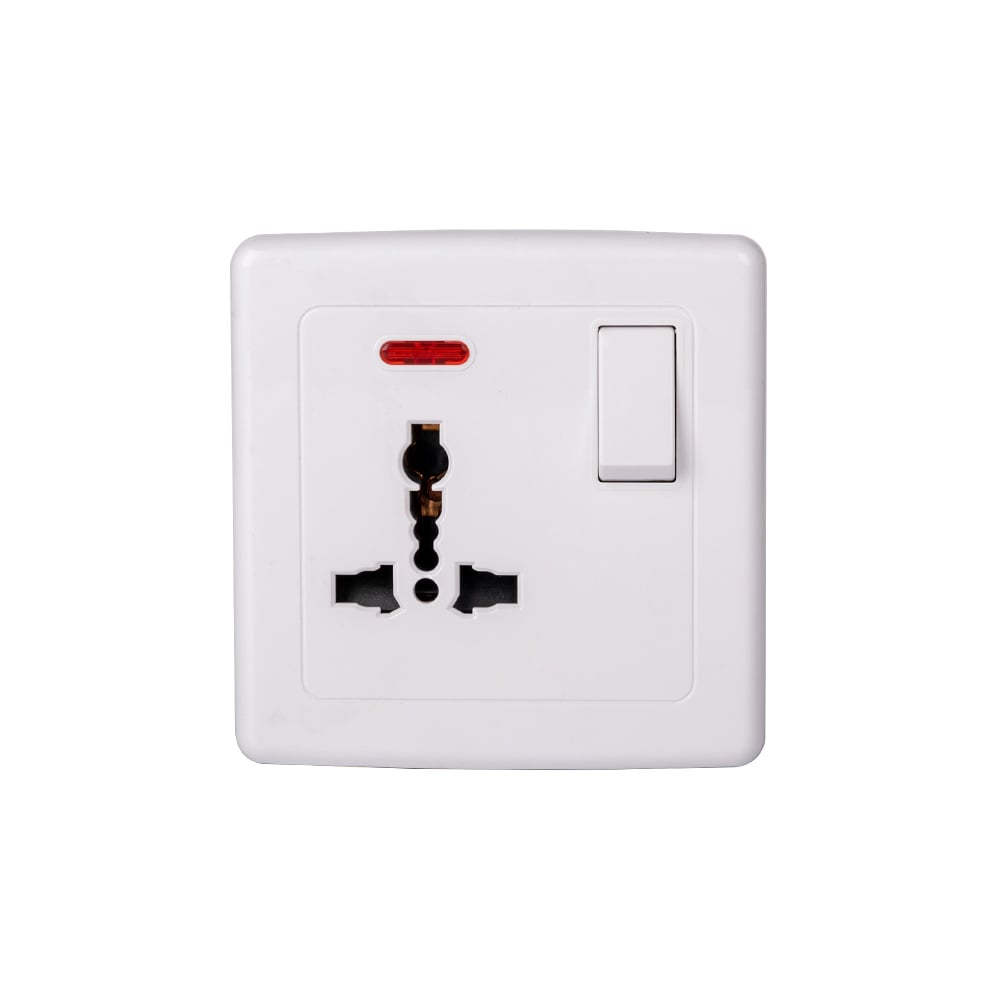
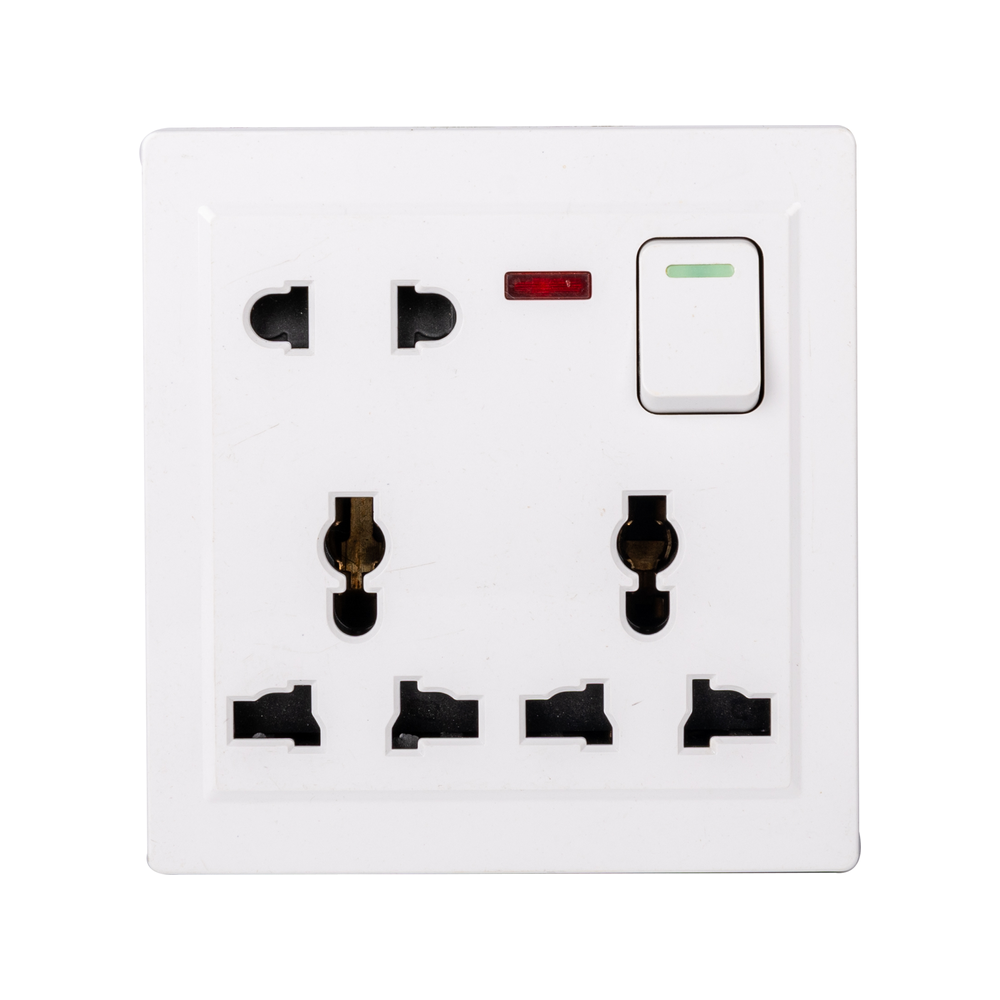
When a landlord in Wellington encountered a tenant’s question about an unlabelled socket, the absence of a test button seemed to mean there was no RCD protection. In this hypothetical inspection, replacement outlets were ordered before anyone checked the switchboard; the electrician then found upstream protection and a different fault requiring attention. The missing information was which device protected the circuit.
Summary: New Zealand power-point RCD requirements depend on the installation and work scope. New residential socket circuits generally need additional protection not exceeding 30mA; an ordinary outlet may already be protected at the switchboard. Identify the circuit, applicable rules and protective device before buying an RCD outlet or declaring an older installation noncompliant.
RCD protection in New Zealand is governed by the Electricity (Safety) Regulations and the cited Wiring Rules. The regulations now cite AS/NZS 3000:2018 with Amendments 1, 2 and 3 and New Zealand modifications. The general previous-standard transition ends at the close of 12 November 2026, so a new project should not rely on an old online summary.
Can a socket be protected without its own test button?
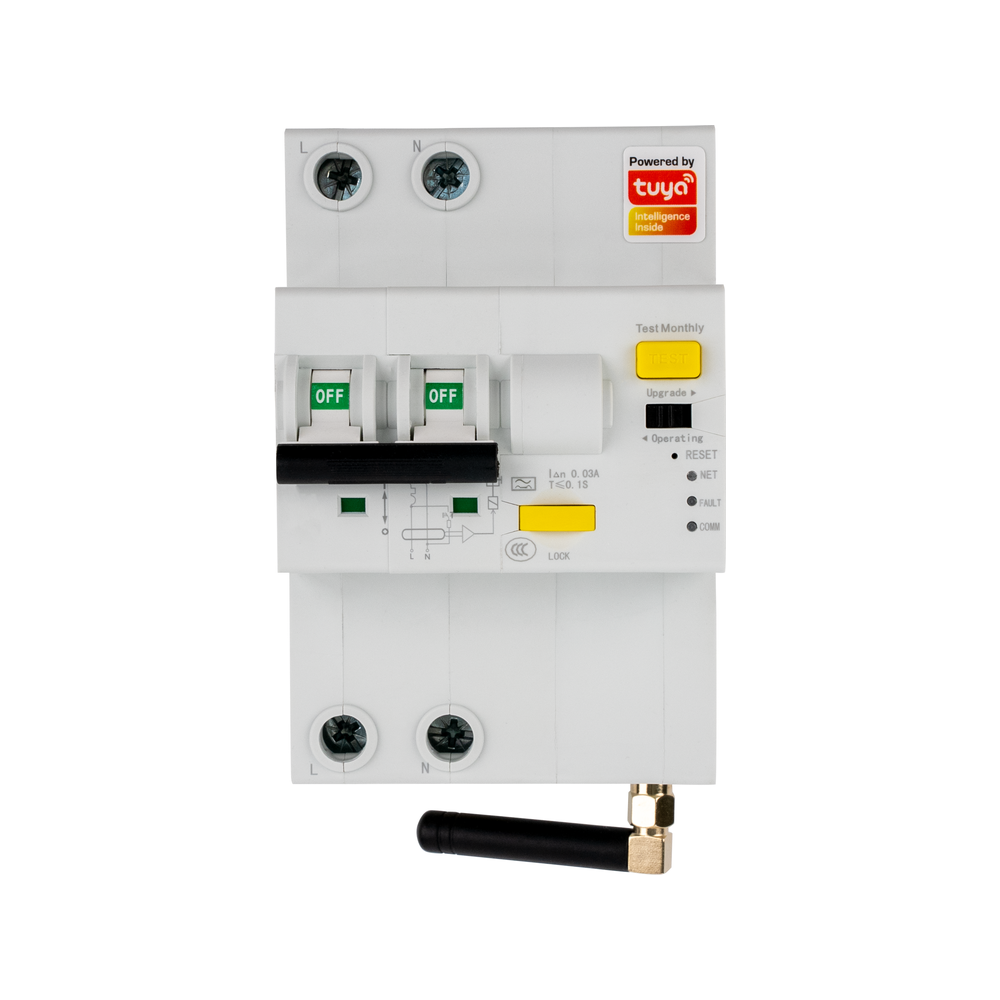
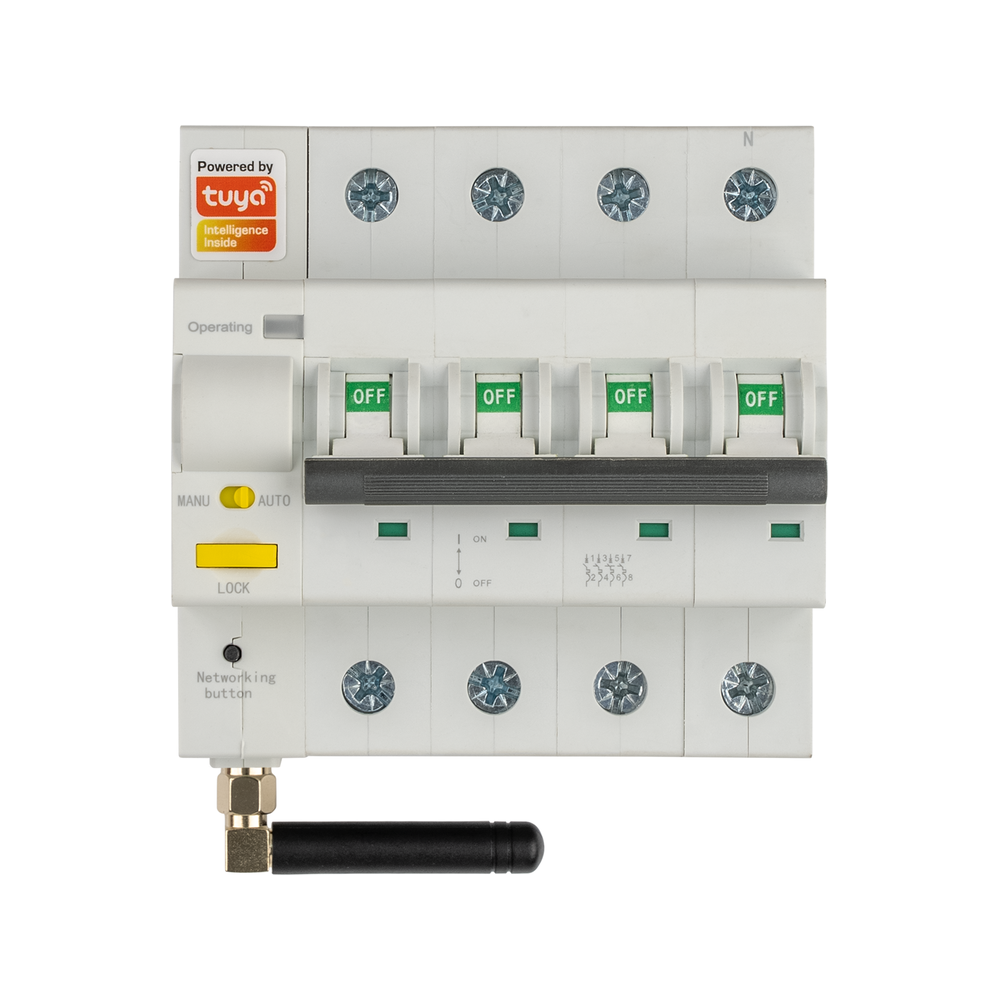
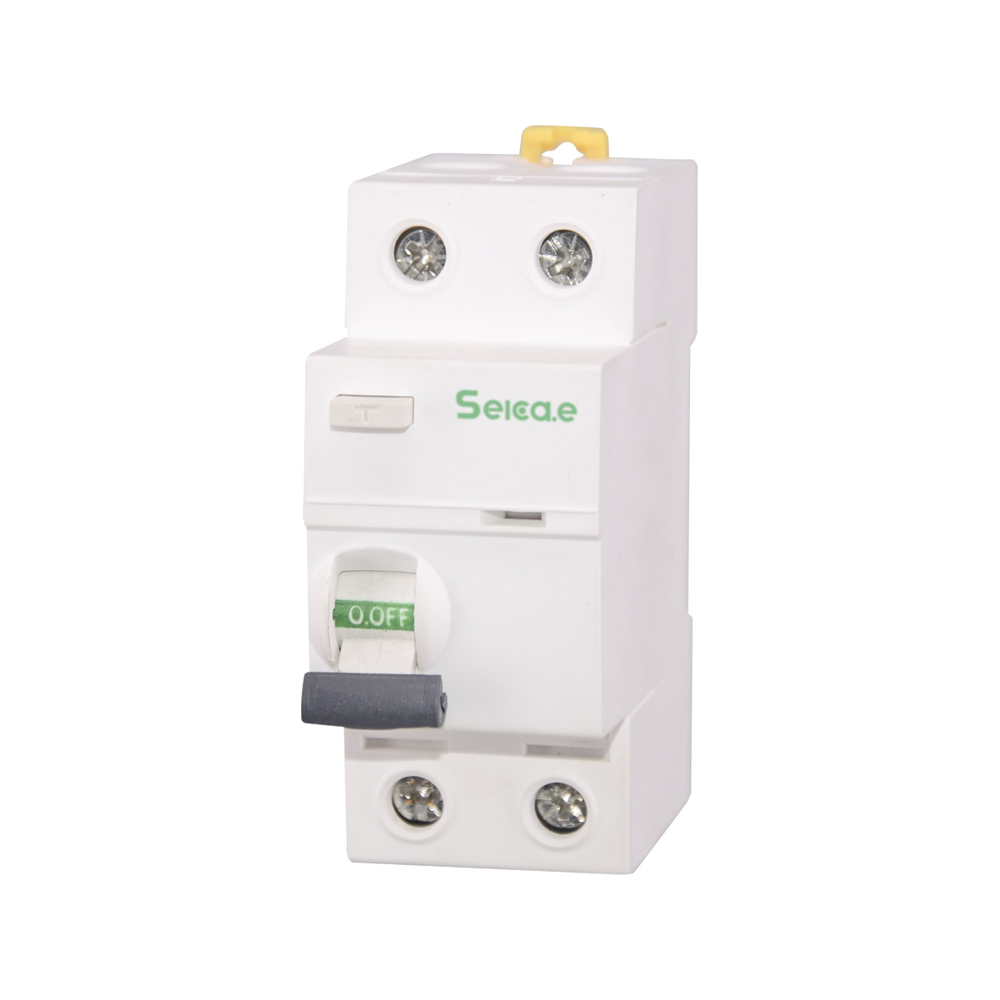
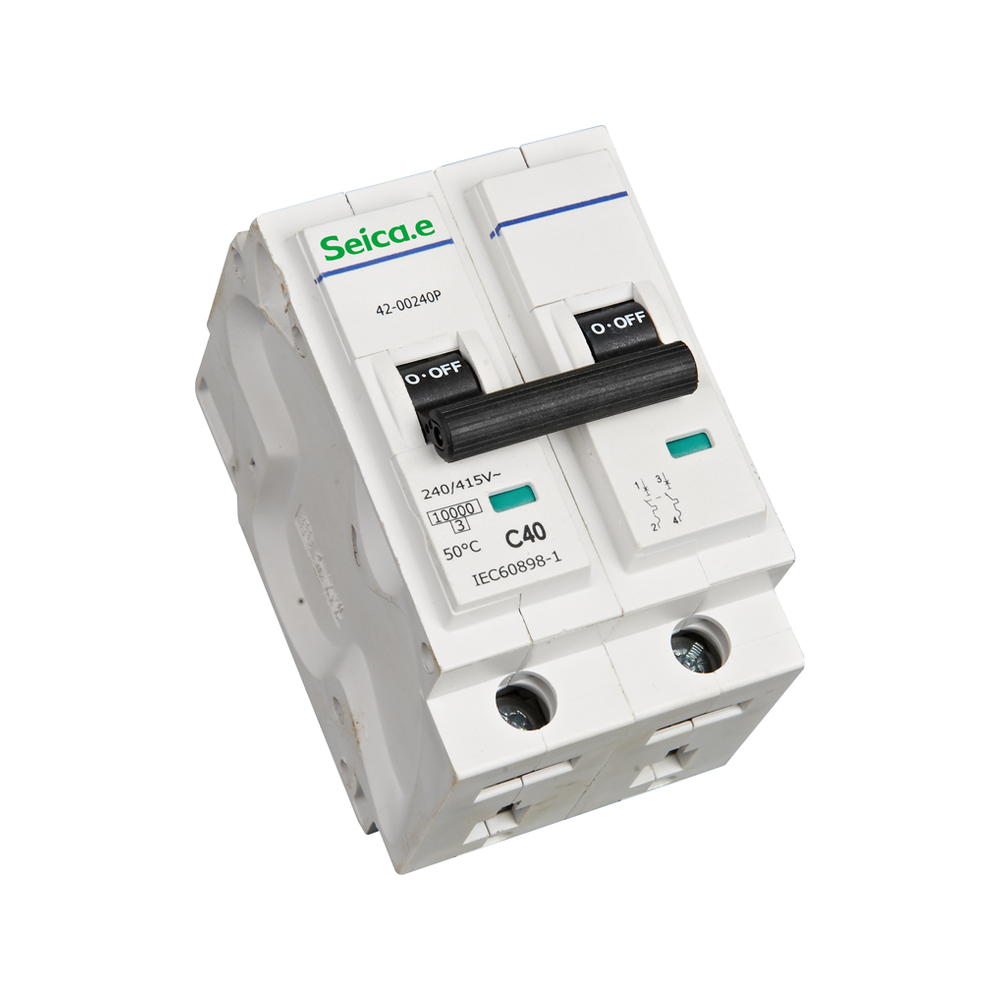
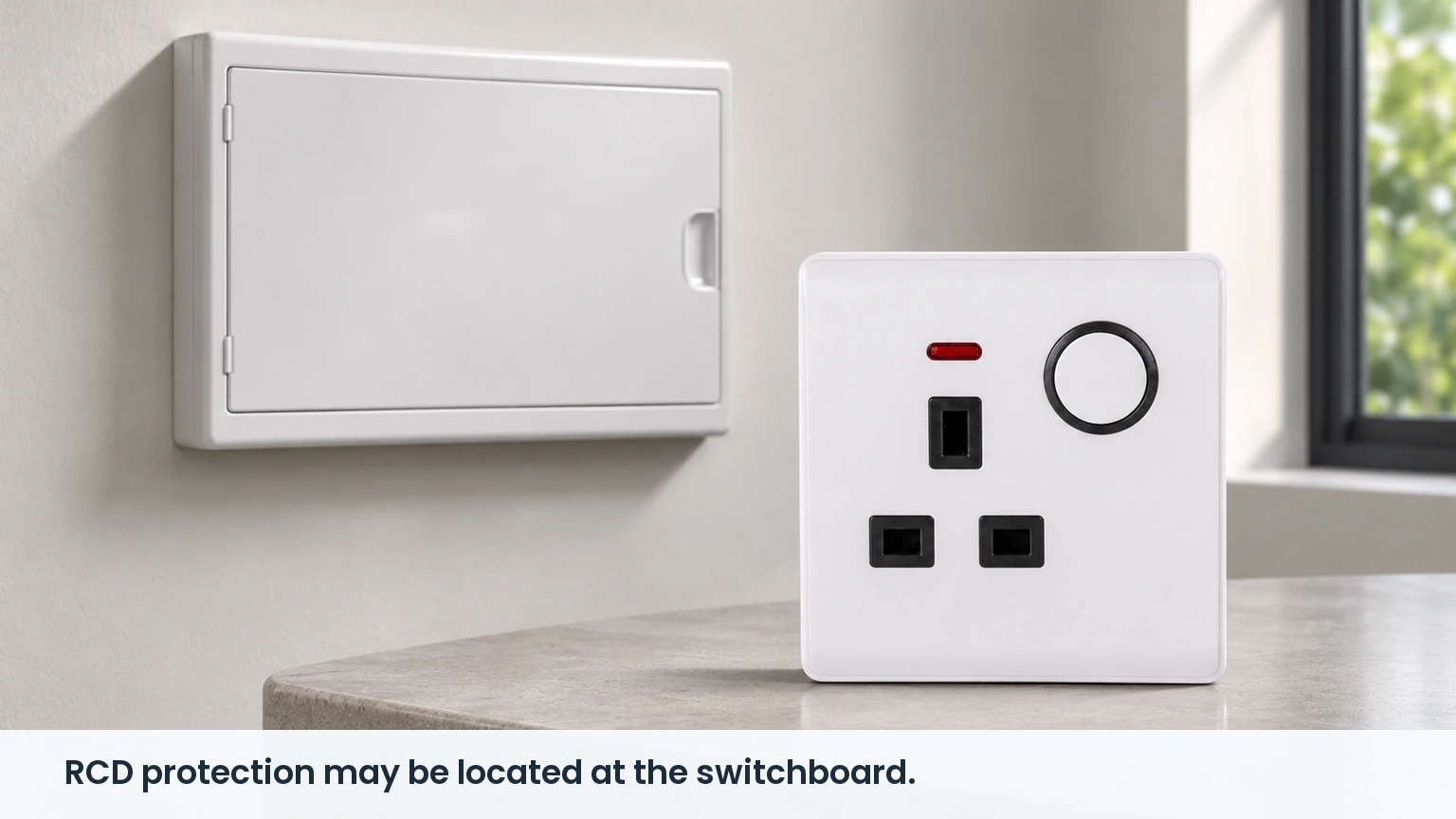
Yes. A switchboard RCD can protect the circuit supplying an ordinary socket. An RCBO combines residual-current and overcurrent protection for a circuit. A socket-outlet RCD is another arrangement, providing protection at the accessory subject to its design and installation.
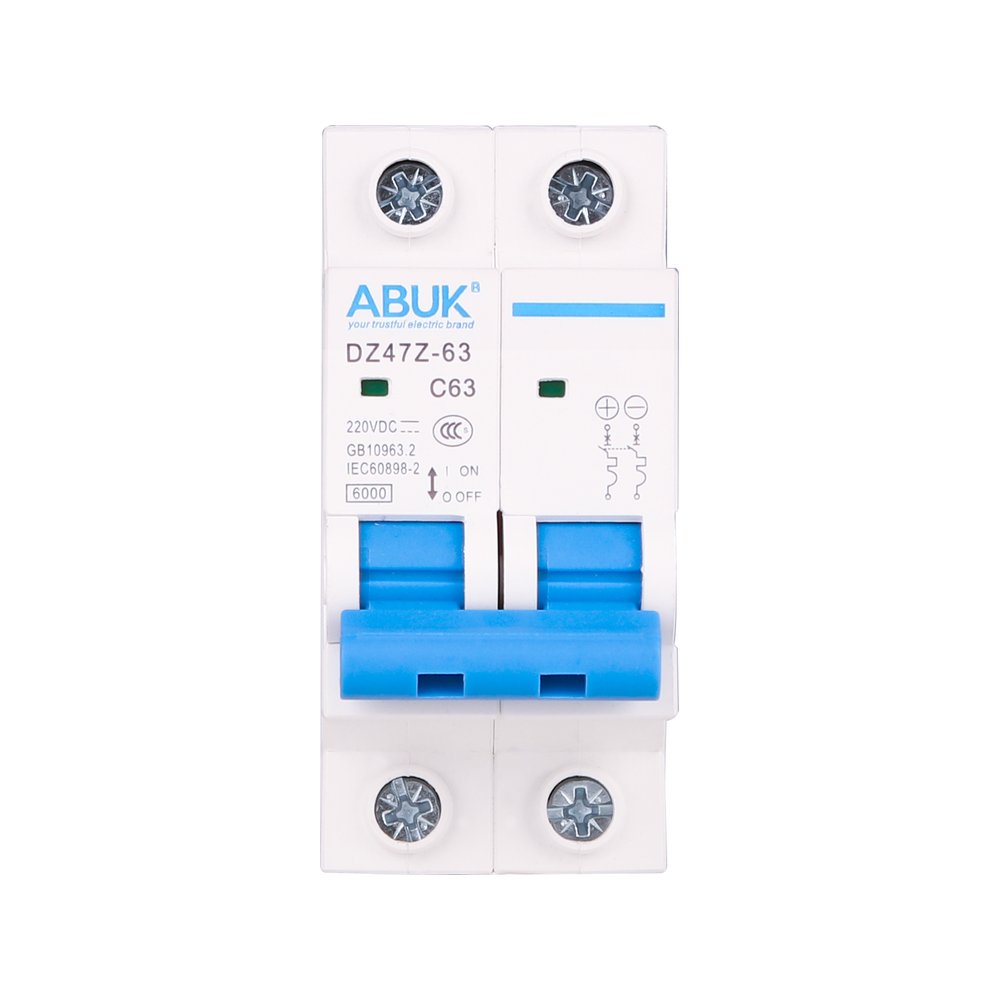
The familiar 30mA figure is a residual-current sensitivity, not the socket’s usable load current. It equals 0.03A. A device may carry a much larger rated load while responding to a small imbalance between the current leaving and returning through its monitored conductors. Those ratings serve different purposes.
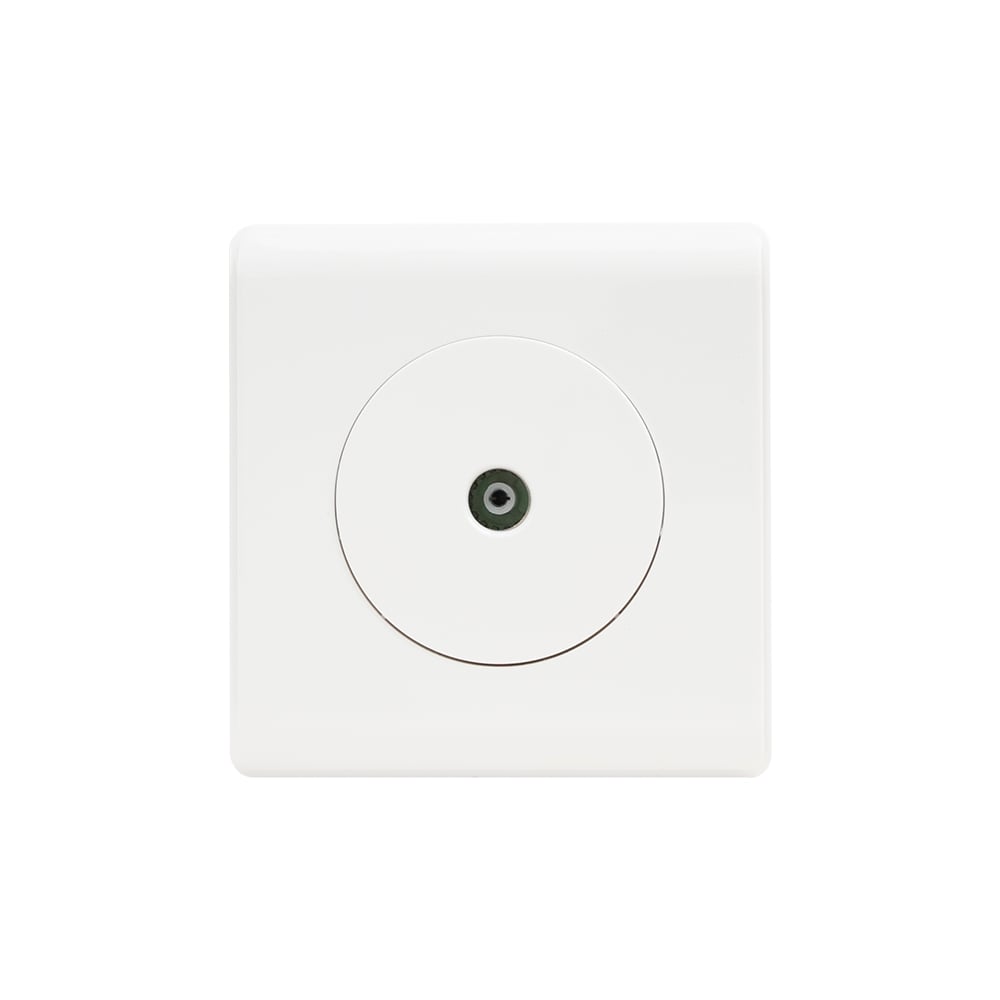
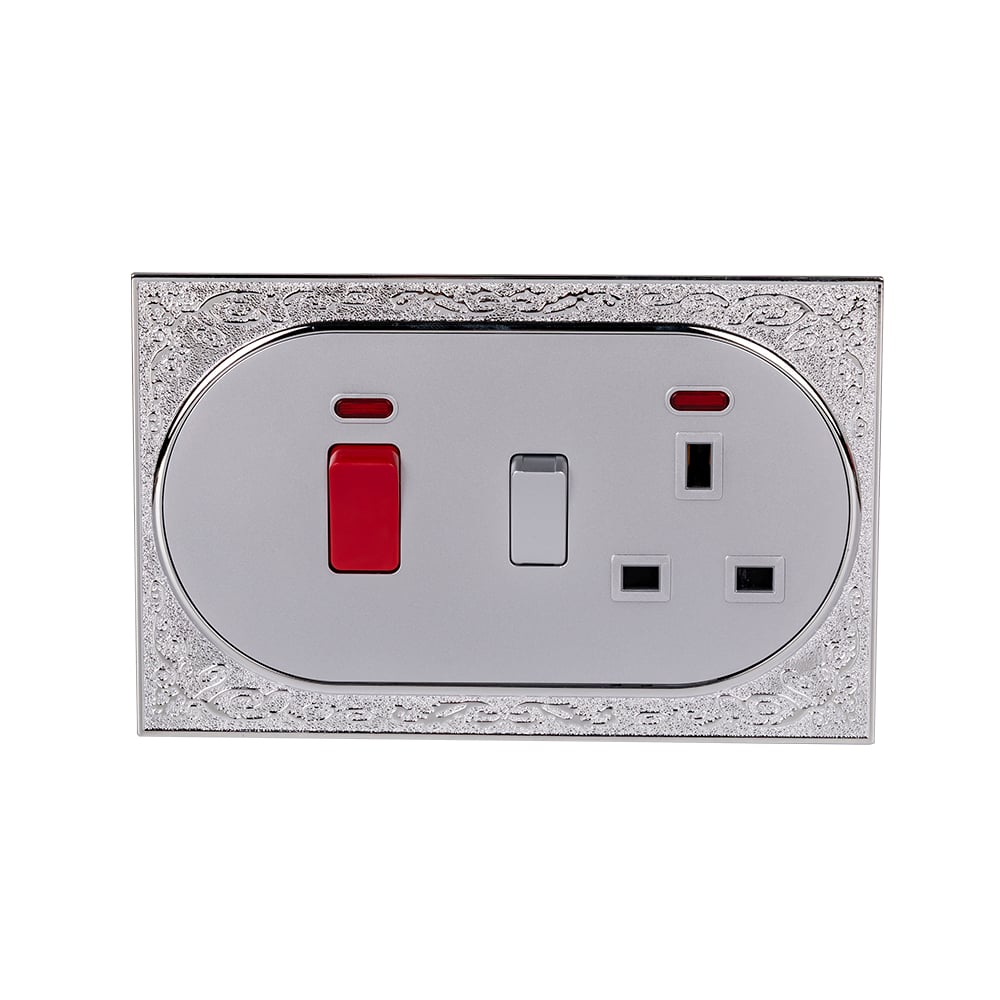
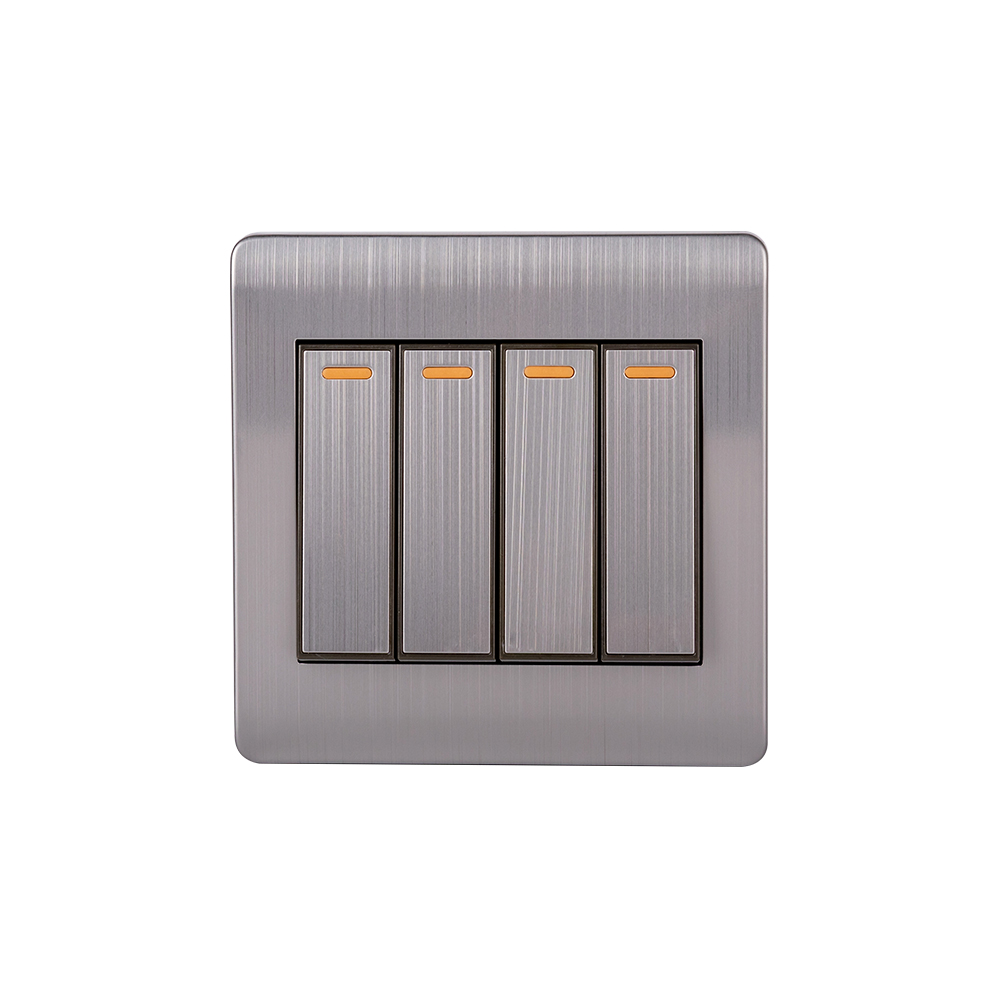
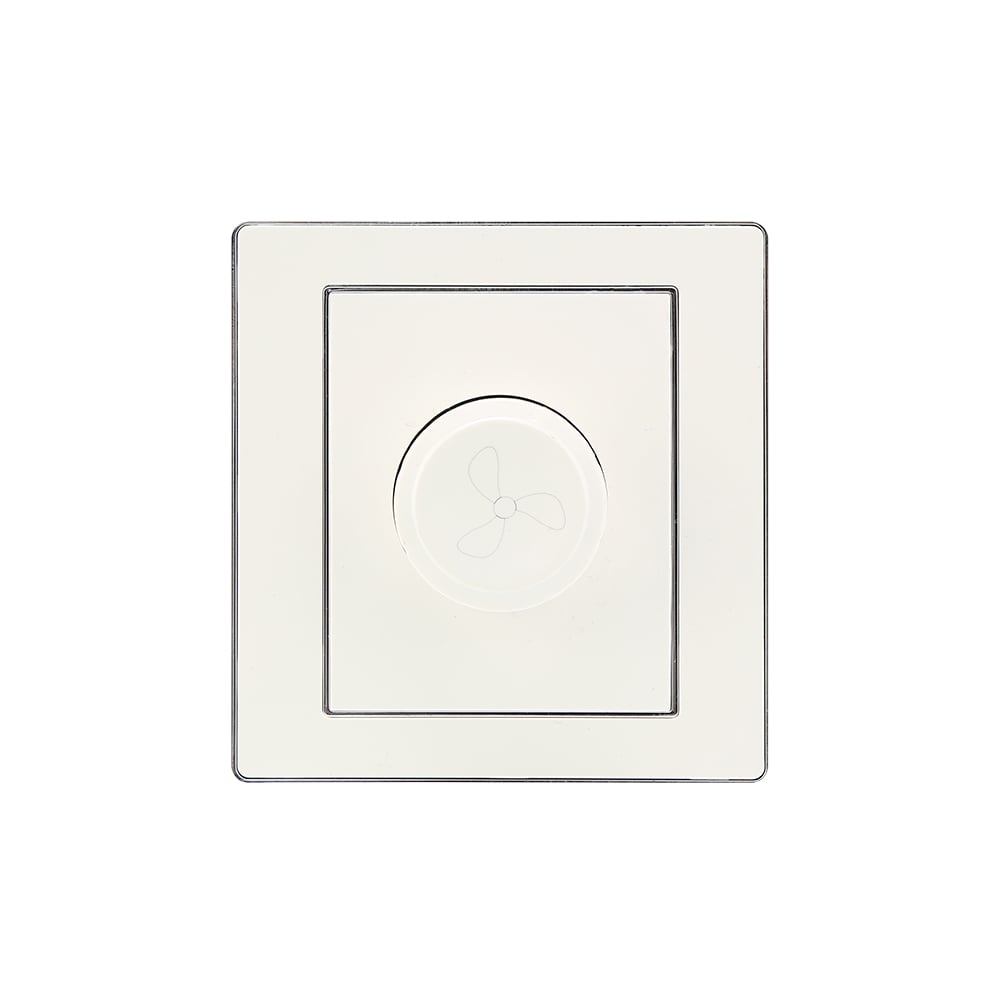
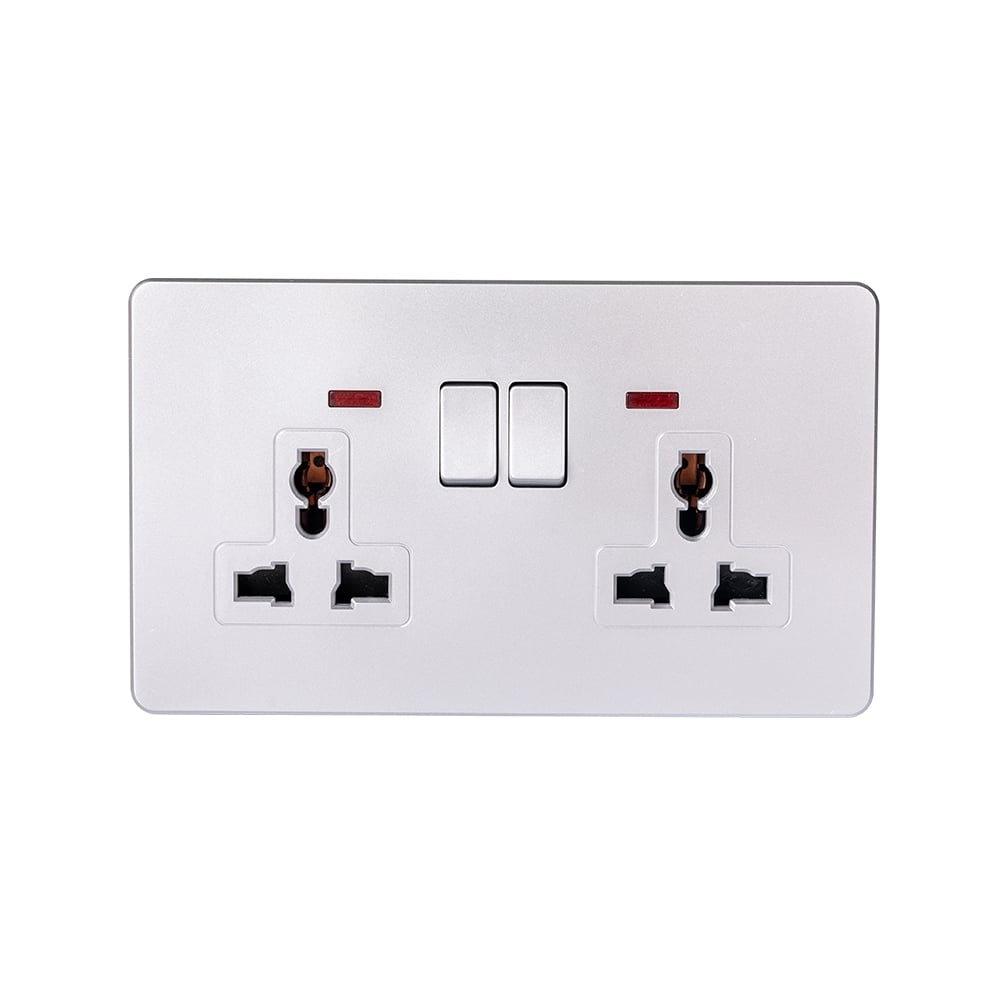
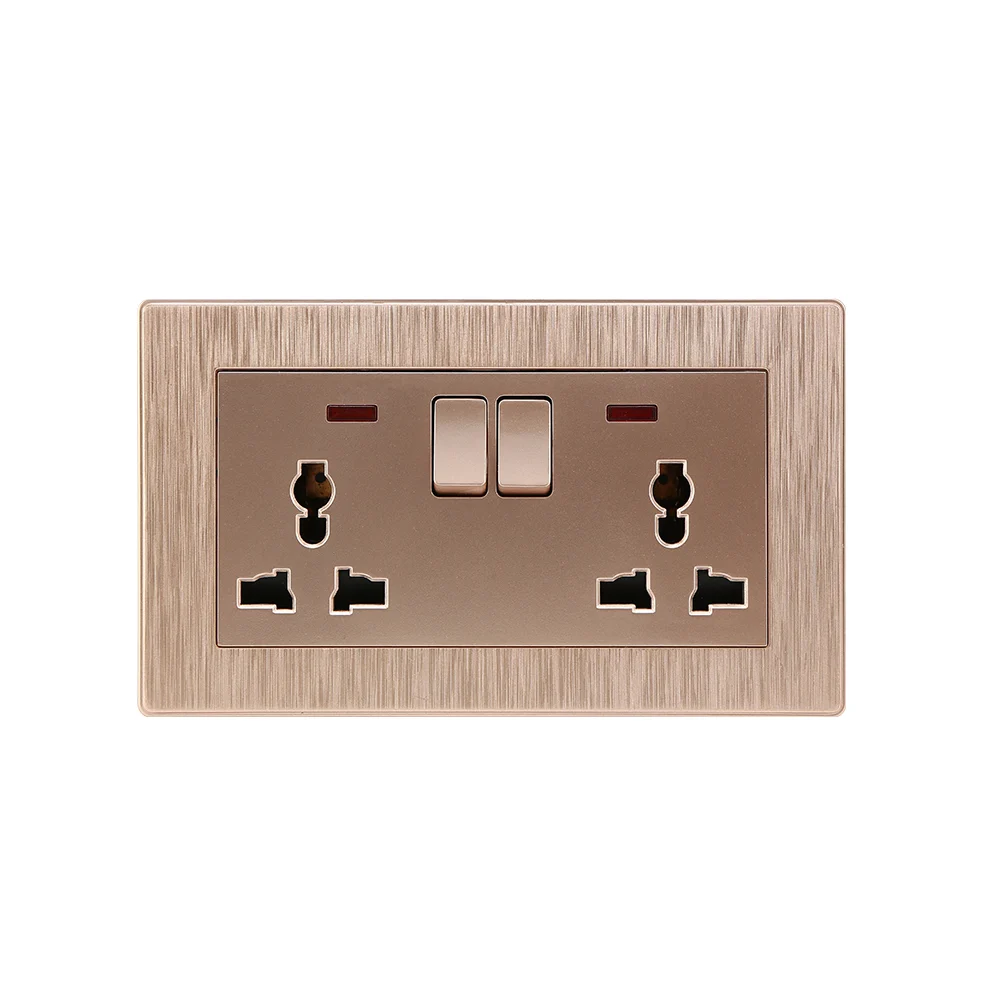
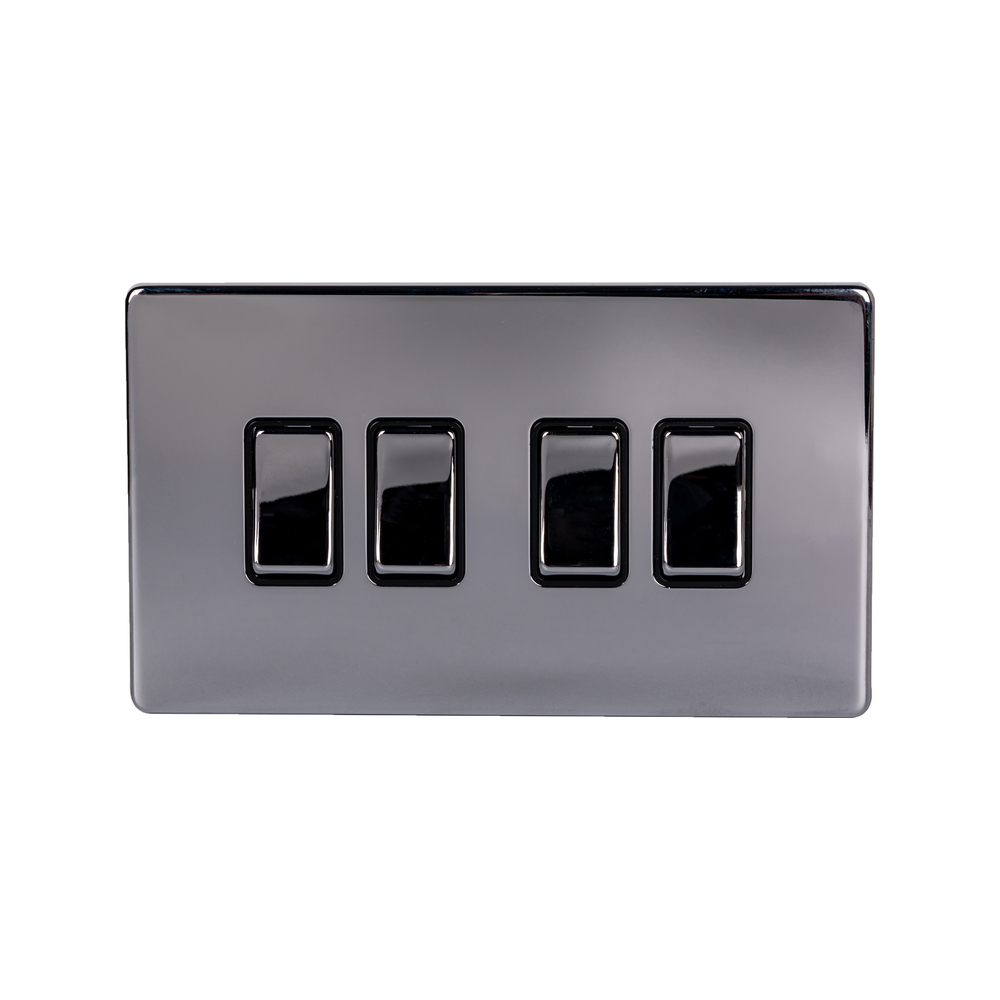
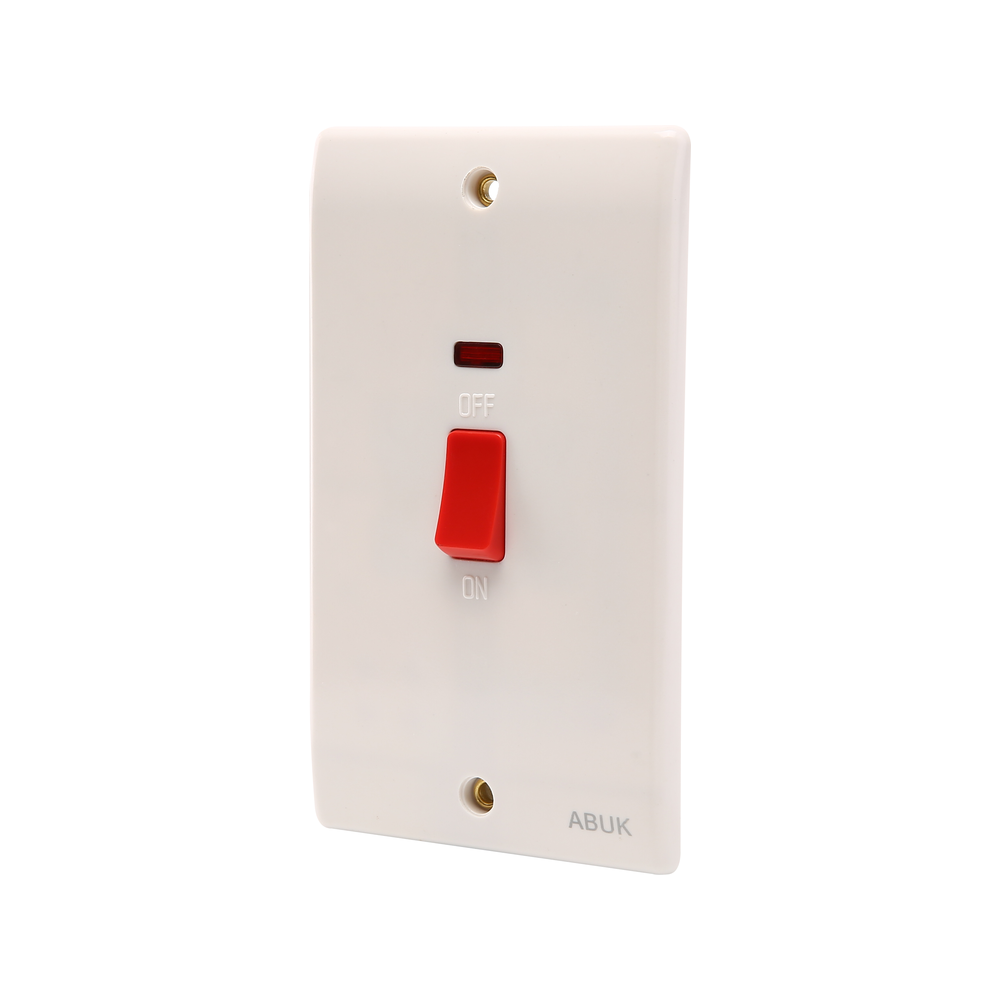
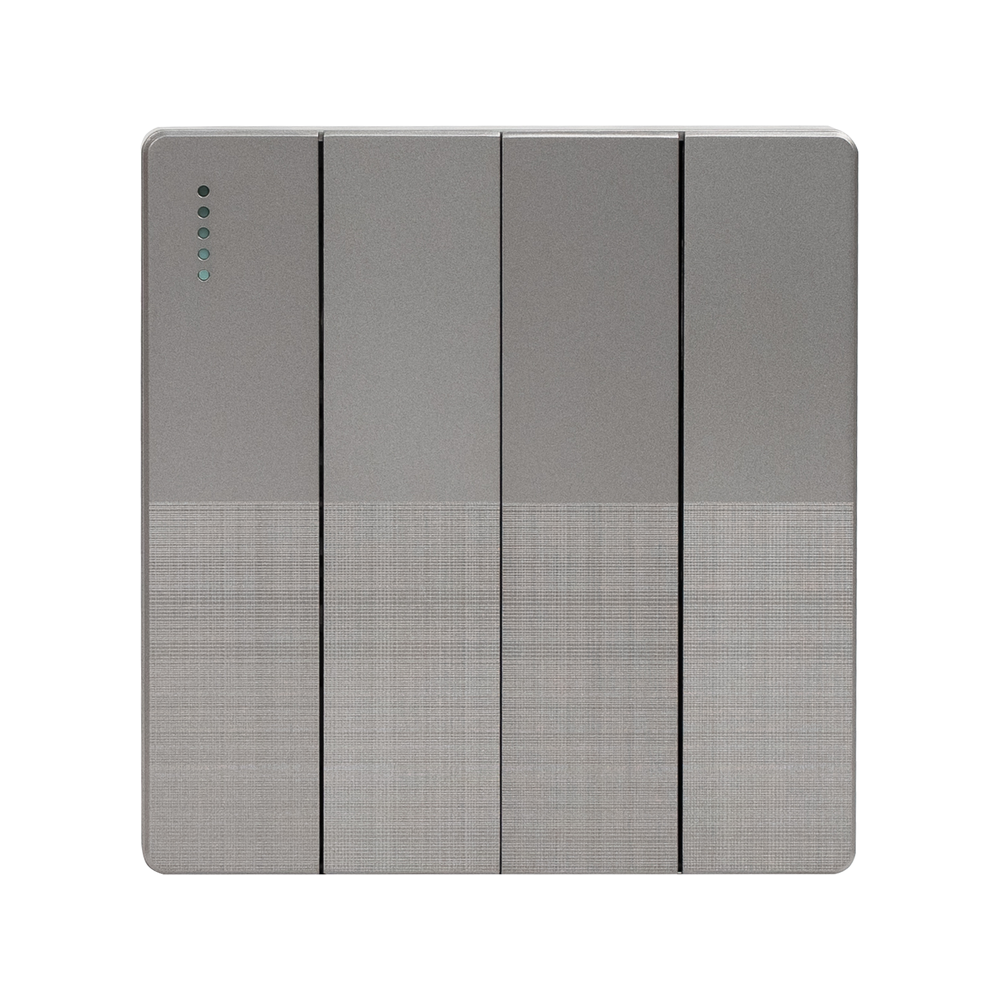
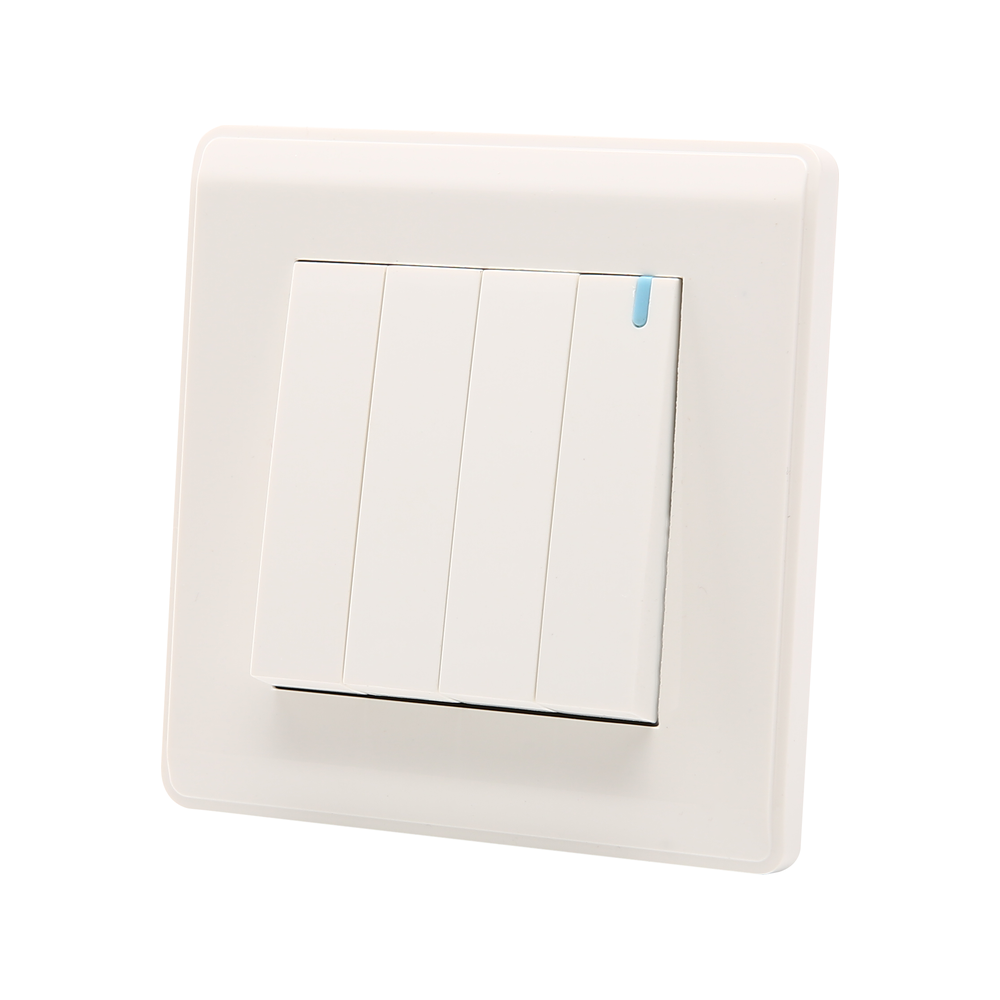
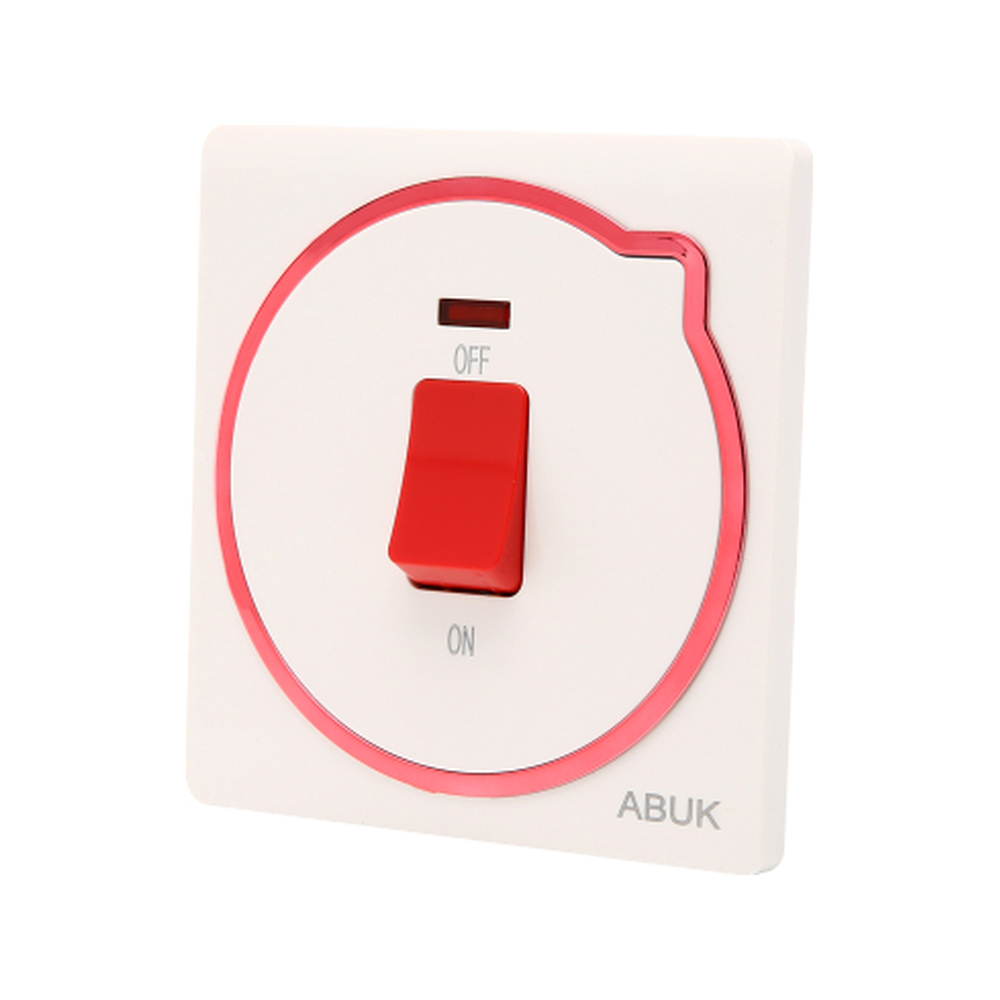
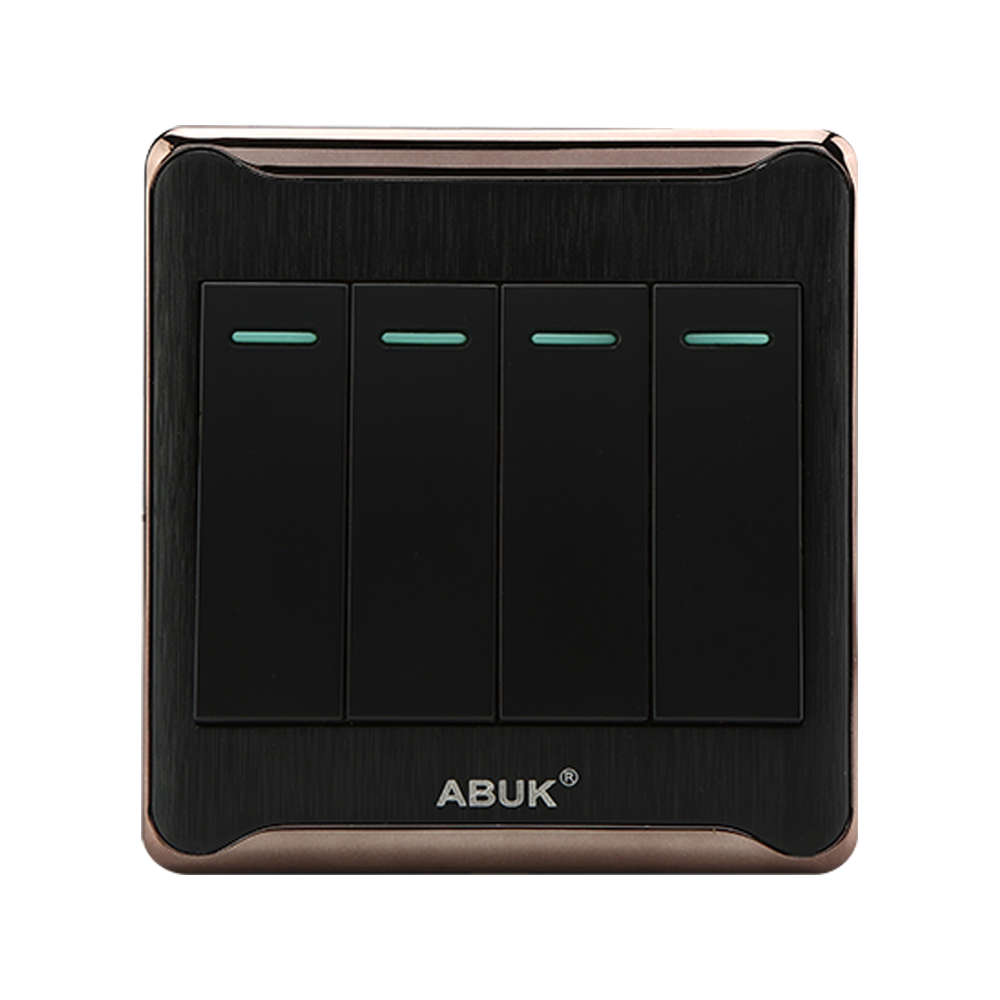
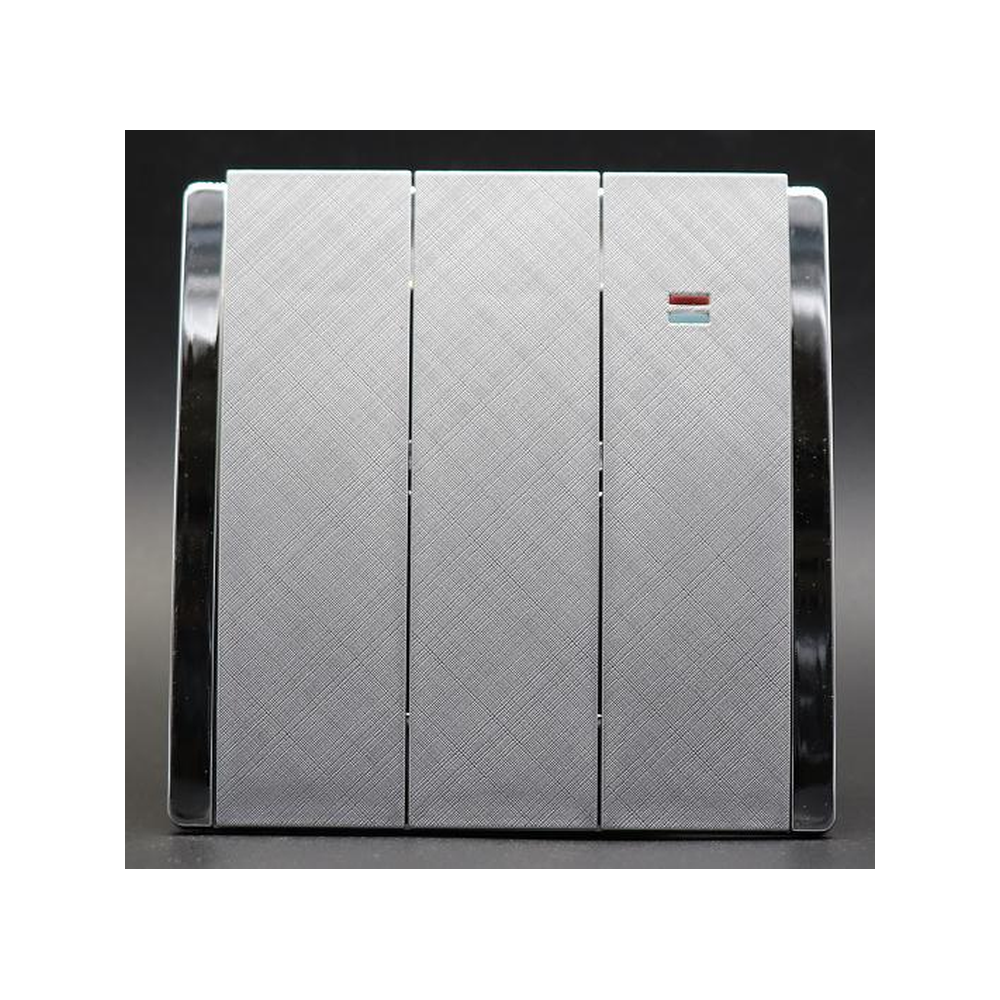
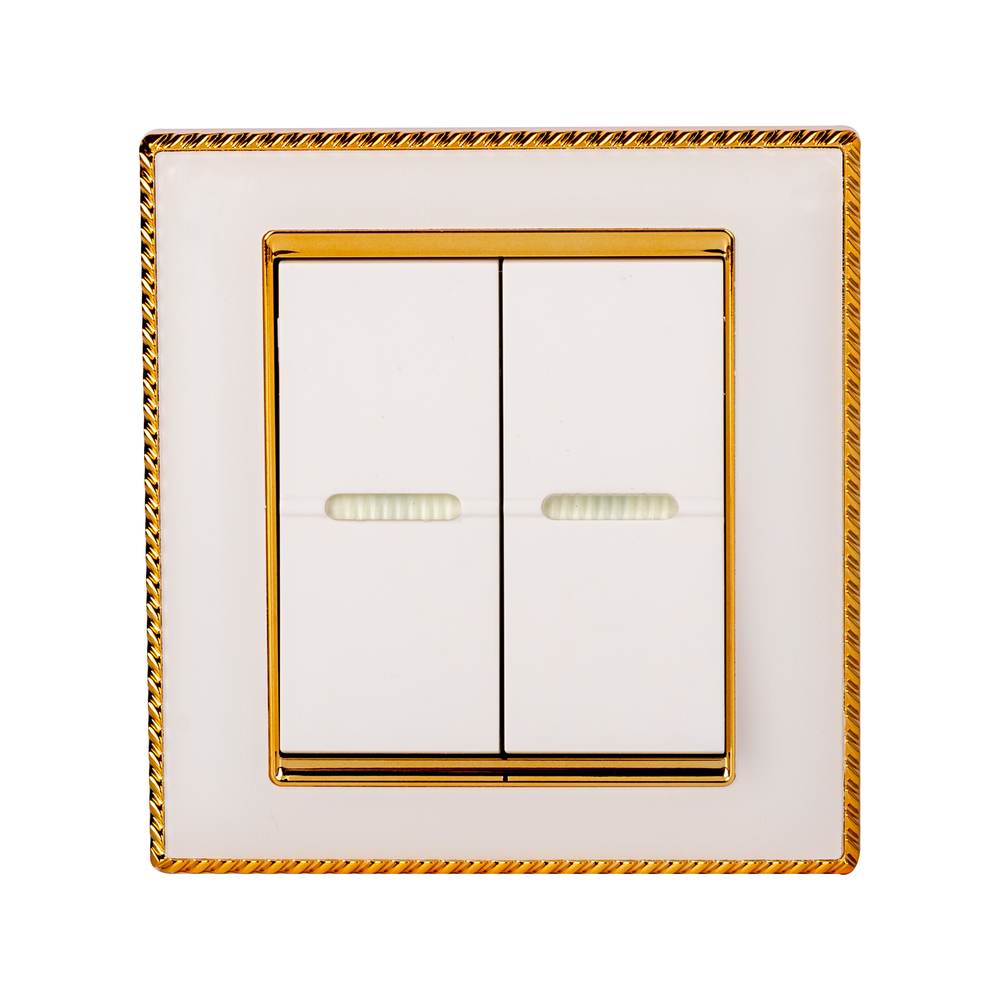
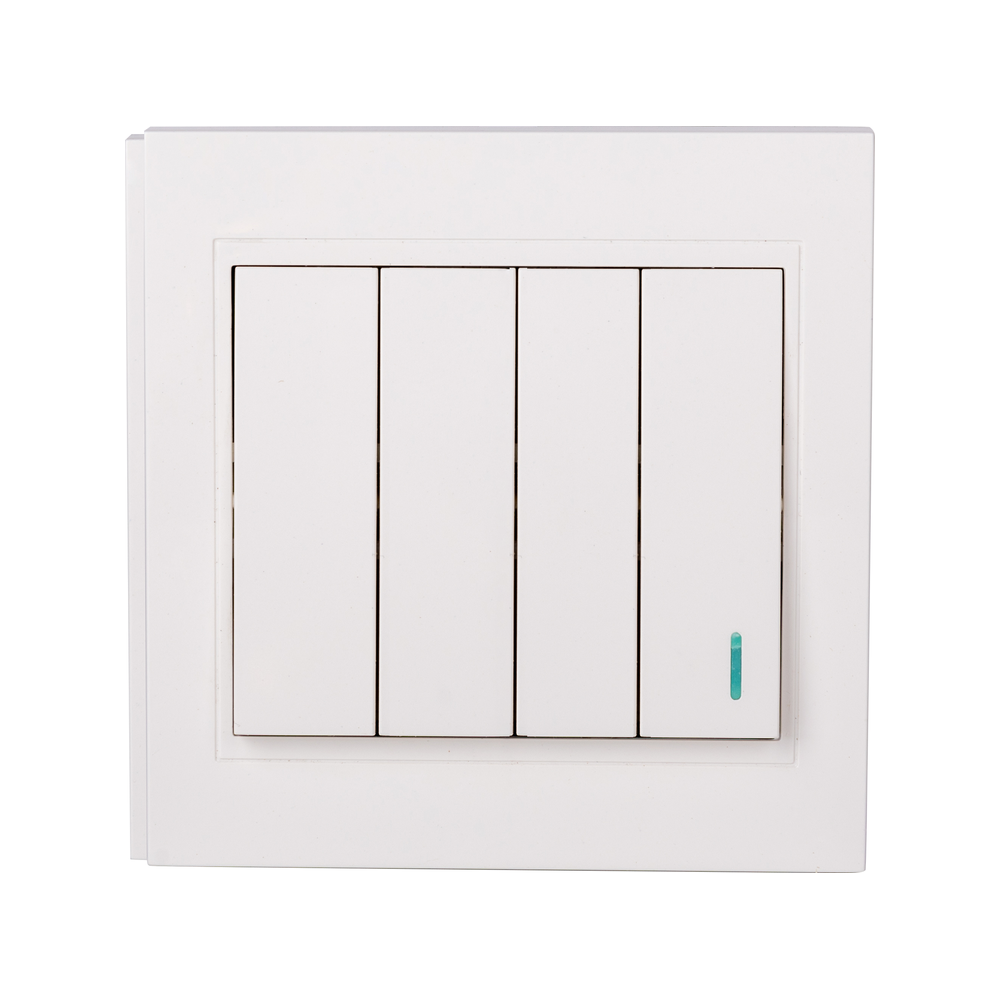
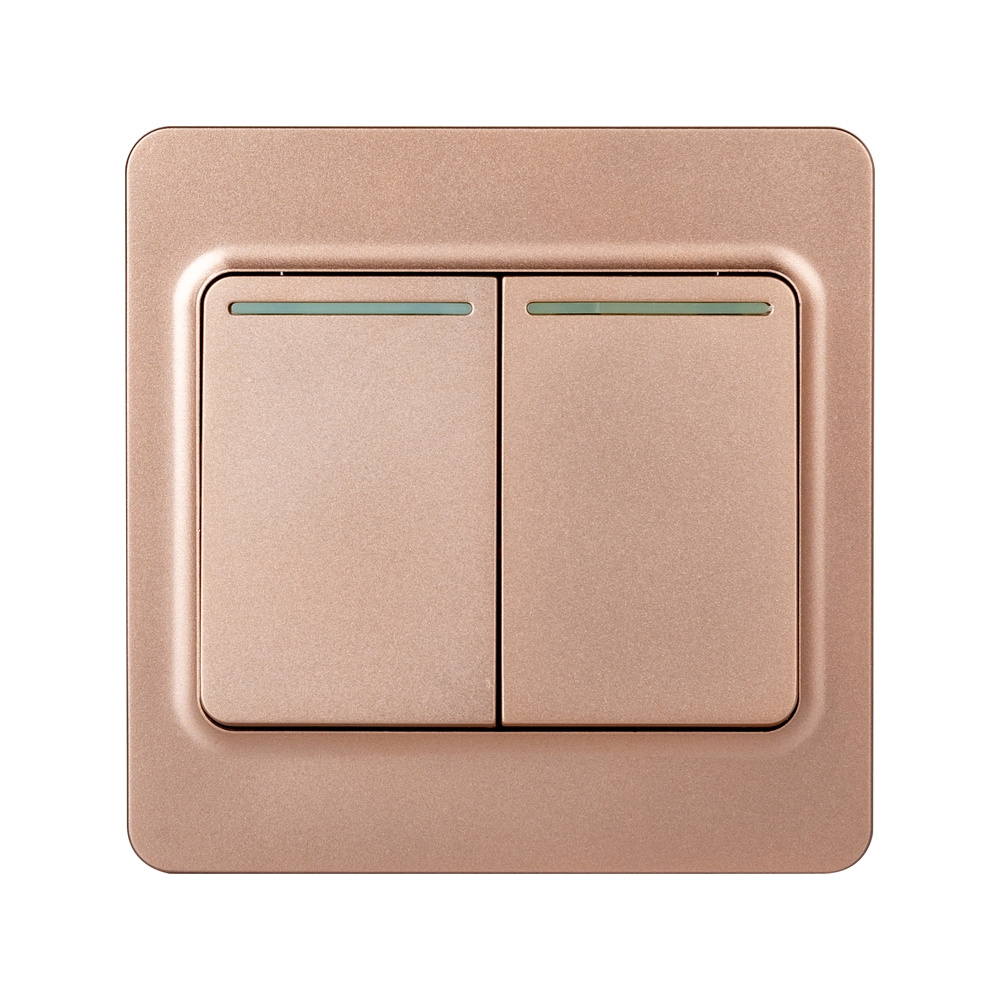
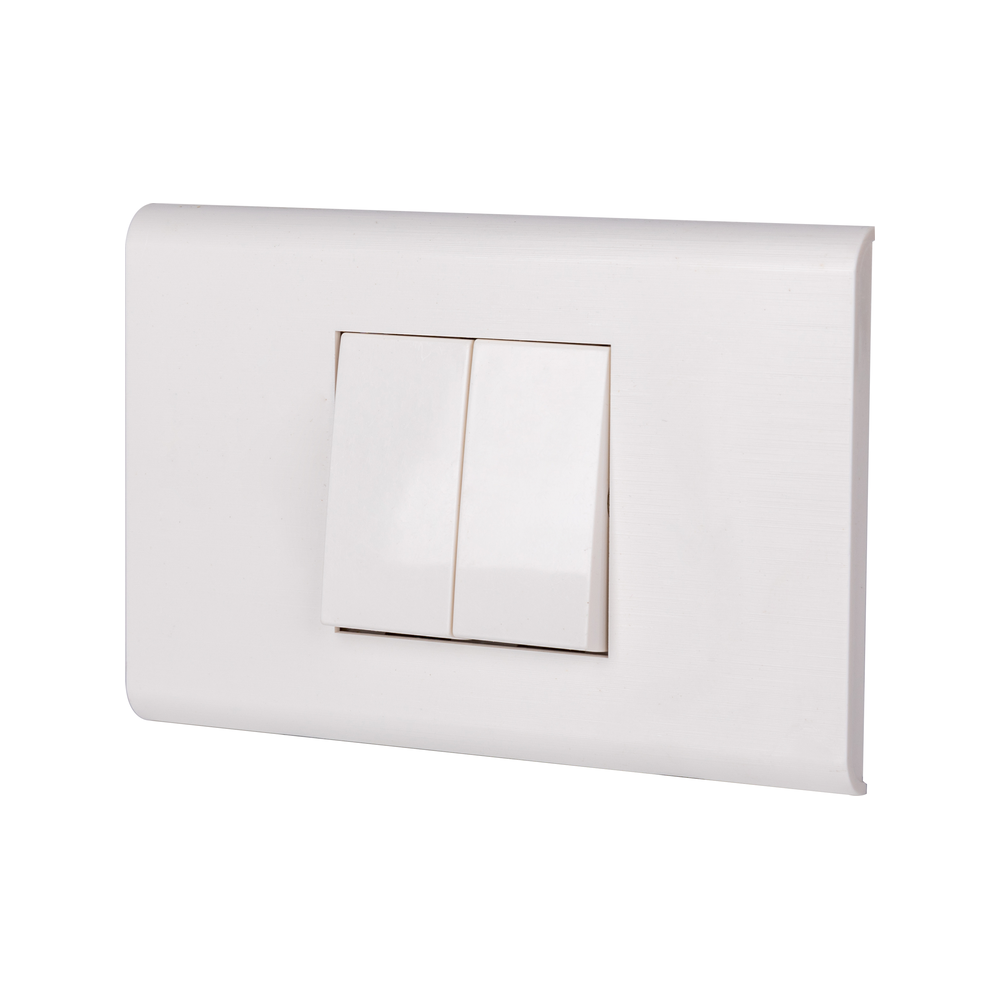
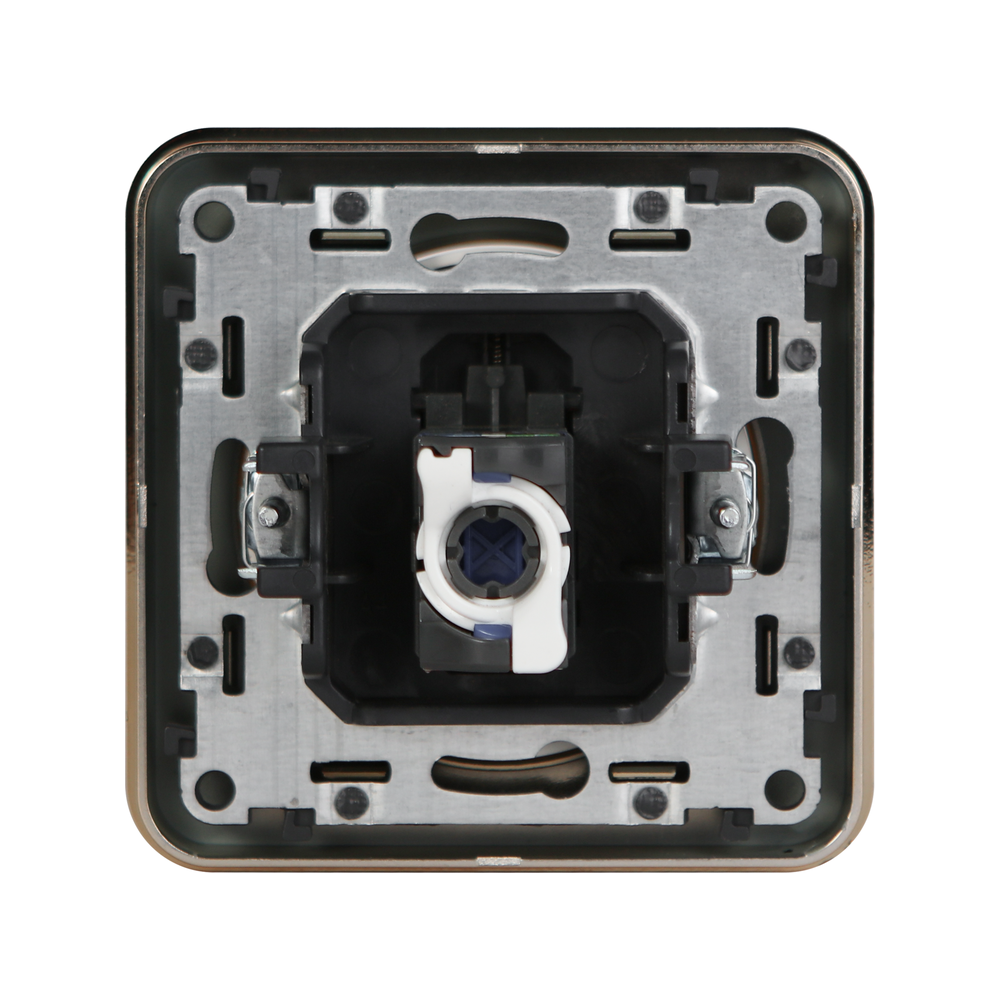
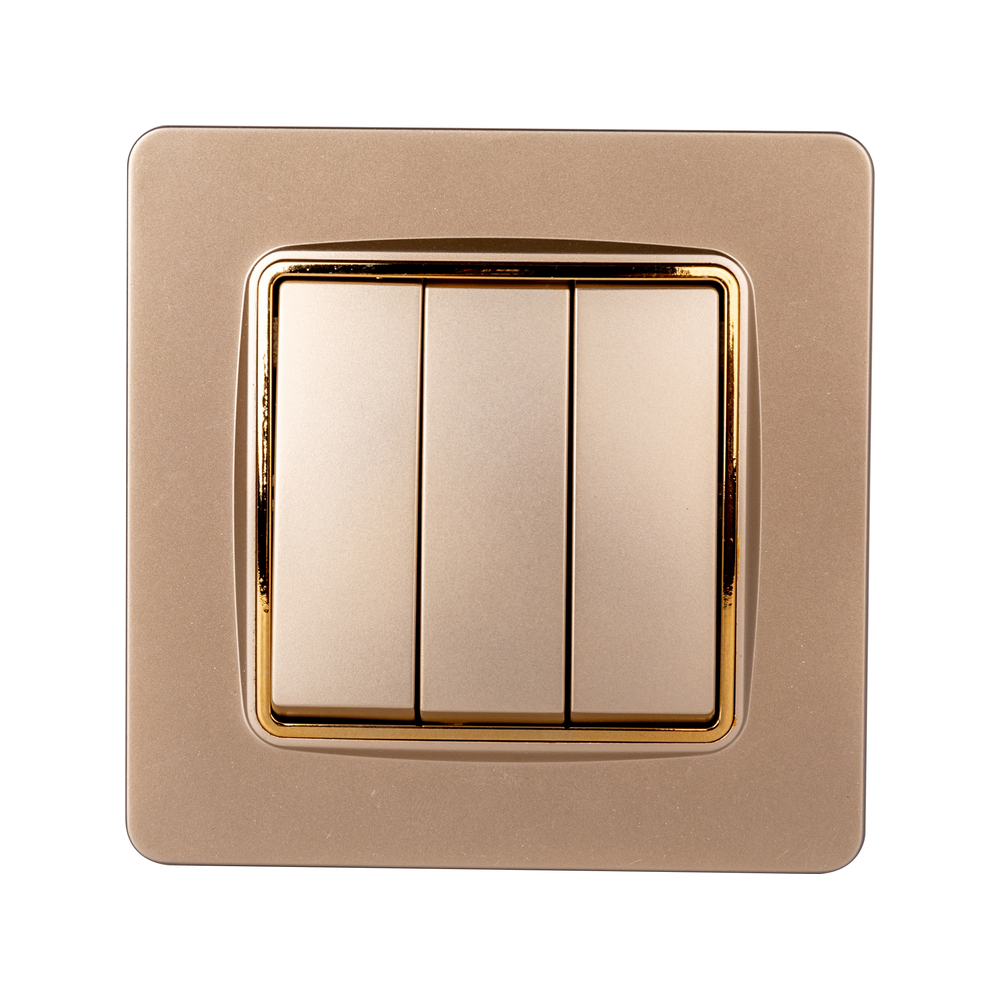
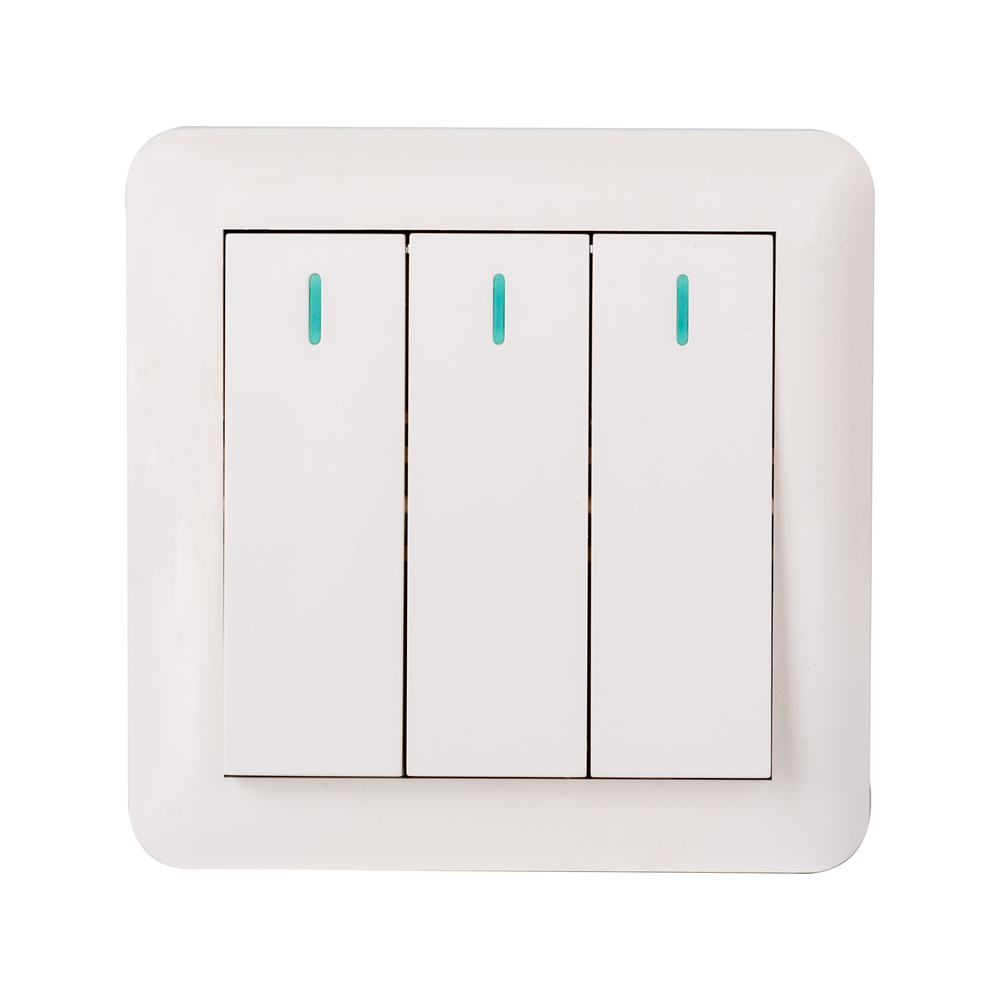
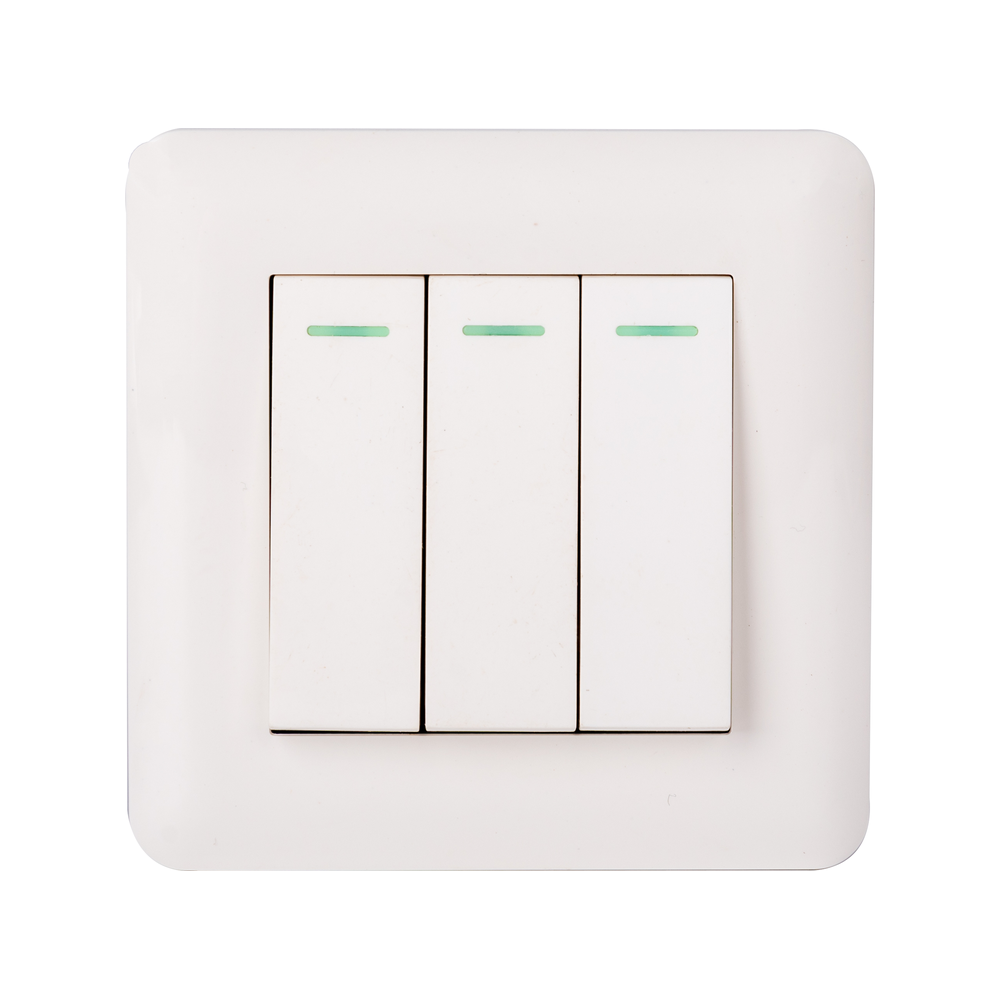
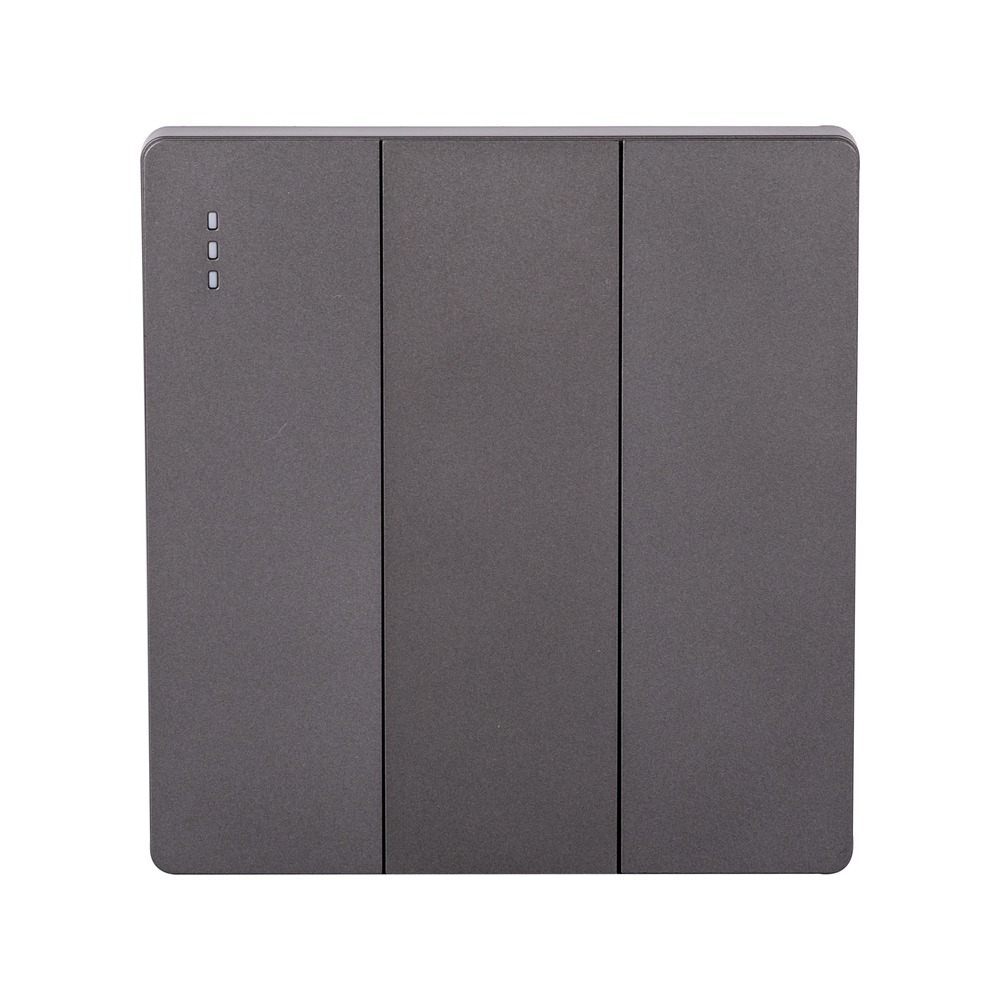
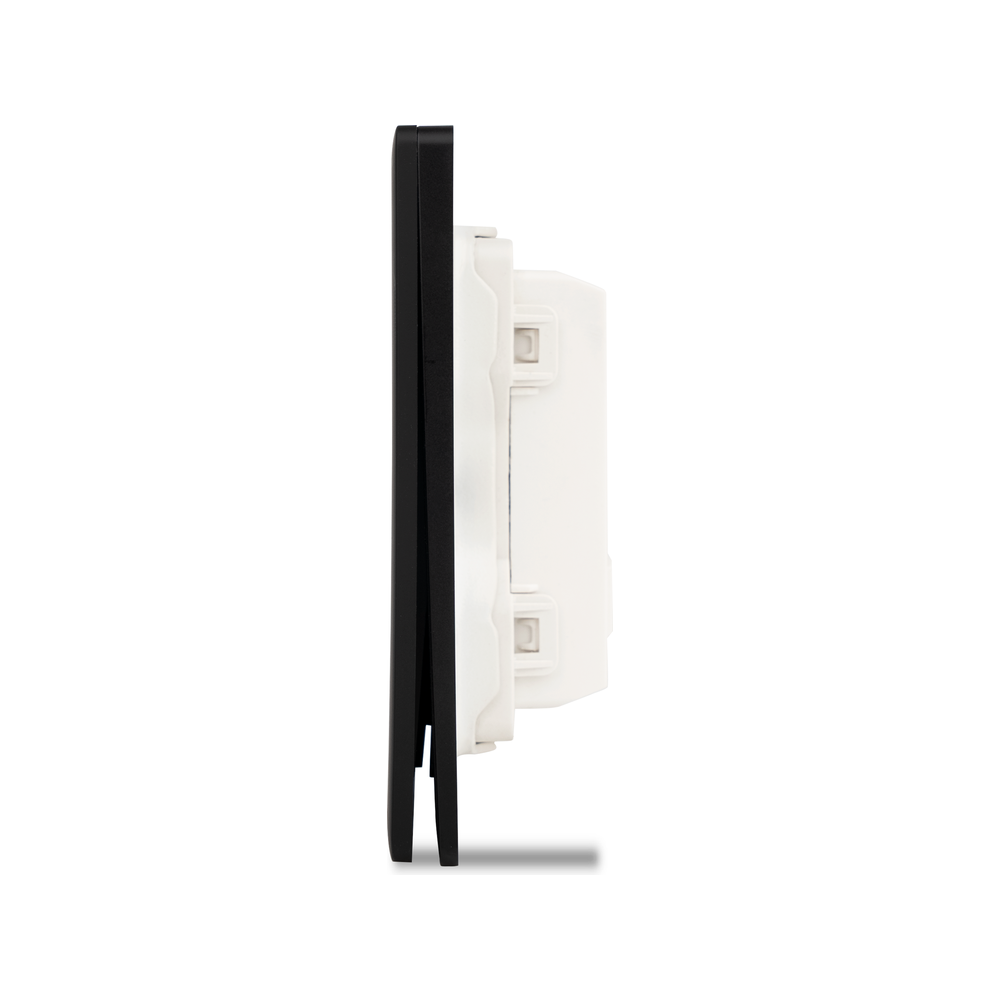
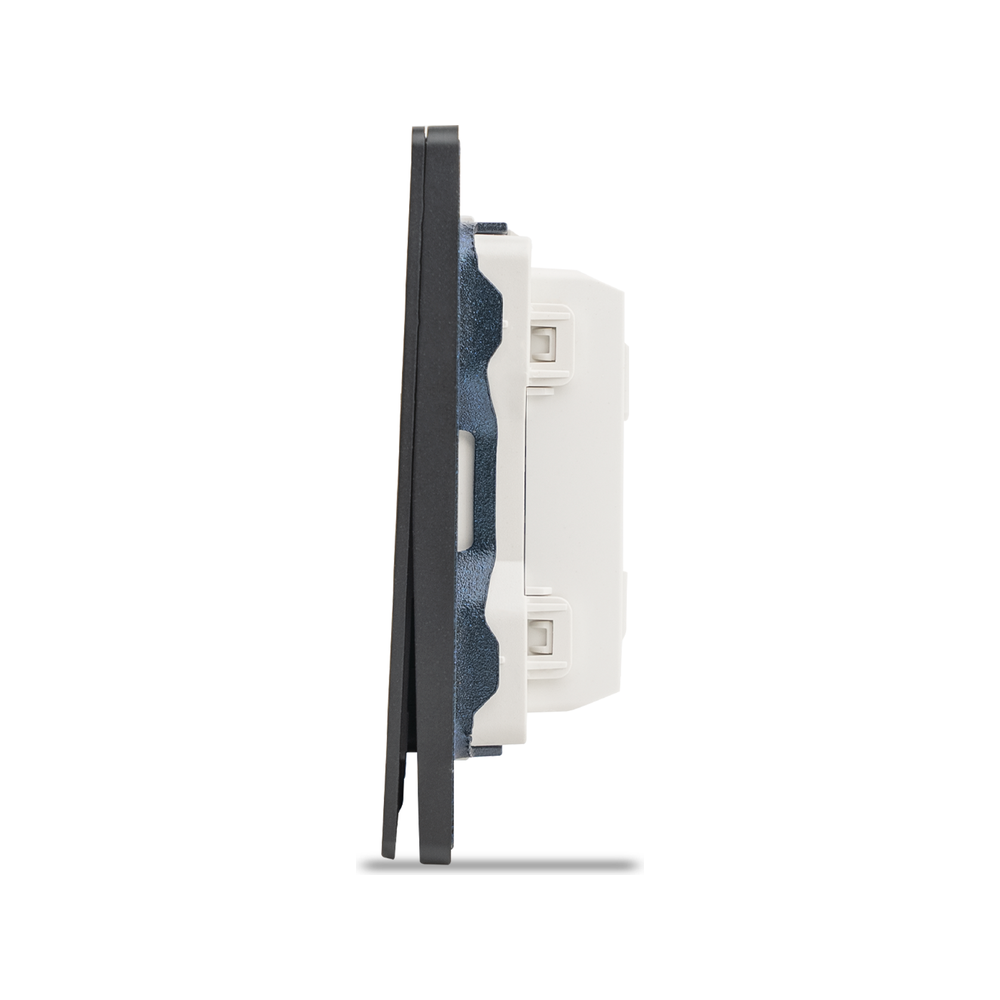
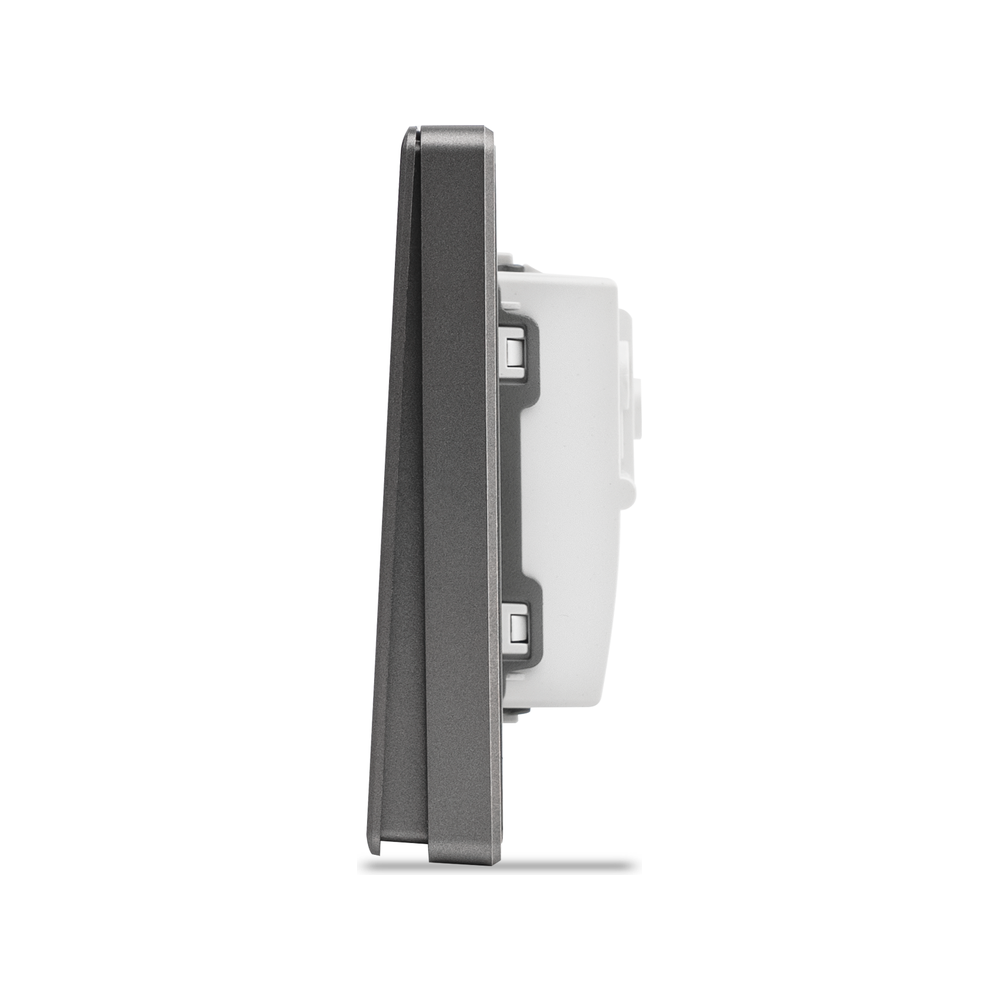
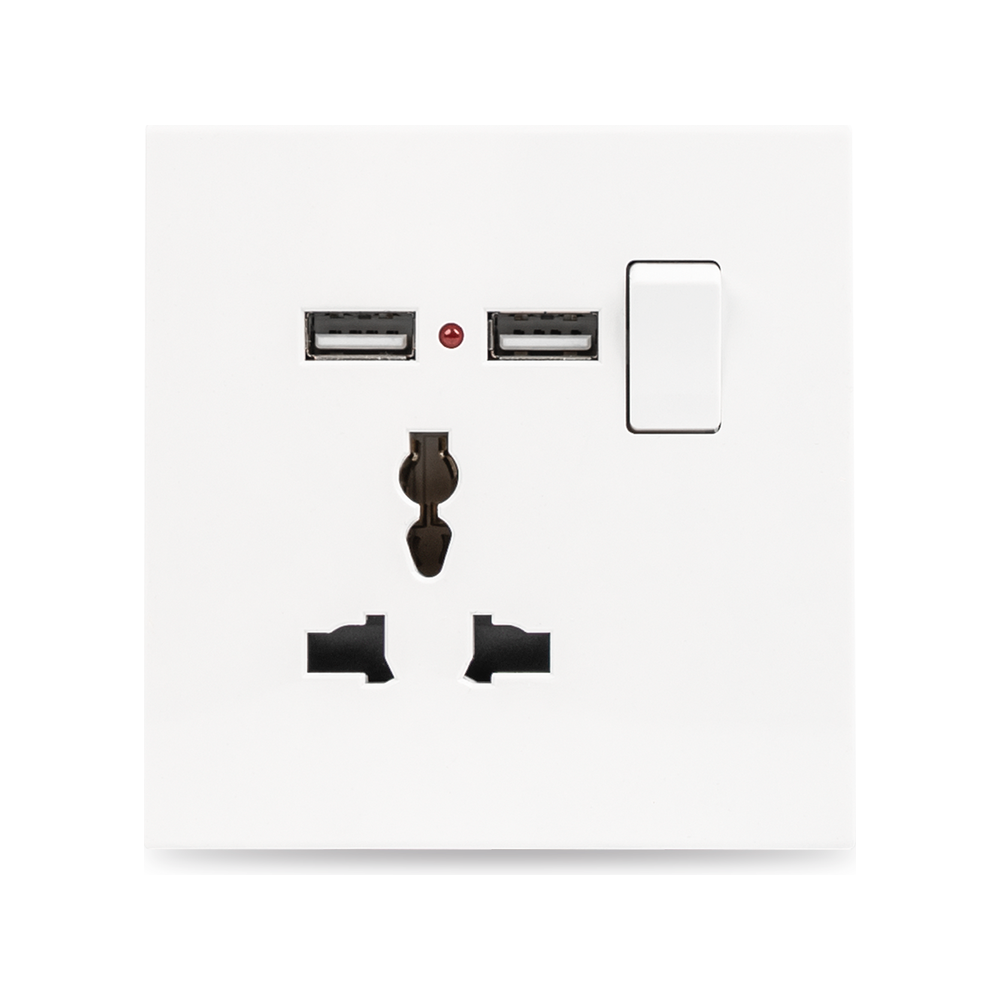
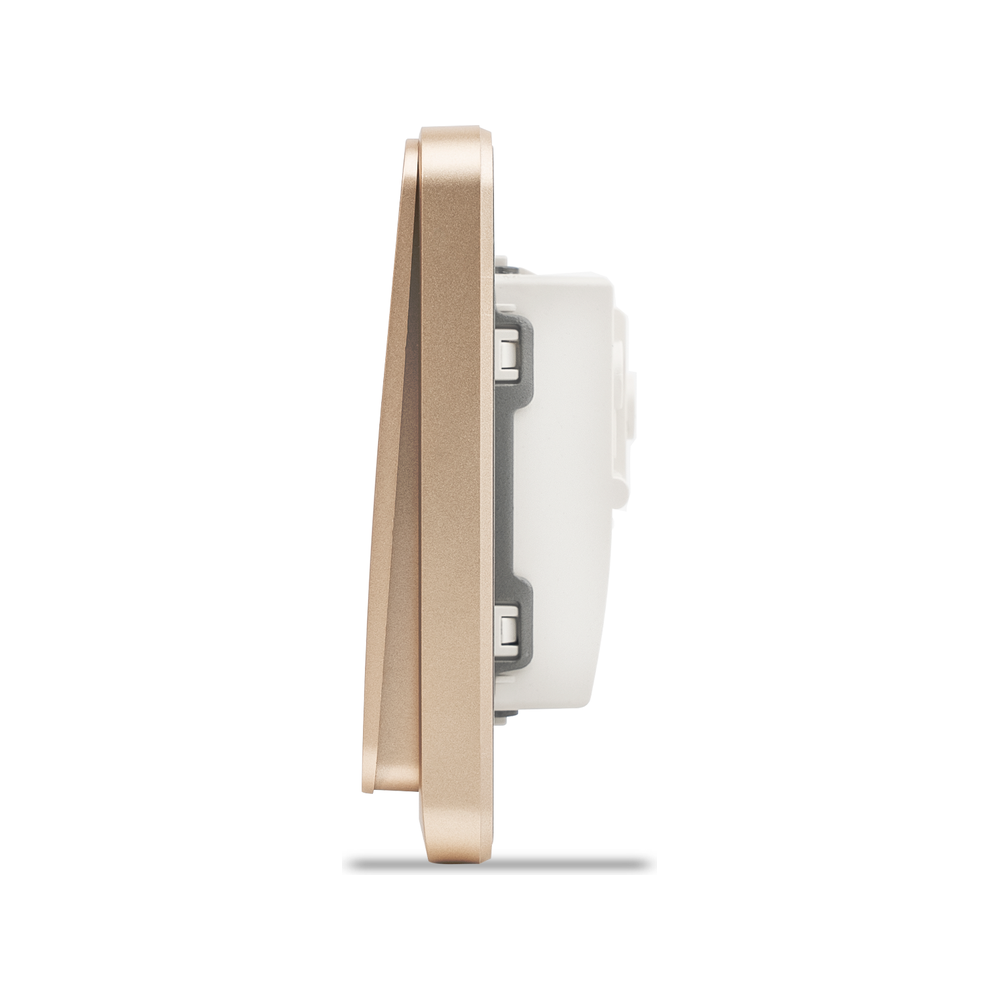
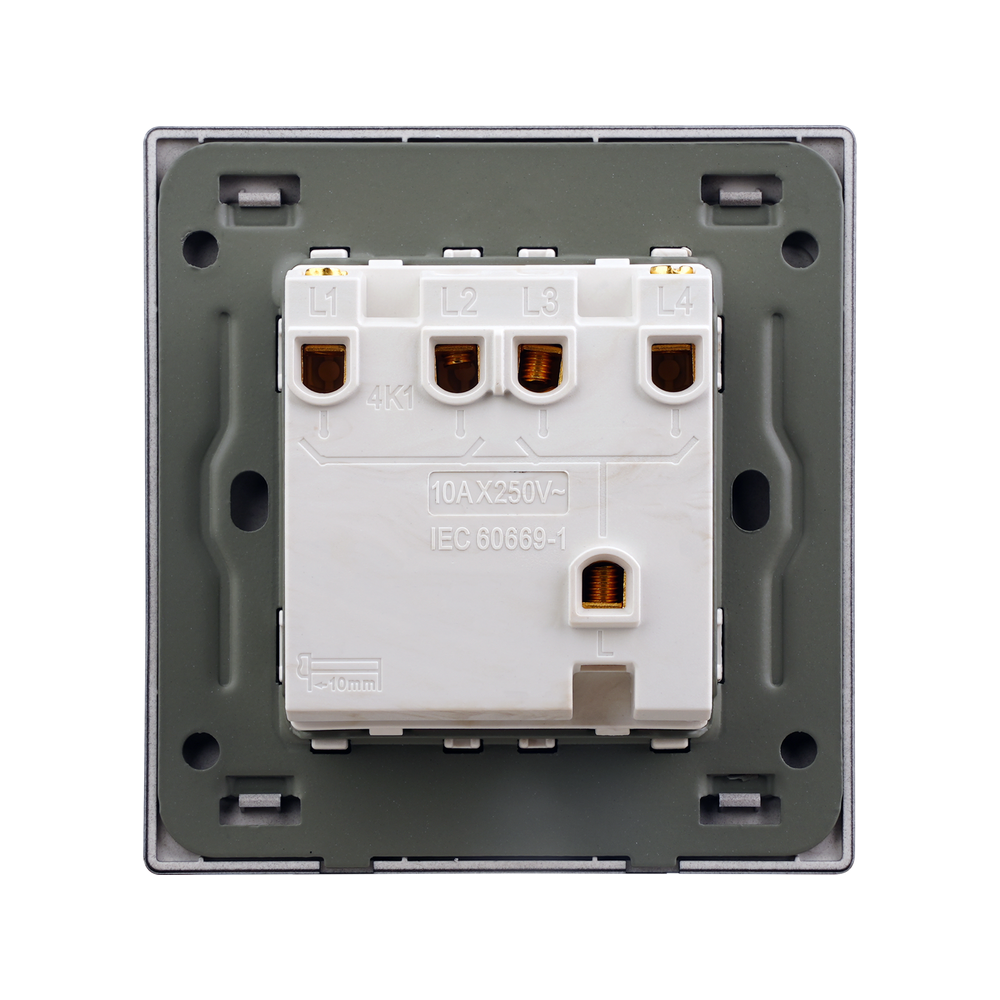
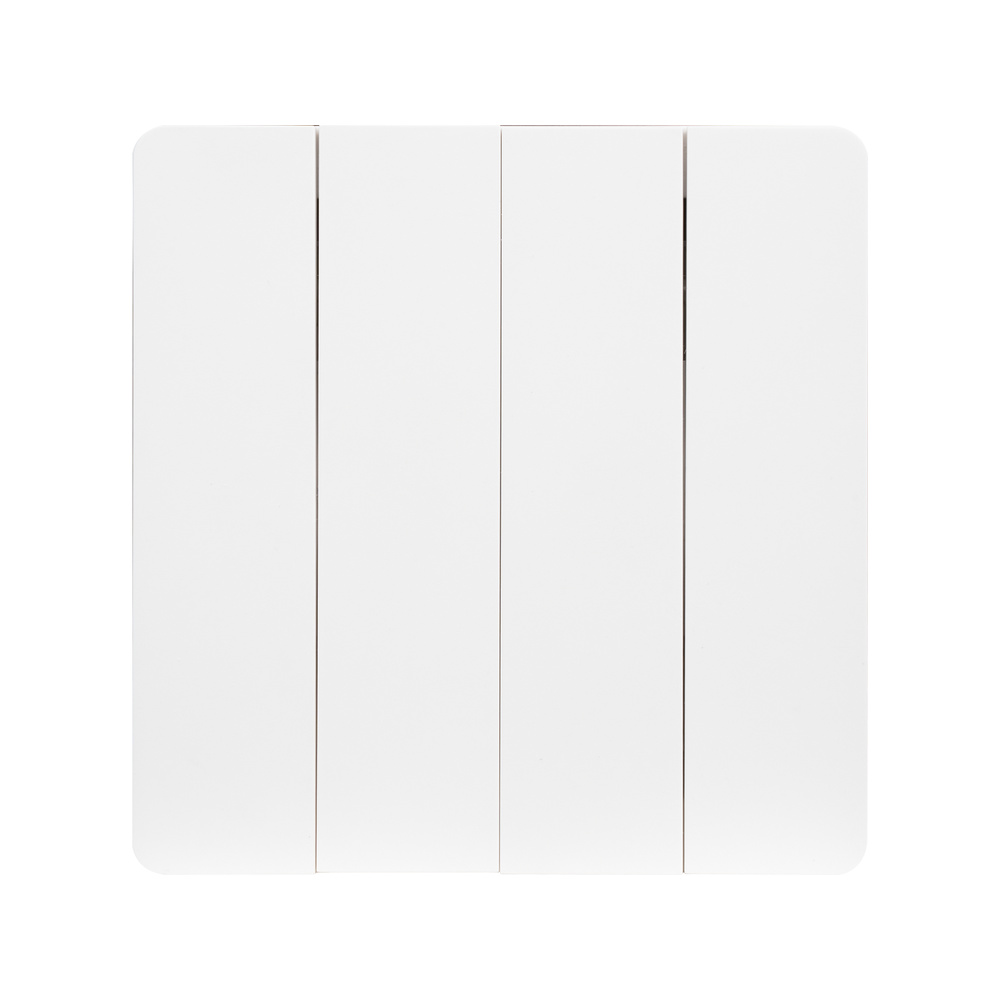
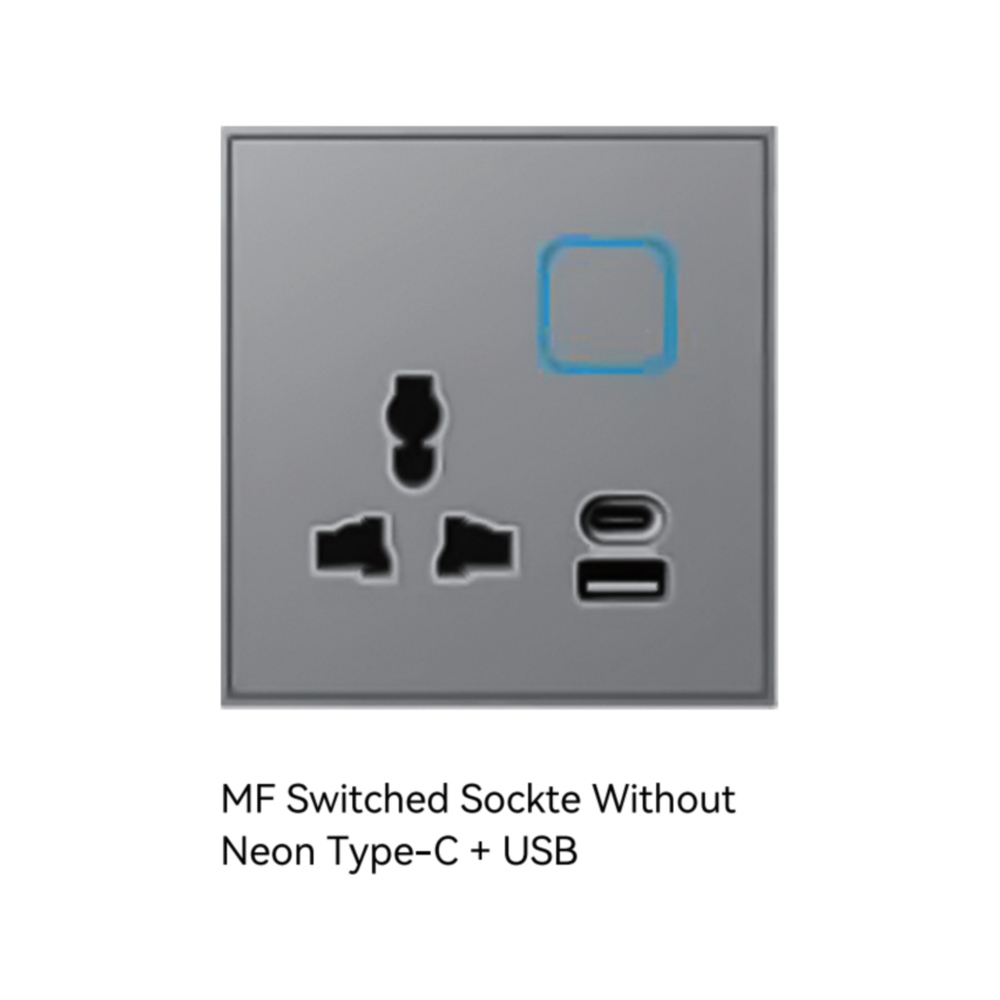
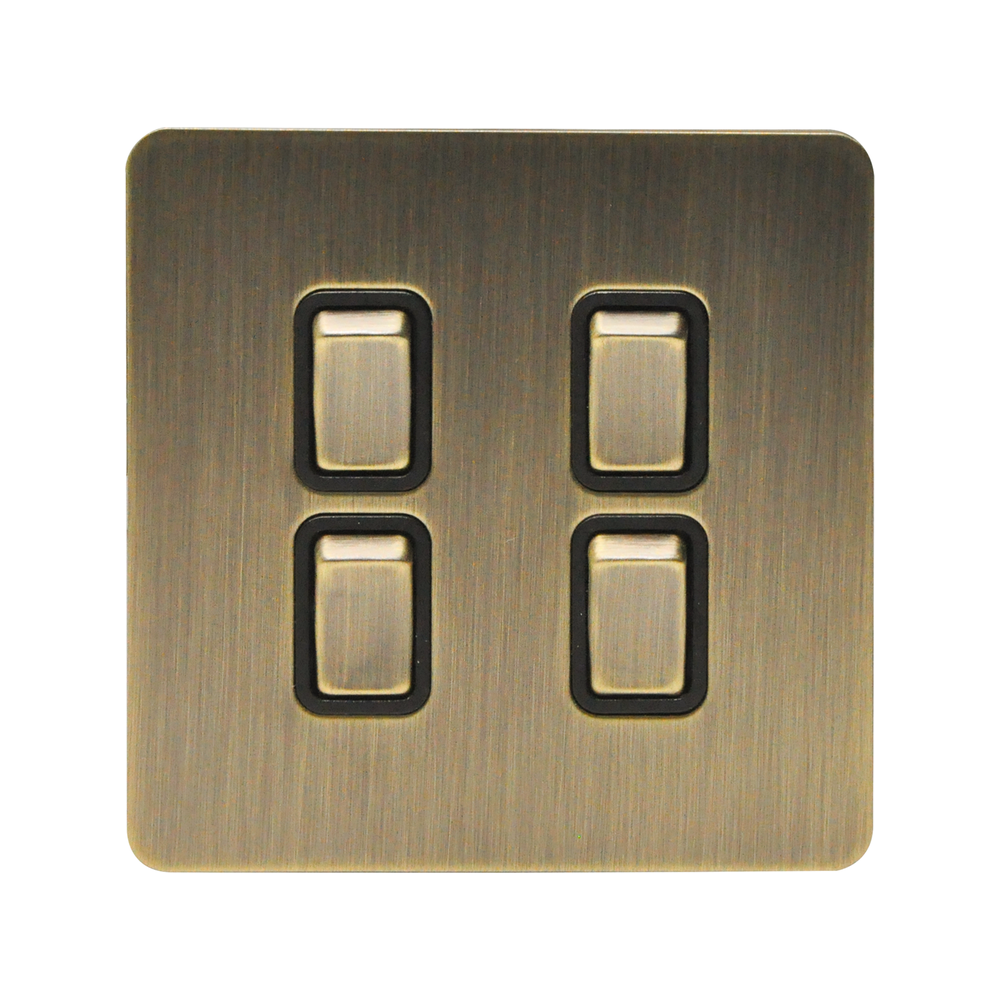
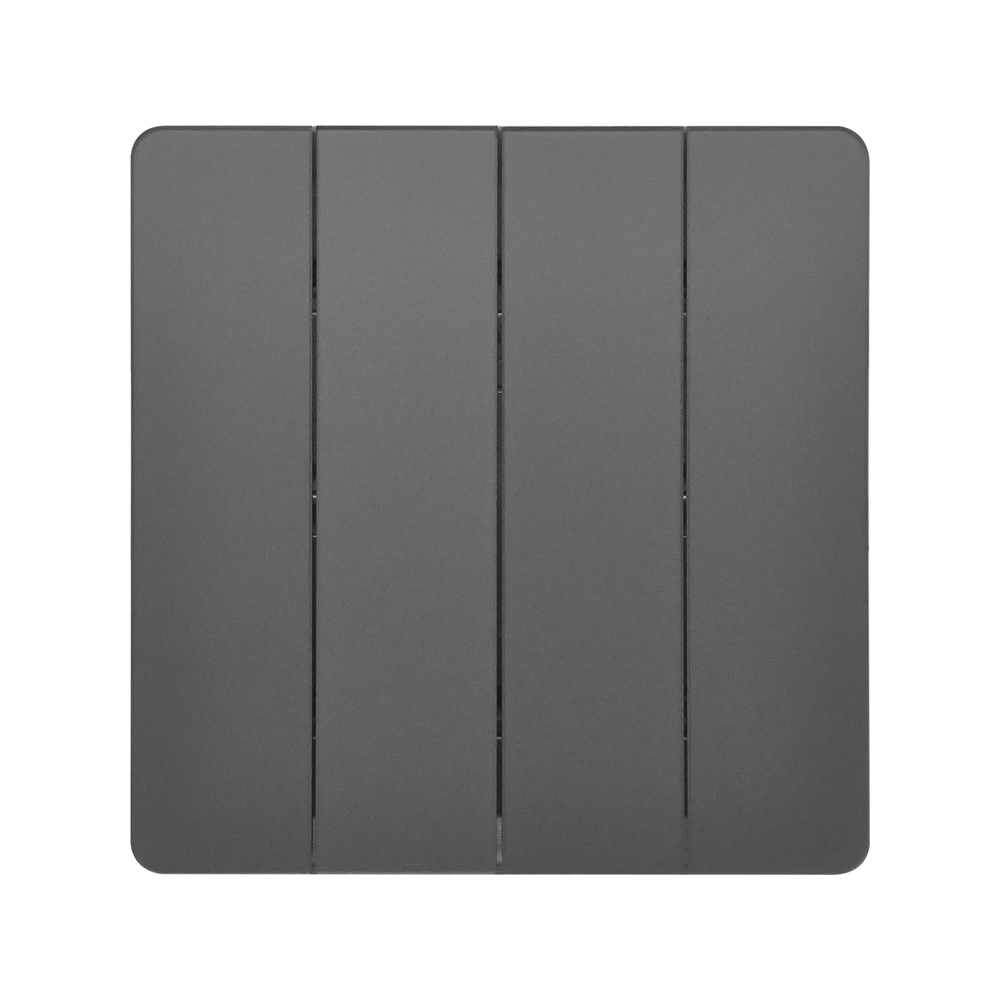
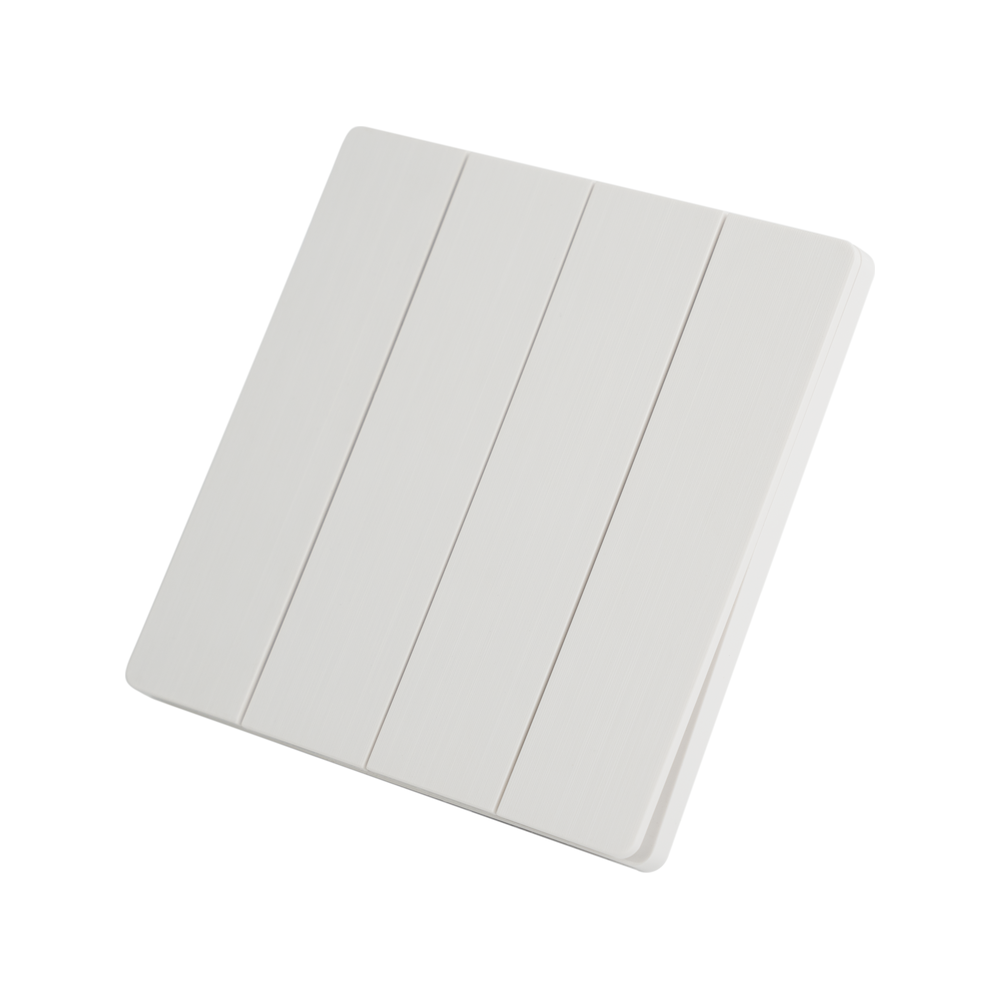
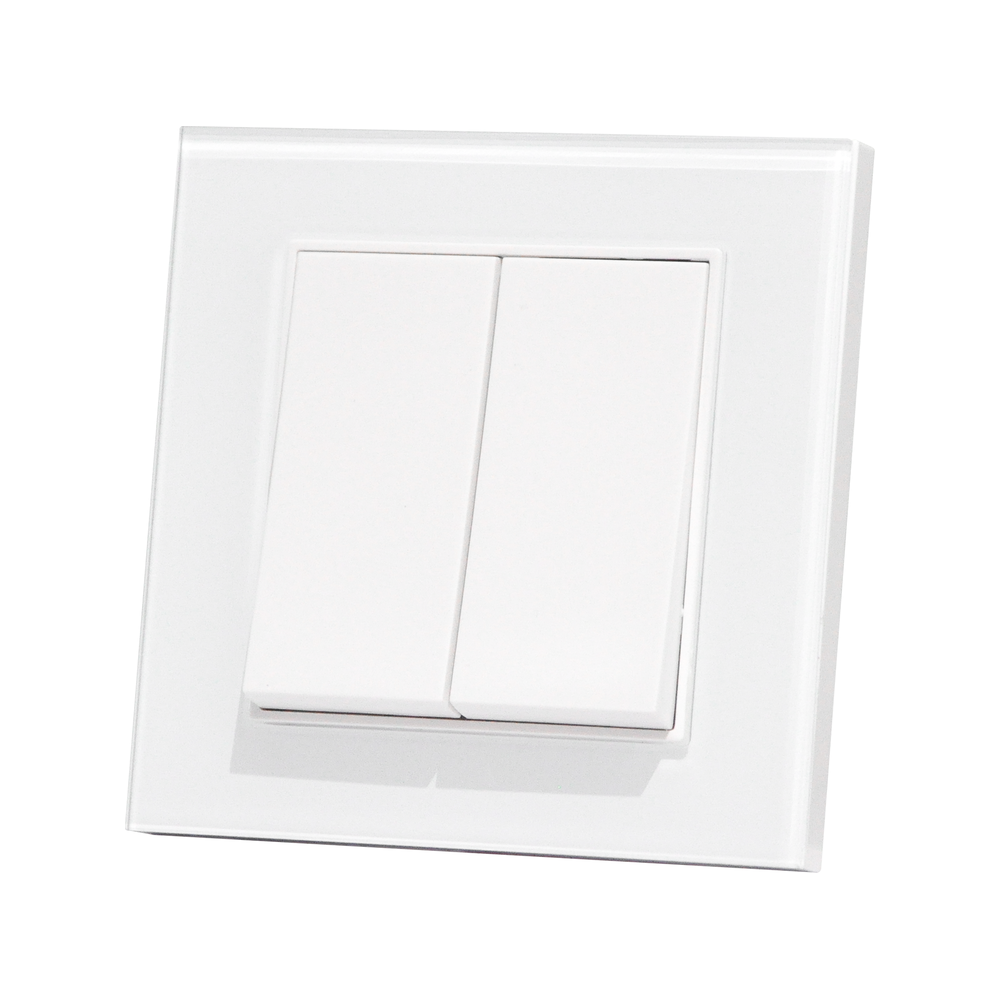
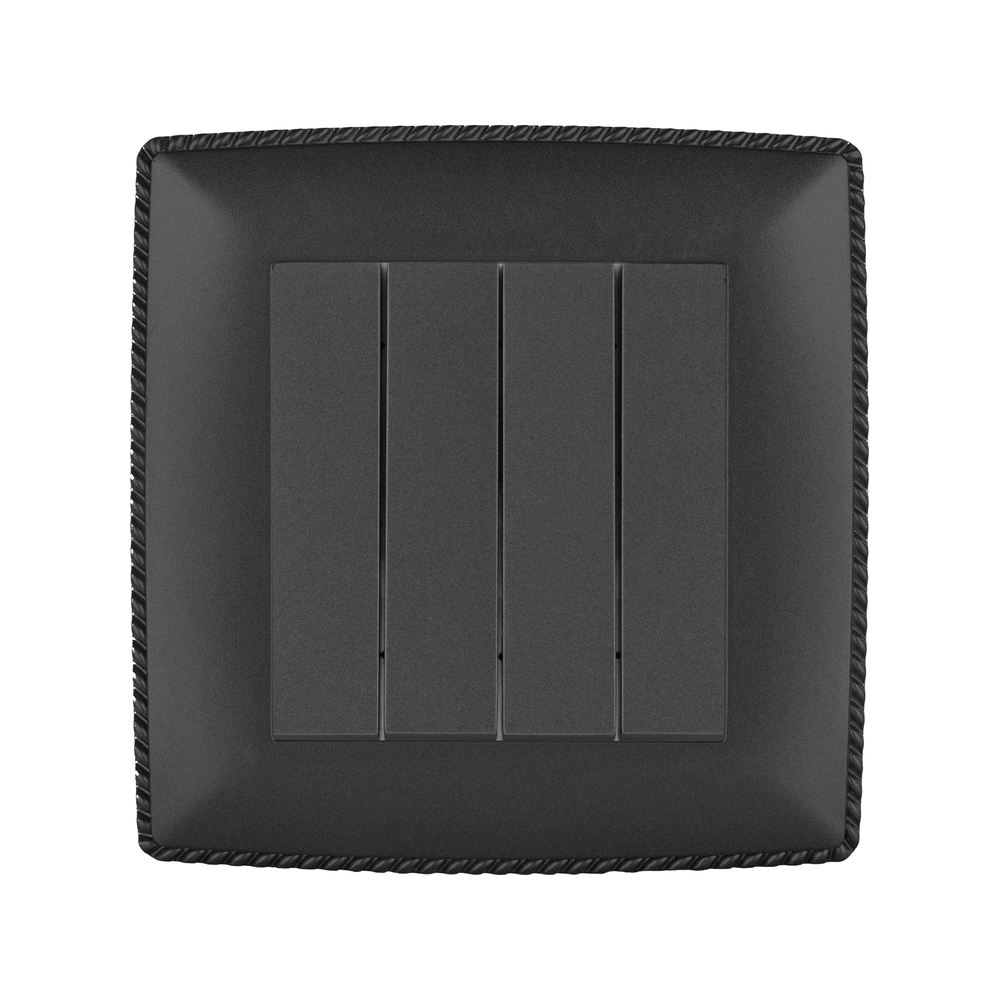
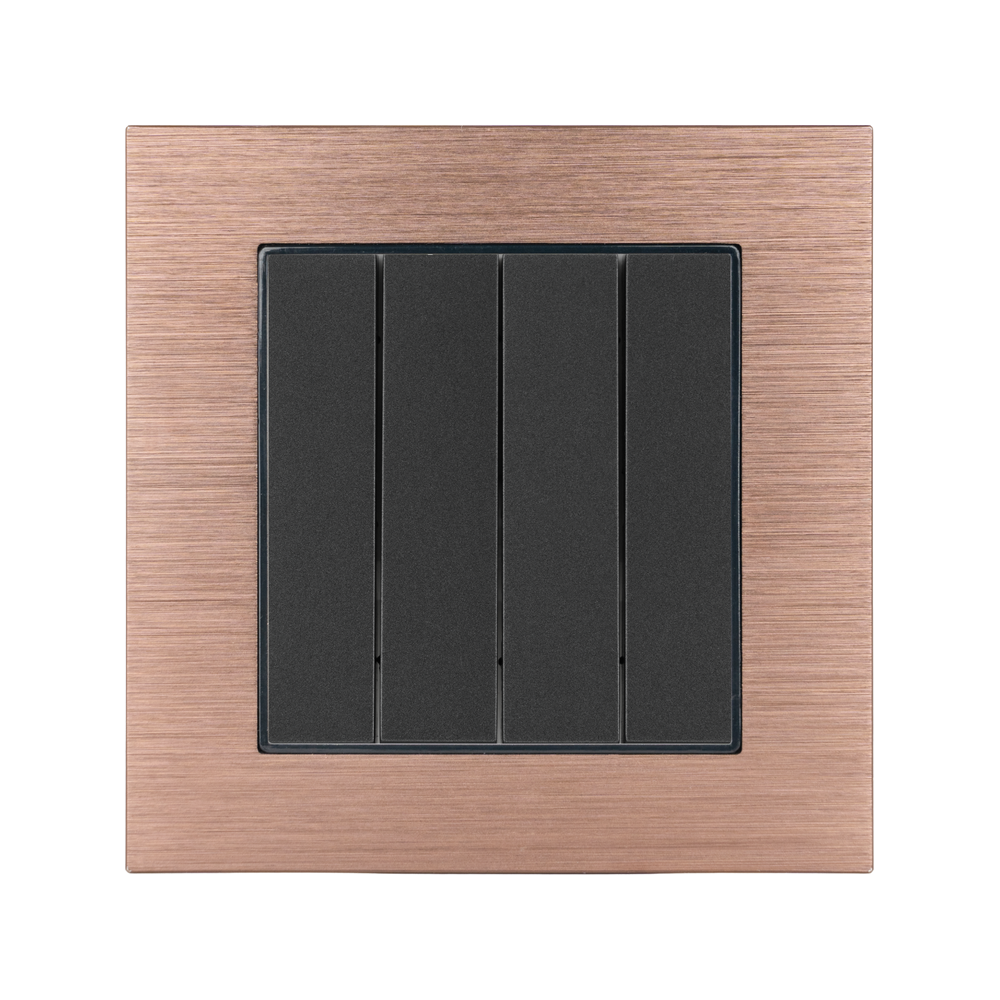
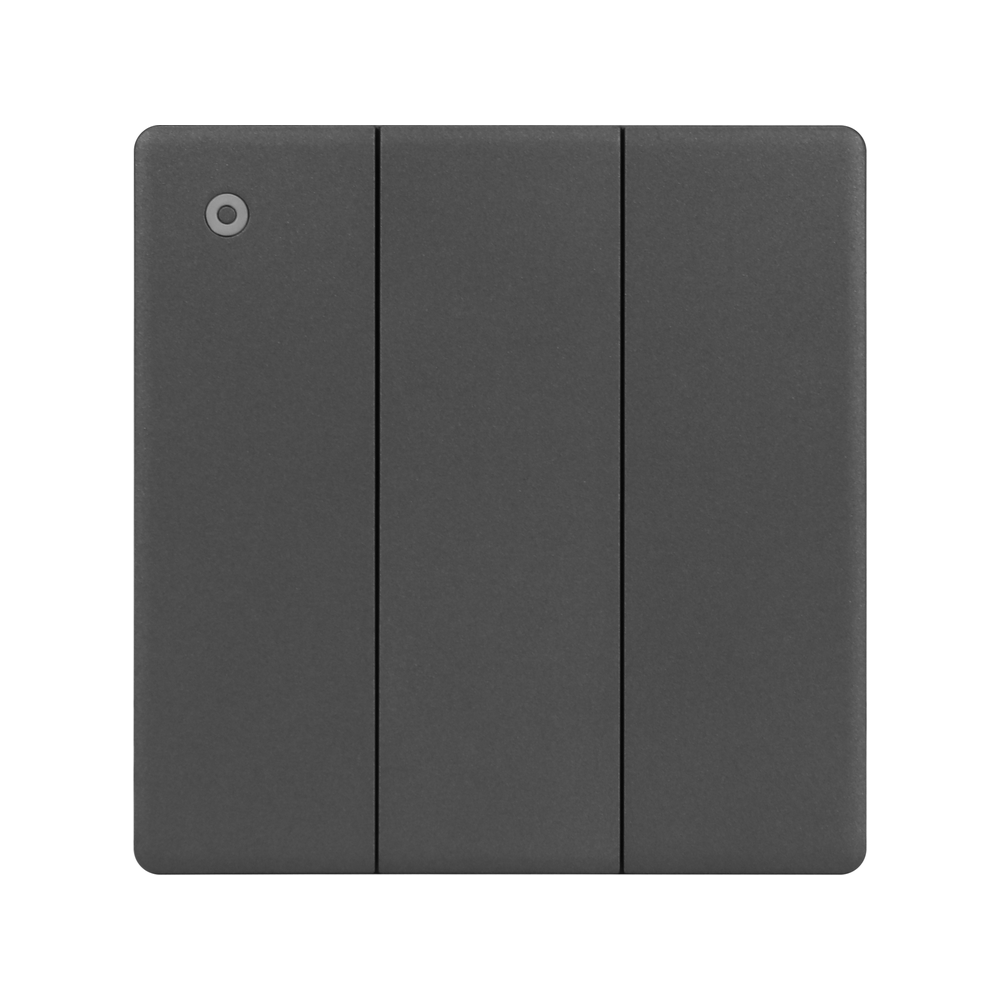
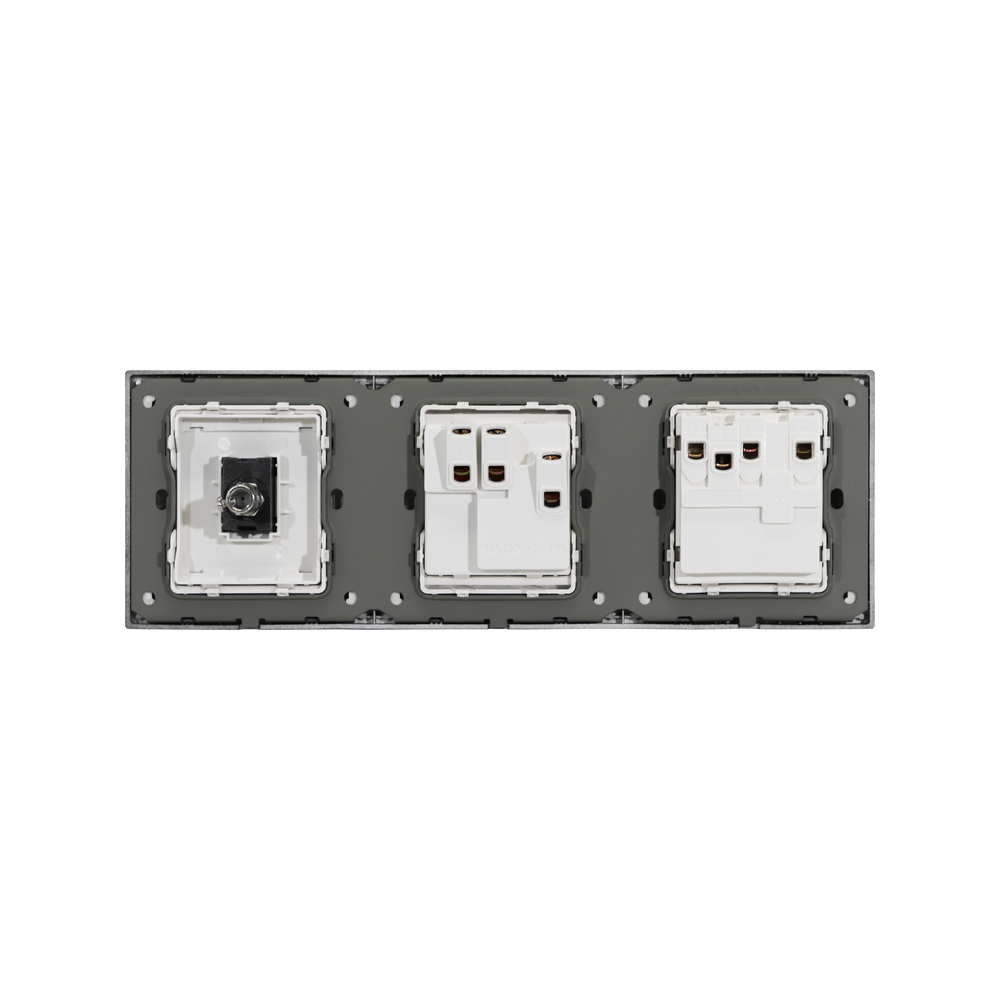
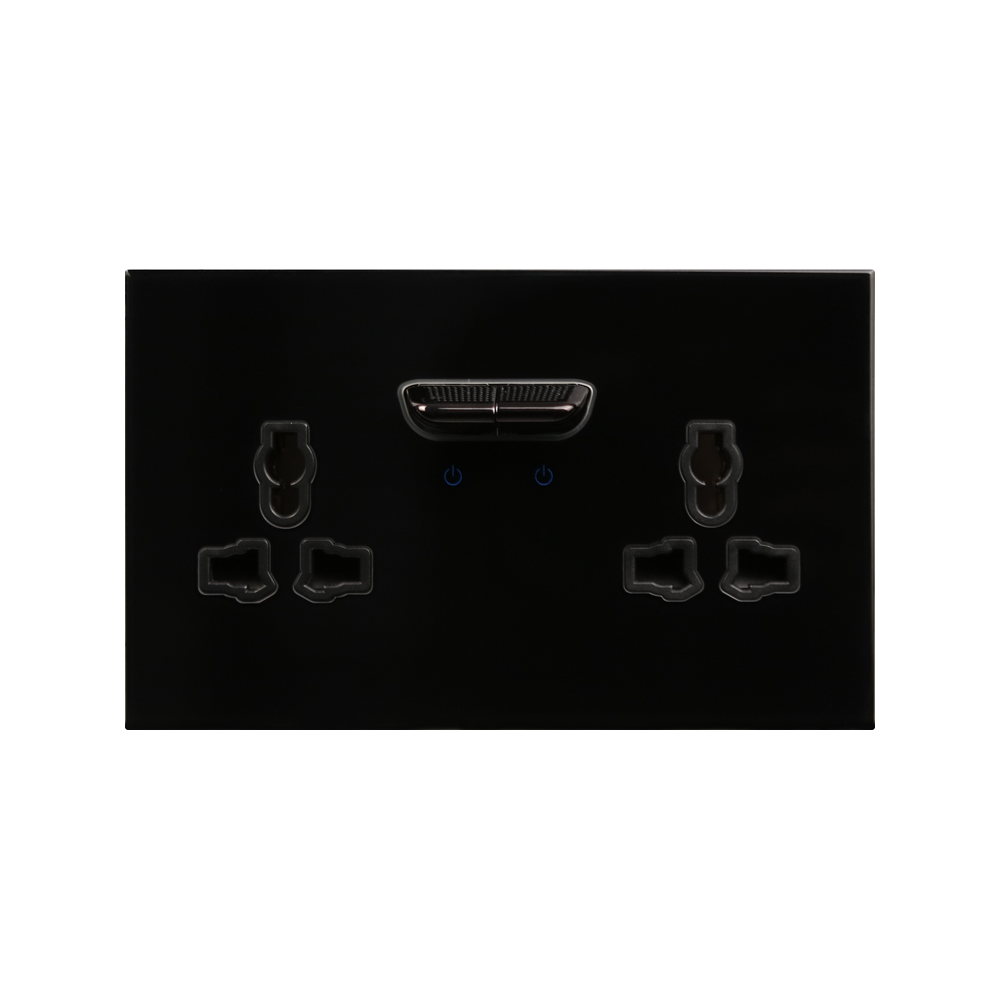
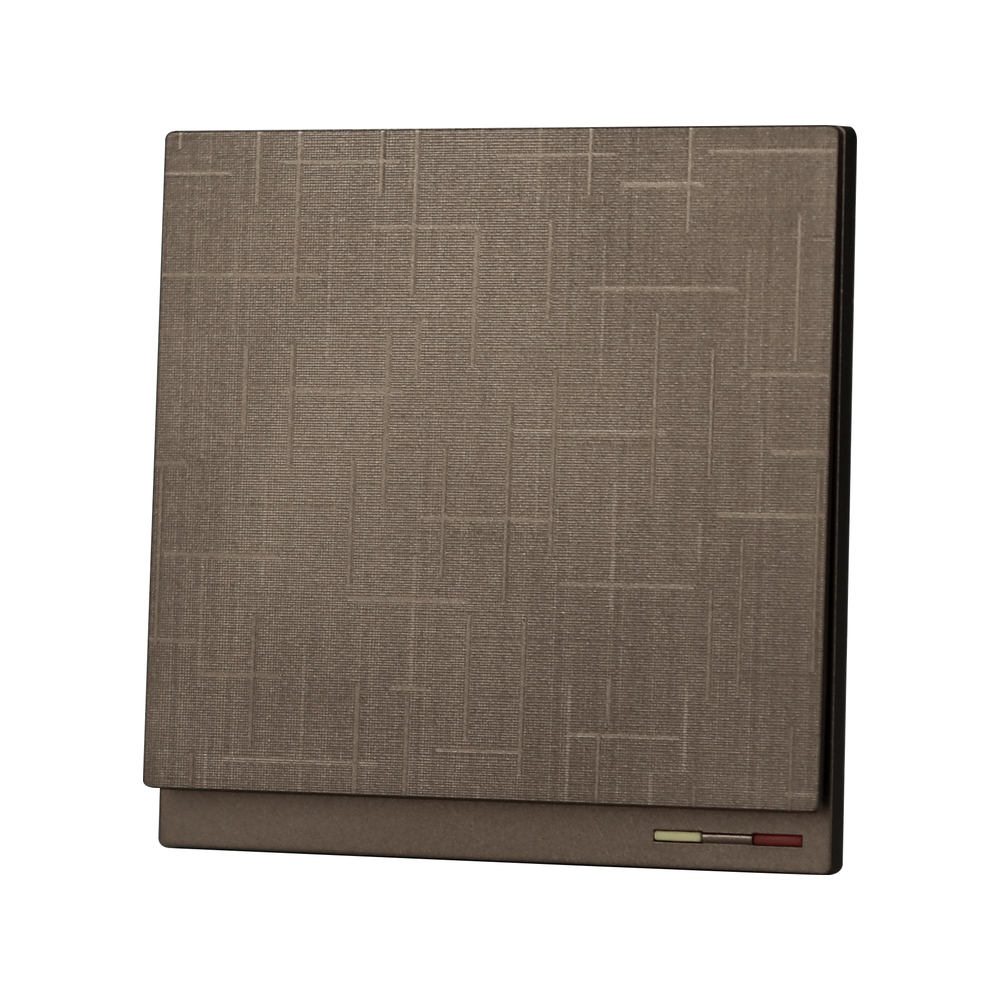
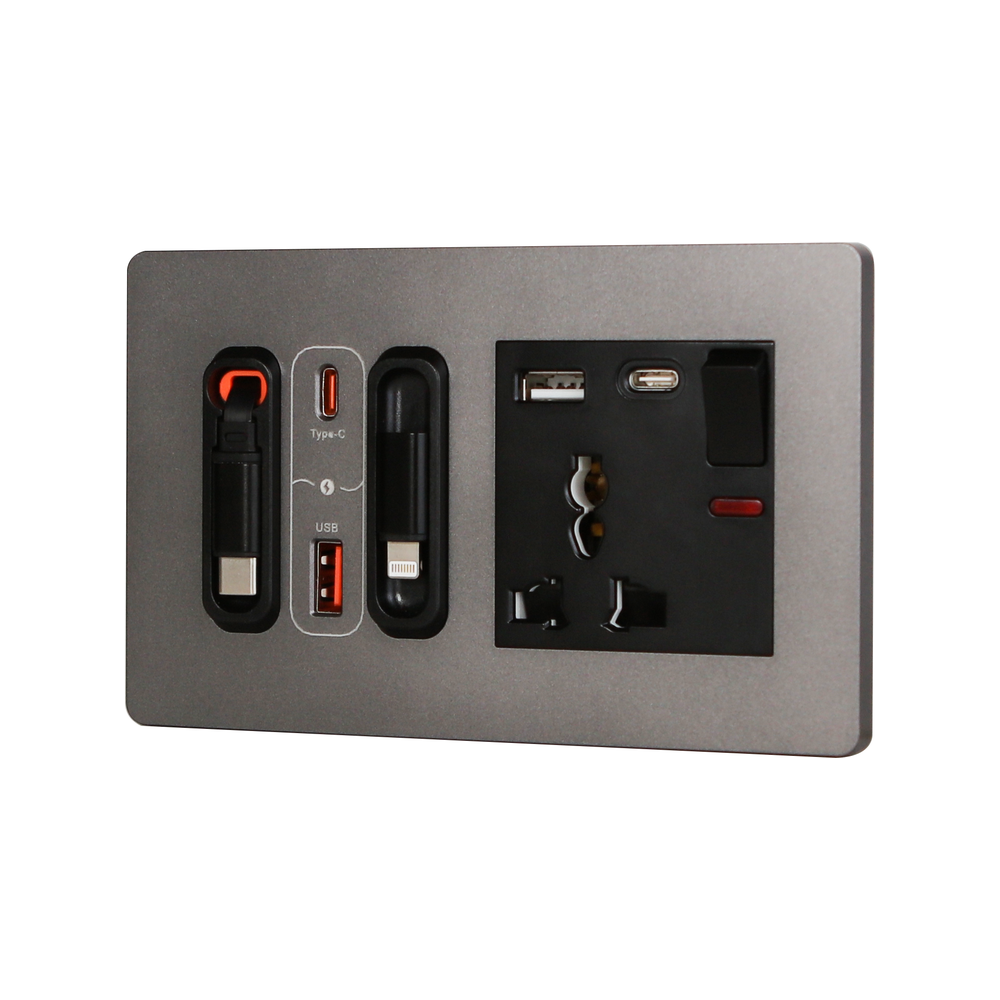
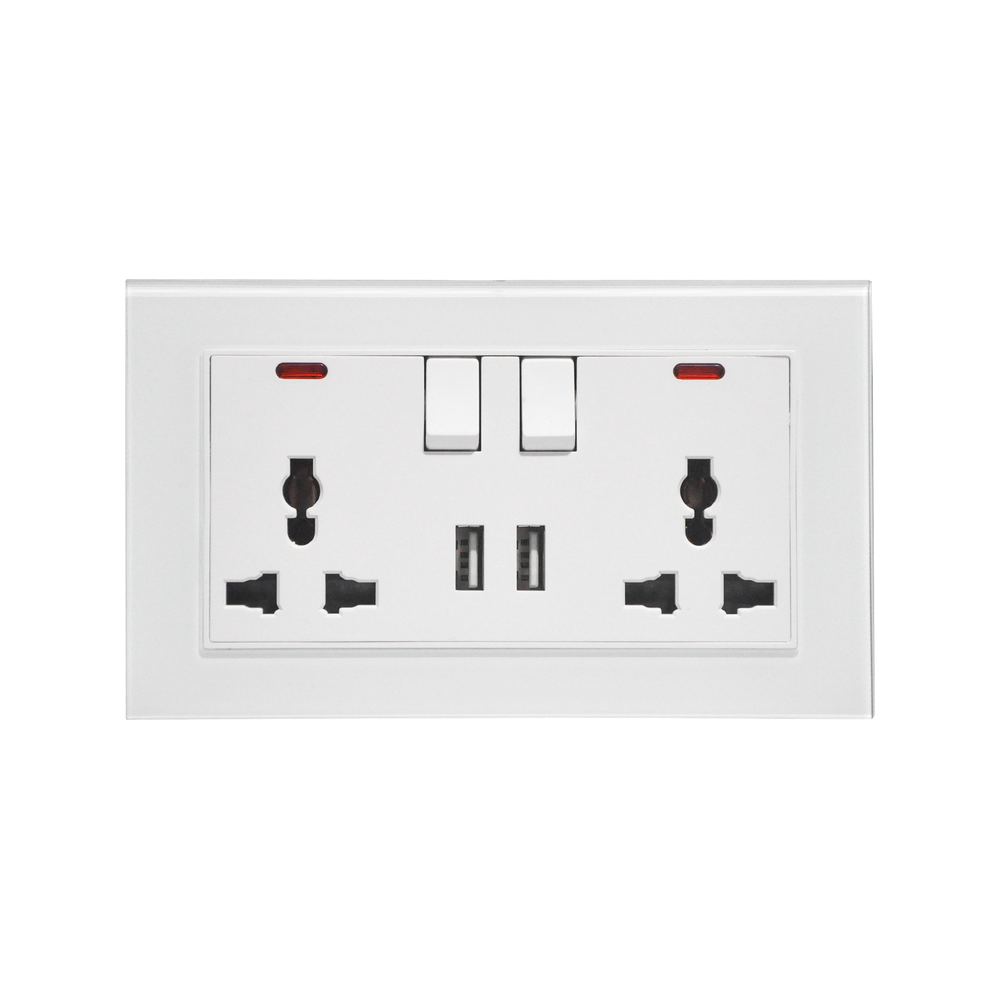
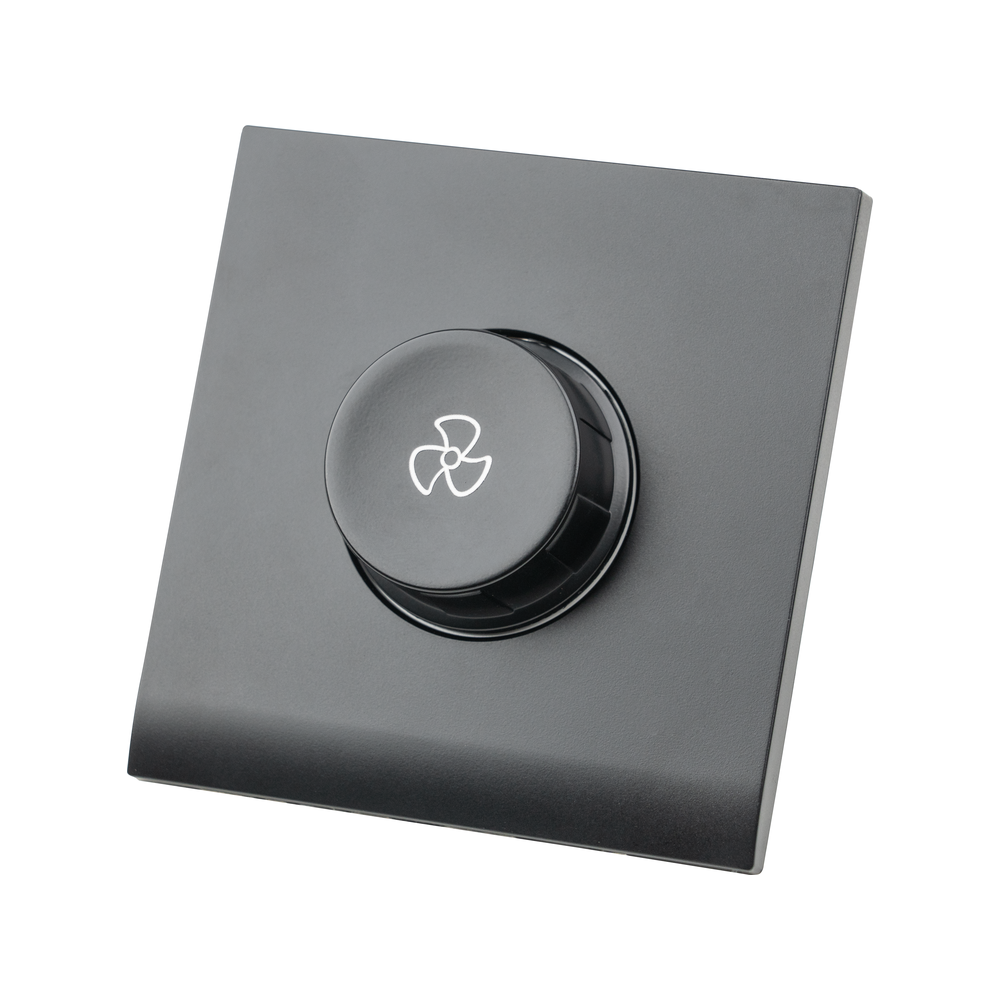
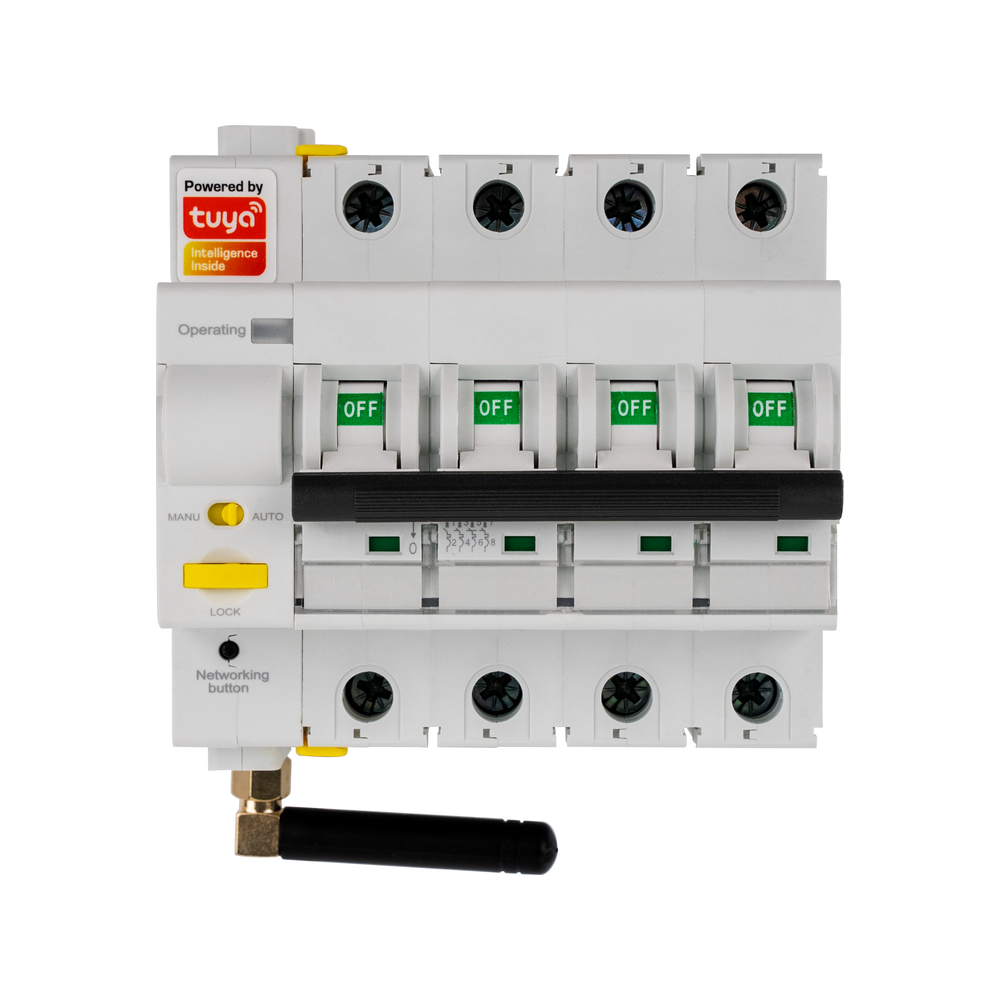
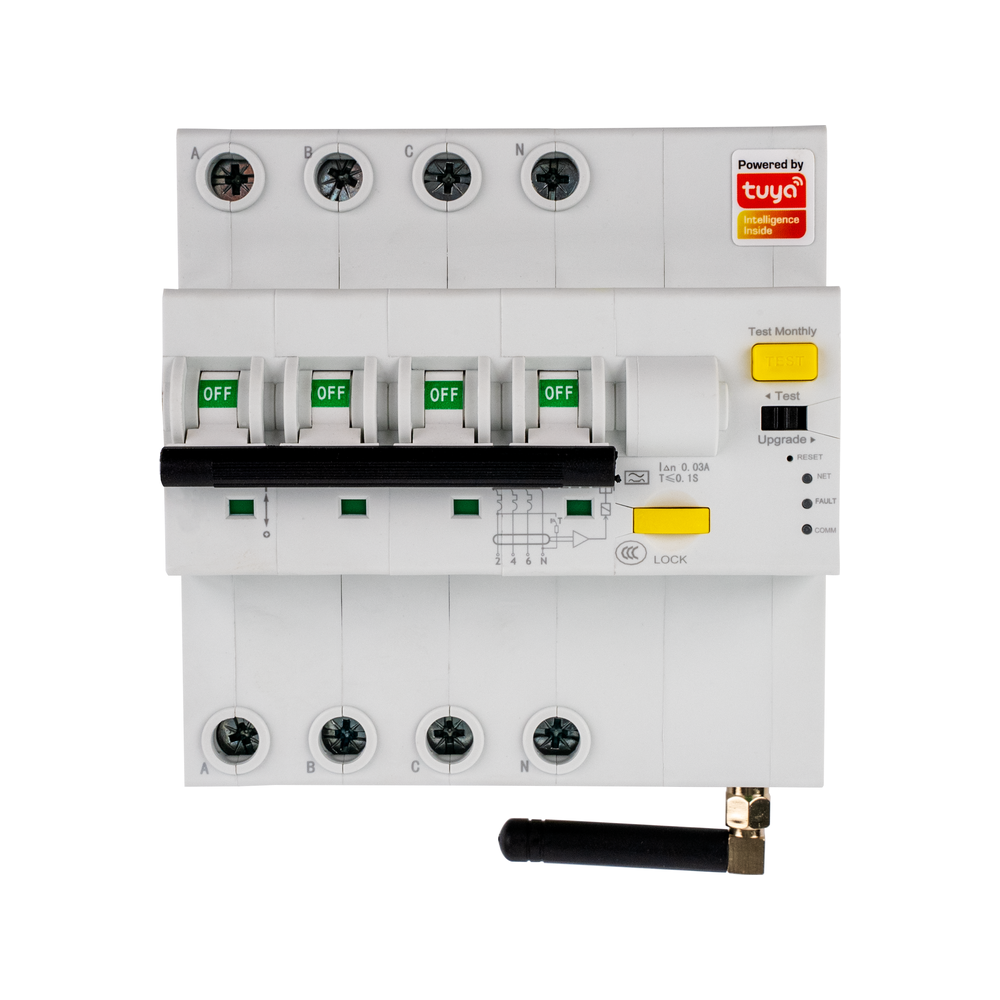
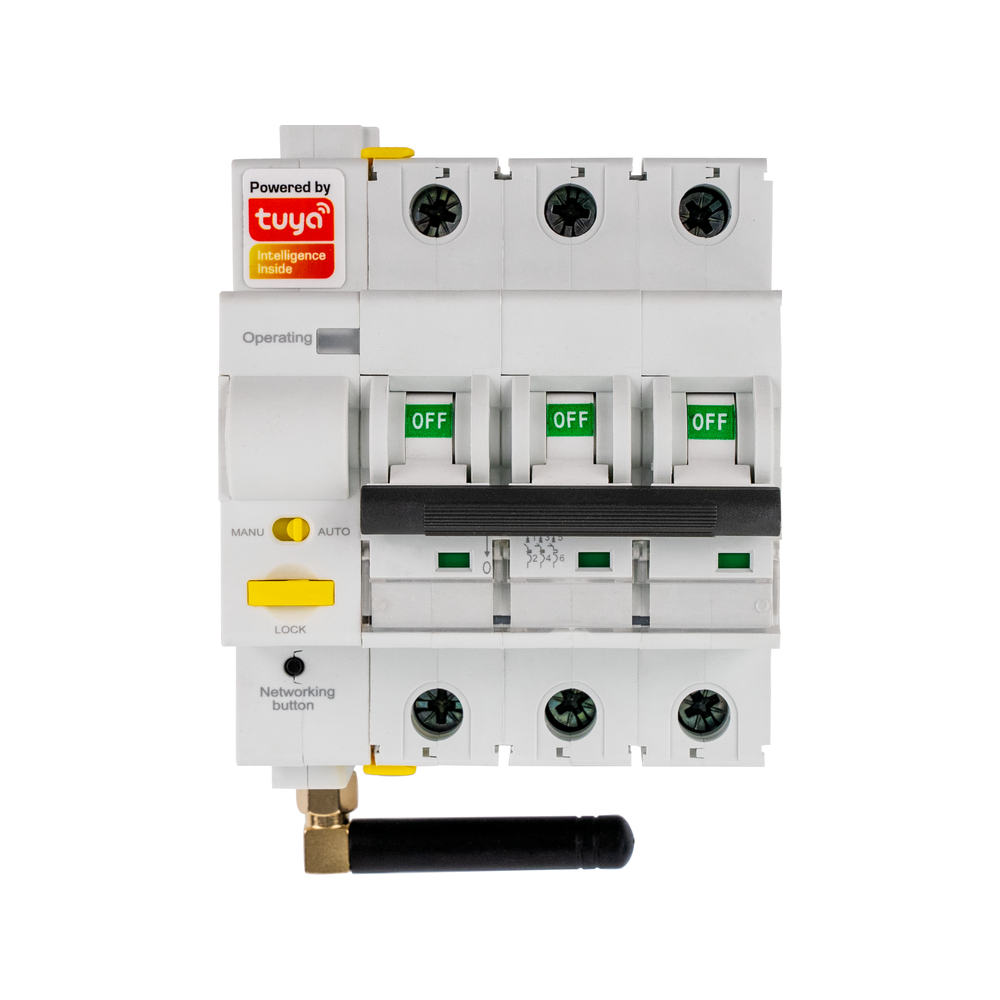
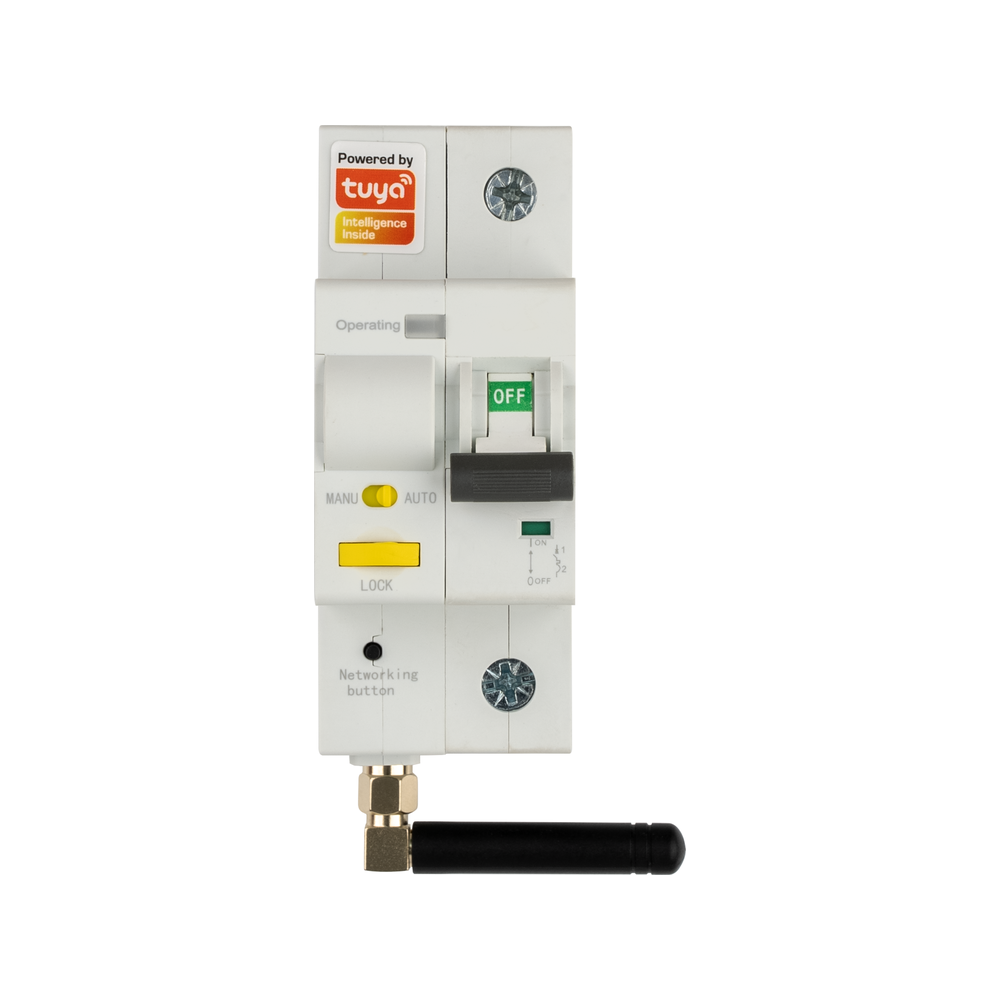
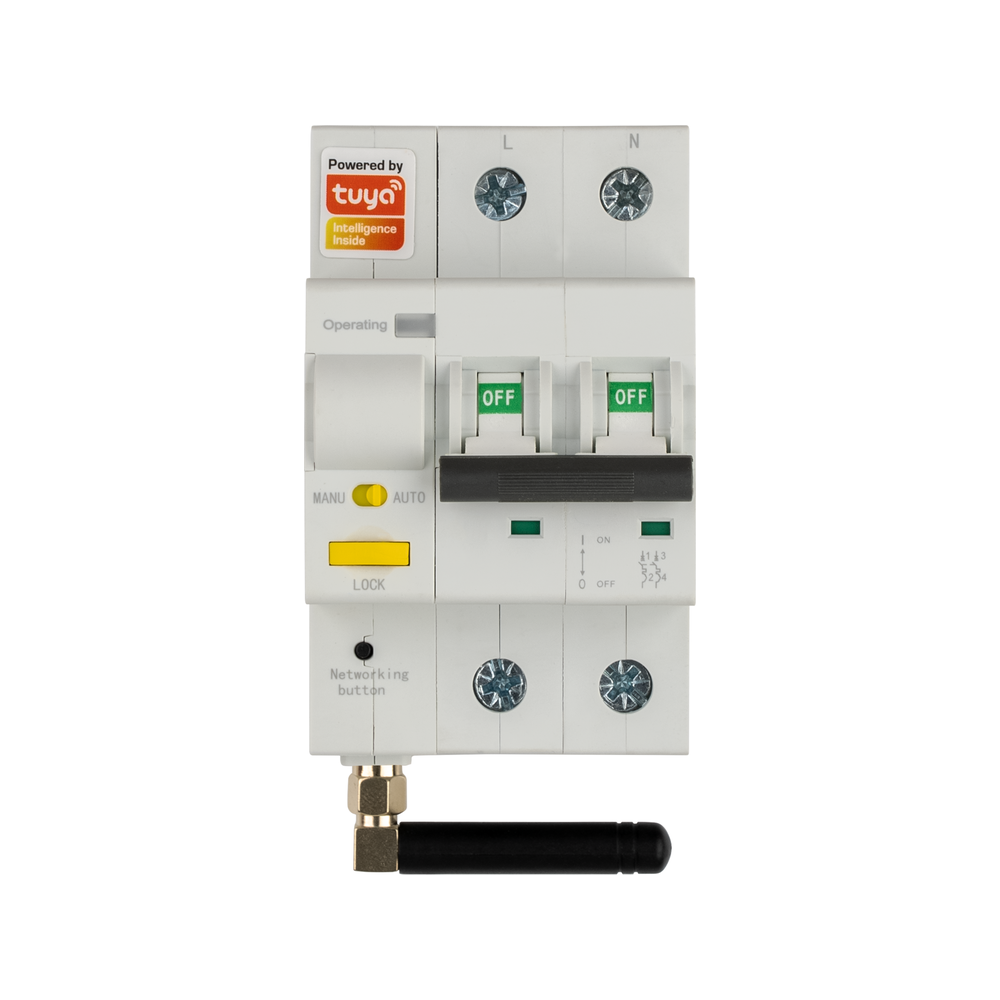
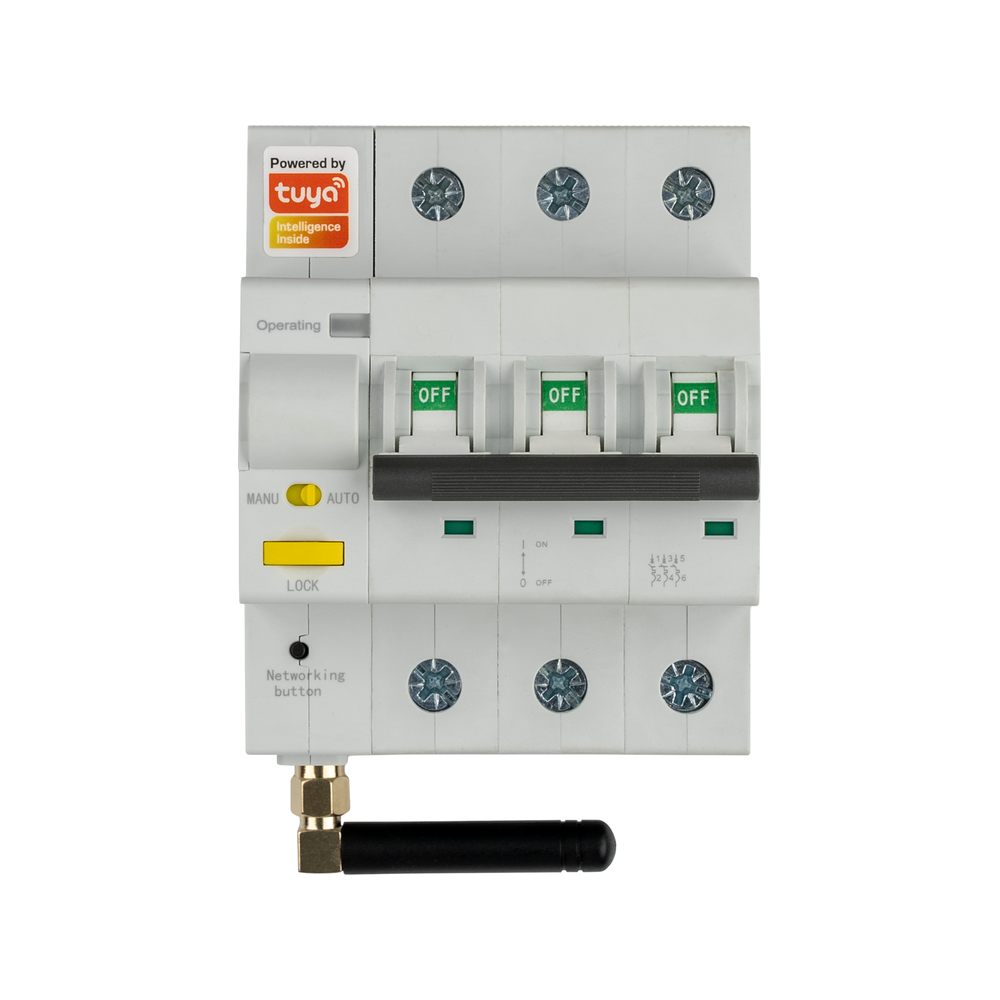
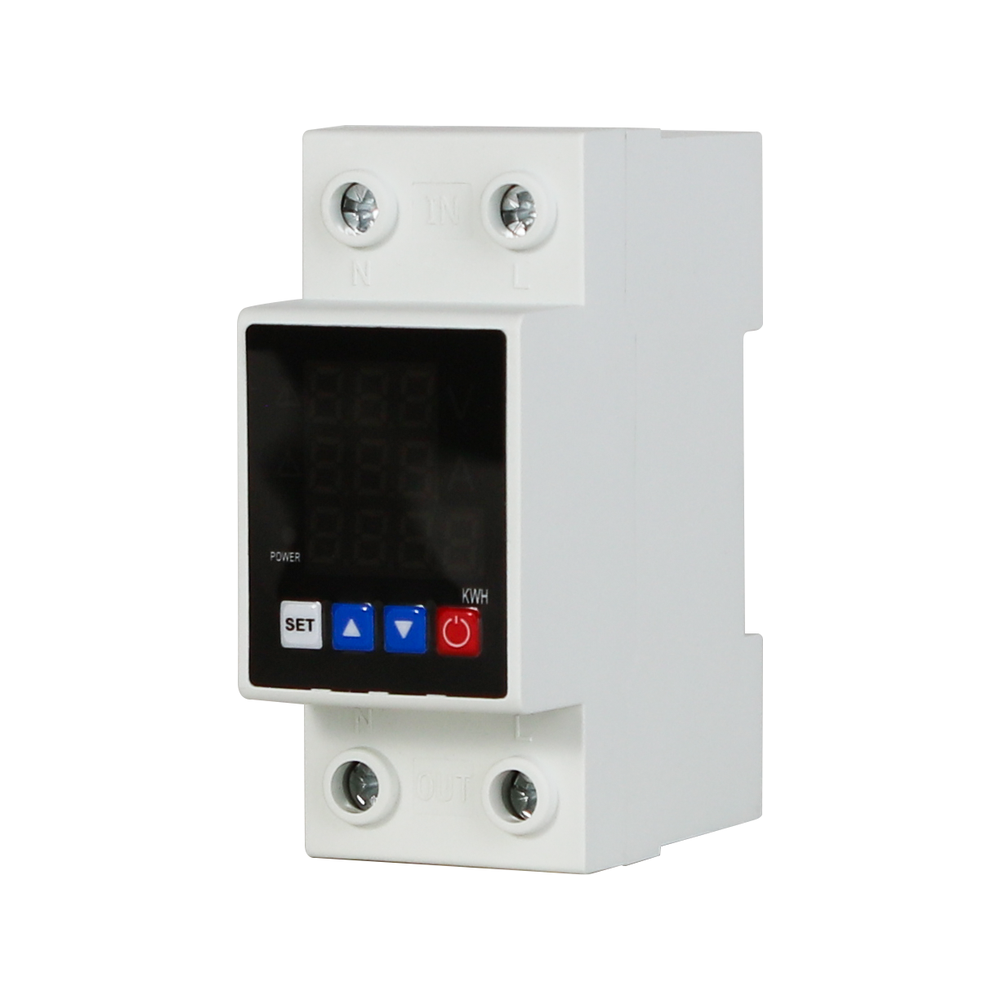
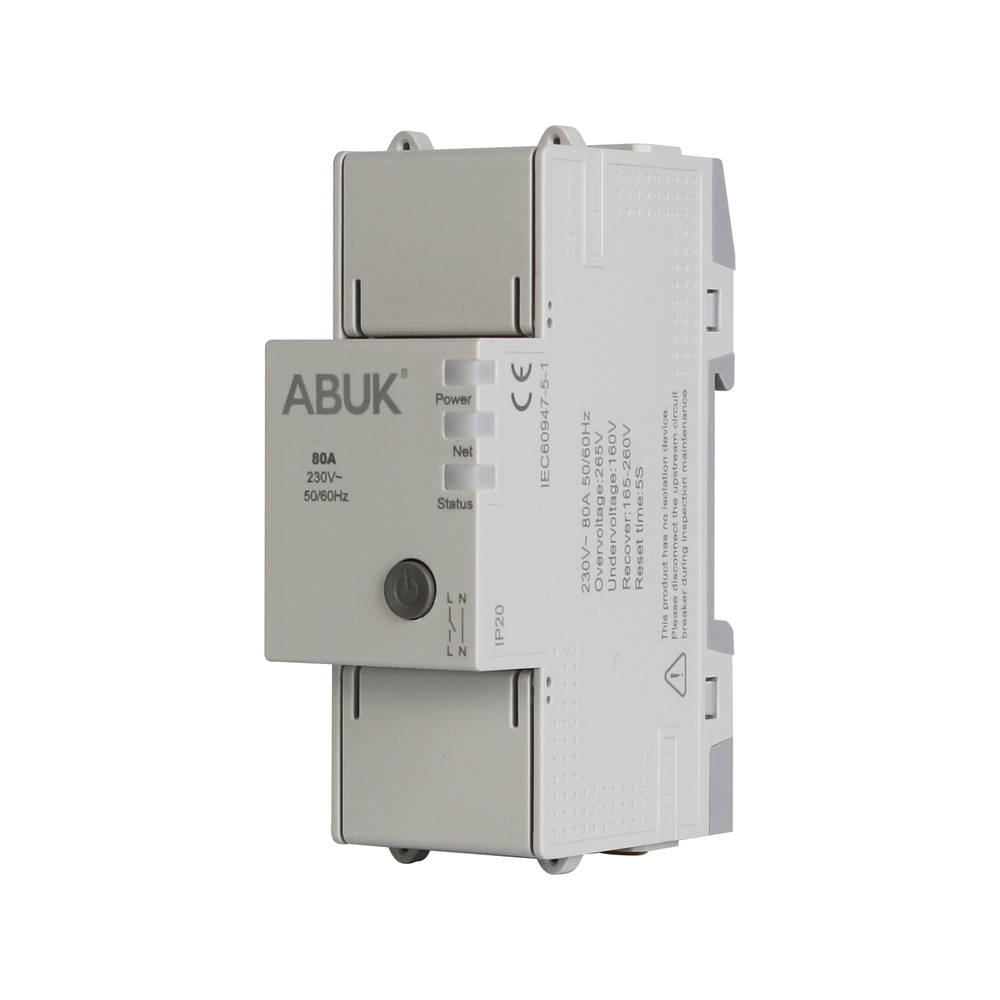
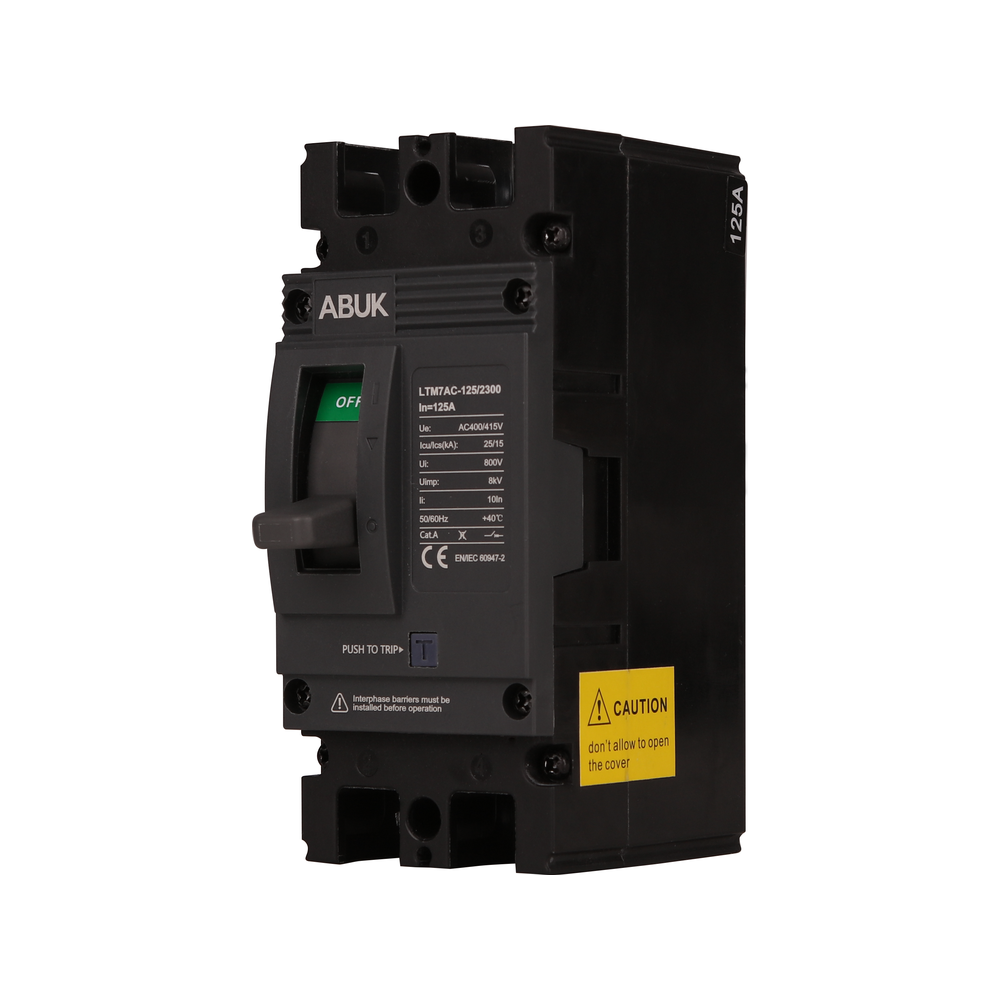
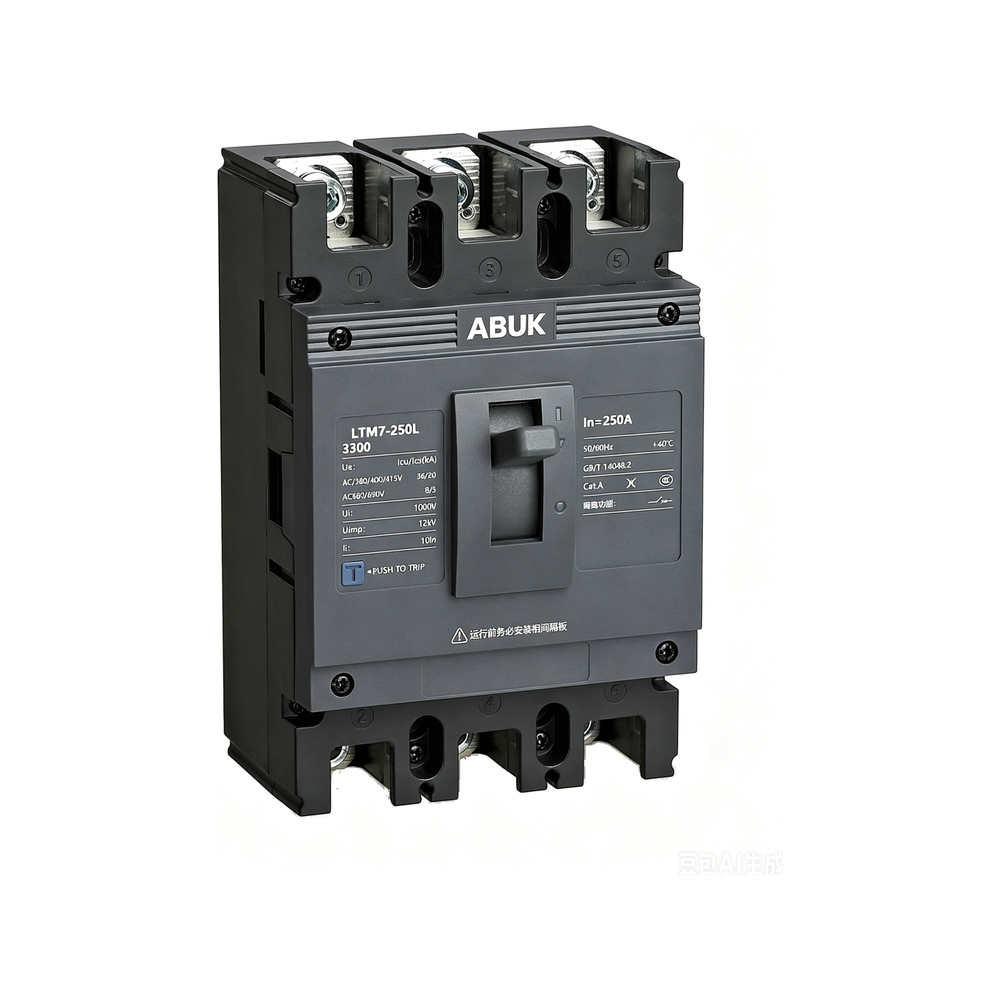
The Conduction Company’s New Zealand guidance describes protection at the switchboard and the different requirements for residential and non-residential sites. A front photograph can identify visible controls, but cannot prove which upstream device protects the outlet. The electrician should verify the circuit and record the result for the property manager.
Do the same rules apply to every existing power point?
No single answer covers an untouched older installation, a replacement accessory, a new circuit and an extension to existing wiring. The regulations contain savings provisions for qualifying existing and in-process installations, provided their conditions are met and the installation is not electrically unsafe. Age alone neither proves compliance nor establishes a defect.
New residential socket circuits generally require 30mA additional protection under the applicable Wiring Rules. Adding outlets can trigger requirements for the altered portion or circuit. Non-residential locations have their own conditions; medical and other special installations may require a different assessment. A commercial site’s rules should not be copied from a household checklist.
For a quotation, describe exactly what is changing. “Replace one broken plate” and “add three sockets to an old circuit” are different scopes. The New Zealand power point replacement guide helps separate accessory replacement from alterations before the electrician applies the relevant requirements.
What does pressing the test button actually establish?
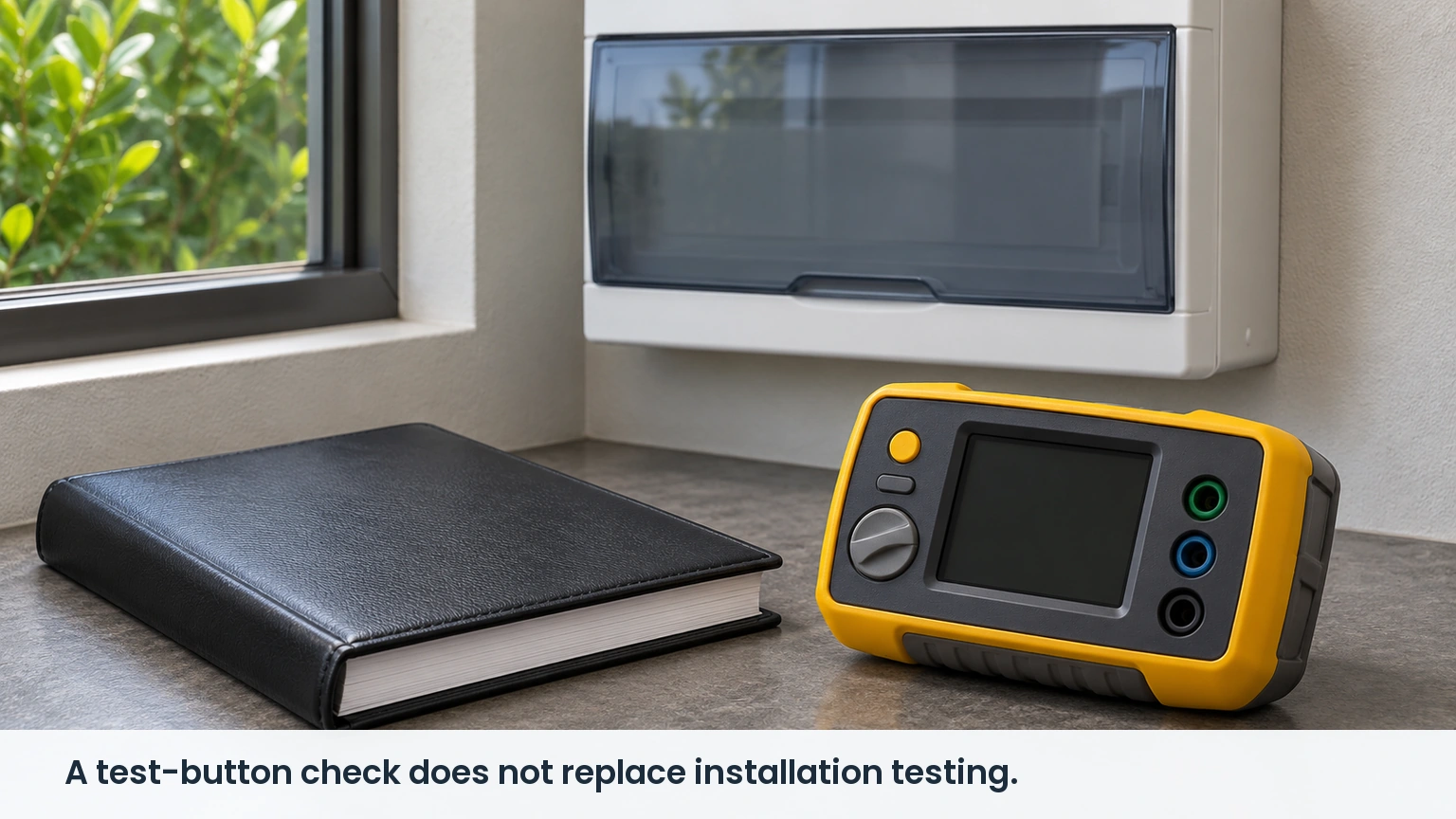
The integral test button checks an intended operating function of the device. It is useful, but it does not establish the condition of every conductor, the polarity of every socket or the complete installation’s compliance. A successful button operation is not the same as a recorded electrical test.
This distinction is explicit in New Zealand’s modifications to AS/NZS 3000. Schedule 2 modifies clause 8.3.10, removing the integral-test-device-only option and requiring function testing that includes trip time and confirmation of the intended protective functions. A maintenance button check cannot replace that installation verification.
Follow the manufacturer’s test interval and instructions, together with any workplace testing regime. There is no responsible universal interval for every device and environment. Plan for interrupted power before testing, especially where refrigeration, IT or medical equipment is involved. If the device fails to operate or will not reset, stop relying on it and arrange competent assessment.
When does adding a local RCD outlet help?
A local protective outlet can be useful where the design calls for protection at a defined point. It should not be purchased as a way to avoid checking the upstream circuit. Whether it satisfies a requirement for newly installed or altered wiring depends on that requirement and the approved arrangement.
Two RCDs in series do not automatically provide useful selectivity. A fault may operate either or both devices, depending on their characteristics. The electrician should evaluate coordination, device type and the connected loads rather than assume that more test buttons always mean a better installation.
The cited New Zealand modifications require shock-protection devices meeting Type A, F or B requirements, with selection compatible with the load and possible DC components or waveform distortion. That is a more specific purchasing question than simply asking for “an RCD.” Existing arrangements and applicable savings provisions still need individual assessment.
How do the protection arrangements compare?
| Arrangement | What it does | What to confirm |
|---|---|---|
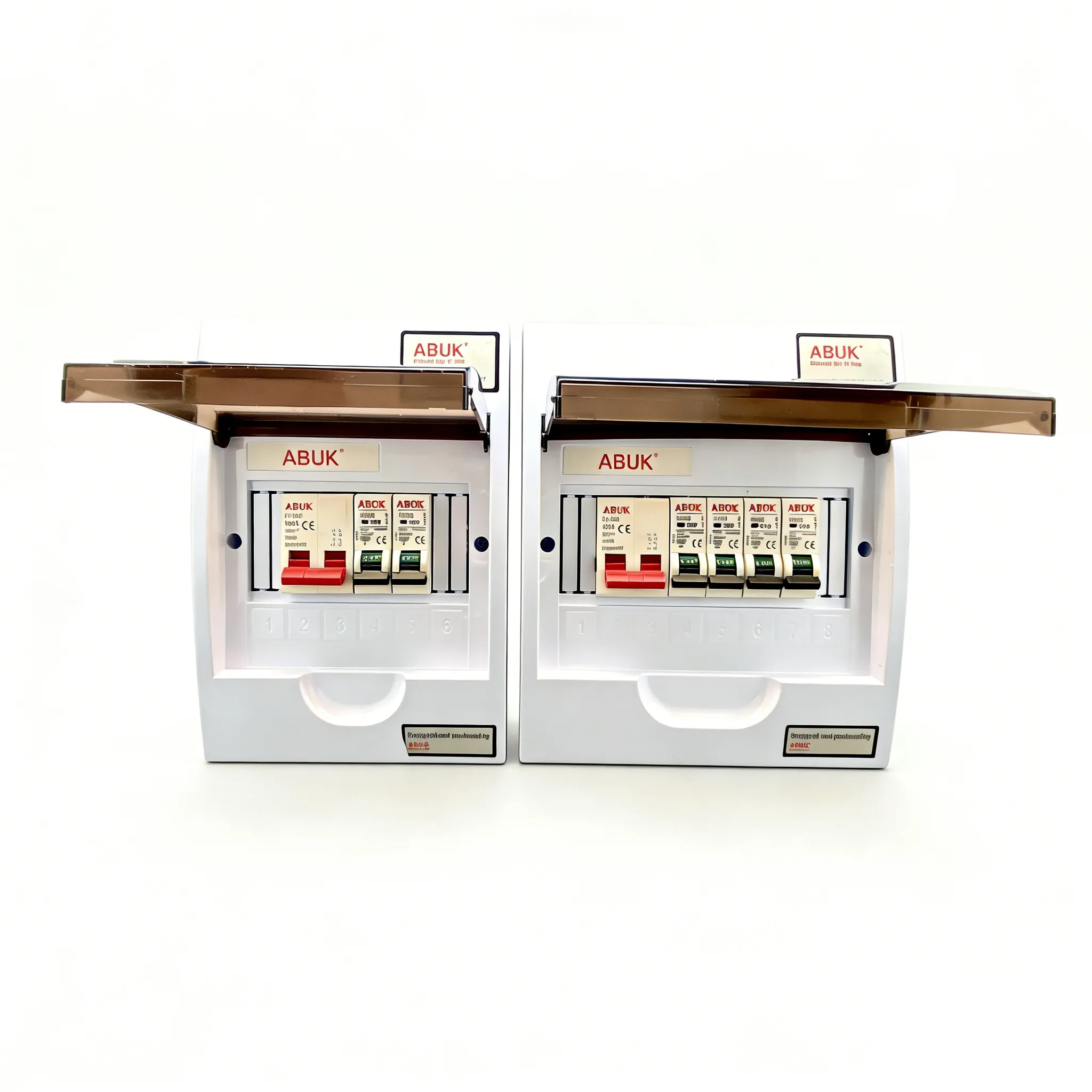
| Switchboard RCD with separate circuit protection | Residual-current protection for the connected circuits | Which circuits it covers and how faults affect them |
| RCBO | Residual-current and overcurrent protection in one device | Rating, type and circuit compatibility |
| Socket-outlet RCD | Local protection within its documented arrangement | Whether its location meets the installation requirement |
| Portable RCD | Additional protection for permitted connected equipment | Condition, instructions and limitations of coverage |
Which changes deserve a fresh protection assessment?
| Situation | Evidence needed | Budget implication |
|---|---|---|
| New residential outlet | Existing circuit and required protection | Possible switchboard work beyond the socket |
| Outdoor connection | Environmental suitability and protective arrangement | Enclosure, cable and testing costs |
| Bathroom renovation | Zones, location and protection together | Design coordination before finishes are completed |
| Repeated unexplained trips | Fault diagnosis and connected-load review | Investigation rather than repeated accessory replacement |
A project quotation should separate product cost from diagnosis, circuit work and verification. A cheap local RCD can become an unnecessary expense if the real problem is upstream wiring or unsuitable device coordination. No savings percentage can be justified without the site’s actual condition and quotations.
Which requirements should appear in the handover record?
The relevant regulations, Wiring Rules edition, device type and manufacturer’s instructions should be traceable. Record which outlets are protected, the installed models and the applicable testing and certification. CE, RoHS or GCC documentation does not replace New Zealand product requirements or installation verification. A product certificate also does not prove that the device was correctly selected and connected.
What should an owner ask before approving the work?
- Which protective device covers each proposed outlet?
- Does the work involve replacement, extension or a new circuit?
- Which RCD type suits the connected equipment?
- What testing, documentation and future user checks are included?
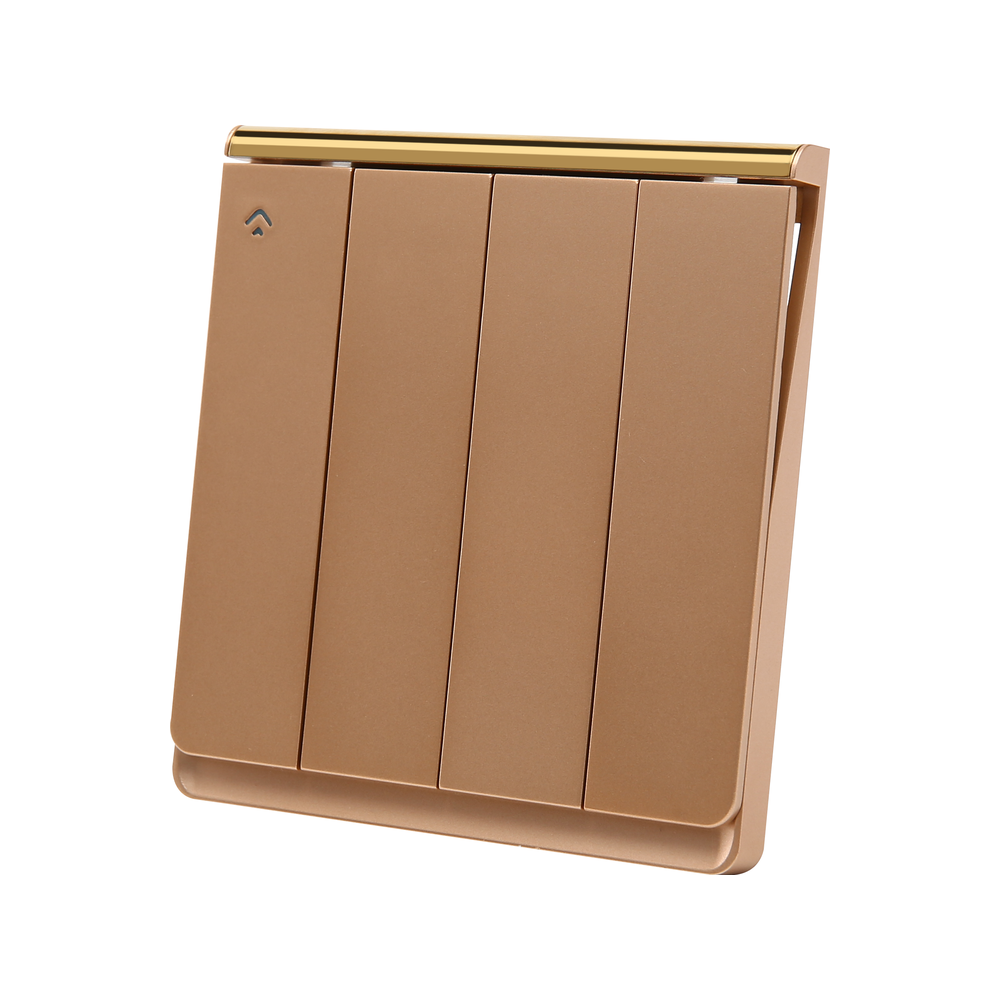
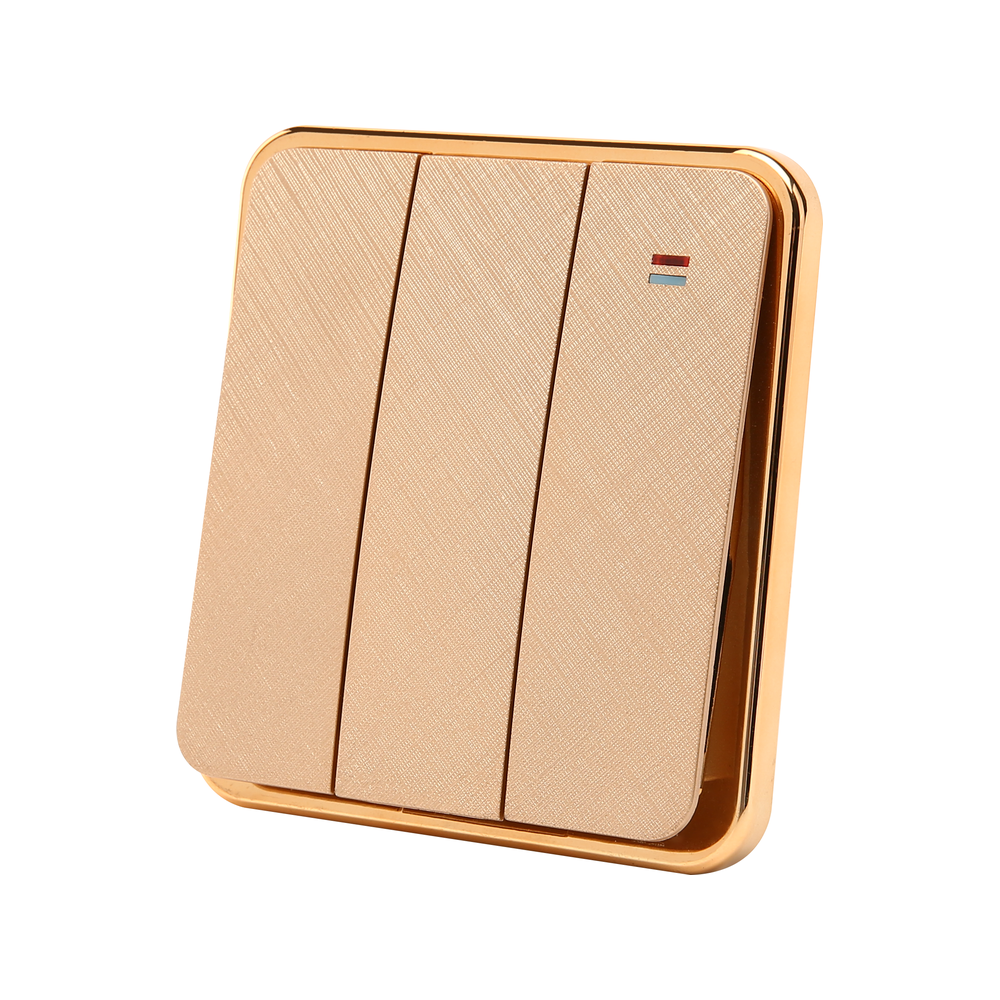
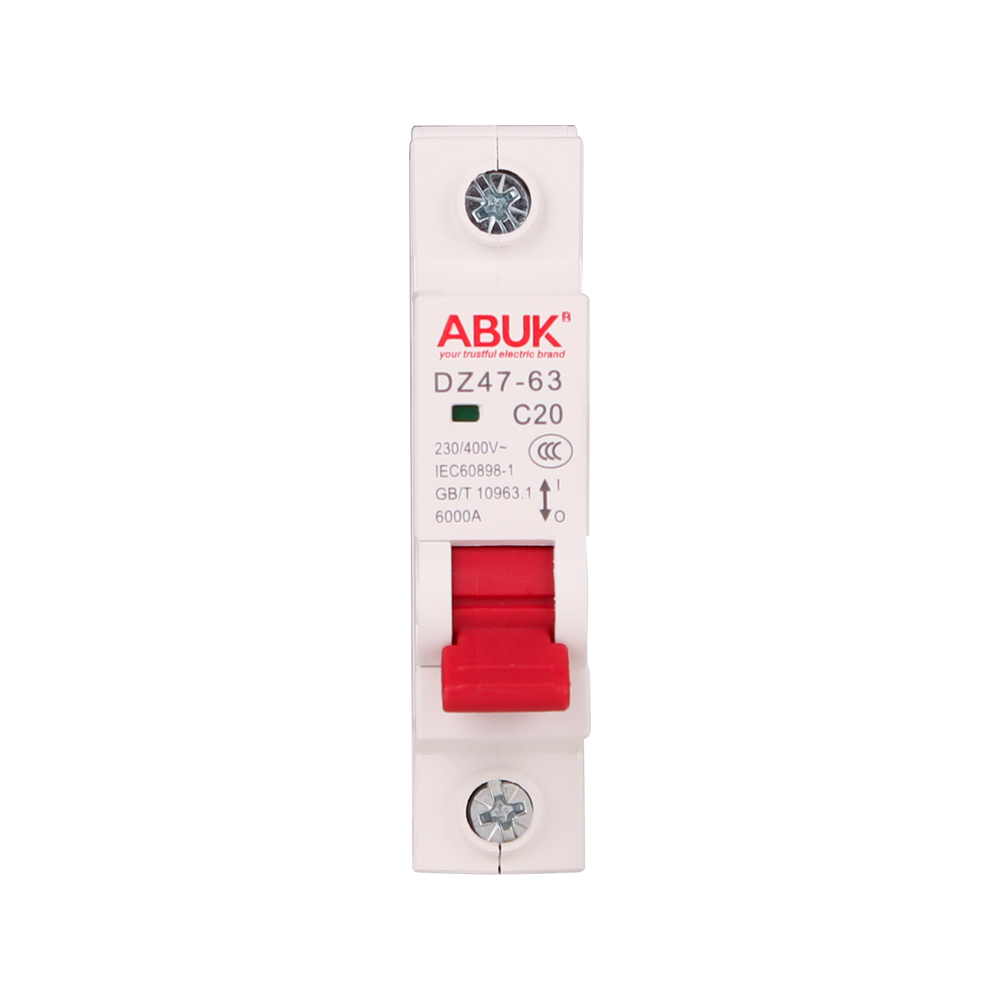
ABUK’s electrical accessory range can support a defined procurement enquiry, but an ordinary socket should never be described as RCD-protected without exact-model or installation evidence. The faulty wall socket guide explains why visible damage needs attention even when a protective device has not tripped.
Frequently asked questions
What are the RCD standards in New Zealand?
The Electricity (Safety) Regulations cite AS/NZS 3000 and related requirements, with New Zealand modifications. The applicable version, device type and installation category must be checked.
Do all power points have to be RCD protected?
Requirements depend on the installation and work. New residential circuits generally require protection; existing and non-residential installations need a scope-specific assessment.
What is an RCD power point?
It is a socket accessory containing residual-current protection. An ordinary-looking outlet can instead be protected by an upstream RCD or RCBO.
Are all outdoor sockets required to have RCD protection?
New outdoor socket installations generally require suitable additional protection, alongside environmental protection. The electrician must check the particular installation rules and use.
How often should an RCD be tested?
Follow the device instructions and applicable maintenance regime. User button checks and professional installation tests are different activities.
What is the difference between an RCD power point and switchboard RCD protection?
The former provides protection locally; the latter protects its connected circuit arrangement upstream. Their coverage and suitability must be verified rather than assumed.
References
- New Zealand Electricity (Safety) Regulations: Schedule 2 and transitional provisions
- The Conduction Company: outlet installation and RCD considerations
- HSE: general electrical safety and RCD limitations
Useful protection starts with knowing what is protected and how it was verified. For accessory sourcing, send ABUK the approved project specification and required documentation.