
 Wenzhou Lita Electric Co., Ltd.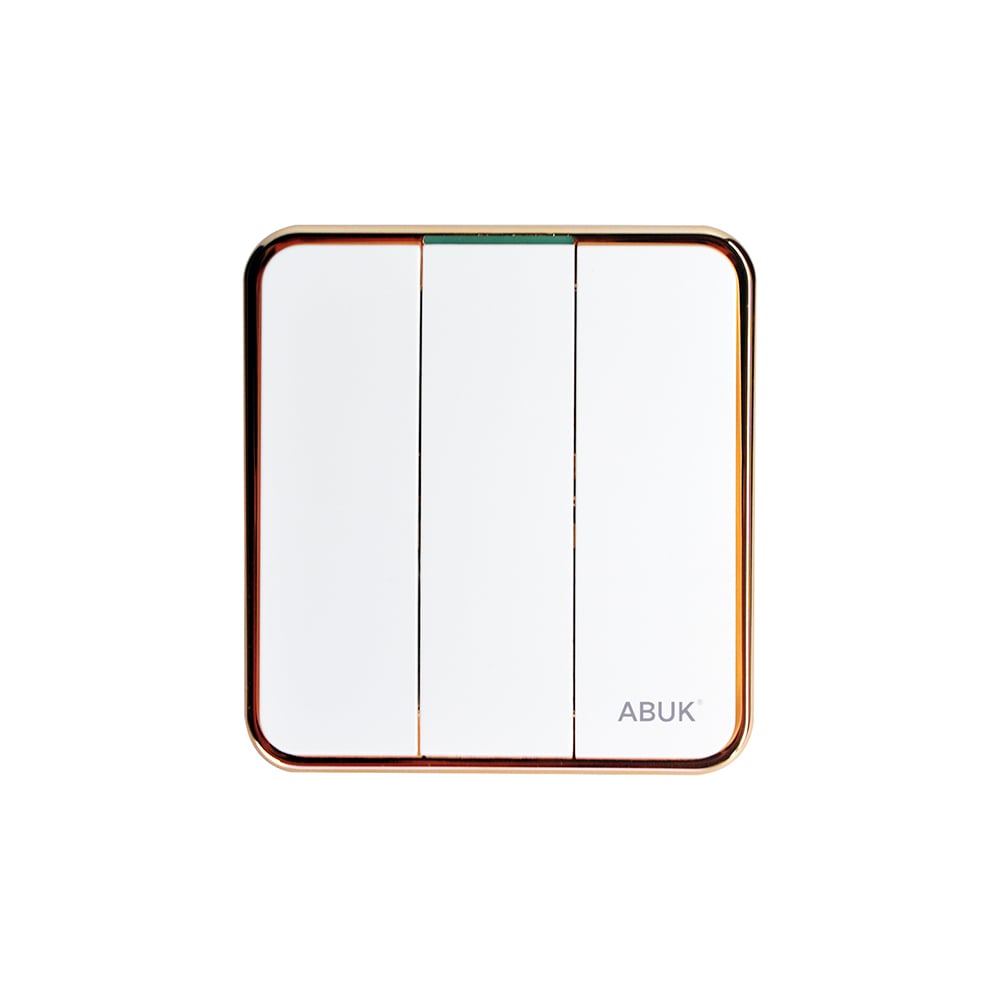

How Many Volts Is a Standard Outlet?
When a technical engineer in Texas encountered a voltage selection problem for a small commercial renovation, he checked a supplier catalog, assumed every “standard outlet” delivered the same voltage, and approved a mixed batch of wall sockets for office areas, pantry appliances, and equipment rooms. Within one week, the contractor reported appliance mismatches, unclear inspection comments, and confusion over whether the project needed 120V, 240V, or international-style socket options. The problem was not the socket quality; it was a misunderstanding of standard outlet voltage, plug socket voltage, local compliance, and how outlet volts change by country, application, frequency, and equipment rating.
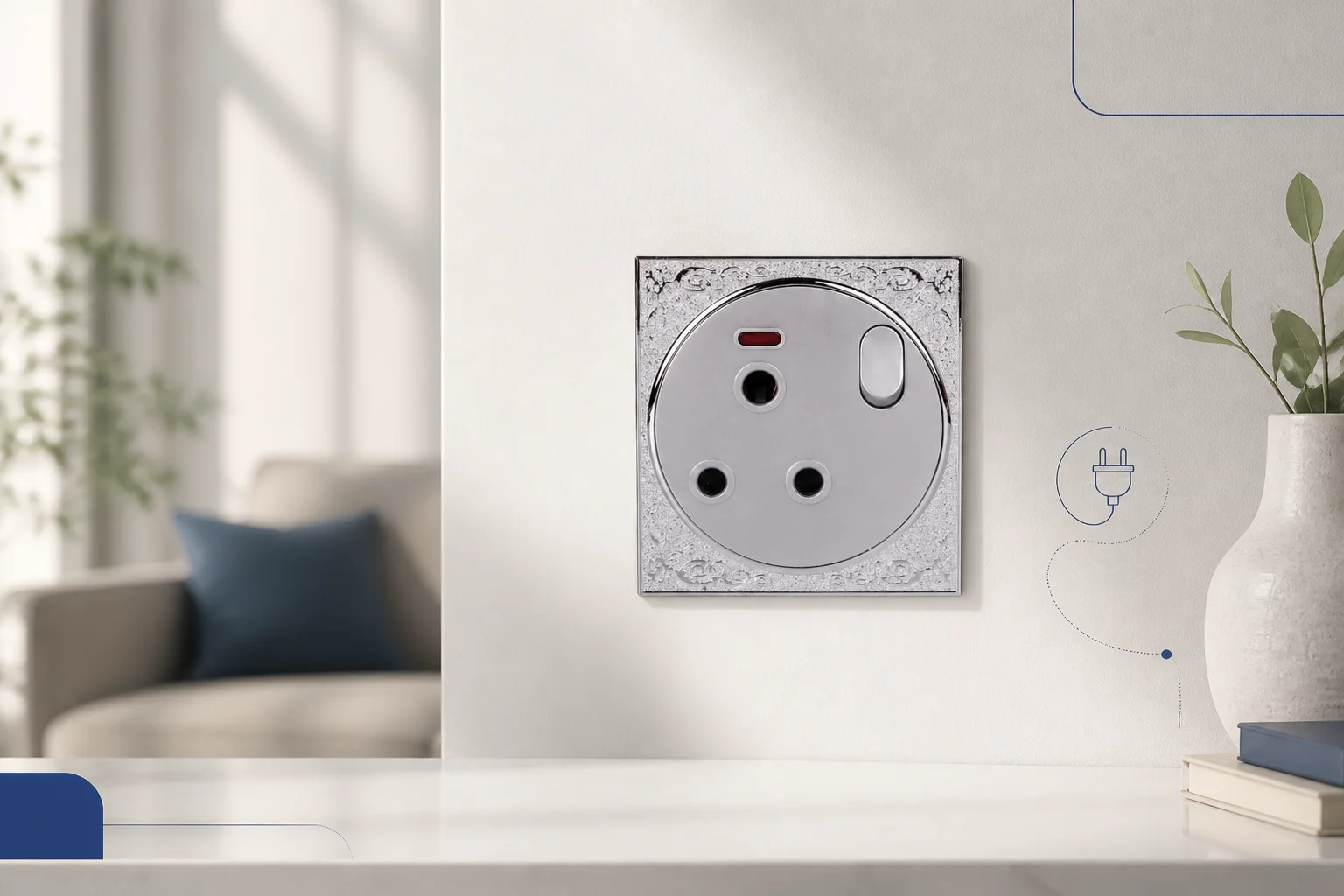
How Many Volts Is a Standard Outlet in the United States?
In the United States, the standard household outlet is typically 120V nominal. Many people casually call it 110V, 115V, or 120V, but in modern technical and procurement documents, 120V is the more accurate common reference.
For U.S. residential and light commercial buildings:
- Standard general-use receptacles are commonly 120V
- Common branch circuits are often 15A or 20A
- Frequency is typically 60Hz
- Larger appliances may use 240V
- Plug and receptacle shapes often follow NEMA-style configurations
The phrase US outlet voltage usually refers to the voltage supplied by common U.S. receptacles. For most normal wall outlets used for lamps, chargers, computers, routers, monitors, and small appliances, the answer is approximately 120 volts. However, the phrase US outlet volts can become confusing because the same building may also include 240V outlets for dryers, ovens, HVAC units, water heaters, workshop tools, or EV charging circuits.
From a standards perspective, NEC/NFPA-based installation practice does not treat voltage as an isolated number. A circuit must also match:
- Current rating
- Overcurrent protection
- Conductor sizing
- Grounding method
- Receptacle configuration
- Load type
- Local authority inspection requirements
NEMA resources also distinguish receptacle patterns by voltage and current rating. This matters because a 20A 120V receptacle, a 30A 240V receptacle, and a 50A 240V receptacle are not interchangeable, even if all of them are “outlets” in casual language.
For B2B buyers, the honest answer is this: a “standard U.S. outlet” usually means 120V, but a project specification should never stop there. It should also state amperage, frequency, plug configuration, grounding, certification requirement, and application.
Why Is Plug Socket Voltage Different by Country?
Plug socket voltage differs by country because electrical infrastructure developed under different national grid systems, safety codes, appliance traditions, and standardization histories.
Globally, many countries use household outlet voltages in the 220–240V range. Others use 100V, 120V, 127V, 230V, or 240V depending on the country and application. Frequency also varies; some markets use 50Hz, while others use 60Hz.
Common examples include:
- United States: commonly 120V / 60Hz for standard outlets
- Canada: commonly 120V / 60Hz for standard outlets
- United Kingdom: commonly around 230V / 50Hz
- European Union markets: commonly around 230V / 50Hz
- GCC / Middle East: commonly 220–240V / 50Hz depending on country and project
- China: commonly 220V / 50Hz
- Japan: commonly 100V, with 50Hz or 60Hz depending on region
IEC-based practices provide an international reference framework, but local authorities still control installation rules, approval procedures, and inspection requirements. That is why a socket that appears suitable in one country may not be suitable in another.
A thin but important topic many generic articles miss is frequency compatibility. Voltage is only one part of the electrical supply. A motor, transformer, clock, compressor, or appliance designed for 60Hz may not perform correctly on 50Hz, even if the voltage looks acceptable. For example, a device labeled “120V 60Hz” should not automatically be treated as compatible with a 220–240V 50Hz market.
Another overlooked issue is voltage tolerance. Some appliances are rated for a range, such as 100–240V, 50/60Hz, which is common for laptop chargers and phone adapters. Other devices have a narrow rating and require a dedicated voltage. B2B buyers should read the appliance nameplate instead of assuming that a plug adapter solves the problem.
In procurement terms, international outlet selection should start with country and application, not product appearance.
Is Plug Shape Enough to Identify Voltage?
No. Plug shape can help identify possible voltage and current class, but it is not enough to confirm actual voltage.
A plug and socket system is partly mechanical and partly electrical. The visible shape helps prevent obvious mismatches, but the actual electrical suitability depends on ratings and installation. Two outlets may look similar while having different:
- Voltage ratings
- Current ratings
- Frequency expectations
- Grounding systems
- Polarization rules
- Certification requirements
- Local wiring practices
For North American applications, NEMA configurations help organize plug and receptacle designs by voltage and amperage. For international applications, IEC-based systems and national plug standards create different physical formats. However, neither plug shape nor faceplate design should replace rating labels, drawings, inspection requirements, or appliance nameplates.
A second thin point that many competitors do not explain is grounding system compatibility. A socket may match the voltage but still be unsuitable if the grounding method is wrong. Grounding affects shock protection, fault clearing, equipment safety, and inspection acceptance. For commercial projects, local inspectors may reject a device that does not match grounding expectations even if the voltage is technically correct.
A third overlooked point is rated current vs actual load. A wall socket rated for 10A, 13A, 15A, 16A, or 20A may be visually similar across product families, but its safe application depends on the load. A high-wattage heater, kitchen appliance, or equipment tool may require a specific current rating and circuit protection.
For example, using the basic formula:
Watts = Volts × Amps
A 120V 15A circuit can theoretically supply:
120V × 15A = 1,800W
A 230V 13A circuit can theoretically supply:
230V × 13A = 2,990W
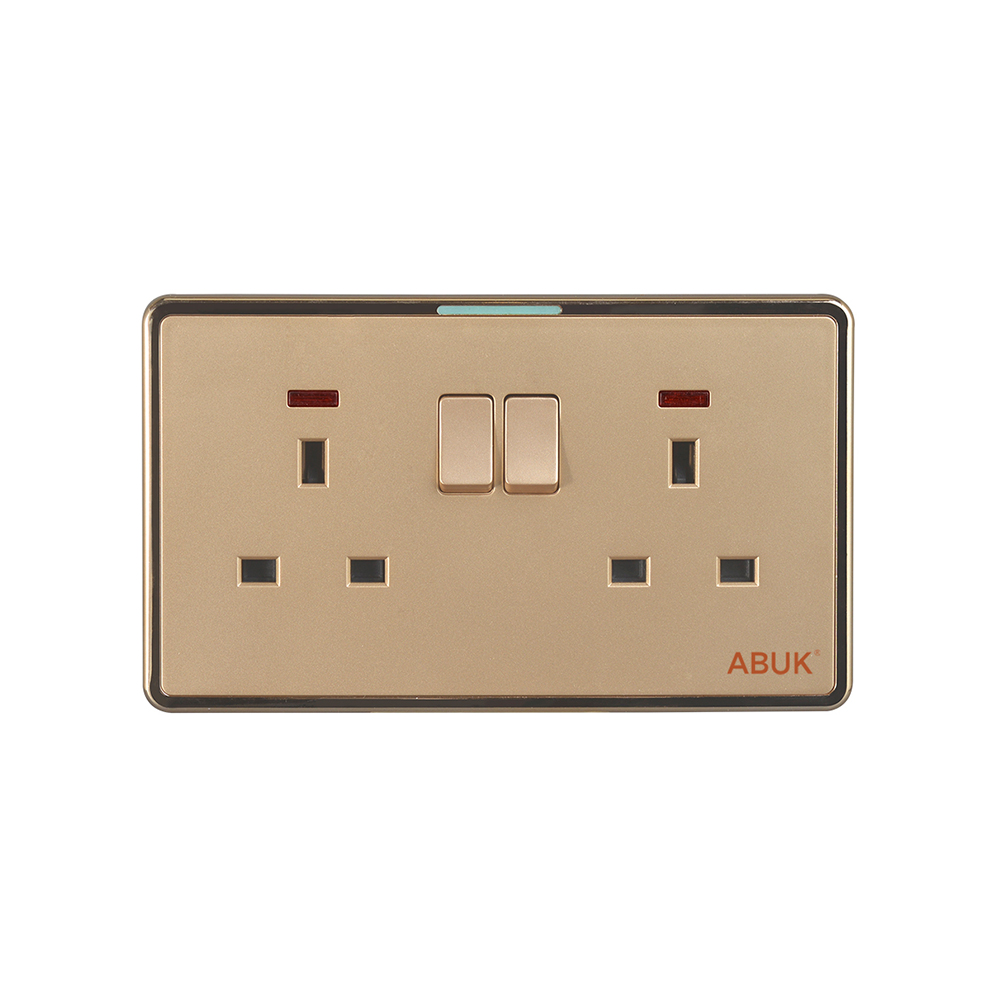
The numbers show why voltage and current must be evaluated together. A buyer cannot select a Wall Socket only by looking at the plate design or plug opening.
What Happens If the Wrong Voltage Is Used?
Using the wrong voltage can cause poor performance, equipment damage, failed inspection, or safety hazards.
The risk depends on whether the appliance receives too little voltage or too much voltage.
If the voltage is too low
Under-voltage may cause:
- Motors to start slowly or fail to start
- Compressors to overheat
- Equipment to draw higher current than expected
- Lights to dim
- Electronic devices to malfunction
- Reduced performance and shorter service life
If the voltage is too high
Over-voltage may cause:
- Immediate appliance damage
- Burned components
- Insulation stress
- Fire risk
- Shock hazard
- Warranty disputes
- Liability exposure
ESFI and OSHA electrical safety guidance emphasize that electrical verification should be handled by qualified personnel using suitable testing procedures. For B2B buyers, this means field teams should not guess outlet voltage with informal methods; they should verify using approved instruments and follow site safety rules.
Another thin topic worth addressing is temporary power during construction. A project may use temporary outlets, extension points, or site distribution boxes before final wall sockets are installed. If temporary power differs from the final specified voltage, appliances or testing equipment may be damaged before handover. Procurement teams and contractors should mark temporary voltage clearly and separate it from finished-area socket specifications.
Wrong voltage also creates commercial costs:
- Returned wall socket inventory
- Rework labor
- Delayed project handover
- Failed consultant review
- Import documentation disputes
- Replacement orders
- Damage to distributor reputation
For international buyers, the safest rule is simple: treat voltage as a controlled specification, not a casual assumption.
Standard Outlet Voltage by Use Case
| Use Case | Typical Voltage | Frequency | Common Region | Procurement Note | Compliance Concern |
|---|---|---|---|---|---|
| U.S. household outlet | 120V nominal | 60Hz | United States | Confirm US outlet voltage, 15A or 20A circuit, and NEMA type | NEC/NFPA and local inspection |
| U.S. large appliance outlet | 240V nominal | 60Hz | United States | Used for dryers, ovens, HVAC, EV charging | NEMA configuration, breaker, grounding |
| European household outlet | Around 230V | 50Hz | EU markets | Confirm plug type and rated current | CE, RoHS, national rules |
| GCC residential/commercial outlet | Often 220–240V | Usually 50Hz | Gulf markets | Confirm GCC conformity and project requirements | GCC approval and import clearance |
| UK socket outlet | Around 230V | 50Hz | United Kingdom | Commonly associated with fused plug systems | Local wiring rules and approvals |
| Industrial or project-specific outlet | Varies | 50Hz or 60Hz | Global projects | May involve dedicated circuits or special connectors | Site-specific engineering review |
This table shows why “standard” is market-specific. A correct wall socket selection depends on voltage, current, frequency, plug type, grounding, certification, and installation environment. For distributors and project suppliers, this is the difference between market-ready inventory and expensive returns.
Regional Outlet Voltage Matrix
| Region / Market | Common Outlet Voltage | Frequency | Typical Plug / Socket Context | Buyer Risk | Recommended Check |
|---|---|---|---|---|---|
| United States | 120V for standard outlets; 240V for large appliances | 60Hz | NEMA-style receptacles | Confusing 110V, 115V, and 120V terminology | Confirm US outlet volts, amperage, and NEMA configuration |
| Canada | 120V for standard outlets; 240V for large appliances | 60Hz | Similar North American context | Assuming every outlet is 120V | Verify appliance and circuit requirements |
| United Kingdom | Around 230V | 50Hz | UK-style socket systems | Ignoring plug fuse and local wiring rules | Confirm voltage, current, and local approval |
| European Union | Around 230V | 50Hz | Various national plug systems | Treating all EU socket formats as identical | Confirm country-specific plug and CE/RoHS needs |
| GCC / Middle East | Often 220–240V | Usually 50Hz | Project-specific socket requirements | Import and conformity issues | Confirm GCC requirements and project consultant approval |
| China | Commonly 220V | 50Hz | China-market socket systems | Assuming compatibility with U.S. devices | Check appliance input range and plug type |
| Japan | Commonly 100V | 50Hz or 60Hz by region | Japan-specific context | Ignoring regional frequency split | Confirm both voltage and frequency |
| International project supply | 100V–240V depending on market | 50Hz or 60Hz | Mixed project specifications | One SKU used across incompatible markets | Build SKU matrix by country, voltage, plug type, and certification |
The practical message is that plug socket voltage should be part of a regional product matrix. A distributor serving North America, GCC, Europe, and Asia should not group products only by appearance or faceplate style.
Standards and Compliance: Why Outlet Voltage Is a Compliance Issue
Outlet voltage is not only a technical value. It is also a compliance and commercial risk factor.
For electrical products and wall-mounted devices, the following systems are relevant:
- CE: CE marking is relevant for applicable products placed in European Economic Area markets. It indicates conformity with applicable EU requirements, depending on product category.
- RoHS: RoHS restricts certain hazardous substances in electrical and electronic equipment. It is important for importers, distributors, and brand owners selling into regulated markets.
- GCC: GCC conformity requirements are relevant for Gulf markets where regulated product categories must meet applicable Gulf standards and approval processes.
- NEC / NFPA: NEC/NFPA-based installation practice is central to U.S. electrical installation safety, including branch circuits, grounding, receptacle use, and overcurrent protection.
- NEMA: NEMA helps define North American plug and receptacle configurations by voltage, current, and mechanical format.
- IEC: IEC standards provide international references for electrical systems, safety testing, and product design frameworks.
- UL: UL product safety resources are widely referenced in North American product evaluation and certification contexts.
Non-compliance can lead to:
- Failed inspection
- Product rejection
- Import clearance delays
- Fire or shock risk
- Warranty disputes
- Liability exposure
- Distributor trust loss
A thin but practical compliance topic is label consistency. Product labels, cartons, datasheets, and installation instructions should all state ratings consistently. If a datasheet says one voltage range while packaging says another, consultants and importers may question the shipment even before installation.
Another overlooked topic is replacement market compatibility. Renovation projects often replace older sockets while keeping existing wiring. In such cases, the buyer must confirm whether the old wiring, breaker, grounding, and outlet box are suitable for the new wall socket. A compliant product can still be misapplied if the existing installation is incompatible.
Selection Guide: How B2B Buyers Can Avoid Outlet Voltage Mistakes
1. Confirm the country first, then the outlet voltage
Before selecting a wall socket, buyers should identify the target country and project type. US outlet voltage is not the same as outlet voltage in the UK, EU, GCC, China, or Japan.
2. Read the appliance nameplate before choosing the socket
The appliance label gives the most direct answer. It may state 120V 60Hz, 220–240V 50Hz, or 100–240V 50/60Hz. This should guide socket and circuit selection.
3. Check voltage, current, frequency, grounding, and plug type together
Voltage alone is incomplete. A correct product selection also needs amperage, frequency, grounding method, wiring practice, and plug/receptacle compatibility.
4. Do not assume plug shape equals voltage
Plug shape can help prevent mismatch, but it does not prove actual voltage. Rating labels, testing, drawings, and local code review are still necessary.
5. Match documentation to target market certification
For B2B orders, buyers should request certificates, datasheets, product labels, installation instructions, and packaging details before bulk shipment.
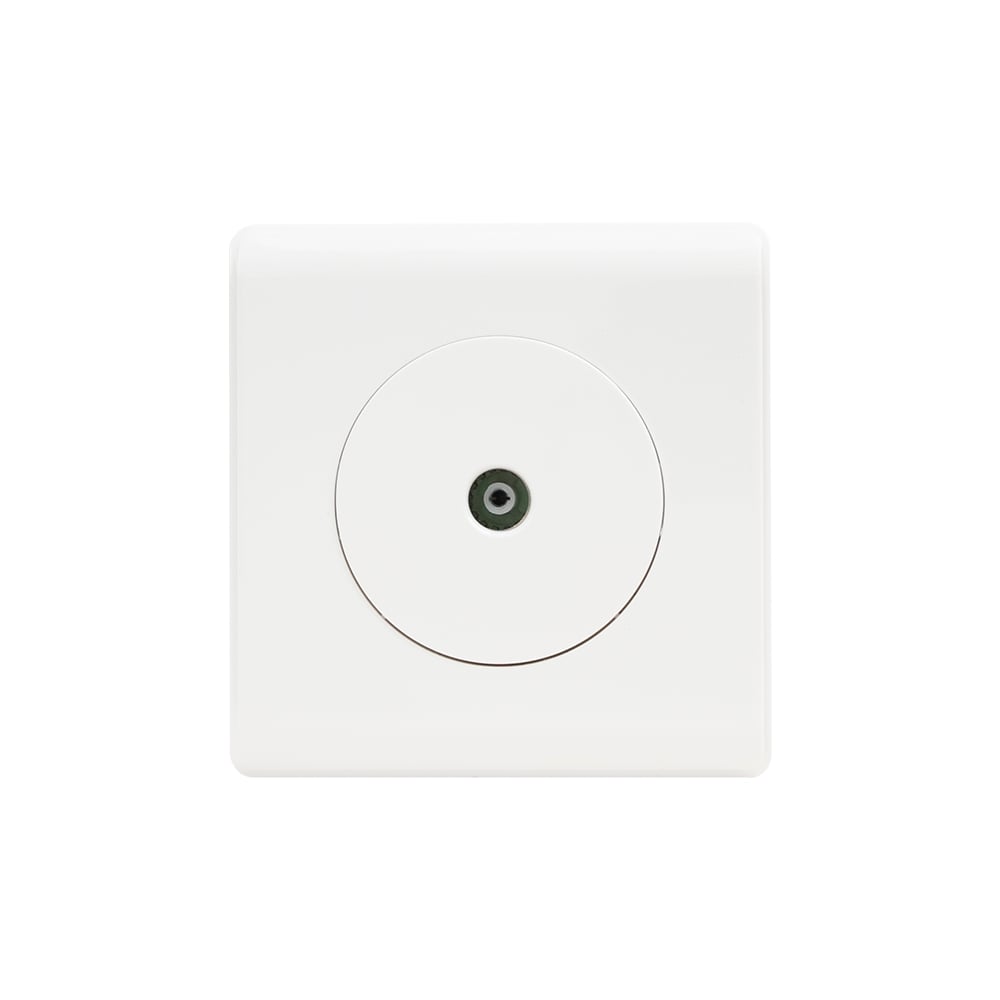
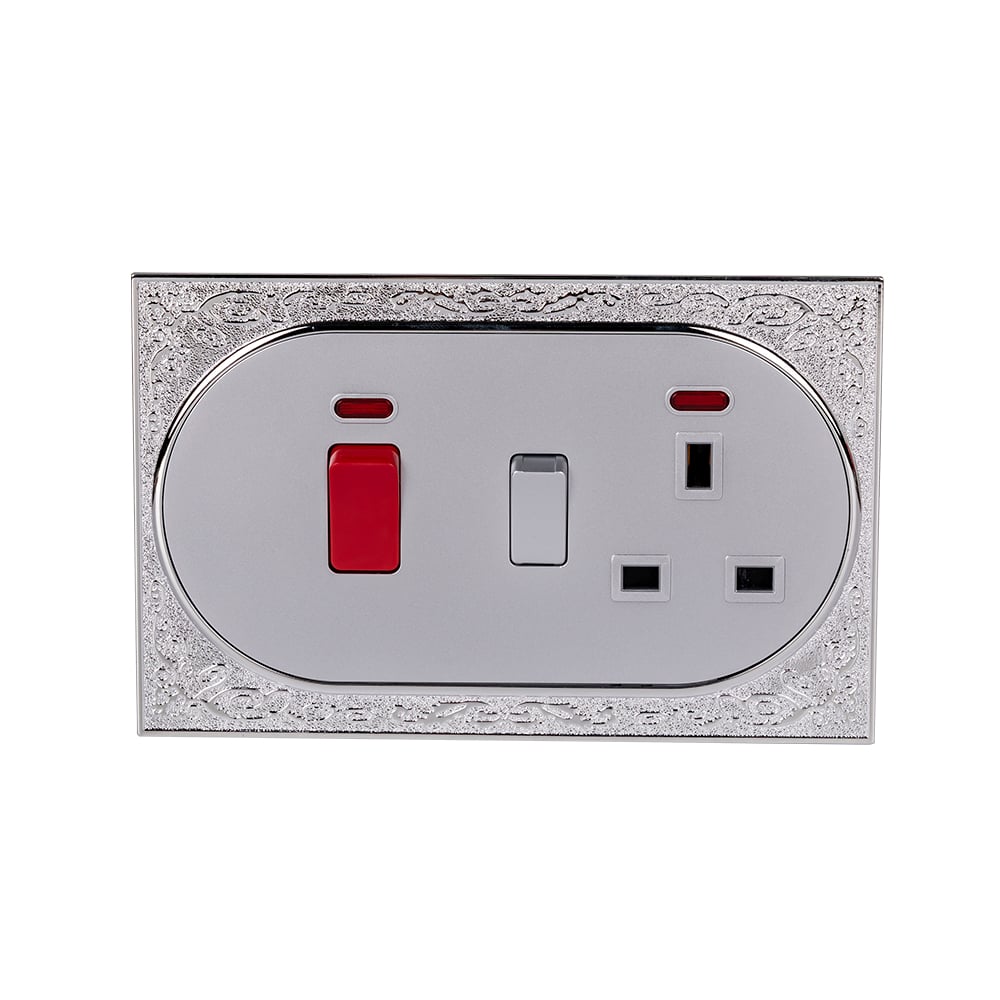
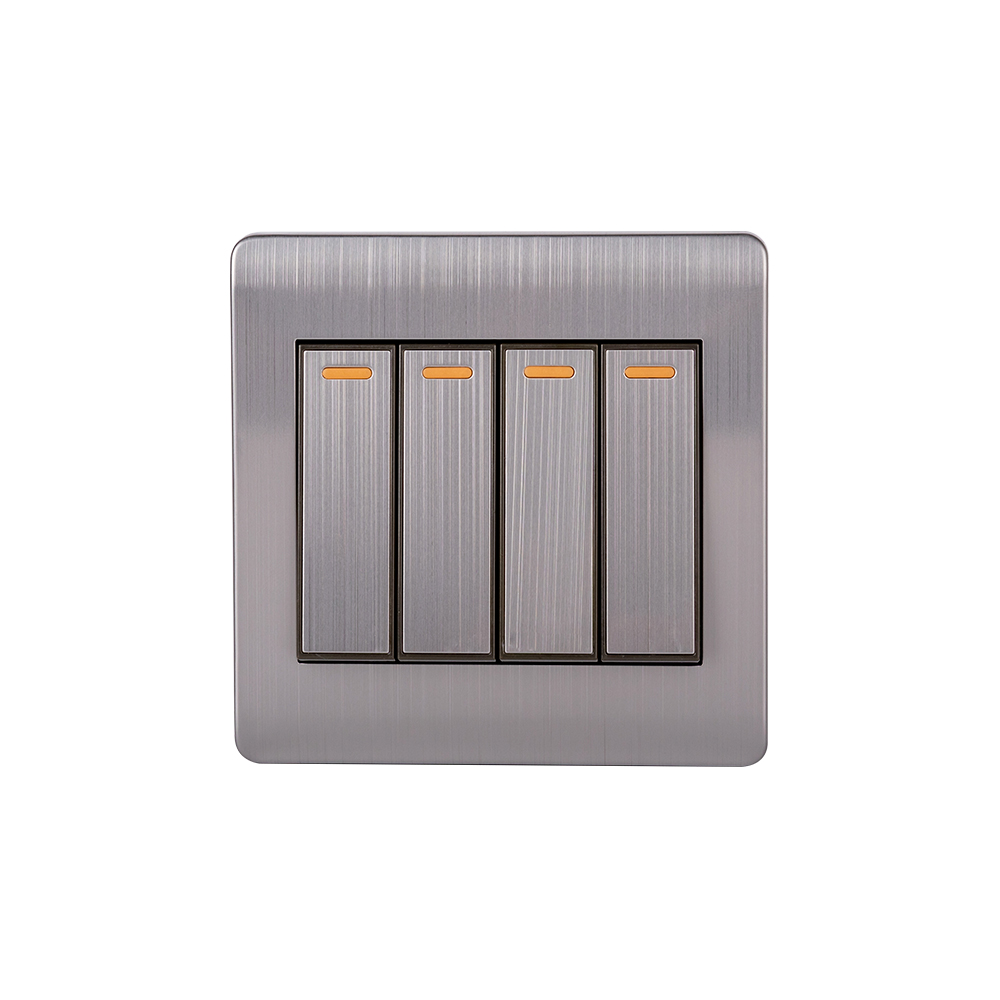
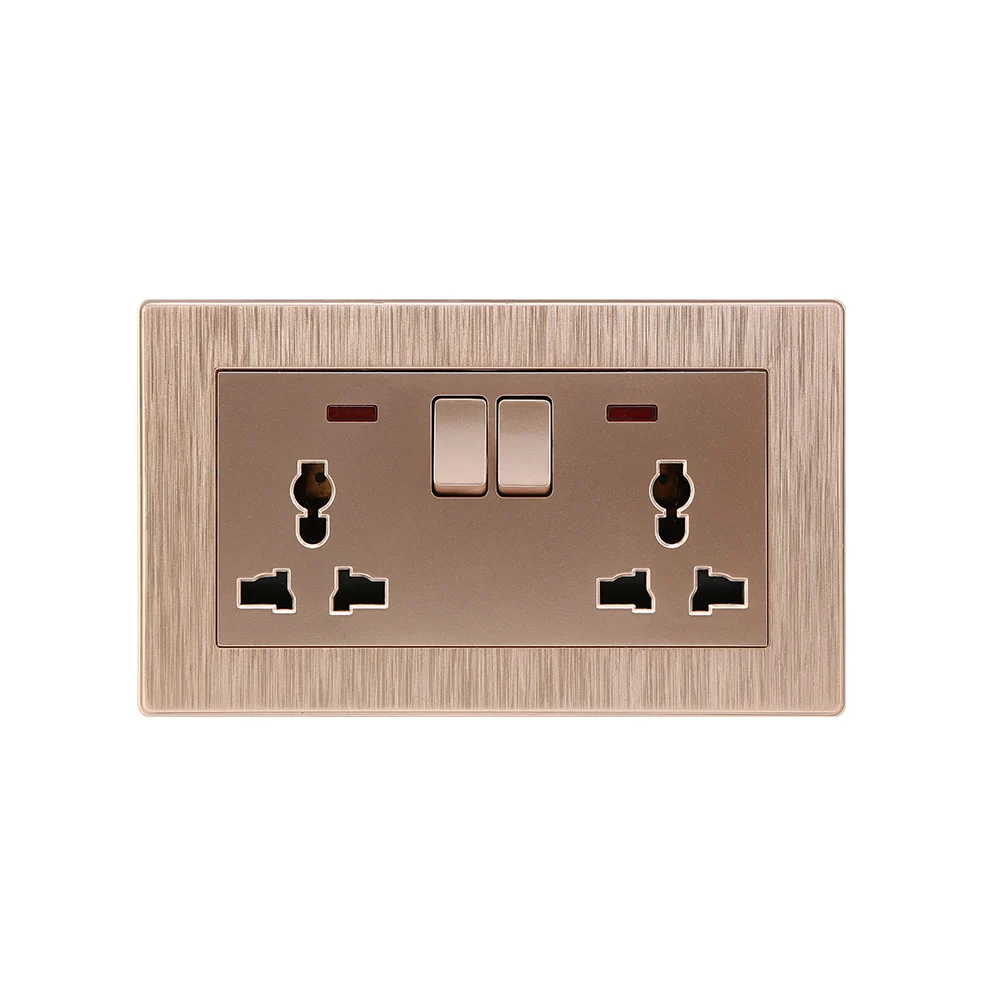
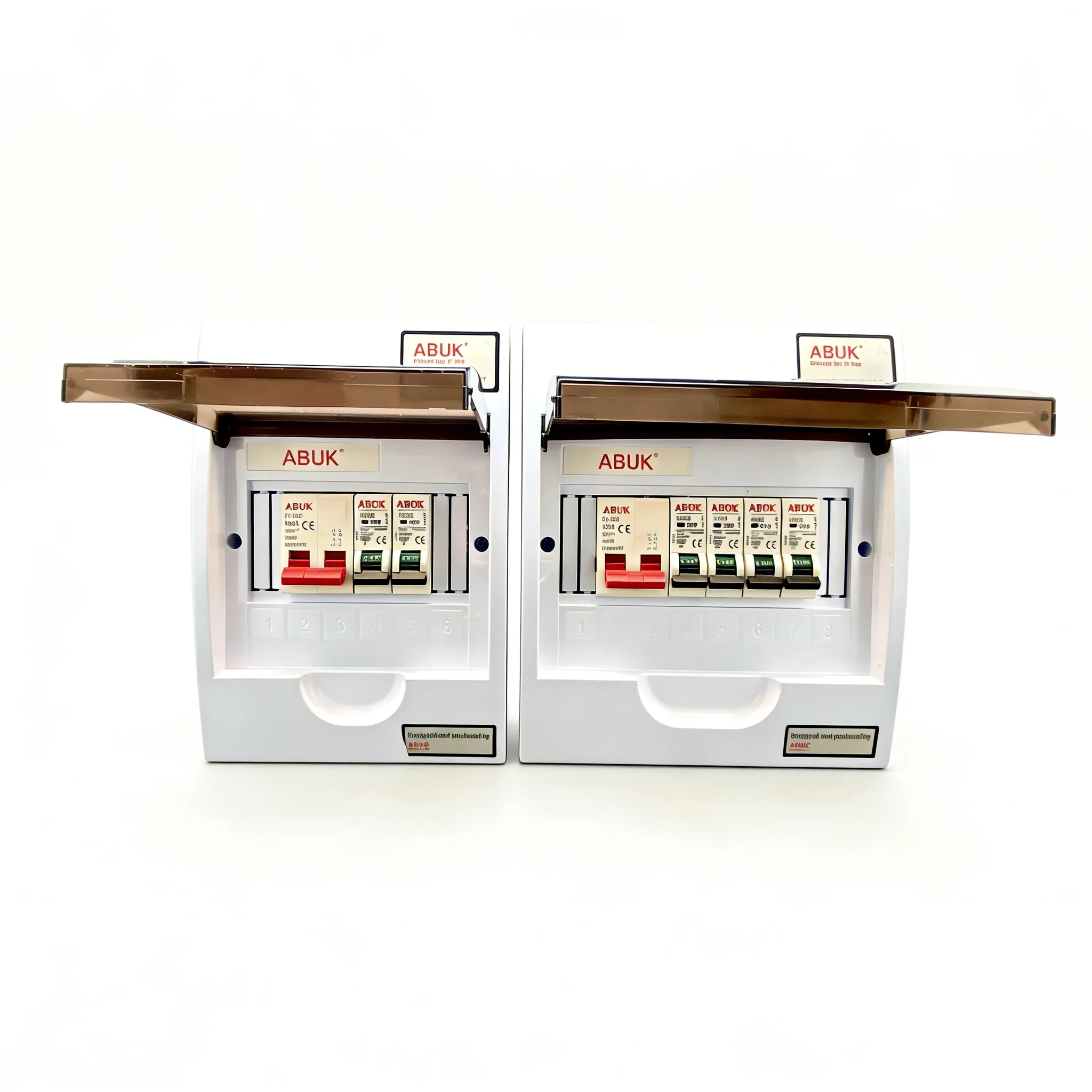
ABUK provides mechanical wall switches, Wall Switch Socket products and related Wall Socket solutions with CE, RoHS and GCC certification for B2B projects that require consistent compliance documentation and market-ready electrical product selection.
FAQ
Does Hong Kong use 110V or 220V?
Hong Kong commonly uses 220V electricity at 50Hz for standard household and commercial plug sockets. It does not generally use the North American 110V/120V system for regular outlets. For B2B buyers, this means products intended for Hong Kong projects should be checked against local voltage, plug type, current rating, and compliance requirements. The honest answer is that plug shape alone is not enough; the appliance nameplate and local installation rules should always be verified.
What is the voltage of a plug socket?
The voltage of a plug socket depends on the country and the circuit type. In the United States, a regular household outlet is usually about 120V, while many countries use 220–240V for standard outlets. Some circuits, such as appliance outlets, may use higher voltage even within the same building. For procurement teams, plug socket voltage should be confirmed by checking the target market, appliance label, socket rating, frequency, grounding method, and local electrical code.
Is a wall plug 240V?
A wall plug is not always 240V. In many international markets, regular wall sockets are commonly around 220–240V, but in the United States and Canada, standard household outlets are usually about 120V. Some U.S. wall outlets are 240V, but they are typically used for larger appliances such as dryers, ovens, HVAC equipment, or EV charging. We recommend treating wall socket voltage as a specification rather than assuming every wall plug has the same voltage.
Are US outlets 110 or 220?
Common US household outlets are usually described as 120V, although many people still casually say 110V. The older terms 110V and 115V are often used in everyday speech, but 120V is the more accurate modern nominal reference for standard U.S. receptacles. However, U.S. buildings may also include 240V outlets for large appliances. For project documents, buyers should specify US outlet voltage, amperage, frequency, NEMA configuration, grounding, and application.
How many volts is a regular US outlet?
A regular US outlet is typically about 120 volts at 60Hz. This applies to common household and light commercial receptacles used for lamps, phone chargers, computers, routers, and small appliances. However, not every outlet in the U.S. is 120V; dedicated circuits for dryers, ranges, HVAC units, and EV chargers may be 240V. For B2B buyers, US outlet volts should always be confirmed against circuit drawings, appliance nameplates, and local electrical requirements.
Are American plugs 110V or 220V?
American plugs for normal household devices are commonly associated with 120V power, even though people often call them 110V. Larger American appliances may use 240V plugs and receptacles. This means there is no single answer for all American plugs. The correct voltage depends on the appliance, plug configuration, receptacle type, and circuit design. NEMA configurations help distinguish different plug and receptacle types, but the final confirmation should come from the equipment rating and installation documentation.
How many volts are US outlets?
US outlets are commonly 120V for standard household use and 240V for many larger appliances. Therefore, the answer depends on the outlet type. A general wall outlet in a bedroom, office, or living area is usually 120V, while a dryer, oven, HVAC, workshop, or EV charging outlet may be 240V. For international distributors and contractors, US outlet voltage should be specified together with current rating, frequency, grounding, and receptacle configuration.
{
“@context”: “https://schema.org”,
“@type”: “FAQPage”,
“mainEntity”: [
{
“@type”: “Question”,
“name”: “Does Hong Kong use 110V or 220V?”,
“acceptedAnswer”: {
“@type”: “Answer”,
“text”: “Hong Kong commonly uses 220V electricity at 50Hz for standard household and commercial plug sockets. It does not generally use the North American 110V/120V system for regular outlets. For B2B buyers, this means products intended for Hong Kong projects should be checked against local voltage, plug type, current rating, and compliance requirements. The honest answer is that plug shape alone is not enough; the appliance nameplate and local installation rules should always be verified.”
}
},
{
“@type”: “Question”,
“name”: “What is the voltage of a plug socket?”,
“acceptedAnswer”: {
“@type”: “Answer”,
“text”: “The voltage of a plug socket depends on the country and the circuit type. In the United States, a regular household outlet is usually about 120V, while many countries use 220–240V for standard outlets. Some circuits, such as appliance outlets, may use higher voltage even within the same building. For procurement teams, plug socket voltage should be confirmed by checking the target market, appliance label, socket rating, frequency, grounding method, and local electrical code.”
}
},
{
“@type”: “Question”,
“name”: “Is a wall plug 240V?”,
“acceptedAnswer”: {
“@type”: “Answer”,
“text”: “A wall plug is not always 240V. In many international markets, regular wall sockets are commonly around 220–240V, but in the United States and Canada, standard household outlets are usually about 120V. Some U.S. wall outlets are 240V, but they are typically used for larger appliances such as dryers, ovens, HVAC equipment, or EV charging. We recommend treating wall socket voltage as a specification rather than assuming every wall plug has the same voltage.”
}
},
{
“@type”: “Question”,
“name”: “Are US outlets 110 or 220?”,
“acceptedAnswer”: {
“@type”: “Answer”,
“text”: “Common US household outlets are usually described as 120V, although many people still casually say 110V. The older terms 110V and 115V are often used in everyday speech, but 120V is the more accurate modern nominal reference for standard U.S. receptacles. However, U.S. buildings may also include 240V outlets for large appliances. For project documents, buyers should specify US outlet voltage, amperage, frequency, NEMA configuration, grounding, and application.”
}
},
{
“@type”: “Question”,
“name”: “How many volts is a regular US outlet?”,
“acceptedAnswer”: {
“@type”: “Answer”,
“text”: “A regular US outlet is typically about 120 volts at 60Hz. This applies to common household and light commercial receptacles used for lamps, phone chargers, computers, routers, and small appliances. However, not every outlet in the U.S. is 120V; dedicated circuits for dryers, ranges, HVAC units, and EV chargers may be 240V. For B2B buyers, US outlet volts should always be confirmed against circuit drawings, appliance nameplates, and local electrical requirements.”
}
},
{
“@type”: “Question”,
“name”: “Are American plugs 110V or 220V?”,
“acceptedAnswer”: {
“@type”: “Answer”,
“text”: “American plugs for normal household devices are commonly associated with 120V power, even though people often call them 110V. Larger American appliances may use 240V plugs and receptacles. This means there is no single answer for all American plugs. The correct voltage depends on the appliance, plug configuration, receptacle type, and circuit design. NEMA configurations help distinguish different plug and receptacle types, but the final confirmation should come from the equipment rating and installation documentation.”
}
},
{
“@type”: “Question”,
“name”: “How many volts are US outlets?”,
“acceptedAnswer”: {
“@type”: “Answer”,
“text”: “US outlets are commonly 120V for standard household use and 240V for many larger appliances. Therefore, the answer depends on the outlet type. A general wall outlet in a bedroom, office, or living area is usually 120V, while a dryer, oven, HVAC, workshop, or EV charging outlet may be 240V. For international distributors and contractors, US outlet voltage should be specified together with current rating, frequency, grounding, and receptacle configuration.”
}
}
]
}
References
- NFPA 70: National Electrical Code
NFPA 70, commonly known as the National Electrical Code, is a primary reference for electrical installation safety practices in the United States. - NEMA Wiring Devices Dimensional Specifications
NEMA provides dimensional and configuration guidance for wiring devices, including plug and receptacle patterns used in North American applications. - UL Solutions Product Certification
UL provides product safety testing and certification services for electrical and electronic products, including wiring devices and related equipment. - Electrical Safety Foundation International
ESFI offers electrical safety education and guidance for consumers, contractors, and businesses. - IEC International Standards
IEC develops international standards for electrical, electronic, and related technologies used across global markets. - European Commission RoHS Directive
The RoHS Directive restricts the use of certain hazardous substances in electrical and electronic equipment sold in applicable European markets. - Gulf Standardization Organization
GSO supports standardization and conformity frameworks for Gulf Cooperation Council markets, including product compliance requirements relevant to electrical goods.
A“standard outlet” is only standard inside a specific market. For international projects, outlet voltage must be treated as a specification, not an assumption. The strongest procurement decisions come from matching voltage, frequency, current, grounding, plug type, certification, and documentation before the order is placed.
ABUK builds mechanical wall switches, Wall Switch Socket products and related Wall Socket solutions for the moment when voltage selection has to become reliable project supply. To explore compliant options for B2B projects, visit: https://abukelec.com/wall-switch-socket/