
 Wenzhou Lita Electric Co., Ltd.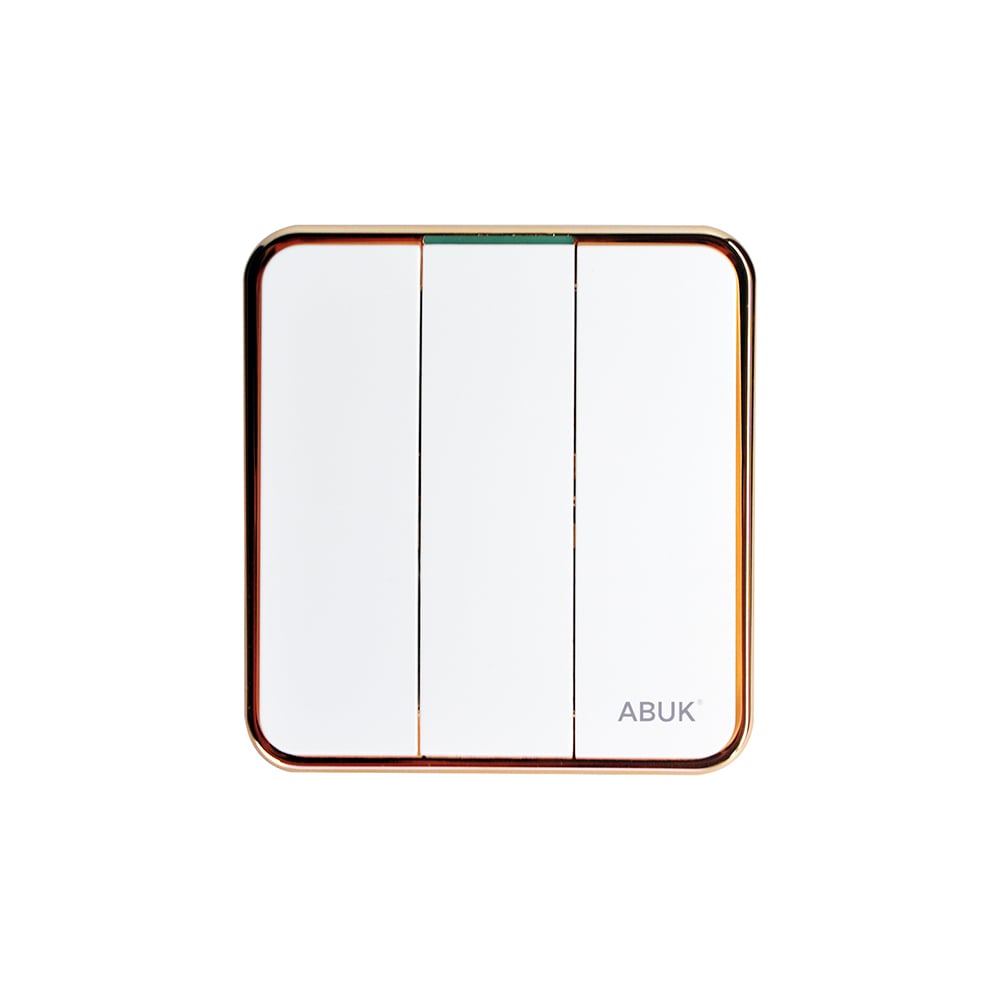


Difference Between 2 Way Switch And 3 Way Switch
When a project manager in Dubai, UAE, encountered a sudden wiring nightmare during a luxury villa project, his first reaction was to blame the supplier. He had ordered hundreds of standard switches and confidently handed them over to the electrical contracting team. However, during the initial site testing, the staircase and hallway lighting could not be controlled independently from both the top and bottom floors. The resulting rework caused a failed municipal inspection and a costly two-week delay. The later inspection changed the diagnosis: the switches were not defective. The project manager had misunderstood the regional terminology, confusing European and North American wiring standards. He ordered standard single-pole switches instead of the correct multi-location switches, proving that a simple misunderstanding of electrical nomenclature can derail an entire project.
Summary: The core difference between a 2-way switch and a 3-way switch often comes down to regional terminology rather than function. In the UK, EU, and Middle East, a “2-way switch” controls one light from two different locations. In North America (US/Canada), this exact same function requires a “3-way switch.” Understanding this distinction is critical for cross-border procurement. We recommend verifying local electrical codes, checking terminal markings (COM/L1/L2 vs. Common/Traveler), and ensuring CE or GCC compliance before bulk purchasing.
The global electrical equipment market is highly standardized, yet terminology remains a persistent hurdle. According to industry procurement data, nearly 30% of sourcing errors in international construction projects stem from mismatched regional nomenclature. For B2B buyers, distributors, and engineering contractors, understanding the 3 way switch vs 2 way switch distinction is the first step in ensuring project compliance and operational safety.
How Does a 2-Way Switch Work? (UK / EU / Middle East Standard)
In regions following British Standard (BS) or International Electrotechnical Commission (IEC) guidelines, a switch designed to control a single lighting circuit from two separate locations is called a 2-way switch.
- Terminals: It typically features three terminals labeled COM (Common), L1, and L2.
- Mechanism: The electrical current enters the COM terminal and is directed to either L1 or L2, depending on the toggle position.
- Application: Staircases, long hallways, or rooms with two entry doors.
How Does a 3-Way Switch Work? (North American Standard)
Under the National Electrical Code (NEC) used in the United States and Canada, the exact same functional requirement—controlling one light from two locations—is fulfilled by a 3-way switch.
- Terminals: It also has three terminals, but they are referred to as the Common terminal (usually a black or dark screw) and two Traveler terminals (usually brass screws), plus a ground screw.
- Mechanism: The switch toggles the connection between the Common terminal and one of the two Traveler wires, completing the circuit when both switches in the setup align on the same traveler path.
The Core Wiring Logic and Hidden Costs
When evaluating a 2 way switch vs 3 way switch, the internal mechanical logic is nearly identical: both are Single Pole Double Throw (SPDT) devices. The confusion arises purely from geographical naming conventions. If a procurement manager buys US-standard 3-way switches for a Middle Eastern project requiring GCC certification, the installation will likely fail local compliance audits, leading to severe ROI impacts due to replacement costs and project delays.
Technical Comparison: 2 Way Switch vs 3 Way Switch
To clarify the technical and regional boundaries, we have mapped out the core differences. Understanding this table will help you decide whether you need a two way or three way switch for your specific market.
| Feature / Dimension | 2-Way Switch (UK/EU/Asia/ME) | 3-Way Switch (North America) |
|---|---|---|
| Primary Function | Controls 1 light from 2 locations | Controls 1 light from 2 locations |
| Switch Type | Single Pole Double Throw (SPDT) | Single Pole Double Throw (SPDT) |
| Terminal Naming | COM, L1, L2 | Common, Traveler 1, Traveler 2 |
| Grounding | Often relies on back box earthing | Dedicated ground screw required |
| Governing Standards | IEC 60669-1, BS EN 60669 | UL 20, CSA C22.2, NEC |
| Typical Voltage | 220V – 240V | 110V – 120V |
Regional Terminology and Compliance Matrix
To maximize procurement accuracy, buyers must align their terminology with the target installation region. Alongside global players like Schneider Electric, Legrand, and ABB, professional B2B manufacturers must adapt to these regional matrices.
| Target Region | To control a light from 1 location | To control a light from 2 locations | To control a light from 3+ locations | Required Certifications |
|---|---|---|---|---|
| UK / Middle East | 1-Way Switch | 2-Way Switch | Intermediate Switch | CE, RoHS, GCC, BS |
| Europe (General) | 1-Way Switch | 2-Way Switch | Intermediate / Crossover | CE, RoHS, IEC |
| North America | Single-Pole Switch | 3-Way Switch | 4-Way Switch | UL, ETL, CSA |
Standards, Compliance, and Commercial Risks
Electrical switches are critical safety devices. Regardless of whether you are installing a 3 way switch vs 2 way switch, the product must comply with regional safety directives.
- CE (Conformité Européenne): Mandatory for the European Economic Area, ensuring the product meets health, safety, and environmental protection standards (specifically IEC 60669 for switches).
- RoHS: Restricts the use of specific hazardous materials found in electrical products.
- GCC (Gulf Conformity Mark): Essential for exporting to Middle Eastern countries like the UAE and Saudi Arabia.
Ignoring these standards can result in catastrophic commercial consequences, including confiscated shipments at customs, failed building inspections, nullified insurance policies in the event of an electrical fire, and severe reputational damage.
Selection Guide: Avoiding Procurement Pitfalls
When specifying mechanical wall switches for large-scale engineering projects, we recommend the following practical steps to avoid costly rework:
- Define the Region First: Before sending an RFQ, confirm the terminology of the destination country. Do not ask for a “3-way switch” if the project is in Dubai; ask for a “2-way switch.”
- Verify Terminal Markings: Ensure the technical drawings match your electricians’ expectations (look for COM/L1/L2 for IEC markets).
- Check Certification Validity: Always request updated compliance certificates. A product without proper regional certification is a liability.
- Plan for Capacity: Ensure the switch rating (e.g., 10AX or 16AX) matches the intended lighting load, especially when dealing with high-inrush LED circuits.
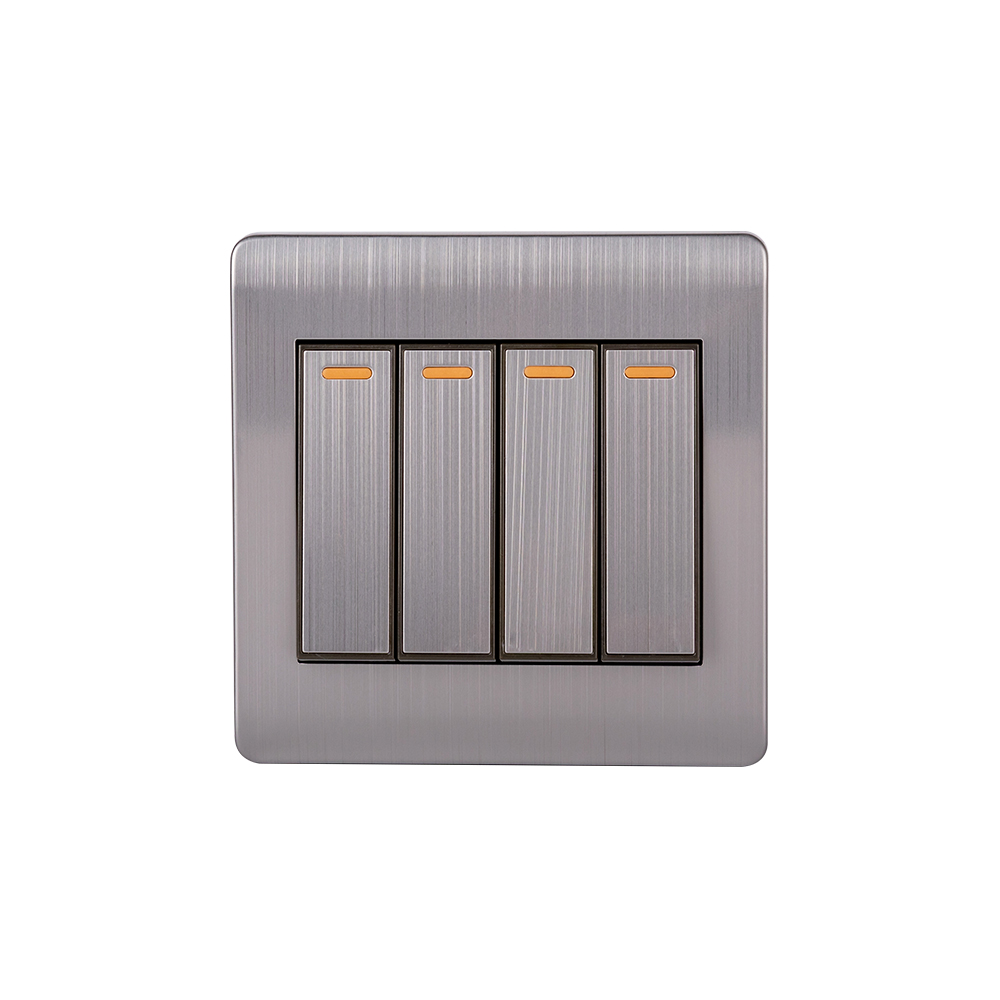
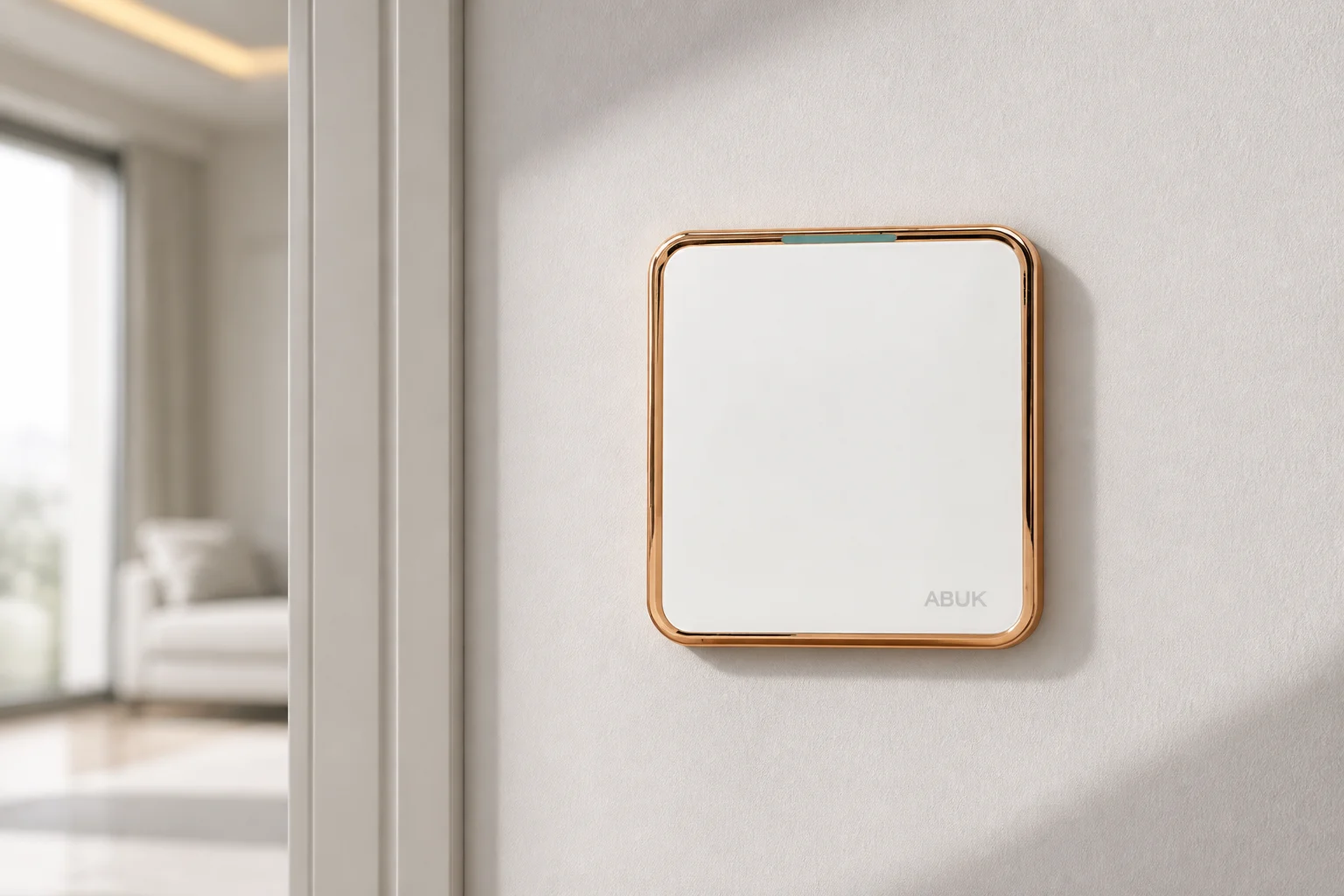
ABUK provides mechanical wall switches with CE, RoHS, and GCC certification, engineered specifically for B2B clients, engineering contractors, and distributors operating in international markets. By aligning our manufacturing processes with strict IEC standards, we ensure that our multi-location switches deliver reliable performance without compliance risks.

Frequently Asked Questions
Do I need a 2 way or 3 way switch?
The honest answer is that it depends entirely on your project’s geographical location. If you are in North America and need to control a light from two locations, you need a 3-way switch. If your project is in the UK, Europe, Asia, or the Middle East, you need a 2-way switch to achieve the exact same function.
Can a 3 way switch be used for 2 way?
Functionally, yes. Because both are Single Pole Double Throw (SPDT) devices, a North American 3-way switch operates exactly like a European 2-way switch. However, we strongly recommend against mixing them across borders due to differing voltage ratings (110V vs. 220V) and strict regional certifications (UL vs. CE/GCC).
When should a 3-way switch be used?
A 3-way switch (in North American terminology) should be used whenever you need to control a single lighting circuit from two separate locations. Common applications include the top and bottom of a staircase, both ends of a long hallway, or large rooms with two separate entry doors.
Can I use a 3-way switch as a single?
Yes, you can easily use a 3-way switch as a single-pole (1-way) switch. To do this, you simply connect the hot wire to the Common terminal and the load wire to just one of the Traveler terminals. The second Traveler terminal is left empty and safely capped.
Can a 3-way switch be used as a double pole?
No. A 3-way switch is an SPDT (Single Pole Double Throw) device, meaning it controls only one electrical circuit. A double pole switch is a DPST (Double Pole Single Throw) device designed to control two separate circuits simultaneously (often used to disconnect both the live and neutral wires for heavy appliances). They are not interchangeable.
How to tell if a switch is 2 way or 3-way?
You can tell by looking at the terminal markings and the region of manufacture. A UK/EU 2-way switch will have three terminals typically labeled COM, L1, and L2. A North American 3-way switch will also have three main terminals (one dark Common screw and two brass Traveler screws), plus a green grounding screw.
{
“@context”: “https://schema.org”,
“@type”: “FAQPage”,
“mainEntity”: [
{
“@type”: “Question”,
“name”: “Do I need a 2 way or 3 way switch?”,
“acceptedAnswer”: {
“@type”: “Answer”,
“text”: “The answer depends on your project location. In North America, a 3-way switch is used to control a light from two locations. In the UK, Europe, Asia, and the Middle East, the same function is achieved with a 2-way switch. Both are SPDT devices and functionally identical, but the terminology differs by region.”
}
},
{
“@type”: “Question”,
“name”: “Can a 3 way switch be used for 2 way?”,
“acceptedAnswer”: {
“@type”: “Answer”,
“text”: “Functionally yes, because both are Single Pole Double Throw (SPDT) switches. However, we strongly advise against mixing them across regions due to different voltage ratings (120V vs 220V) and certifications (UL vs CE/GCC), which can cause safety and compliance issues.”
}
},
{
“@type”: “Question”,
“name”: “When should a 3-way switch be used?”,
“acceptedAnswer”: {
“@type”: “Answer”,
“text”: “A 3-way switch (North American terminology) should be used when you need to control a single lighting circuit from two separate locations, such as the top and bottom of a staircase, both ends of a hallway, or large rooms with two entrances.”
}
},
{
“@type”: “Question”,
“name”: “Can I use a 3-way switch as a single?”,
“acceptedAnswer”: {
“@type”: “Answer”,
“text”: “Yes. You can easily use a 3-way switch as a single-pole (1-way) switch by connecting the hot wire to the Common terminal and the load wire to just one of the Traveler terminals. The unused traveler must be safely capped.”
}
},
{
“@type”: “Question”,
“name”: “Can a 3-way switch be used as a double pole?”,
“acceptedAnswer”: {
“@type”: “Answer”,
“text”: “No. A 3-way switch is an SPDT device that controls only one circuit, while a double pole switch is a DPST device that controls two separate circuits simultaneously (often used for both live and neutral disconnection). They are not interchangeable.”
}
},
{
“@type”: “Question”,
“name”: “How to tell if a switch is 2 way or 3-way?”,
“acceptedAnswer”: {
“@type”: “Answer”,
“text”: “Check terminal markings and region. A UK/EU 2-way switch typically has terminals labeled COM, L1, and L2. A North American 3-way switch has three main terminals (one dark Common screw and two brass Traveler screws) plus a green grounding screw. The presence of a ground screw often indicates a North American style.”
}
}
]
}
References
- IEC Webstore — IEC 60669-1: Switches for household and similar fixed-electrical installations (https://webstore.iec.ch/)
- NFPA — National Electrical Code (NEC) guidelines for switch wiring (https://www.nfpa.org/)
- Electrical Safety First — Guidance on UK/EU wiring regulations (https://www.electricalsafetyfirst.org.uk/)
A mechanical wall switch does not fail only when its internal contacts burn out; it fails the moment it causes confusion on the job site, delays an inspection, or violates local compliance standards. True project efficiency comes from aligning technical specifications with regional terminology and uncompromising safety standards. ABUK builds mechanical wall switches and related electrical products for that moment—ensuring your installations pass inspection the first time, every time.
To explore our certified range of mechanical wall switches for your next commercial or residential project, visit: https://abukelec.com/wall-switch-socket/