
 Wenzhou Lita Electric Co., Ltd.
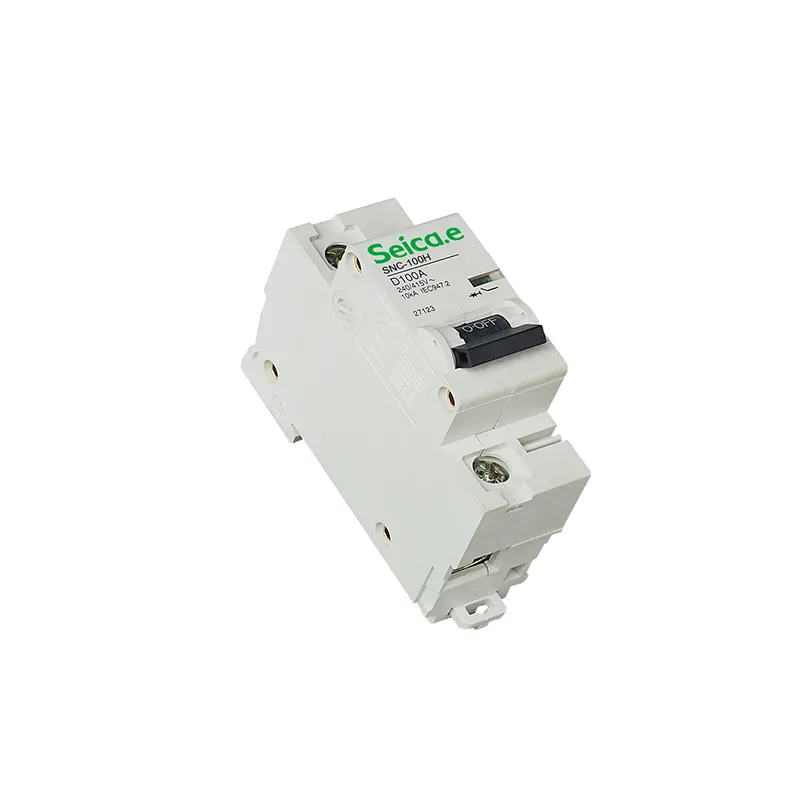

Voltage Protectors And Power Supply Stability Ensuring A Steady Flow Of Electricity
When a technical engineer in Dubai encountered repeated chiller alarms in a new commercial building, he watched a wiring tutorial, accepted a low-cost protection-panel quotation, and confidently commissioned the installation. Within 48 hours, contactors began dropping out during evening demand peaks and two control boards failed after a switching transient. The equipment was not inherently defective—the team had confused sustained voltage control with surge suppression. That distinction answers the real procurement question: how do Voltage Protectors keep a power supply stable?
Summary: Voltage Protectors maintain equipment availability by monitoring RMS voltage, disconnecting loads outside a defined window, delaying reconnection, and coordinating with surge protective devices. Under IEC 61000-4-30, a voltage dip is typically 0.1–0.9 per unit; an SPD alone does not correct that condition. Buyers should specify thresholds, delay, breaking device, SPD type, Uc, Up, discharge current, and destination compliance as one protection system.
A voltage protector is a monitoring-and-disconnection device, not automatically a voltage regulator. It responds to sustained overvoltage, undervoltage, phase loss, or an abnormal neutral condition by opening a relay or commanding a contactor; an automatic voltage regulator or UPS actively changes the delivered voltage, while an SPD diverts short-duration transient energy. IEC 61000-4-30 classifies power-quality measurement methods and describes dips in the 0.1–0.9 Udin range, giving buyers a measurable basis for settings rather than vague “unstable power” claims. Search terms also create confusion: a low voltage surge protector normally means an SPD for a low-voltage installation, while a high voltage surge protector may mean either an overvoltage relay or a higher-energy SPD. Neither label replaces a datasheet.
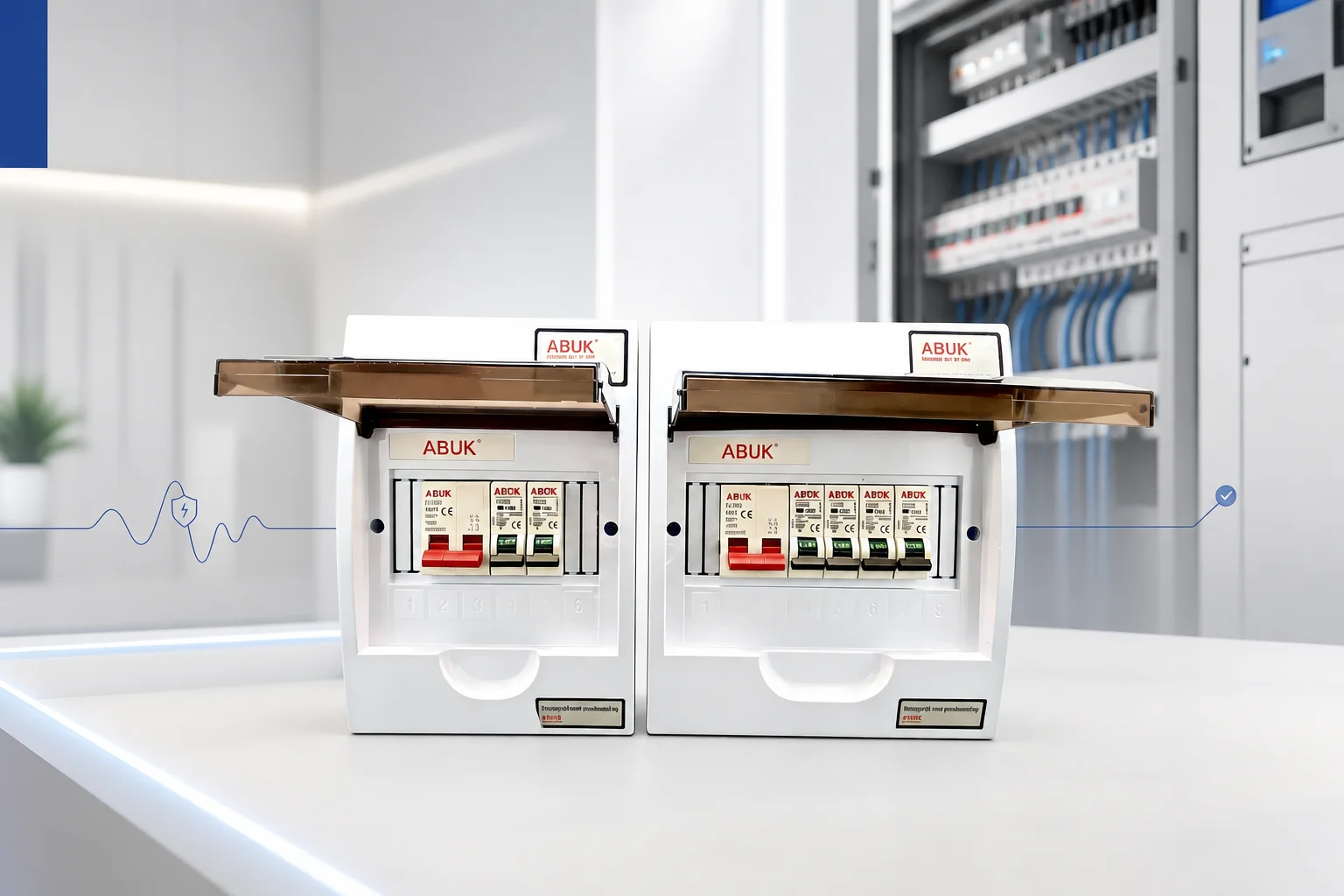
How Does a Voltage Protector Work?
The controller samples line voltage, calculates an RMS value, compares it with upper and lower limits, and changes its output when a limit persists longer than the set trip time. A typical 230 V project might start with a 195–253 V operating window, then refine it from the equipment tolerance and local supply rules; IEC 60038 uses 230/400 V as the reference for many low-voltage systems and commonly associates public-supply compatibility with a ±10% range. After voltage returns to normal, a 5–180 second delay prevents rapid cycling. Compressors often need a longer restart delay than lighting or resistive loads.
What Protects Against a Transient Surge?
A relay can disconnect a sustained abnormal supply, but it is generally too slow to clamp a microsecond transient. IEC 61643-11 covers SPDs connected to low-voltage power systems. Type 1 devices are tested with a 10/350 µs current waveform for partial lightning current; Type 2 devices use an 8/20 µs waveform for induced or switching surges; Type 3 devices protect close to sensitive equipment and require upstream coordination. The useful parameters are continuous operating voltage Uc, voltage protection level Up, nominal discharge current In, maximum discharge current Imax, and short-circuit coordination—not the words low voltage surge protector printed in a marketplace title.
Where Do Hidden Costs and ROI Appear?
Protection ROI is driven by avoided resets, replacement boards, callouts, and production loss. If 20 refrigeration controllers each cost $280 and only four fail in a year, replacement hardware alone is $1,120 before labor and spoiled inventory. IEC 60364-4-44 addresses protection against voltage disturbances, while IEC 60364-5-53 covers selection and erection of protective and control devices. A high voltage surge protector chosen without prospective short-circuit current, back-up protection, cable length, and earthing data may therefore raise total cost even when its unit price is low.
Voltage Protection Options Compared
| Dimension | Voltage monitoring relay | Type 2 SPD | AVR or UPS |
|---|---|---|---|
| Primary function | Disconnect outside set window | Clamp 8/20 µs transients | Regulate or support output |
| Typical response | Milliseconds to seconds | Microsecond transient range | Continuous or transfer-based |
| Efficiency impact | Very low standing loss | Very low in normal service | Conversion and battery losses |
| Capital cost | Low–medium | Low–medium | Medium–high |
| Compatibility check | Voltage, phases, load/contactor | System type, Uc, Up, In, SCCR | Load VA/W, inrush, runtime, waveform |
| TCO risk if misapplied | Nuisance trips or no disconnection | No protection from sustained low voltage | Oversizing, battery replacement |
| Relevant standard | IEC 60255 family / IEC 60364 | IEC 61643-11 | IEC 62040 family for UPS |
Application and Performance Matrix
| Application | Protection architecture | Key numeric brief | Relative budget |
|---|---|---|---|
| Apartment distribution board | Single-phase monitor + Type 2 SPD | 230 V basis; thresholds derived from load and ±10% supply range | Low–medium |
| Retail refrigeration | Monitor + contactor + Type 2/3 coordination | Long restart delay, commonly 120–180 s | Medium |
| Three-phase workshop | Phase monitor + contactor + 3P/4P SPD | 400 V basis; phase loss and imbalance functions | Medium–high |
| Lightning-exposed building | Type 1 at origin + Type 2 downstream | 10/350 µs and 8/20 µs test duties | High |
| Critical control system | Monitor + coordinated SPD + online UPS | Runtime sized in minutes; load in VA and W | High |
The matrix follows IEC 60364-4-44 and IEC 61643 principles: one device rarely solves every disturbance. A low voltage surge protector is appropriate for transient overvoltage on a low-voltage circuit; it is not a substitute for a relay when the supply remains at 170 V for several seconds.
Standards, CE, RoHS, and GCC Compliance
- IEC 61643-11: establishes test and performance requirements for AC low-voltage SPDs, including Type 1, Type 2, and Type 3 duties.
- IEC 60364-4-44 and IEC 60364-5-53: guide protection against voltage disturbances and coordinated device selection; installation details can be as important as the component certificate.
- CE / Low Voltage Directive 2014/35/EU: covers electrical equipment designed for 50–1,000 V AC; CE is a manufacturer’s conformity declaration, not a stand-alone third-party quality award.
- RoHS 2011/65/EU: restricts 10 substances; the general homogeneous-material limit is 0.1%, while cadmium is 0.01%.
- GCC/GSO: Gulf shipments should be checked against the applicable GSO technical regulation, national deviations, registration route, and conformity-mark scope.
Non-compliance can produce customs holds, rejected consultant submittals, recall exposure, tender disqualification, or complete panel replacement. A certificate must match the exact model, rating, factory, standard edition, and destination market.
Selection Guide: Five Checks Before Procurement
- Record at least seven supply variables: nominal voltage, frequency, phase arrangement, neutral condition, minimum/maximum acceptable voltage, prospective short-circuit current, and earthing system.
- Separate sustained events from transients; specify a monitoring relay for the first and a low voltage surge protector for the second.
- Coordinate relay output with the contactor or breaker rating; a 63 A marking does not prove the device can directly switch every 63 A load category.
- Compare Uc, Up, In, Imax, Type, back-up fuse, conductor length, and end-of-life indication for every high voltage surge protector candidate.
- Approve model-linked declarations and test evidence before mass production; the honest answer is that a generic certificate cannot rescue a failed inspection.
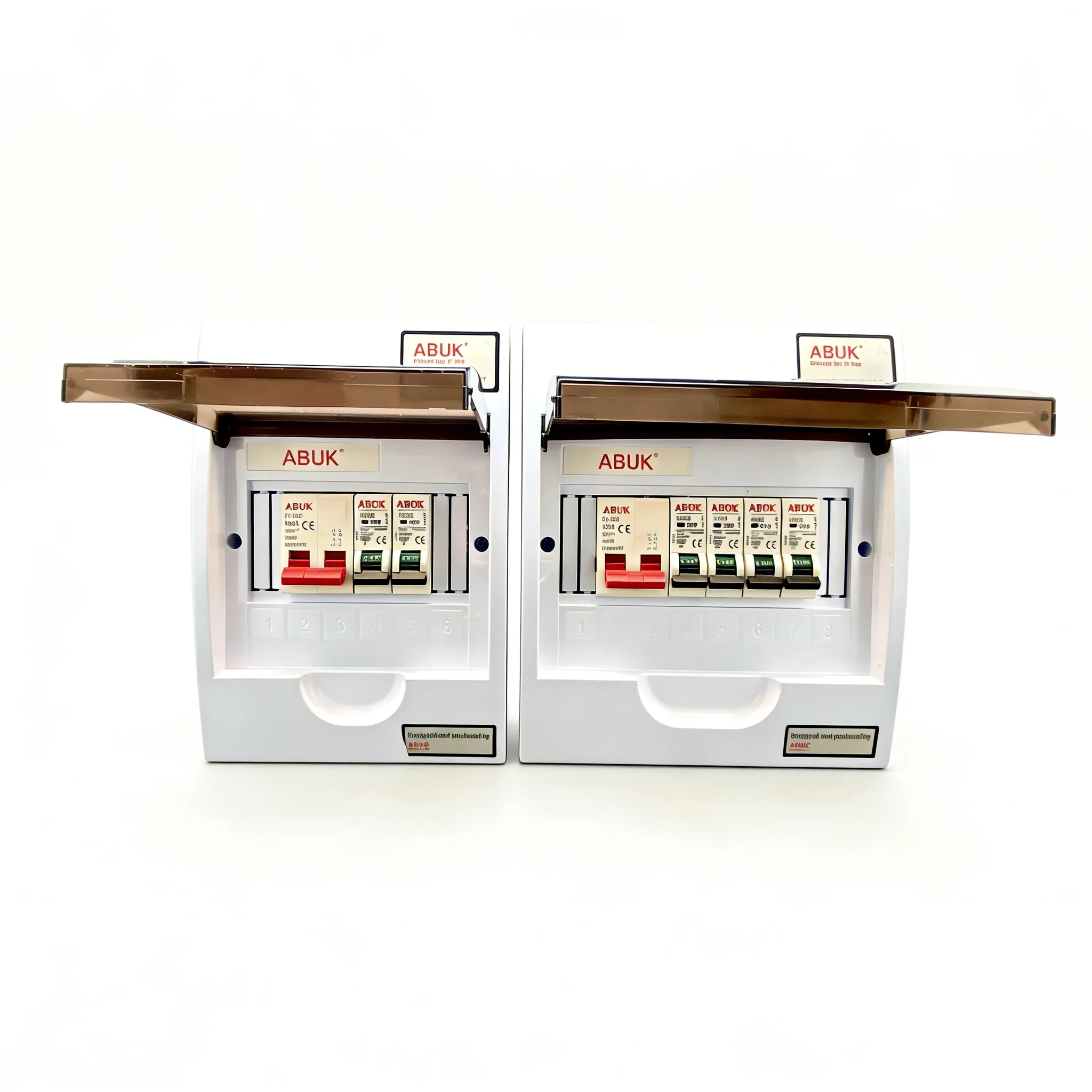
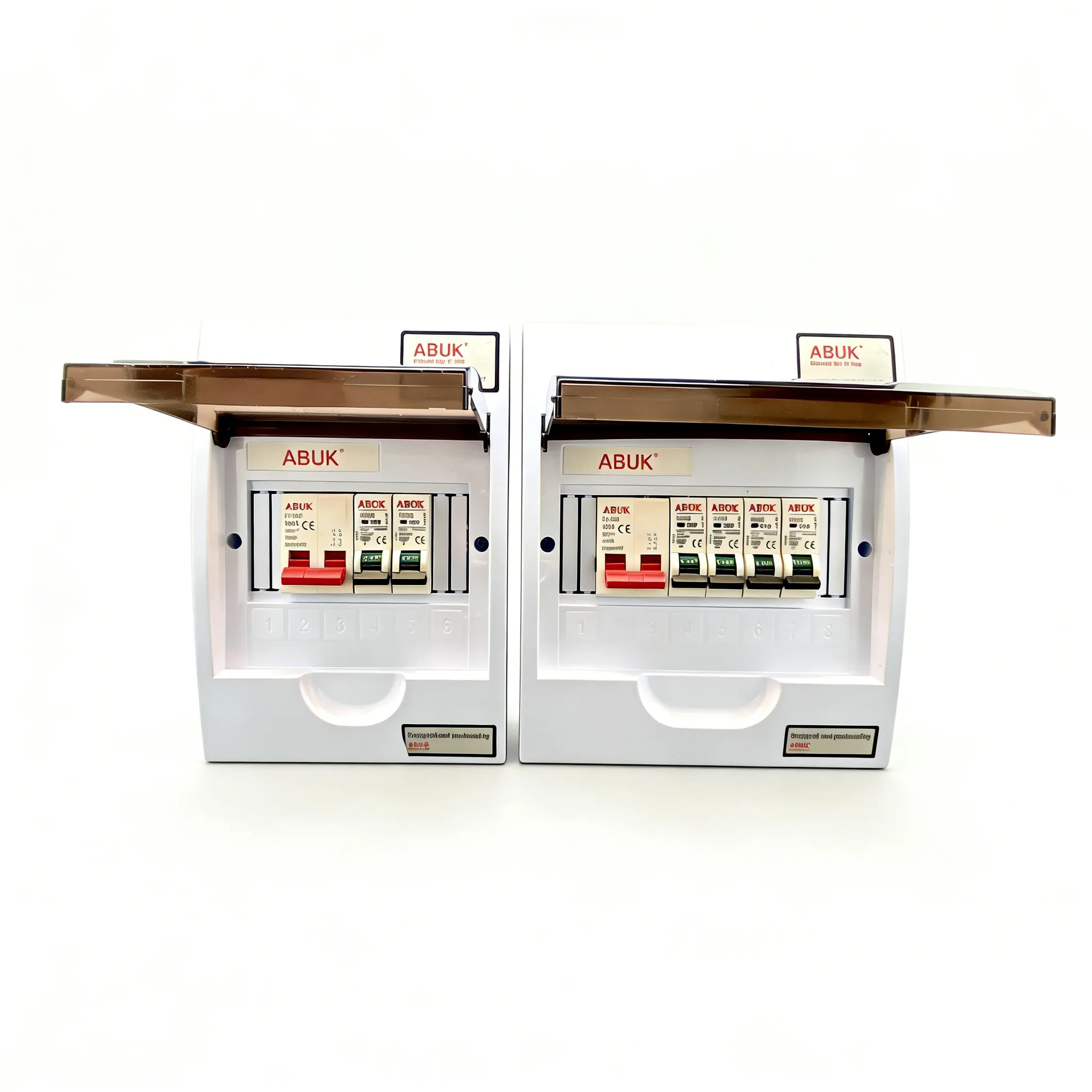
ABUK provides Voltage Protectors and related distribution-board solutions with CE, RoHS, and GCC documentation for specified models and destination markets, subject to project-level verification. The most useful supplier response is a coordinated schedule and traceable compliance pack—not a claim that one device “stabilizes everything.”
Frequently Asked Questions
What does a voltage protector do?
It monitors supply voltage and disconnects a load when the value remains above or below set limits. Many units reconnect automatically after an adjustable delay. These devices do not necessarily regulate the voltage while connected.
Are voltage protectors worth it?
They are usually justified where nuisance shutdowns, compressor damage, control-board failure, or service calls cost more than the coordinated protection panel. ROI should compare avoided downtime and replacement cost with device, contactor, installation, and testing cost.
What are the different types of voltage protectors?
Main groups include over/undervoltage relays, phase and neutral monitors, SPDs, automatic voltage regulators, and UPS systems. Each addresses a different time scale; IEC 61643-11 distinguishes Type 1, Type 2, and Type 3 SPDs.
Will a surge protector protect against low voltage?
No—not by itself. A conventional SPD clamps transient overvoltage and normally remains inactive during a sustained sag. A search for a low voltage surge protector should therefore lead to a coordinated SPD-plus-monitoring solution when undervoltage disconnection is required.
What is a high and low voltage protector?
It is commonly a relay with upper and lower trip thresholds plus automatic recovery delay. The wording describes the abnormal conditions detected; the buyer must still verify rated voltage, phase arrangement, trip accuracy, contact rating, and applicable standard.
Do surge protectors protect against over voltage?
They protect against short transient overvoltage within their ratings, but not every sustained overvoltage. A high voltage surge protector label should not be accepted unless the datasheet states whether the device clamps a transient or disconnects an abnormal mains supply.
Do surge protectors stabilize power?
No. An SPD limits transient voltage; it does not continuously regulate a drifting supply. Stable output may require an AVR or UPS, while over/undervoltage disconnection requires a monitoring relay.
How does a voltage protector work?
It samples RMS voltage, compares the result with programmed limits, trips a relay or contactor after a set delay, and reconnects when voltage returns to the acceptable window. Advanced models also monitor phase loss, sequence, imbalance, or neutral failure.
{
“@context”: “https://schema.org”,
“@type”: “FAQPage”,
“mainEntity”: [
{
“@type”: “Question”,
“name”: “What does a voltage protector do?”,
“acceptedAnswer”: {
“@type”: “Answer”,
“text”: “It monitors supply voltage and disconnects a load when the value remains above or below set limits. Many units reconnect automatically after an adjustable delay. These devices do not necessarily regulate the voltage while connected.”
}
},
{
“@type”: “Question”,
“name”: “Are voltage protectors worth it?”,
“acceptedAnswer”: {
“@type”: “Answer”,
“text”: “They are usually justified where nuisance shutdowns, compressor damage, control-board failure, or service calls cost more than the coordinated protection panel. ROI should compare avoided downtime and replacement cost with device, contactor, installation, and testing cost.”
}
},
{
“@type”: “Question”,
“name”: “What are the different types of voltage protectors?”,
“acceptedAnswer”: {
“@type”: “Answer”,
“text”: “Main groups include over/undervoltage relays, phase and neutral monitors, SPDs, automatic voltage regulators, and UPS systems. Each addresses a different time scale; IEC 61643-11 distinguishes Type 1, Type 2, and Type 3 SPDs.”
}
},
{
“@type”: “Question”,
“name”: “Will a surge protector protect against low voltage?”,
“acceptedAnswer”: {
“@type”: “Answer”,
“text”: “No—not by itself. A conventional SPD clamps transient overvoltage and normally remains inactive during a sustained sag. A search for a low voltage surge protector should therefore lead to a coordinated SPD-plus-monitoring solution when undervoltage disconnection is required.”
}
},
{
“@type”: “Question”,
“name”: “What is a high and low voltage protector?”,
“acceptedAnswer”: {
“@type”: “Answer”,
“text”: “It is commonly a relay with upper and lower trip thresholds plus automatic recovery delay. The wording describes the abnormal conditions detected; the buyer must still verify rated voltage, phase arrangement, trip accuracy, contact rating, and applicable standard.”
}
},
{
“@type”: “Question”,
“name”: “Do surge protectors protect against over voltage?”,
“acceptedAnswer”: {
“@type”: “Answer”,
“text”: “They protect against short transient overvoltage within their ratings, but not every sustained overvoltage. A high voltage surge protector label should not be accepted unless the datasheet states whether the device clamps a transient or disconnects an abnormal mains supply.”
}
},
{
“@type”: “Question”,
“name”: “Do surge protectors stabilize power?”,
“acceptedAnswer”: {
“@type”: “Answer”,
“text”: “No. An SPD limits transient voltage; it does not continuously regulate a drifting supply. Stable output may require an AVR or UPS, while over/undervoltage disconnection requires a monitoring relay.”
}
},
{
“@type”: “Question”,
“name”: “How does a voltage protector work?”,
“acceptedAnswer”: {
“@type”: “Answer”,
“text”: “It samples RMS voltage, compares the result with programmed limits, trips a relay or contactor after a set delay, and reconnects when voltage returns to the acceptable window. Advanced models also monitor phase loss, sequence, imbalance, or neutral failure.”
}
}
]
}
References
- IEC 61000-4-30:2025 — Power quality measurement methods
- IEC 61643-11:2025 — Low-voltage surge protective devices
- European Commission — Low Voltage Directive
- EUR-Lex — Directive 2011/65/EU (RoHS)
- GCC Standardization Organization — Gulf Conformity Mark
The practical lesson is that power stability is not a single product claim—it is a coordinated response to disturbances occurring over microseconds, seconds, and hours. Good procurement turns those time scales into thresholds, test waveforms, protection levels, documentation, and a maintainable panel.
ABUK builds electrical protection and distribution solutions for that moment—when equipment uptime, project compliance, and supply-chain accountability must agree. Review the product portfolio, or contact ABUK about a high voltage surge protector and share the single-line diagram, load schedule, and target market for a model-specific recommendation.