
 Wenzhou Lita Electric Co., Ltd.
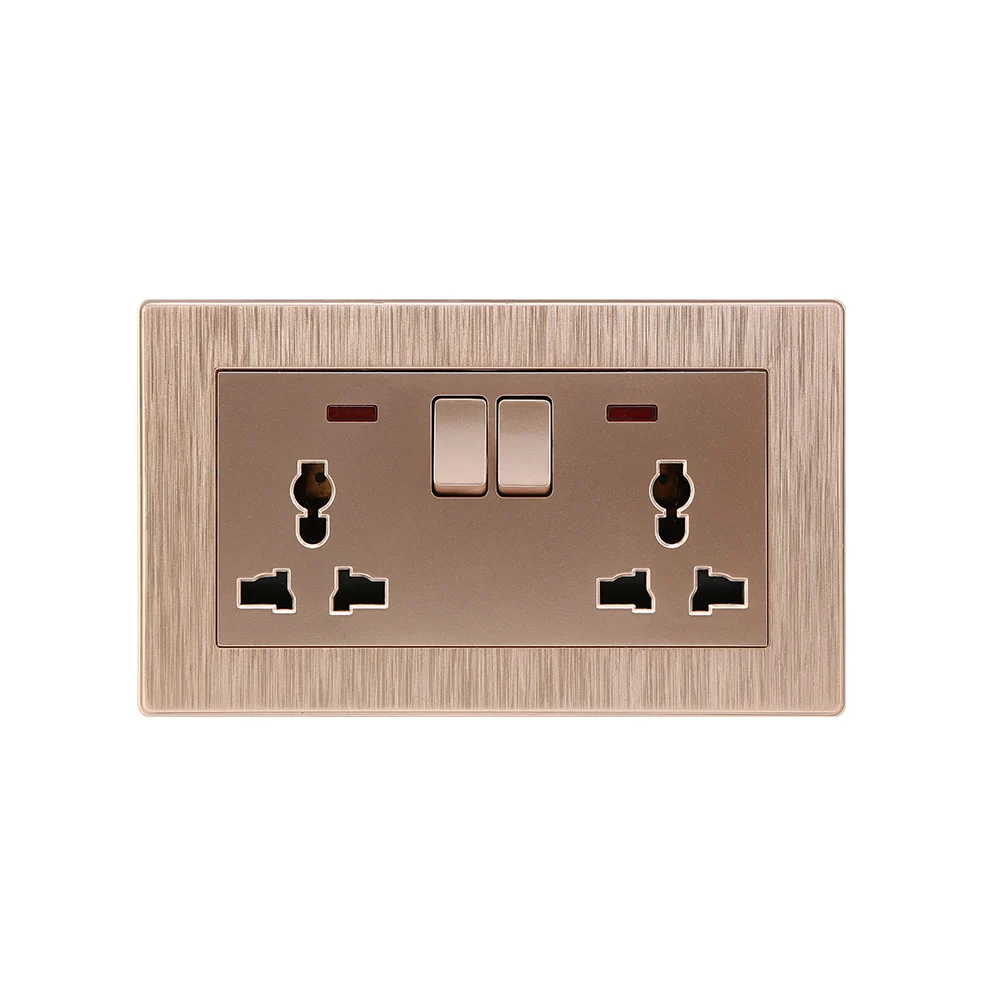

15 Amp Duplex Receptacle vs. 20 Amp Duplex Receptacle
When a procurement manager in Dallas encountered a last-minute receptacle substitution, he compared two supplier photos, saw nearly identical faces, and confidently approved the lower-priced batch. During the mock-up inspection, the consultant rejected 120 devices because the kitchen circuits required a different rating and configuration. The products were not defective—the team had confused circuit allowance, receptacle rating, and plug geometry. The real question was: 15 amp duplex receptacle vs. 20 amp duplex receptacle—which one belongs on the drawing?
Summary: A 15 amp duplex receptacle is normally a NEMA 5-15R; a 20 amp duplex receptacle is normally a NEMA 5-20R with a T-shaped neutral slot. Both commonly serve 125 V systems, but NEC 210.21(B) links device rating to circuit arrangement. Buyers should verify branch-circuit amperage, number of receptacles, load, feed-through rating, tamper/GFCI requirements, UL 498 listing, and NEMA configuration.
The comparison is not simply “smaller versus stronger.” UL 498 covers attachment plugs and receptacles, while NEMA WD 6 standardizes interfaces. A 15 amp duplex receptacle accepts NEMA 5-15 plugs; a 20 amp duplex receptacle accepts both 5-15 and 5-20 plugs because one slot is T-shaped. That physical difference prevents a 20 A plug from entering a 15 A device.
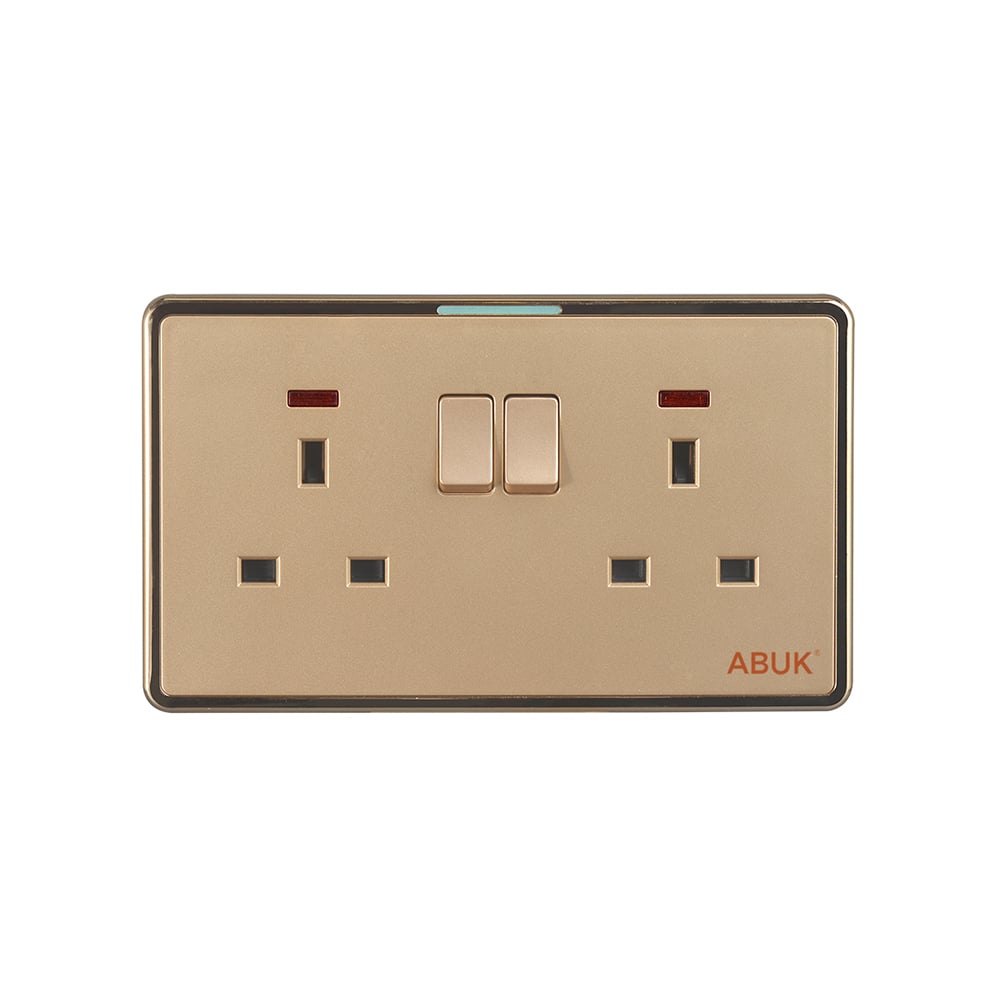
What Changes Between 15 A and 20 A?
A 15 amp duplex receptacle is marked 15 A, 125 V and has two parallel blade slots plus ground. A 20 amp duplex receptacle is marked 20 A, 125 V and adds the T-slot. NEC 210.21(B)(3) permits listed 15 A receptacles on many 20 A branch circuits where two or more receptacles are supplied; however, a single receptacle on an individual branch circuit follows the rating rules in 210.21(B)(1). Local adoption and project specifications always control.
Does a 20 A Device Deliver More Power?
The receptacle does not force current into a load. On a 125 V circuit, 15 A represents 1,875 VA and 20 A represents 2,500 VA; NEC continuous-load design normally uses no more than 80% of circuit rating, or 12 A and 16 A respectively, unless equipment and rules support another arrangement. A 20 amp duplex receptacle only provides the correct interface and current rating—the breaker, conductors, terminals, and load still determine capacity.
Which Conductors and Terminals Matter?
Typical U.S. branch circuits use 14 AWG copper for 15 A and 12 AWG copper for 20 A, subject to NEC 240.4(D), temperature limitations, derating, and local rules. Back-wire clamp, side-wire, and feed-through ratings must match the conductor. UL 498 testing does not excuse loose field terminations; buyers should request the manufacturer torque, wire range, copper/aluminum limitation, and grounding method.
Where Do Hidden Costs Appear?
If 300 devices are mis-specified and each replacement consumes 0.25 labor-hour at $40 per hour, labor alone reaches $3,000 before new stock, travel, retesting, and delay. A 20 amp duplex receptacle may cost slightly more, but unnecessary upgrades also increase material cost; ROI comes from matching the circuit schedule, not selecting the highest ampere number.
15 Amp vs. 20 Amp Value Comparison
| Dimension | 15 amp duplex receptacle | 20 amp duplex receptacle |
|---|---|---|
| Typical configuration | NEMA 5-15R | NEMA 5-20R |
| Nominal rating | 15 A, 125 V | 20 A, 125 V |
| Face geometry | Parallel slots | T-shaped neutral slot |
| Accepts 20 A plug | No | Yes |
| Typical circuit conductor | 14 AWG Cu, subject to code | 12 AWG Cu, subject to code |
| First cost | Lower | Slightly higher |
| TCO risk | Underrating or wrong application | Unnecessary specification premium |
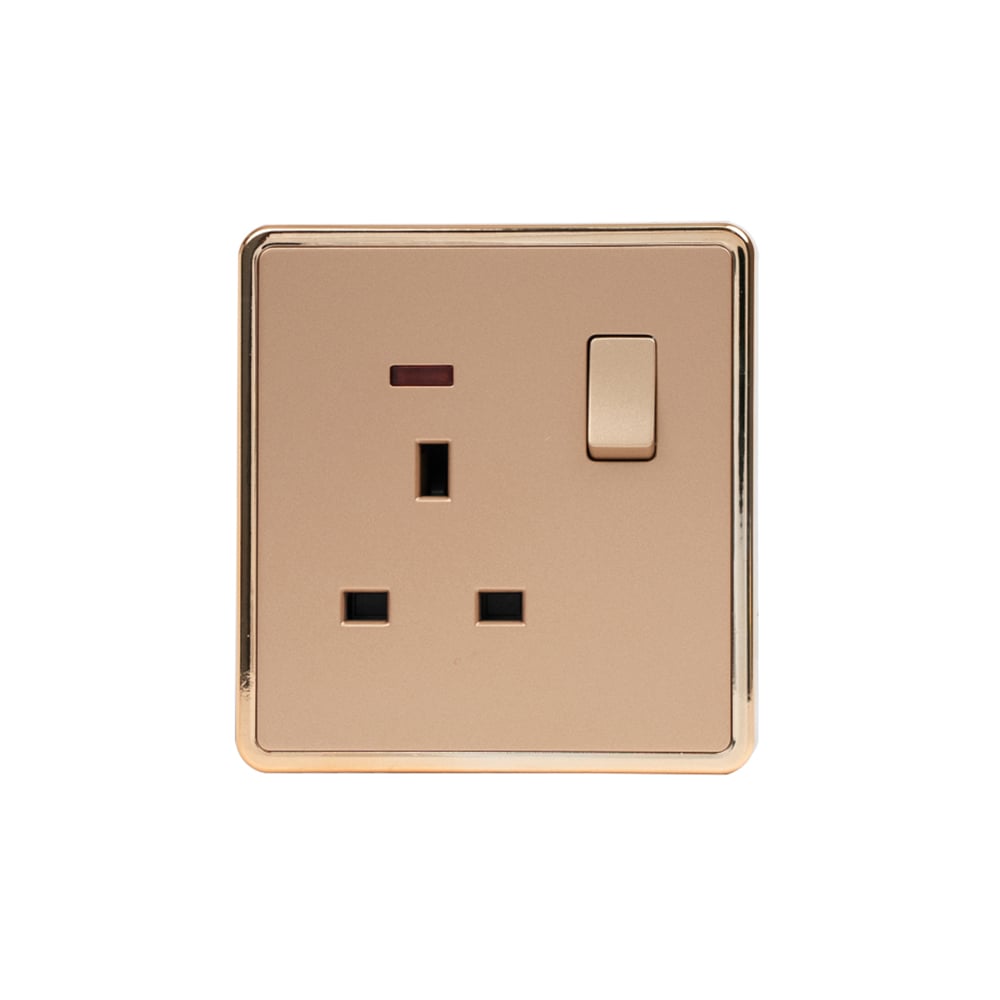
Application Matrix
| Application | Typical choice | Key check | Standard signal |
|---|---|---|---|
| Bedrooms and offices | 15 A device | TR/AFCI requirements | NEC 210.12, 406.12 |
| Kitchen small-appliance circuit | 15 A or 20 A as permitted | 20 A branch circuit and GFCI | NEC 210.8, 210.11 |
| Dedicated 20 A equipment | 20 A device | Plug and individual-circuit rating | NEC 210.21(B) |
| Outdoor or damp location | Application-rated device | WR, GFCI, cover and enclosure | NEC 406.9 |
Standards and Compliance
- UL 498: product construction, endurance and safety for attachment plugs and receptacles.
- NEMA WD 6: configuration and dimensional requirements for 5-15R and 5-20R interfaces.
- NEC: branch-circuit, GFCI, AFCI, tamper-resistant and location rules.
- CE and IEC 60884-1: relevant to applicable export-market socket products, but not replacements for a U.S. NEMA/UL requirement.
- RoHS and GCC/GSO: verify model-specific restricted-substance and Gulf conformity scope before shipment.
Incorrect documentation can lead to rejected submittals, customs delays, field replacement, or tender disqualification. Certificates should match the model, factory, rating, standard edition, and destination.
Selection Guide
- Read the panel schedule and breaker rating before selecting a face configuration.
- Confirm whether the outlet is one of multiple receptacles or a single receptacle on an individual circuit.
- Specify TR, WR, GFCI/AFCI, grade, terminal type, conductor range, and wall-box compatibility.
- Request model-linked test reports and markings; the honest answer is that a T-slot alone does not prove compliance.
ABUK provides 15 amp duplex receptacle and 20 amp duplex receptacle alternatives within its wall-switch and socket portfolio, with CE, RoHS, and GCC documentation for specified models and markets, subject to project-level verification.
Frequently Asked Questions
Can a 15 amp receptacle be used on a 20 amp circuit?
Often yes when the 20 A branch circuit supplies two or more receptacles and NEC 210.21(B)(3) applies. A single receptacle on an individual circuit follows a different rating rule.
How can a buyer identify a 20 amp receptacle?
A NEMA 5-20R normally has a T-shaped neutral slot and a 20 A, 125 V marking. The datasheet and listing should still be checked.
Is a 20 amp outlet better than a 15 amp outlet?
Not automatically. It is better only when the circuit, plug, and load require it; otherwise it can add cost without increasing usable capacity.
Can a 20 amp receptacle go on a 15 amp circuit?
Generally no under NEC receptacle-rating rules. The device rating and configuration must match the permitted branch-circuit arrangement.
What wire size is used for a 20 amp outlet?
12 AWG copper is common for 20 A branch circuits, subject to conductor type, temperature, derating, terminals, and local code.
Do kitchens need 20 amp receptacles?
Kitchen small-appliance branch circuits are commonly 20 A, but individual receptacles may be 15 A or 20 A where the adopted NEC permits. GFCI and tamper-resistant rules also matter.
References
- NFPA 70 – National Electrical Code
- UL 498 – Attachment Plugs and Receptacles
- NEMA WD 6 – Wiring Devices Dimensional Specifications
- IEC 60884-1 – Plugs and socket-outlets
The lasting lesson is that amperage is a system decision, not a cosmetic upgrade; the right receptacle makes the breaker, conductors, plug, load, and compliance file agree.
ABUK builds wiring-device solutions for that moment. Review the duplex receptacles portfolio or contact ABUK with the bill of quantities and target market for a model-specific recommendation.