
 Wenzhou Lita Electric Co., Ltd.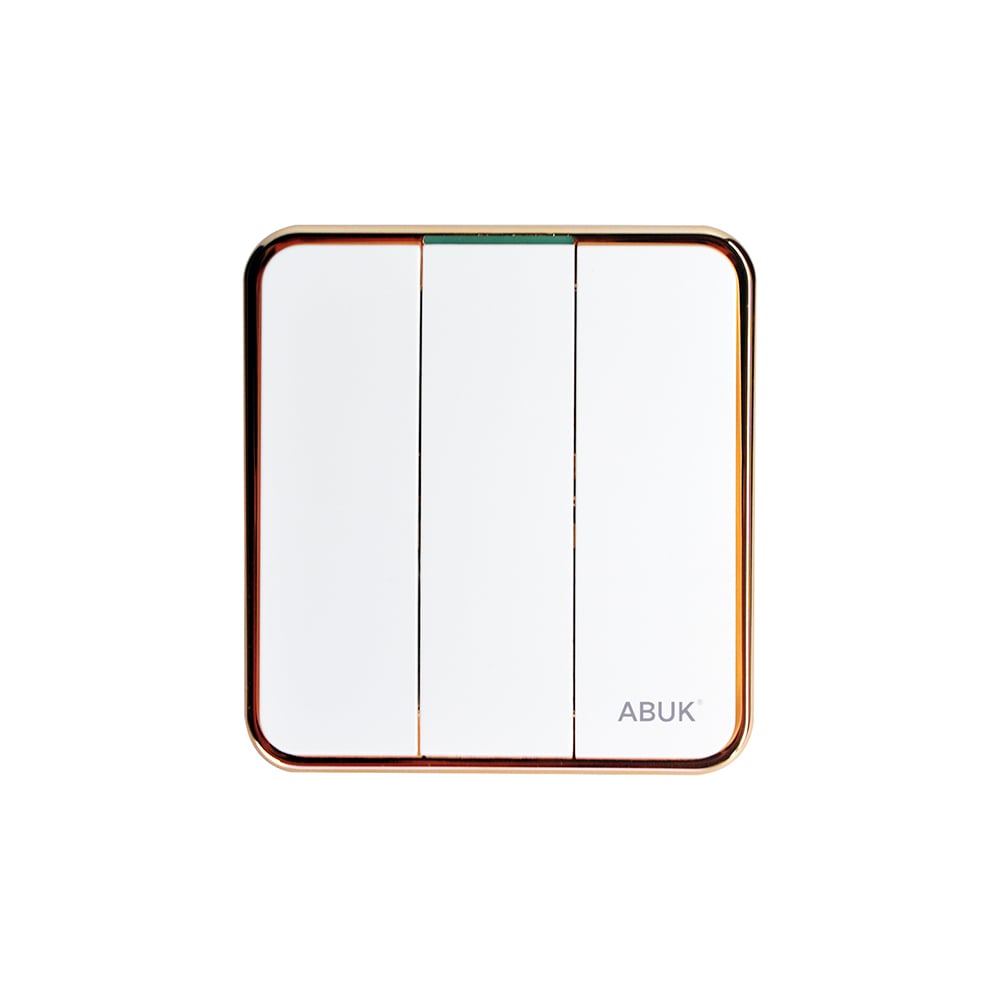
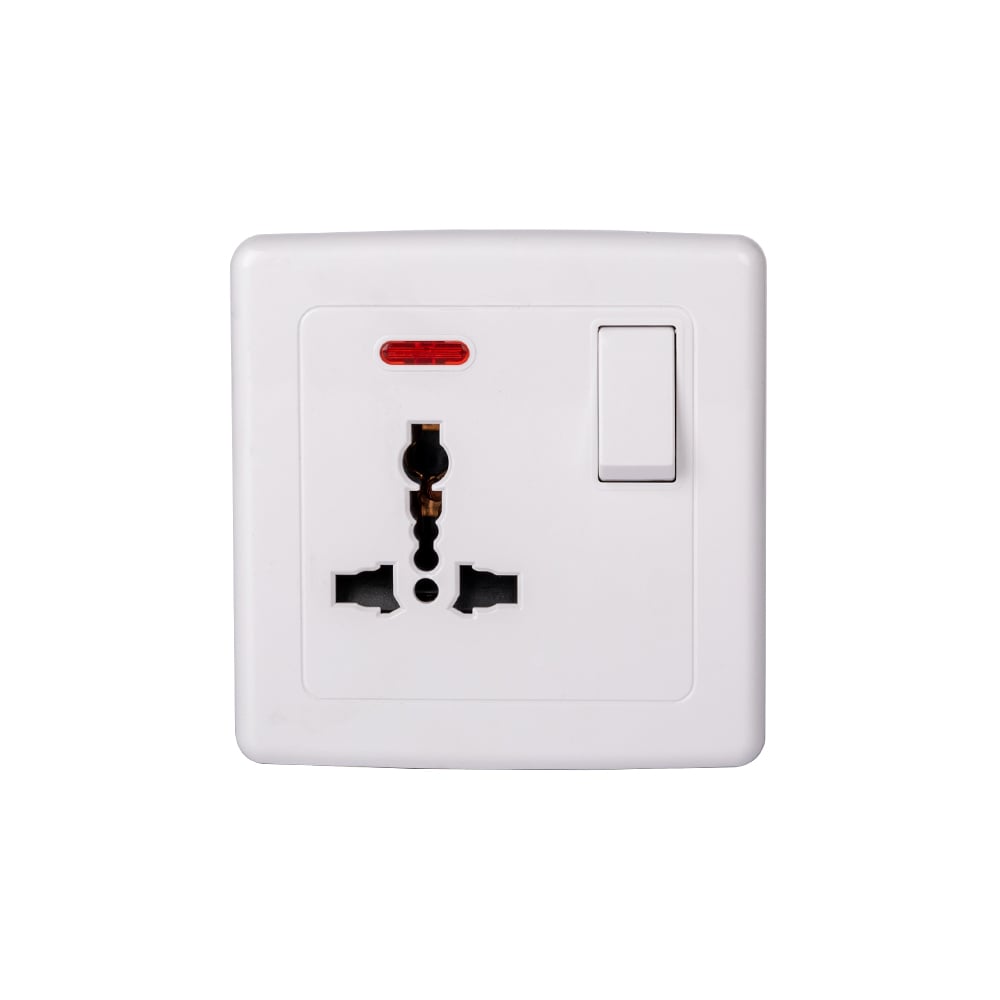
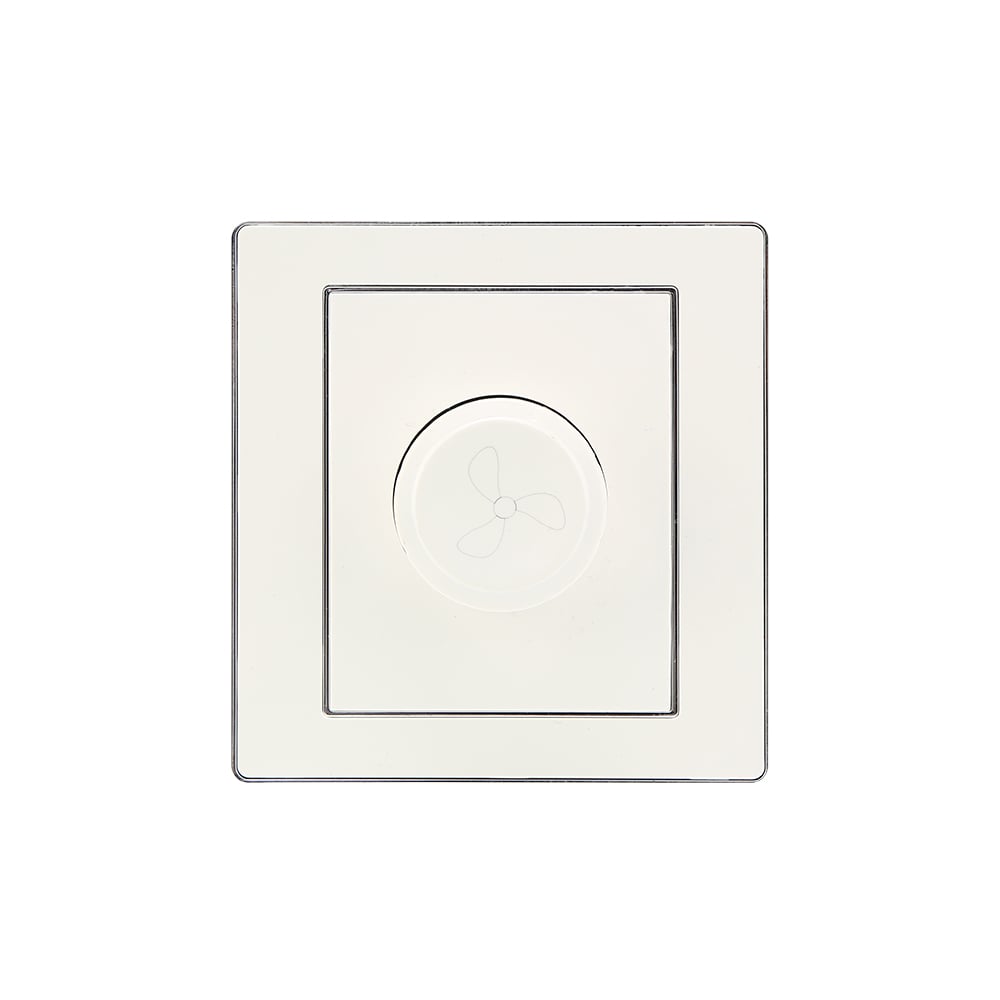
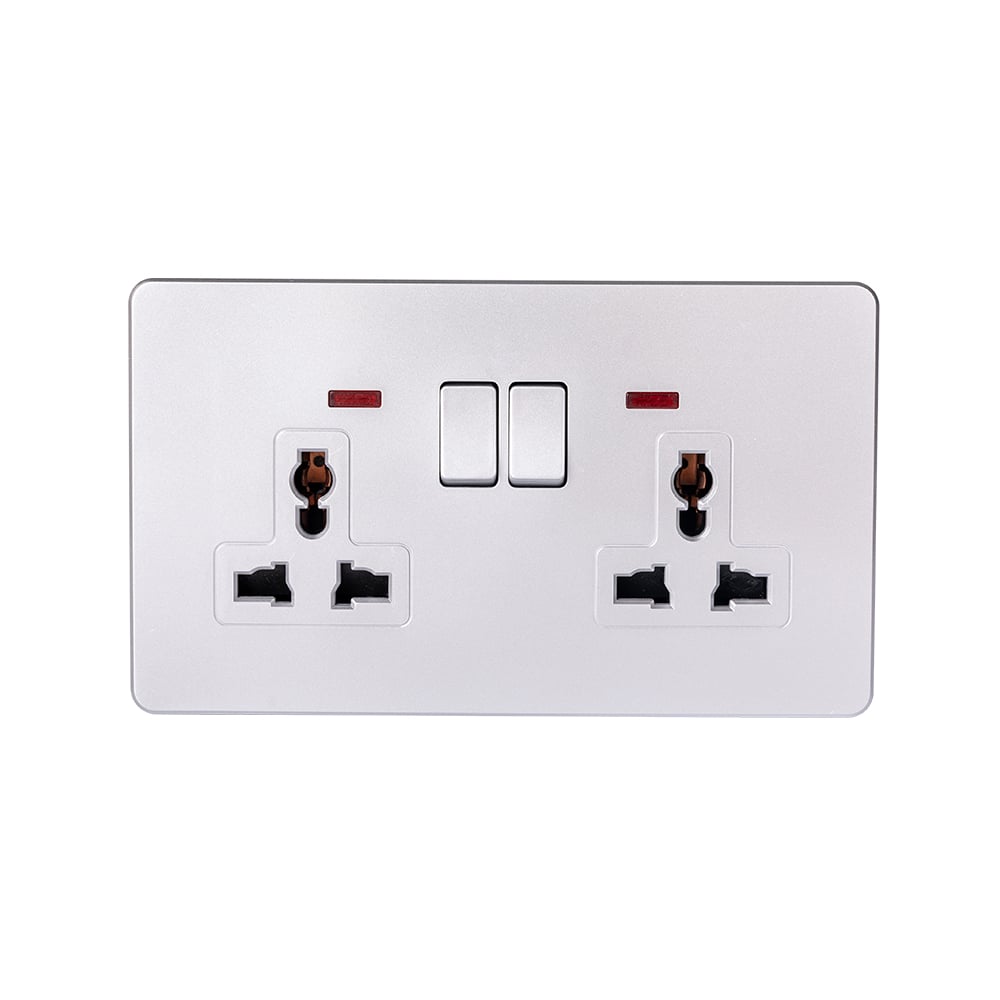
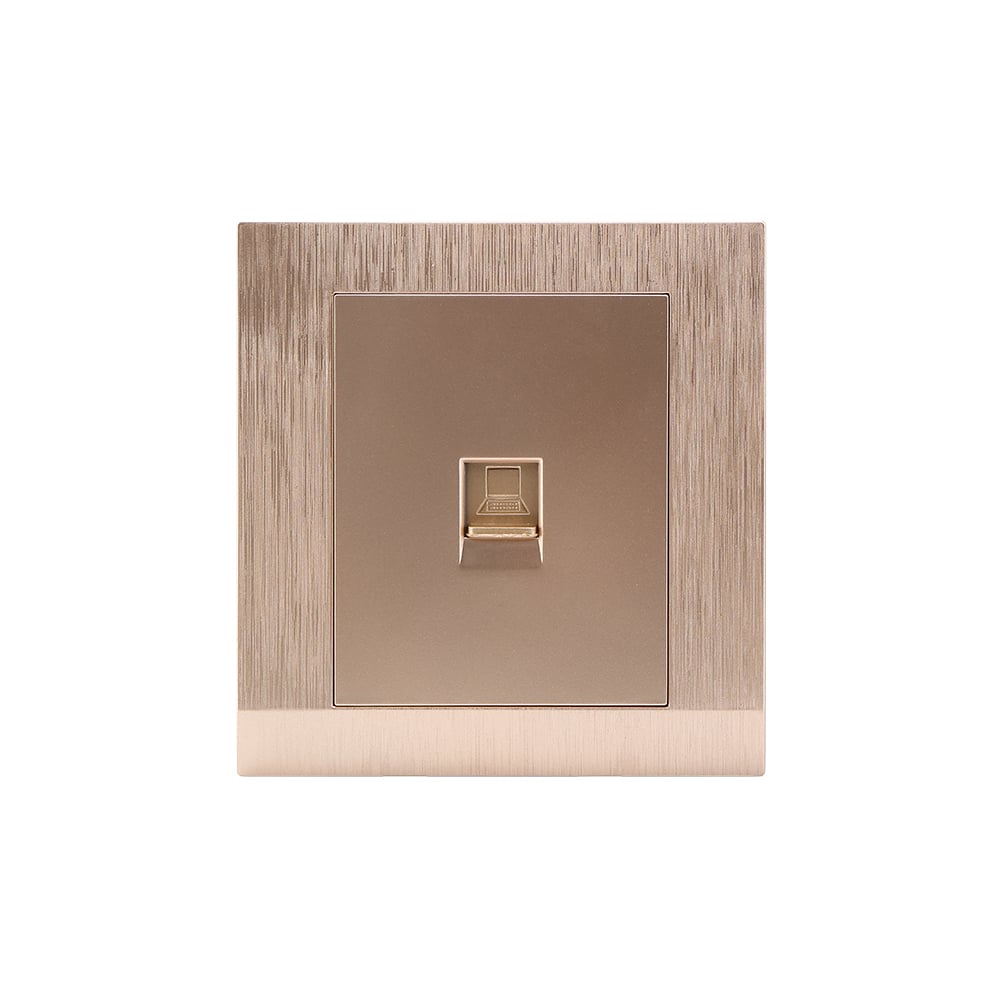

Best Outlets and Switches for Modern Homes: A 2026 Guide
When a facilities manager in Toronto encountered repeated kitchen-circuit trips during a townhouse handover, she replaced a visibly damaged receptacle; the new device heated again under a countertop appliance within days. The reversal came after the panel schedule and branch-circuit rating were checked: the issue was not simply a bad product, but an outlet specification that did not match the protected location, connected load, or installation plan.
Summary: The best outlets and switches start with circuit duty and location, then add protection and convenience features. In North American residential work, 15 A and 20 A branch circuits are common design references, while GFCI protection is required by NFPA 70/NEC in specified locations; buyers should verify the edition adopted locally and specify listed devices accordingly. Create a room-by-room schedule before ordering, separating standard receptacles, GFCI protection, USB charging, smart control, and switching loads.
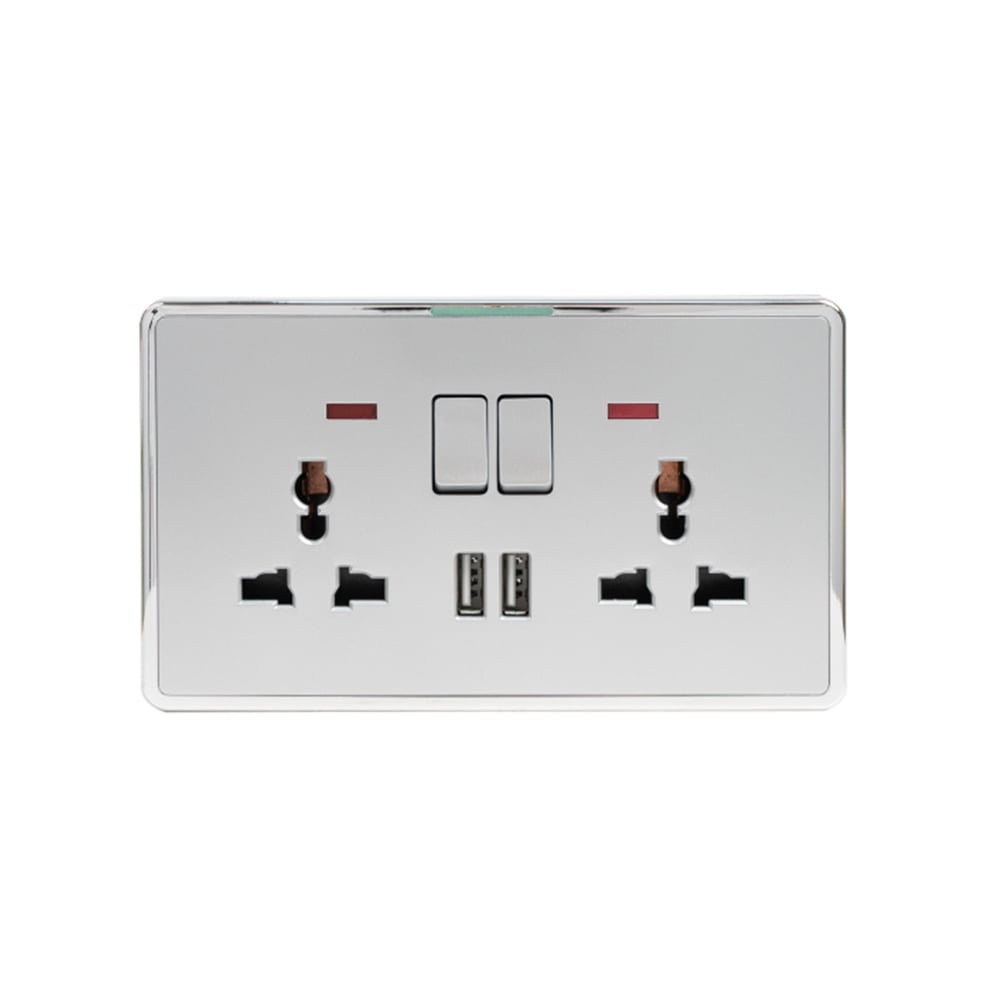
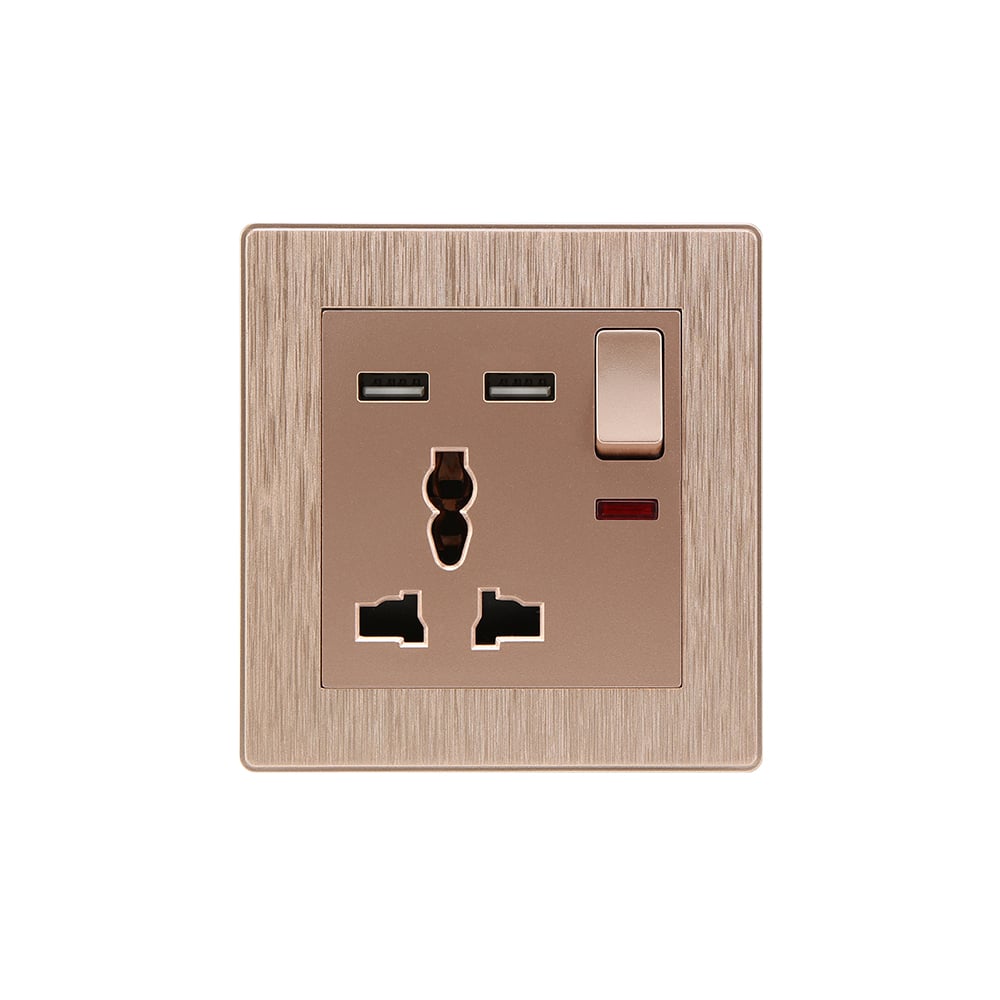
Match receptacle protection to the room and circuit
A standard receptacle supplies a convenient connection point but does not itself detect a ground fault. A GFCI compares current on the ungrounded and grounded conductors and opens the circuit when an imbalance is detected; UL 943 is the relevant U.S. safety standard for ground-fault circuit interrupters. That distinction matters near sinks, laundry equipment, garages, outdoors, and other areas governed by the locally adopted electrical code.
NFPA 70/NEC Article 210.8 identifies required GFCI locations in its U.S. scope. Protection can be provided by a GFCI receptacle or another permitted device, but line/load wiring, test access, and downstream coverage must be designed correctly.
Plan upgrades without overloading modern home outlets
USB receptacles can reduce plug-in chargers at bedside and desk locations, while smart outlets can support scheduling, monitoring, or remote control. These features do not raise a branch circuit’s capacity; rating, conductor size, overcurrent protection, and load still need coordination.
A 20 A circuit is not a blanket allowance to connect 20 A of continuous demand indefinitely. Obtain appliance nameplate data and have the electrical designer confirm the circuit schedule; that can avoid the hidden cost of reopening finished walls after a load audit.
Choose switch styles that fit the interior and the control duty
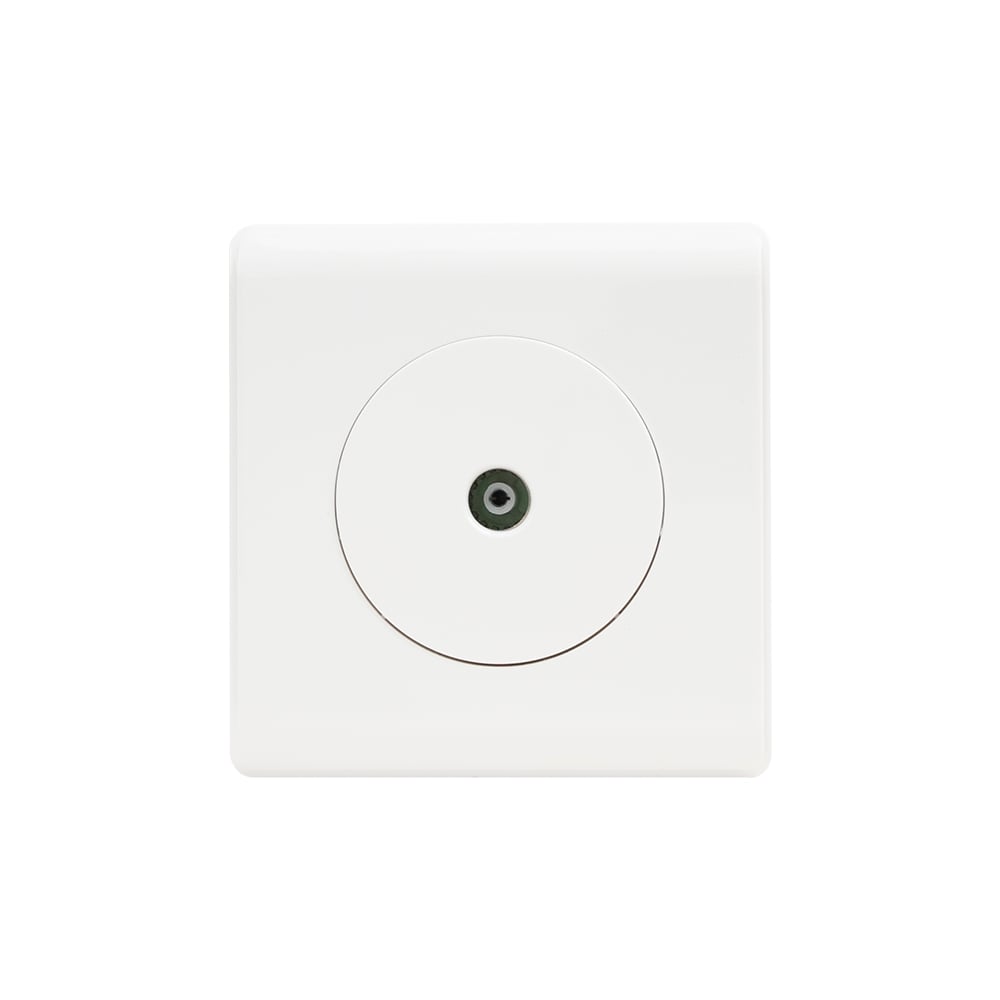
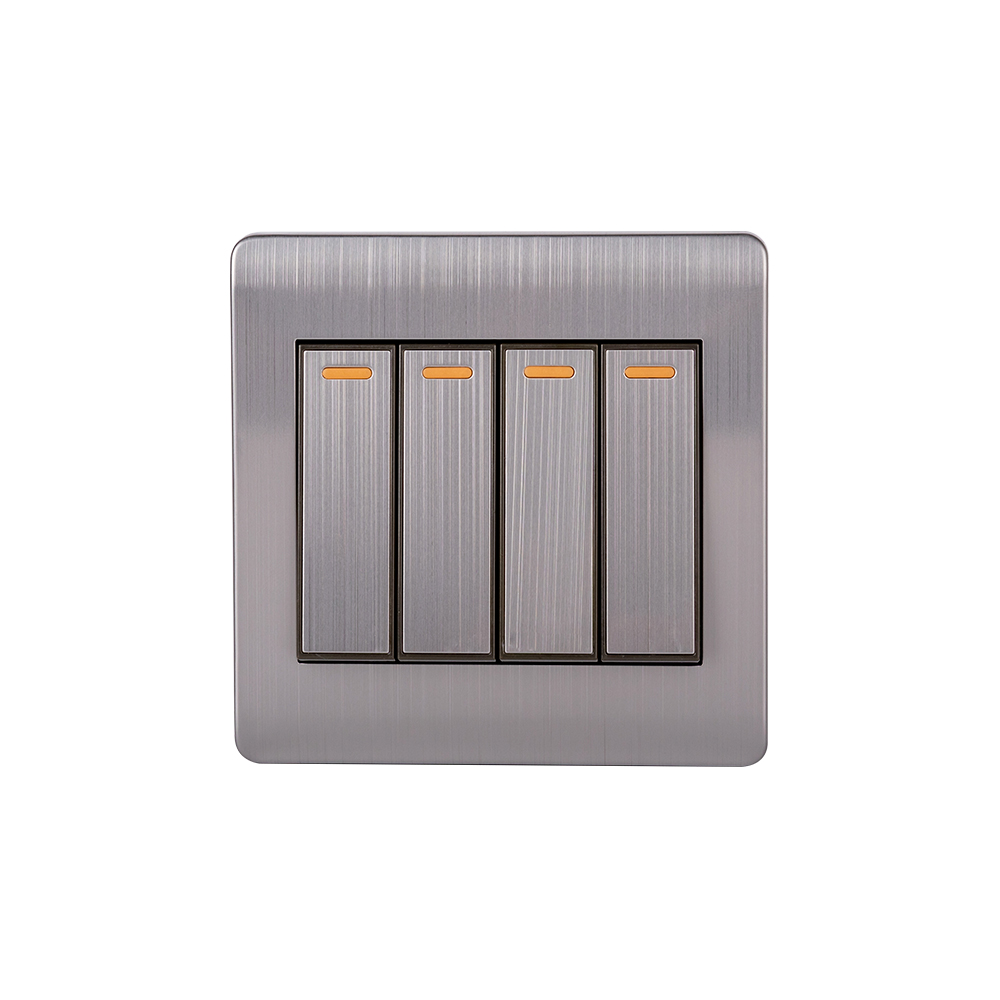
Toggle, rocker, push-button, dimmer, and smart-control formats can suit contemporary interiors, but selection starts with the controlled load. LED dimming needs documented lamp compatibility; multi-way control needs the correct arrangement. IEC 60669-1 covers general requirements for household and similar fixed electrical switches within its stated scope.
Keep device modules, plates, and mounting systems in one approved family; this makes replacement predictable and avoids look-alike components that do not fit.
Compare practical device value
| Option | Best use | Value driver | Procurement watchpoint |
|---|---|---|---|
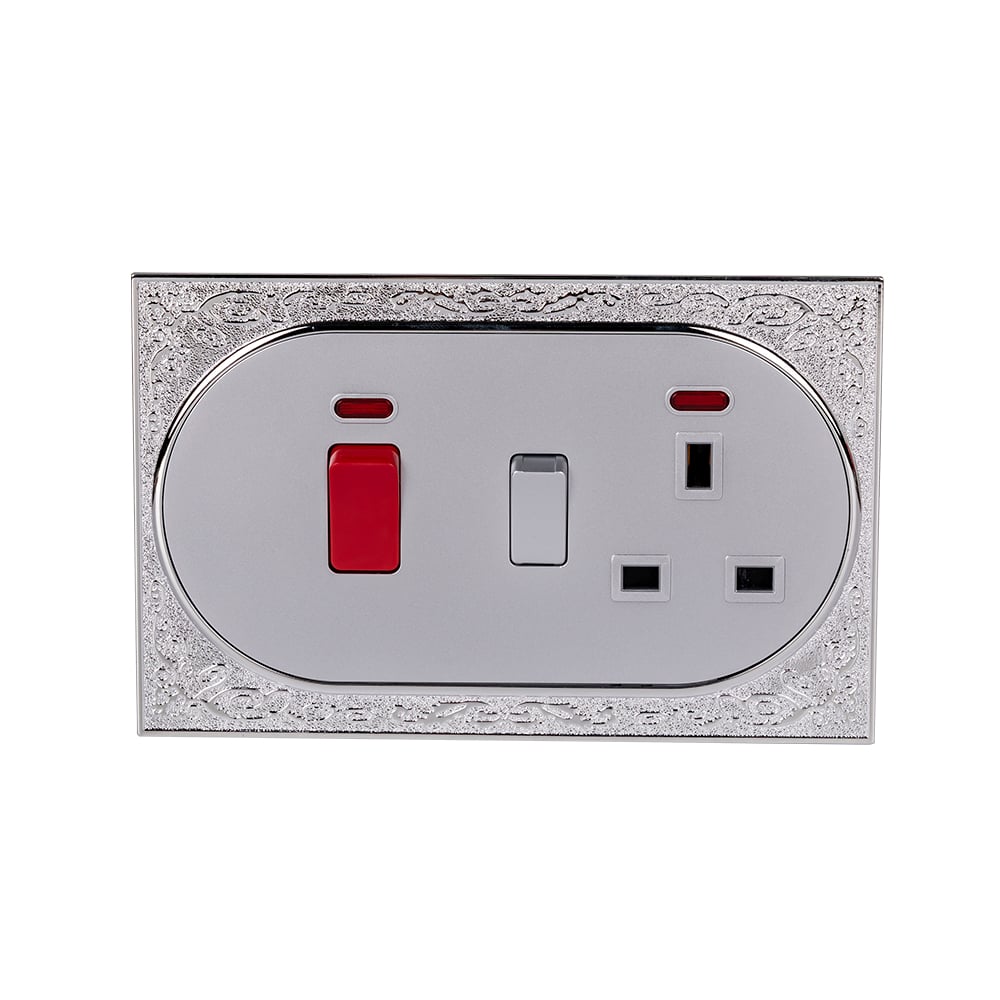
| Standard receptacle | Dry, ordinary-use locations | Simple replacement and broad accessory compatibility | Confirm rating, grounding and local code requirements |
| GFCI receptacle | Locations requiring personnel protection | Local test/reset access and downstream protection capability | Verify line/load wiring and applicable code location |
| USB receptacle | Bedrooms, desks, hospitality-style charging points | Fewer external chargers at predictable charging zones | Check output specification and box depth |
| Smart outlet or switch | Defined automation use cases | Control and monitoring functions | Review network, manual override and interoperability needs |
Unit cost is only one part of TCO. A device that triggers a second visit or a compatibility complaint can cost more than a clearly documented option; this is an illustrative procurement principle, not a service-life claim.
Build a room-by-room application schedule
| Application | Typical device decision | Key verification |
|---|---|---|
| Living room | Standard receptacles plus selected dimming or smart control | Furniture plan, multi-way switching, LED compatibility |
| Kitchen | Code-appropriate protected receptacles and task lighting controls | Adopted GFCI rules, appliance load, splash-zone layout |
| Bathroom or laundry | Protected receptacles suited to the location | Local protection rules and accessible testing |
| Home office | Standard and USB charging points; optional smart control | Desk layout, data equipment loads, network policy |
This turns “modern” from a finish preference into an installable brief and lets buyers rationalize modern home outlets by use case.
Use standards and documentation in the correct scope
IEC 60884-1 addresses household plugs and socket-outlets, and IEC 60669-1 household fixed switches. In the United States, NFPA 70/NEC is an installation code adopted by jurisdictions, while UL 498 covers attachment plugs and receptacles and UL 943 covers GFCIs. A standard is not automatically a certificate; approval depends on market, construction, installation, and claims.
For cross-border supply, request model-specific documentation, markings, test scope, and destination-market suitability. Unsupported CE, RoHS, GCC, UL, or code-compliance claims can delay a project and create corrective work.
How to specify the right devices
- Use a circuit and room schedule to compare electrical switches and outlets by voltage, amperage, grounding, location, and controlled load.
- Separate mandatory safety protection from optional USB, smart, and aesthetic features.
- Confirm plate format, box depth, termination, and multi-way requirements before tender.
- Request model-specific documentation for the intended market.
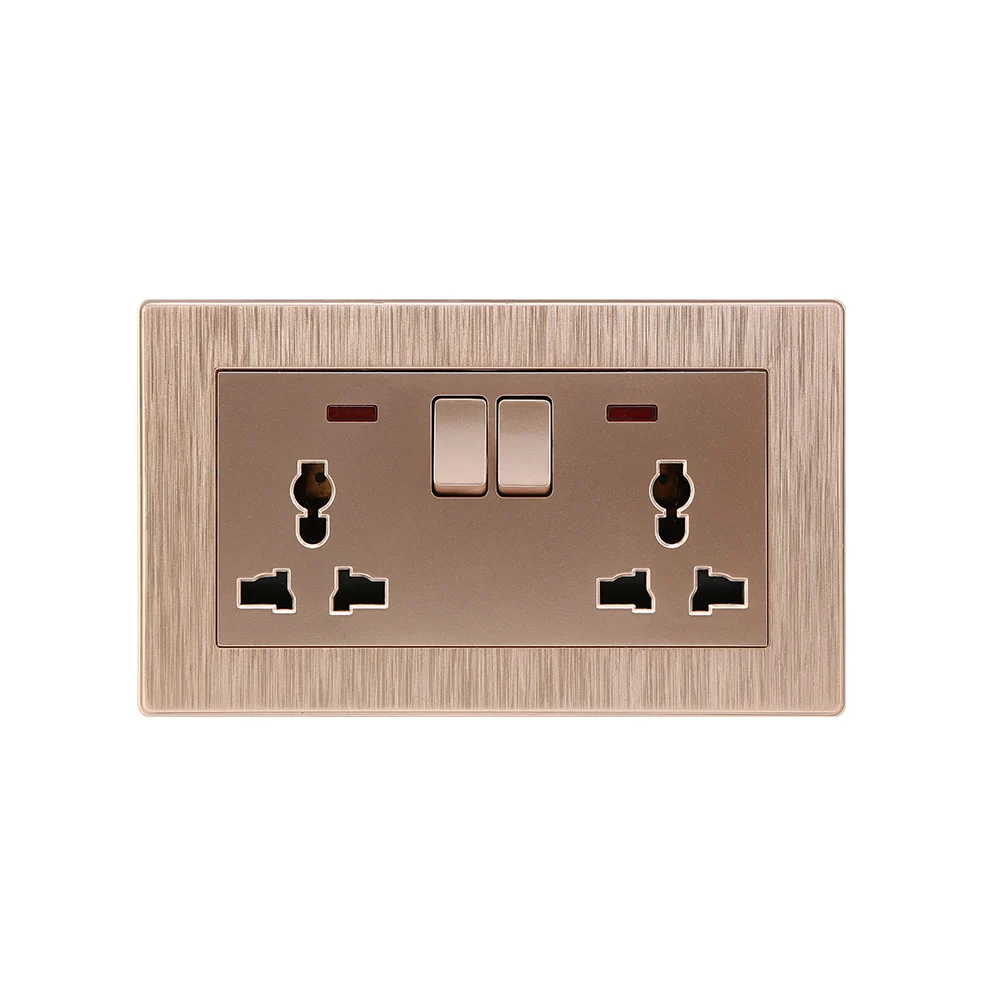
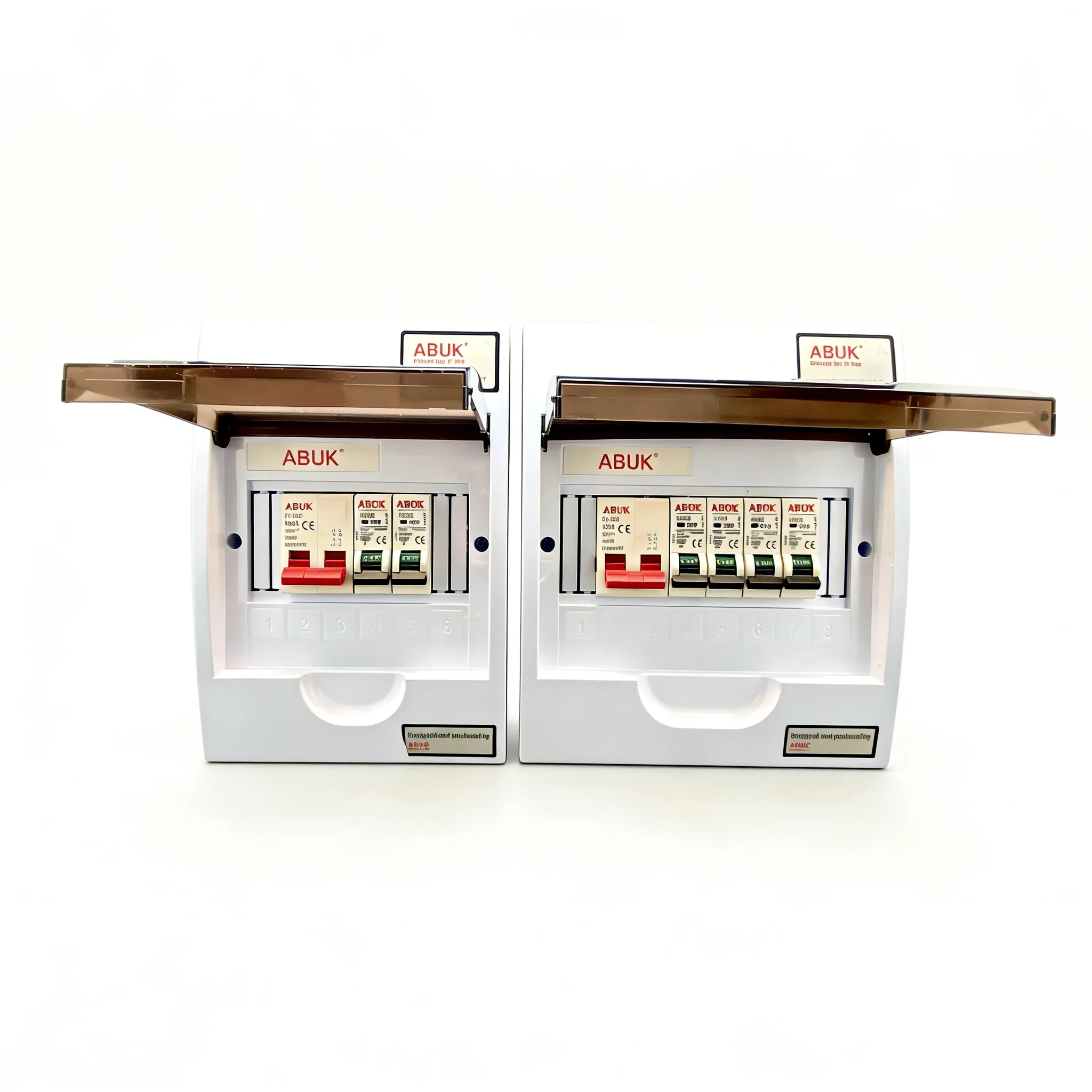
For buyers seeking configurable wall-device options, outlets and switches from ABUK can be reviewed against the project schedule; CE, RoHS, and GCC documentation should be confirmed for the applicable model and destination market. A supplier discussion is most productive when it begins with the specification rather than a photo alone.
Frequently asked questions
What are the different types of electrical switches and outlets?
Common switches include toggle, rocker, dimmer, multi-way, timer, and smart-control types. Receptacles include standard grounding, GFCI, USB charging, and application-specific configurations. Select electrical switches and outlets by circuit, location, load, and adopted code.
Which outlet is best for a modern home?
There is no single best outlet for every room. A mix of standard, protected, USB, and selectively smart devices serves modern home outlets better than a one-type specification. Start with safety and ratings, then add predictable convenience.
Should every home have GFCI outlets?
Homes should have GFCI protection where the locally adopted electrical code requires it, especially in higher-risk locations. Exact locations and permitted protection methods depend on jurisdiction and code edition; a qualified electrician should verify the plan.
How often should wall outlets be replaced?
Replace a receptacle when it is damaged, loose, discolored, cracked, fails testing, or no longer holds a plug securely. There is no universal interval; heat damage or repeated tripping calls for a circuit assessment, not only a face-device replacement.
References
- NFPA 70: National Electrical Code
- UL electrical receptacles and attachment plugs
- IEC 60884-1
- IEC 60669-1
The durable choice is the one that makes the circuit, the room, and the next service call equally straightforward.
When your schedule is ready, explore ABUK’s electrical product range and contact the team to discuss the applicable device configuration and documentation for your market.