
 Wenzhou Lita Electric Co., Ltd.
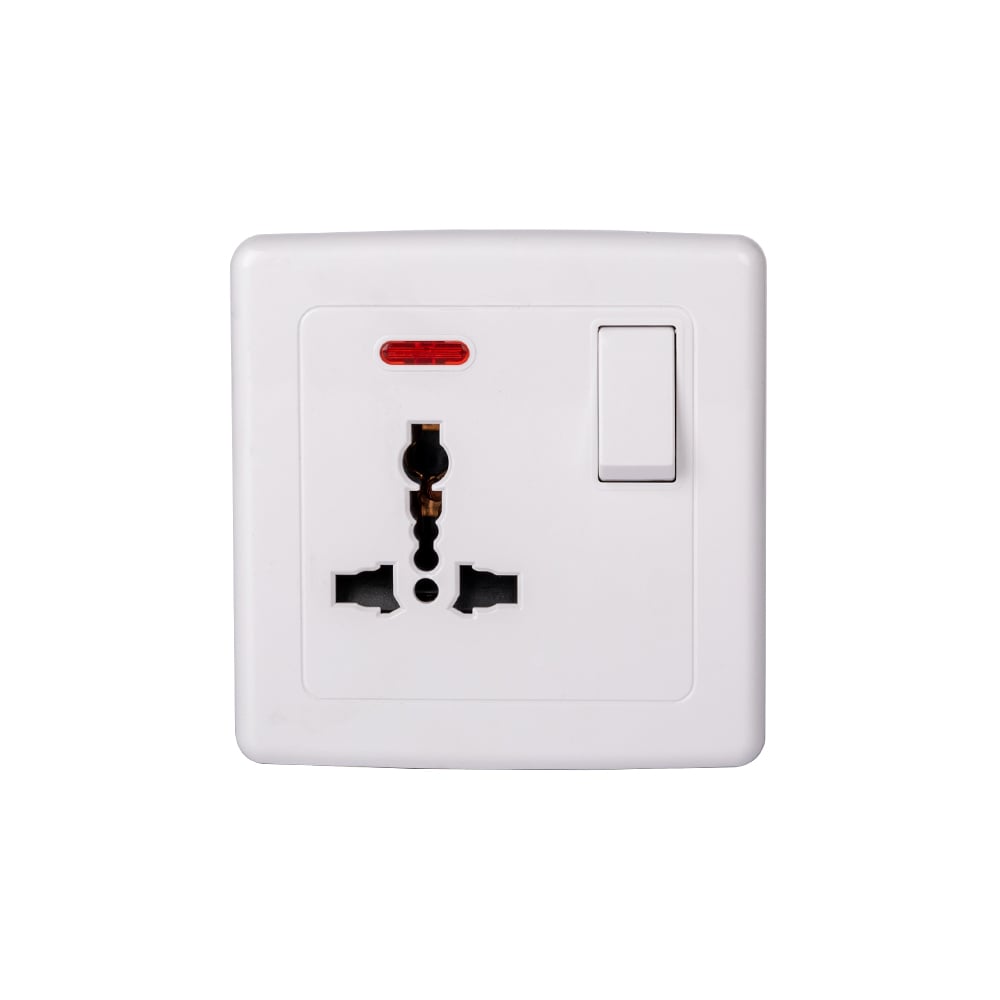
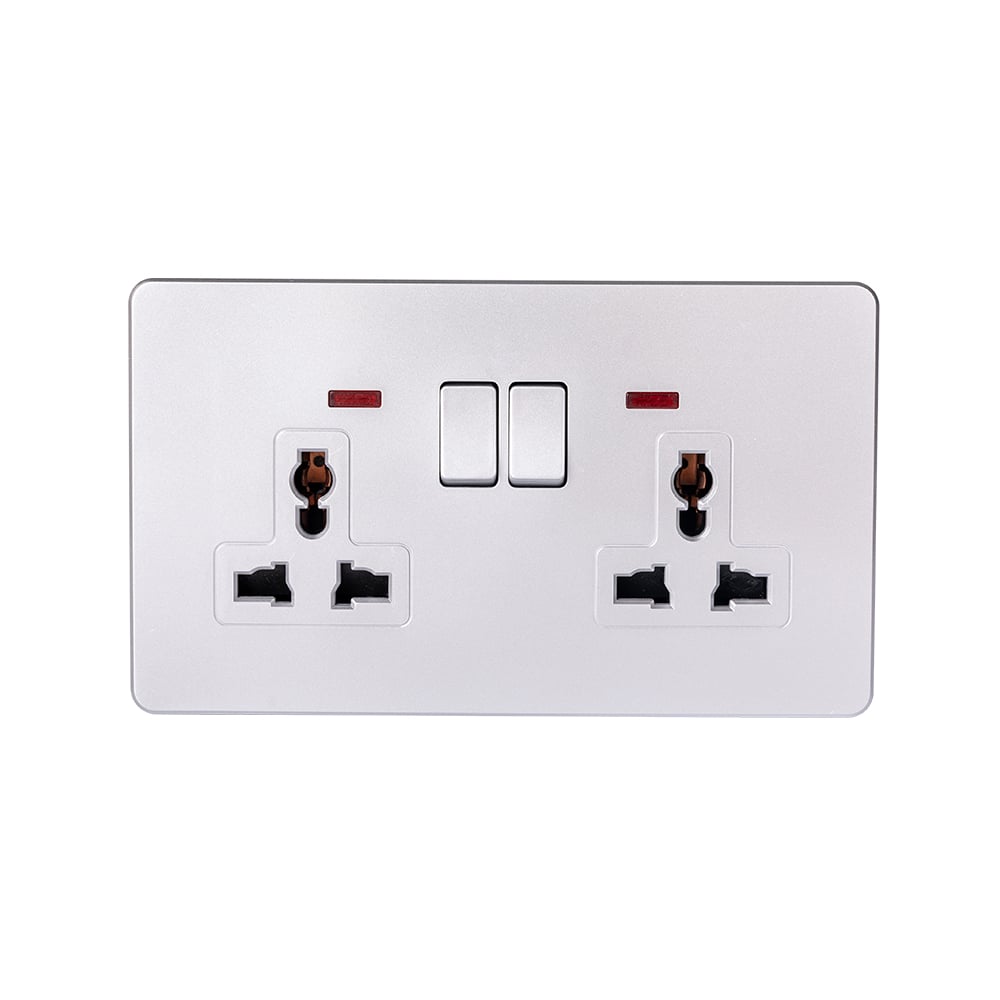
Italy Electric Socket Type
When a procurement engineer in Milan encountered intermittent power during a hotel-room equipment trial, she replaced two apparently faulty adapters, only to see the indicator go dark again as soon as the cable moved. A gauge check showed that the plug body was not seating fully in the recessed hybrid outlet; the failure came from interface selection, not defective equipment.
Summary: Italy supplies nominal 230 V at 50 Hz and commonly uses Type C, F, and L interfaces. Type L has mechanically different 10 A and 16 A patterns, while two-pin fit does not provide protective earth. Buyers should survey the actual socket face and recess, then verify the equipment nameplate, earth path, and adapter rating before ordering.
Why do Type L, Type C, and Schuko-compatible outlets coexist in Italian buildings?
The phrase Italy electric socket type describes a mixed installed base, not one universally interchangeable outlet. The International Electrotechnical Commission’s World Plugs country data lists Italy at 230 V, 50 Hz with types C, F, and L. Type L is the Italian national format; Type C Europlugs arrive on many low-power, double-insulated devices, while Type F plugs are used with Schuko receptacles or purpose-designed hybrid outlets.
The coexistence is practical. Buildings retain sockets from different installation periods; occupants bring appliances made for the wider European market; and renovations often use bipasso or Type L/Schuko combinations. That does not make every opening universal: similar-looking faceplates can have different contacts, shutters, ratings, and test evidence.
For a hotel group, contractor, or OEM, this means specifying the plug standard, rated current, insulation class, earth method, supply range, socket recess, and installation context. A country name is not a substitute for a drawing or site survey.
The 10 A and 16 A Type L patterns are not mechanically identical
A Type L socket uses three round contacts in one straight line, with protective earth in the center. Under the Italian CEI 23-50 system, the 10 A and 16 A configurations are separate patterns: the 16 A pattern uses thicker pins set farther apart than the 10 A pattern. This is a mechanical distinction as well as a rating distinction, so a plug that appears aligned with an outlet may still be the wrong pattern.
Read the plug and socket markings and confirm the accepted configuration in the manufacturer’s drawing. Do not alter, force, or partially insert pins. A 10 A-only socket is not a route to a 16 A load, and a 16 A-only face should not be assumed to accept the smaller pattern. Project dimensions should come from the applicable CEI 23-50 edition or an approved drawing, not an unverified reseller diagram.
When does a bipasso outlet solve the Type L mismatch?
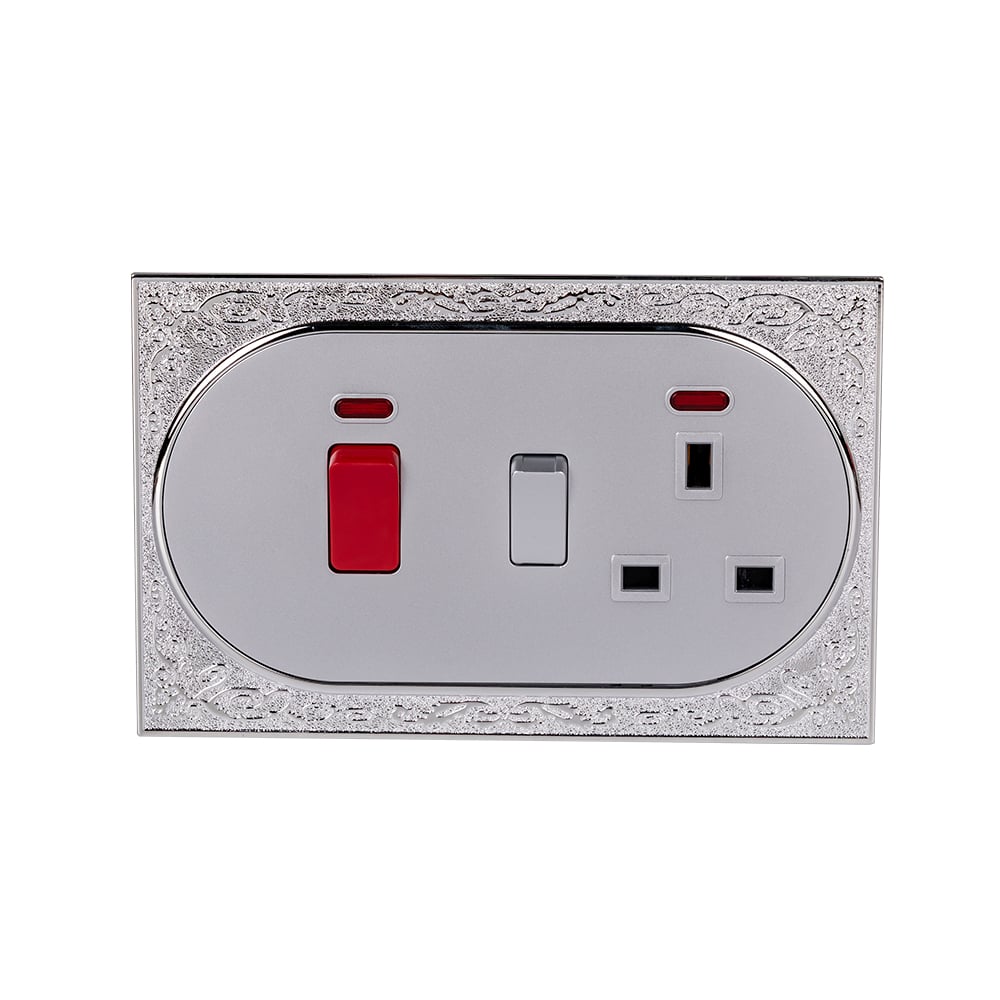
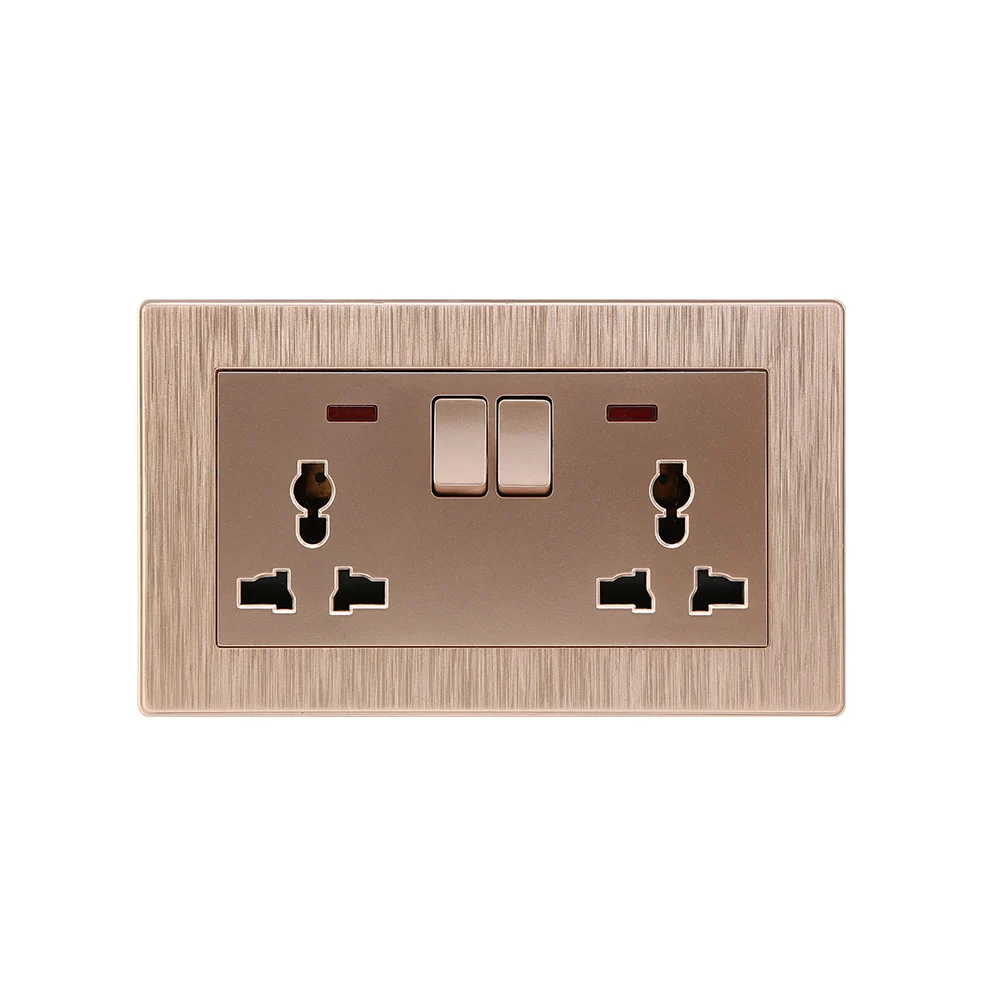
A bipasso socket incorporates contact openings for both the 10 A and 16 A Type L patterns. It is useful where an Italian installation must accept both national plug sizes, but “bipasso” does not mean “multistandard.” A multistandard or combined Type L/Schuko product adds other contact arrangements and must be evaluated as the exact assembly supplied.
Procurement drawings should identify each supported plug standard, rating, shutters, terminals, mounting box, and test report. Verification can include gauges, insertion and withdrawal, earth continuity, temperature rise, endurance, electric strength, and resistance to heat. IEC 60083 is a systems reference, not a certificate; confirm the applicable CEI 23-50 edition and test scope.
Two-pin fit does not create protective-earth continuity
The two-pin Type C plug, commonly called the Europlug, is used on compatible low-power Class II equipment. Its two live pins can enter many 10 A Type L and bipasso sockets, but the plug has no protective-earth contact. That is acceptable only where the appliance was designed to operate without protective earth and carries the appropriate double-insulation marking and nameplate information.
A three-pin Type L plug uses its center pin for protective earth. A Type F plug uses side earthing contacts and needs a Type F receptacle or a hybrid outlet designed to engage them. A Type F plug should not be forced into a Type L-only socket, and a three-pin foreign plug should not be connected through a two-pin adapter if the appliance relies on Class I earthing. Physical entry, electrical contact, rated load, and protective bonding are four separate questions.
Why must recessed and hybrid outlets be checked with the actual plug?
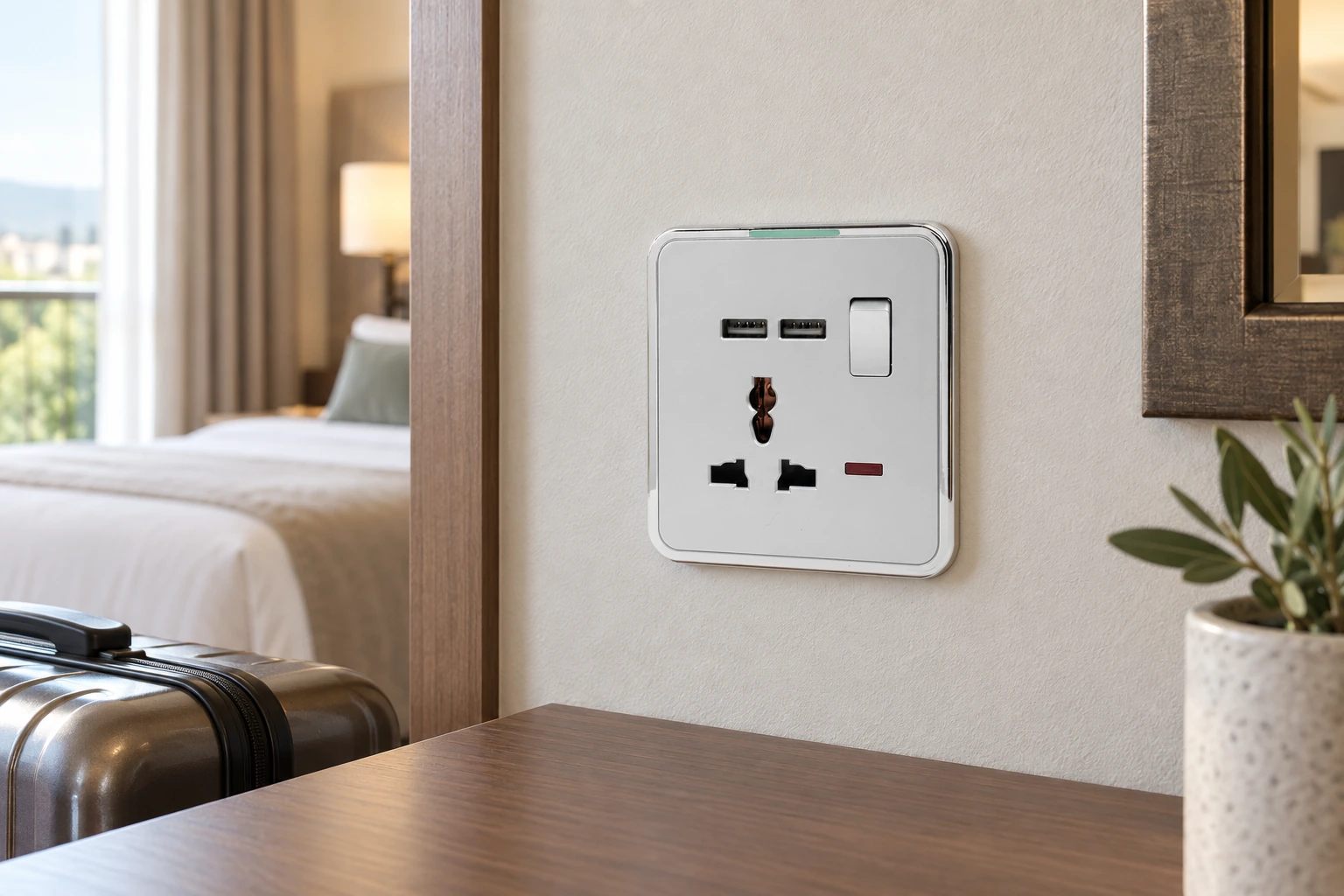
Hotels may present Type L, bipasso, recessed Schuko, or combined Type L/Schuko outlets—even within one property. An adapter shoulder can hit a recessed rim before its pins reach full engagement; a loose combination can expose part of a pin, heat at the contact, or disconnect when a cable moves. A sample check should cover insertion depth, retention, shutter opening, earth engagement, polarity where relevant to the equipment, and clearance around the plug body.
For Class I equipment, test continuity between the source plug’s protective-earth contact and the adapter’s destination-side earth contact. A “grounded” label is not evidence. A competent person should record the method, instrument, criterion, and sample identity.
An adapter changes the interface, not Italy’s 230 V 50 Hz supply
Italy 230V 50Hz is the nominal public-supply specification reported by IEC World Plugs. An adapter rearranges the physical plug interface; it does not transform voltage or frequency. A charger marked “Input 100–240 V, 50/60 Hz” can normally accept the Italian supply, subject to its manufacturer’s instructions, while a 120 V-only device requires a correctly selected voltage converter or transformer.
A voltage converter addresses voltage only. It does not automatically provide an earth path, and most simple converters do not change 50 Hz to 60 Hz. Frequency-sensitive motors, clocks, transformers, and timing circuits therefore require a separate compatibility review. For a Class I appliance, the source outlet, adapter or converter, cord, and appliance inlet must maintain protective-earth continuity throughout.
Read the full nameplate: input voltage, frequency, current or power, insulation class, earth symbol, duty cycle, and manufacturer restrictions. Fixed, heating, medical, or continuous-duty equipment requires an engineered connection and circuit protection, not a compact travel adapter.
Each Italian outlet choice solves a different compatibility problem
| Interface | Typical use | Protective earth | Compatibility strength | Main procurement risk |
|---|---|---|---|---|
| Type L 10 A | Italian 10 A national pattern | Center contact | Many sockets also accept compatible two-pin Europlugs | Assuming it accepts the mechanically different 16 A Type L pattern |
| Type L 16 A | Higher-rated Italian national pattern | Center contact | Suitable where the 16 A pattern is explicitly provided | Using a 10 A-only accessory or mistaking rating for circuit capacity |
| Type C | Compatible low-power Class II equipment | None | Fits many 10 A Type L and bipasso outlets | Mistaking two-pin fit for earth provision or load capacity |
| Type F | Schuko system and compatible hybrid outlets | Side contacts | Useful for earthed European appliances where the correct face is installed | Losing earth through an incompatible or poorly seated adapter |
Unit price alone is a weak comparison. Misfit returns, damaged contacts, replacement visits, and failed commissioning can exceed the initial saving. Total cost should include verification, installation, spares, maintenance, and connection failures.
A site survey should separate adapter fit, voltage conversion, and earth continuity
The right Italy travel adapter depends on the source plug, appliance, and installed outlet. A compatible double-insulated phone charger may use a two-pin solution, while an earthed laptop supply or test instrument needs a rated earth path throughout. An adapter is not a voltage converter, and neither term proves protective-earth continuity.
Before a hotel rollout or field-service visit, record six items:
- Socket face: photograph and identify Type L 10 A, Type L 16 A, bipasso, Type F, or a verified hybrid; record visible ratings and shutters.
- Recess and clearance: measure usable recess depth and surrounding clearance, then trial the intended plug and adapter without forcing it.
- Earth provision: identify the center or side earth contacts and arrange a continuity check for any Class I load.
- Supply: confirm nominal voltage and frequency for the site and escalate abnormal or uncertain circuits to a qualified electrician.
- Device nameplate: capture input range, frequency, current or power, protection class, and manufacturer limitations.
- Adapter rating: verify current, voltage, plug patterns, earth path, instructions, and any fuse or thermal limitation against the actual load.
| Use case | What to specify | Checks before use | Do not assume |
|---|---|---|---|
| Phone or camera charger | Adapter matching the source plug, Italian outlet, and charger protection class | Nameplate accepts 230 V 50 Hz; adapter rating exceeds the load | Every room has the same socket face |
| Earthed laptop or test instrument | Adapter with verified protective-earth continuity | Earth engagement, insertion depth, retention, and cable strain | A two-pin fit preserves Class I protection |
| Hair appliance or portable heater | Correct voltage plus current and thermal rating for the real load | Power, duty cycle, adapter instructions, and local circuit limit | A compact travel adapter can safely carry any wattage |
| Hotel or residence fit-out | Fixed socket system selected for Italian installation requirements | CEI configuration, terminals, shutters, box depth, and documentation | A travel adapter is suitable for permanent installation |
| Industrial or continuous-duty equipment | Purpose-designed connection rather than a consumer travel adapter | Engineering review of load, protection, environment, and maintenance | Domestic socket ratings cover industrial service |
Standards and market claims must be read by product scope
- CEI 23-50: Italy’s national reference for household and similar plugs and socket-outlets. Request the applicable edition, configuration sheets, test scope, and exact model identity.
- IEC 60083: a compilation of standardized domestic plug-and-socket systems used by IEC member countries. It supports system identification; it is not an approval certificate.
- EU Low Voltage Directive 2014/35/EU: Annex II excludes plugs and socket-outlets for domestic use from this directive. That exclusion does not remove other national or EU safety obligations, and related products such as an electronic converter may have a different scope.
- RoHS Directive 2011/65/EU: applicability depends on the exact finished product, its category, exclusions, and exemptions. A supplier statement should identify the model and evidence basis.
CE, RoHS, or GCC paperwork is not blanket Italian approval. CE marking follows the legislation applicable to the exact product; it is not a general quality certificate, and GCC evidence addresses an applicable Gulf scheme rather than Italy. Unsupported or mismatched claims can cause tender rejection, market-surveillance questions, relabeling, rework, or replacement. Connect each claim to a model, construction, standard, report, issuer, destination, and current document revision.
Procurement teams can reduce compatibility risk in five steps
- Define the destination and application: temporary travel accessory, fixed socket, OEM cord set, hospitality fit-out, or service equipment.
- Record the installed faces, 10 A or 16 A Type L pattern, earth method, recess, shutters, mounting box, terminals, and supply.
- Gauge samples and test insertion, withdrawal, earth continuity, rated-load temperature rise, and durability under the applicable plan.
- Match declarations and reports to the model, construction, production source where relevant, and destination rules; resolve scope gaps before purchase.
- Pilot with real plugs, cables, wall boxes, housekeeping conditions, and maintenance procedures before volume release.
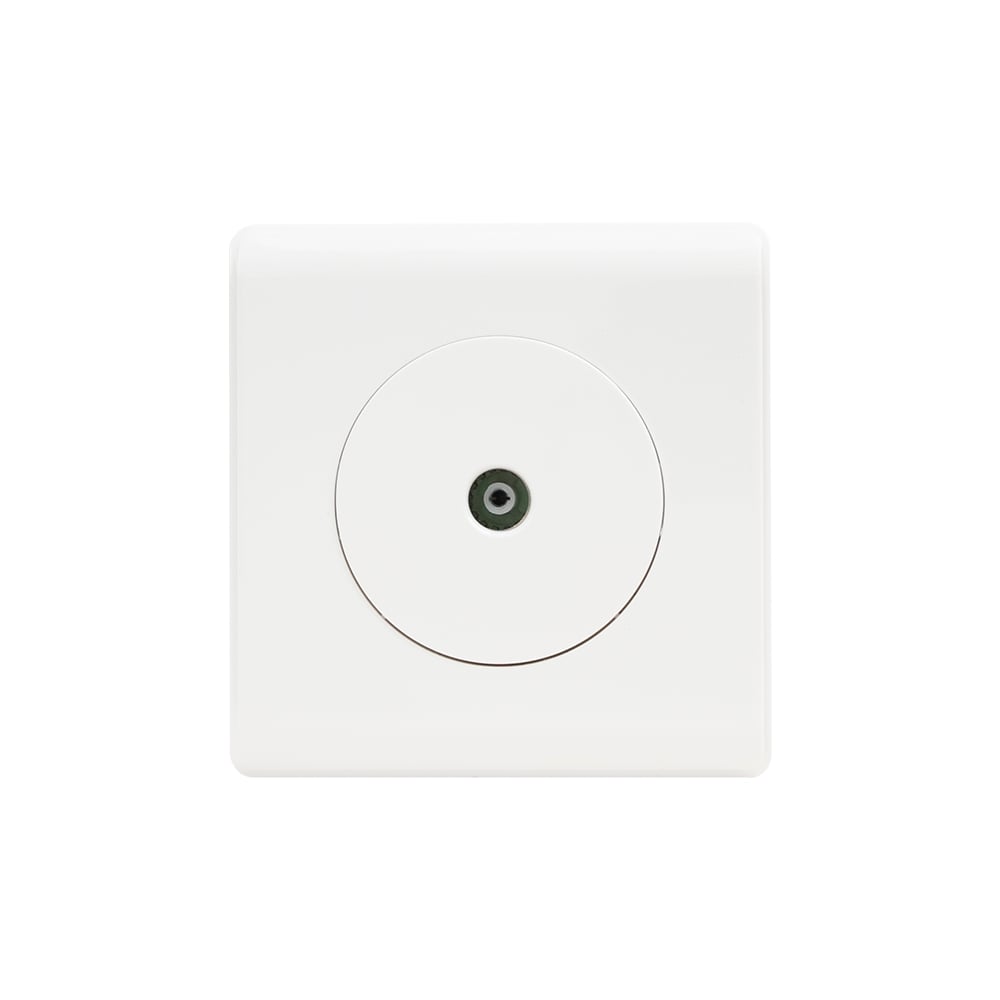
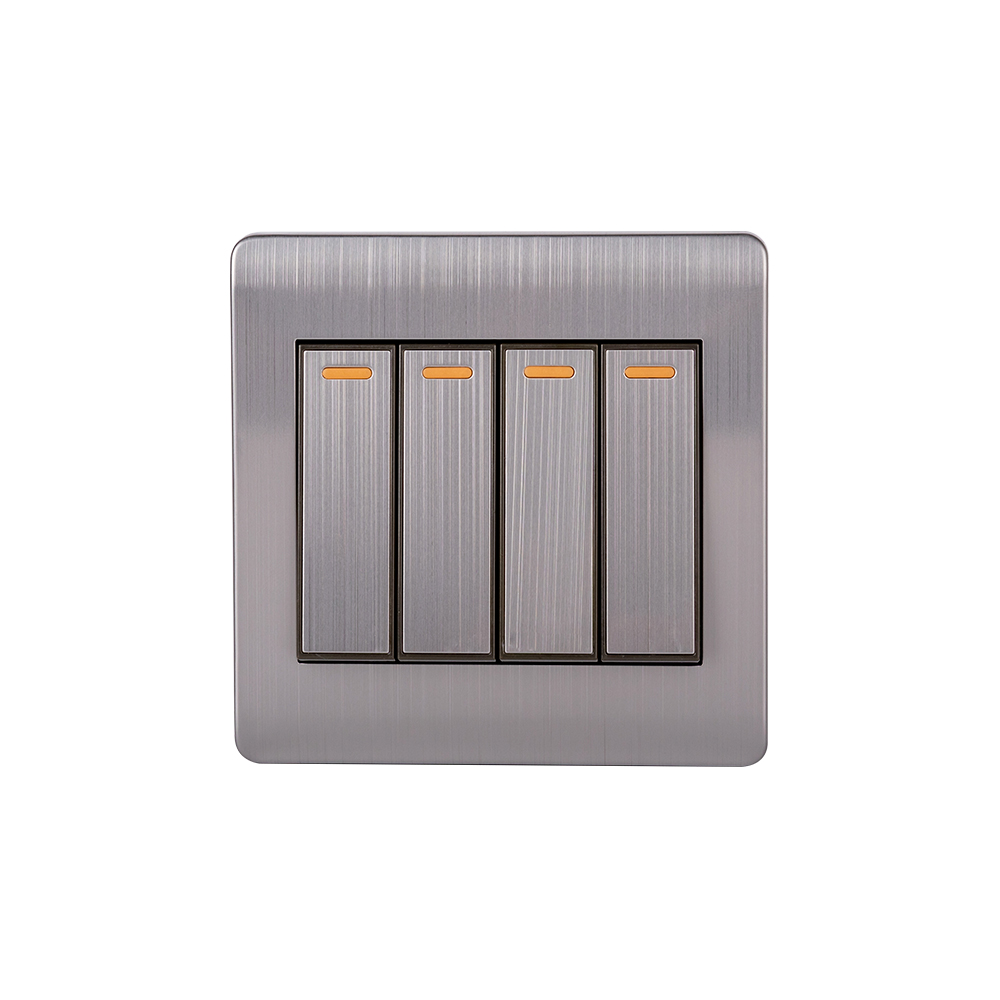
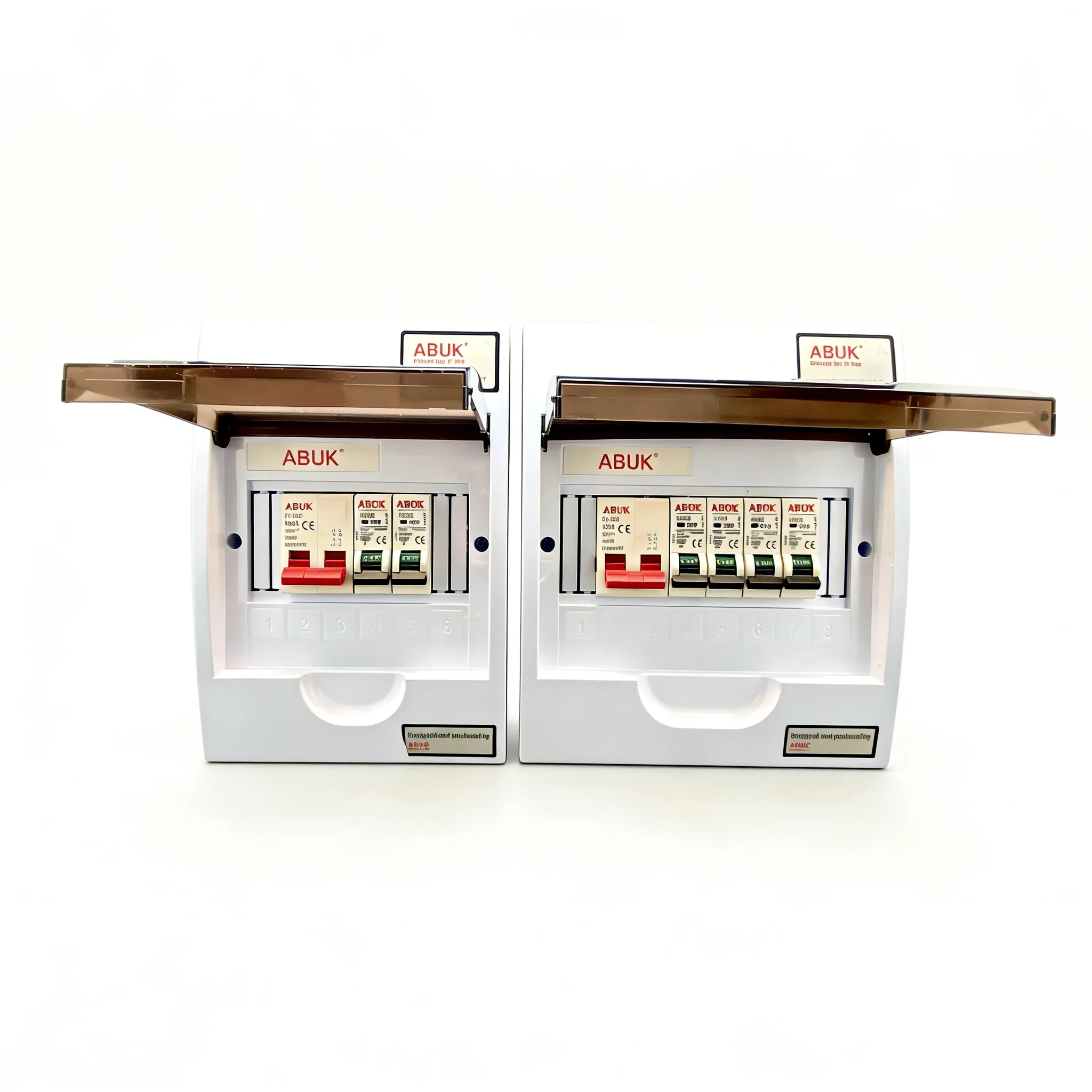
ABUK supports B2B review of configurable wall-switch and socket assemblies, documents, and samples. See its Type F socket and related product ranges; confirm any CE, RoHS, or GCC evidence for the exact model and destination.
Frequently asked questions clarify the remaining Italian socket decisions
What plug and socket type is used in Italy?
Italy commonly uses Type C, Type F, and Type L. Type L is the national format, Type F appears in Schuko or hybrid outlets, and Type C is common on compatible low-power two-pin appliances. Check the actual outlet and load because the installed mix varies.
Does Italy use Type L electrical sockets?
Yes. Italy uses Type L sockets in mechanically distinct 10 A and 16 A patterns, and many installations use bipasso outlets that accept both. Review this guide to Italian plugs and power sockets for a related overview.
Can Type C plugs fit Italian wall sockets?
Many Type C Europlugs fit 10 A Type L and bipasso sockets. The Europlug has no protective earth and is intended for compatible Class II equipment, so mechanical fit does not authorize a higher load or replace an earth connection.
What voltage and frequency do Italian outlets provide?
Italian outlets provide nominal 230 V at 50 Hz. Both values must fall within the equipment nameplate range; a pin adapter does not convert either one, and an ordinary voltage converter does not necessarily change frequency.
Will a Type F plug work in every Italian outlet?
No. A Type F plug needs a Schuko receptacle or a hybrid designed to accept its pins and side earth contacts. A Type L-only outlet is not mechanically equivalent, and any adapter must suit the load while preserving earth for Class I equipment.
Does Sicily use a different electric socket type from mainland Italy?
No separate Sicilian socket system is specified: Sicily follows Italy’s national 230 V, 50 Hz system and the same Type C, F, and L context. Individual hotels, homes, and renovated buildings can still differ, so confirm the socket face, recess, earth provision, and condition at the actual property.
Authoritative sources support the final sourcing decision
- International Electrotechnical Commission, World Plugs — country supply and plug-type reference.
- IEC 60083, Plugs and socket-outlets for domestic and similar general use standardized in member countries of IEC.
- Comitato Elettrotecnico Italiano (CEI) standards catalogue — national standards source, including CEI 23-50.
- Directive 2014/35/EU, including Annex II — official EU scope and exclusion text.
For the Italy electric socket type, the safest rule is simple: specify the electrical interface as a tested system, not as a country-shaped pin pattern.
For project sourcing, review ABUK’s Type L socket sourcing options and contact ABUK with the destination, drawings, rated load, quantities, and documentation requirements. That evidence-led brief is the fastest route from the Italy electric socket type question to a configuration that can be sampled and verified.