
 Wenzhou Lita Electric Co., Ltd.
China 10A vs 16A Sockets: Which Plug or Adapter Do You Need?
When a facilities buyer in Shanghai encountered an air conditioner plug that would not fit the apartment socket, an inexpensive adapter looked like a quick solution. In this hypothetical fit-out, the adapter arrived before the electrician; installation then stopped because nobody had checked the outlet rating or circuit. The problem was a mismatch in the specification, not a defective appliance.
Summary: Chinese 10A and 16A connections differ in both rating and connector geometry. At a nominal 220V, their current ratings correspond to 2,200VA and 3,520VA respectively; these are arithmetic comparisons, not permission to connect any appliance of that wattage. Buyers should match the appliance plug, marked current and installation requirements before selecting a socket or adapter.
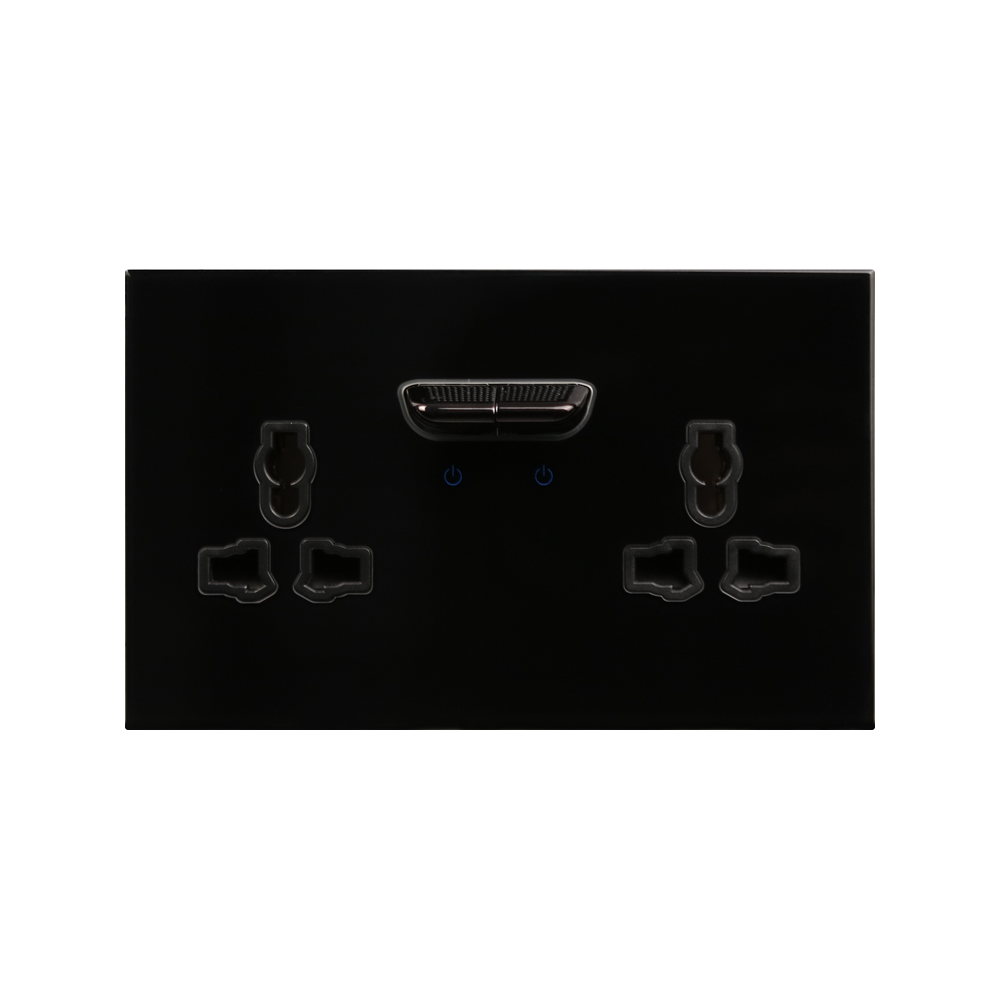
An electrical socket outlet for China cannot be specified from a front-view photograph alone. Mainland China uses nominal 220V, 50Hz power, while more than one plug configuration appears in everyday use. The Museum of Plugs and Sockets documents distinct Chinese 10A and 16A earthed connectors; Travel China Guide independently identifies the mainland supply voltage and frequency. Hong Kong and Taiwan require separate checks.
How can a buyer identify a Chinese 10A or 16A connector?
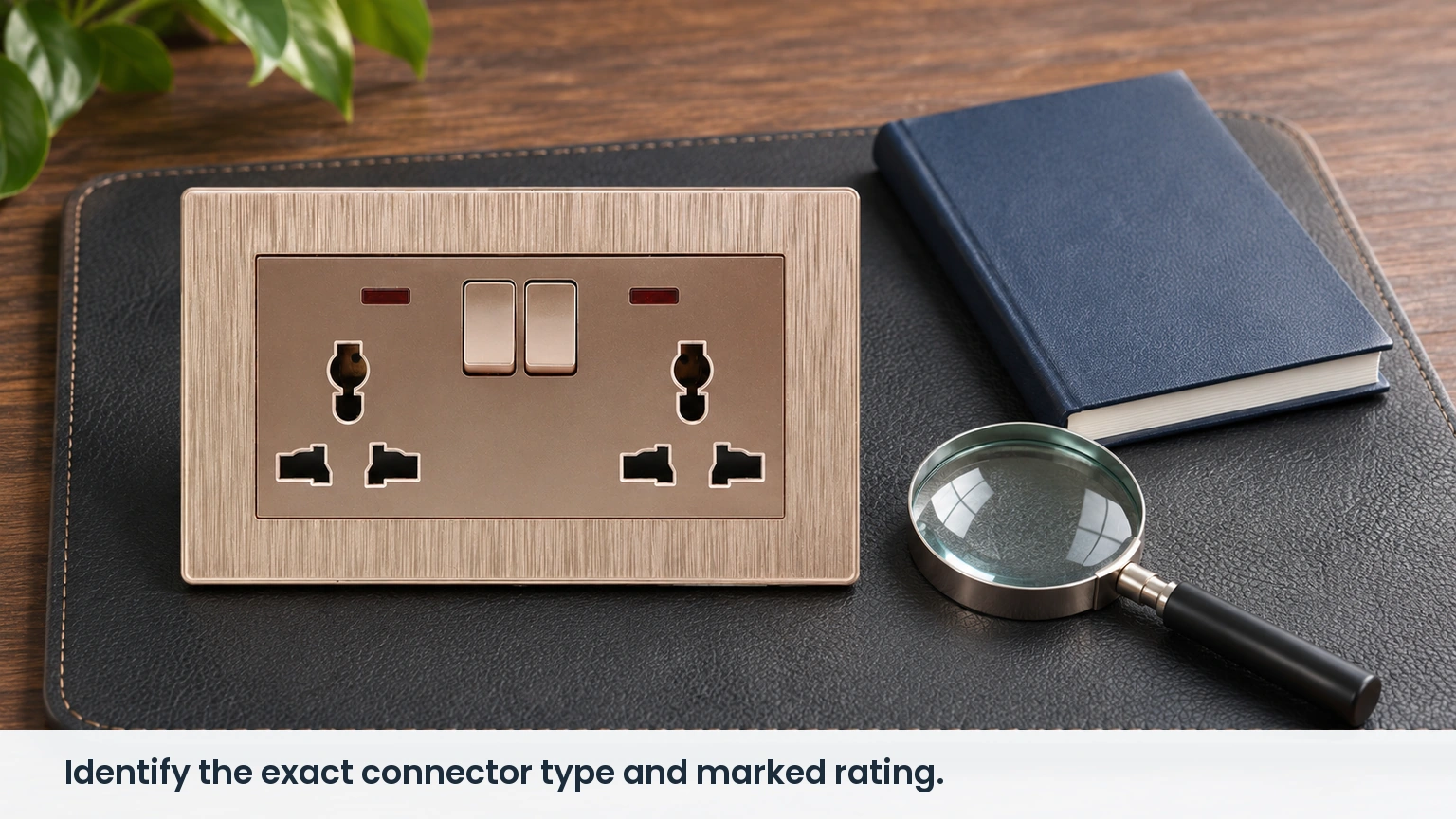
The useful starting point is the current marking on the plug and socket, followed by the exact connector configuration. Chinese 10A and 16A earthed plugs may both have three flat pins, but the larger version has different pin dimensions and spacing. Similar appearance does not establish interchangeability, and a Chinese 16A connector should not be confused with an Australian 15A connector.
China’s GB 1002 standard family addresses domestic plug and socket dimensions; the GB 2099 family covers relevant safety requirements. The applicable edition and product scope belong in the purchasing specification. Museum examples help explain physical differences, but historic specimens cannot establish current compliance for a product on sale.
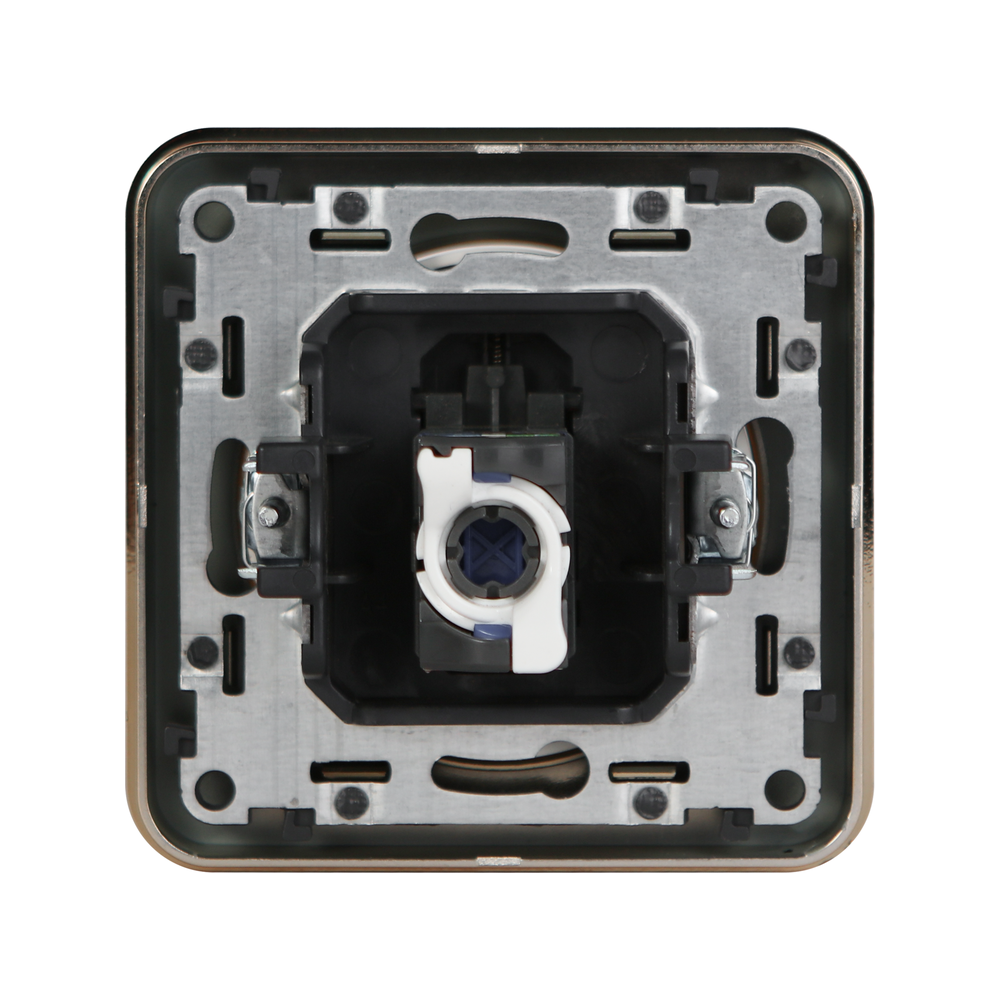
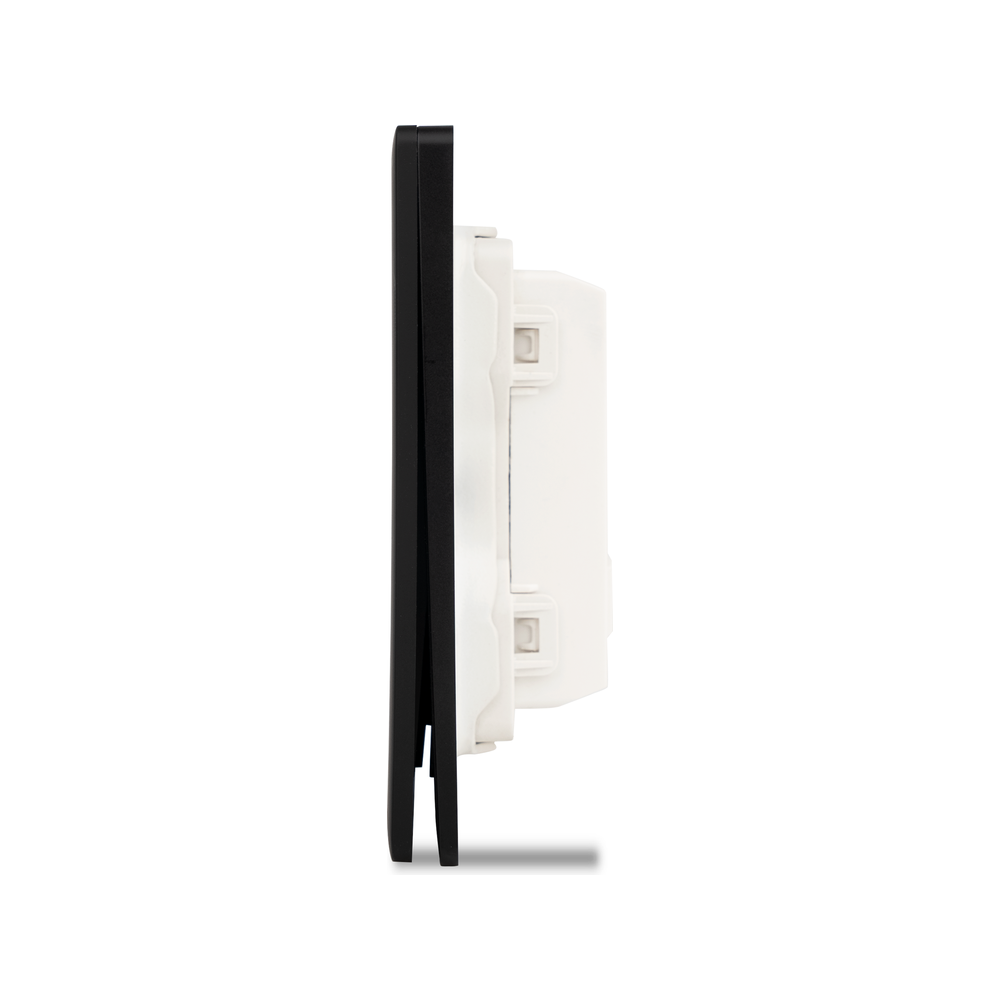
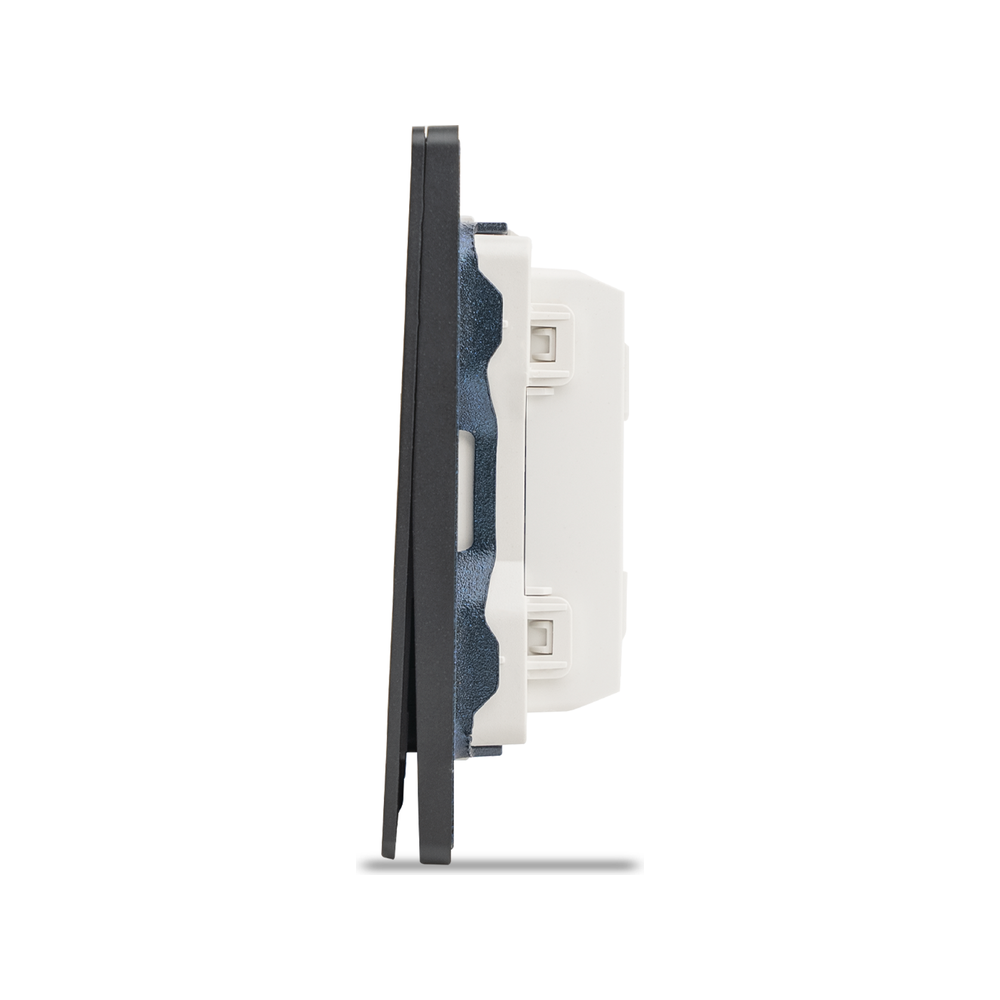
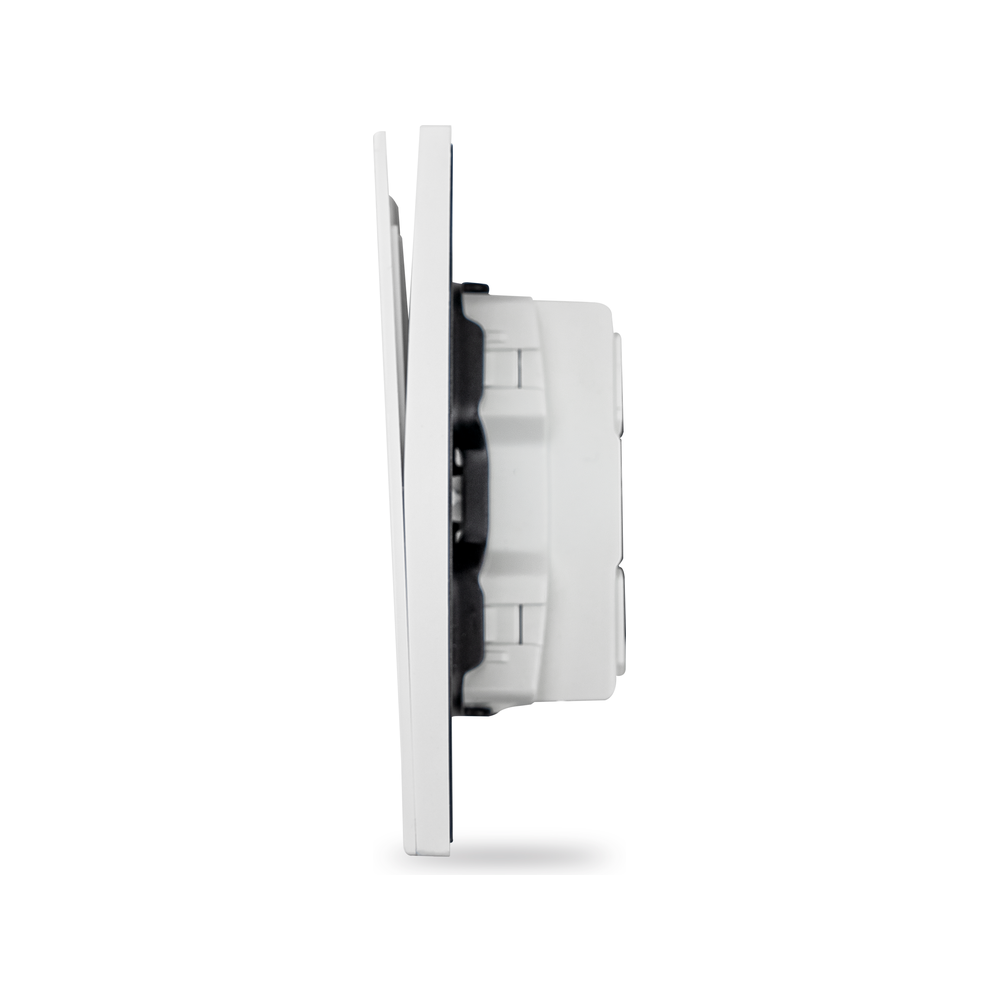
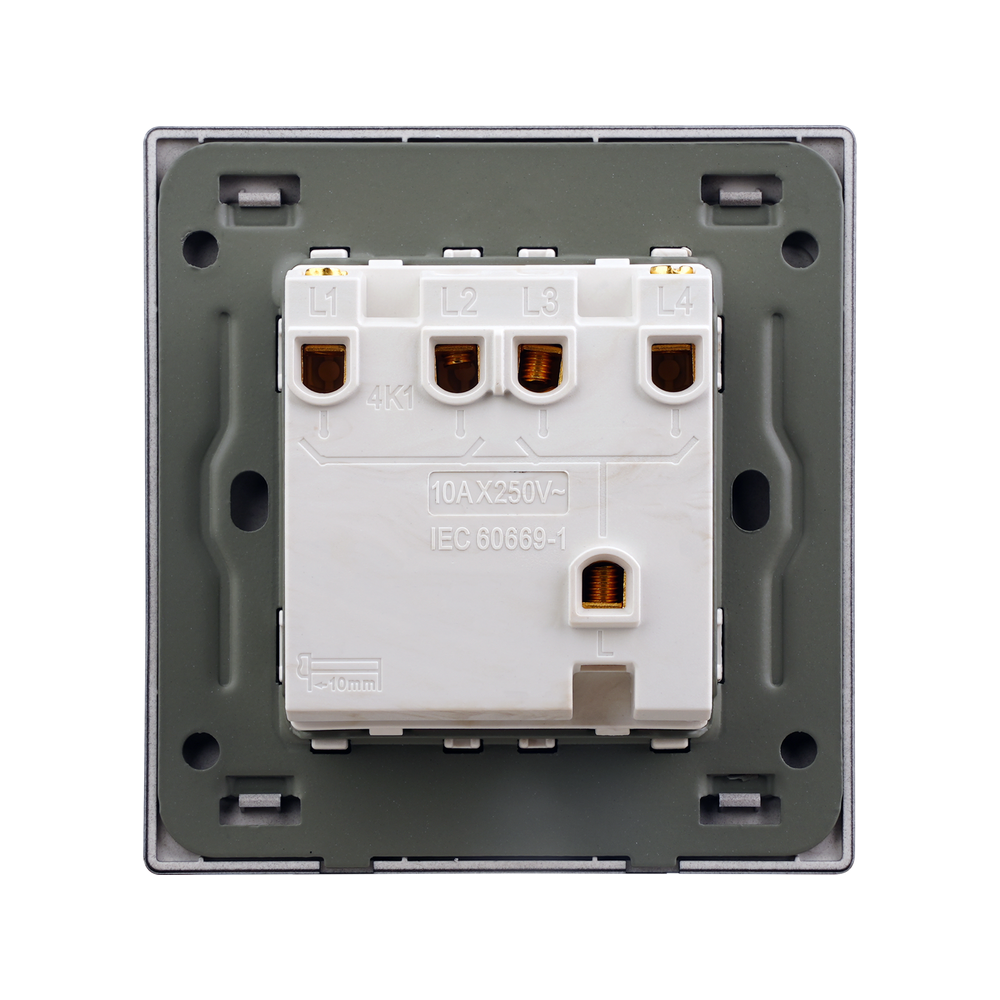
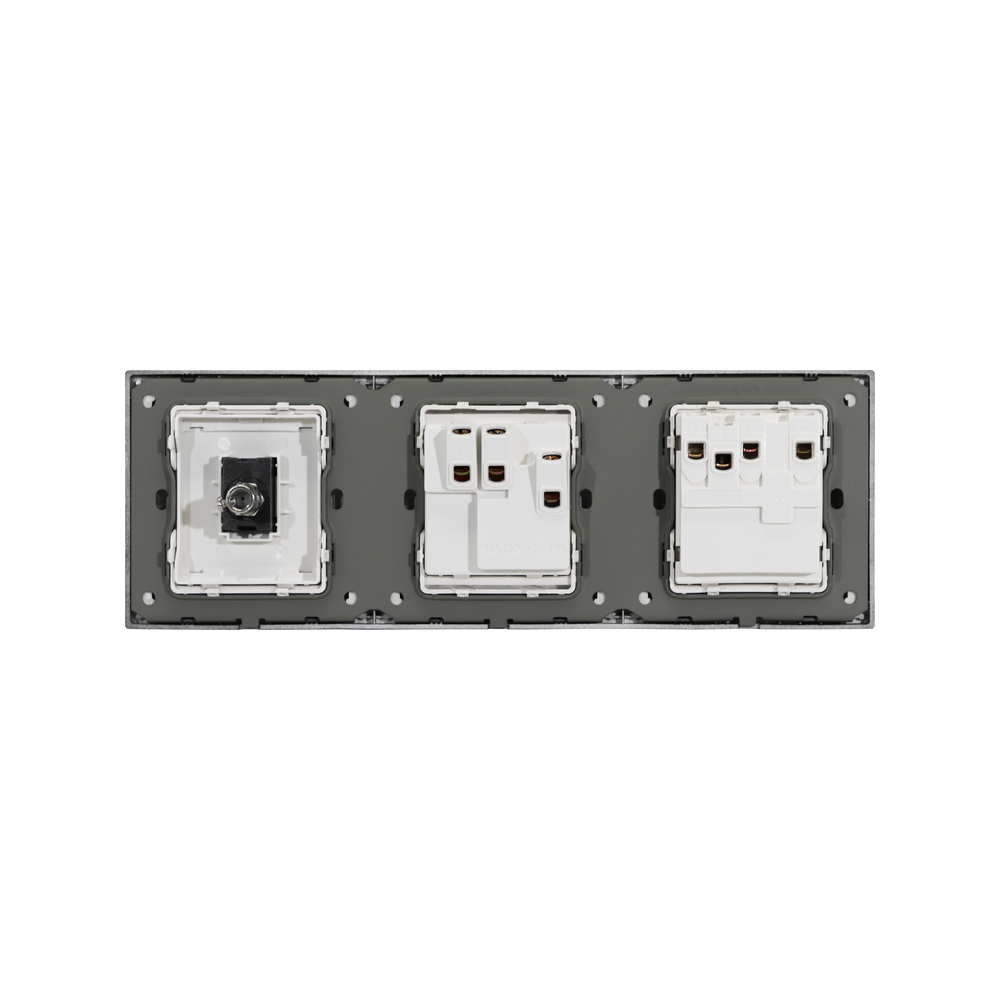
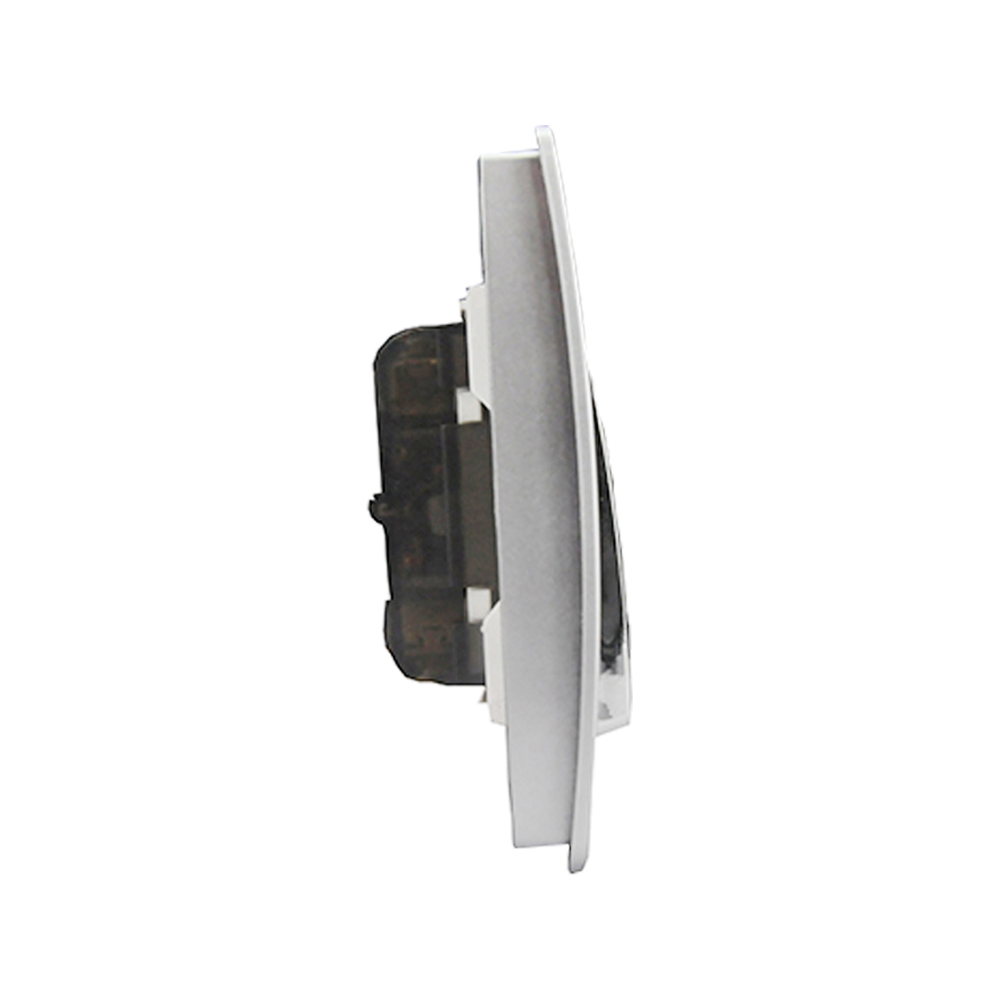
For an installed outlet, markings may not be visible from the room. A guest or buyer should request the installation record or a professional inspection rather than remove the faceplate. A useful procurement pack includes front and rear product photographs, the model designation, marked current and voltage, and the matching plug reference.
Does a 16A socket provide more voltage than a 10A socket?
No. On the same nominal 220V supply, the difference is the permitted current for the specified accessory, not a higher supply voltage. For a simple resistive load, current is approximately power divided by voltage: a 2,000W heater draws about 9.1A at 220V. A 3,000W heater would draw about 13.6A, exceeding a 10A accessory’s rating.
These examples use nominal voltage and are not installation approvals. Motors and electronic loads need their actual nameplate current and manufacturer requirements checked; watts alone may not describe power factor, starting conditions or operating range. GB 2099 product requirements also do not turn a socket rating into a rating for the entire branch circuit.
A Chinese 16A socket does not push 16A into every connected device. The appliance determines its demand. Whether a lower-current appliance can connect depends on the permitted plug configuration and installation, rather than a belief that a higher-rated socket automatically damages smaller equipment.
Why does a physical adapter not upgrade a socket?
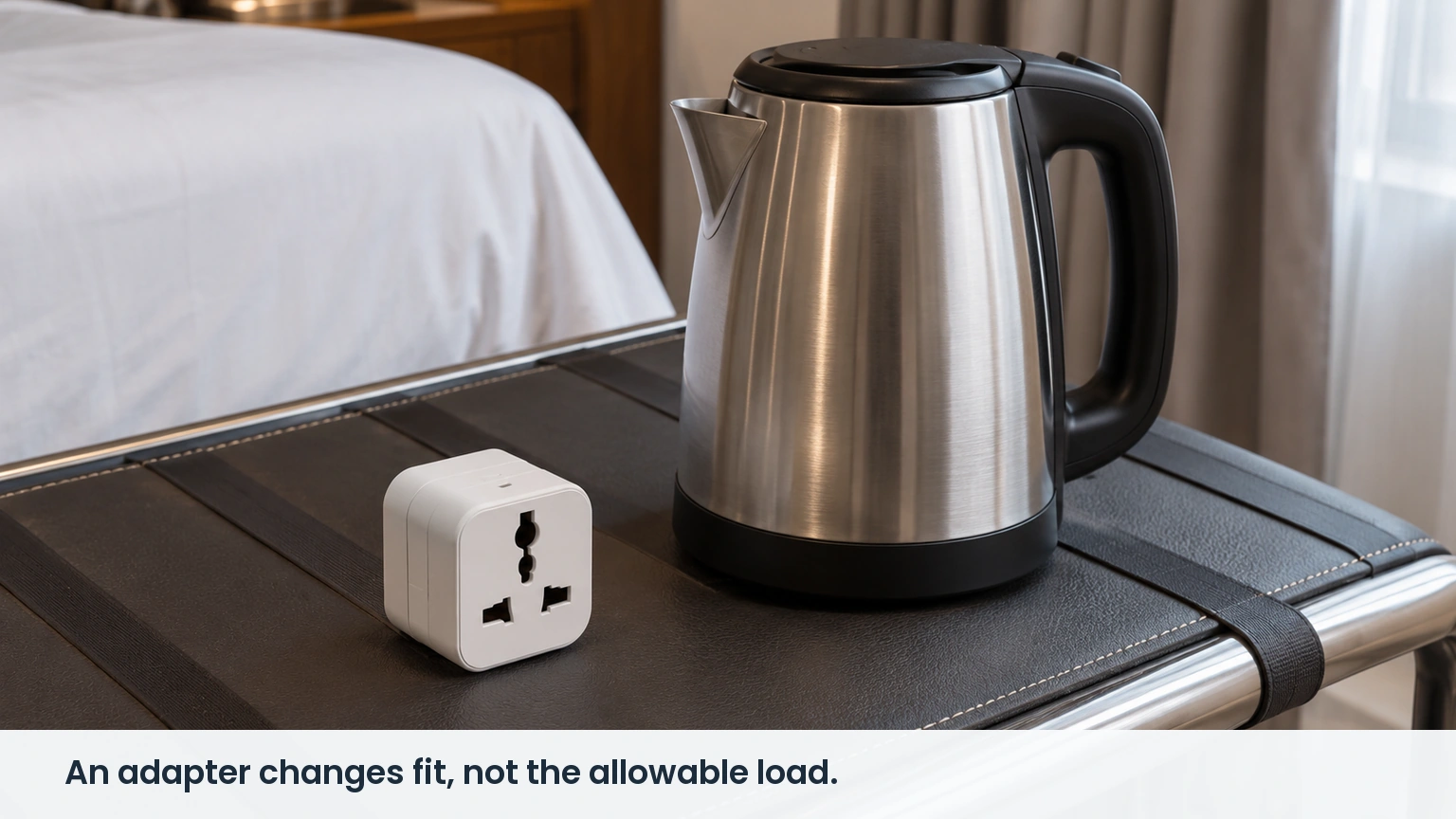
An adapter changes the connection interface; it cannot increase the current rating of the wall socket, the conductors behind it or the circuit protection. A 16A appliance plug connected through an adapter to a 10A outlet still encounters that 10A limit. Each additional contact also creates another point whose condition and rating matter.
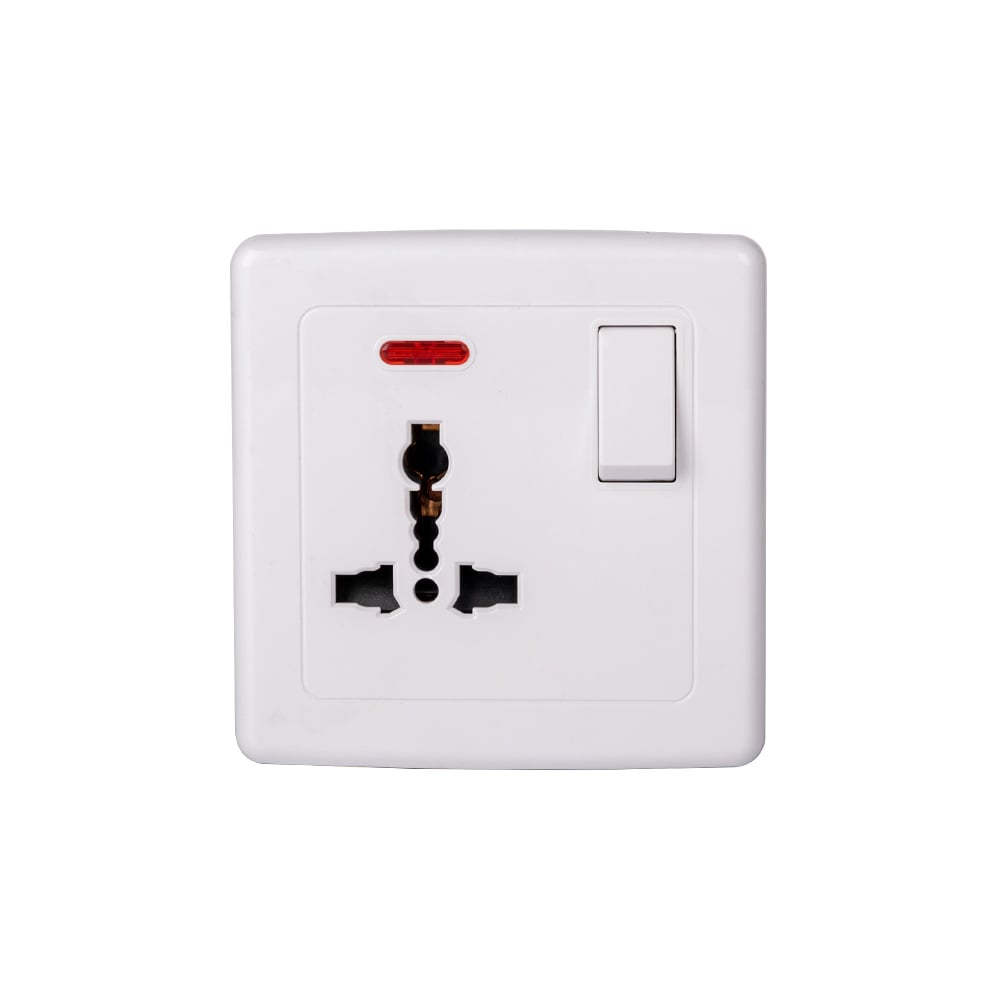
Procurement review should therefore assess the whole connection against the relevant GB product requirements, including the adapter where one is proposed. Earth continuity, mechanical retention and the adapter’s own marked voltage and current cannot be inferred from the number of holes. A universal-looking socket is not evidence of universal electrical suitability.
An adapter also leaves supply voltage unchanged. A 120V-only appliance remains unsuitable for direct connection to mainland 220V power even if its flat pins fit. The China electric socket type and voltage guide explains why plug shape and supply compatibility must be checked separately.
When does changing the socket require a wider installation review?
A proposed change from 10A to 16A needs a competent electrician to assess the circuit, protective devices, earthing, conductors, terminations and appliance requirements. Changing the faceplate alone does not establish the suitability of those components. The relevant GB accessory requirements are only one part of that assessment.
For project costing, compare the complete installed option: accessory, electrical work, testing, downtime and future maintenance. A low purchase price loses its advantage when an unsuitable adapter delays commissioning. No universal payback period is credible without actual site costs; buyers can instead compare documented quotations against the same appliance schedule.
Facilities teams should record which outlets serve which equipment after the work. Clear handover information reduces the chance of a later tenant moving a high-demand appliance to a convenient but unsuitable connection.
Which connection option has the lowest avoidable cost?
| Option | What it can solve | What still needs checking | Cost exposure |
|---|---|---|---|
| Existing compatible 10A connection | Connection for a suitable appliance | Load, condition and circuit suitability | Inspection or remedial work if deteriorated |
| Properly specified 16A installation | Suitable connection for the designated load | Complete circuit and appliance requirements | Electrical work and commissioning |
| Physical travel adapter | Permitted plug-interface mismatch | Every component’s rating and earth path | Extra contacts; no capacity upgrade |
How should the specification change with the application?
| Application | First evidence to request | Common purchasing mistake |
|---|---|---|
| Air-conditioning installation | Exact model’s connection instructions | Assuming every unit uses the same plug |
| Imported kitchen appliance | Input voltage, current and plug details | Checking fit while overlooking voltage |
| Apartment refurbishment | Appliance schedule and circuit survey | Buying identical faceplates for every location |
| Travel electronics | Charger input range and adapter rating | Assuming all flat-pin devices accept 220V |
What conformity evidence should accompany the product?
Purchasers should verify the applicable GB standards and any compulsory certification requirements for the exact product through the Chinese authorities. A CCC logo in a catalogue is not a substitute for a valid, model-matched record. CE, RoHS and GCC documentation serves different regulatory purposes; none automatically establishes acceptance for a mainland Chinese socket installation. Missing or mismatched documents can cause procurement rejection and replacement costs.
What should a buyer send with an enquiry?
- The destination, appliance model and input-label photograph.
- The required plug configuration and verified current rating.
- The existing installation constraints, supplied by the responsible electrician.
- The exact conformity documents and matching accessories required.
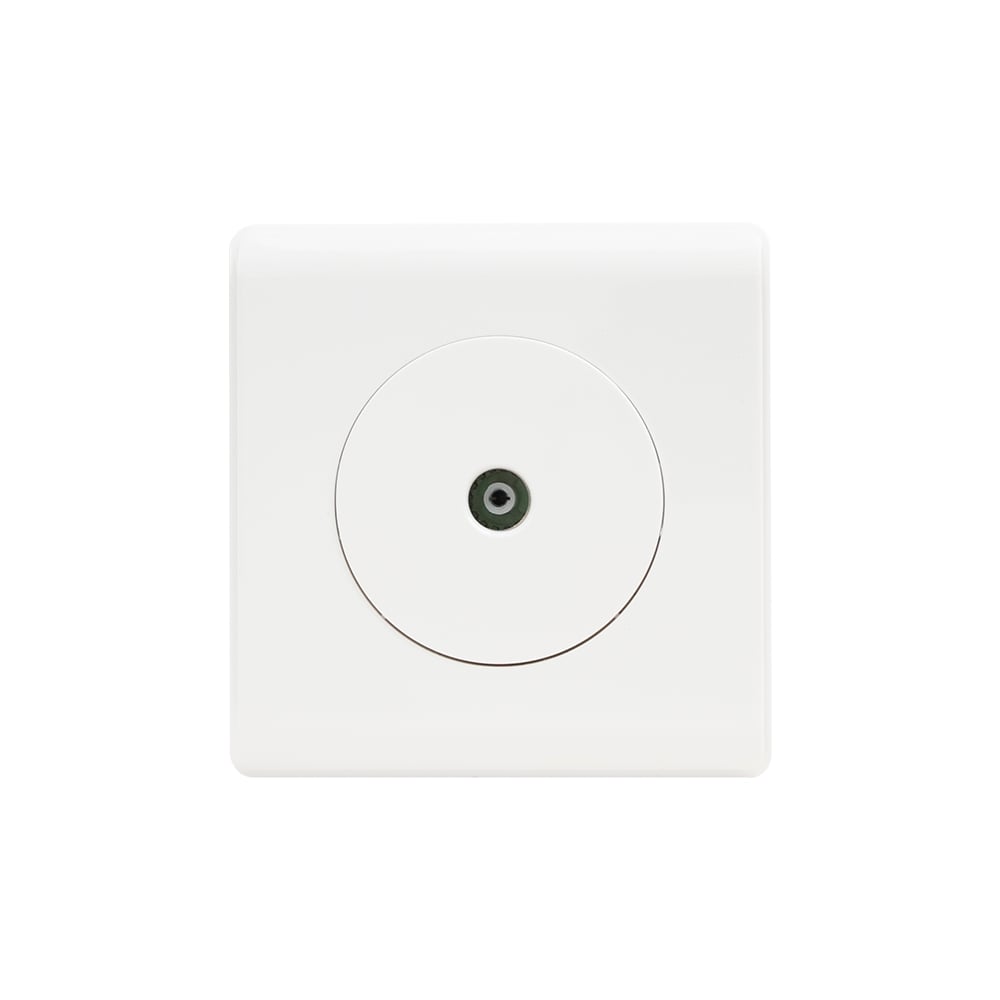
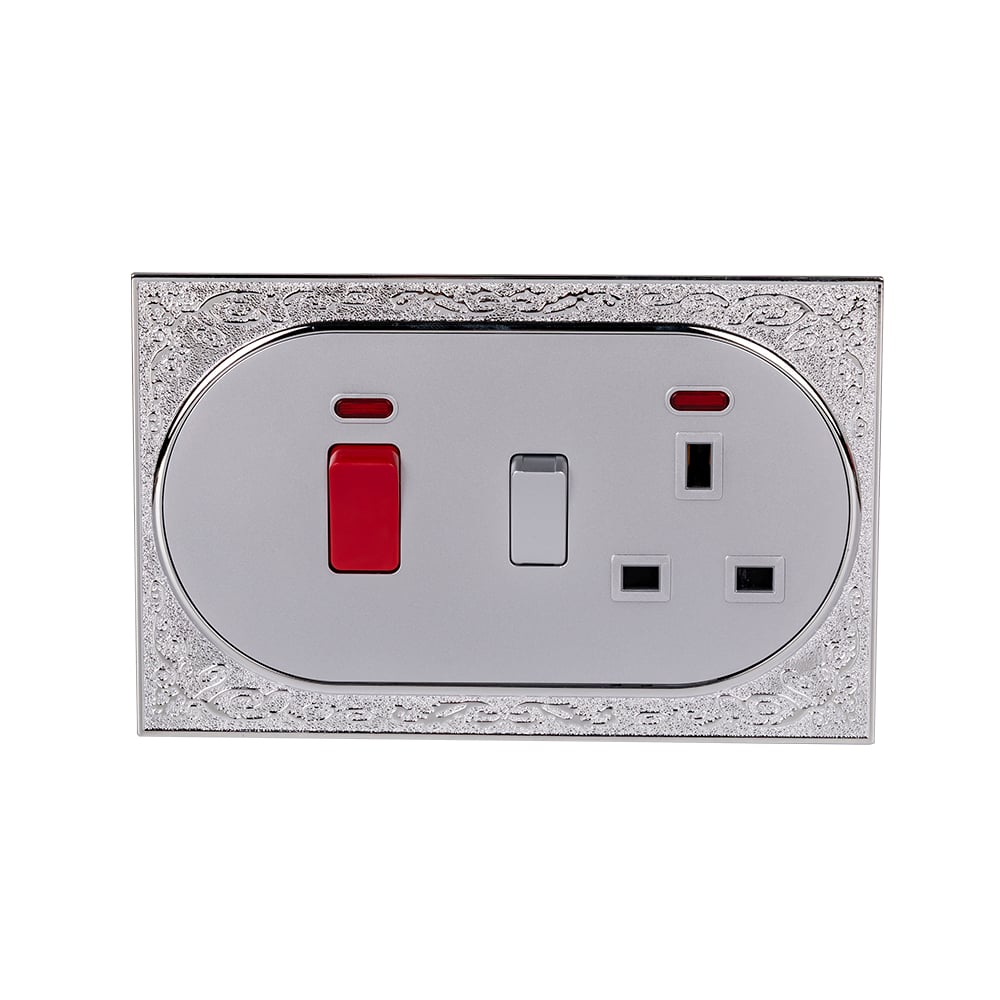
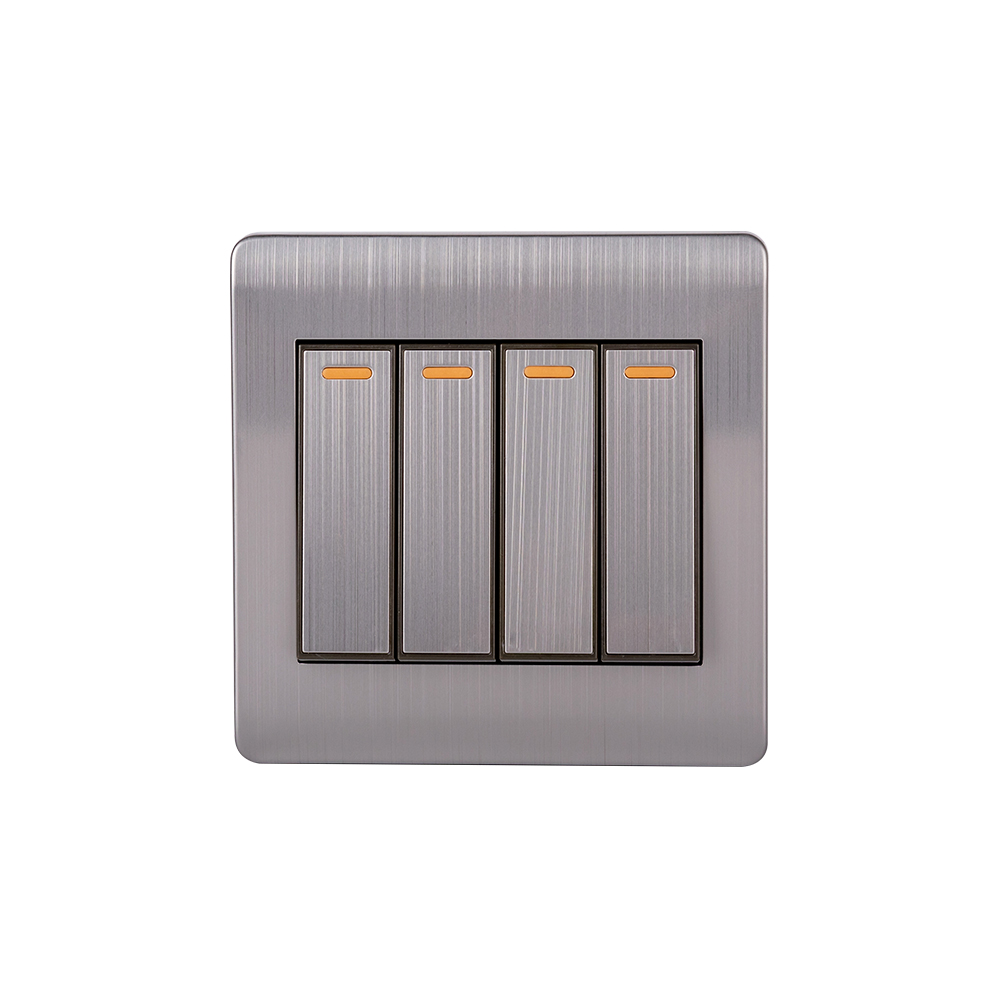
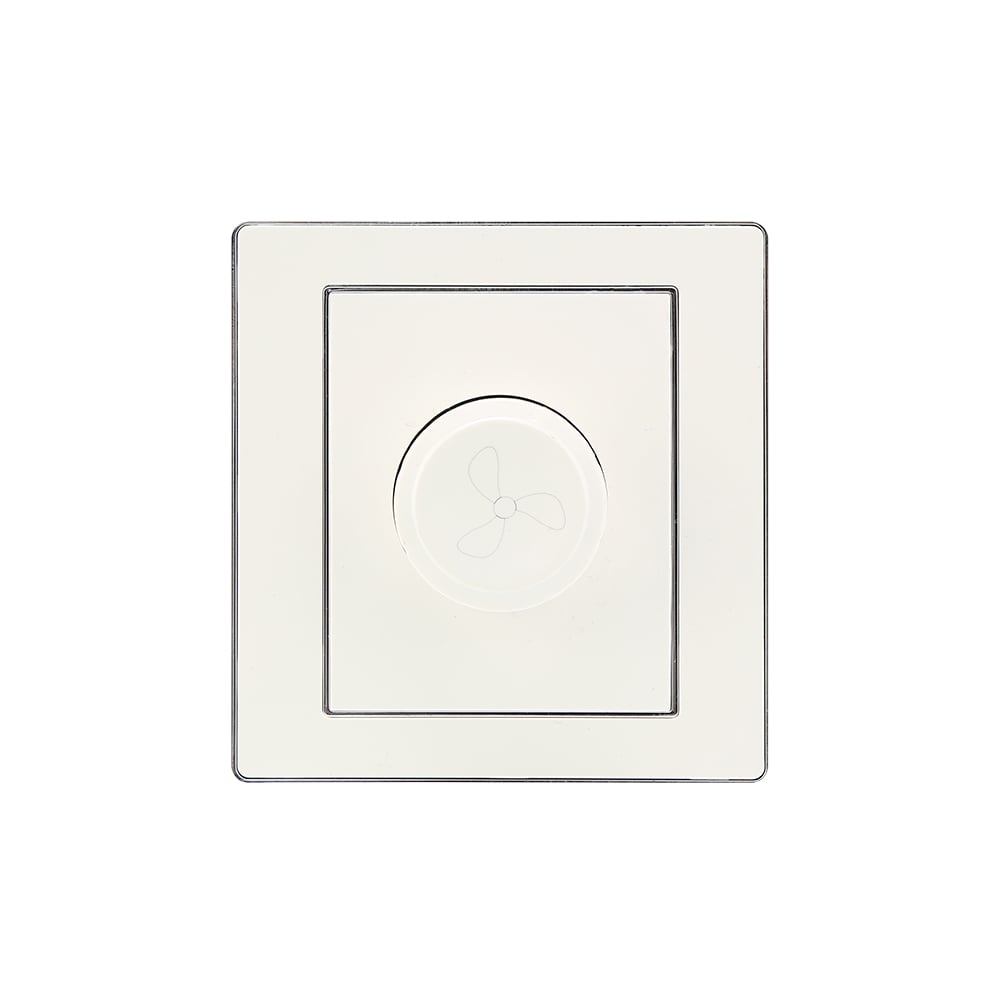
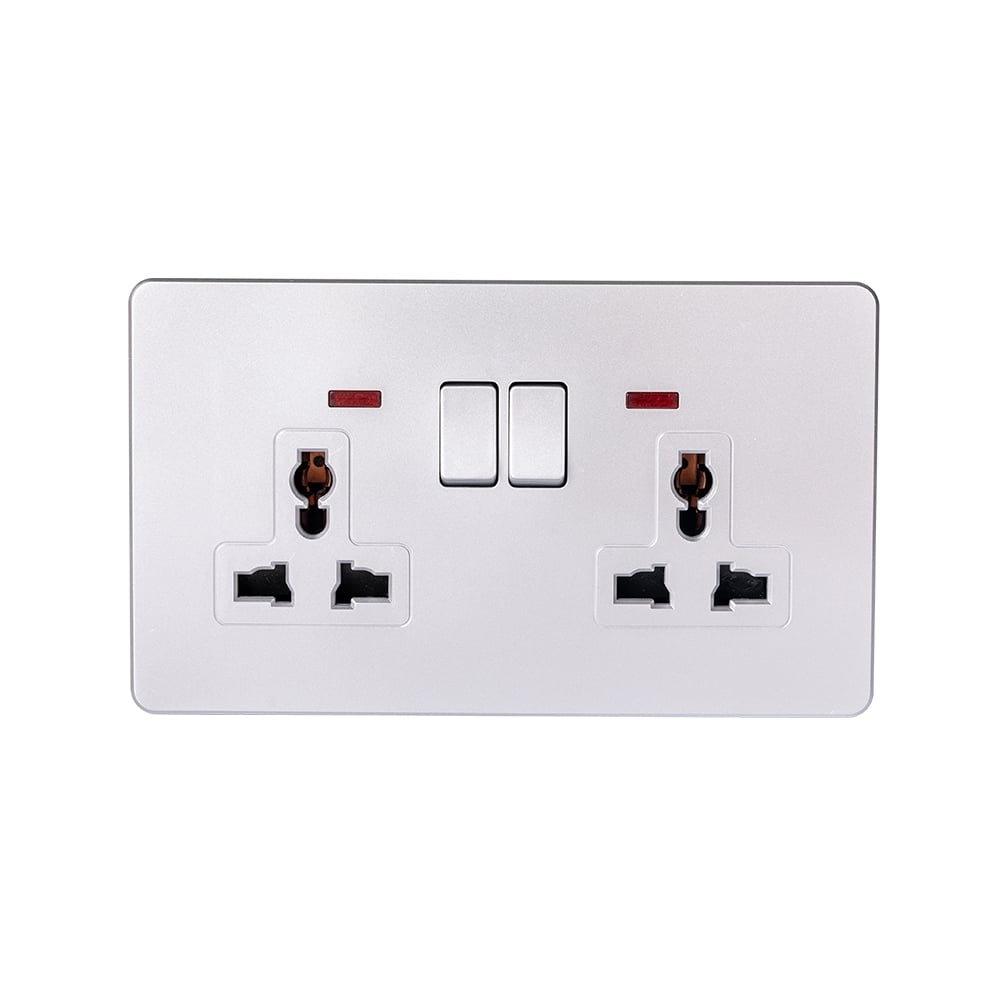
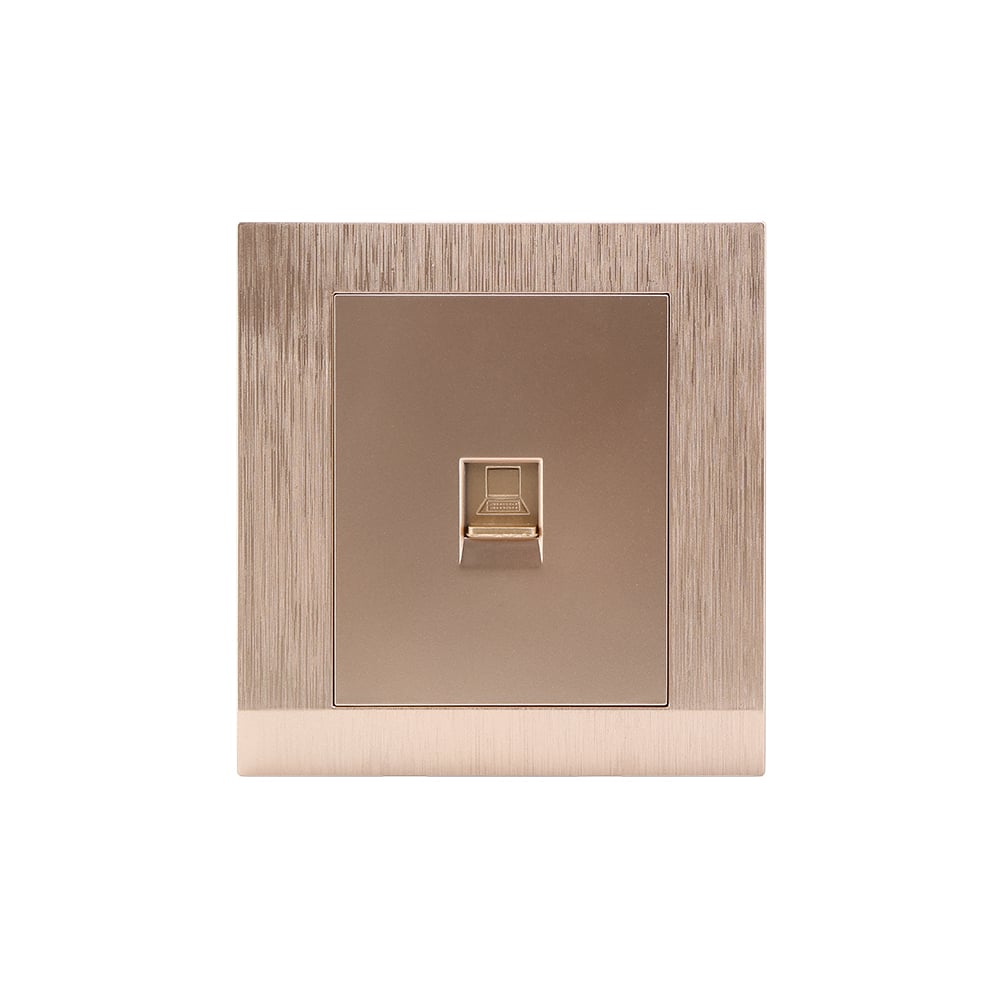
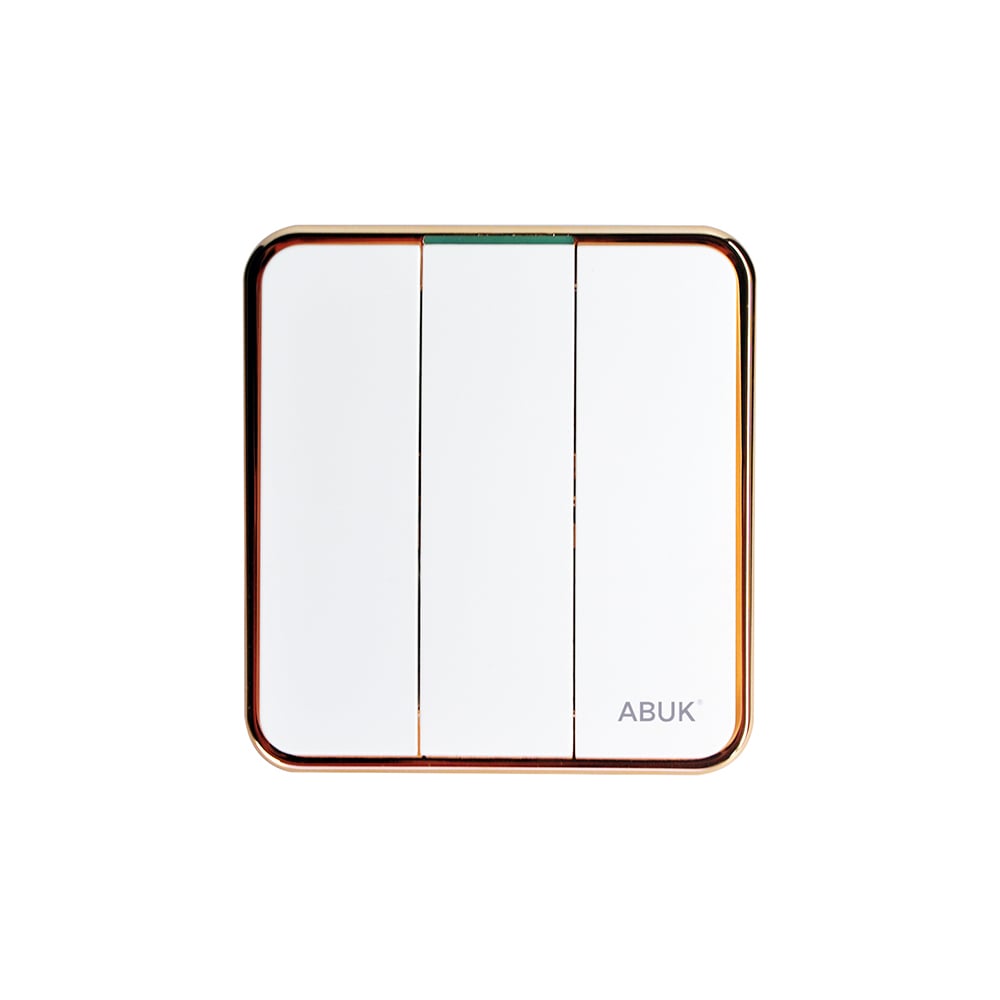
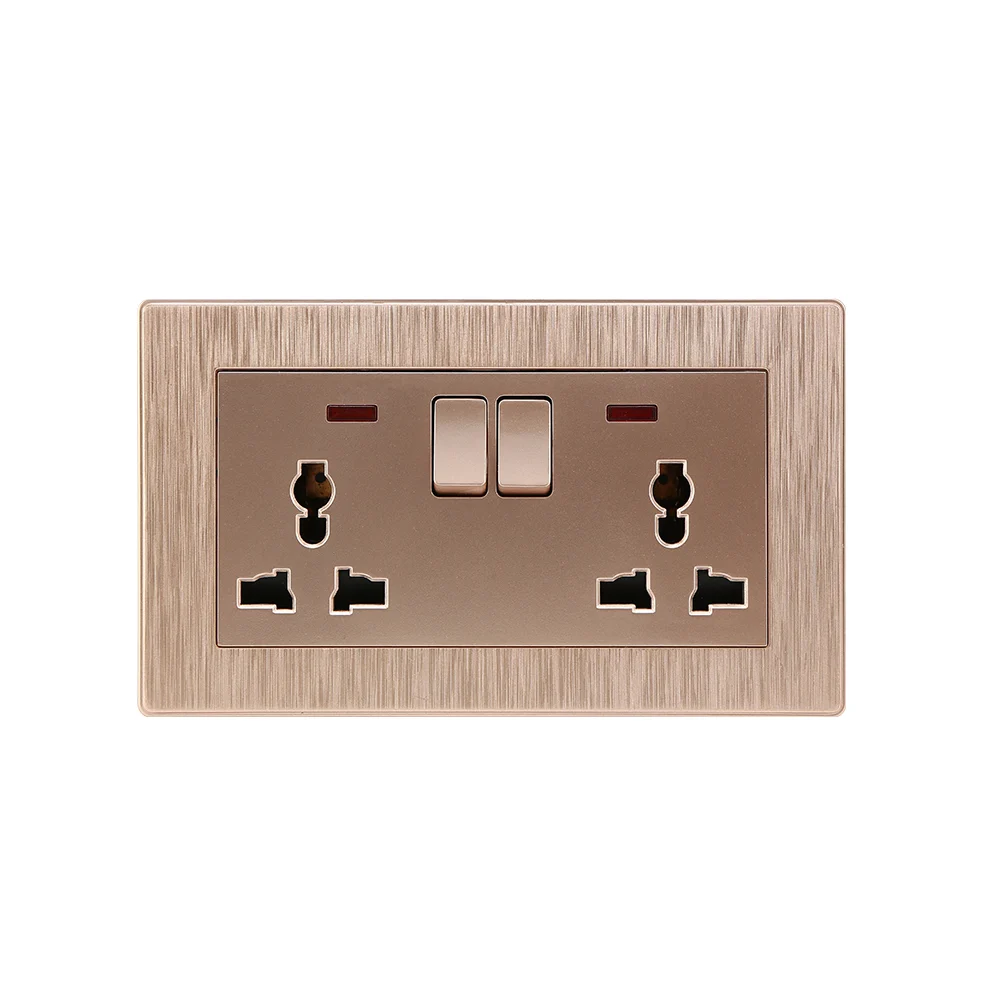
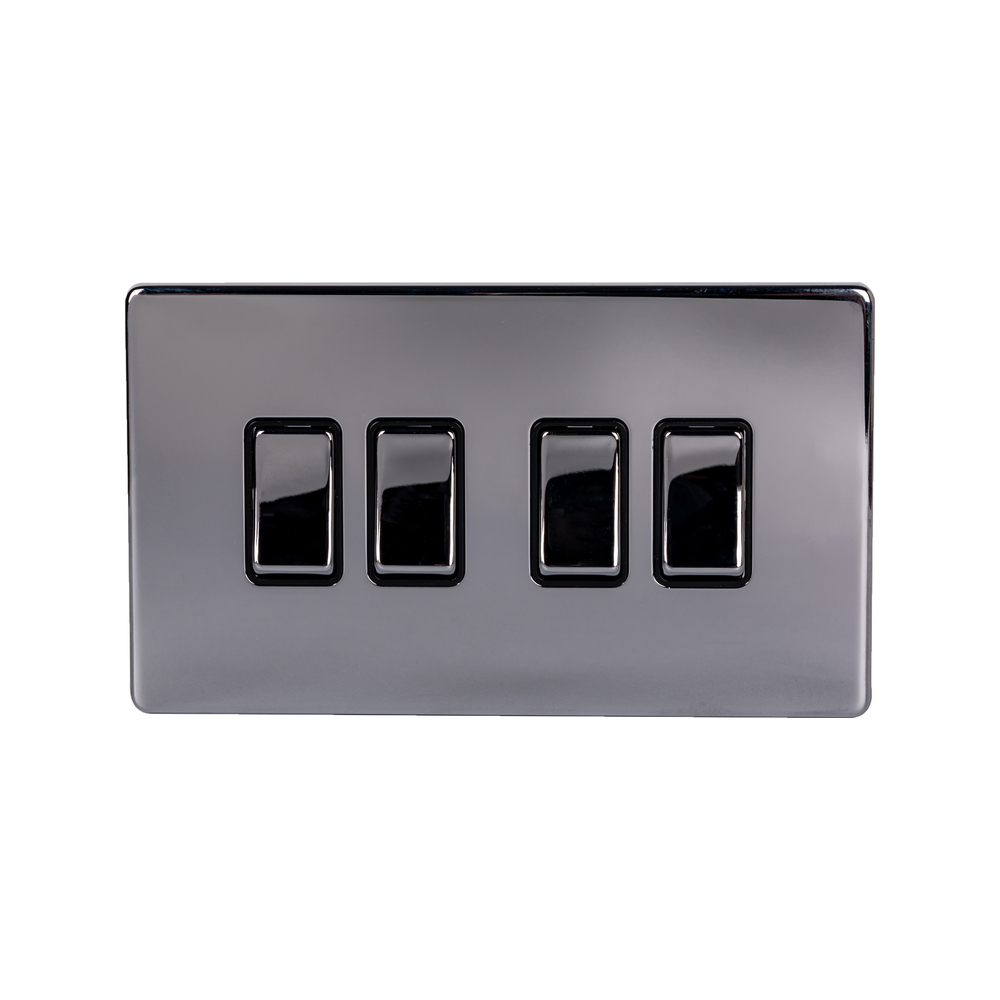
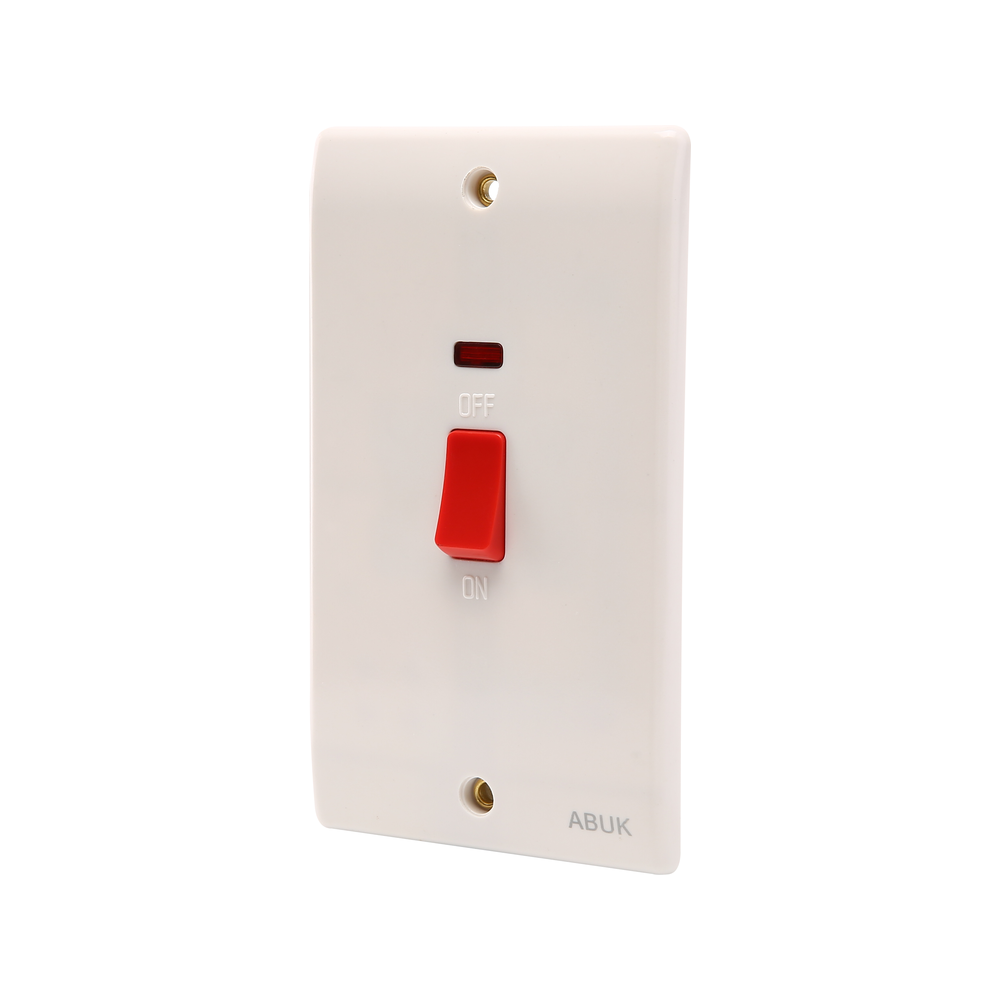
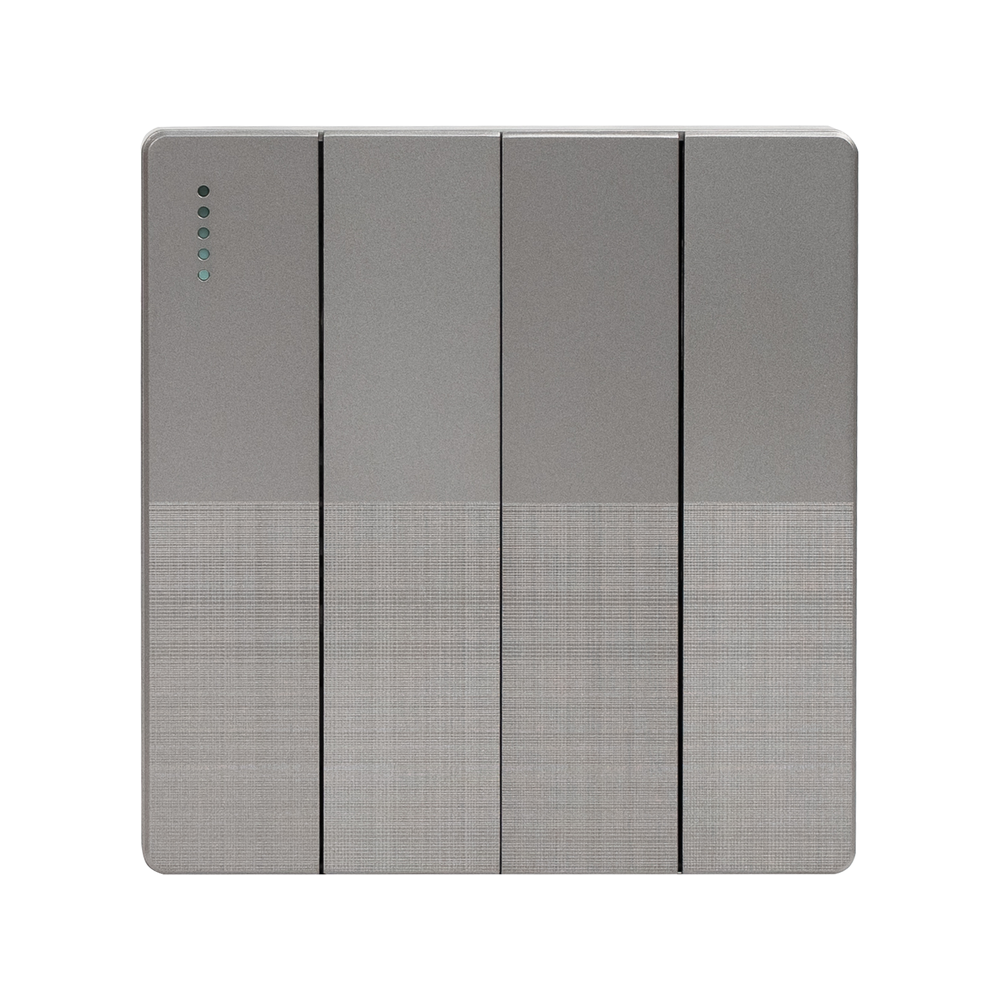
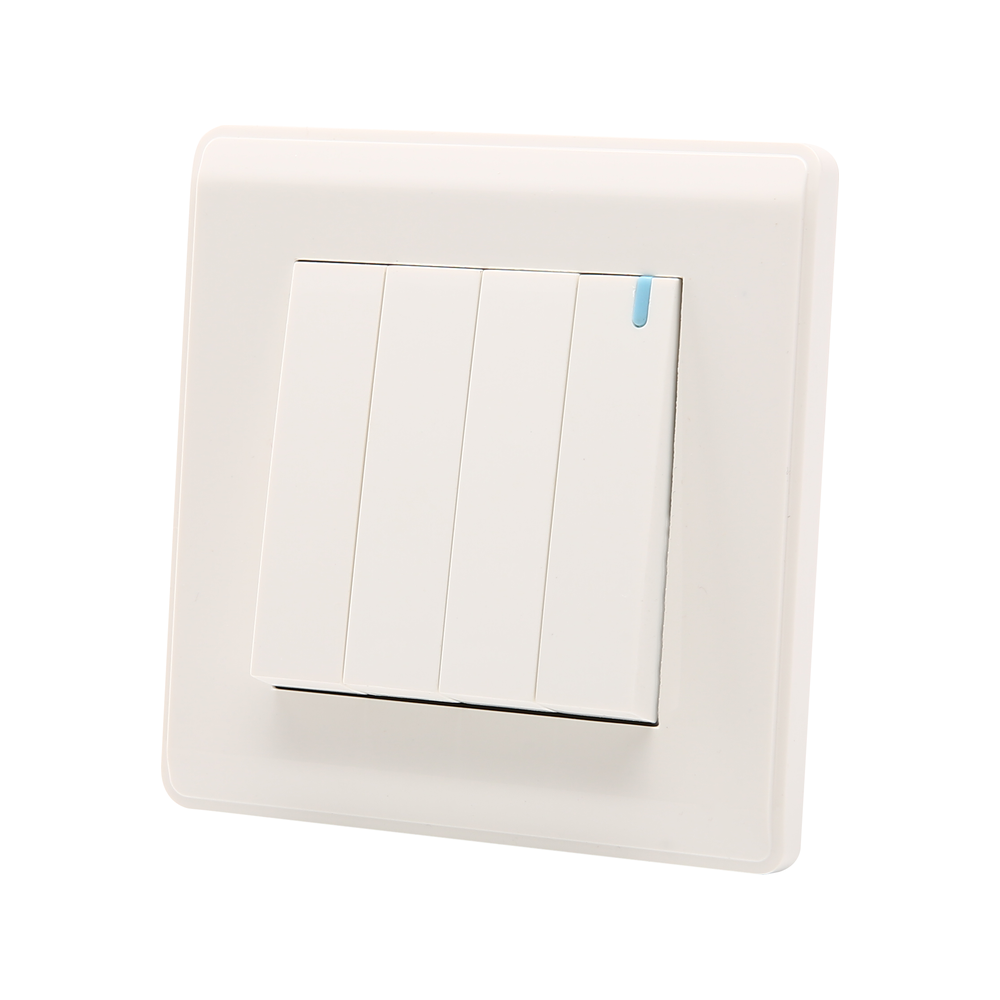
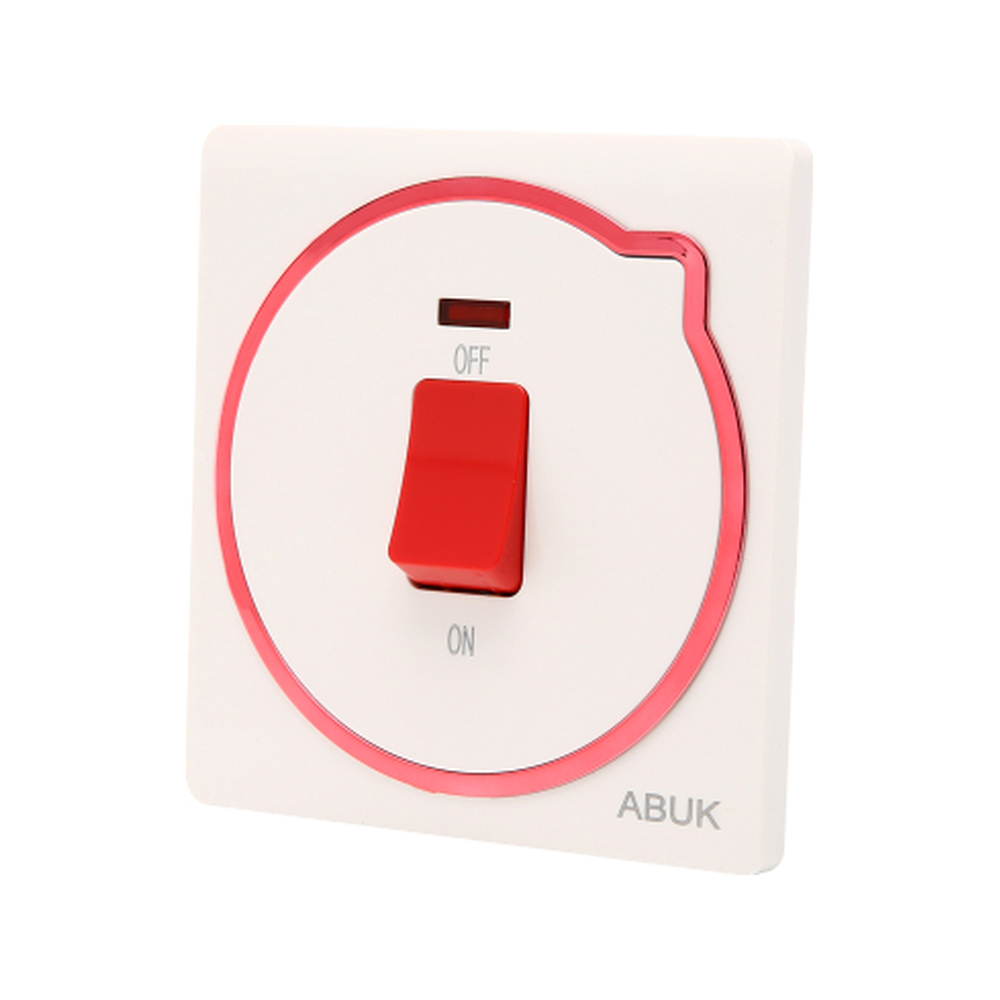
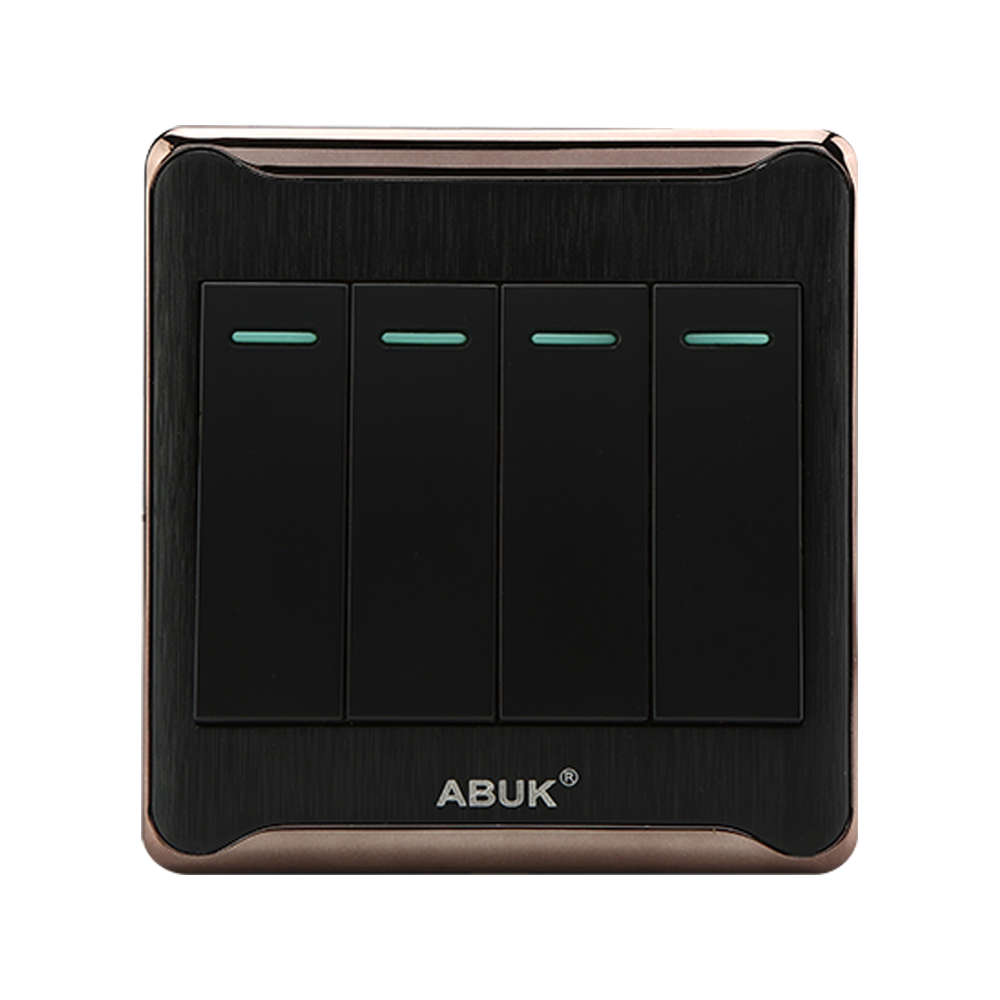
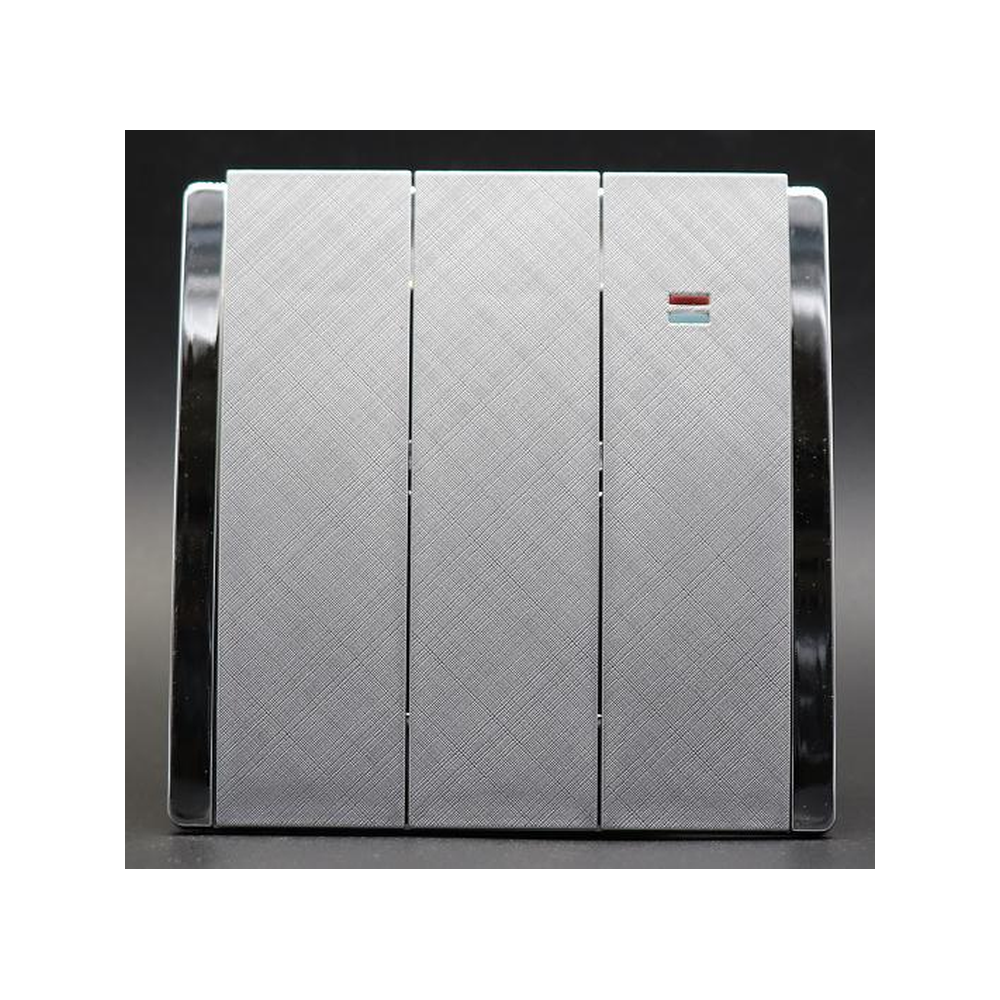
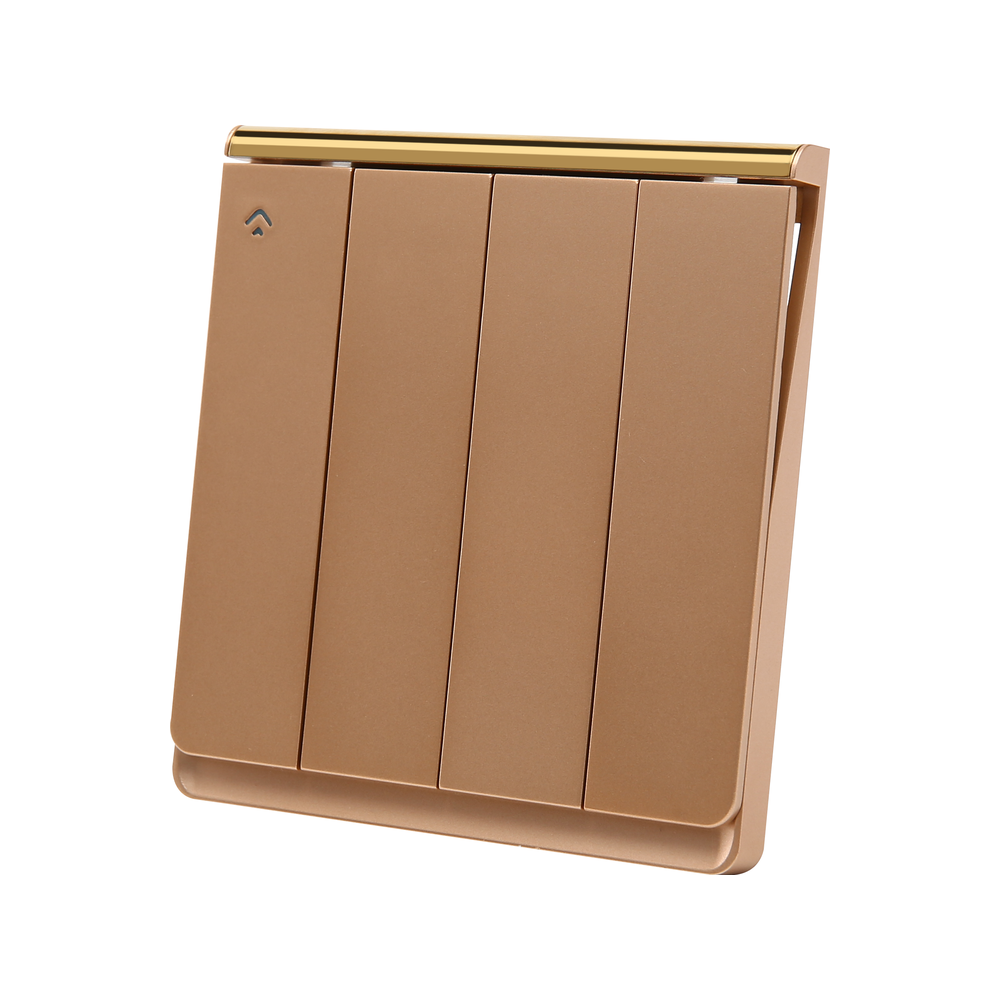
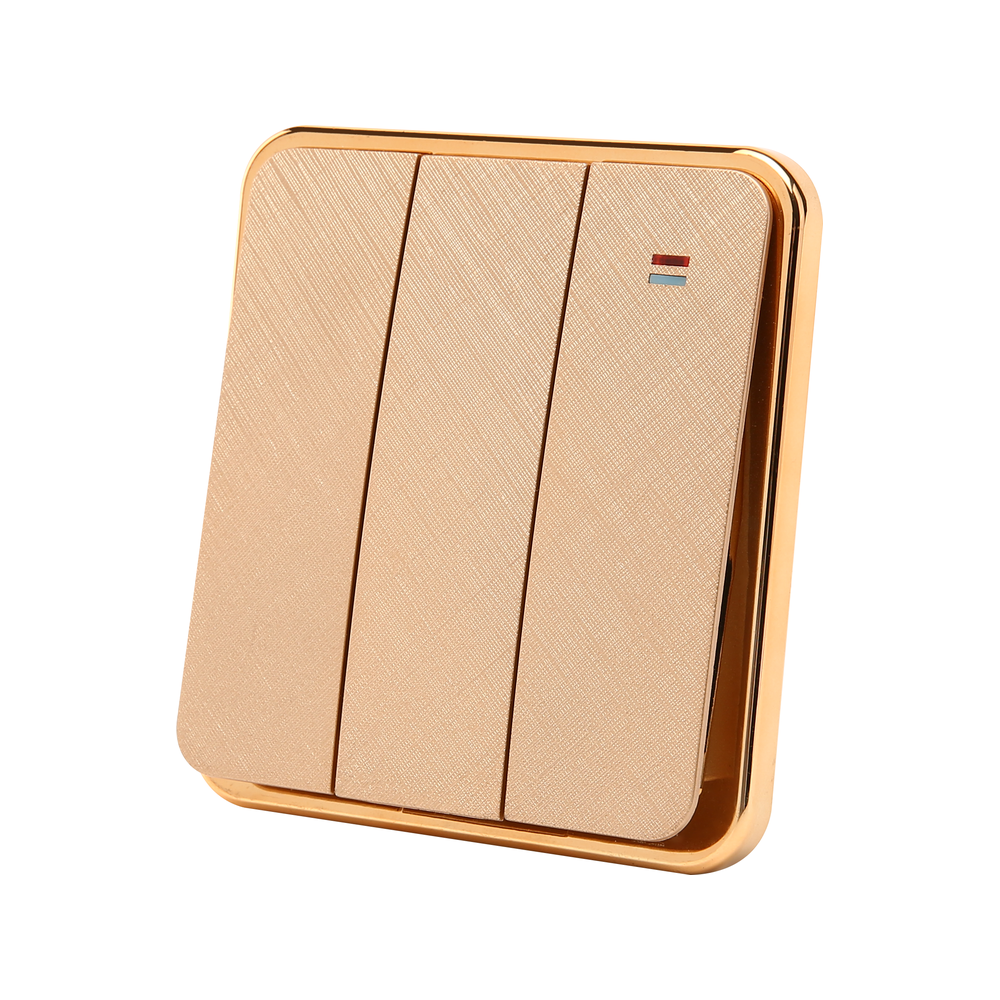
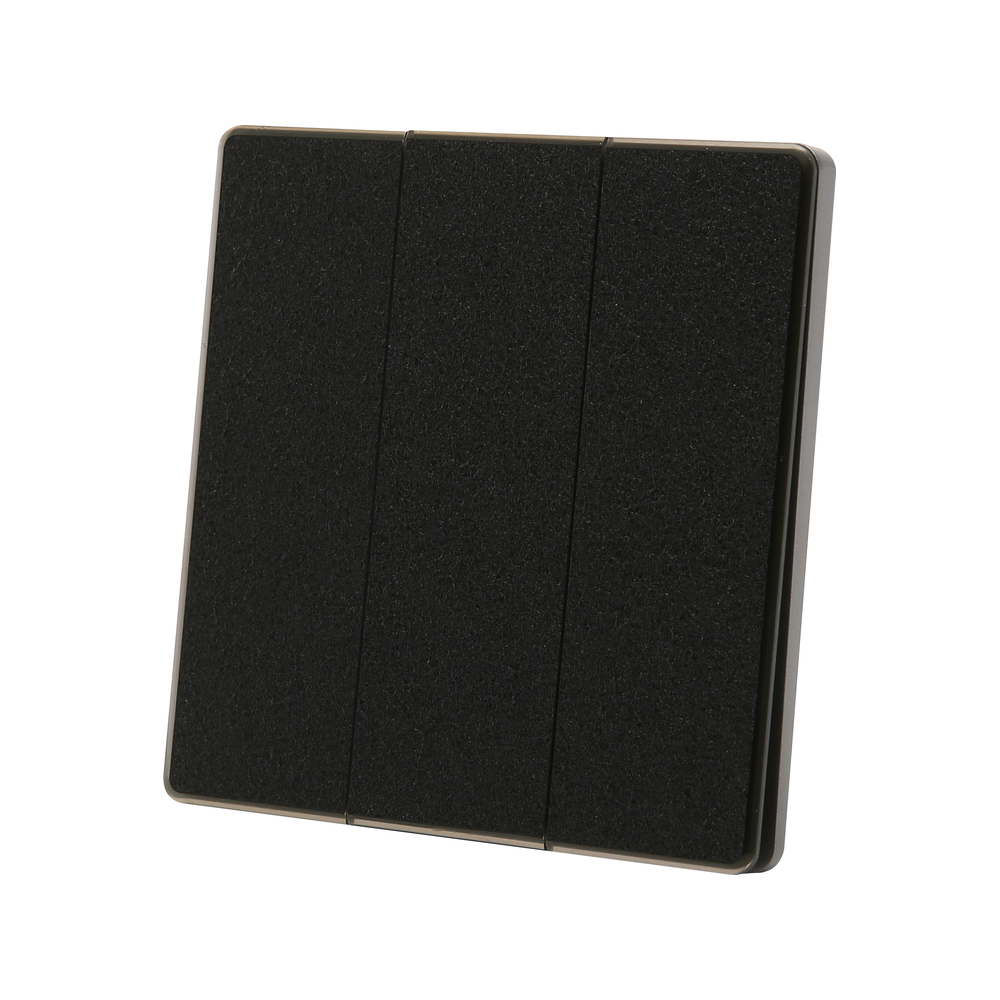
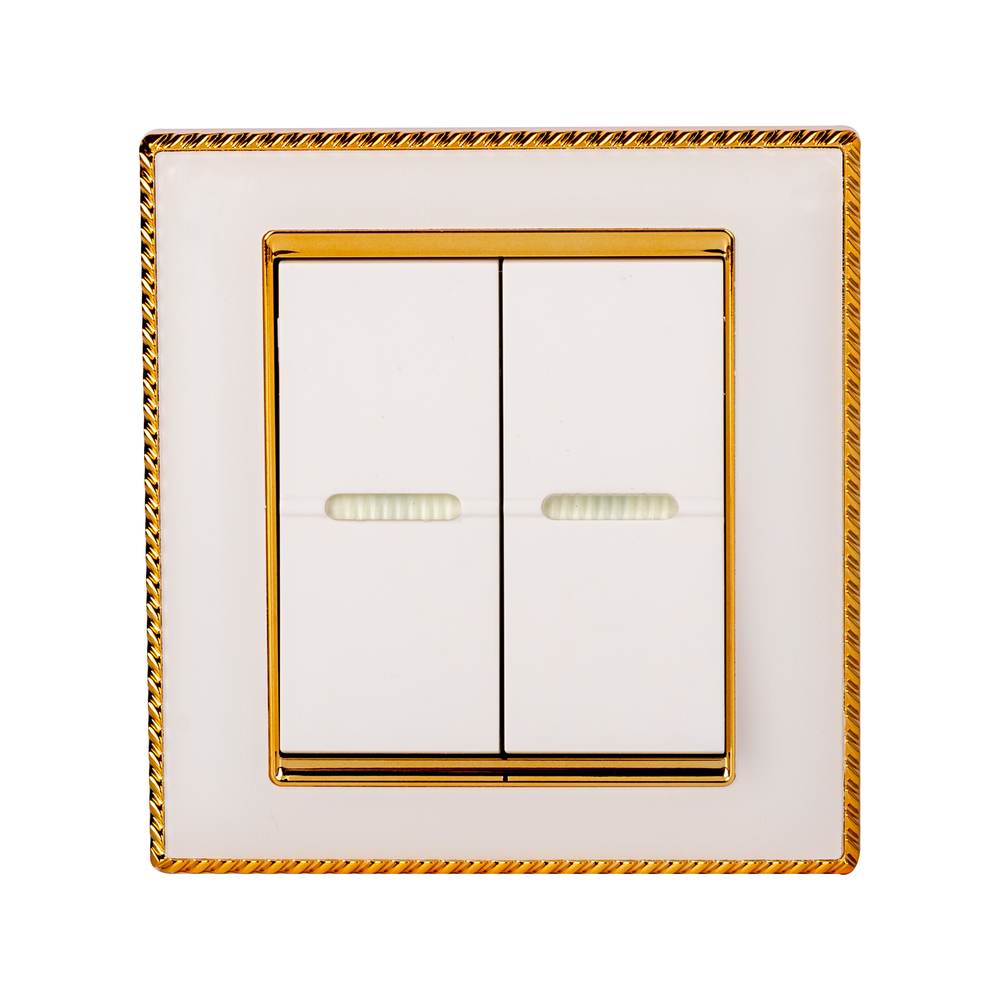
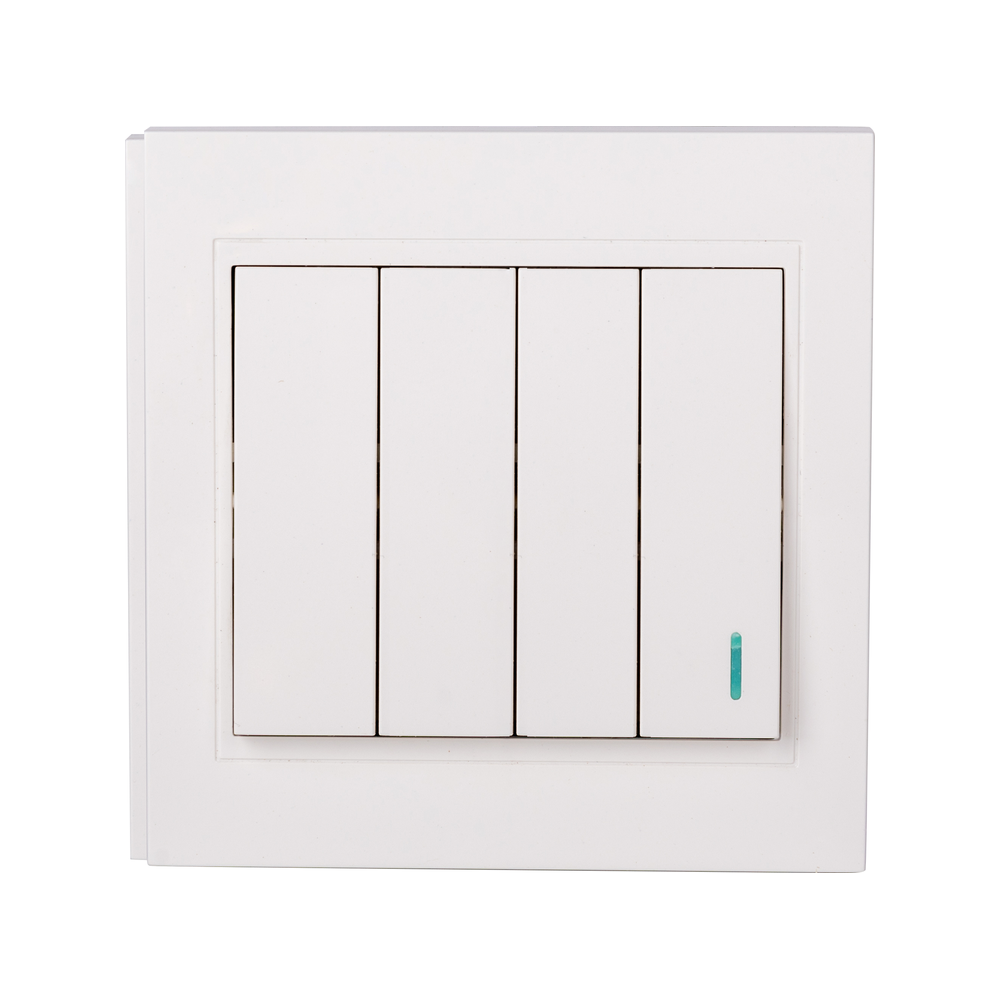
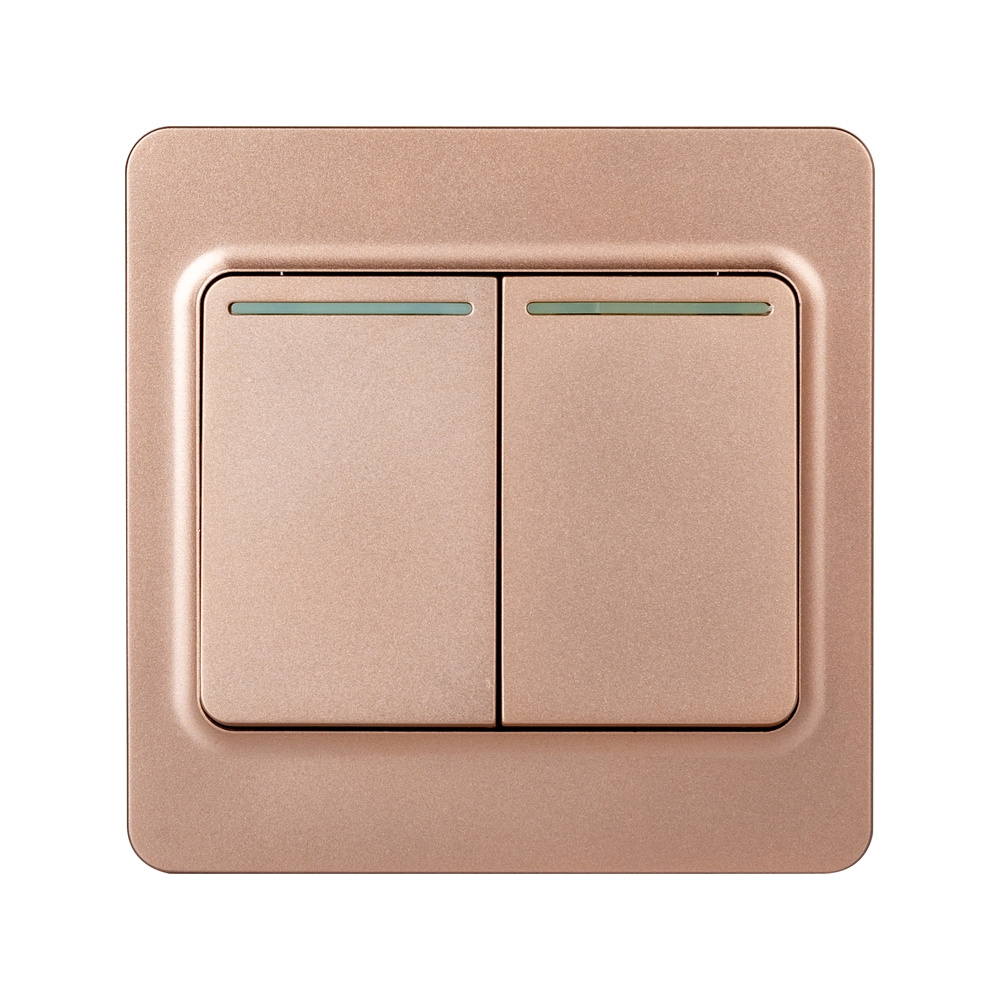
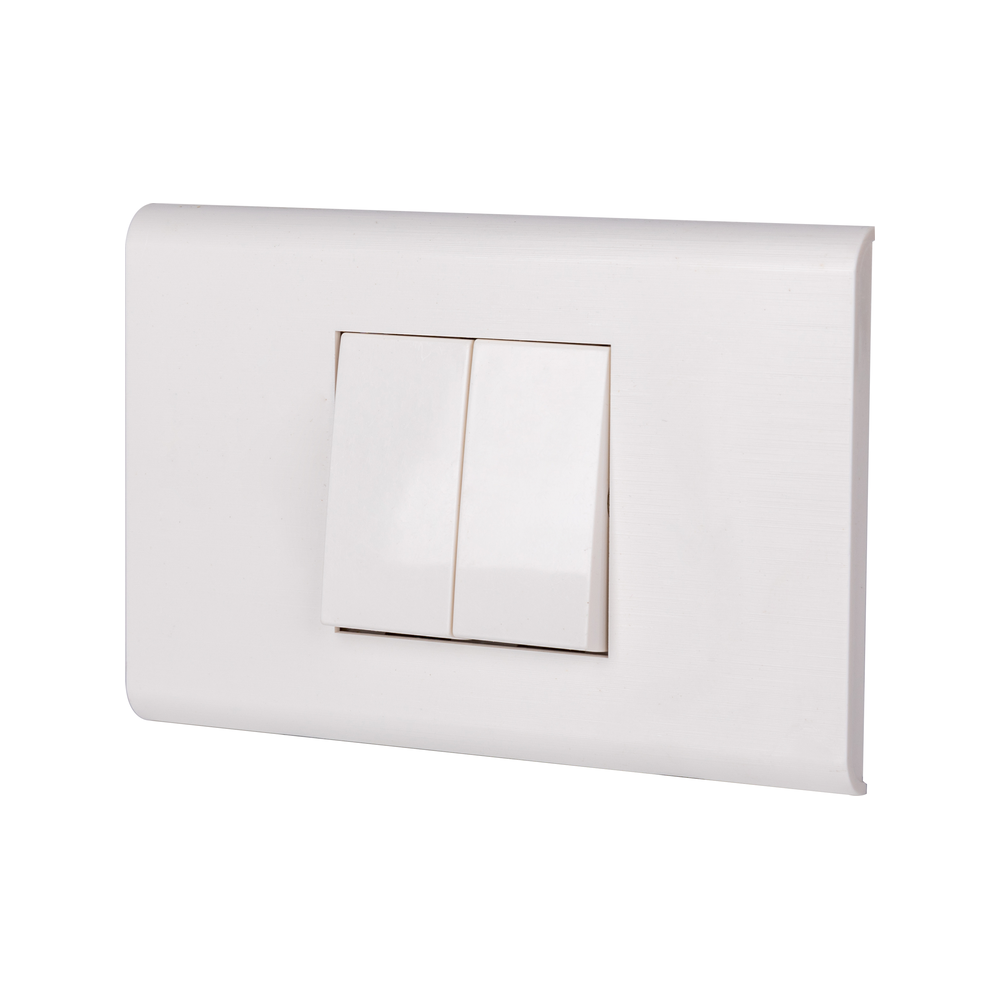
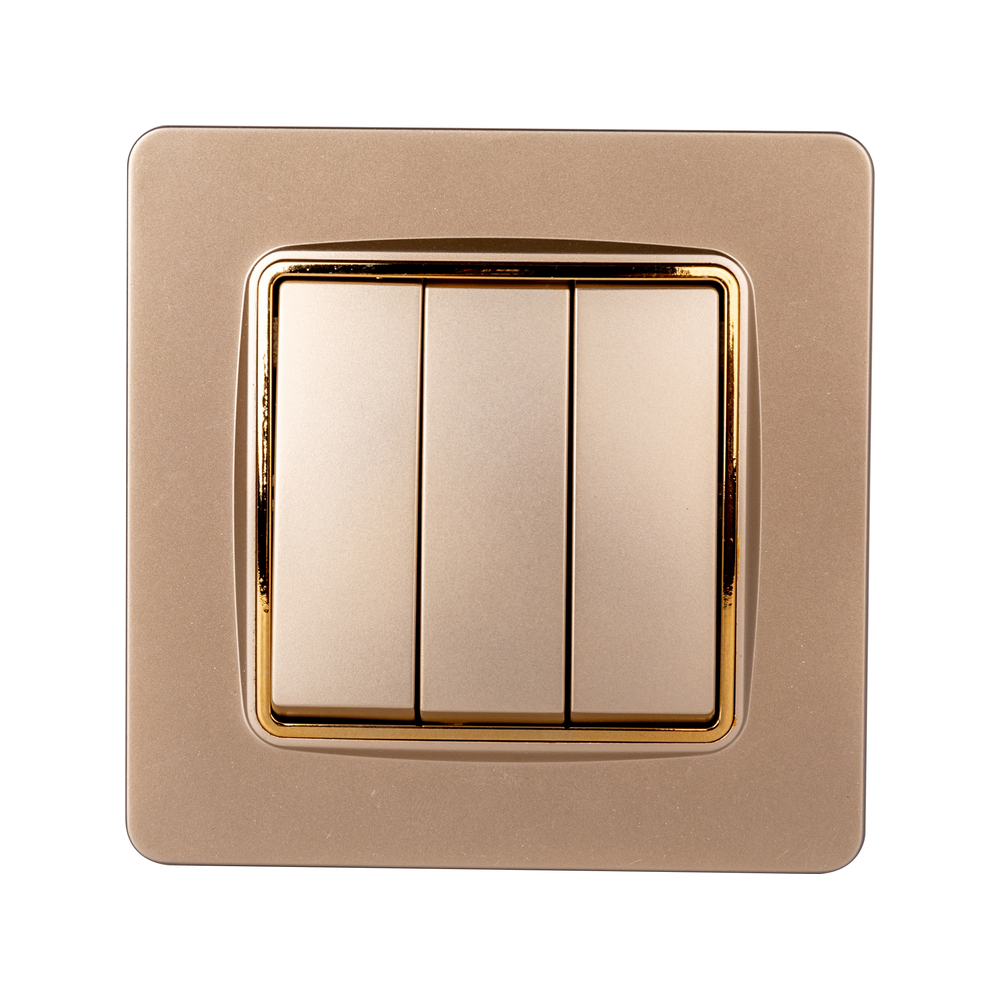
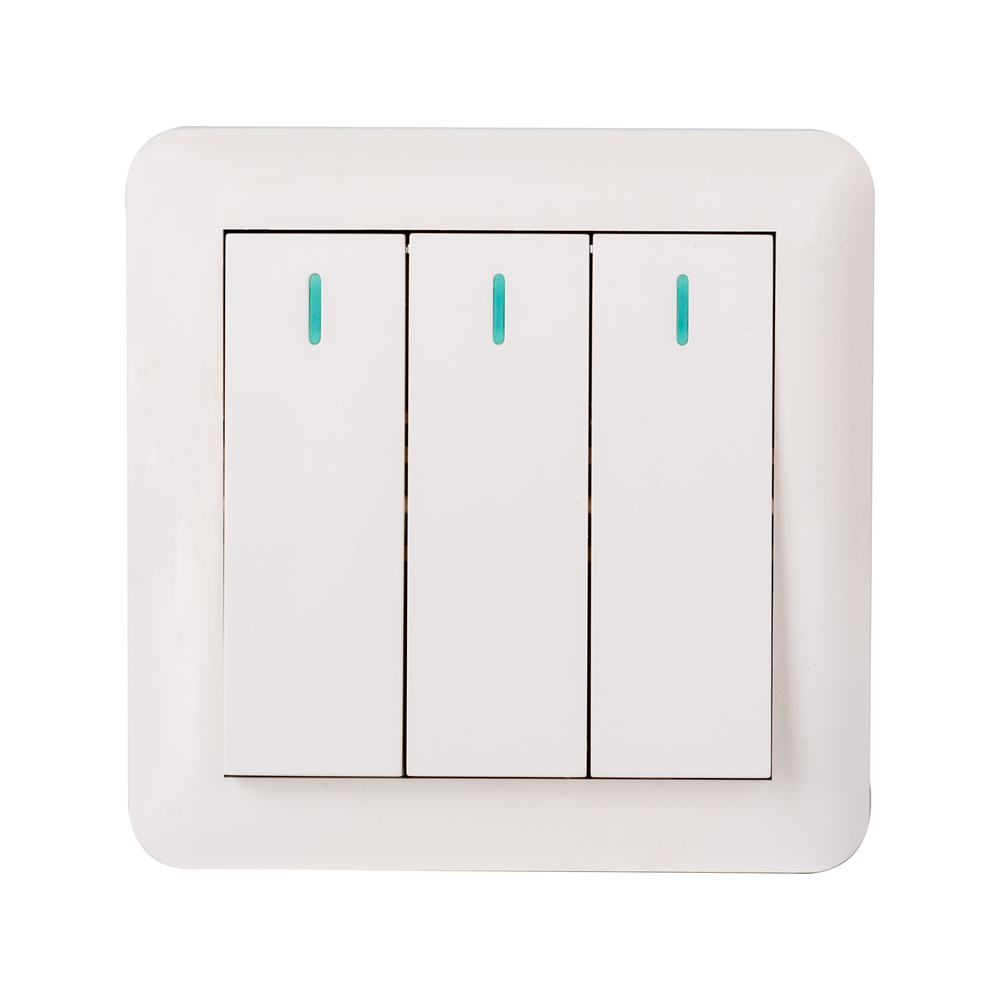
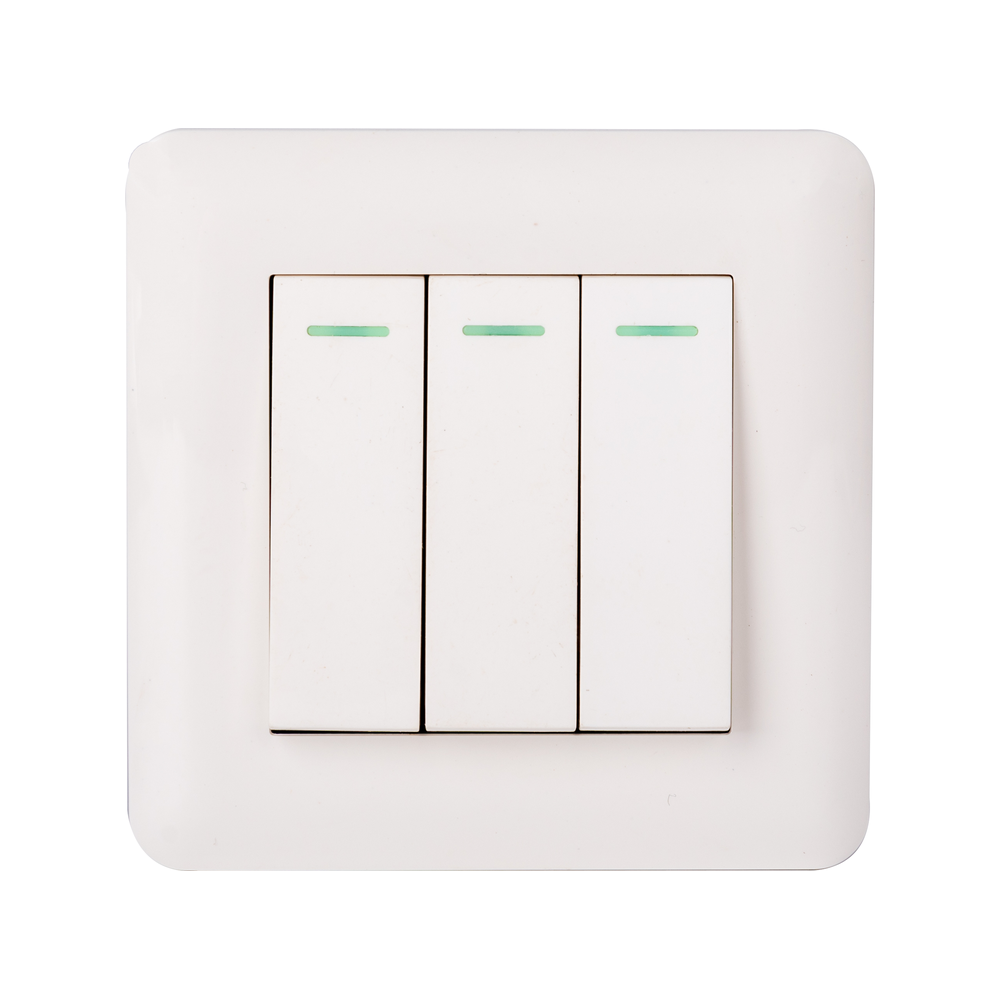
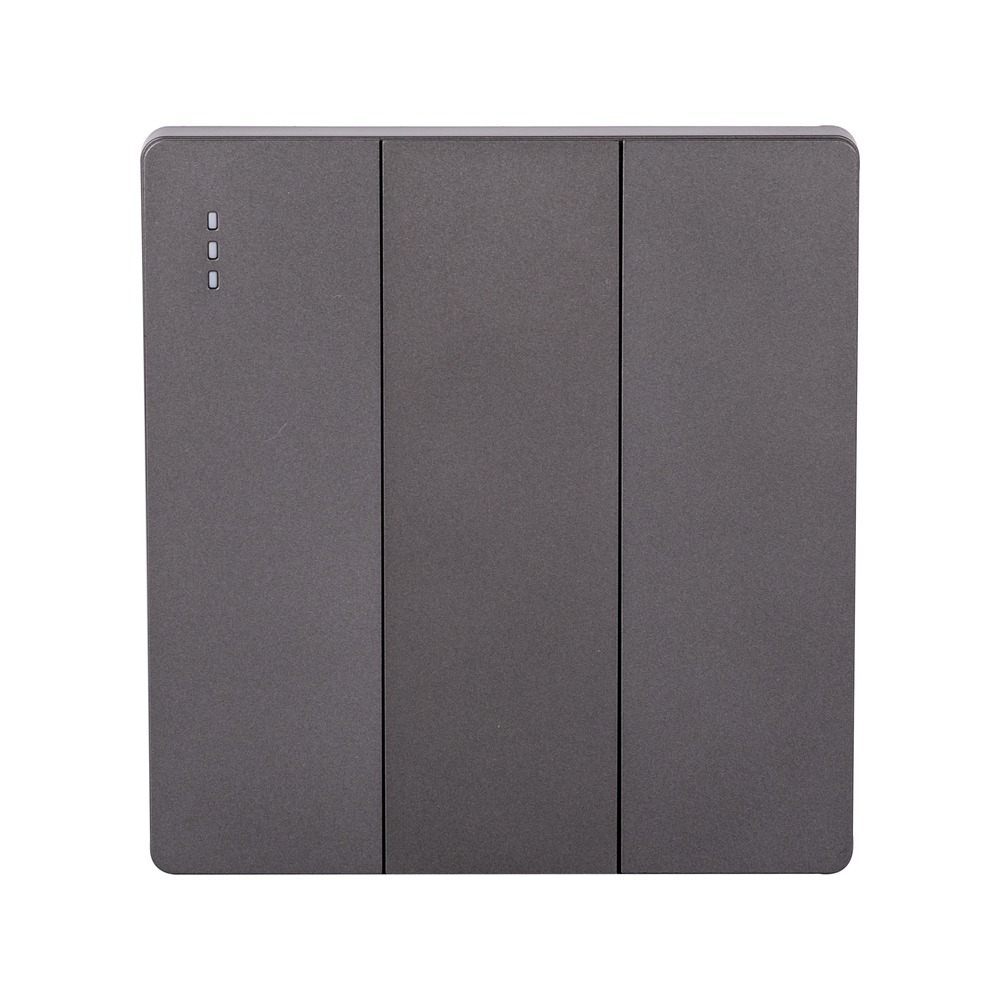
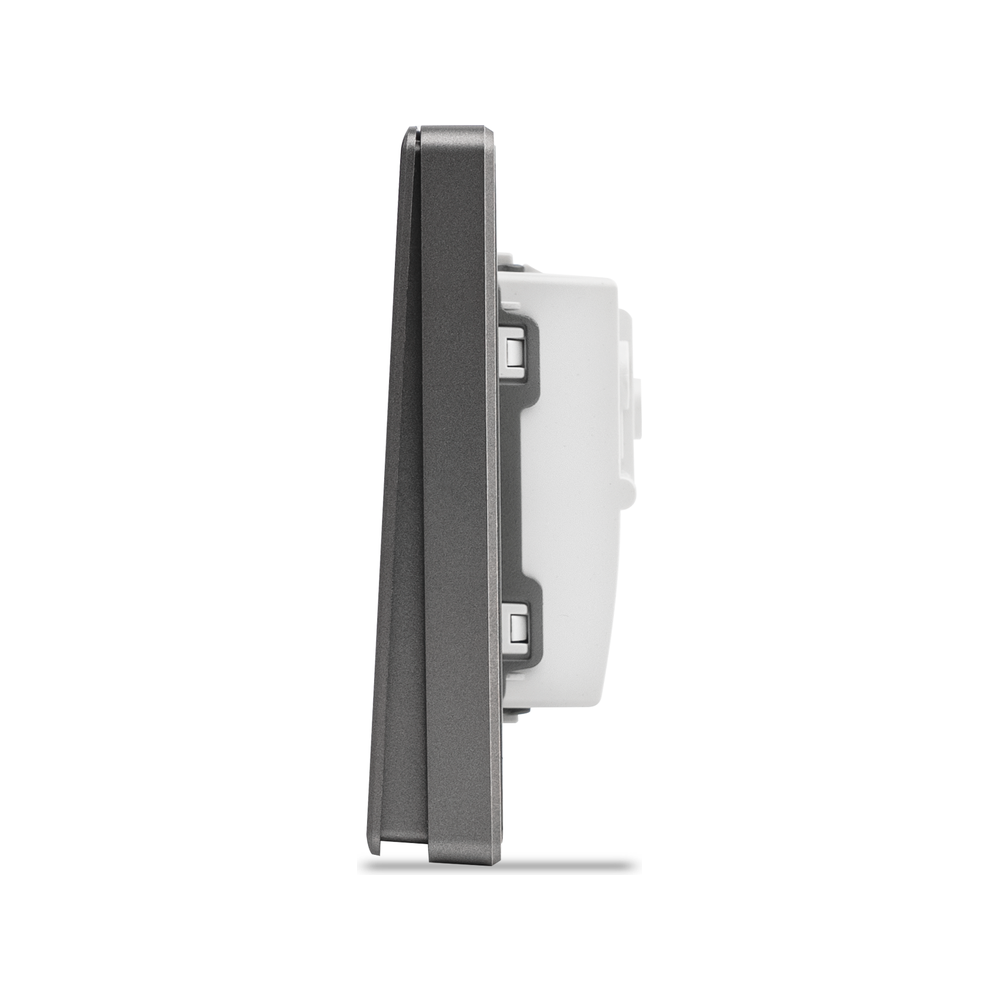
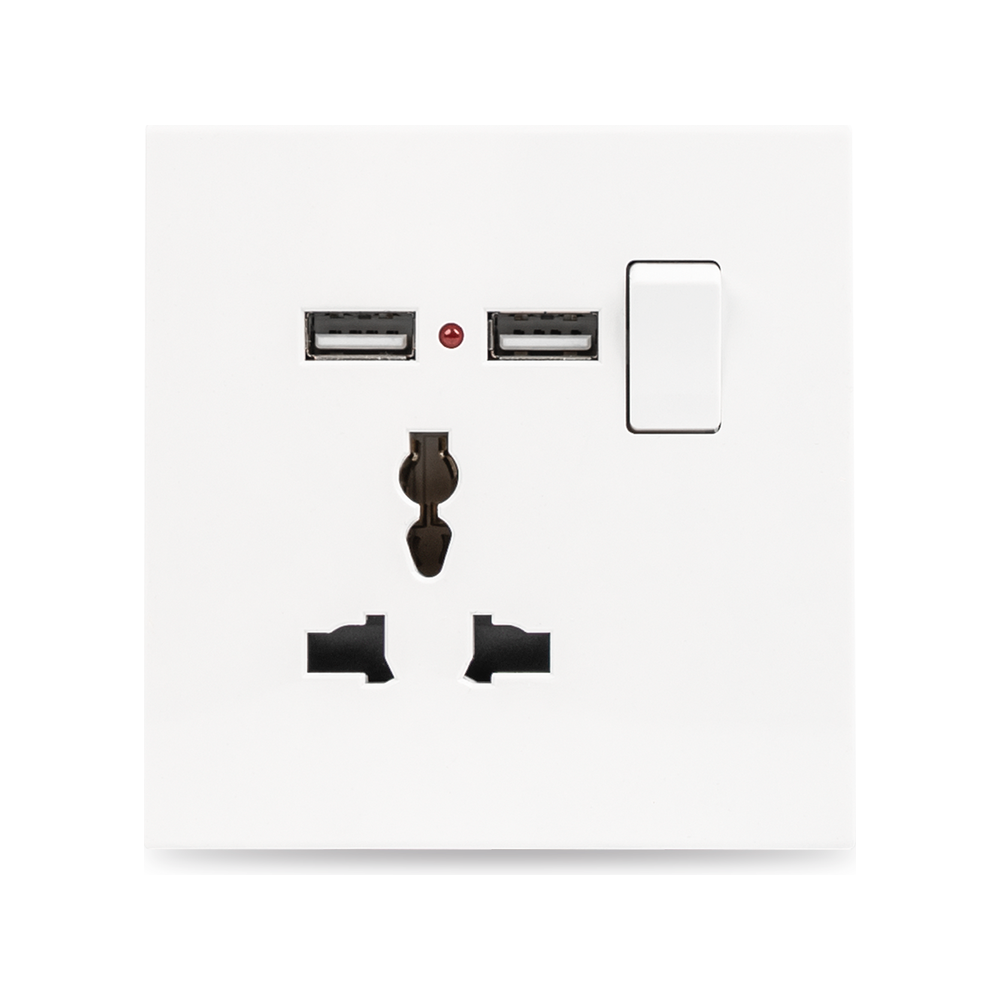
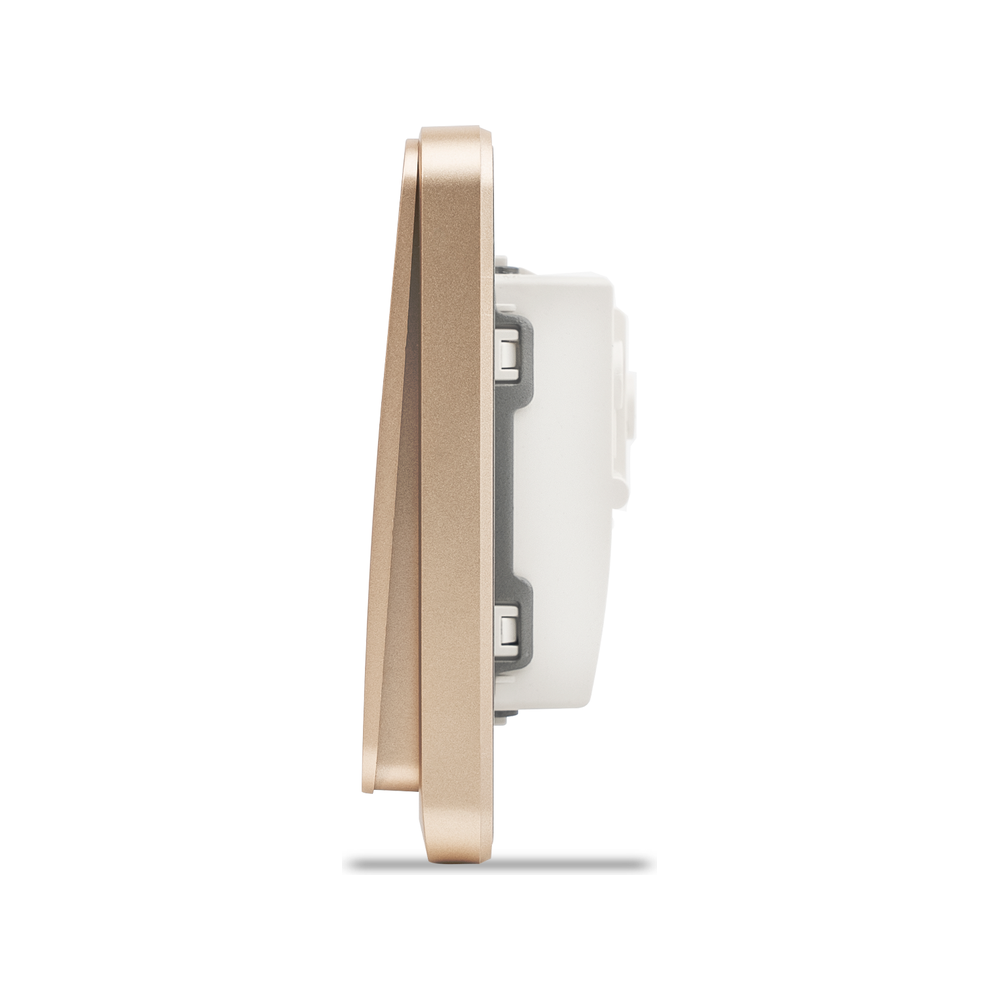
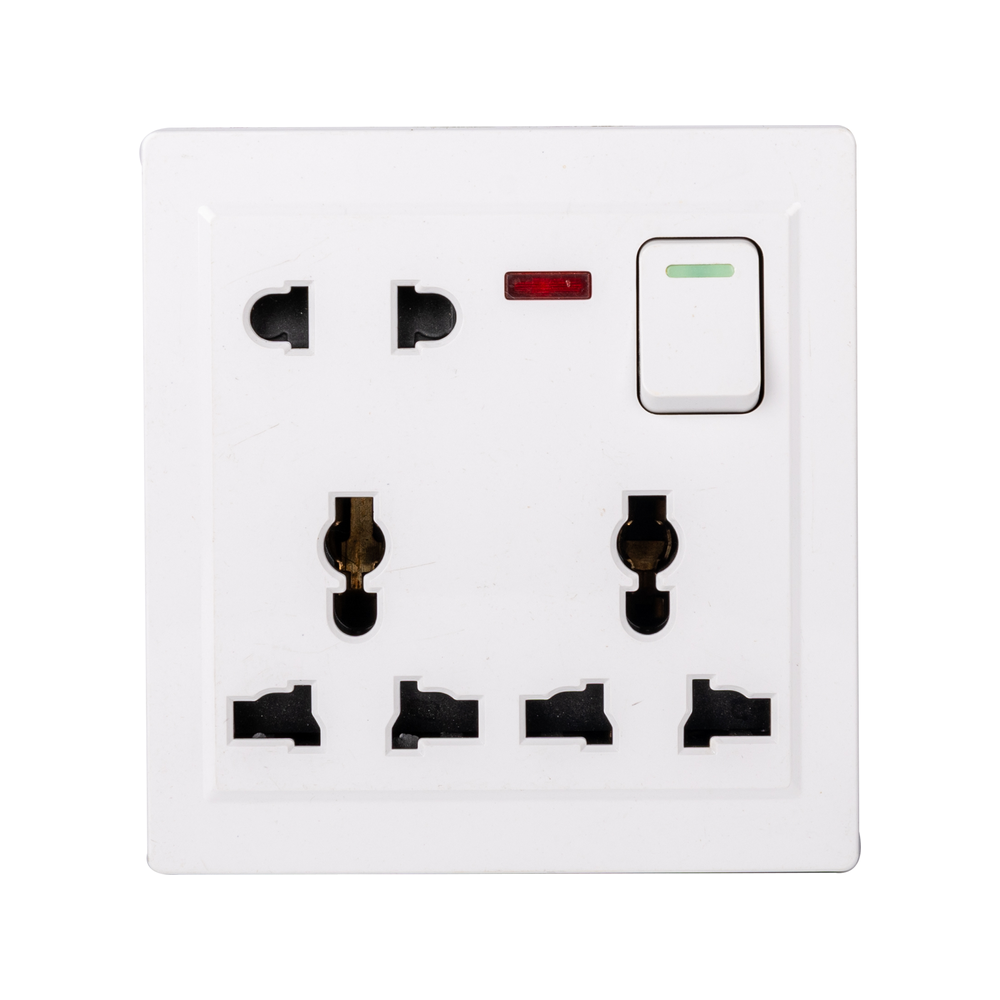
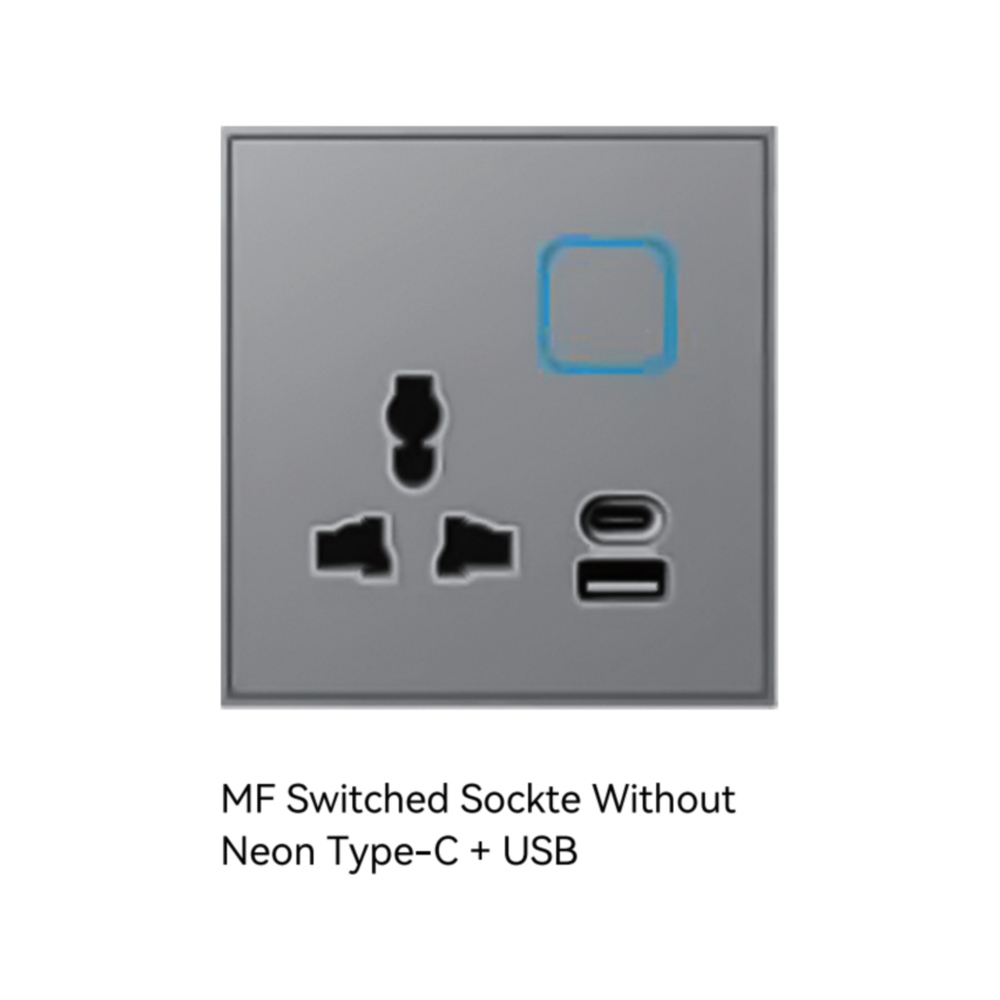
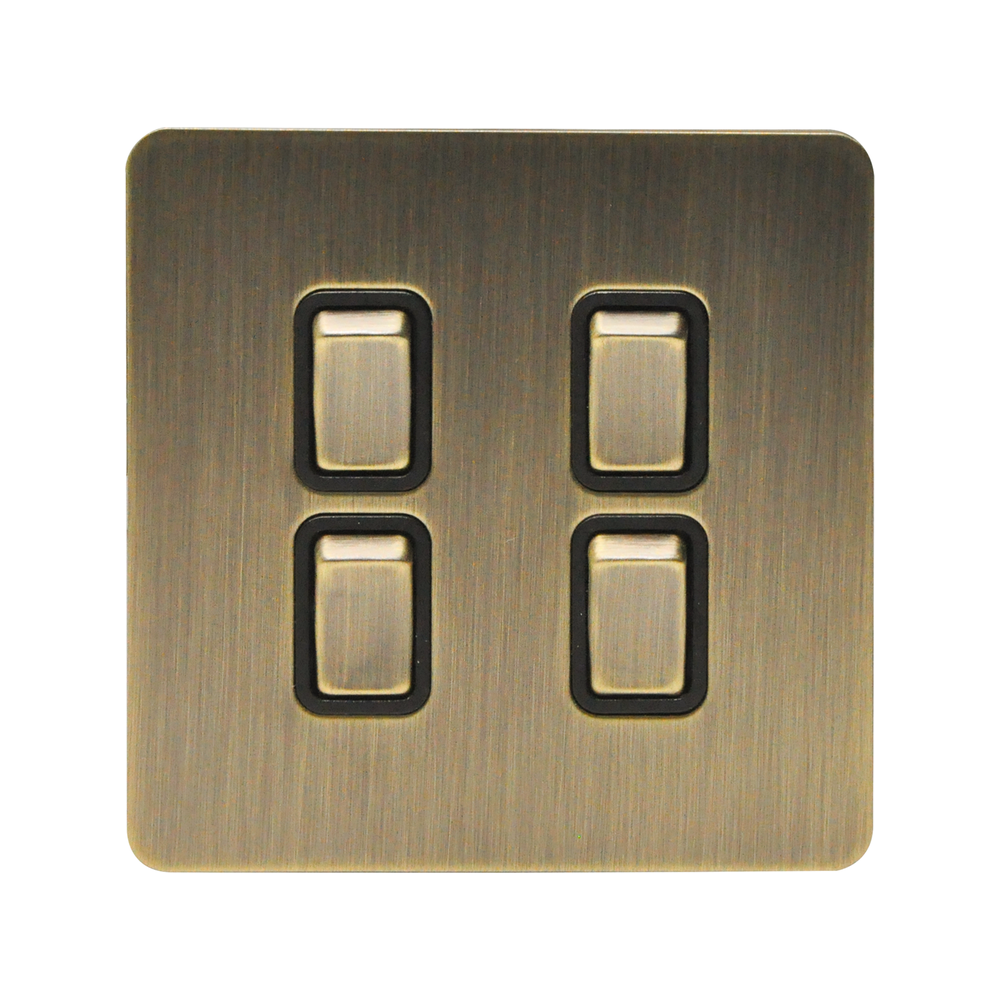
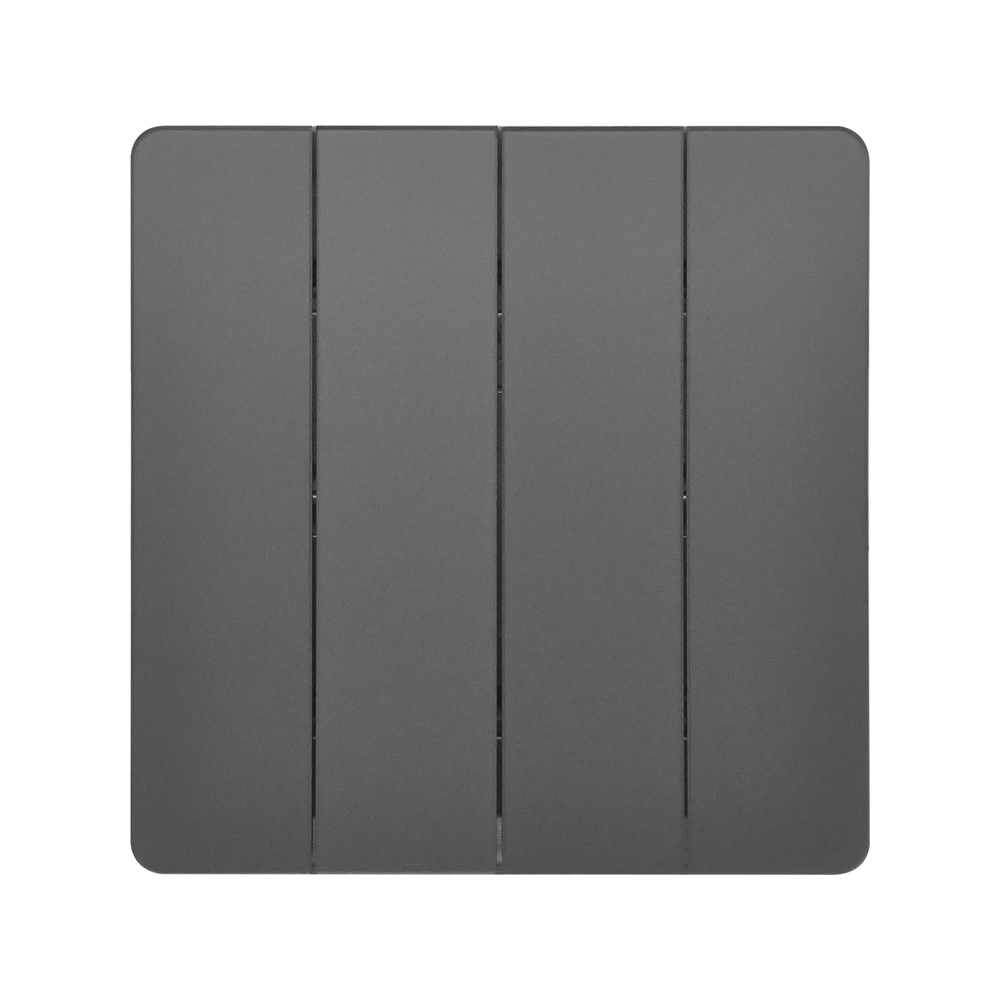
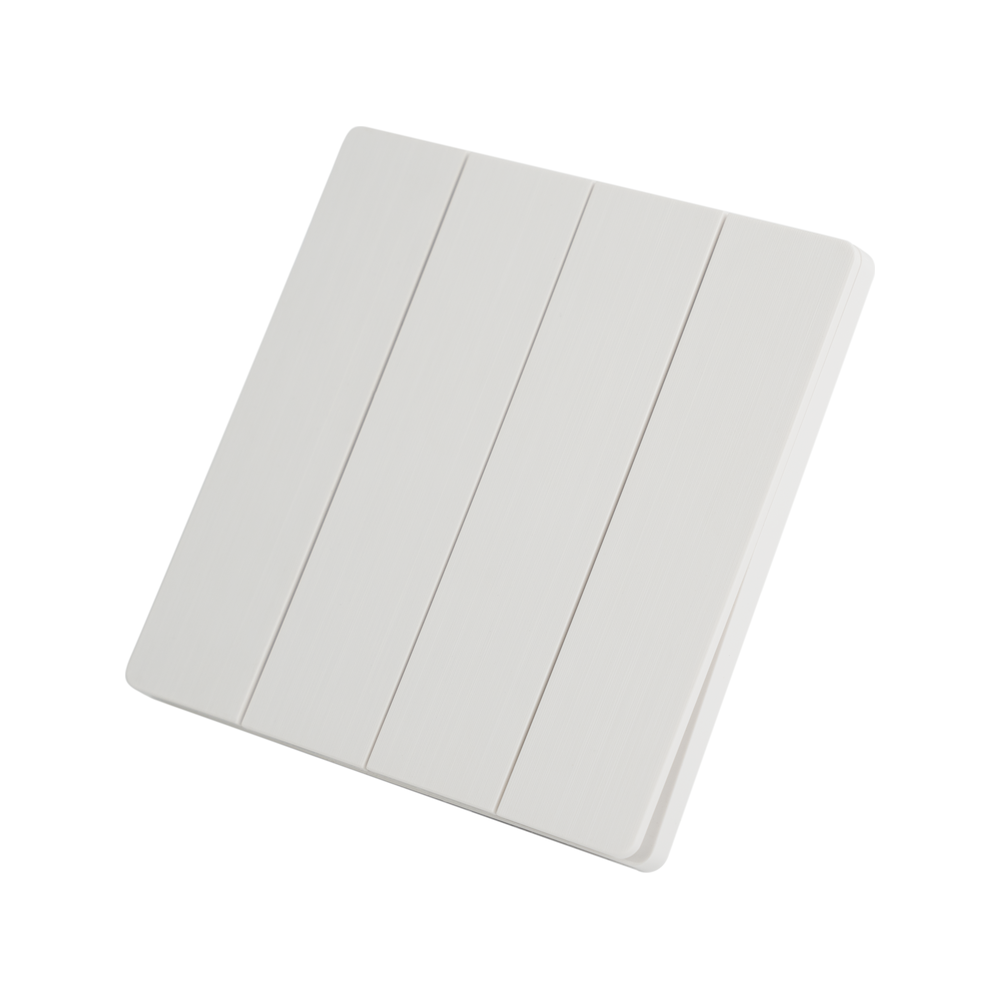
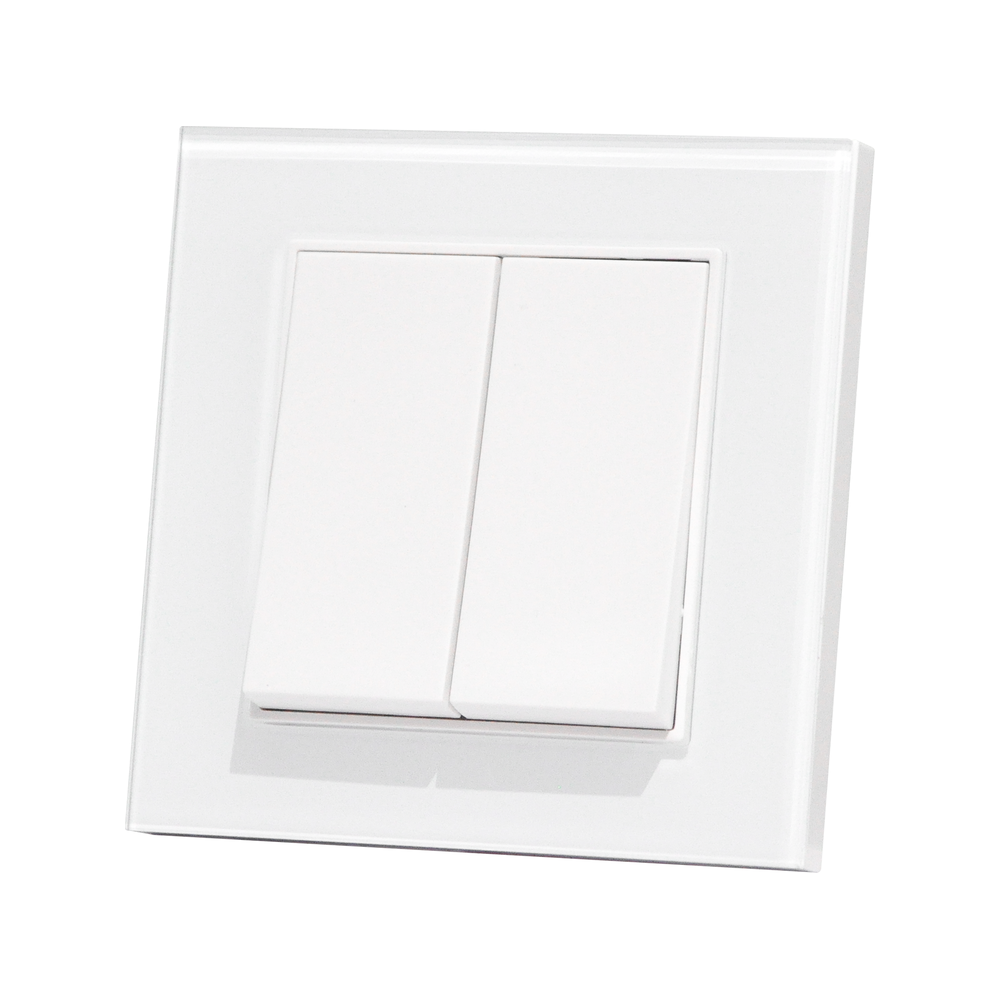
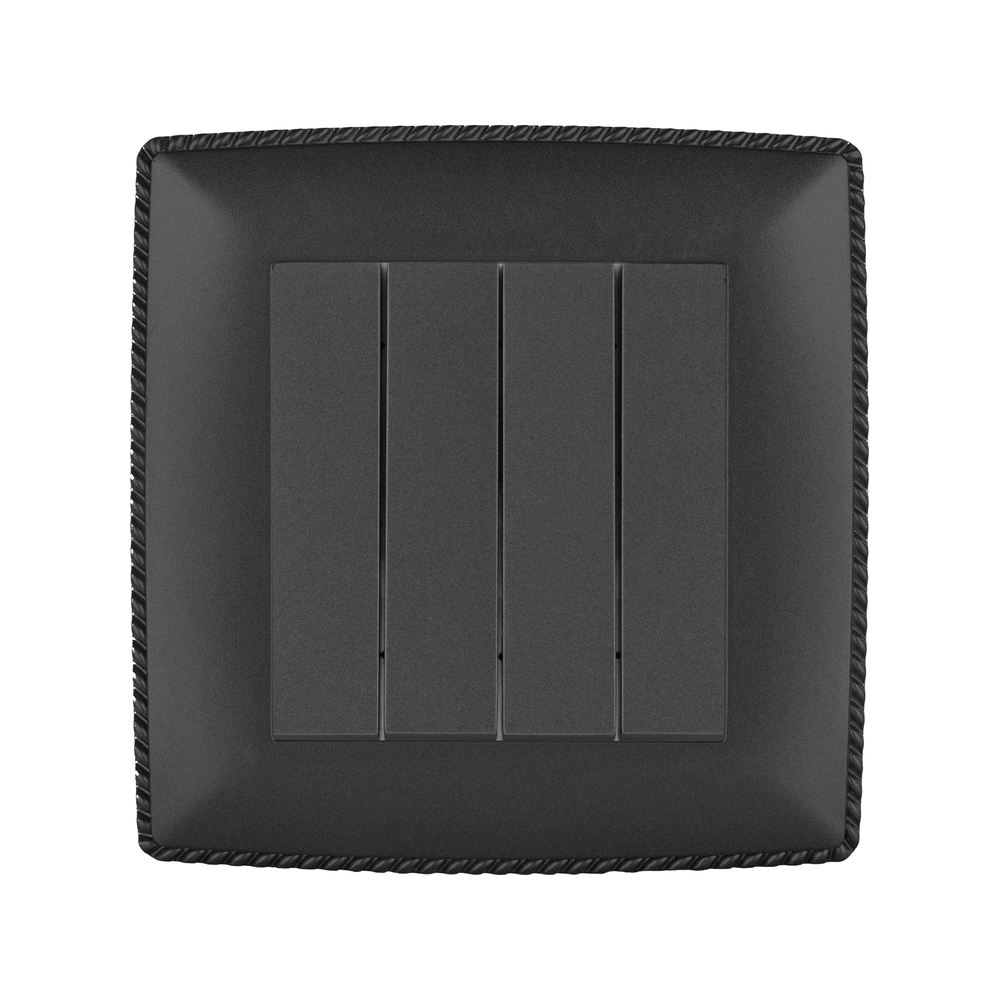
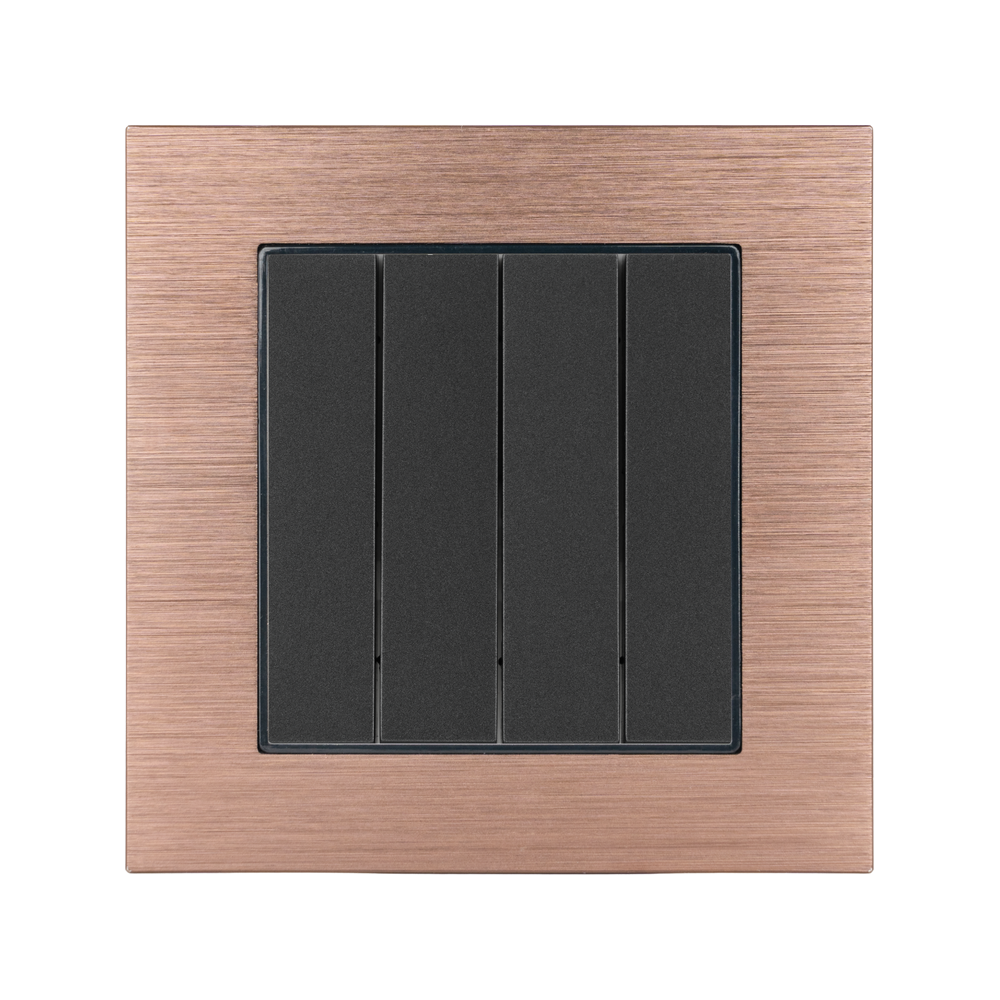
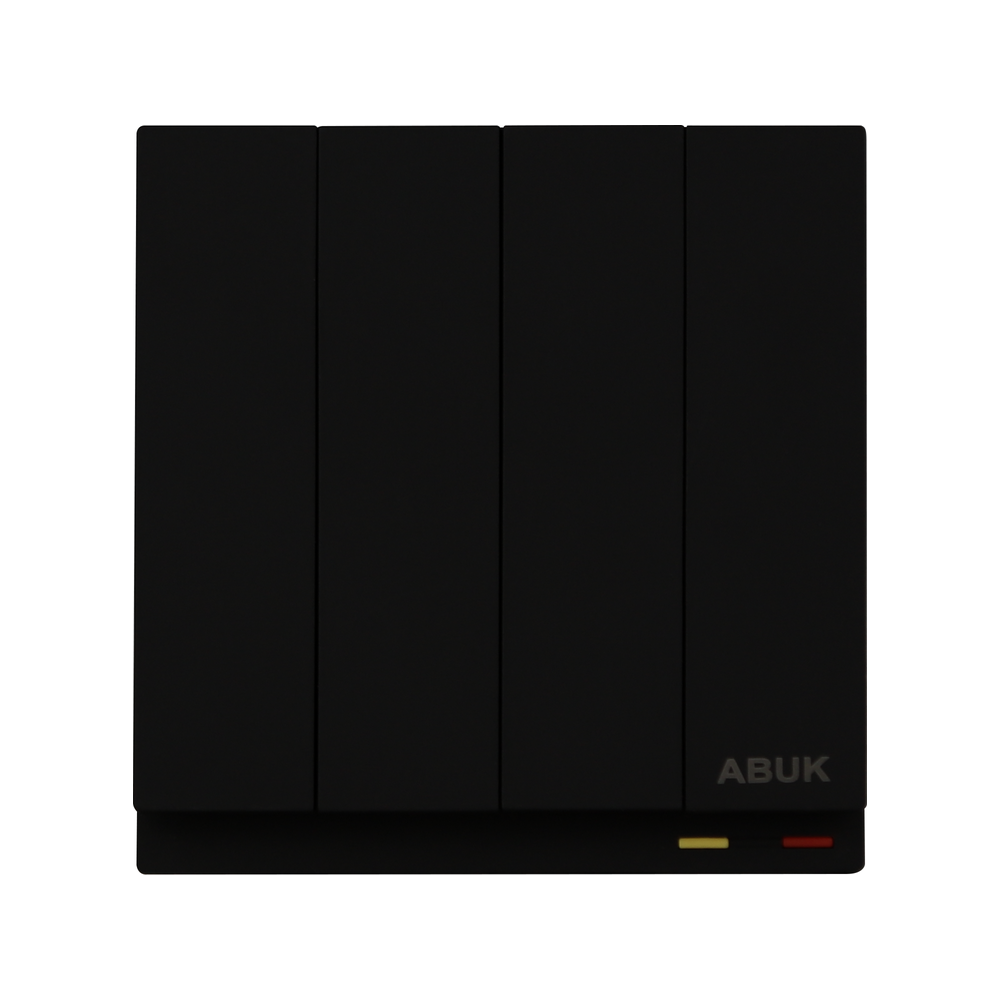
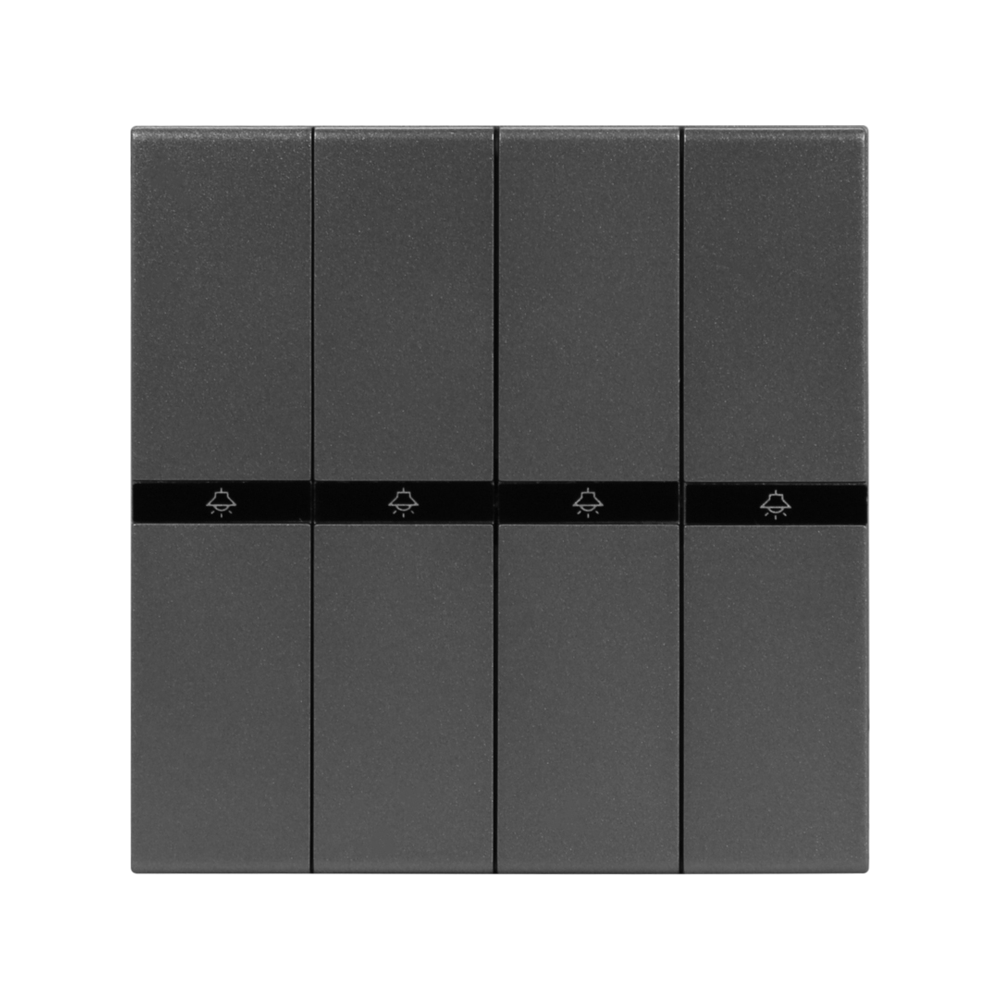
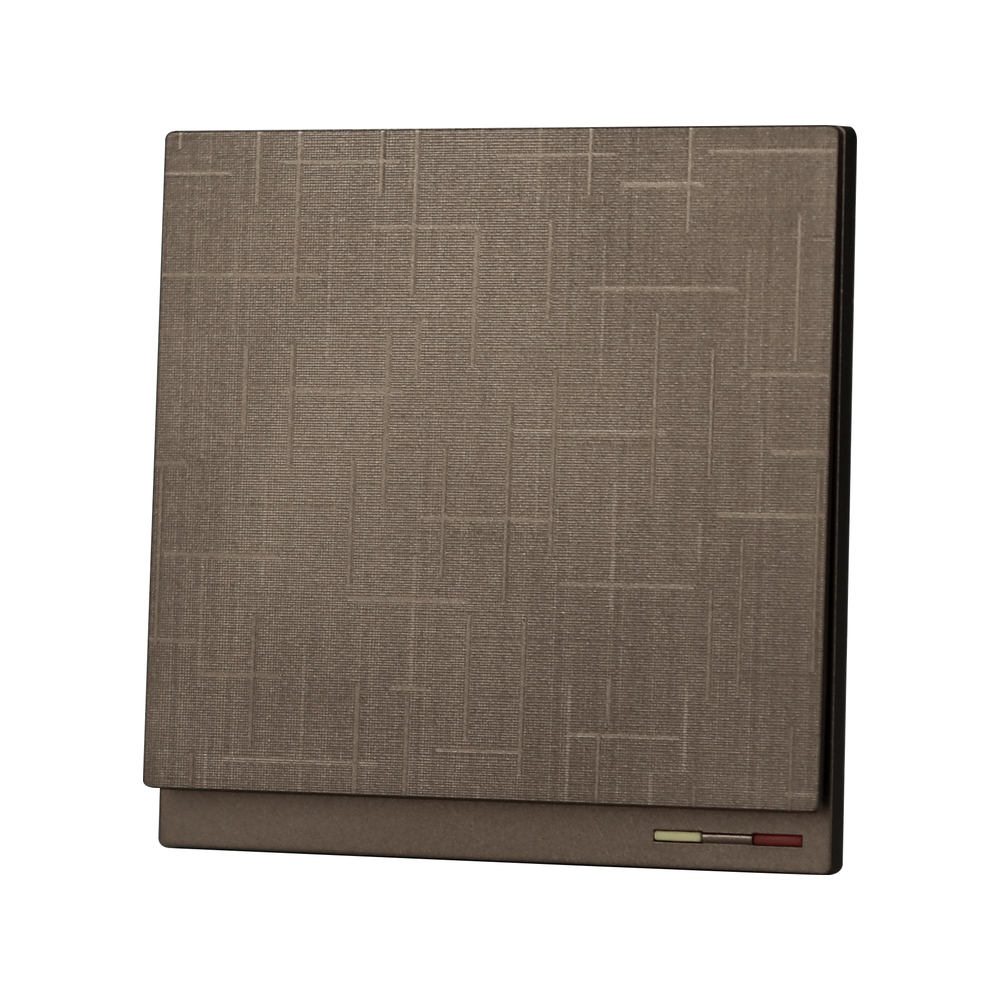
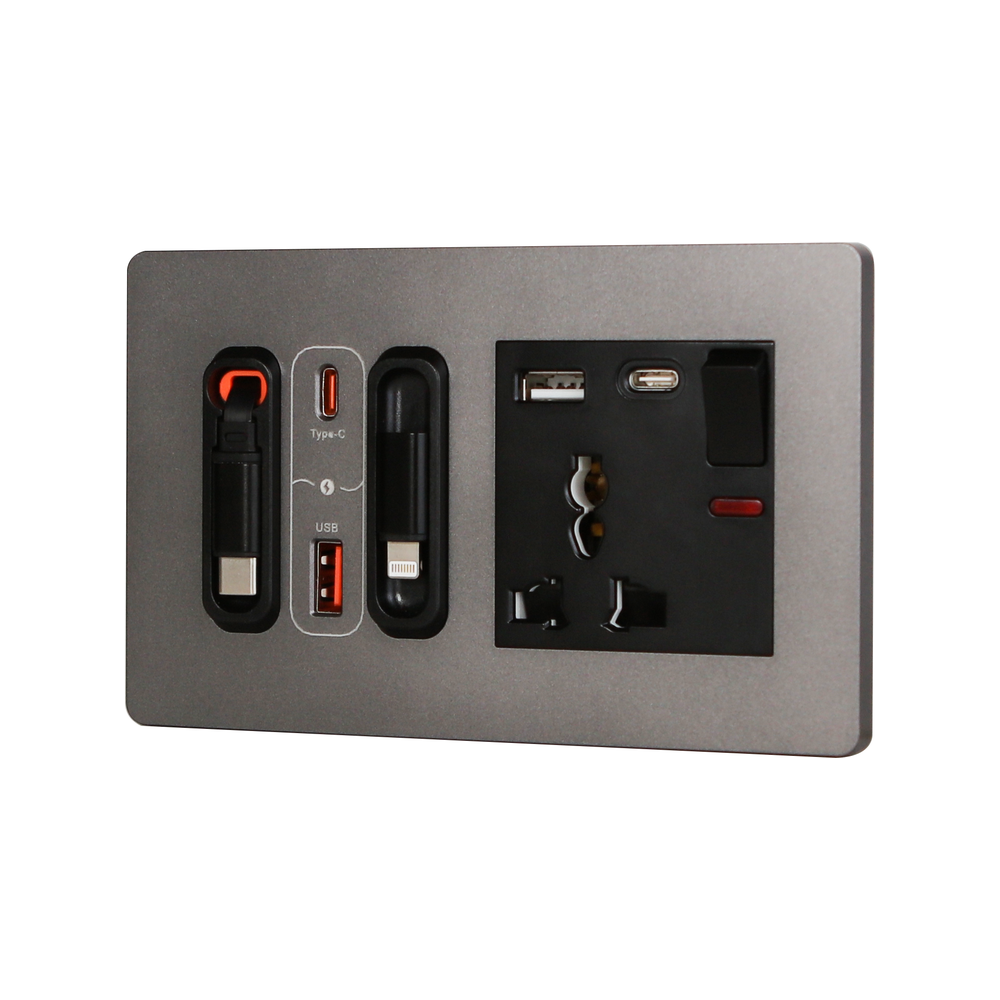
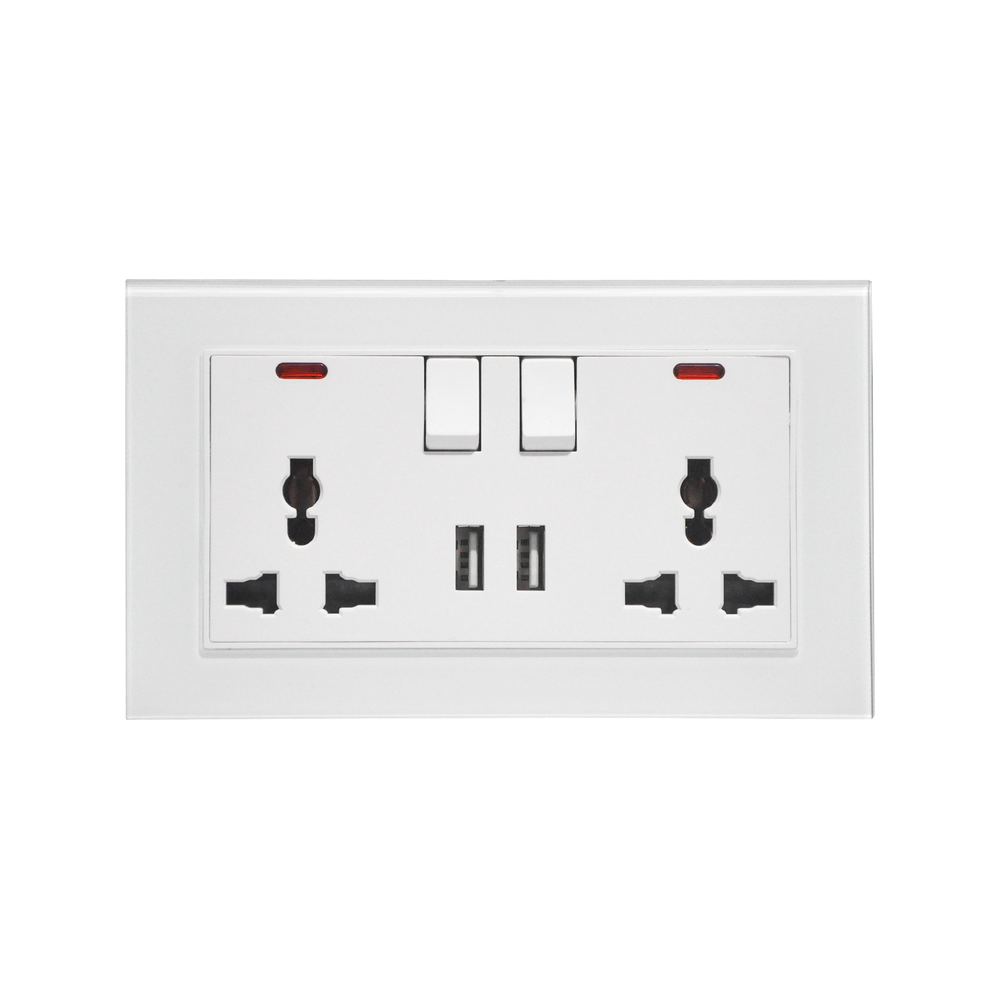
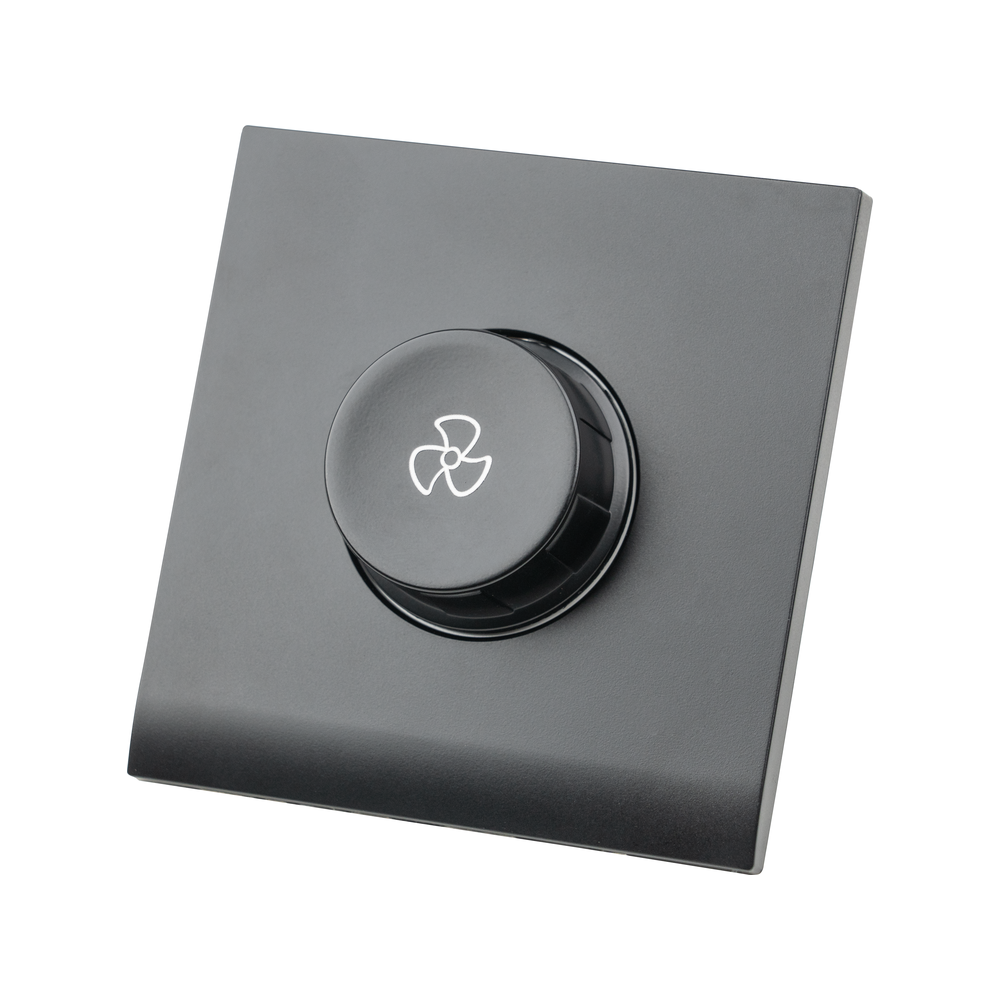
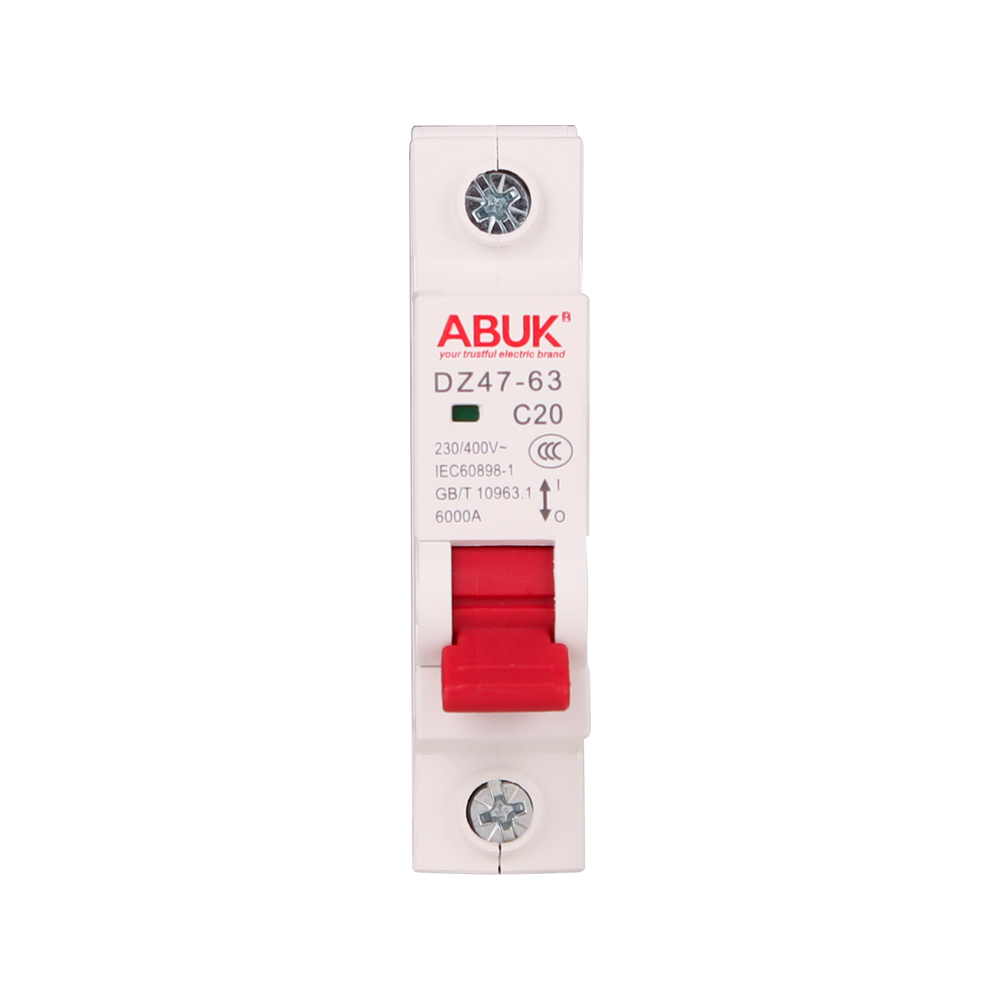
ABUK’s wall socket and switch range provides a starting point for an accessory enquiry. Buyers should request model-specific ratings and destination documentation before treating any illustrated sample as a Chinese 10A or 16A product. For replacement work, the wall socket replacement guide explains why the work involves more than matching a faceplate.
Frequently asked questions
What is the difference between a 10A and a 16A socket in China?
The current ratings differ, and the corresponding earthed connectors have different dimensions. Neither rating changes the nominal supply voltage.
Are electrical plugs different in China?
Mainland China uses several configurations. Compatibility requires checking the exact plug, current rating and appliance voltage, with separate guidance for Hong Kong and Taiwan.
What is a 10A plug?
It is a plug with a stated 10-ampere current rating under its applicable conditions. Its voltage rating and connector standard also matter.
What are the disadvantages of using a 16A socket?
It may require a different plug and installation work. It does not inherently waste electricity or make an appliance draw 16A.
How can you identify a Chinese 10A or 16A outlet?
Check the verified markings and exact model documentation. A professional should assess an installed outlet when the rating is inaccessible or uncertain.
Do you need an adapter for a 16A appliance in China?
A matching, suitable installation is preferable. An adapter must never be used to bypass a lower-rated socket or circuit limitation.
References
- Museum of Plugs and Sockets: Chinese connector examples
- Travel China Guide: mainland electricity supply
- SAMR: national standard information portal
- CNCA: Chinese certification authority
A suitable connection starts with an appliance requirement and ends with a verified installation. ABUK can discuss the accessory specification through its product enquiry form; the plug photograph, input label and destination make that conversation useful.