
 Wenzhou Lita Electric Co., Ltd.
What Happens When an Appliance Exceeds a Chinese Socket’s 10A Rating?
When a maintenance supervisor in Guangzhou encountered a warm plug beside a portable heater, the first response was to check the distribution board. In this hypothetical incident, the breaker had stayed on, so the room remained in service; later that evening, a discoloured socket forced an urgent shutdown. The mistaken assumption was that an untripped breaker proved the connection was safe.
Summary: An appliance exceeding a Chinese socket’s 10A rating can overheat the connection and damage its insulation. At nominal 220V, 10A corresponds to 2,200VA—approximately 2,200W for a simple resistive load. This calculation is a screening tool, not a safety guarantee. A hot, loose, scorched or crackling connection needs to be taken out of service and assessed.
A 10A socket overload is a current problem, but current is only part of the failure story. Damaged contacts can produce dangerous local heating even below the marked rating. Mainland supply information identifies 220V, 50Hz; the London Fire Brigade’s electrical guidance separately warns about hot plugs, scorch marks and overloaded extensions. Together, these explain why both load and condition matter.
How much current does the appliance actually draw?
For a simple resistive appliance operating at its specified voltage, current is approximately watts divided by volts. At 220V, a 1,500W heater draws about 6.8A, a 2,000W heater about 9.1A and a 2,500W heater about 11.4A. The last example exceeds a 10A connection’s rating before anything else is connected.
The GB 2099 family supplies relevant product safety requirements for domestic plugs and socket-outlets; it does not make every accessory suitable for every load. The appliance’s input-current label and manufacturer’s instructions take priority over a calculation based on an advertisement. For motors and electronic equipment, operating conditions and power factor can make a wattage-only estimate incomplete.
The marked voltage on an accessory is another distinct figure. A 250V marking describes an accessory rating, not a promise that the wall supplies 250V. Buyers should keep supply voltage, accessory ratings and appliance requirements as three separate fields in the equipment schedule.
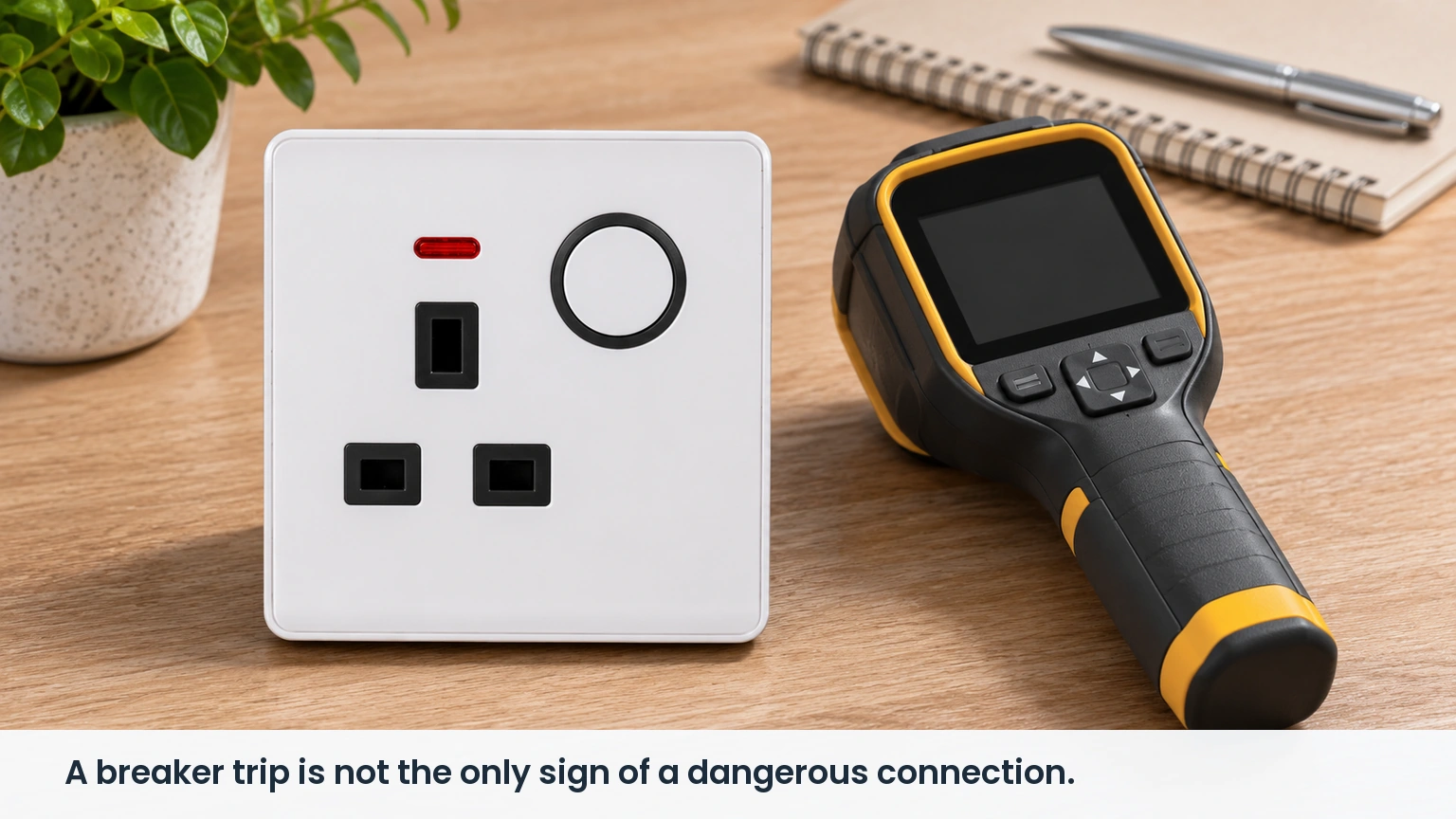
Why can a plug overheat before a breaker trips?
Heat generated at a resistive connection follows the relationship P = I²R. At a fixed contact resistance, increasing current from 8A to 10A raises that heating by about 56%. This describes the electrical relationship, not a predicted socket temperature; cooling, contact condition and construction also affect the outcome.
A loose, contaminated or damaged contact can concentrate heat while the circuit’s total current remains below the breaker’s trip threshold. An upstream protective device is not a temperature sensor at every plug. Product compliance under the applicable GB 2099 requirements does not remove the need to inspect accessories after damage or deterioration.
A breaker also has a time-current characteristic rather than an exact on/off boundary at every small excess. Waiting for it to trip is therefore a poor way to test whether a 10A outlet tolerates a larger appliance. A higher-rated breaker must never be installed merely to stop nuisance trips without a complete professional assessment.
Do two sockets necessarily mean two independent circuits?
No. Two wall outlets can share one branch circuit, and several extension outlets can share one plug and cable. Consider a 1,500W heater and a 1,000W appliance operating simultaneously at 220V: their combined approximate resistive current is 11.4A. Connecting both through one 10A extension exceeds that extension’s rating.
Moving one appliance to a different wall outlet removes that particular shared extension only if it is no longer used. It does not prove that the appliances now have separate circuits. The responsible electrician needs to check the distribution and protective arrangements, as well as accessories covered by the relevant GB product requirements.
The electric socket in China guide provides the plug and voltage background. For a building operator, a room-by-room circuit schedule adds something a travel guide cannot: knowledge of which outlets share capacity with lighting, cleaning equipment or adjacent rooms.
What should happen when a socket becomes hot or discoloured?
Stop using the affected connection. If the appliance can be switched off safely, do so; avoid touching damaged, wet, smoking or visibly burning equipment. Isolation should be carried out safely by an appropriate person. Smoke or fire requires the building’s emergency procedure and emergency services rather than an improvised repair.
The London Fire Brigade identifies hot plugs and scorch marks as warning signs; HSE electrical guidance also emphasises competent work and suitable equipment. An RCD rated at 30mA, where required, addresses a different protective function and does not replace overload protection or repair a poor contact. No protective-device label makes continued use of a visibly damaged socket acceptable.
After isolation, a competent electrician should investigate the plug, socket, terminations, cable and protective arrangements. Replacing only the discoloured front can leave damaged components behind. The damaged wall socket response guide describes the practical boundary between reporting symptoms and attempting electrical work.
Which response reduces the total cost of a socket failure?
| Response | Immediate effect | Remaining exposure |
|---|---|---|
| Keep resetting a tripping breaker | Temporarily restores supply | Fault or excessive load remains unexplained |
| Replace only the visible accessory | Removes one suspect component | Other damaged parts or load mismatch may remain |
| Investigate load and connection together | Identifies the required repair and suitable use | Higher planned effort; fewer unresolved assumptions |
The useful cost comparison includes the service visit, replacement materials, testing, room downtime and repeat call-outs. Without site data, a savings percentage would be invented. Maintenance records can show whether recurring damage follows one appliance, one outlet or a repeated purchasing choice.
Which appliances deserve an earlier load check?
| Application | Relevant check | Reason |
|---|---|---|
| Portable heating | Input current and operating duration | High demand may continue for long periods |
| Kitchens and utility rooms | Simultaneous appliance loads | Individually acceptable loads can add together |
| Air conditioning | Manufacturer’s connection requirements | Model-specific current and starting behaviour |
| Extension leads | Complete assembly rating and condition | Several sockets share a limited supply path |
Which standards and documents belong in the maintenance file?
The Chinese socket amp rating, model identification and applicable GB standard documentation should remain traceable after installation. Buyers should also verify any applicable CCC requirements for that product. CE, RoHS or GCC paperwork does not replace Chinese market requirements, nor does it prove that an installed circuit is suitable. Missing records make replacement decisions slower and can lead to purchasing an incompatible accessory.
How can procurement prevent the same fault returning?
- Record appliance input current and intended operating conditions before ordering.
- Specify the exact connector, rating and destination documentation.
- Have the electrician assess the complete damaged connection, not only its appearance.
- Keep inspection findings and approved replacement models with the room equipment list.
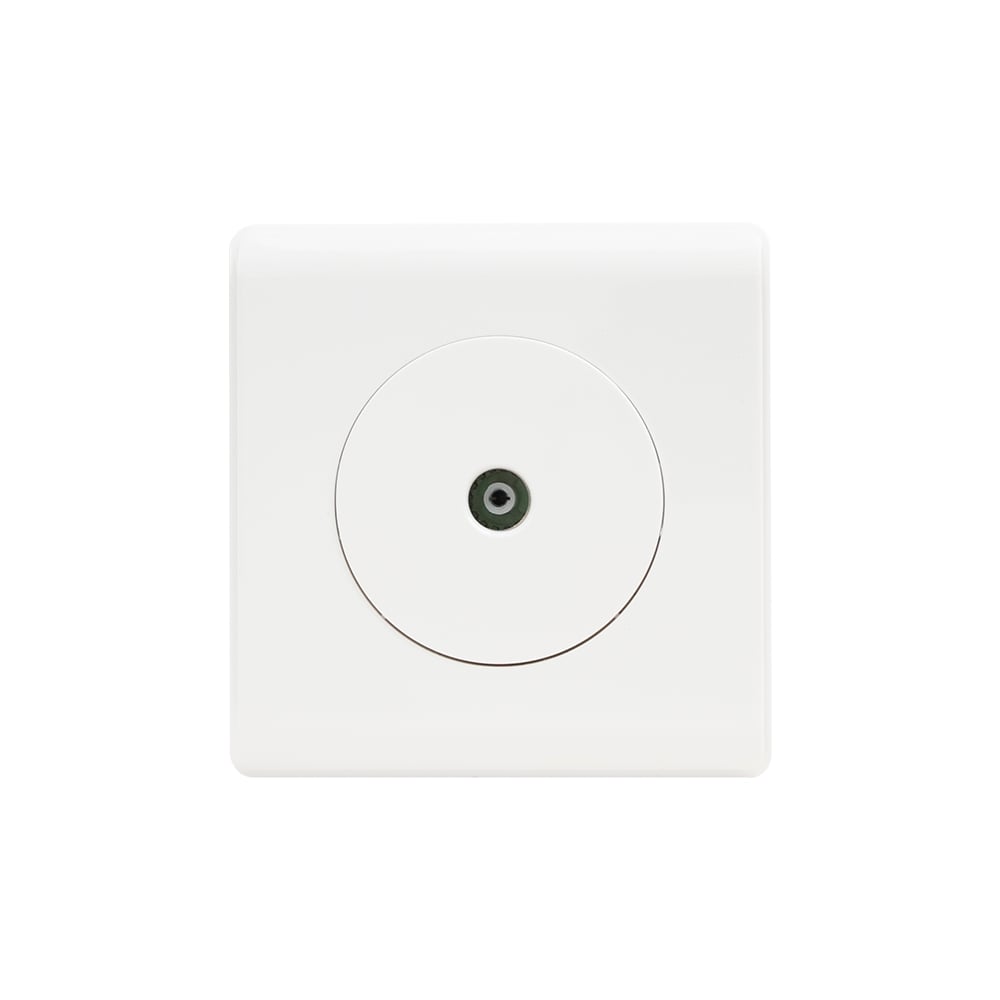
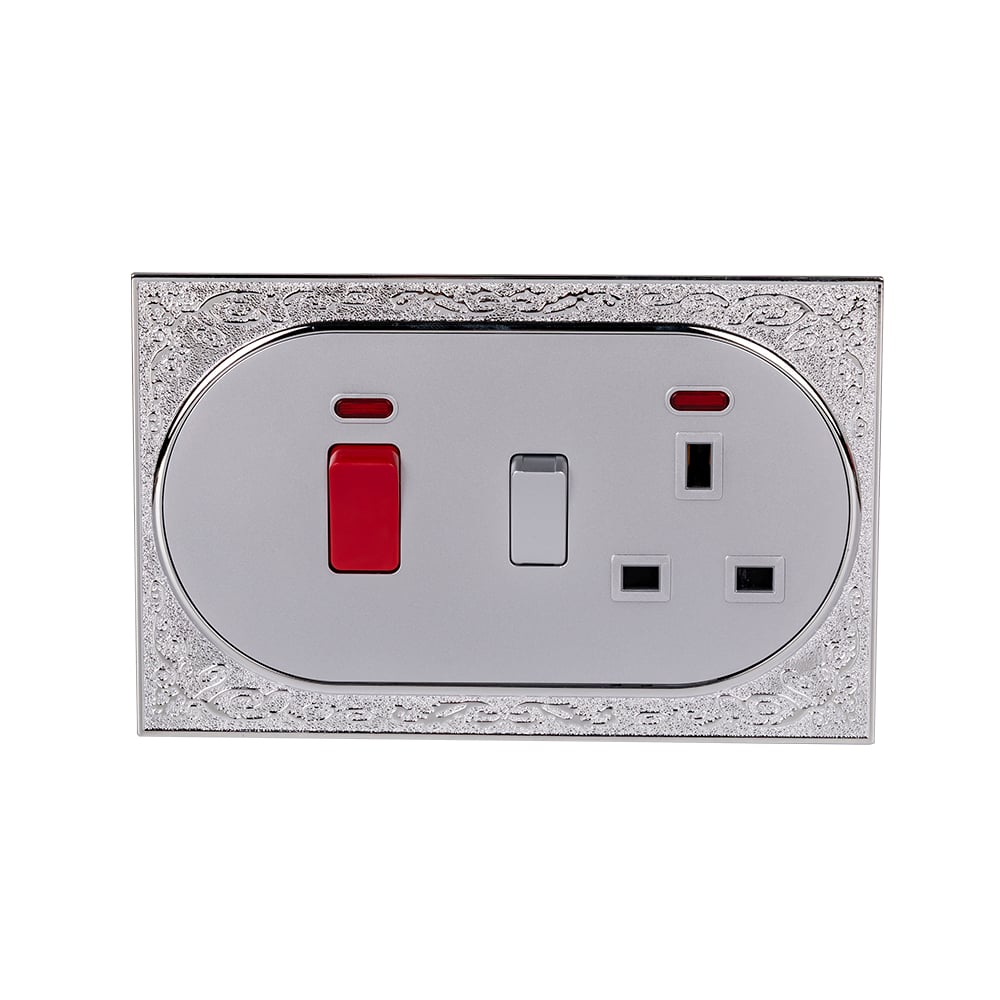
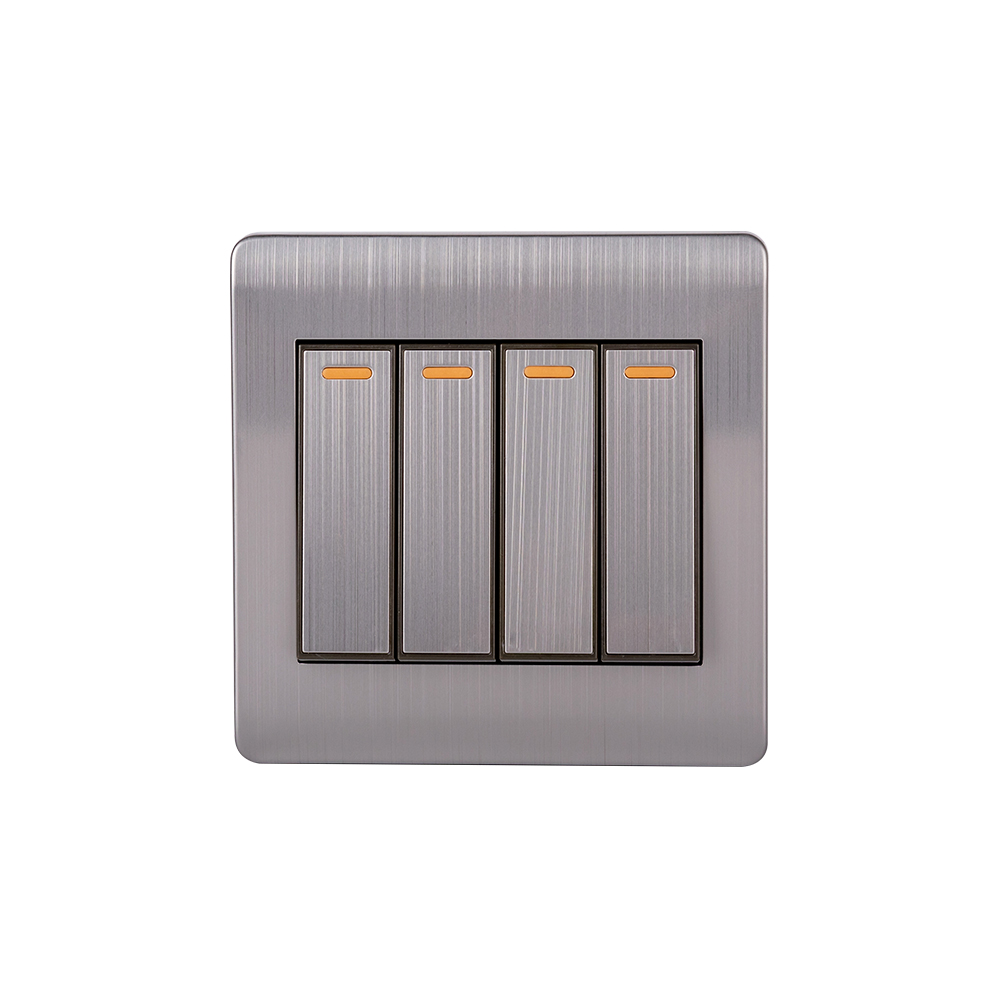
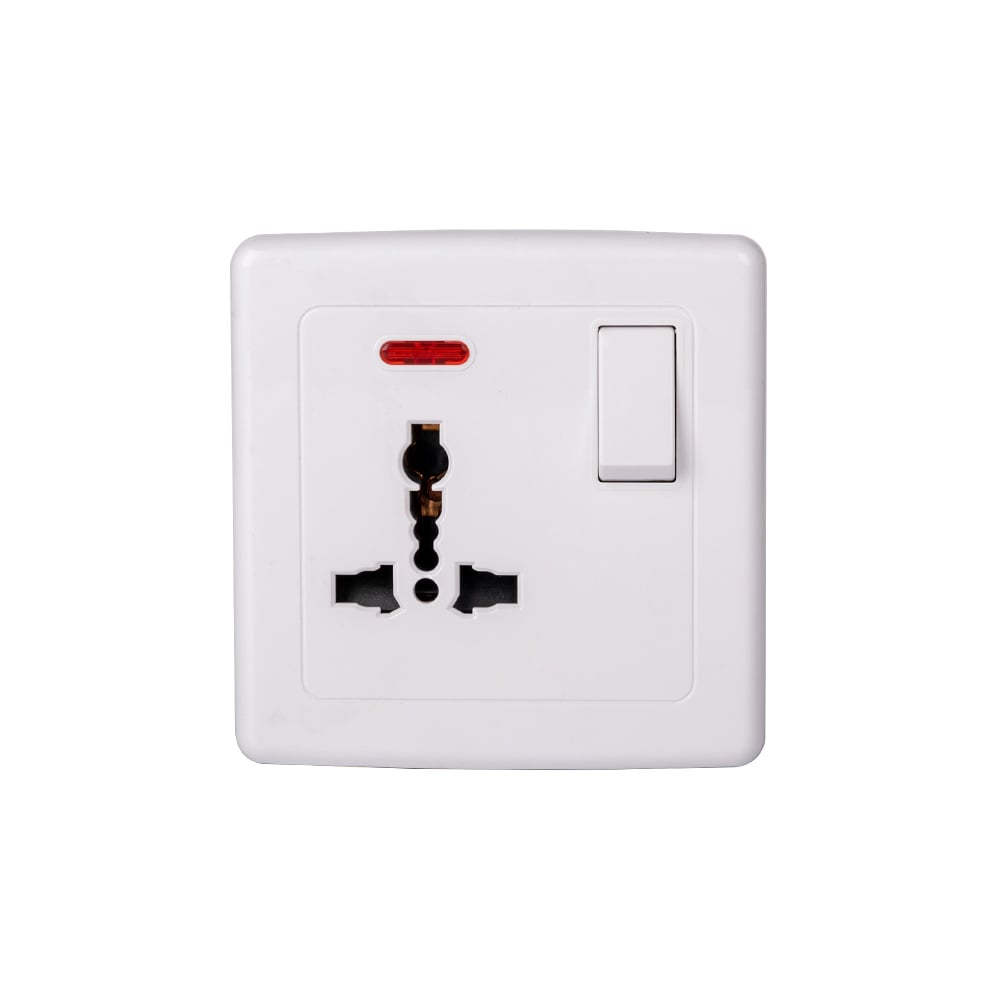
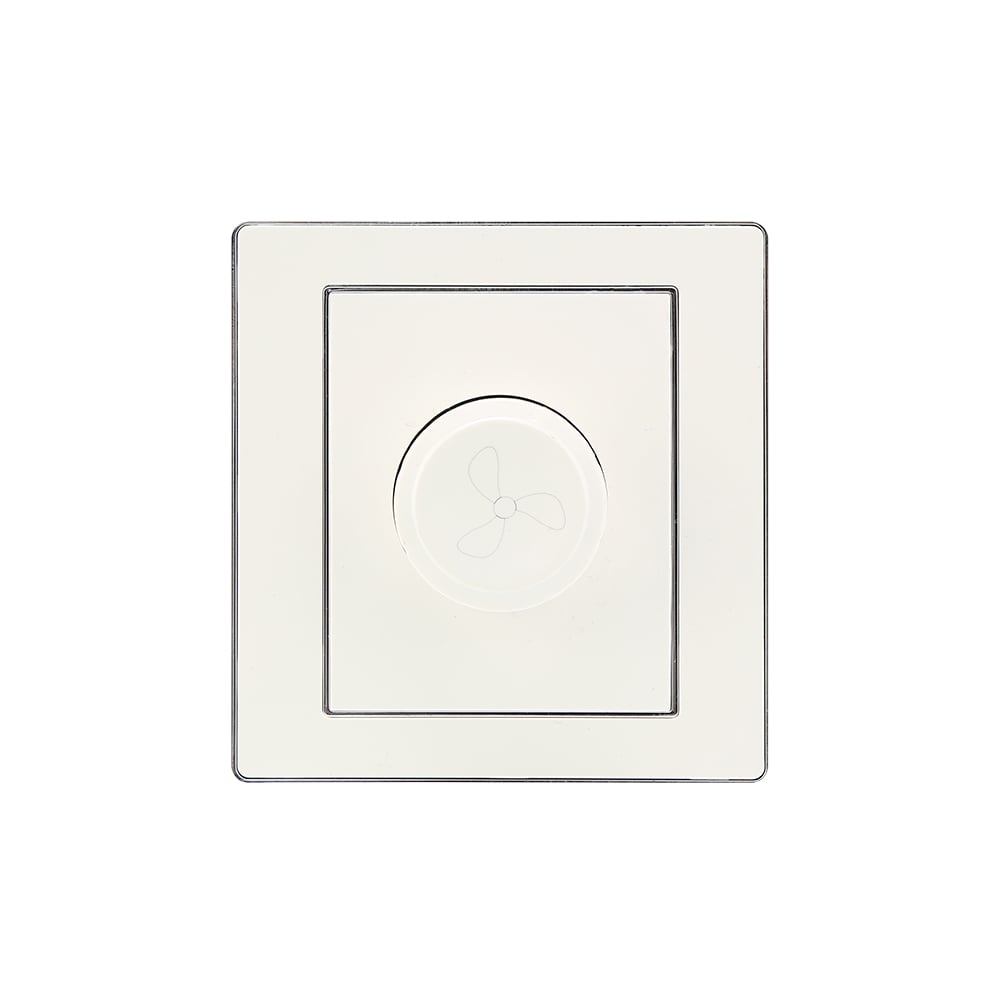
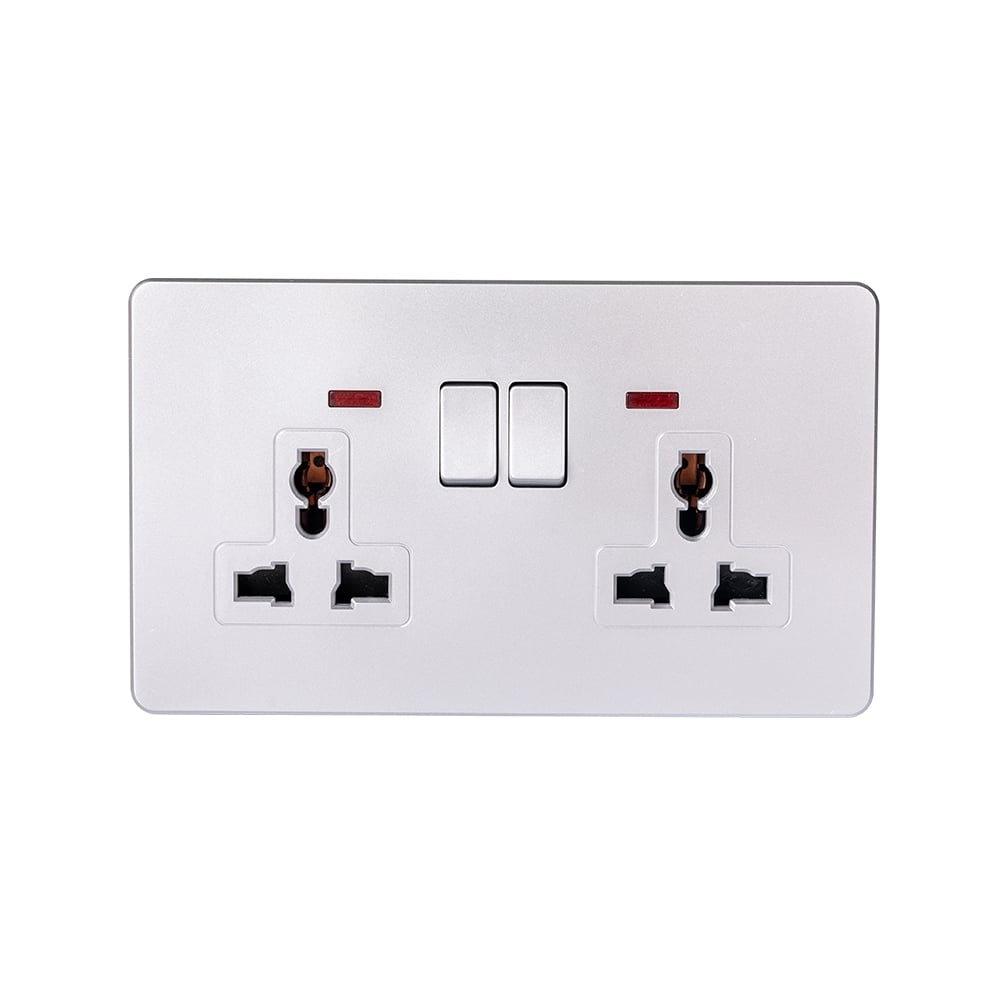
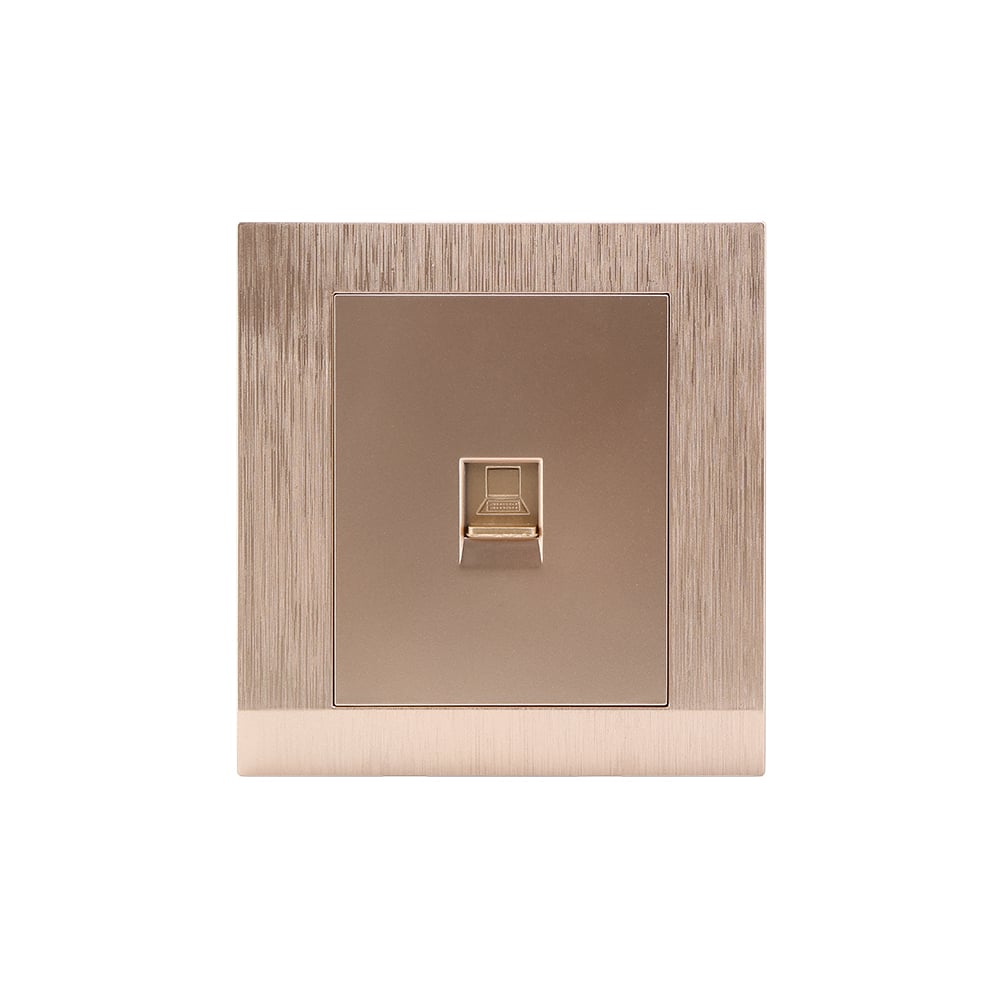
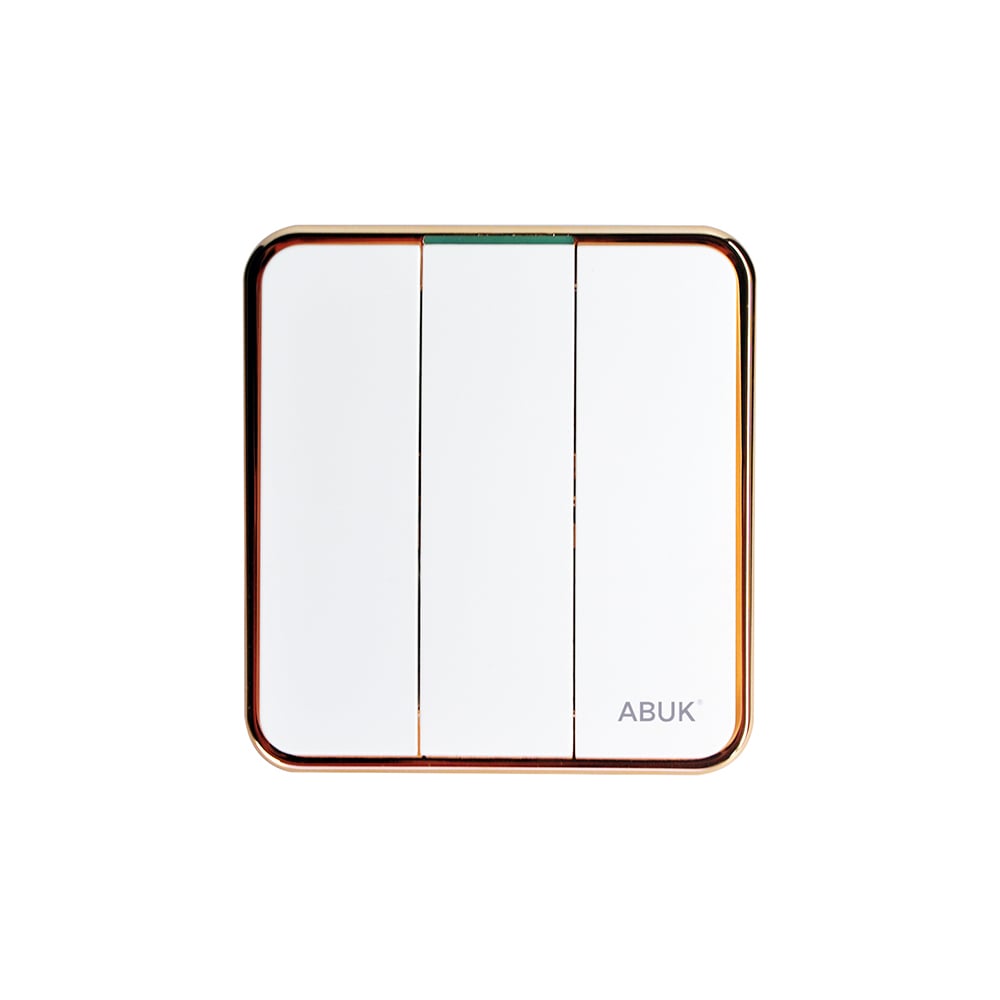
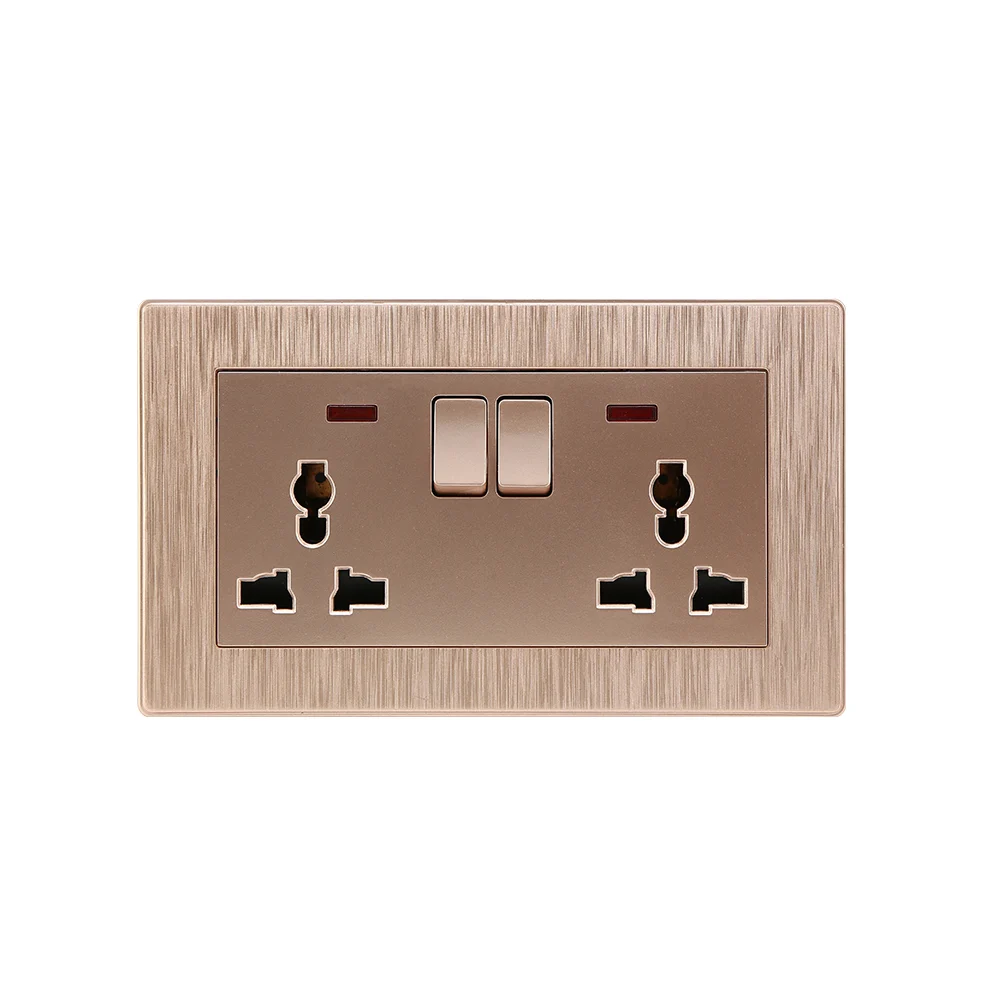
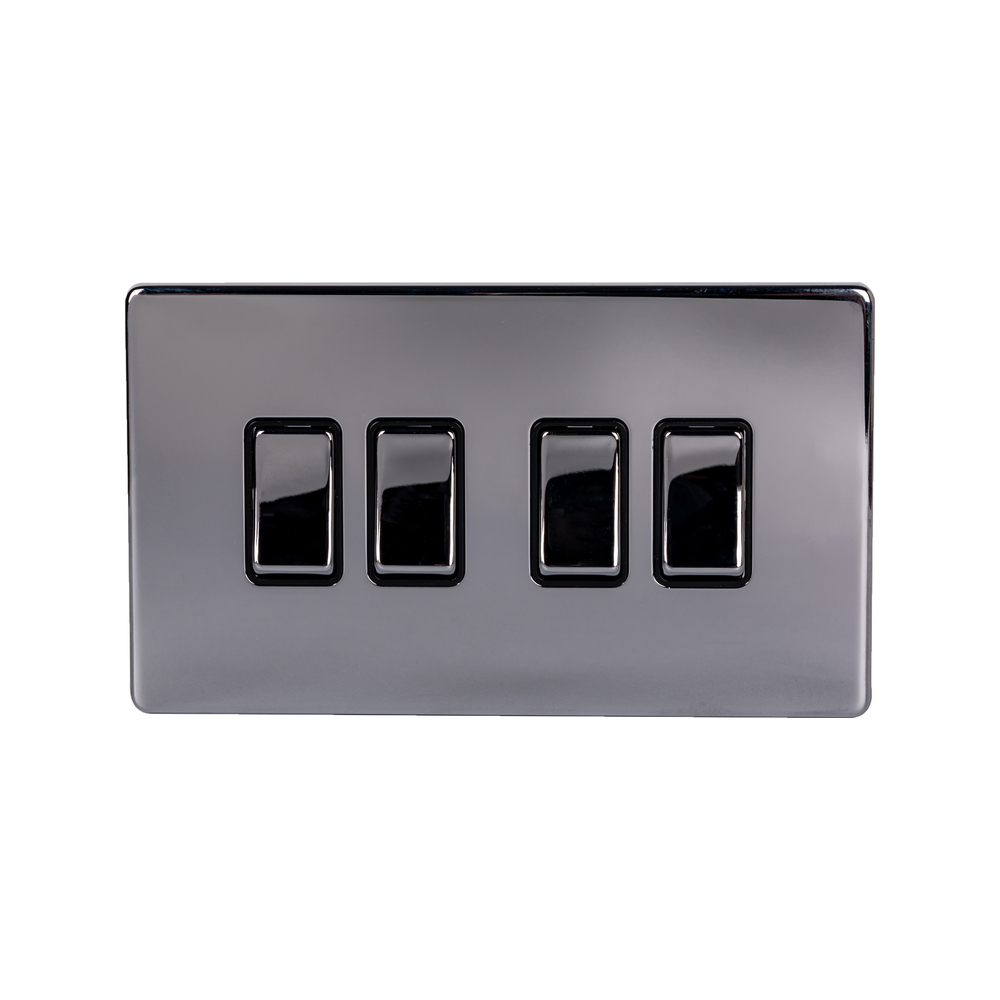
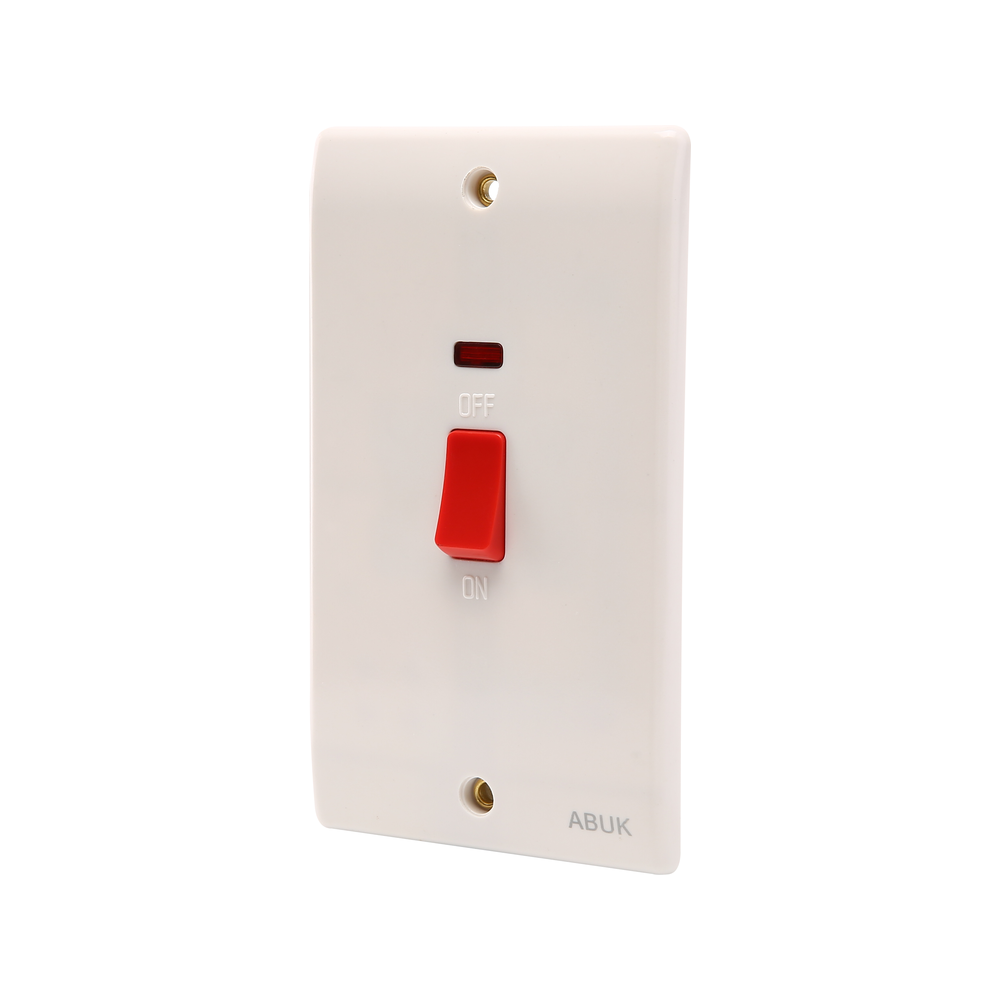
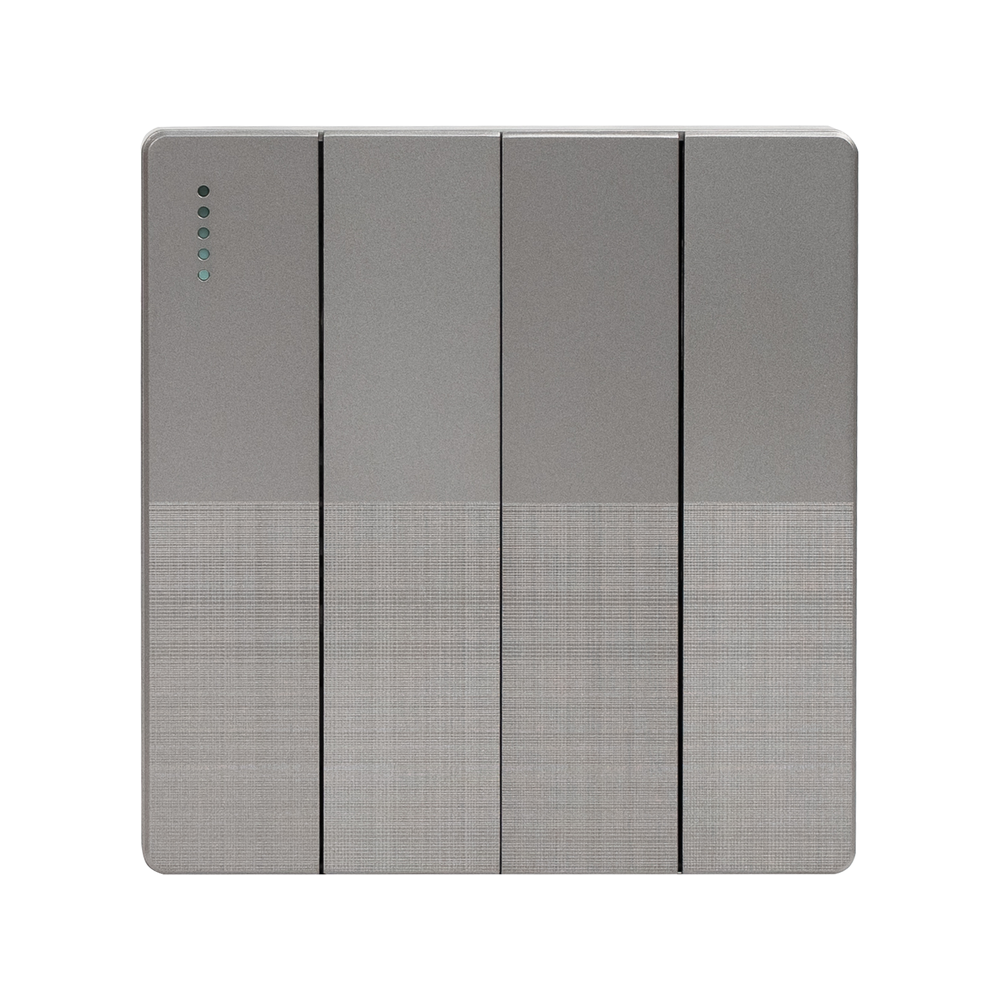
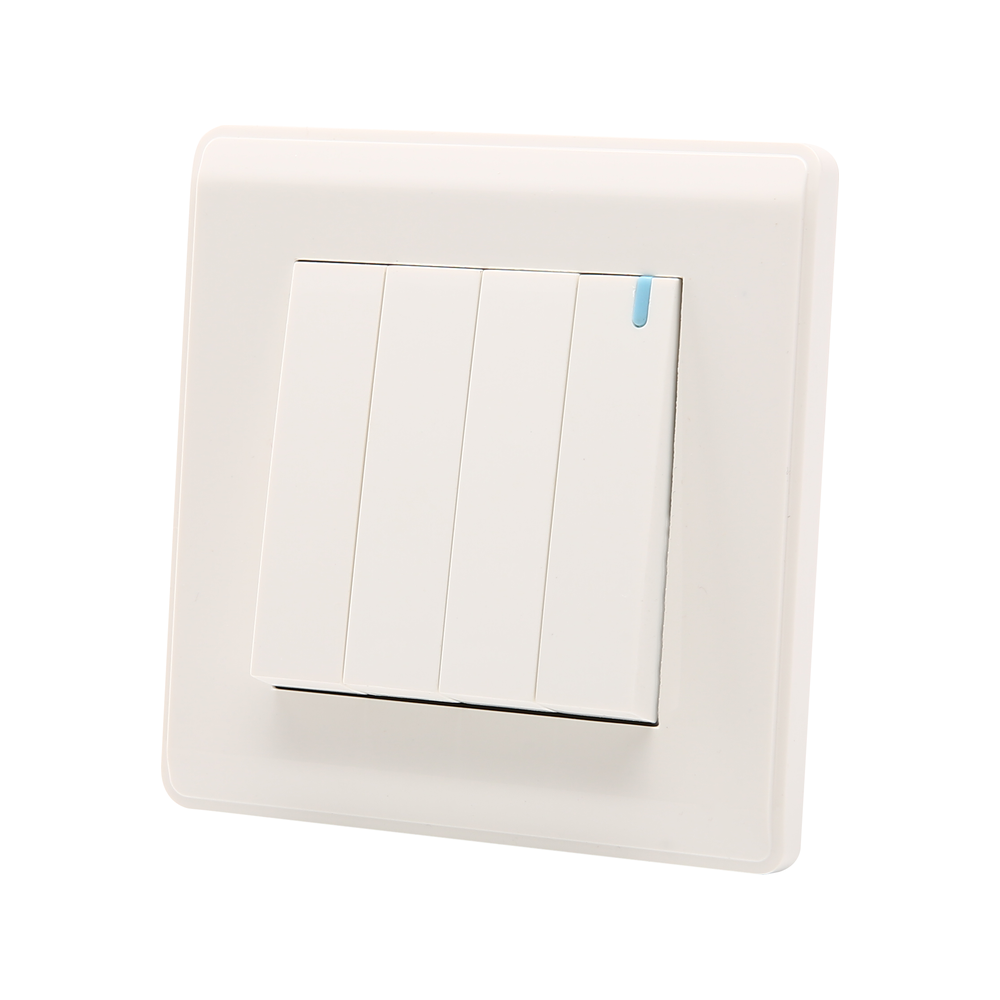
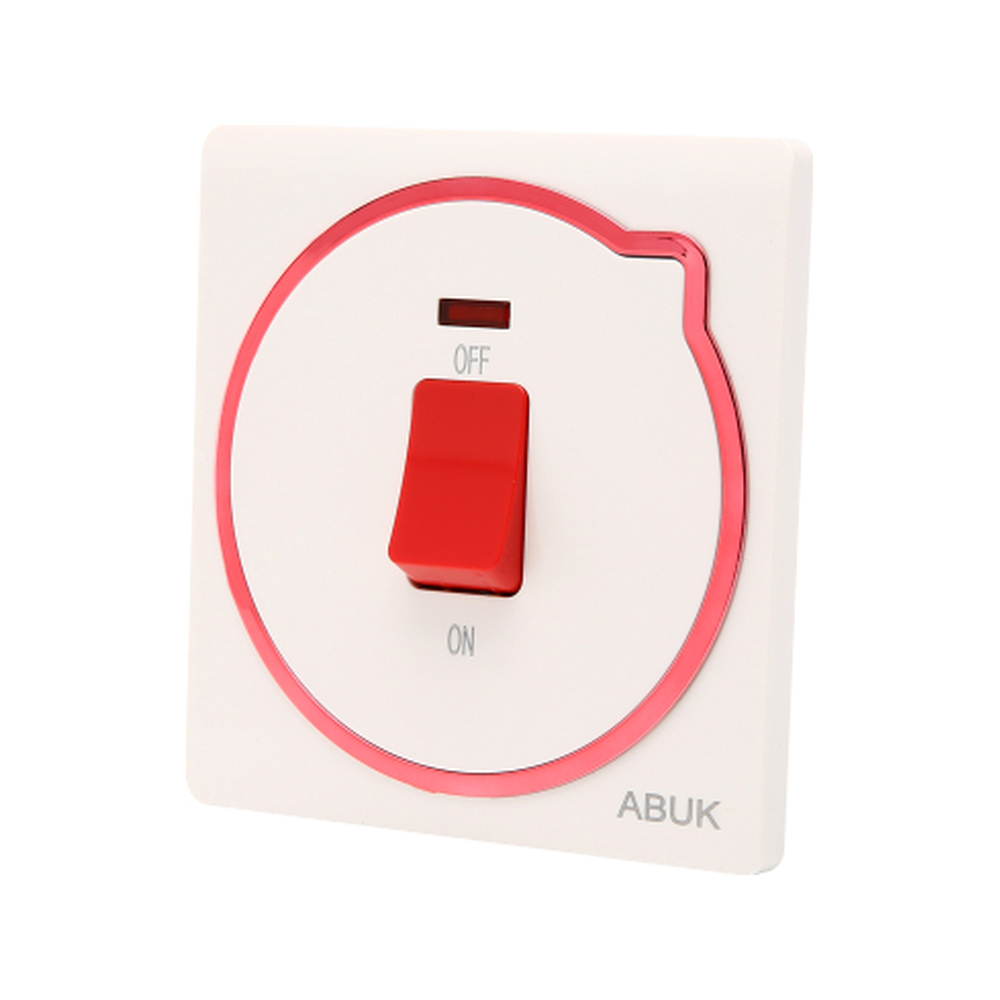
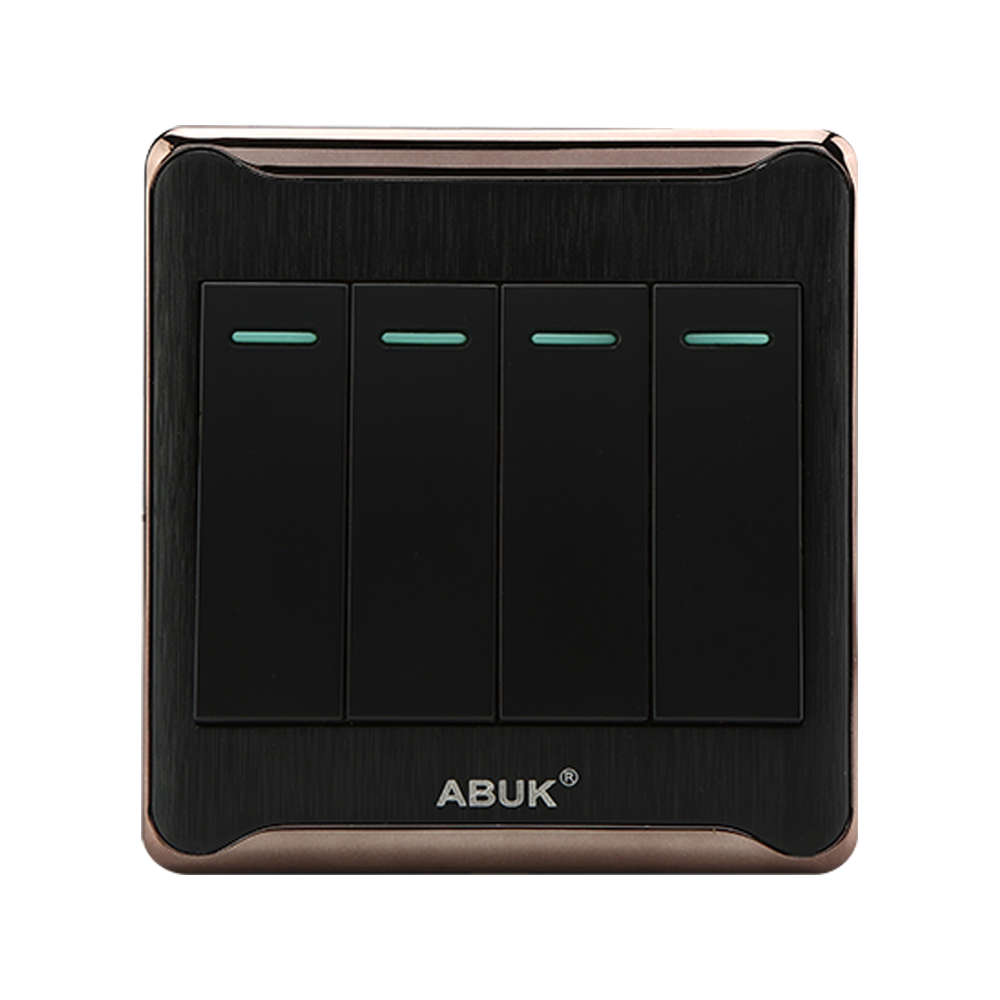
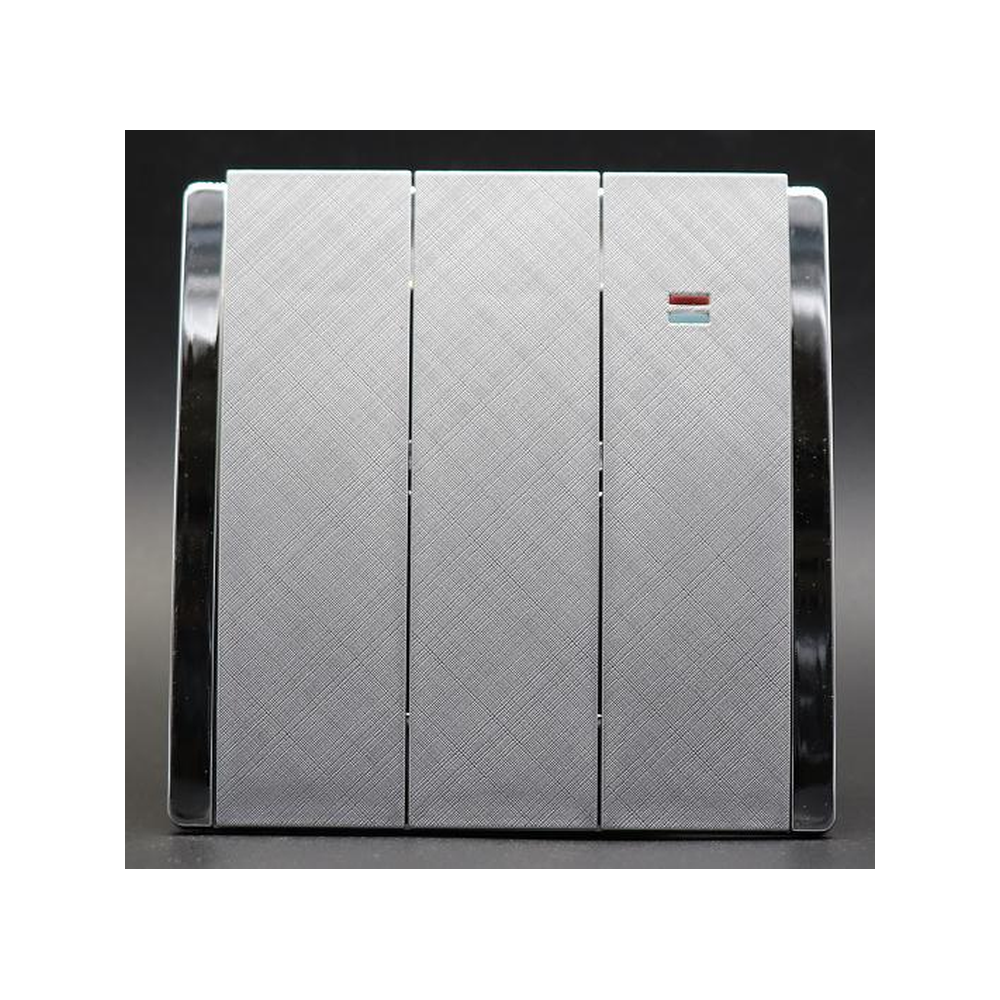
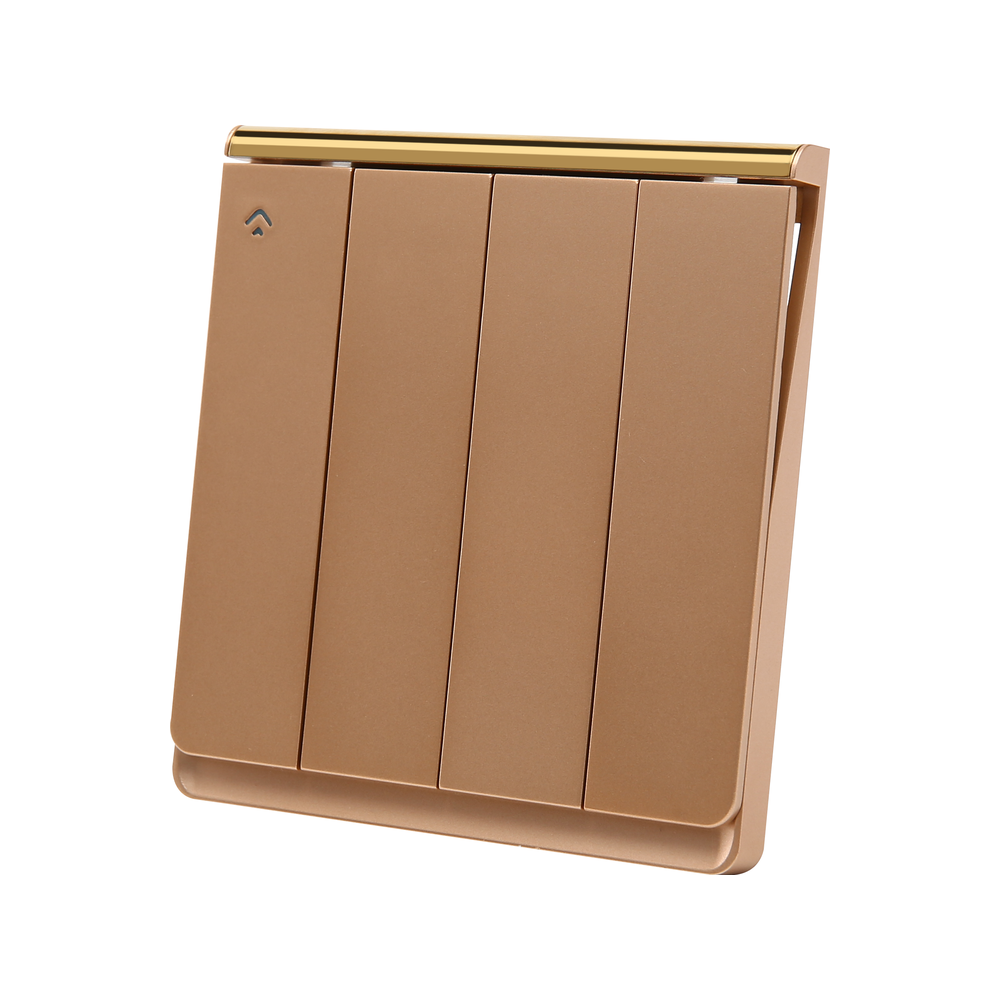
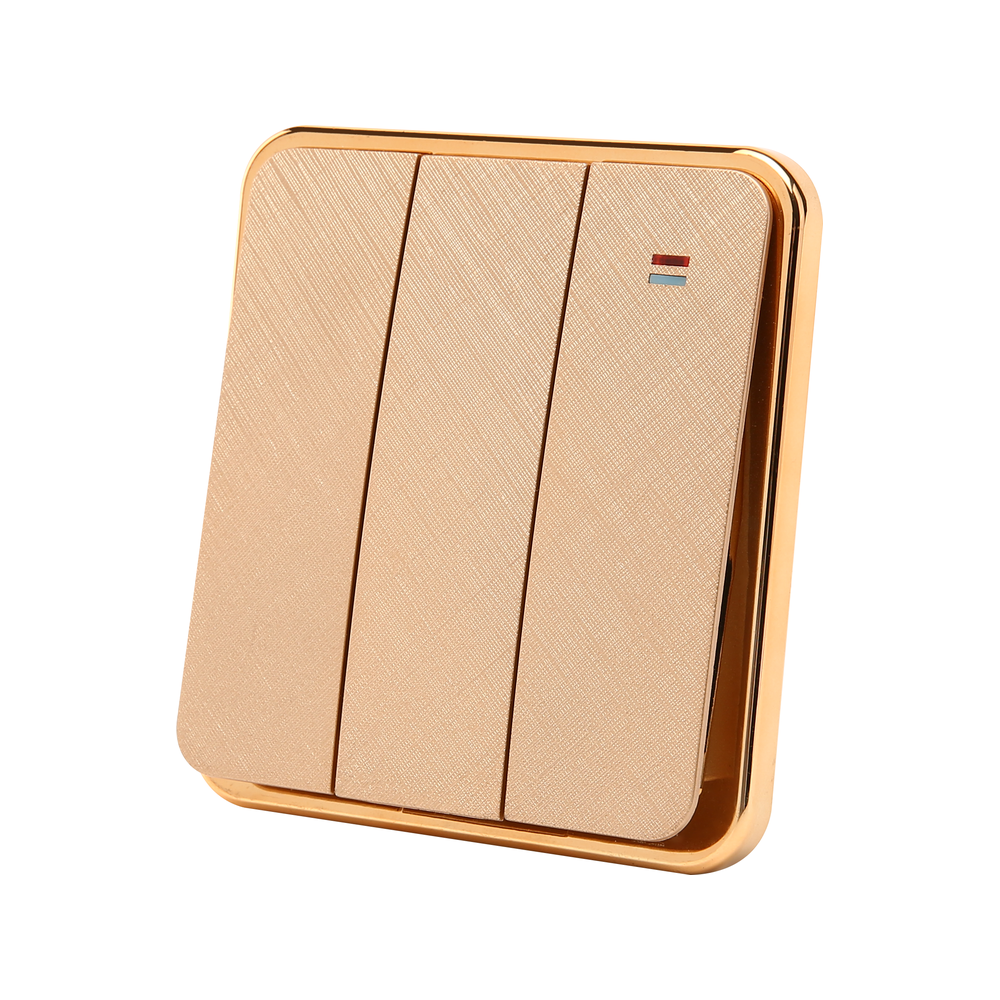
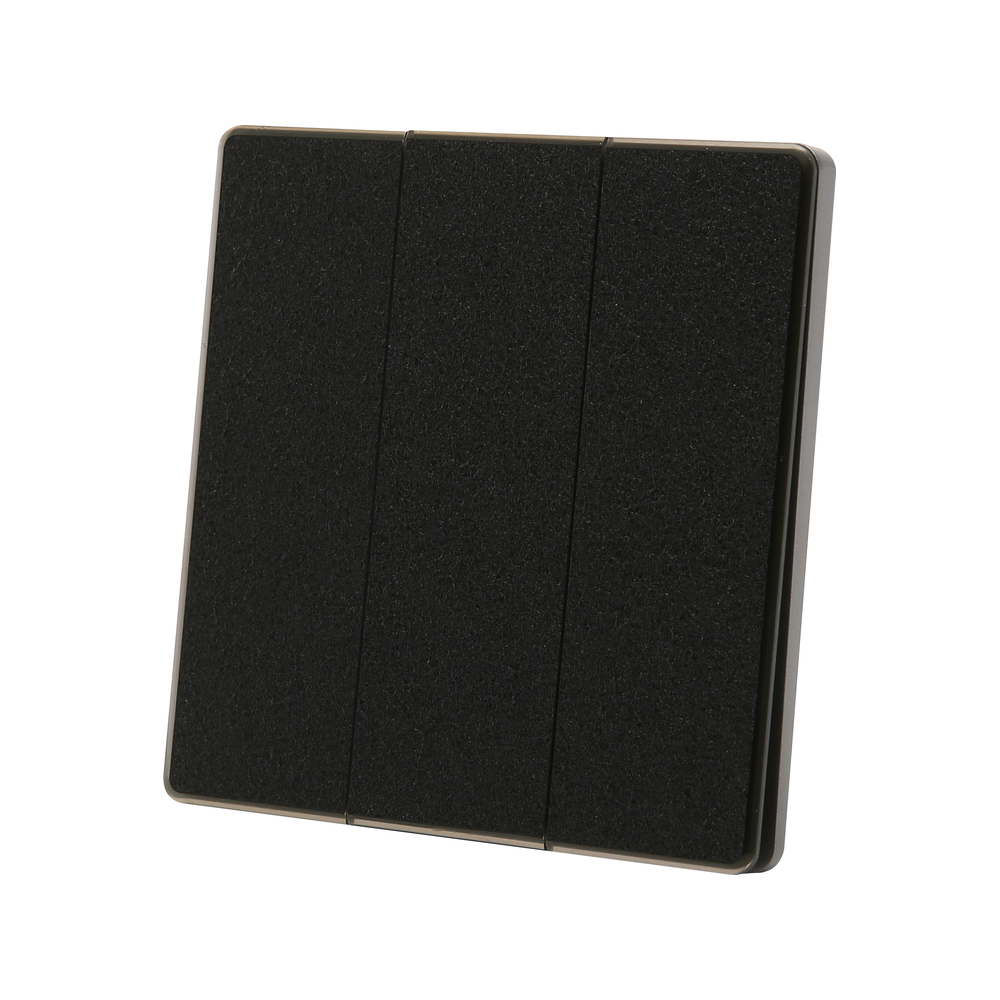
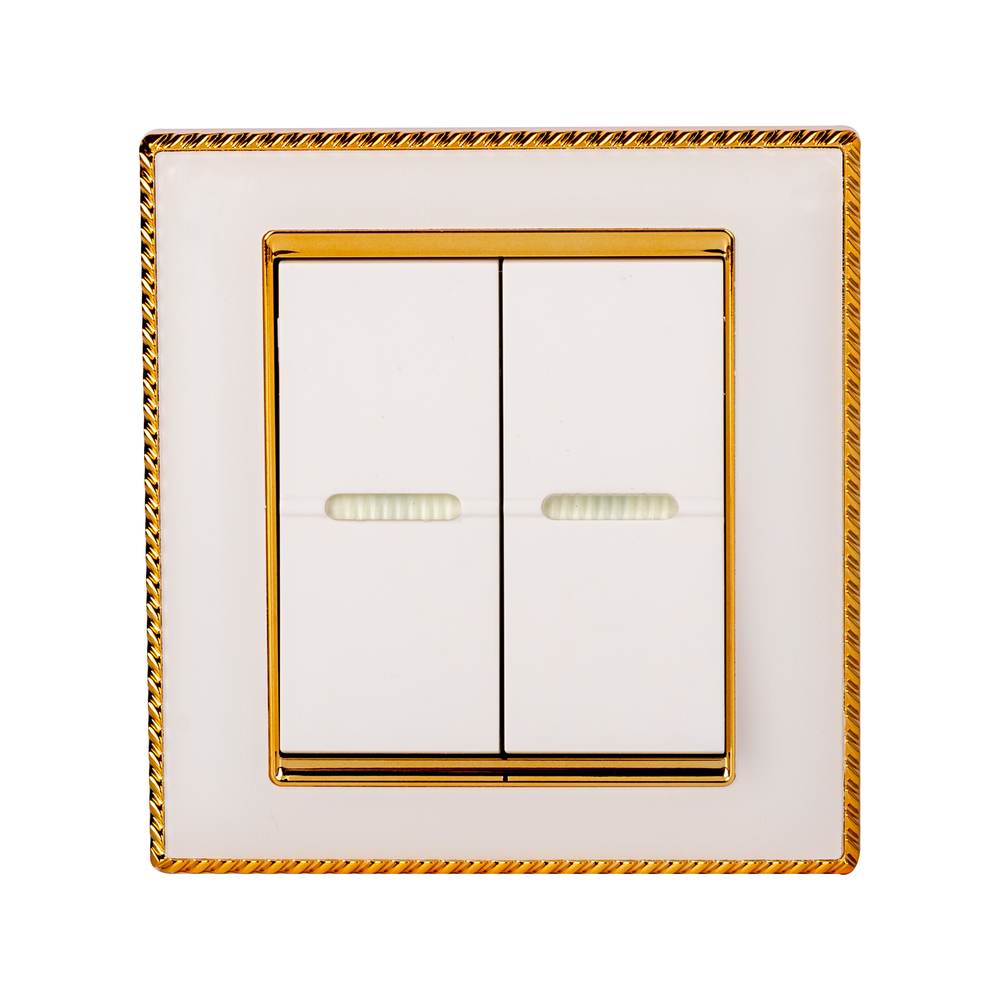
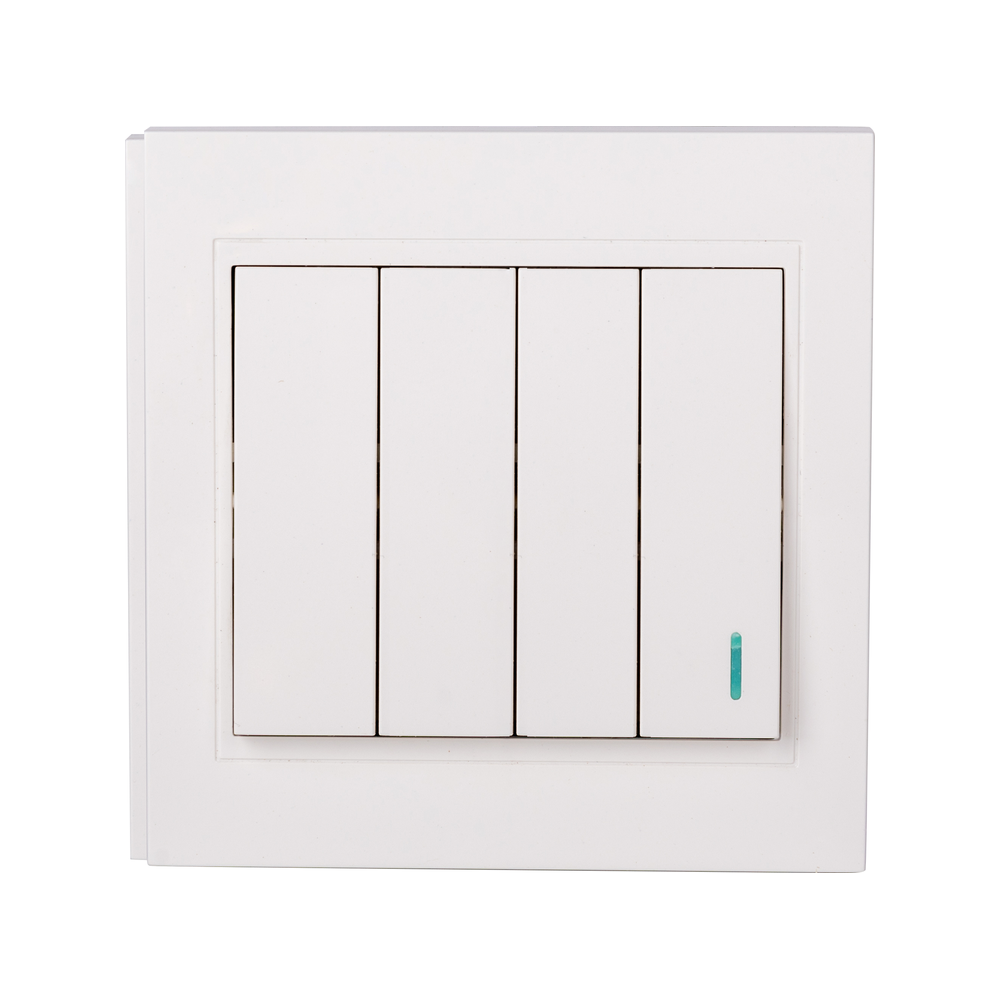
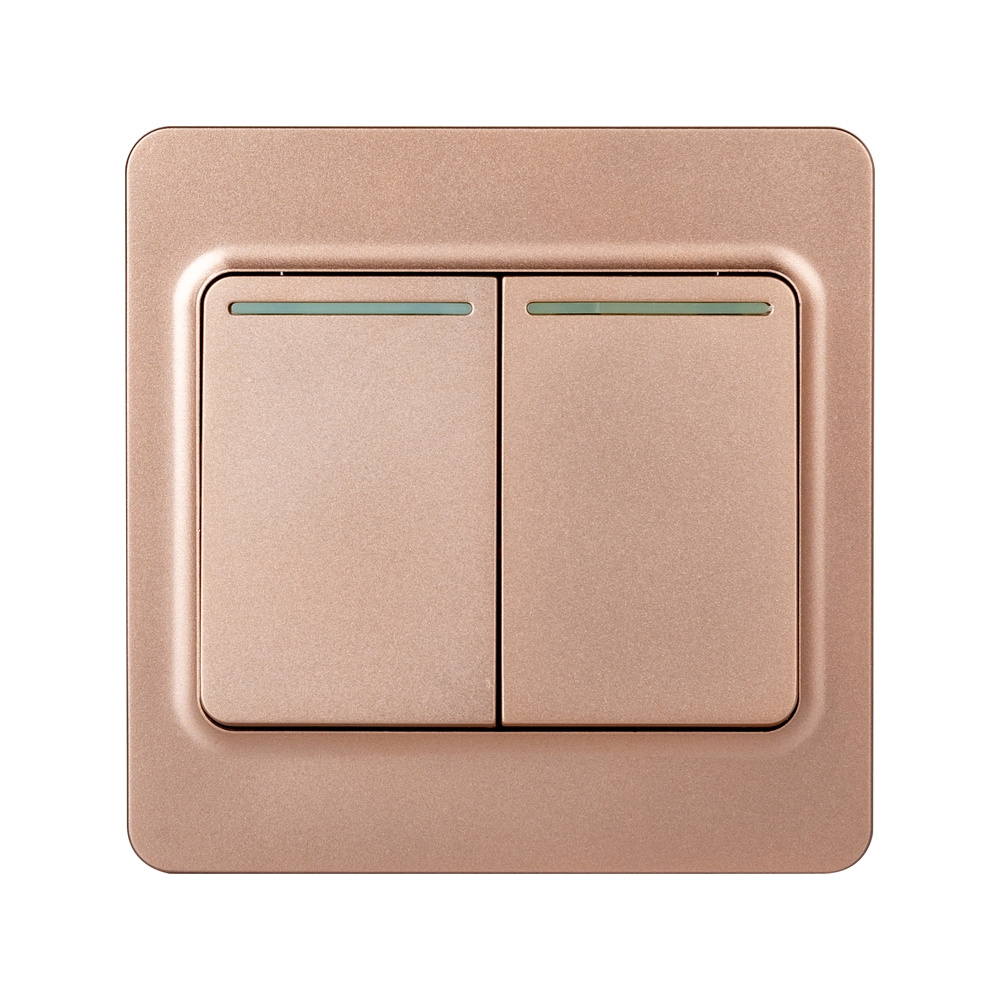
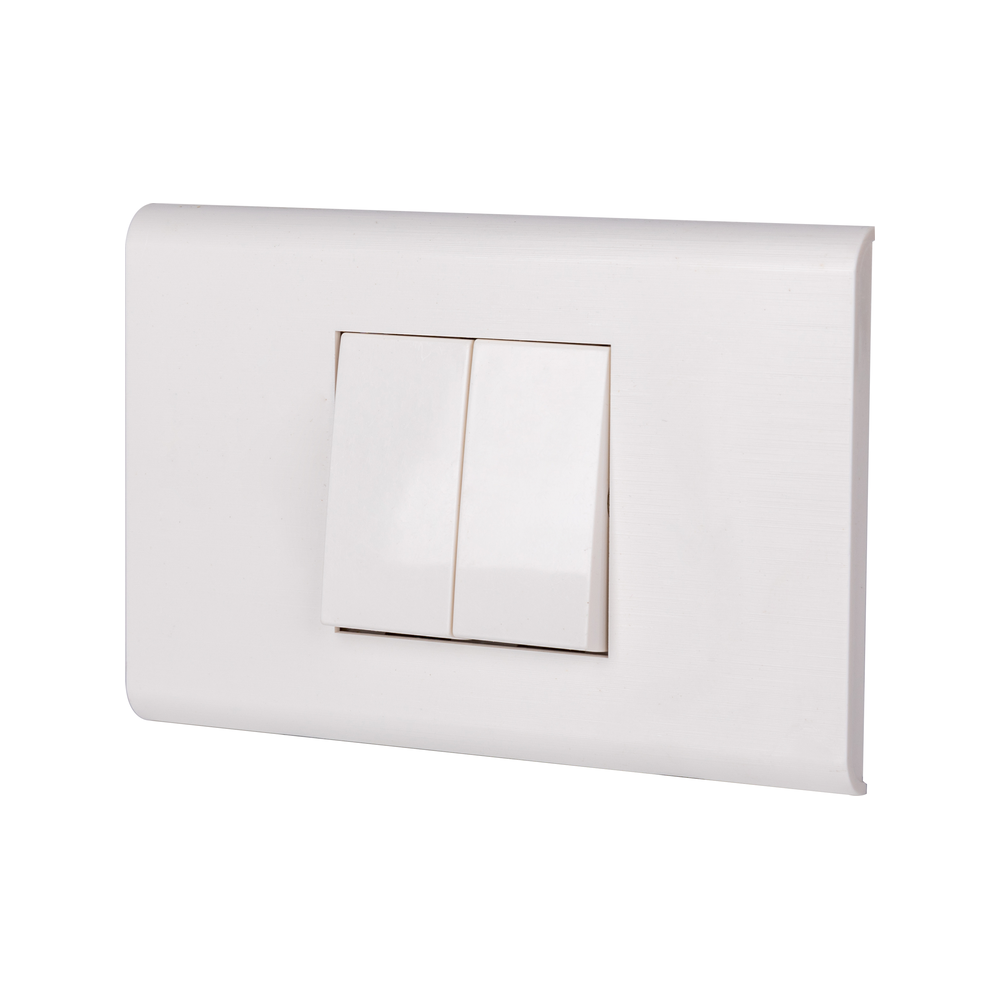
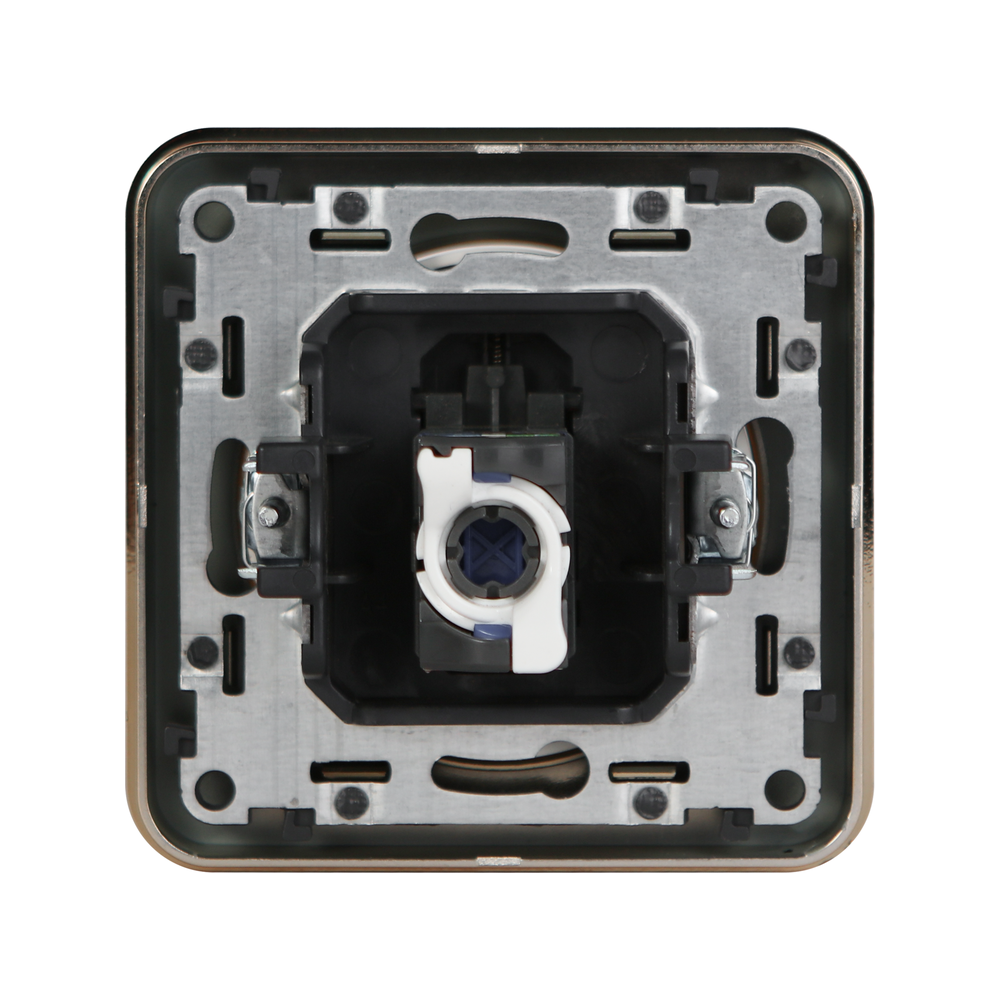
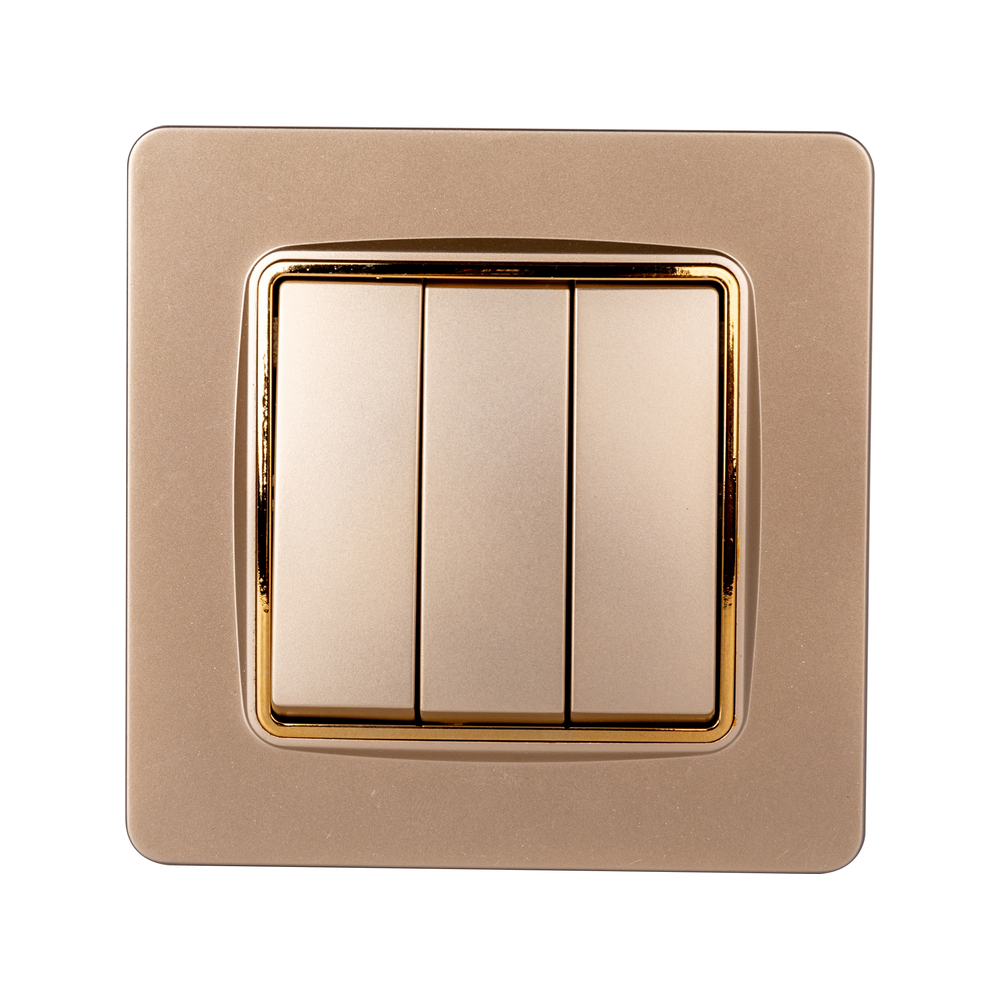
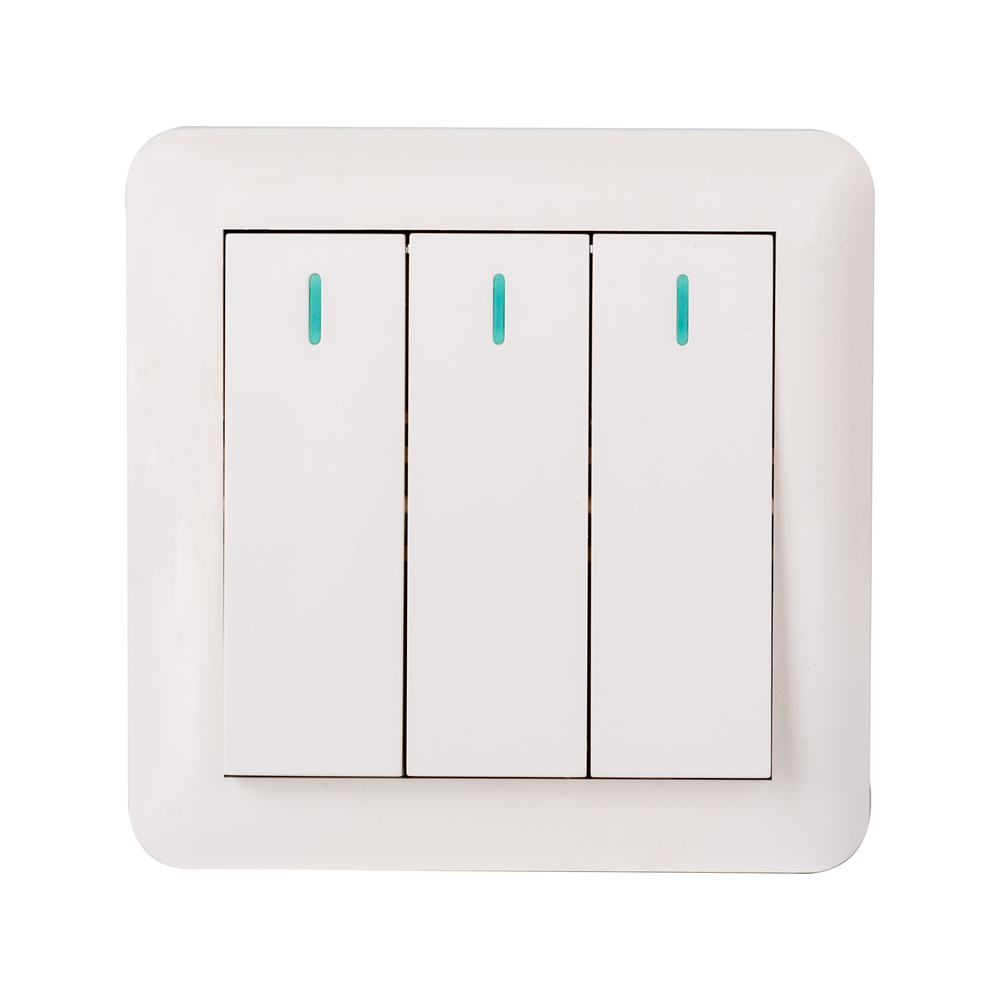
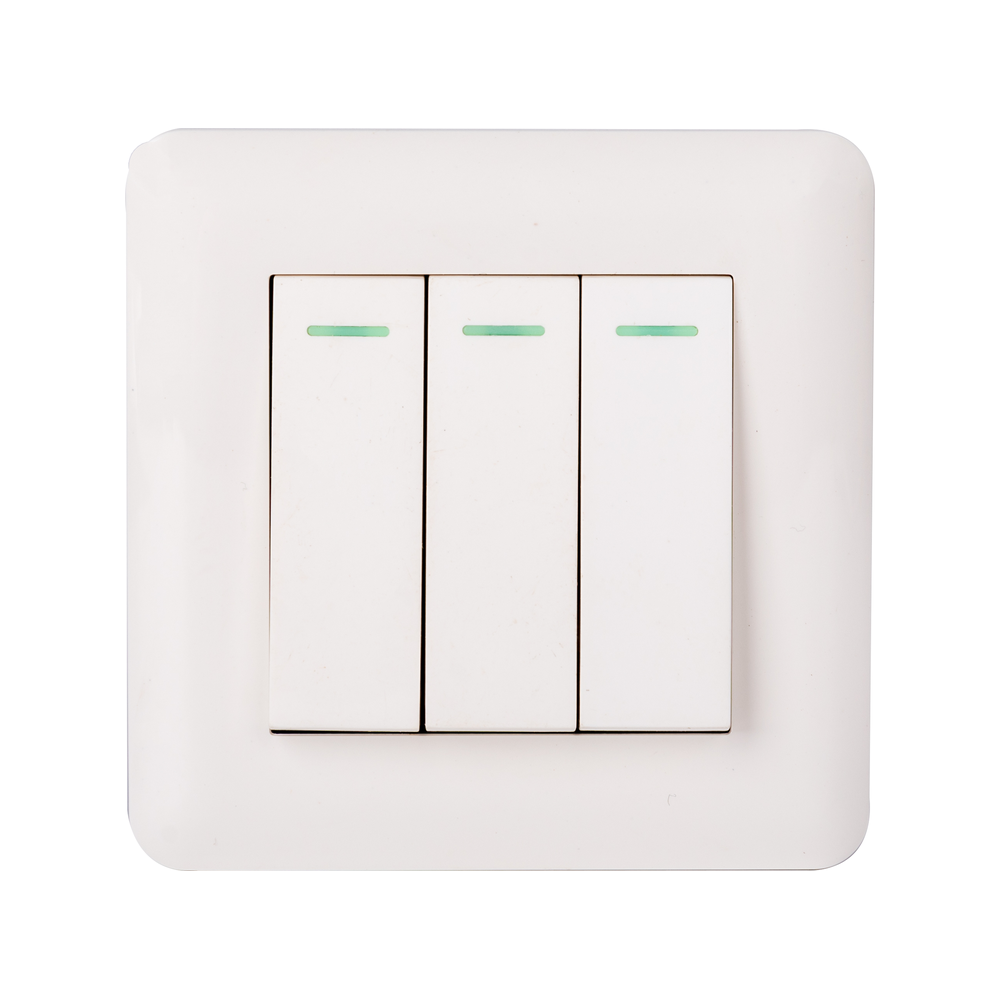
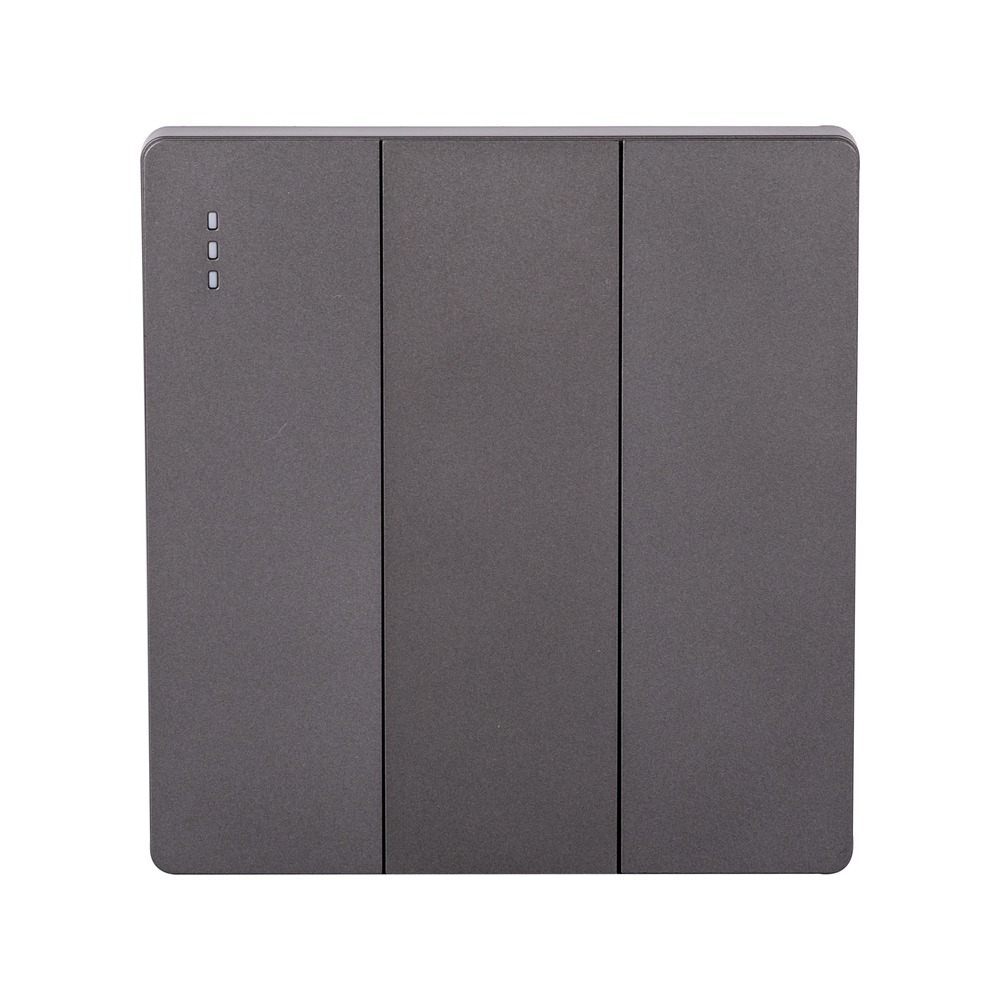
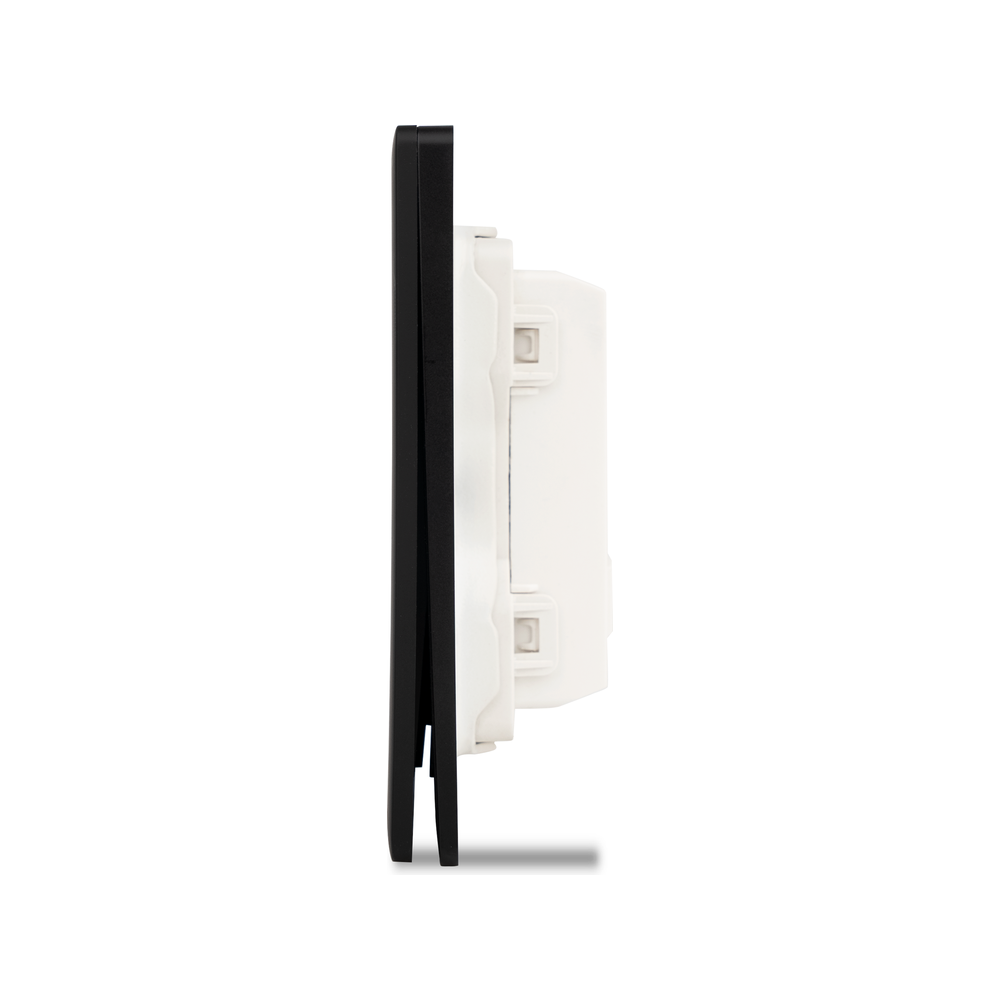
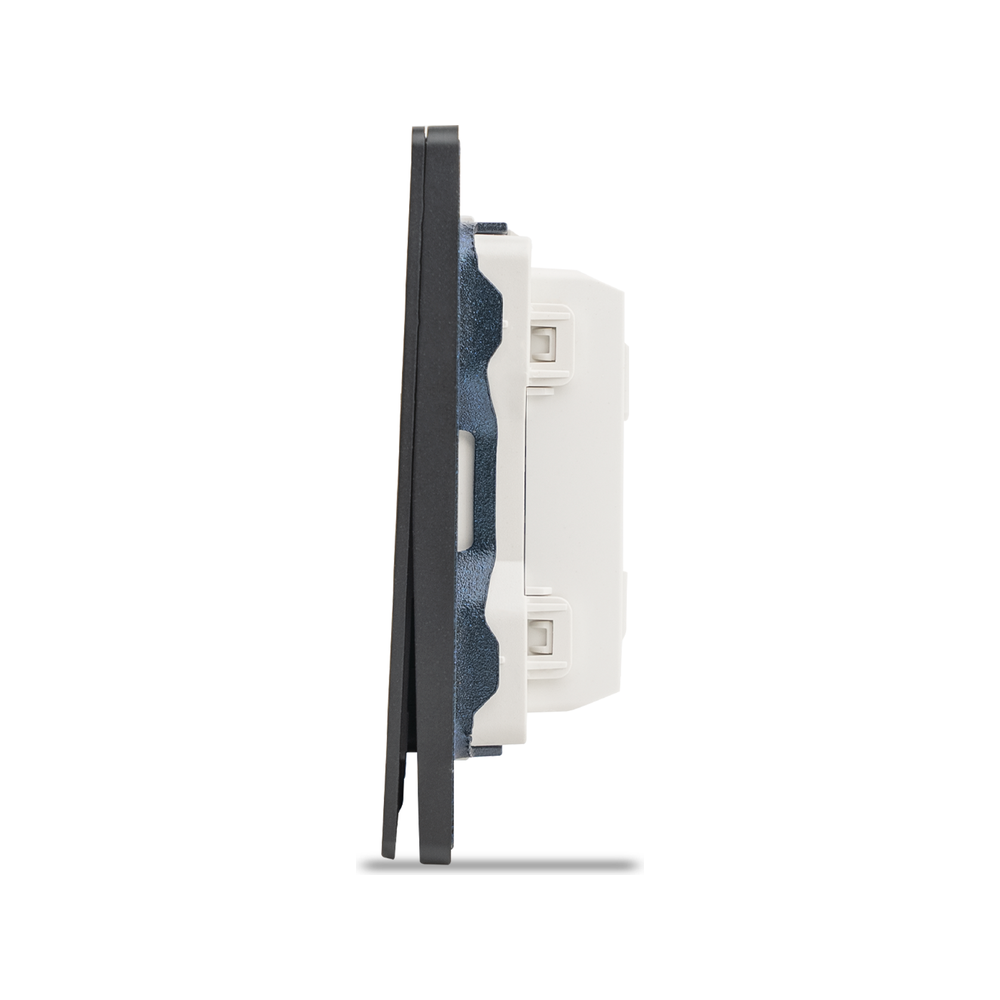
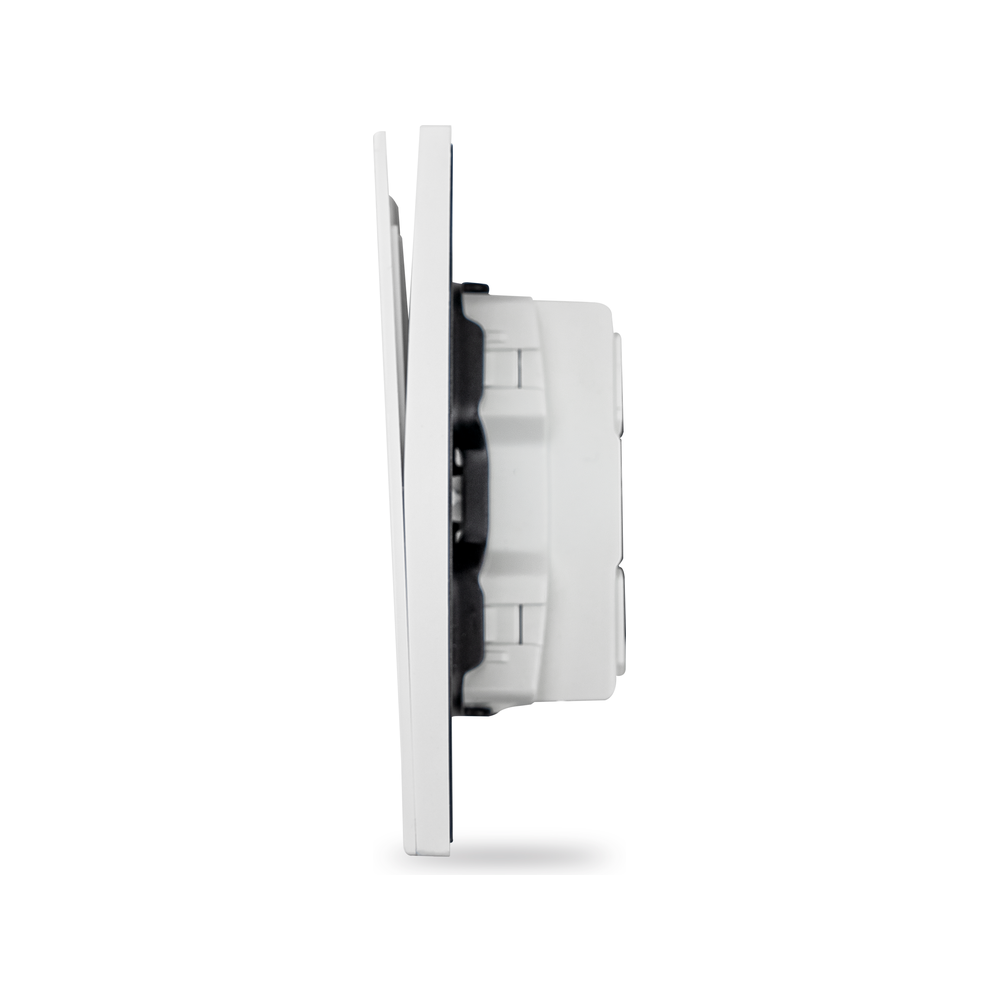
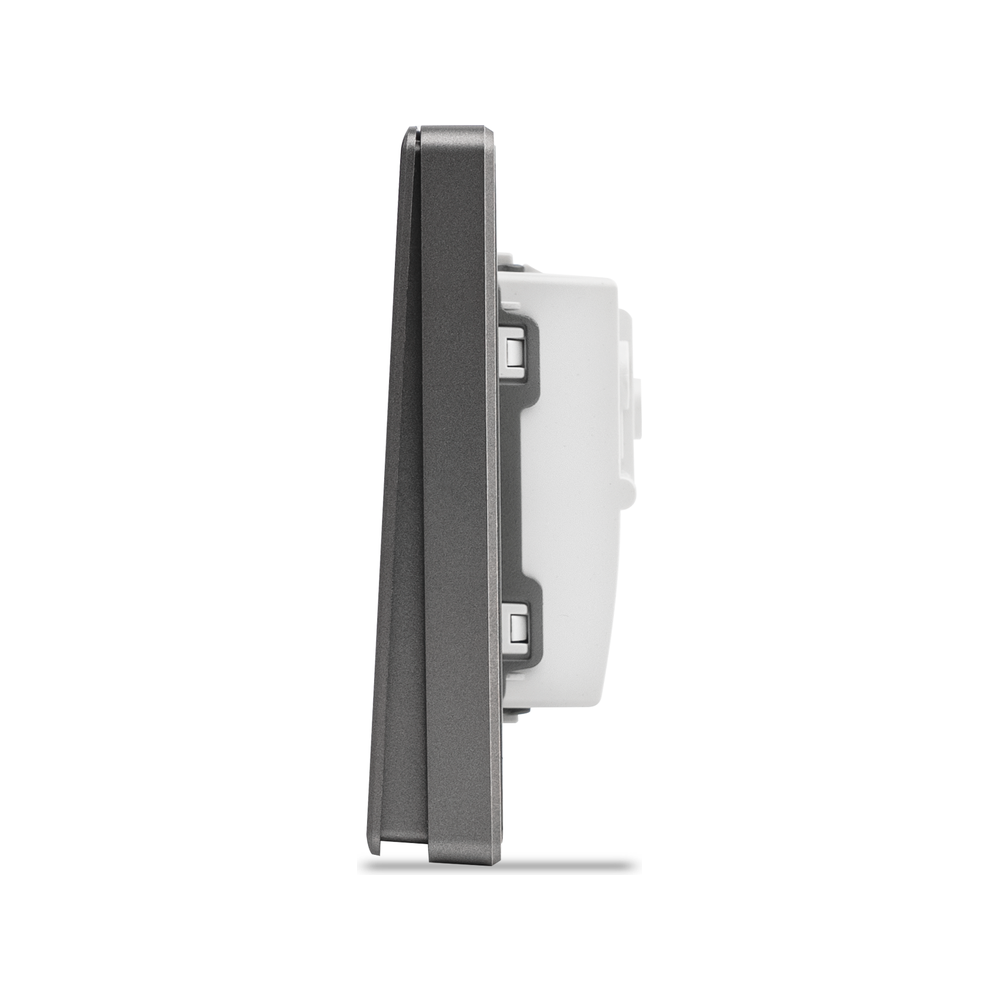
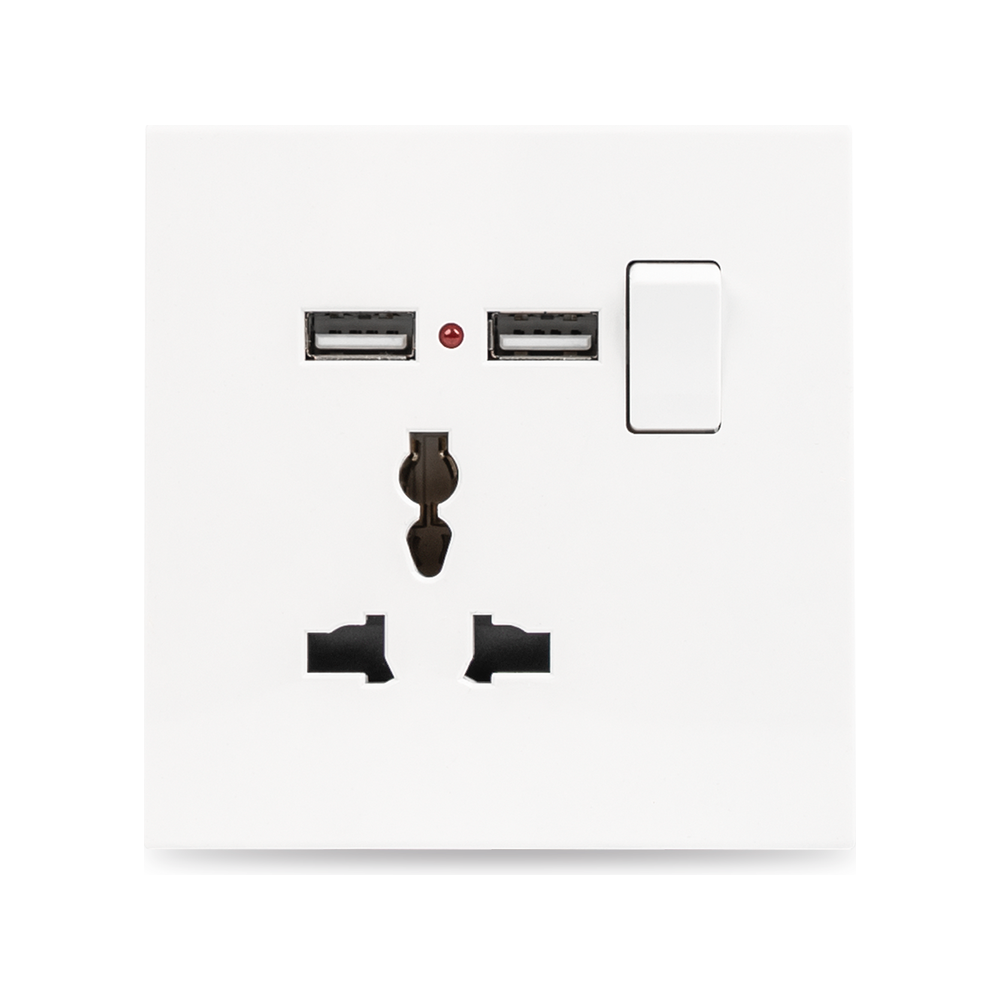
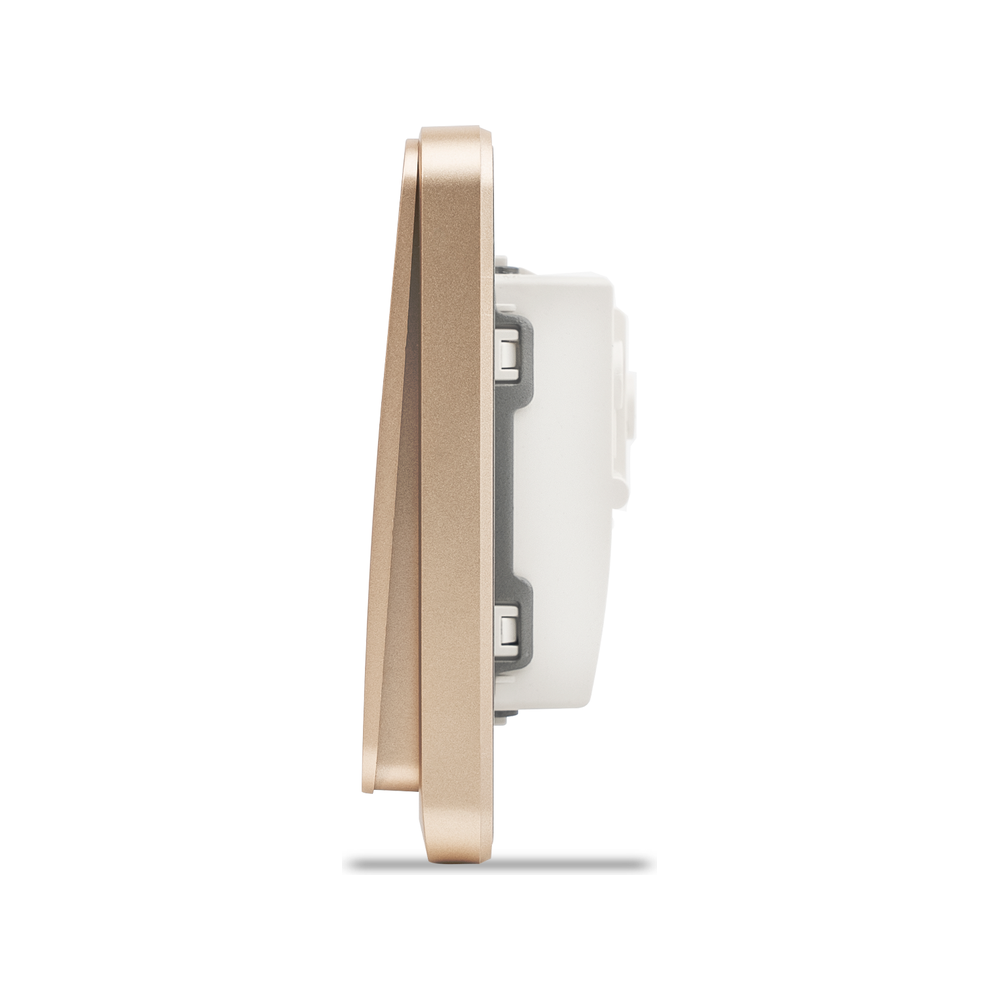
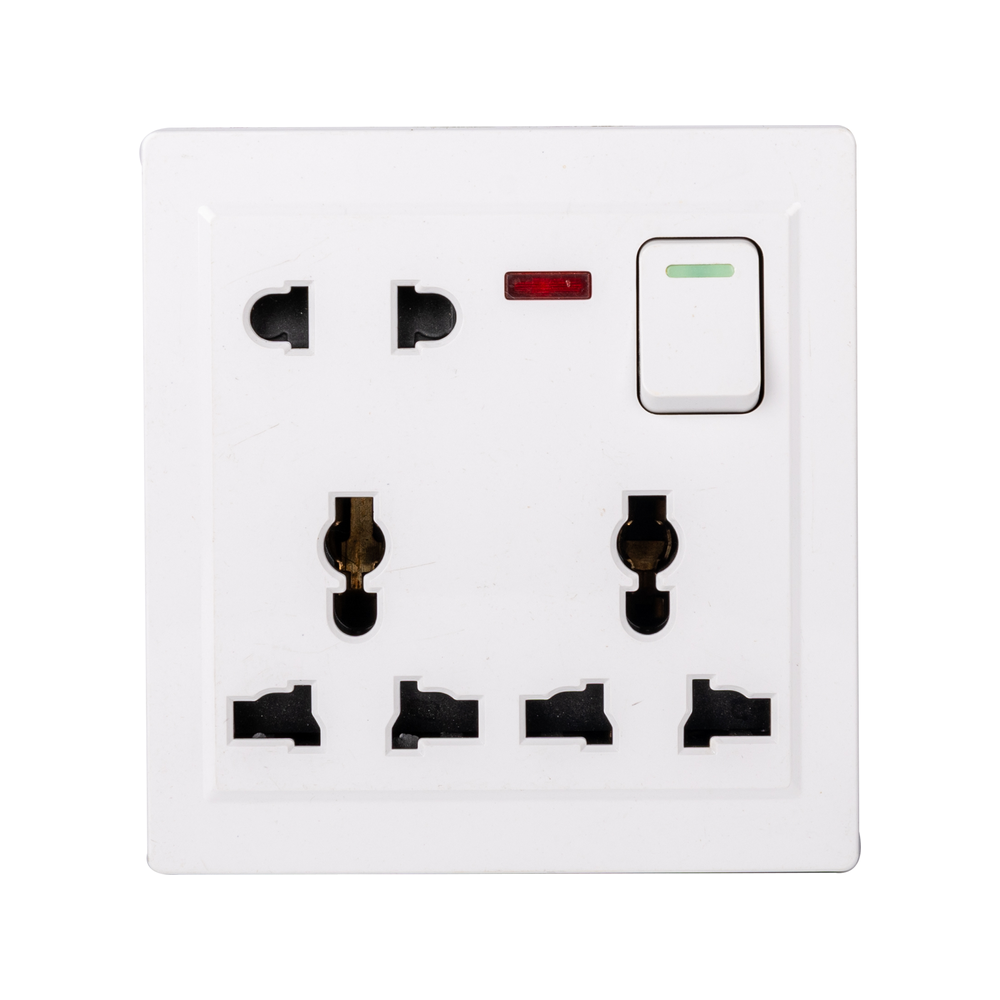
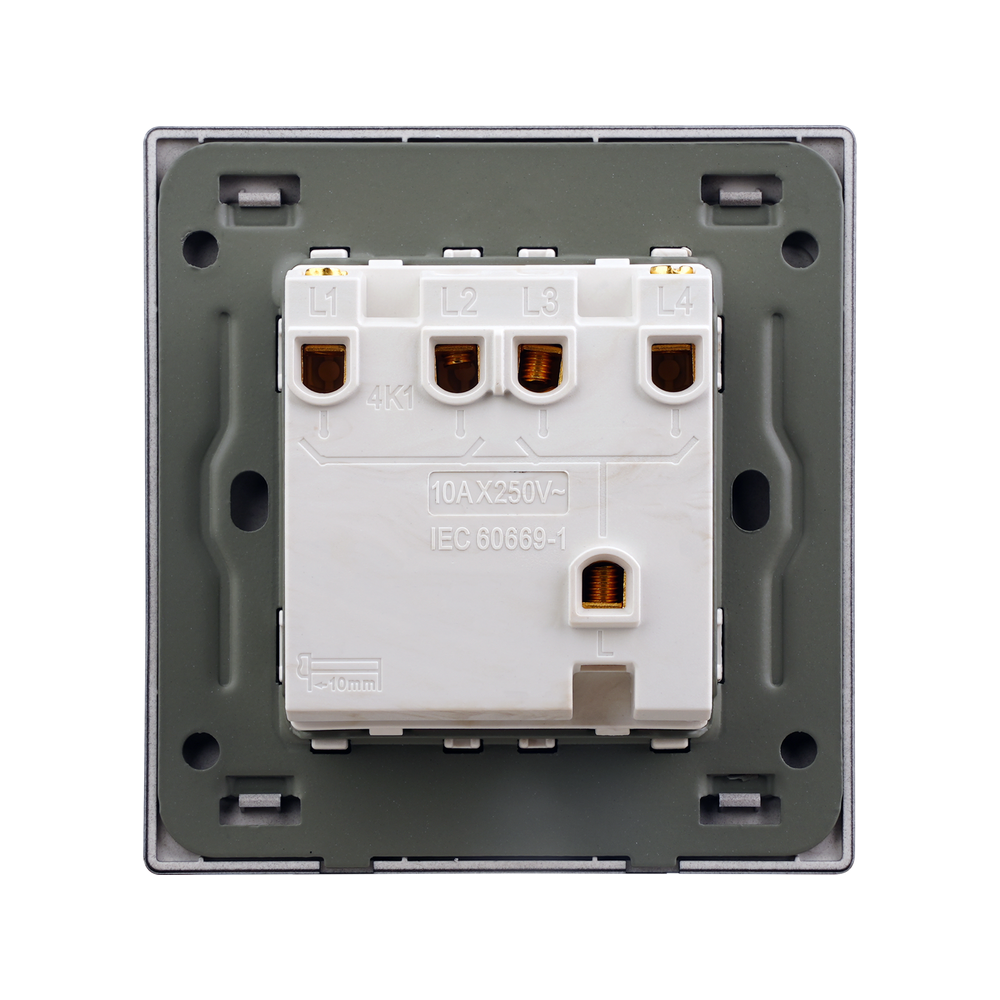
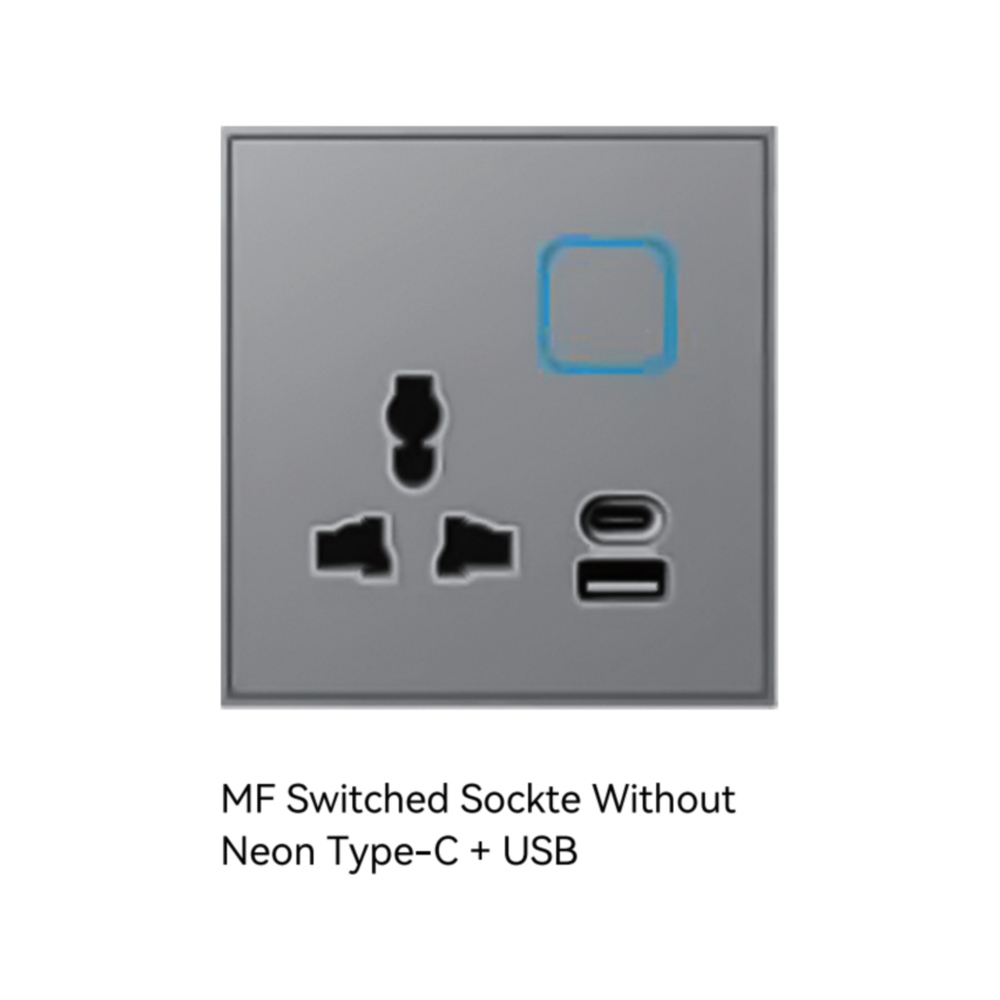
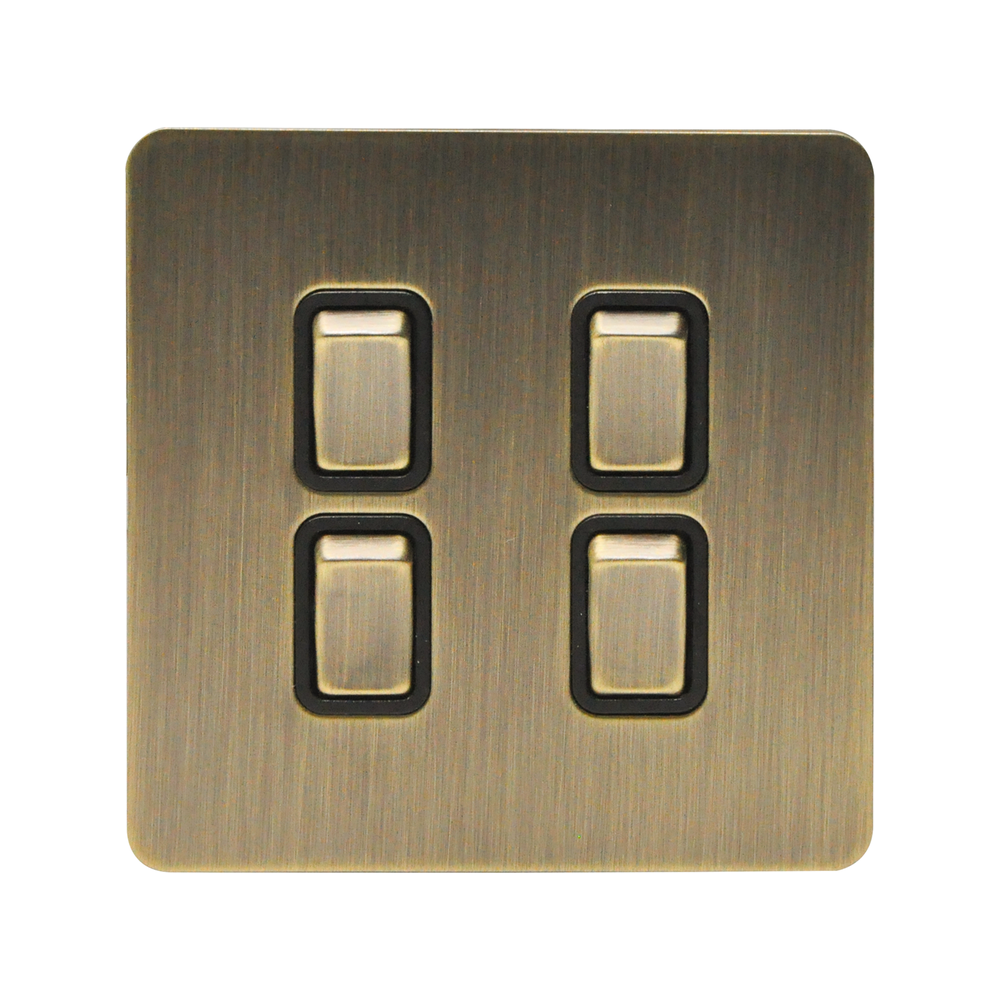
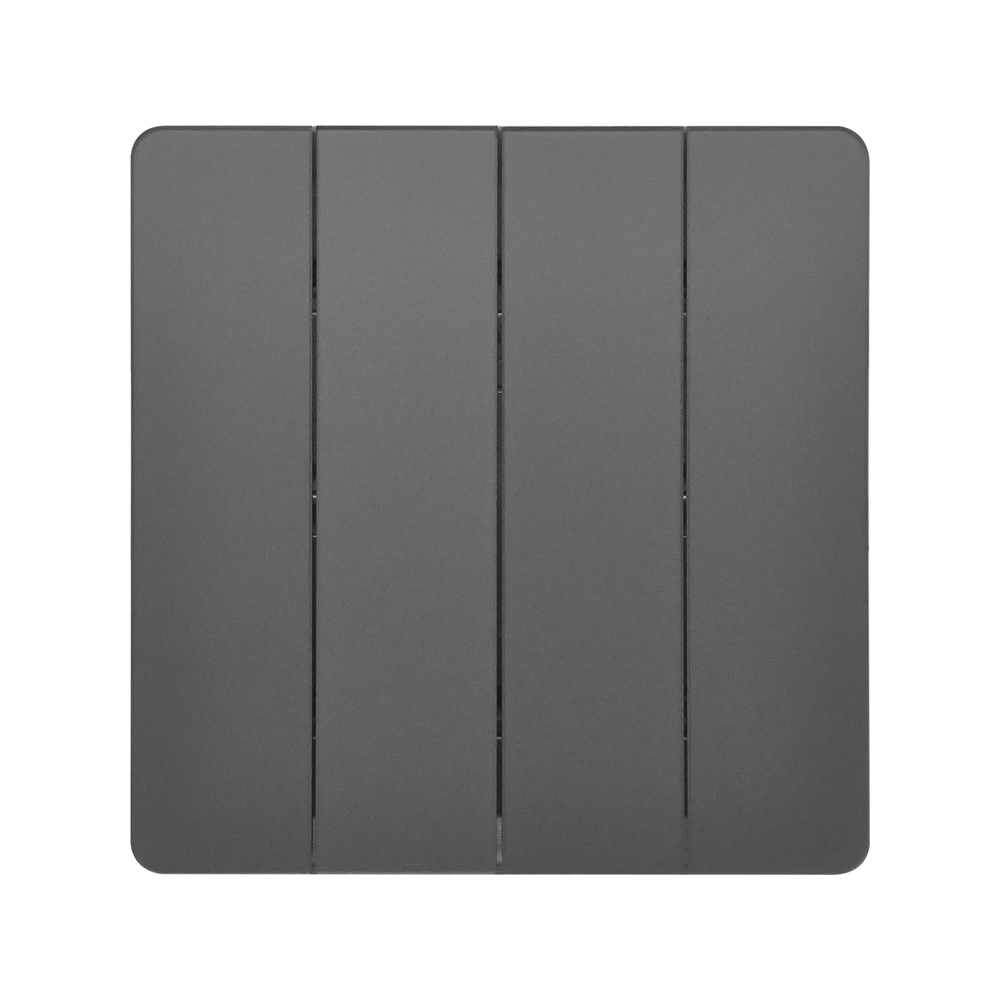
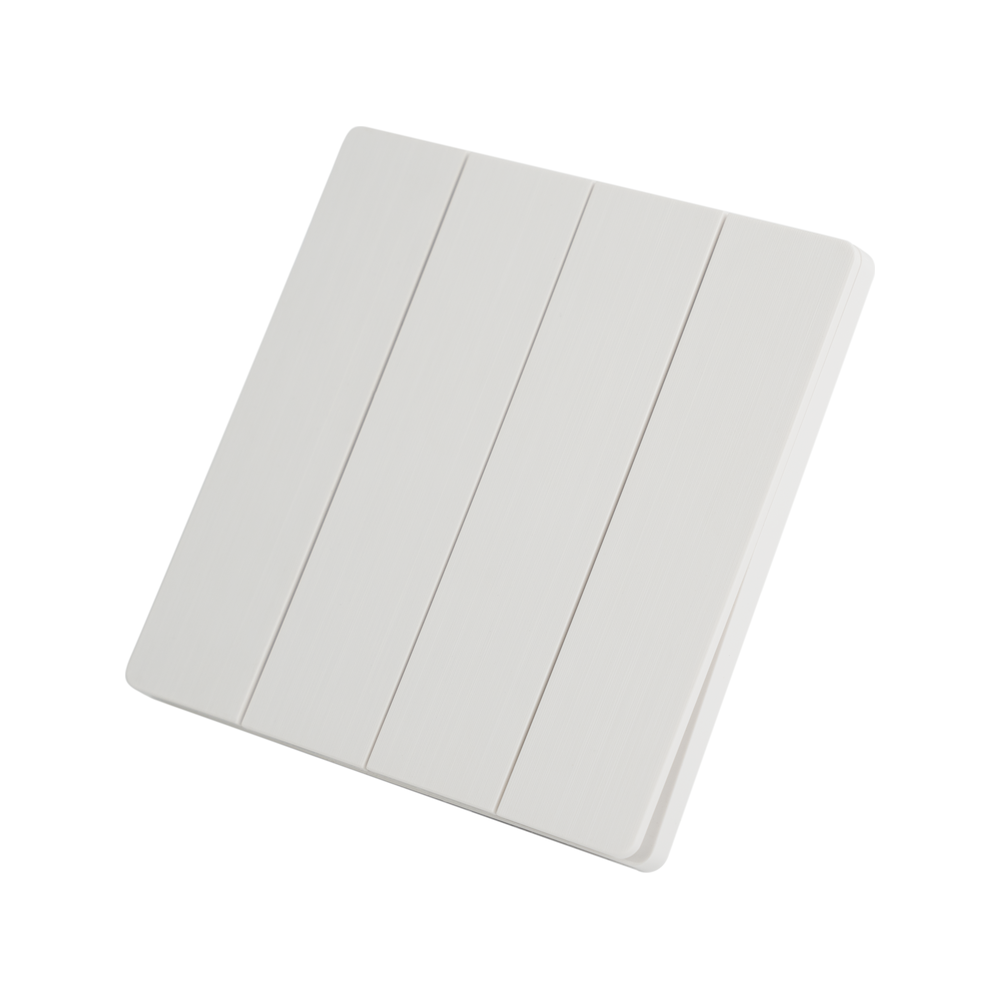
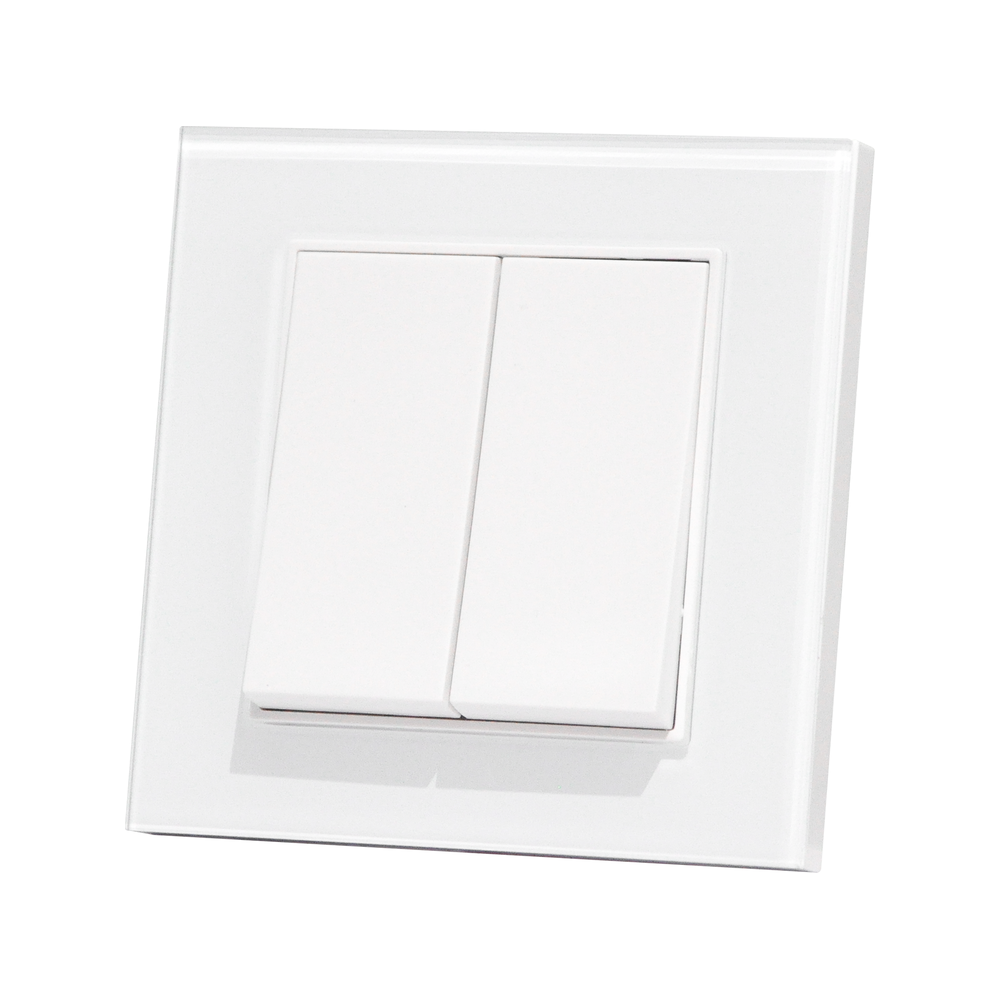
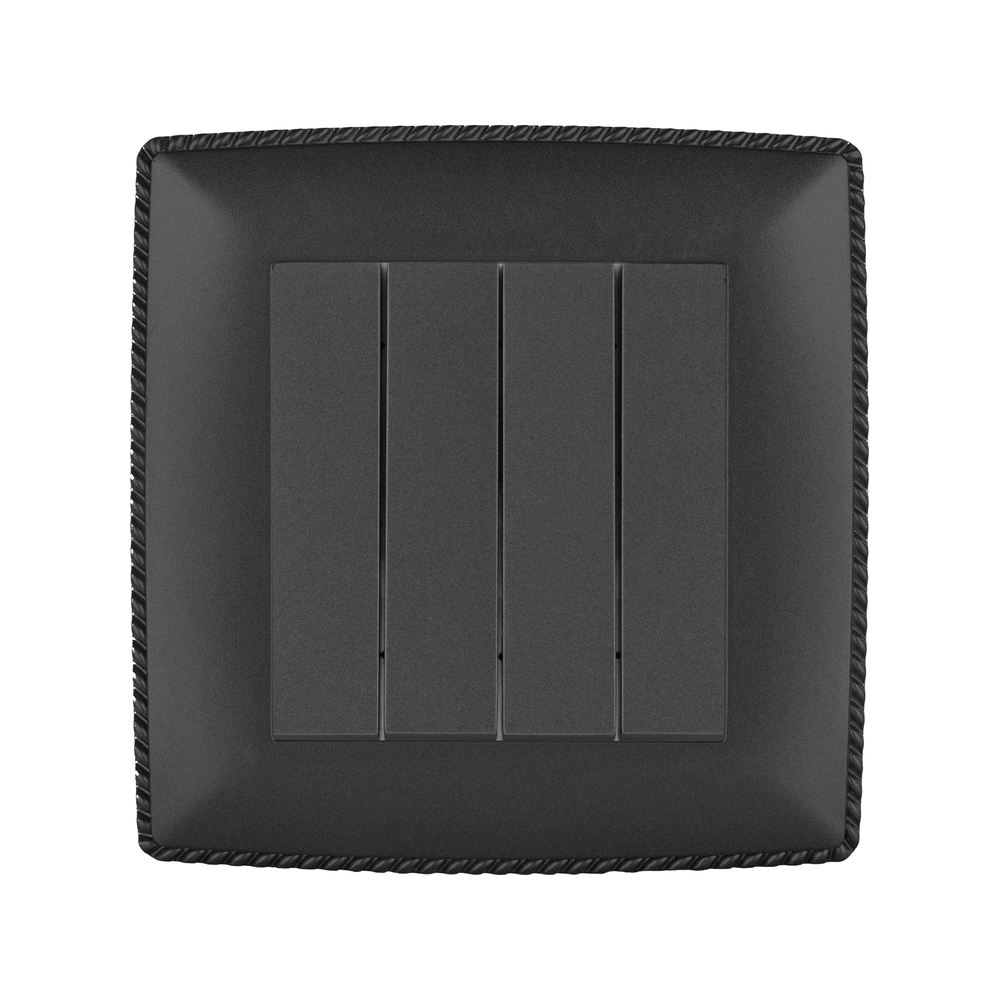
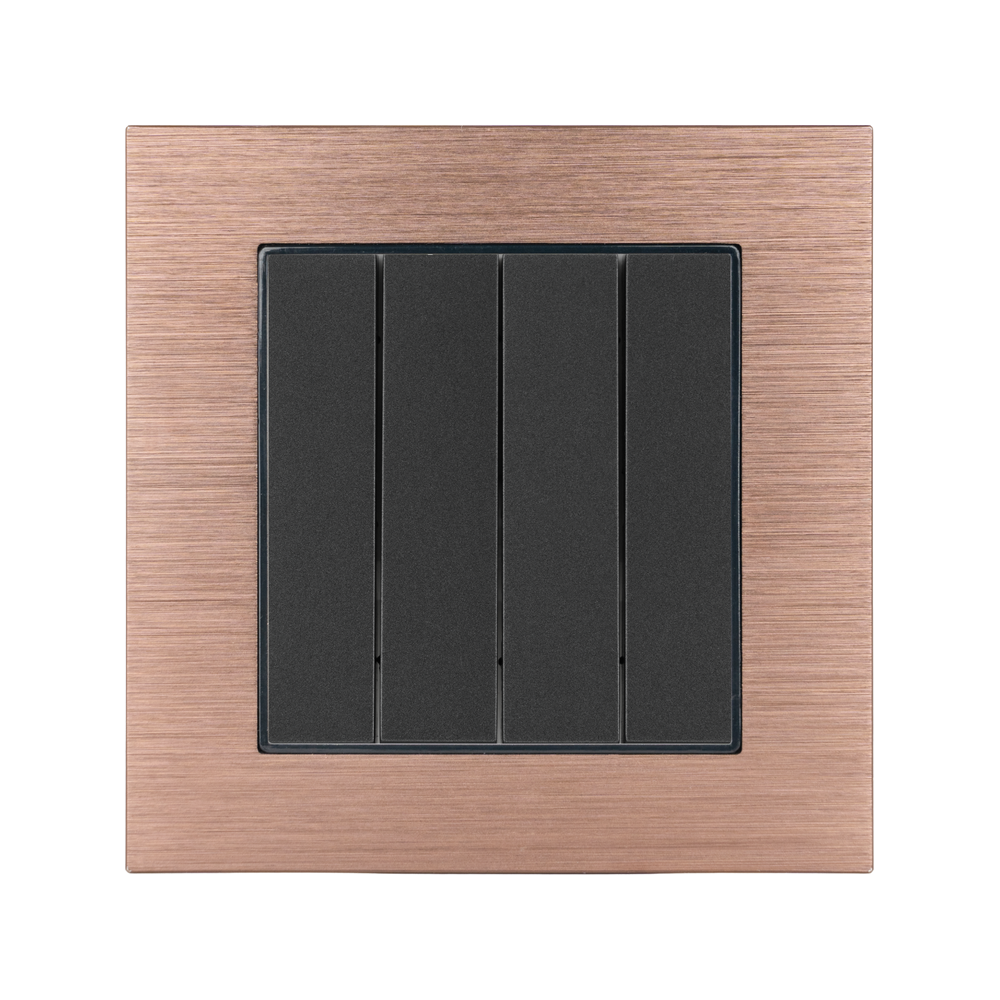
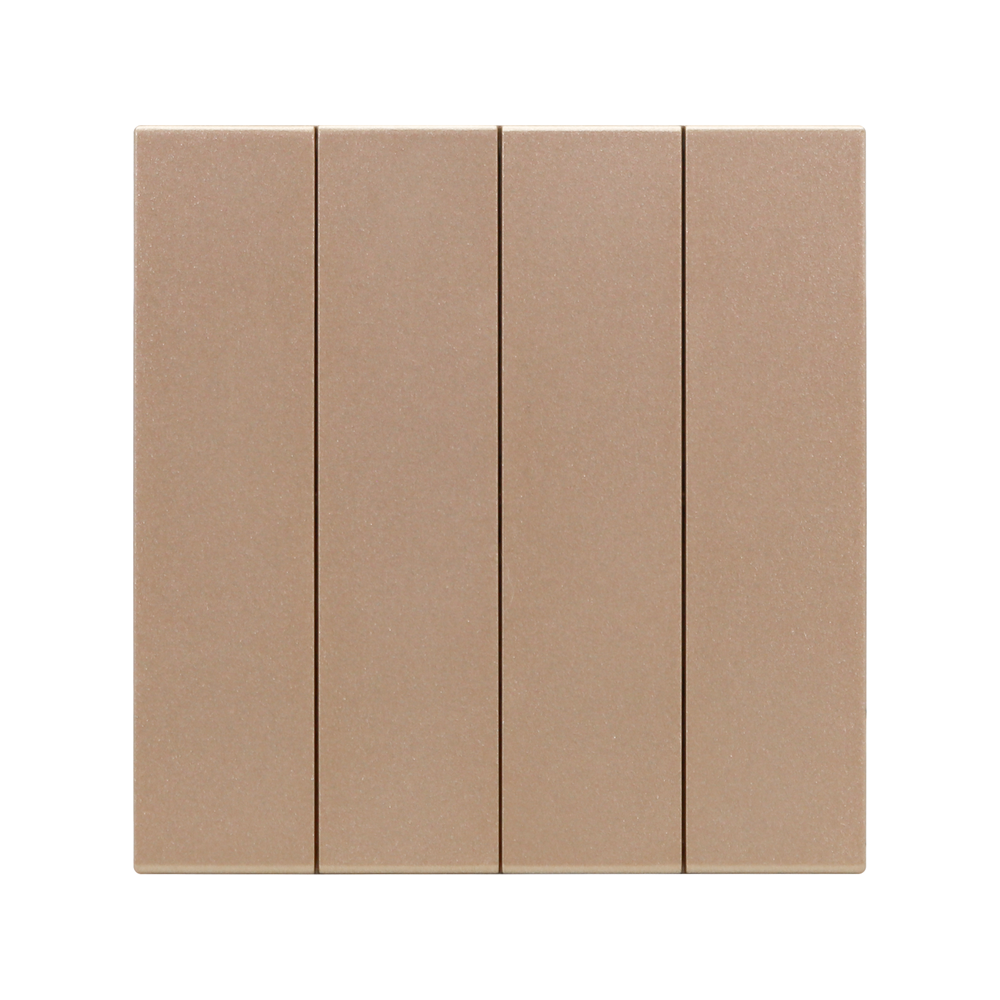
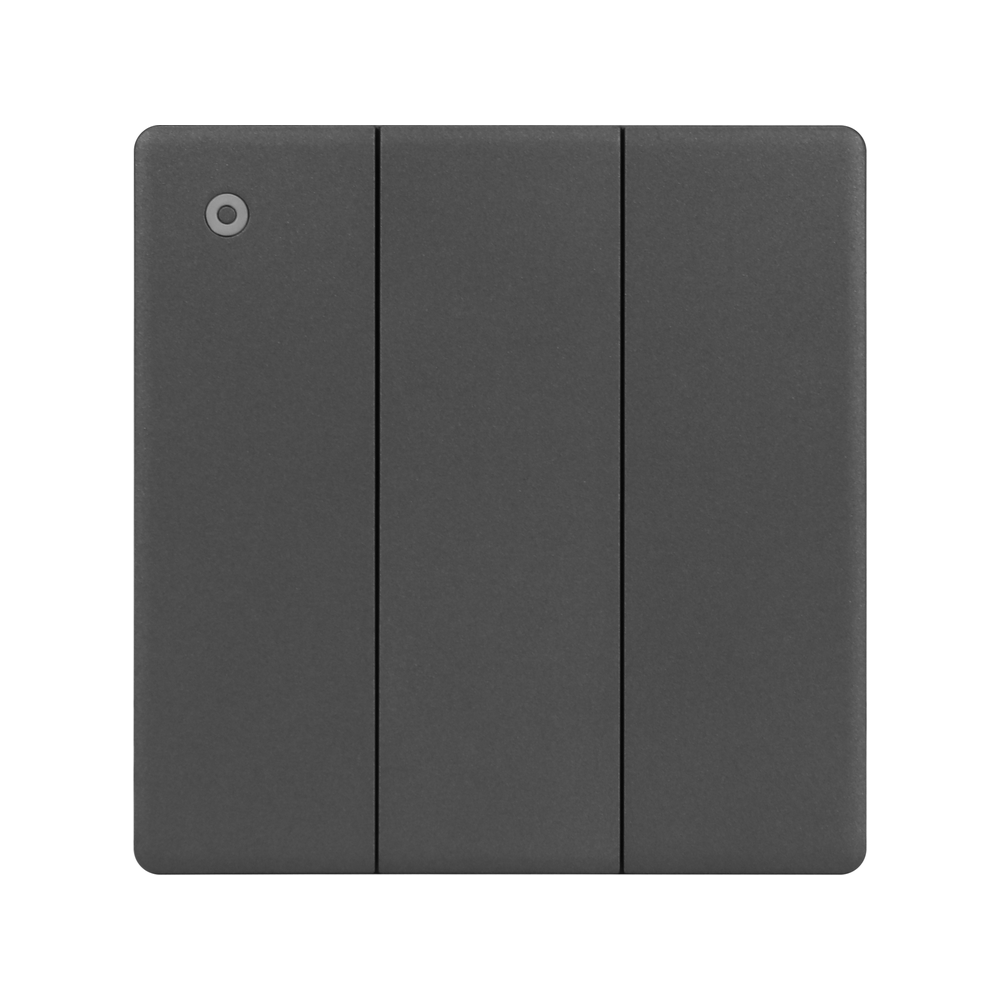
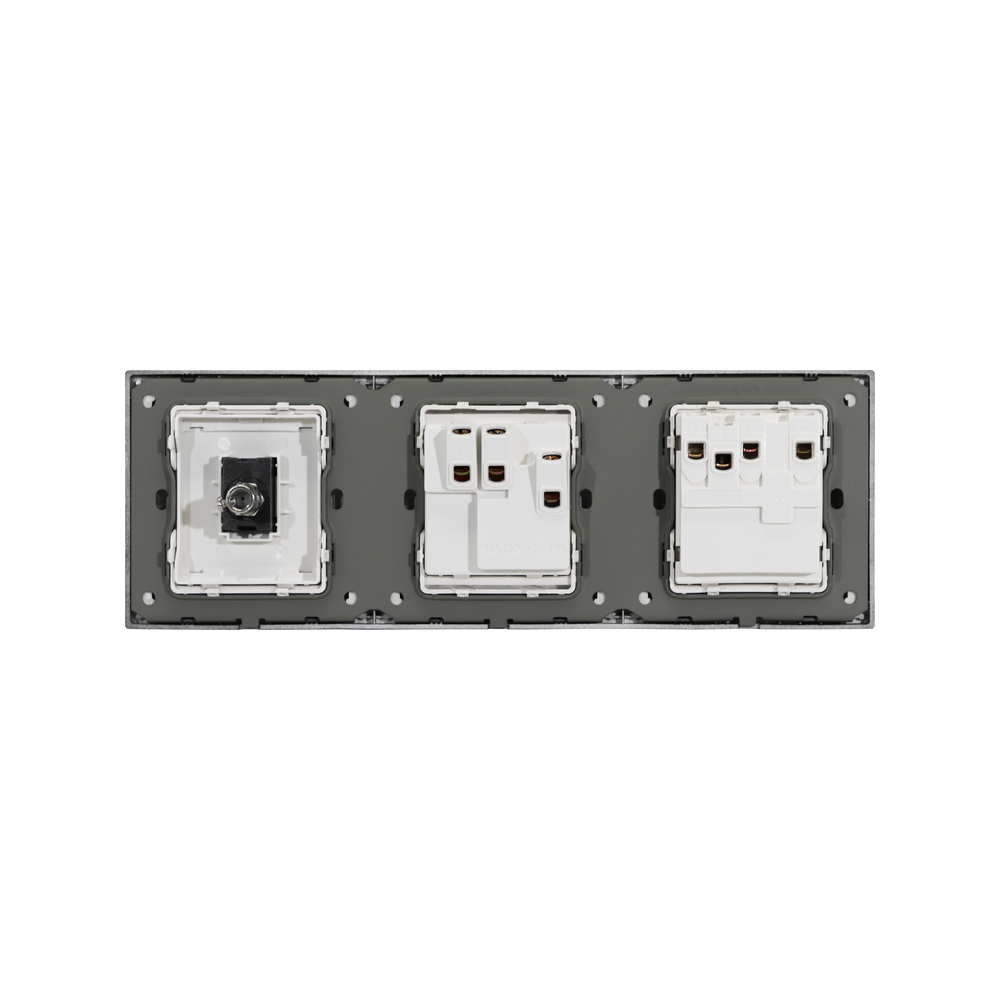
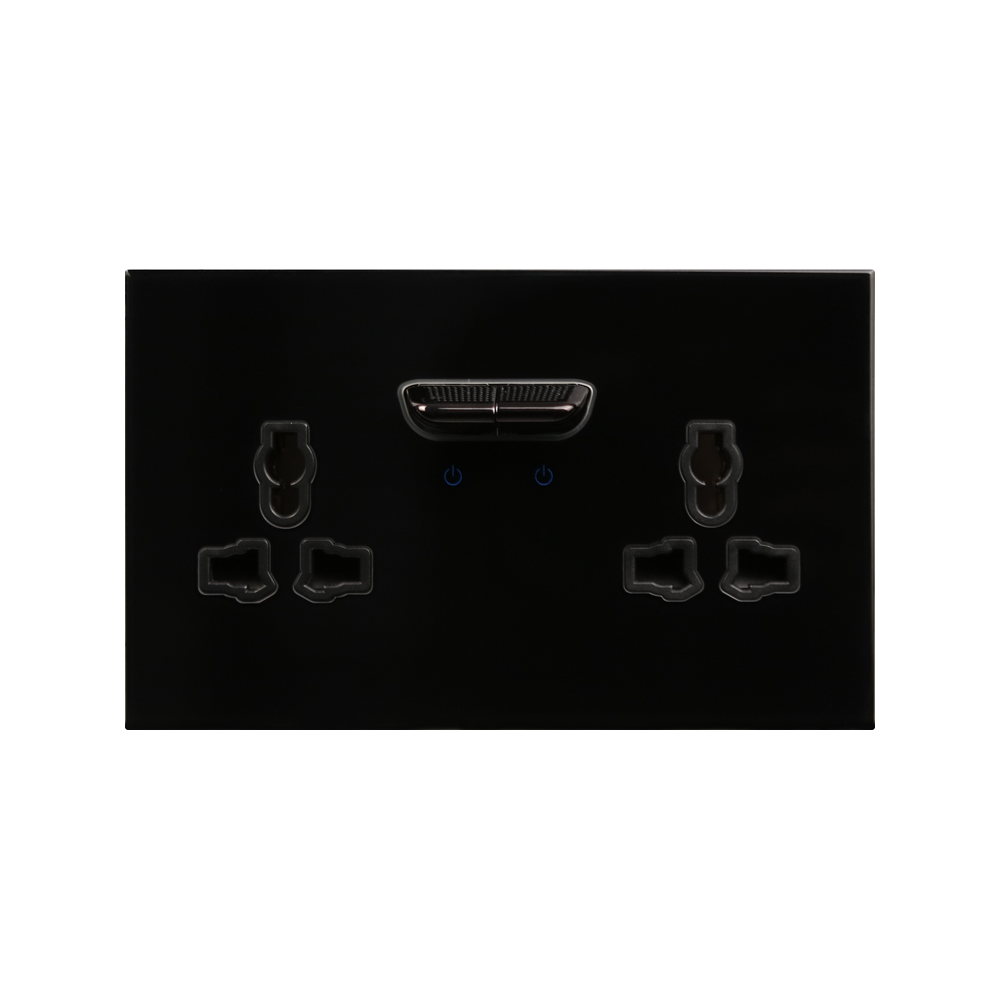
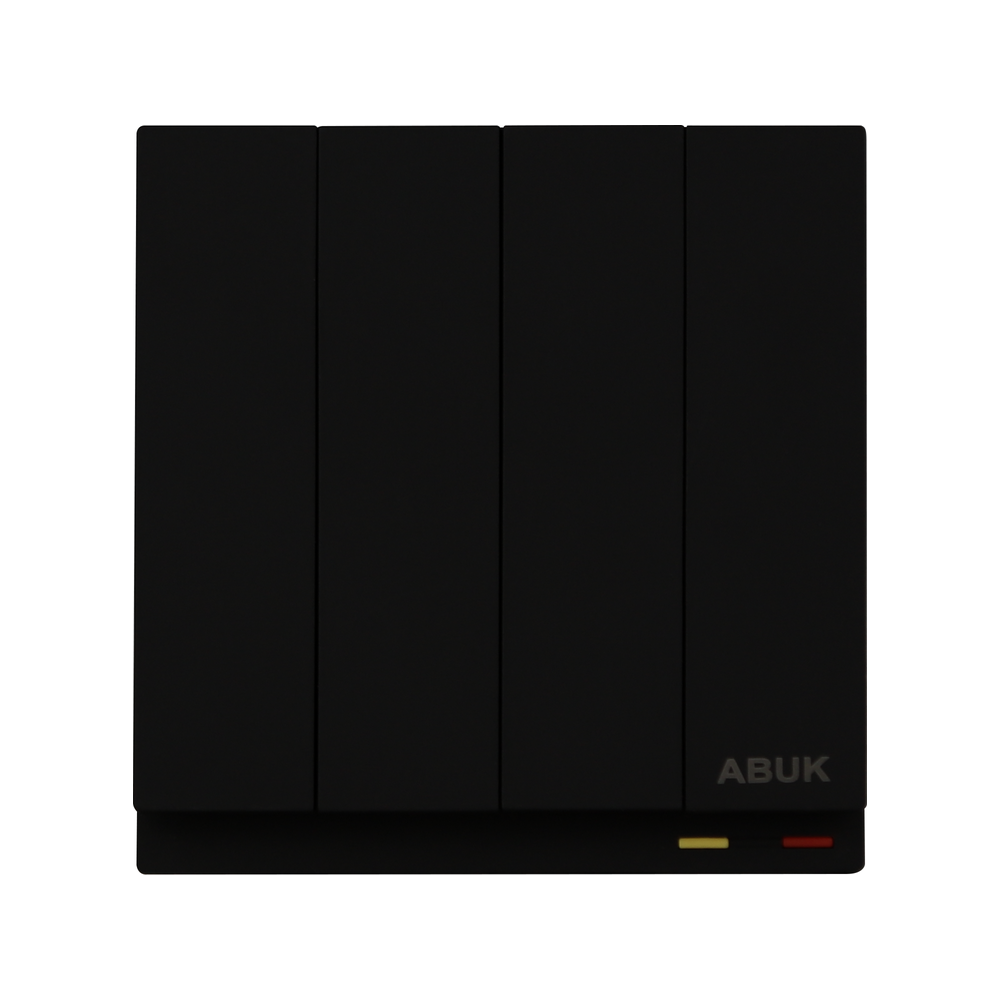
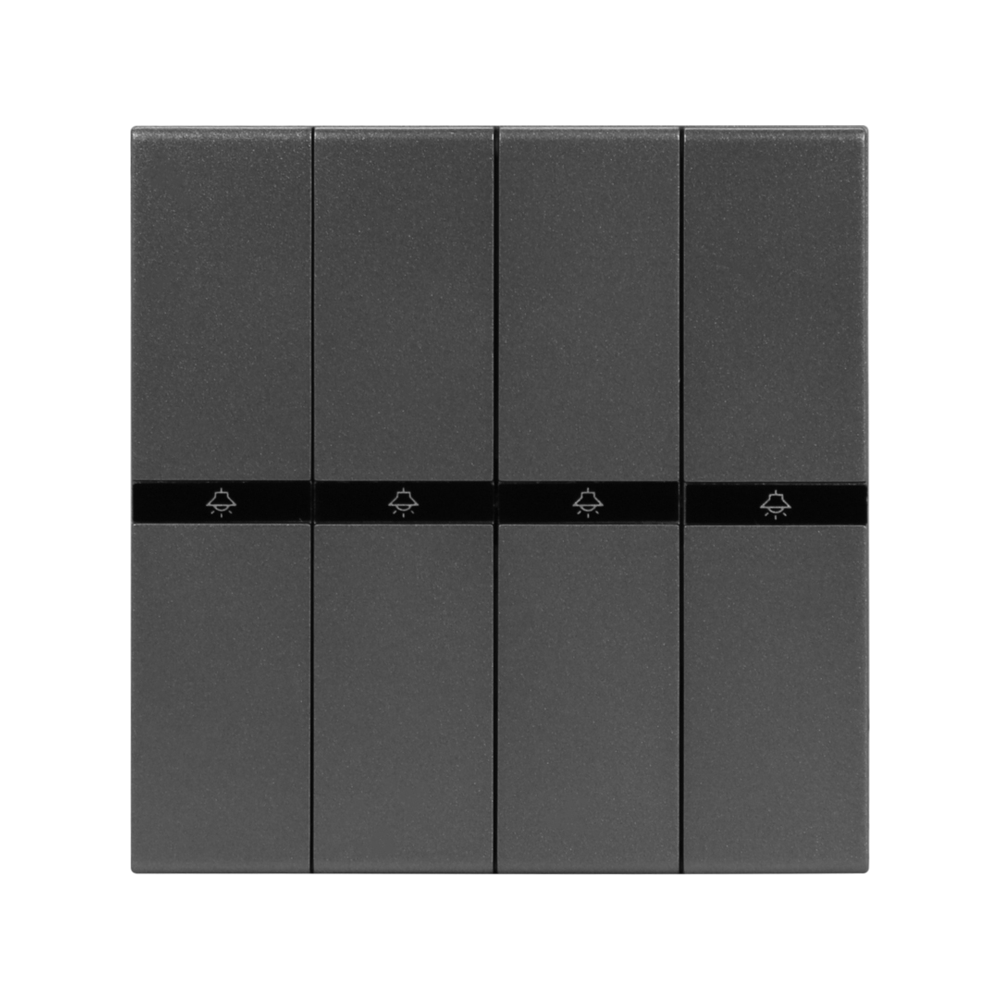
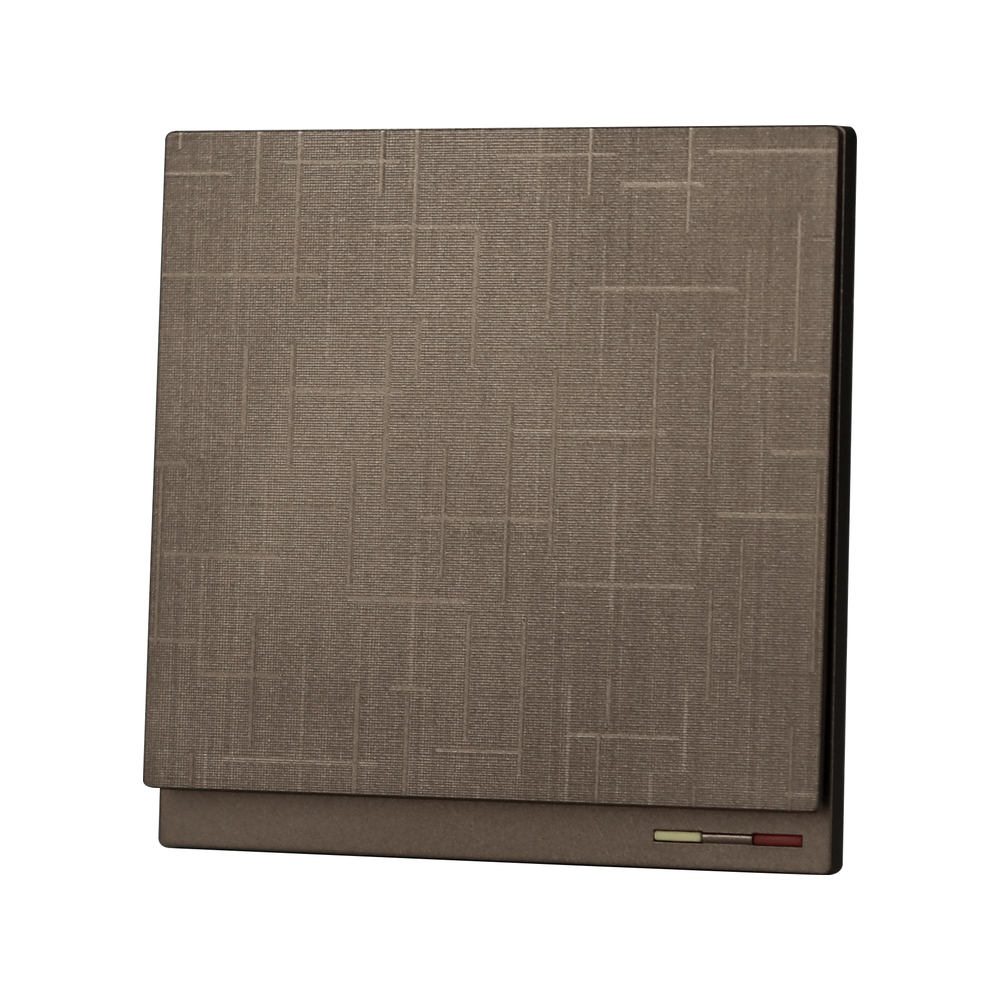
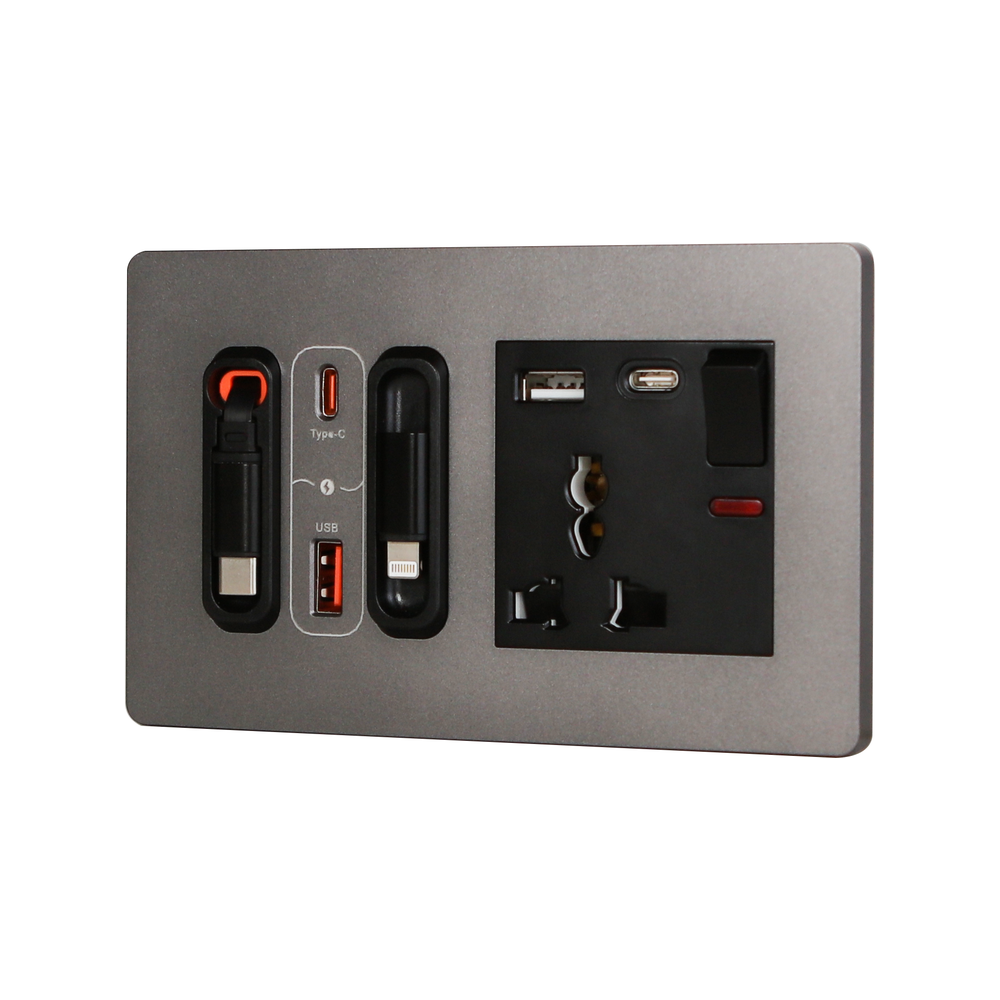
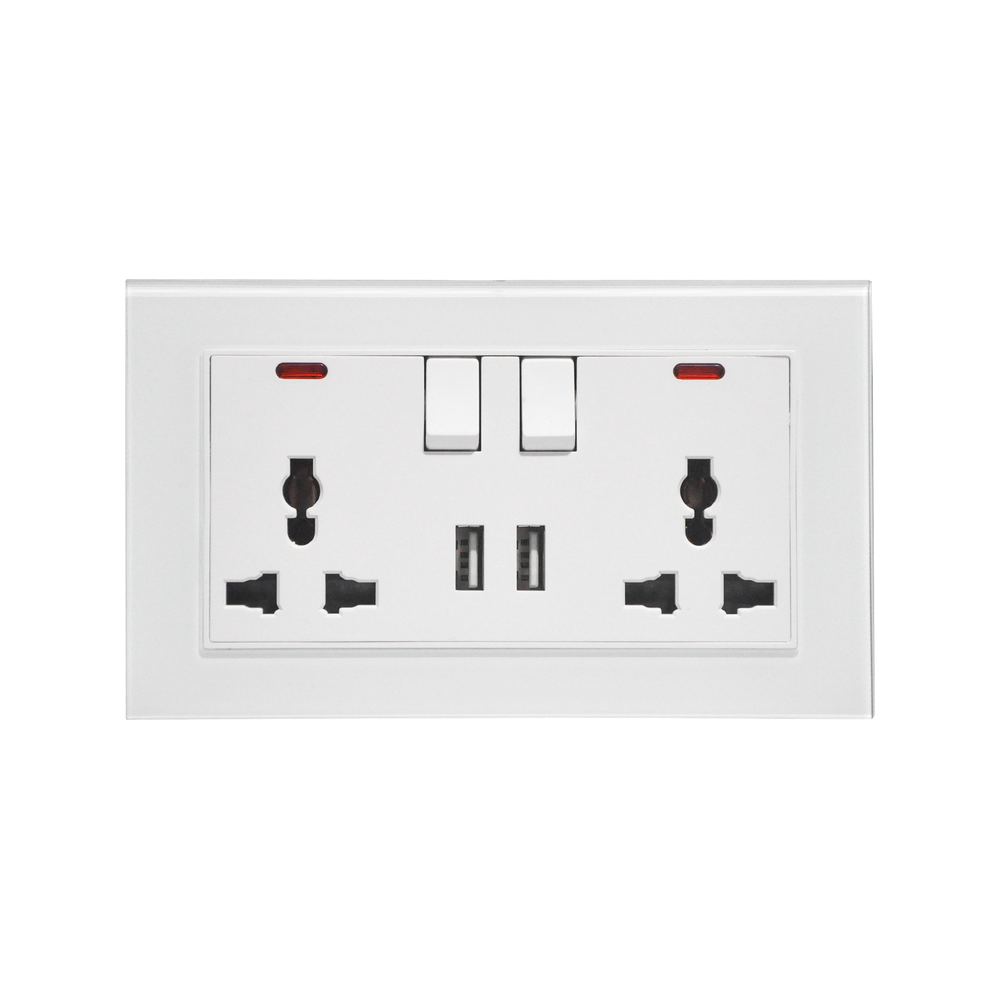
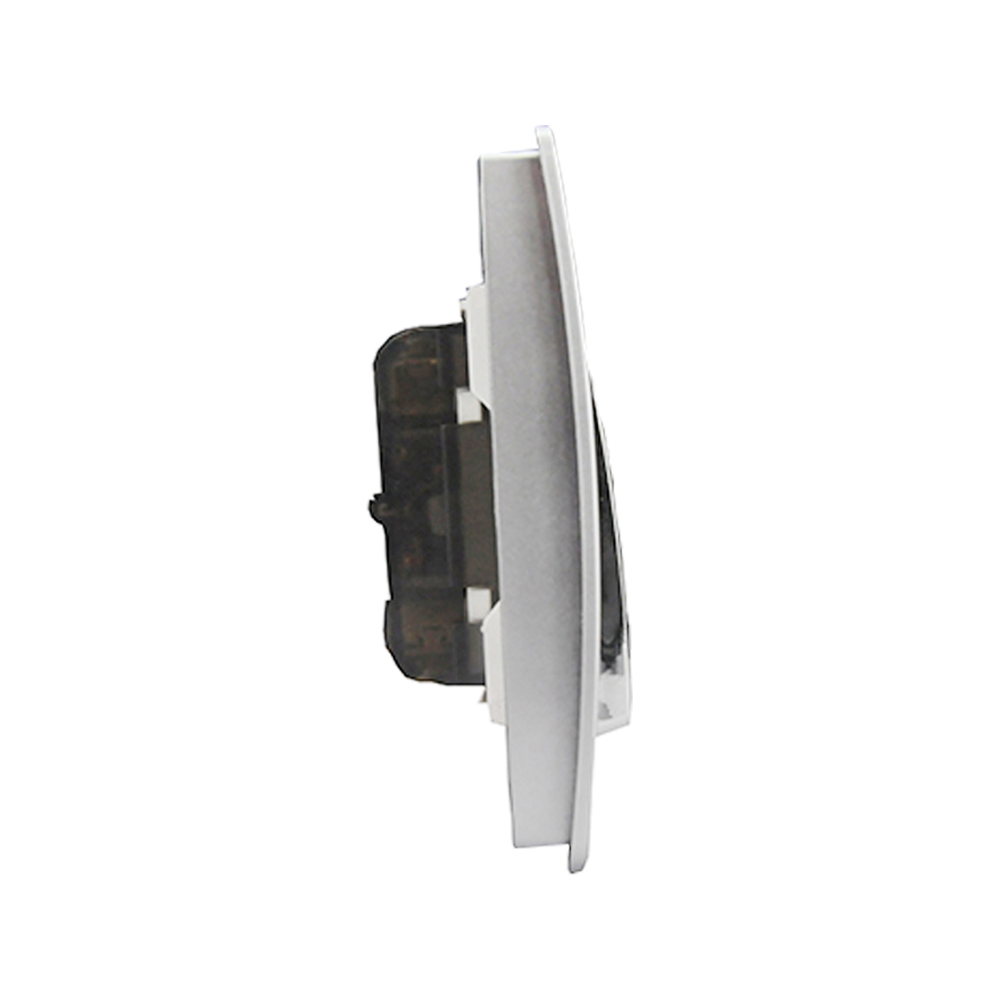
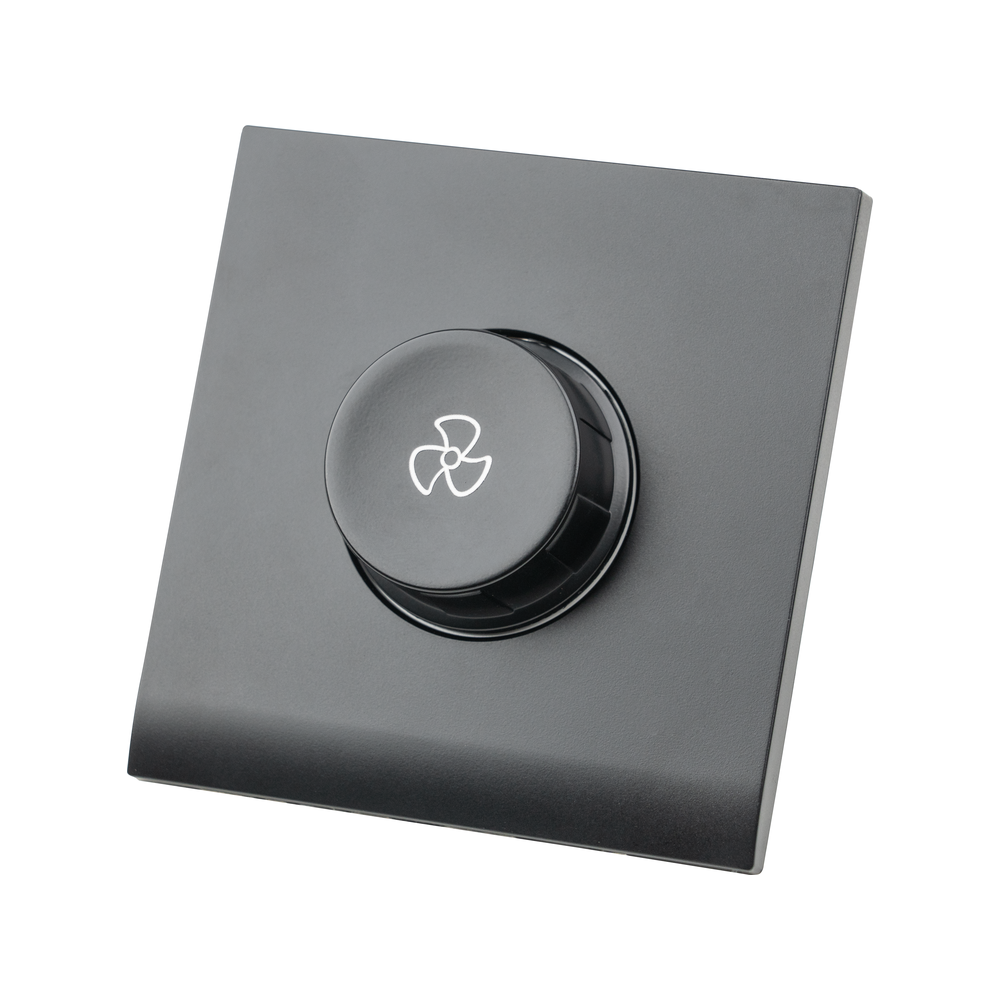
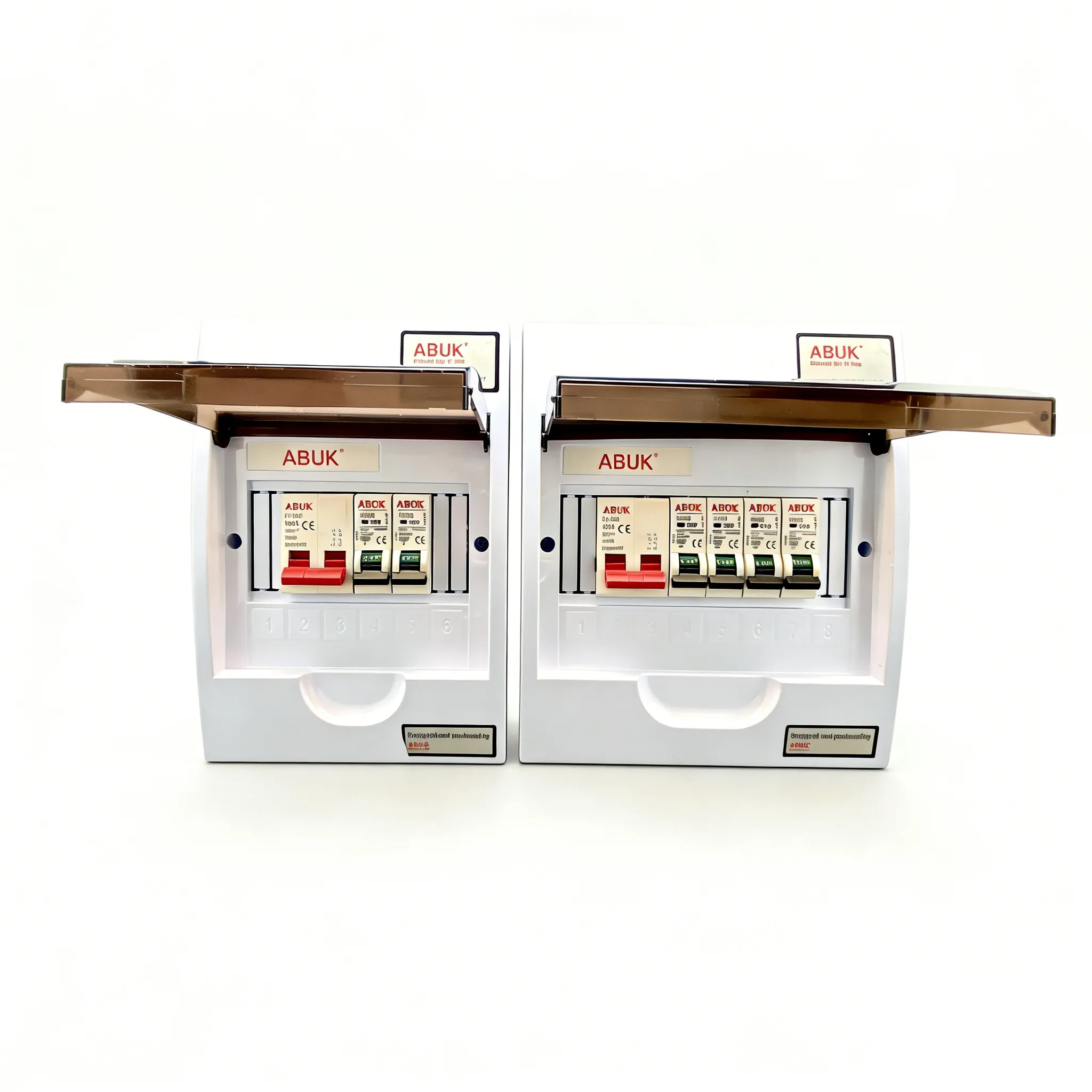
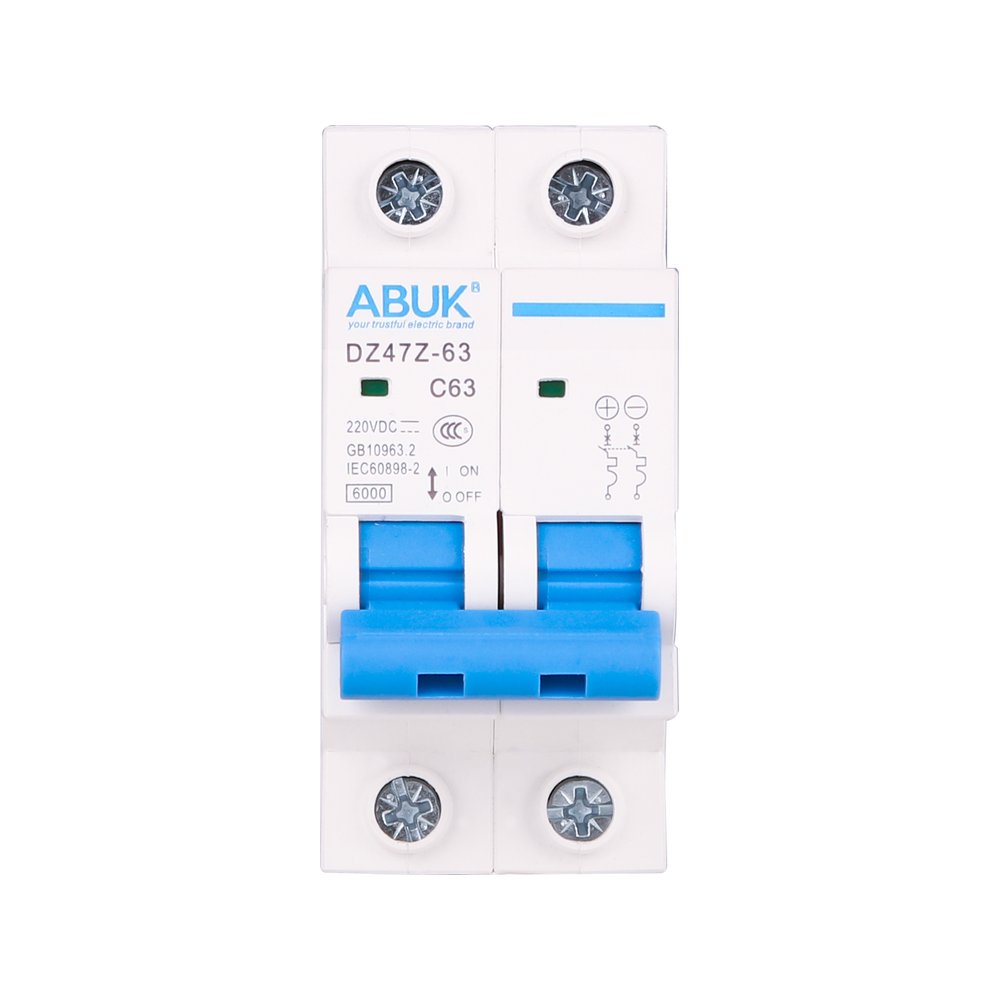
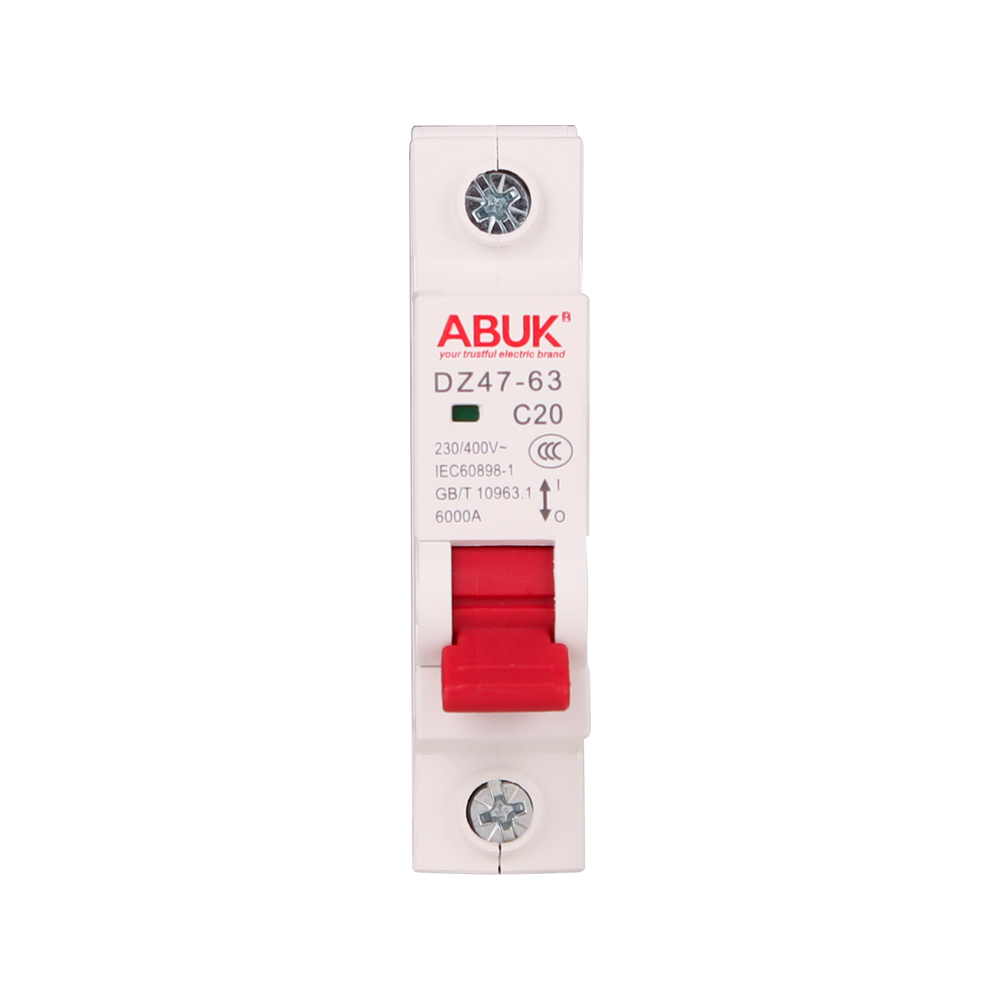
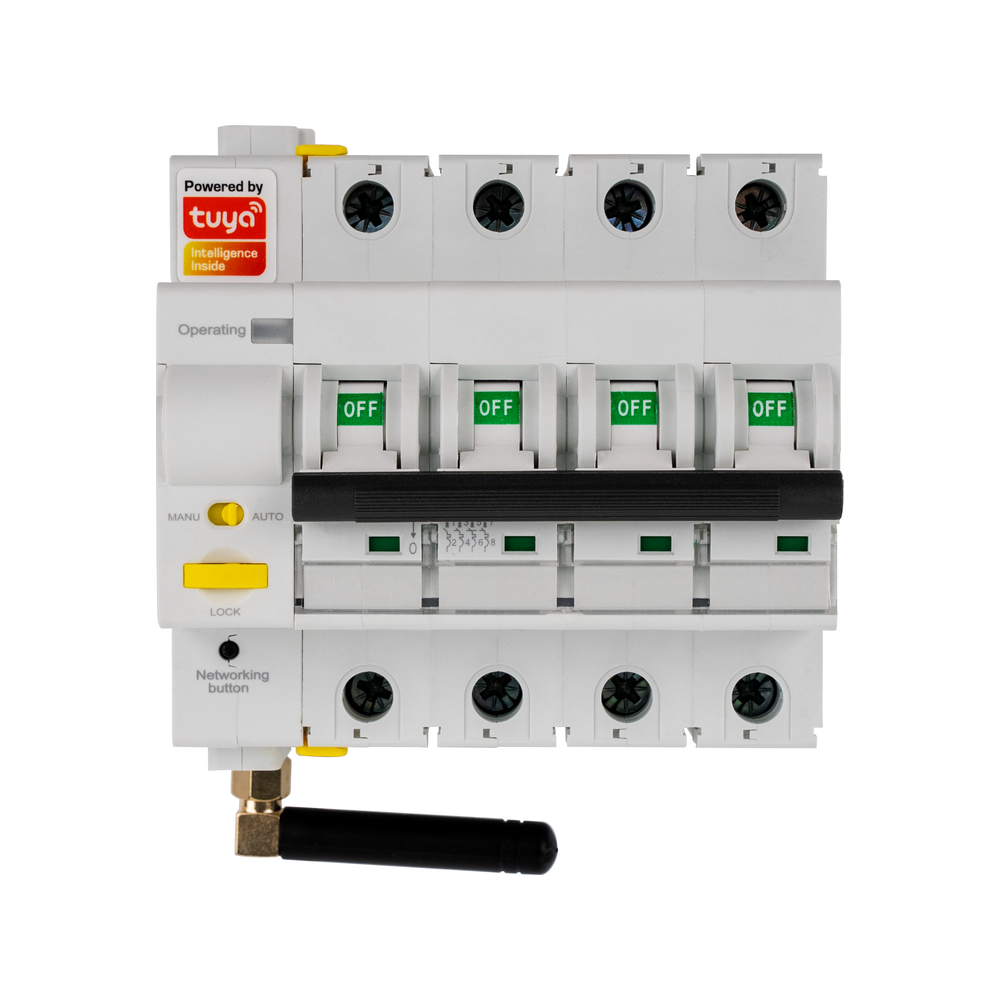
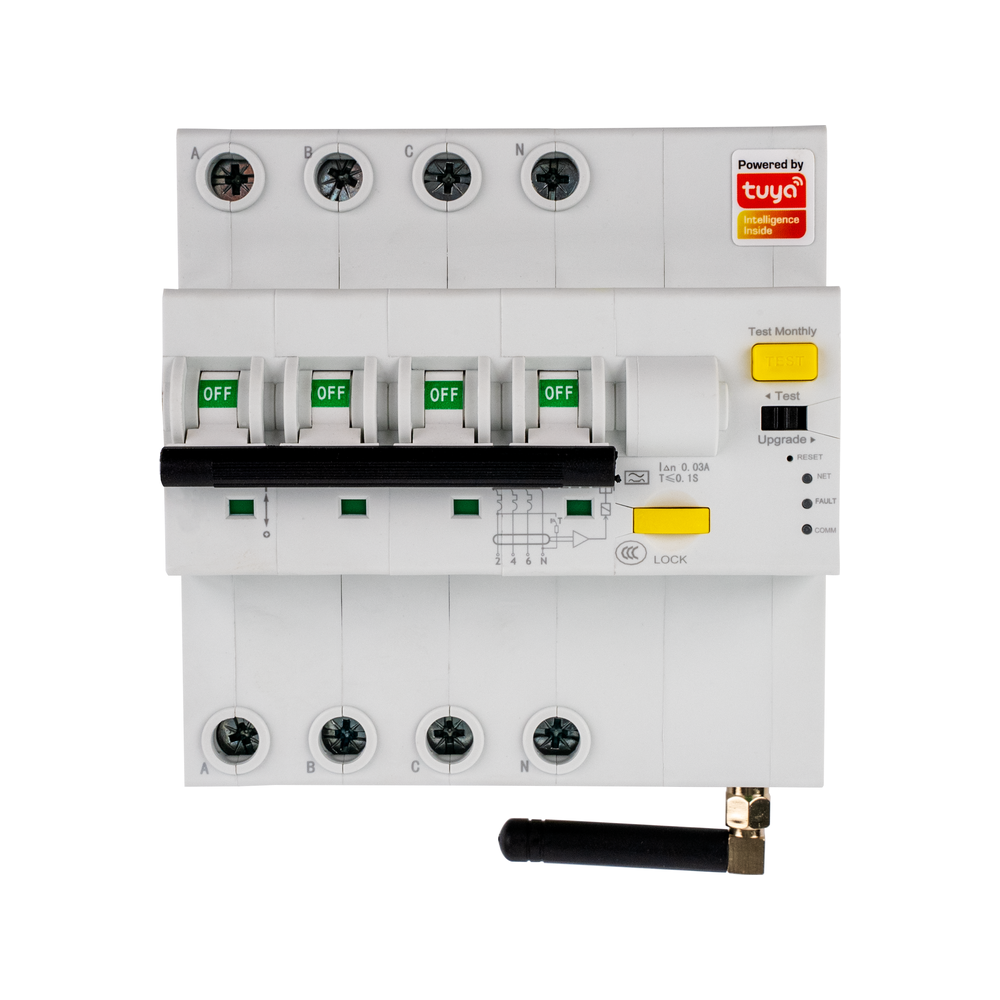
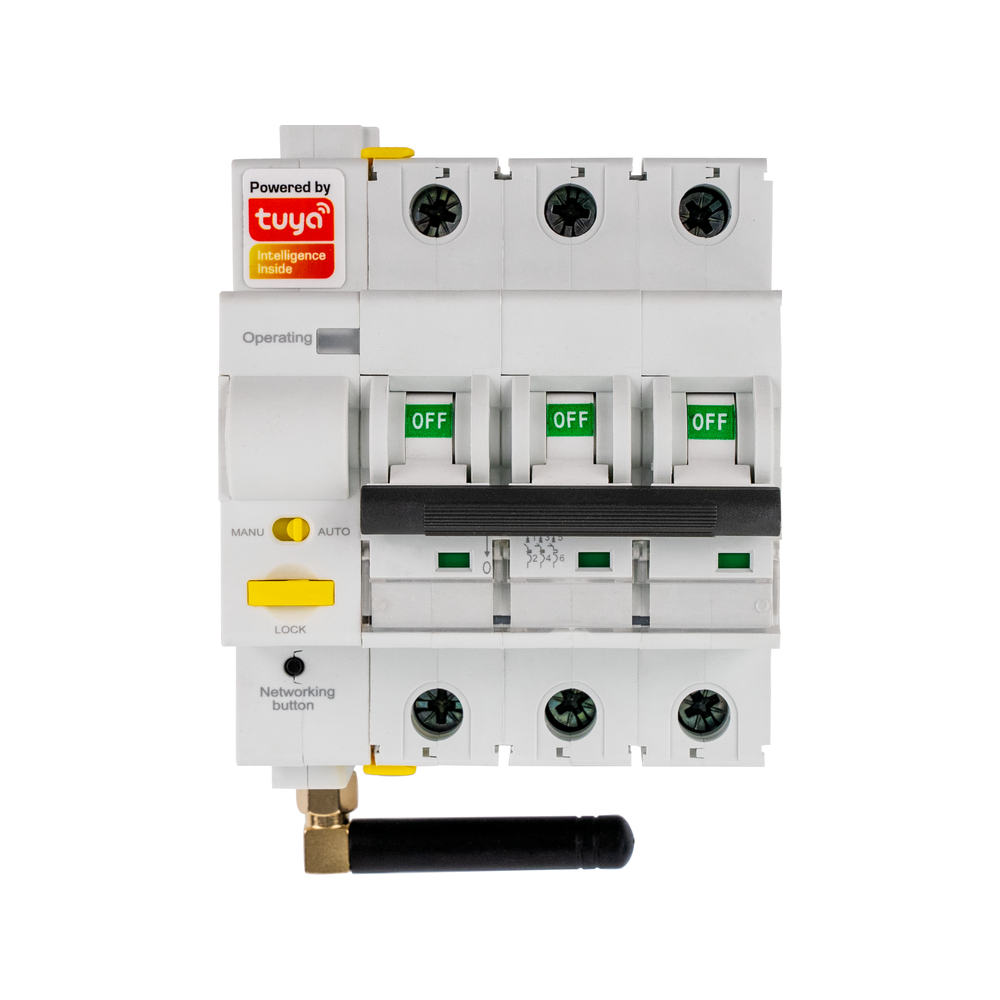
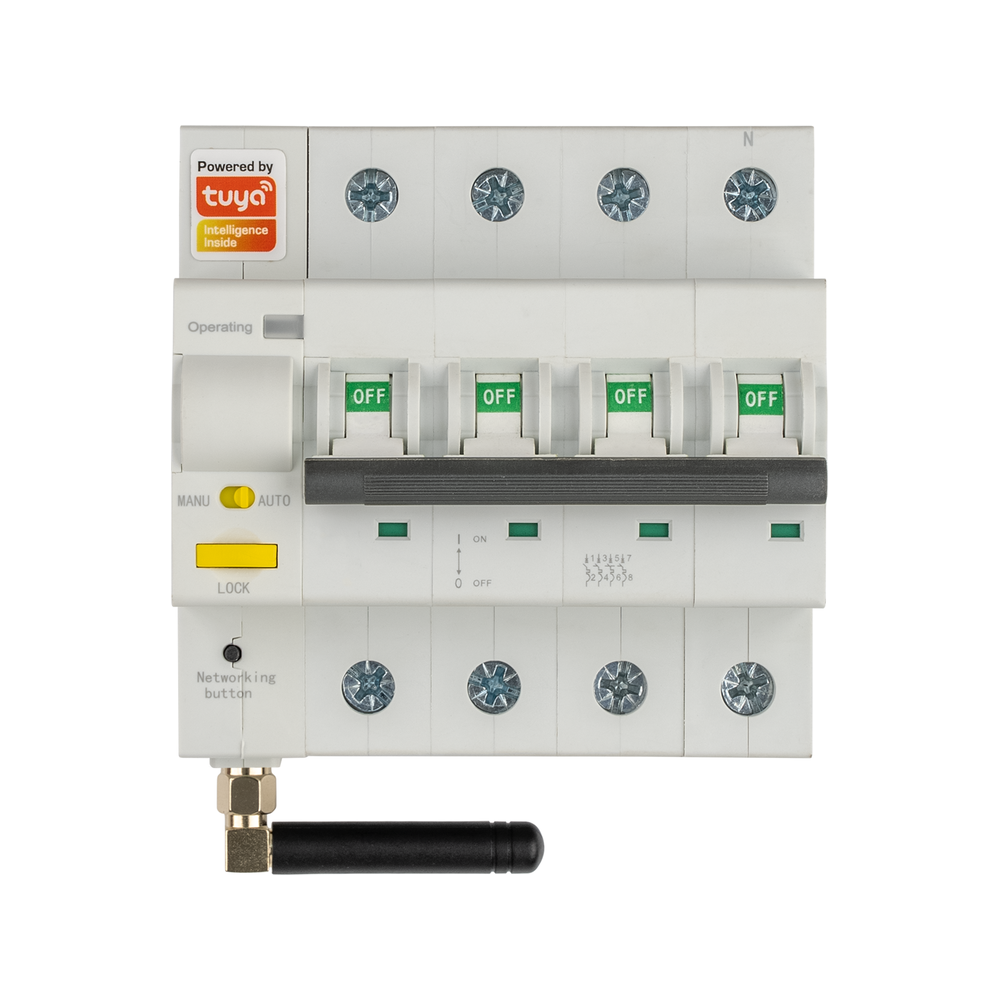
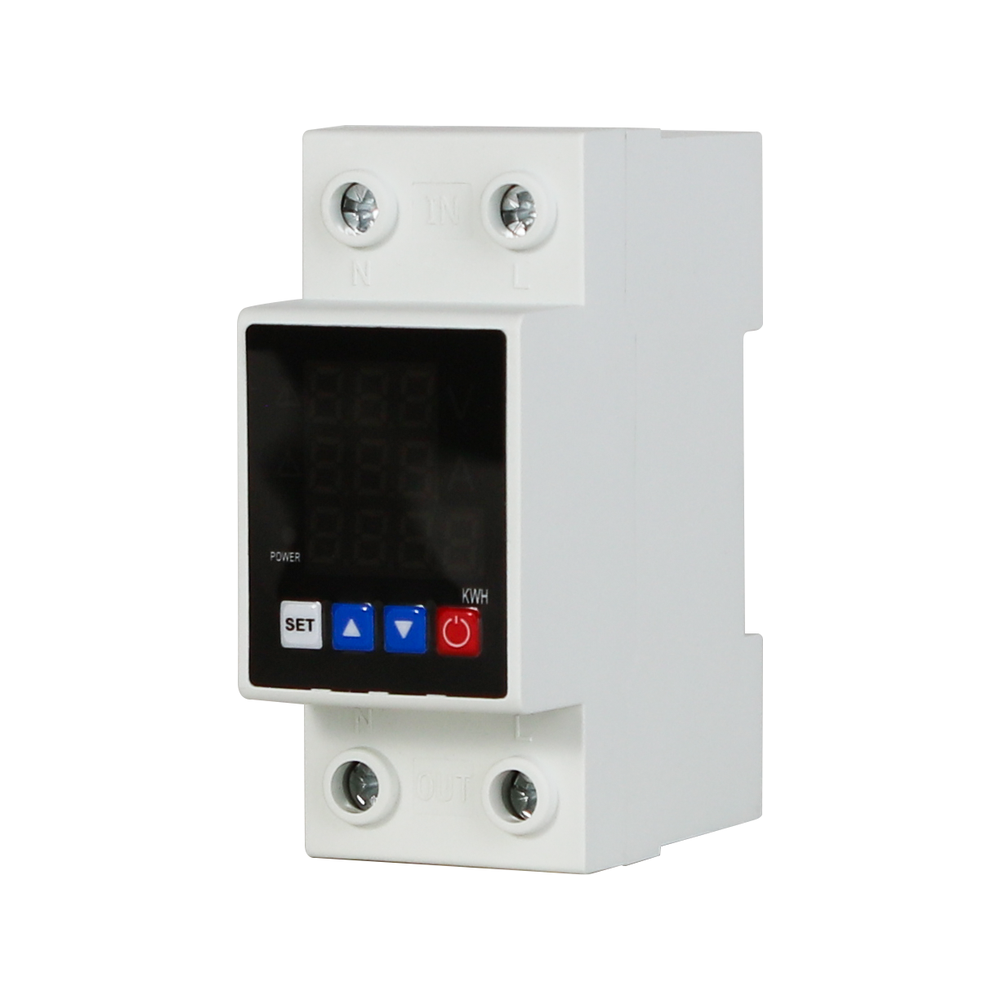
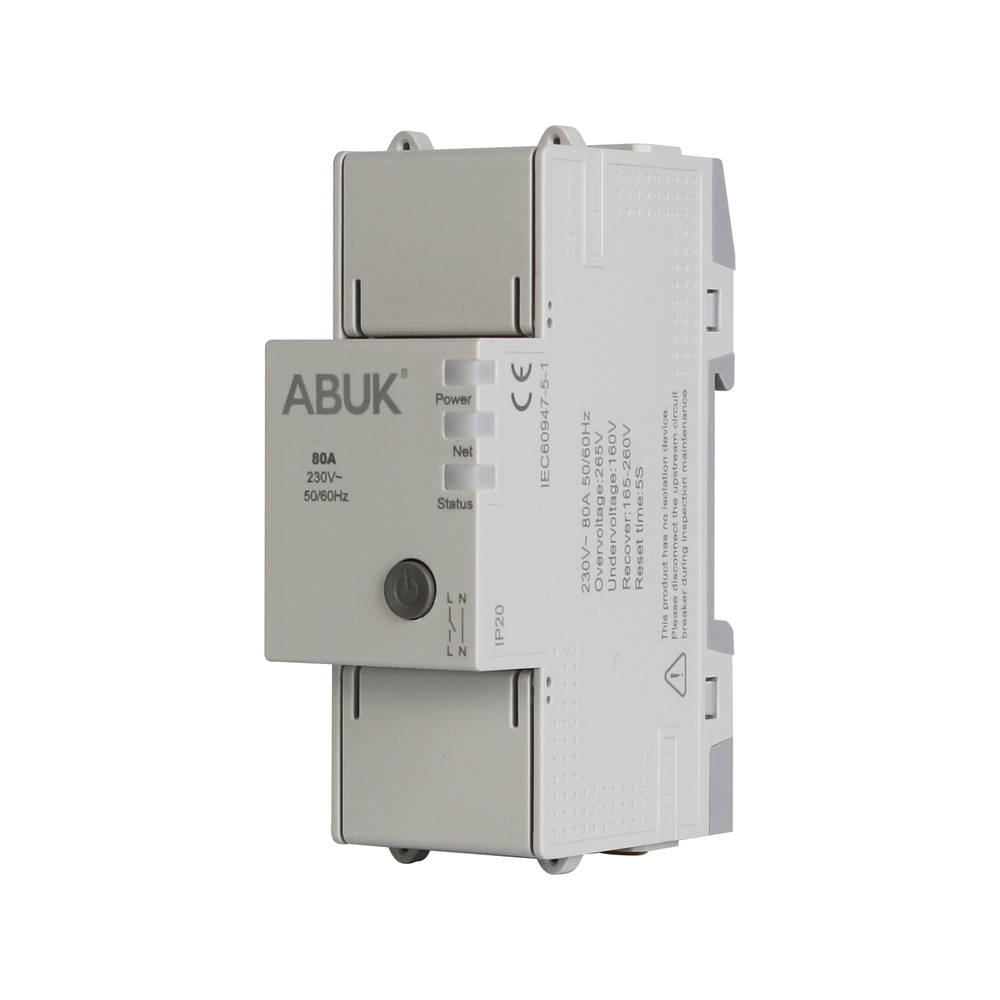
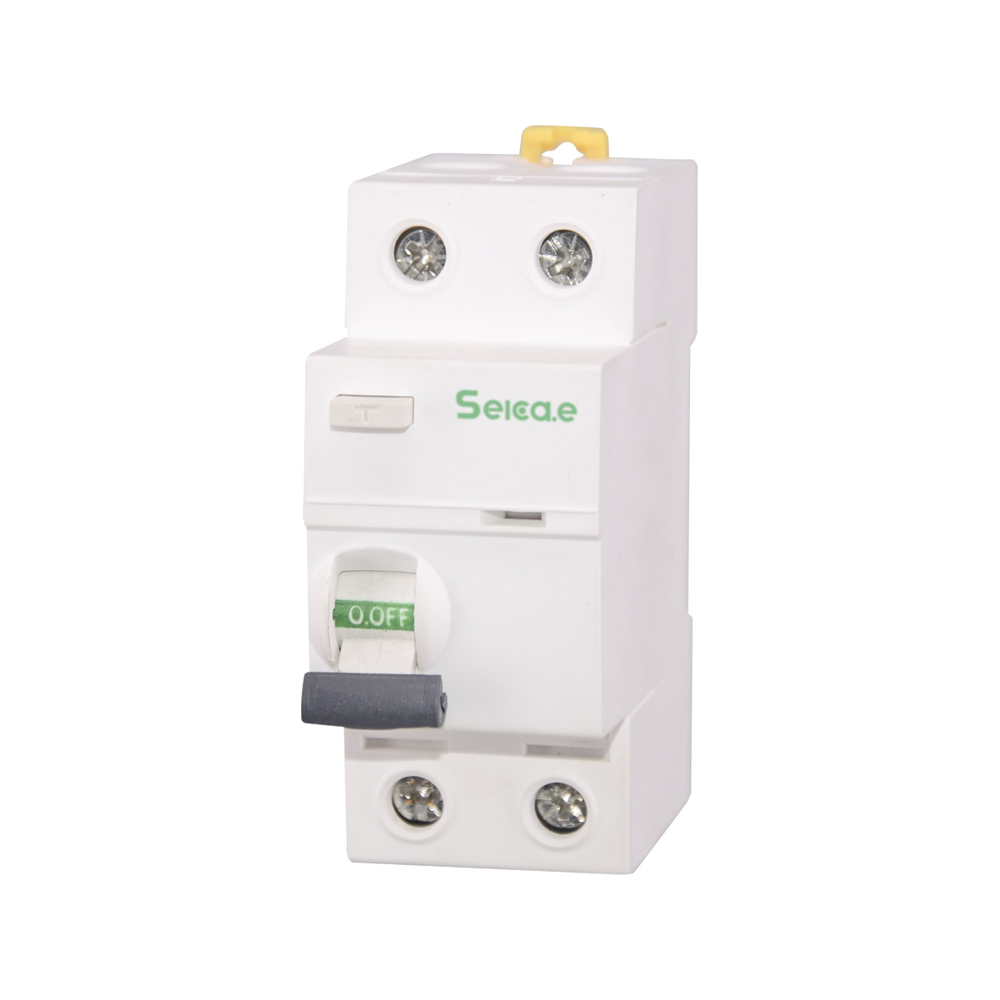
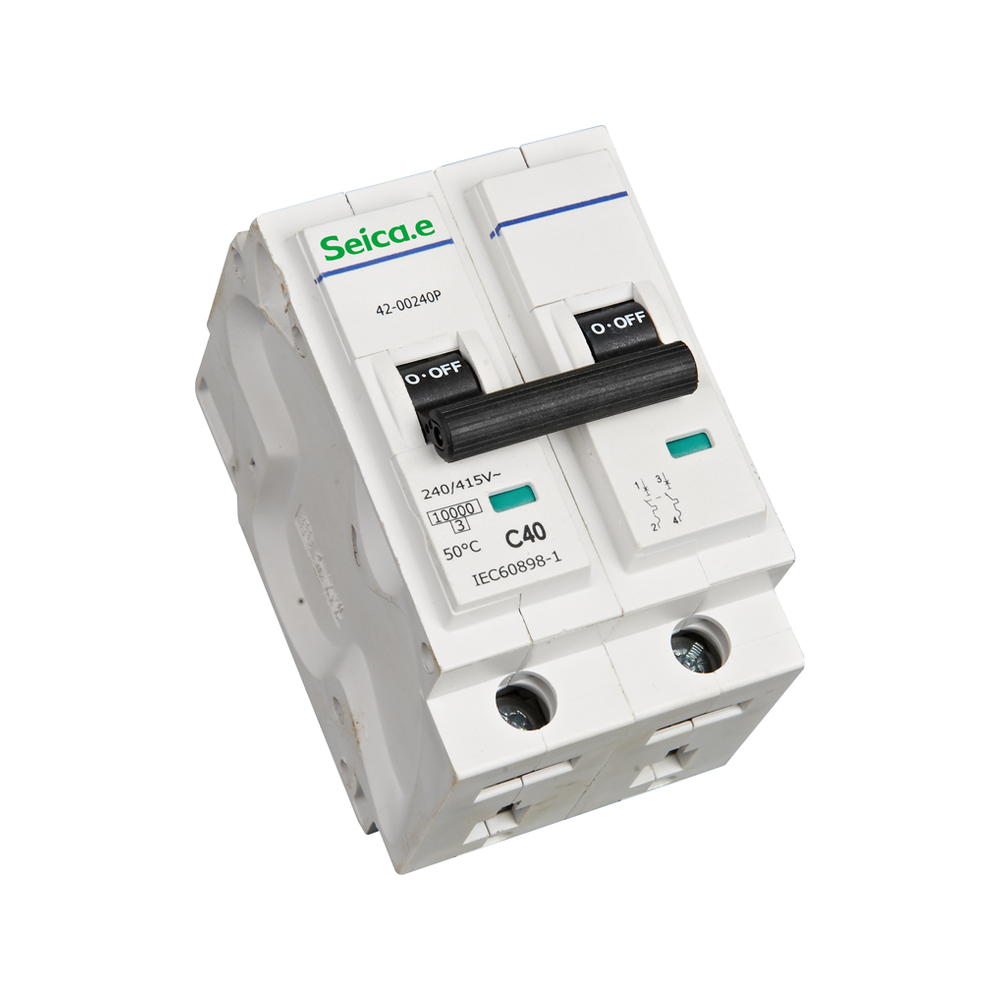
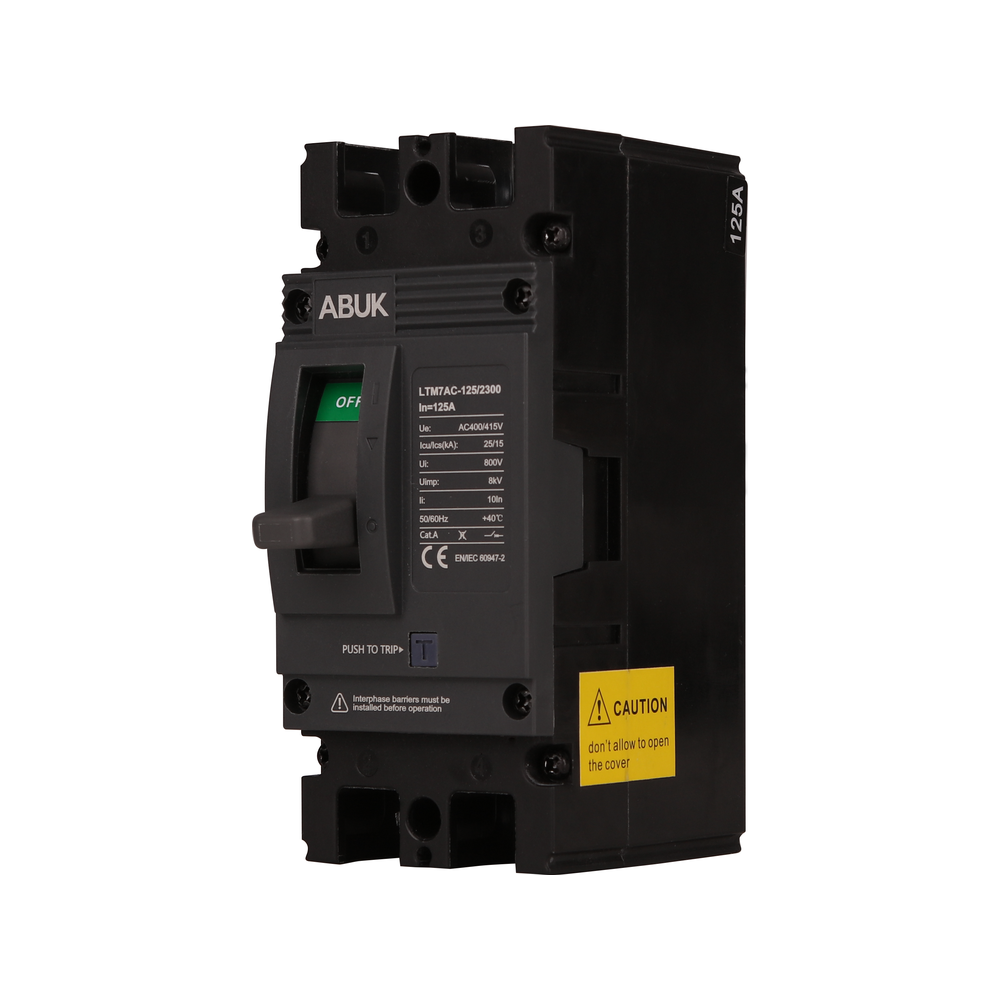
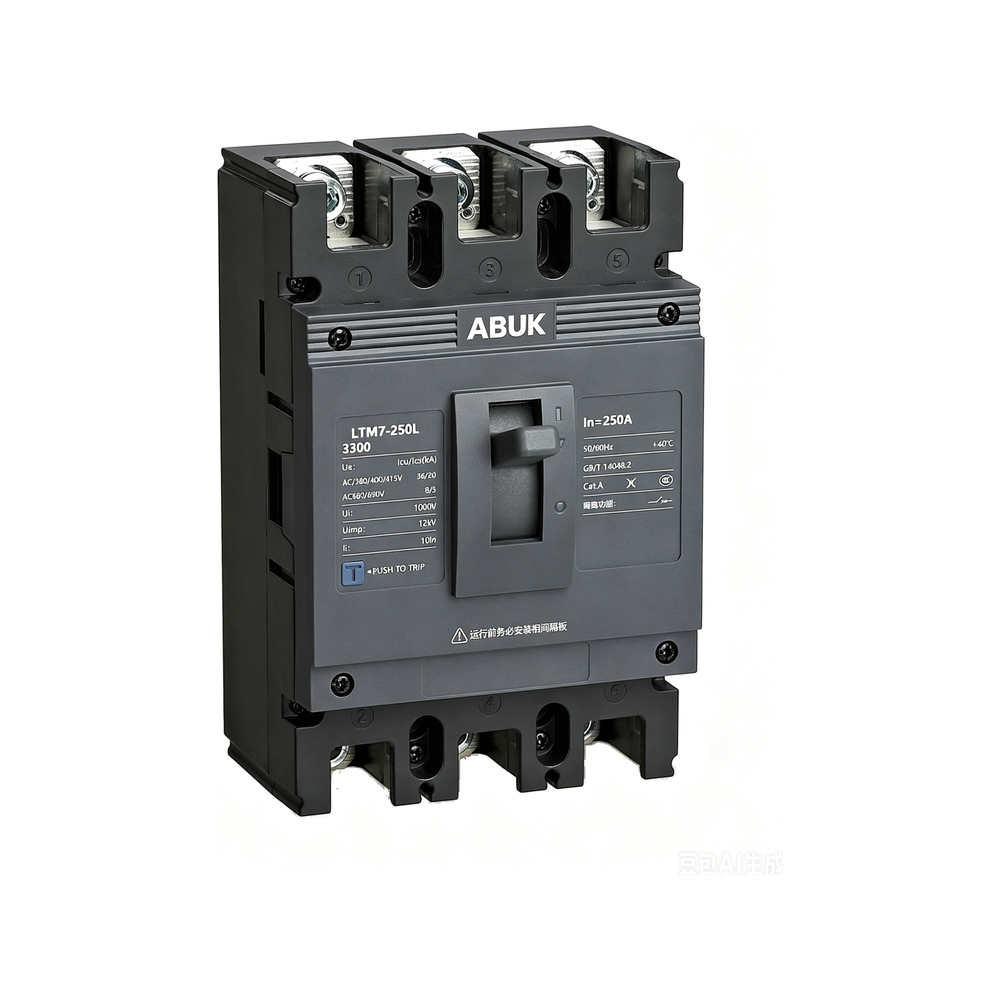
ABUK’s electrical socket and switch products can be reviewed against that specification. Product photographs support appearance and finish selection; model-specific evidence must support ratings and conformity. A sample is not proof that an accessory can replace a failed Chinese 10A outlet.
Frequently asked questions
What happens when an appliance exceeds a Chinese socket’s 10A rating?
The connection operates outside its rating and can overheat or suffer damage. A breaker may not trip before local damage occurs.
Why can connecting too many appliances to one socket cause an overload?
Their currents add along the shared plug, adapter or extension. Extra outlets do not create additional capacity.
What voltage is used for appliances in China?
Mainland China uses nominal 220V power. Imported appliances still need their own input range checked.
Which household appliances may exceed a 10A socket rating?
Some heaters, cooking appliances and air conditioners may do so. The exact model’s input current, rather than its product category, determines the answer.
Does China use 50Hz or 60Hz electricity?
Mainland China uses 50Hz. Equipment intended for another frequency needs manufacturer confirmation of compatibility.
What are the warning signs of an overloaded socket?
Unusual heat, burning smells, discoloration, crackling and repeated trips require attention. These can also indicate damage or poor contact without an overload.
References
- Travel China Guide: electricity supply
- London Fire Brigade: electrical warning signs
- HSE: electrical safety questions
- SAMR: national standard information
A socket should be selected for the load it will actually carry, and investigated when its behaviour changes. ABUK accepts project-specific accessory enquiries supported by appliance ratings and installation requirements.