
 Wenzhou Lita Electric Co., Ltd.



Are All Incandescent Bulbs Dimmable?
When a restaurant buyer in Boston wants a warmer evening setting, an apparently simple order can conceal two kinds of lamp. Imagine six clear bulbs on the sample board: some have traditional filaments, others have LED strips shaped to look like filaments. They fit the same sockets. Only the packaging reveals that they require different checks.
Summary: Ordinary line-voltage incandescent filament lamps are generally dimmable on a suitable incandescent-rated control. Identify the actual lamp technology, add up the real watts of every lamp on the circuit, and check the dimmer's rating for that load. A transformer, electronic fixture or LED replacement changes the decision.
Why does a filament dim so readily?
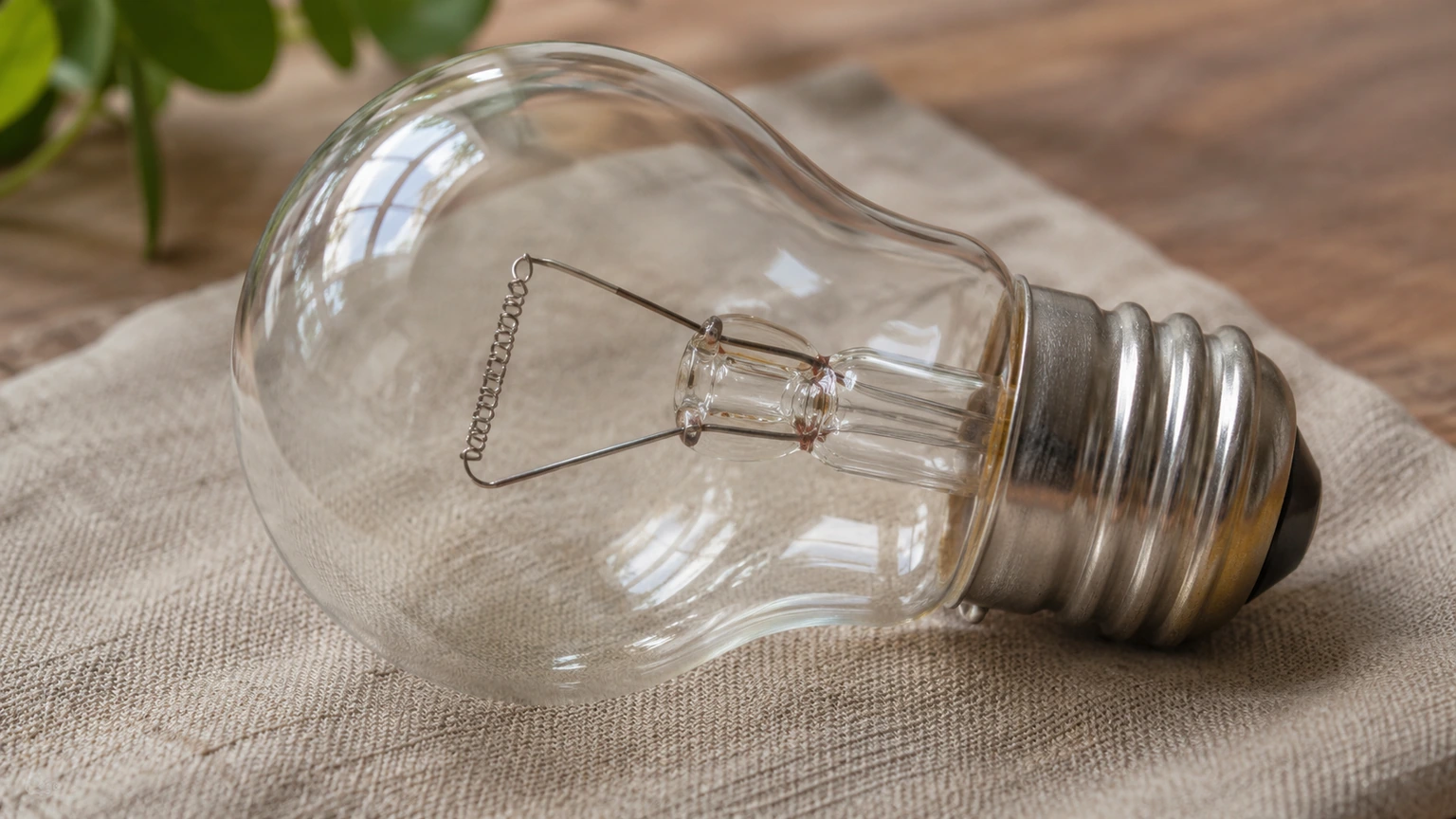
An incandescent lamp produces light by heating a filament. A compatible dimmer reduces the power delivered to it; the filament runs cooler, emits less light and generally looks warmer. There is no separate electronic driver in a plain line-voltage filament lamp to interpret a dimming signal. That is why an old dining room can have an excellent dimming range with its original bulbs and a poor one after a seemingly modest retrofit.
A clear envelope is not proof of that construction. Decorative filament-style LEDs often reproduce the old silhouette. On a purchase order, record technology and input watts alongside cap size and appearance. For low-voltage halogen lighting, identify the transformer as well: a dimmable filament on the output side does not make every control suitable for the input side.
How much incandescent load can the control carry?
Add actual lamp watts, not the light-output equivalent printed on replacement LED cartons. As an illustrative calculation, six 60 W incandescent lamps total 360 W. That is the connected lamp load before considering a manufacturer's instructions for installation alongside other controls. The arithmetic alone does not approve the installation.
For perspective, Leviton publishes different limits for the same 6674-P0W control: 600 W incandescent and 150 W LED. These are ratings of that particular product under its stated conditions. Treating the larger number as a universal dimmer rating creates a problem when a restaurant later changes to LED or puts several dimmers in a common enclosure.
What does a buzz tell the maintenance team?

Listen for where the sound comes from and note the level at which it begins. A filament can vibrate with a phase-controlled waveform; a loose fitting or an unsuitable control can also make noise. One pendant buzzing among six points to a different investigation from every lamp buzzing together after a control change.
Do not sign off an audible buzz in a quiet dining area simply because the lamps still dim. Compare a documented compatible lamp in a controlled trial and ask the electrician to investigate persistent noise, abnormal heat or odour. A dining room that sounds quiet during fit-out may sound very different after the background ventilation shuts down at night.
Similar-looking lamps can call for different controls
| Lamp presented | What to verify | Common purchasing error |
|---|---|---|
| Plain line-voltage filament bulb | Incandescent load rating and total watts | Ignoring how many fittings share the dimmer |
| Low-voltage halogen lamp | Transformer type and permitted control | Specifying from the lamp alone |
| Filament-style LED | Dimmable marking and tested combination | Assuming appearance identifies the technology |
A useful lighting trial goes beyond full brightness
| Condition | What the buyer should observe |
|---|---|
| Full output | Adequate task light with all fittings populated |
| Normal dining level | Colour and sound at occupied tables |
| Lowest intended setting | Consistent light and acceptable noise across the group |
Which rating belongs on the specification?
Quote the supply, frequency and lamp technology against the exact dimmer documentation. A North American rating in watts is not a declaration that the same model can be installed on a different mains supply. Likewise, the printed rating for direct-connected filament lamps does not cover a transformer unless the manufacturer explicitly lists that type.
Record incandescent dimmer wattage against each lighting group. Assess incandescent dimmer compatibility again if any low-voltage transformer or mixed lamp group is introduced.
Order against the installed group of lamps
Provide the number of pendants on each control rather than the total number of lamps in the room. Ask for the applicable load table, including any changes for adjacent devices. If an LED conversion is planned, quote it as a separate configuration and test it with the selected replacement lamps. A successful incandescent trial is not evidence for the later LED installation.
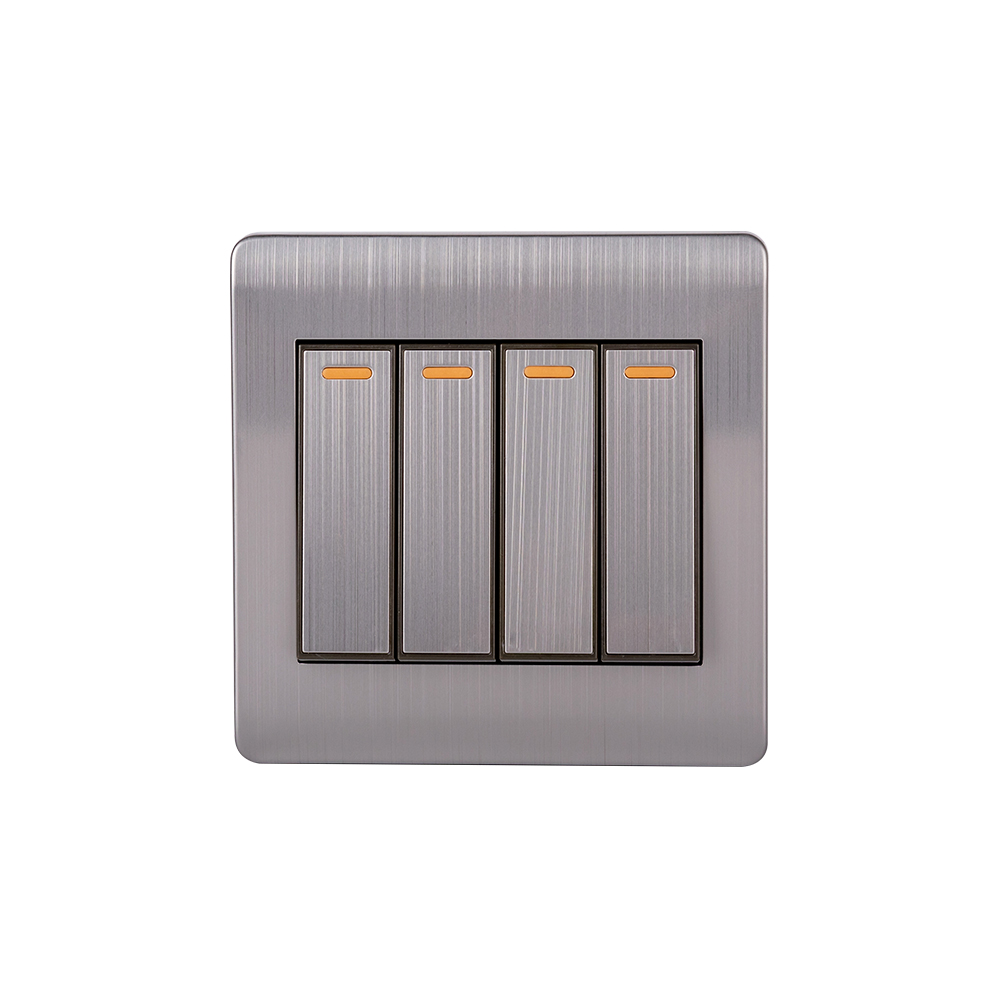
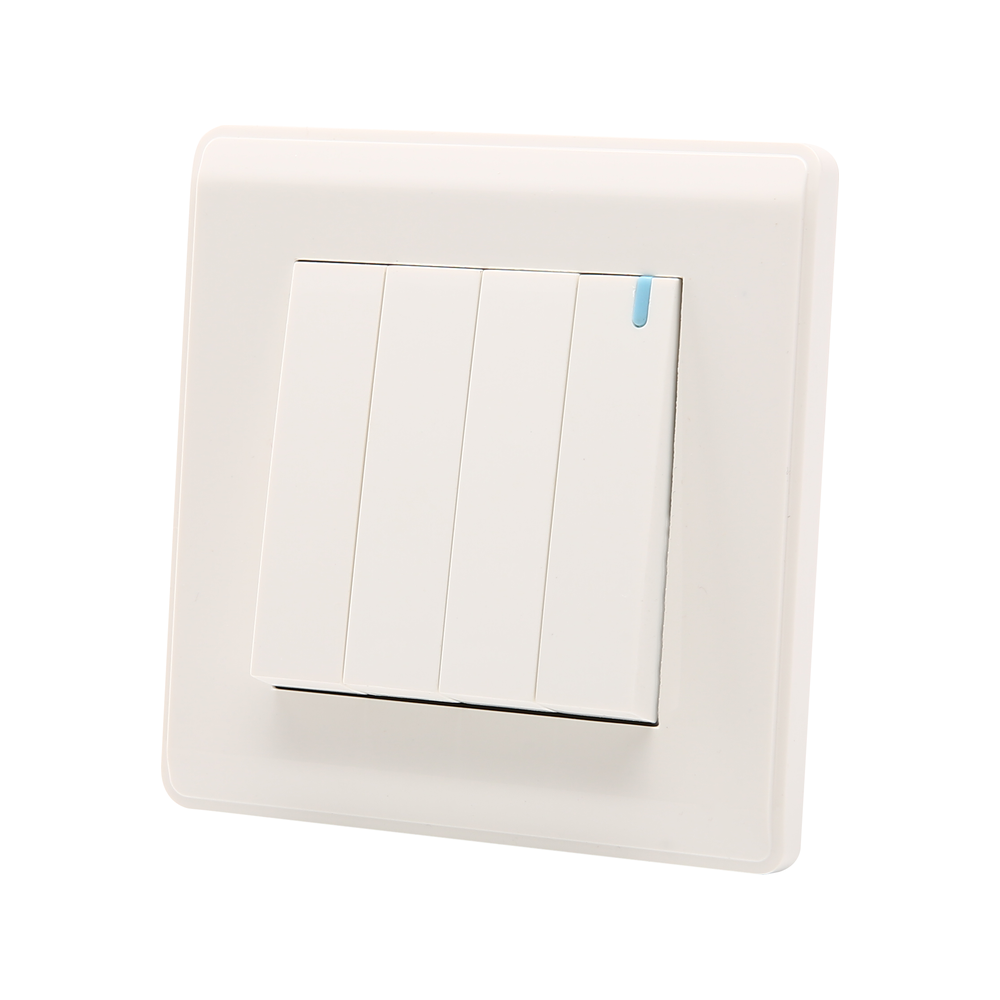
If two entrances control the pendants, specify the 3-way dimmer switch separately from the lamp technology. An ordinary single-pole switch only switches the supply, which is useful when comparing a switched sample with the dimmed group.
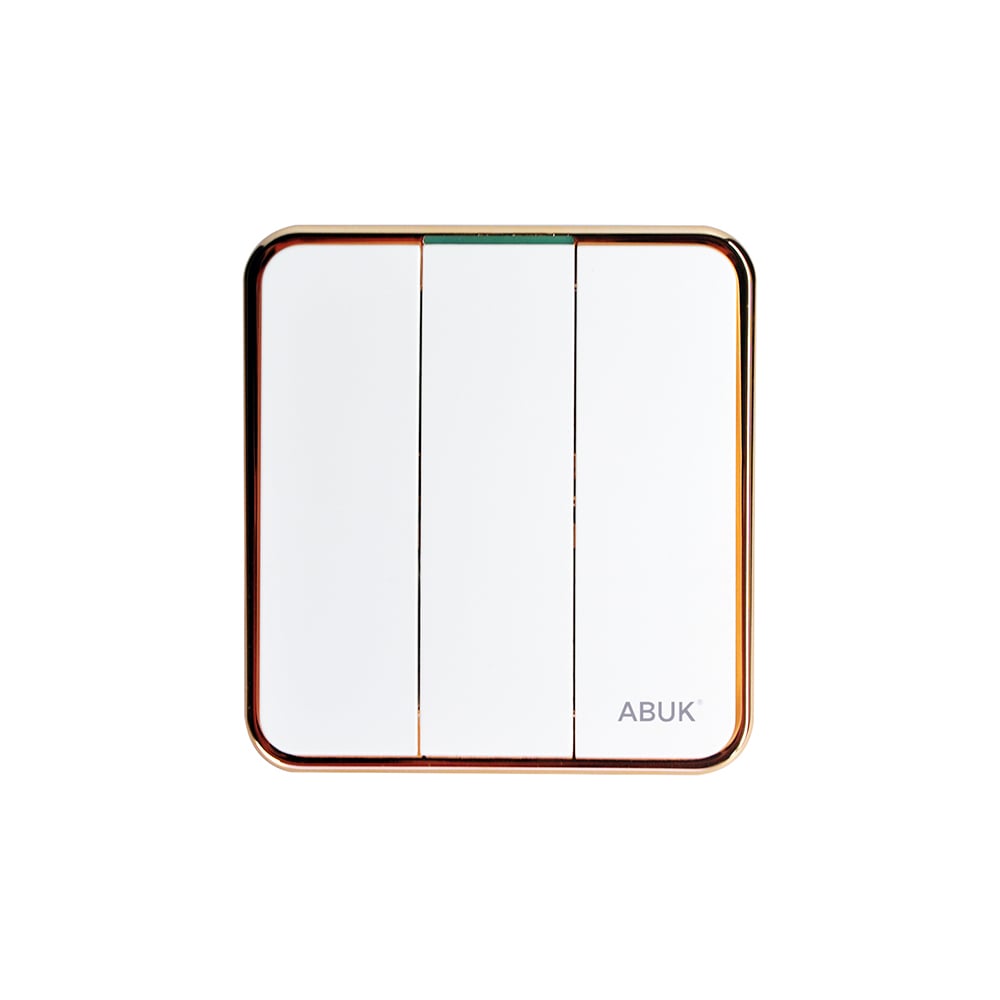
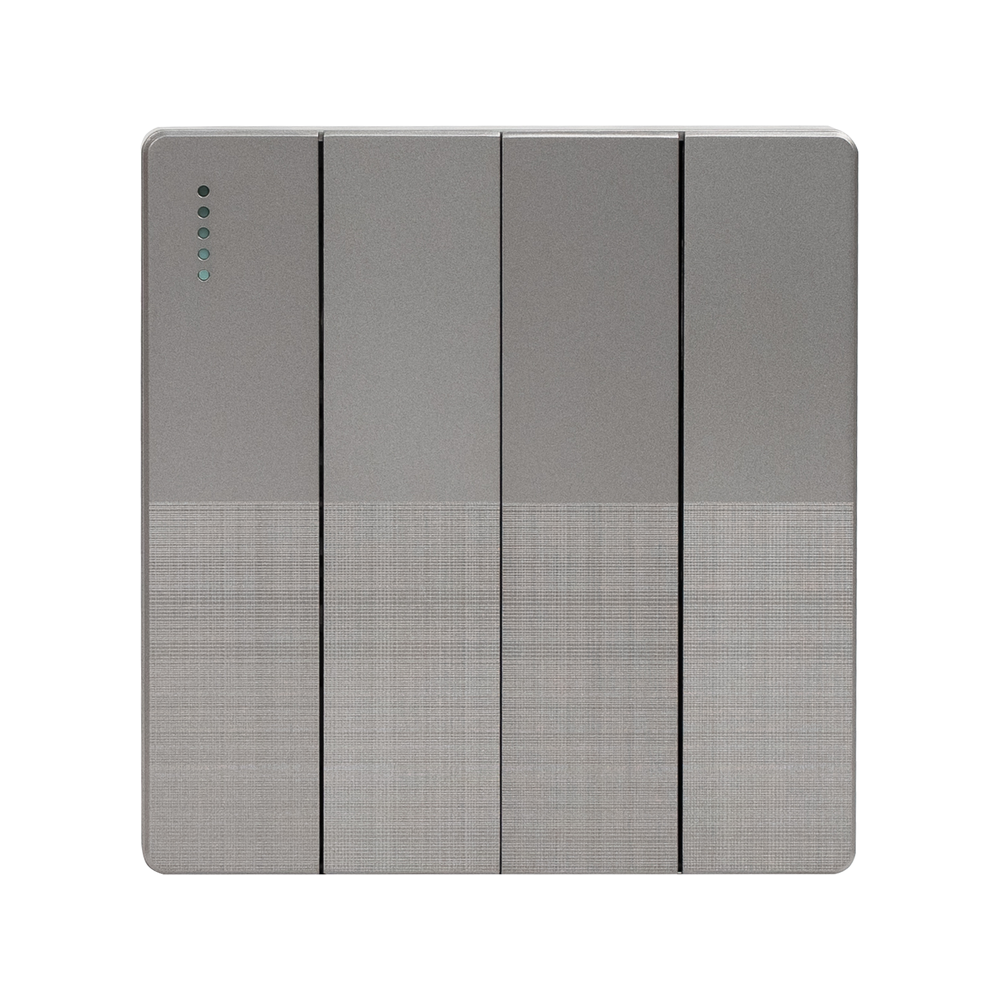
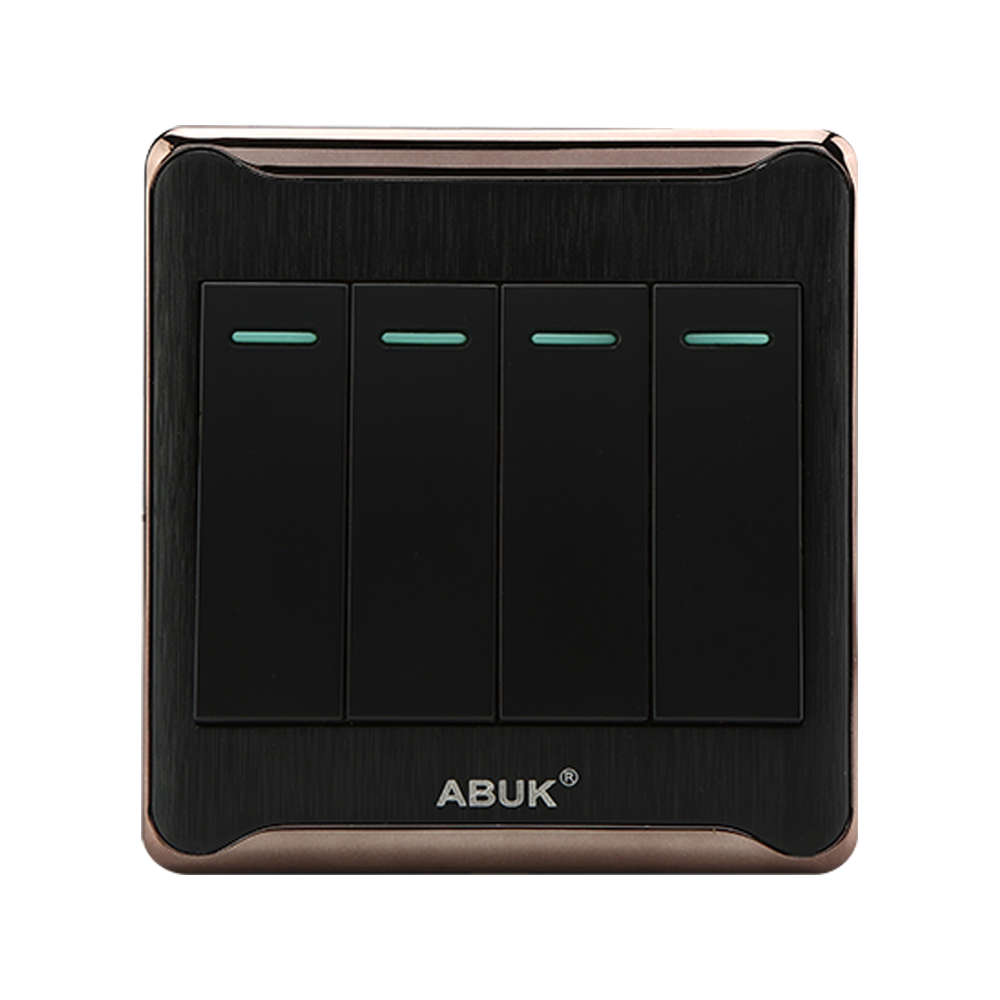
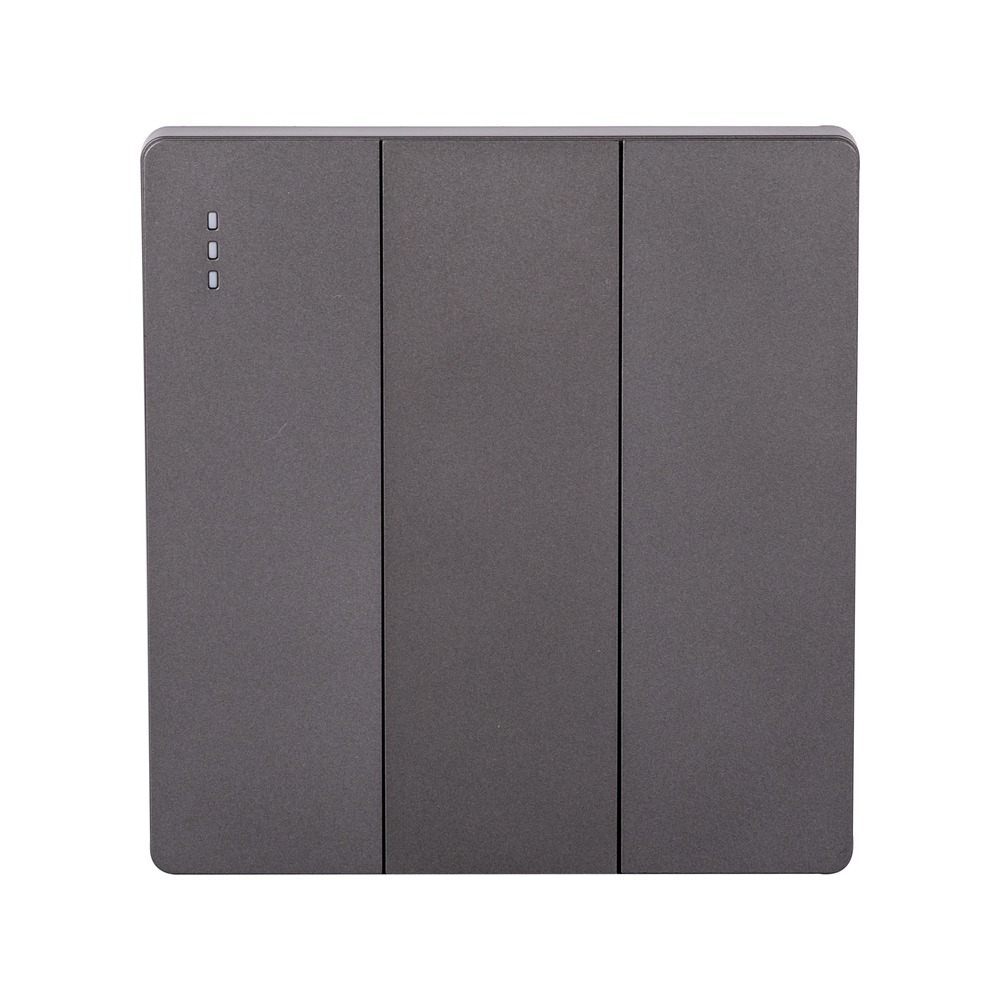
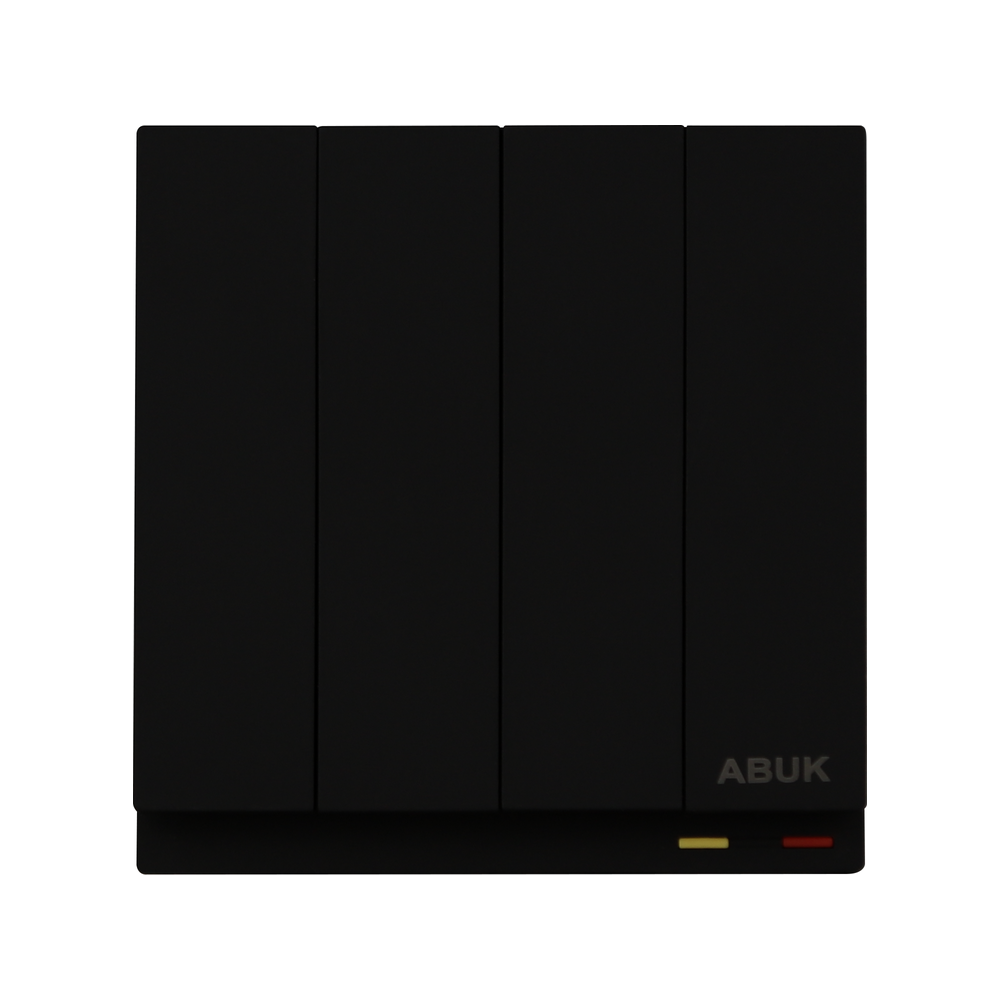
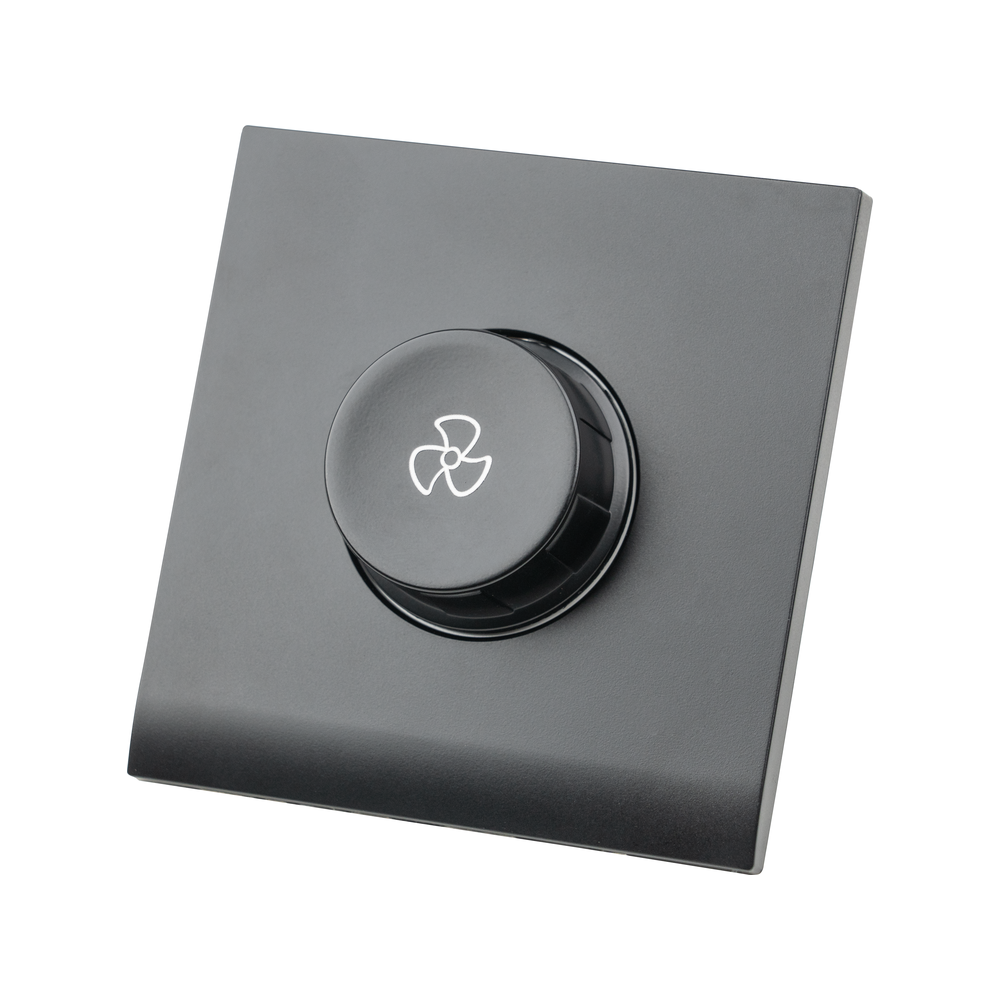
For an ABUK specification, identify the exact Series 05 dimmer switch in the enquiry and request its own data sheet. Ratings cited for other manufacturers do not establish compatibility for this model.
Frequently asked questions
Do incandescent bulbs need a special dimmer?
A conventional incandescent-rated dimmer is normally appropriate for an ordinary line-voltage filament lamp. Transformer-fed lighting and fixtures containing electronics require a separate check.
Can an LED-rated dimmer control incandescent bulbs?
Yes, if the dimmer also carries an incandescent rating. Use the limit published for incandescent loads, not the LED limit.
Can incandescent and LED bulbs share the same dimmer?
Only if the control manufacturer permits mixed loads and provides a way to size them. Even then the technologies may reach different brightness levels at the same setting.
Why does an incandescent bulb buzz when dimmed?
The filament can vibrate under phase-controlled power. Locate the noise and have persistent or unusual buzzing checked rather than assuming it is harmless.
Does dimming an incandescent bulb reduce electricity use?
Yes, reducing power to a filament reduces its electricity consumption. A slider at halfway does not mean half the energy or half the perceived brightness.
How many incandescent bulbs can one dimmer control?
Add the actual watts of all lamps and compare the sum with the applicable installed rating. Different lamp wattages and mounting arrangements produce different answers.
References
- Leviton: SureSlide 6674 load ratings and installation options
- Leviton: DSL06 Decora Slide specifications and instructions
- Leviton: LED bulb compatibility tool
Count the watts of the lamps that will actually be installed. For a project quotation, browse ABUK’s electrical products and include the lamp schedule, site supply and intended control arrangement.