
 Wenzhou Lita Electric Co., Ltd.
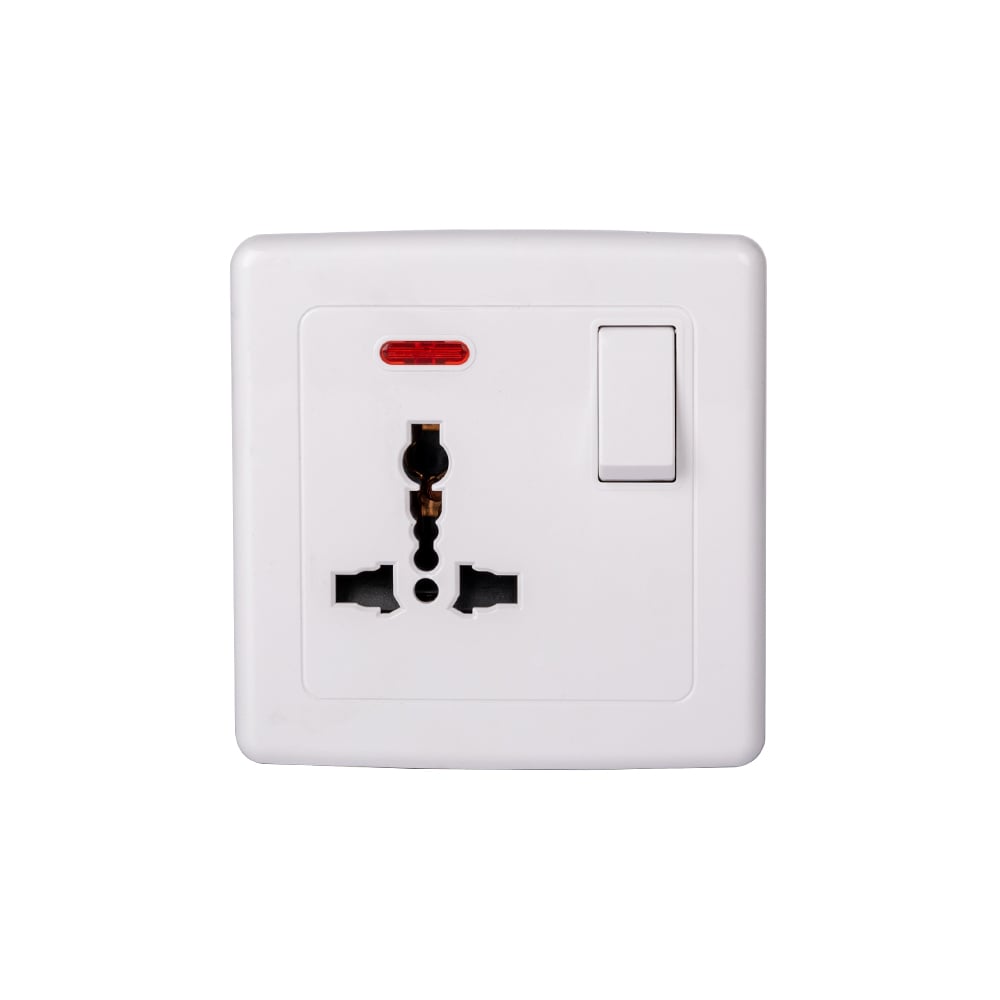
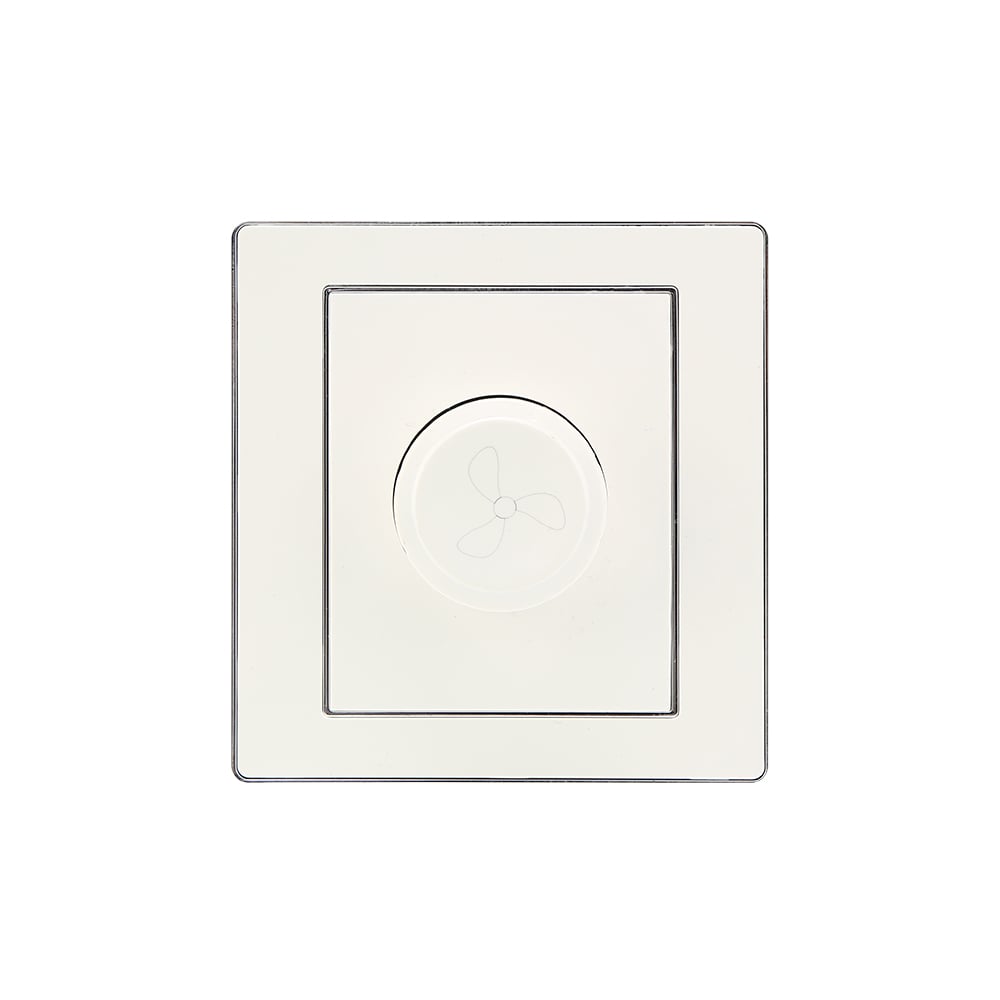
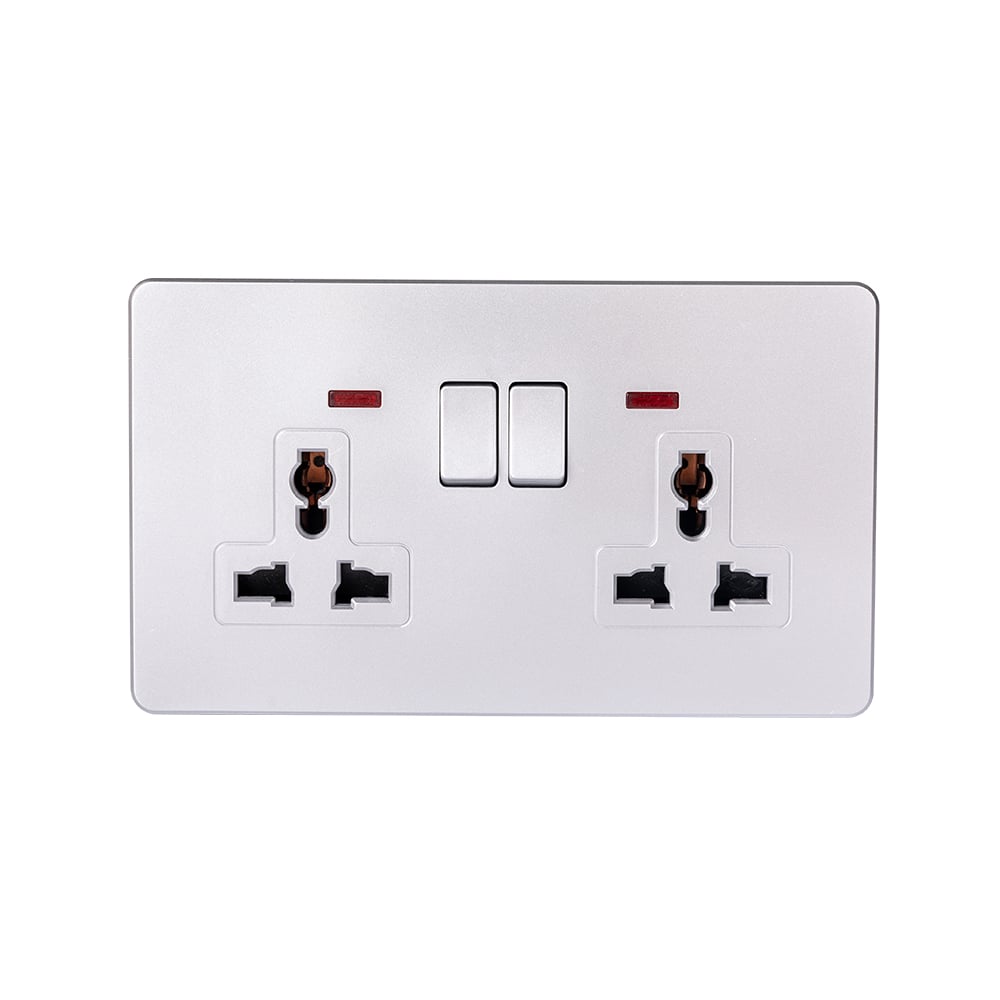
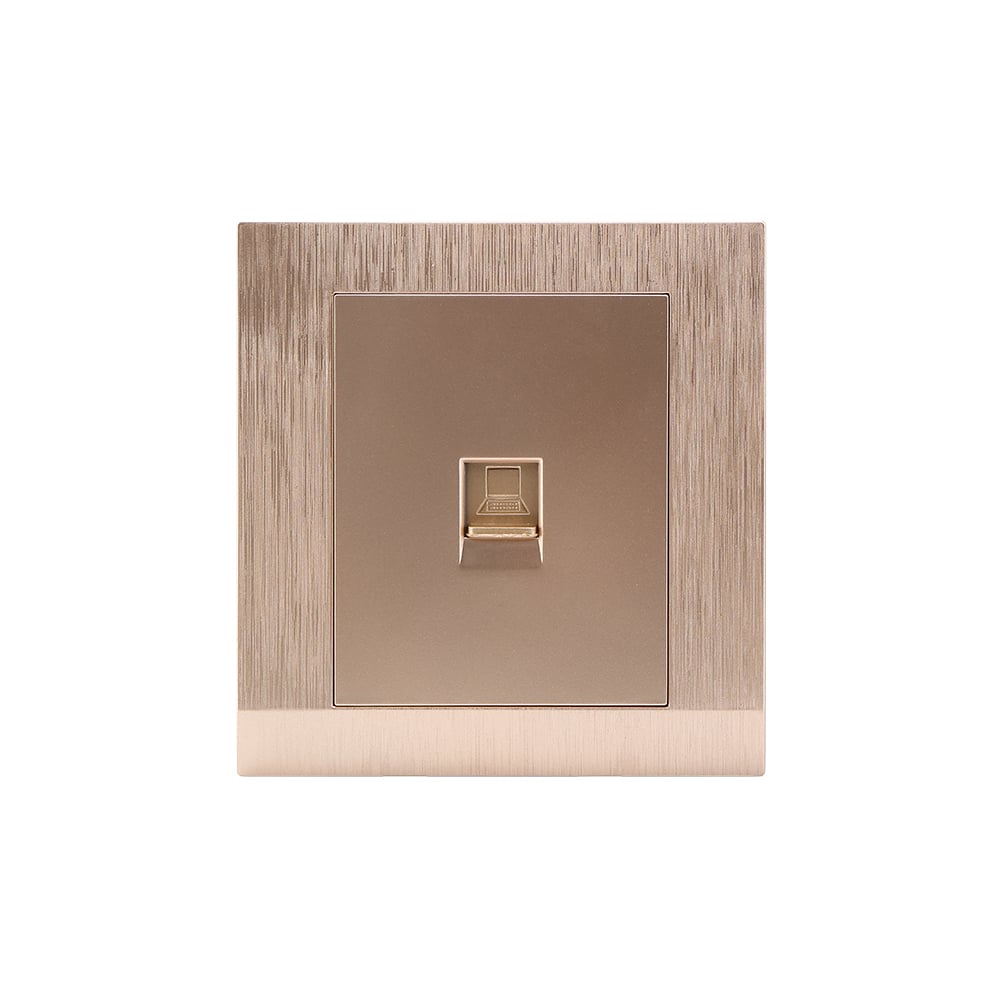
Types of Wall Sockets UK
When a procurement engineer in Manchester encountered USB-C charging that throttled minutes after energizing a pilot installation, she blamed defective sockets. Inspection showed electronic modules crowded into shallow boxes, stressing terminations and trapping heat. The root cause was selection and installation coordination, not simply a bad product.
Summary: The types of wall sockets UK buyers specify should be selected as a system: BS 1363 addresses 13 A plugs and socket-outlets, while BS 7671 governs the electrical installation. Compare switching, shutter design, USB output, back-box depth, earthing and documented market compliance before approving samples; do not treat a 13 A marking as a promise that every connected load or twin outlet can deliver about 3 kW continuously.
Why do UK socket projects require both product and installation standards?
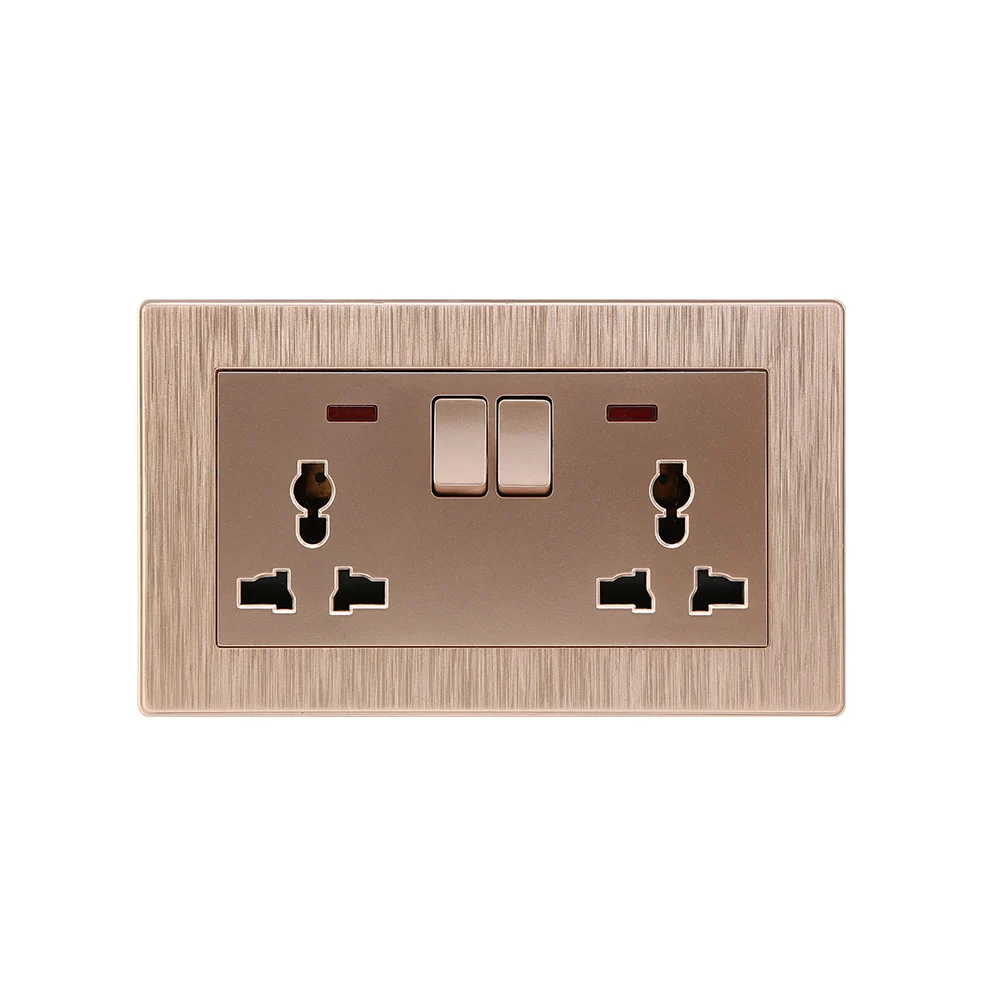
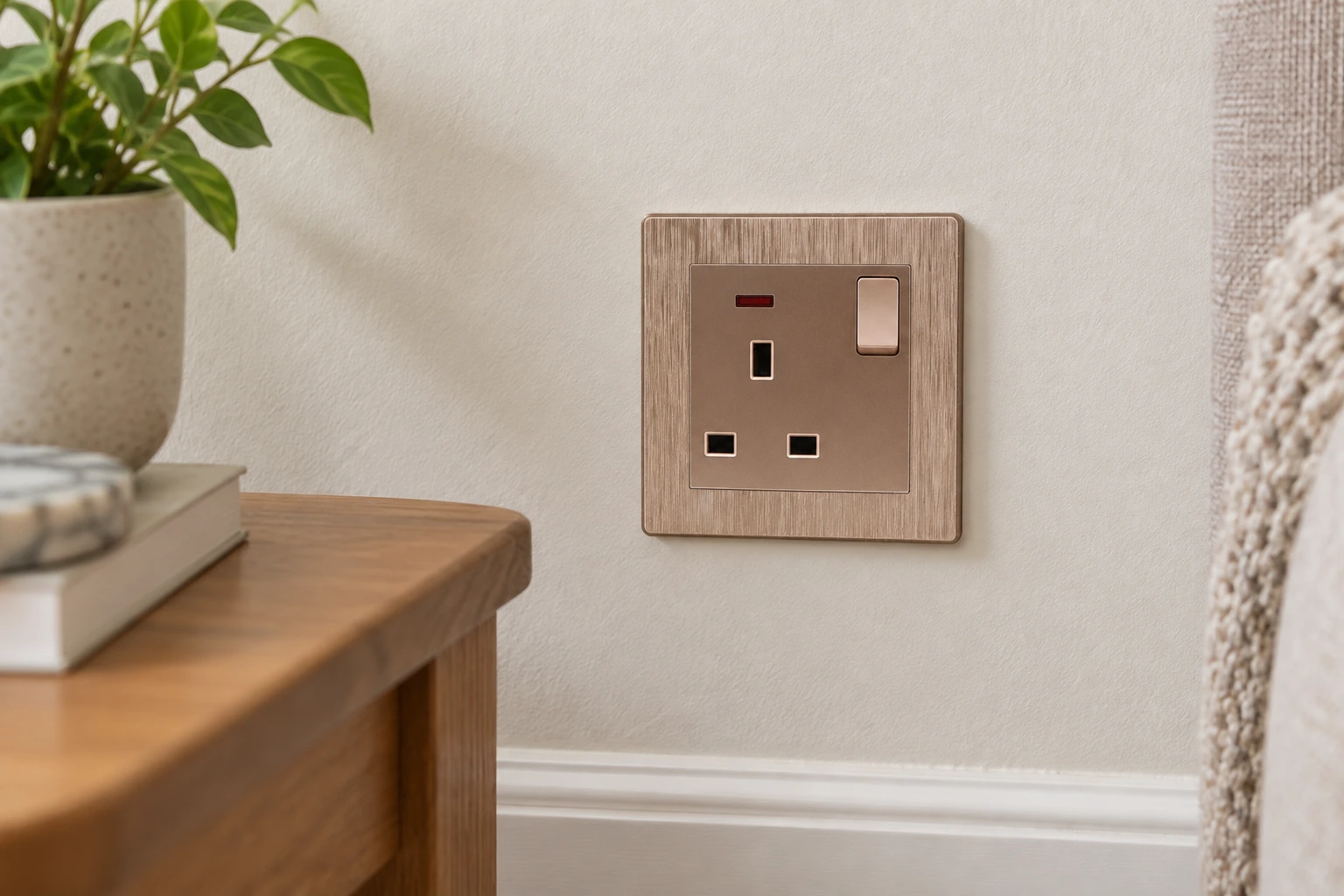
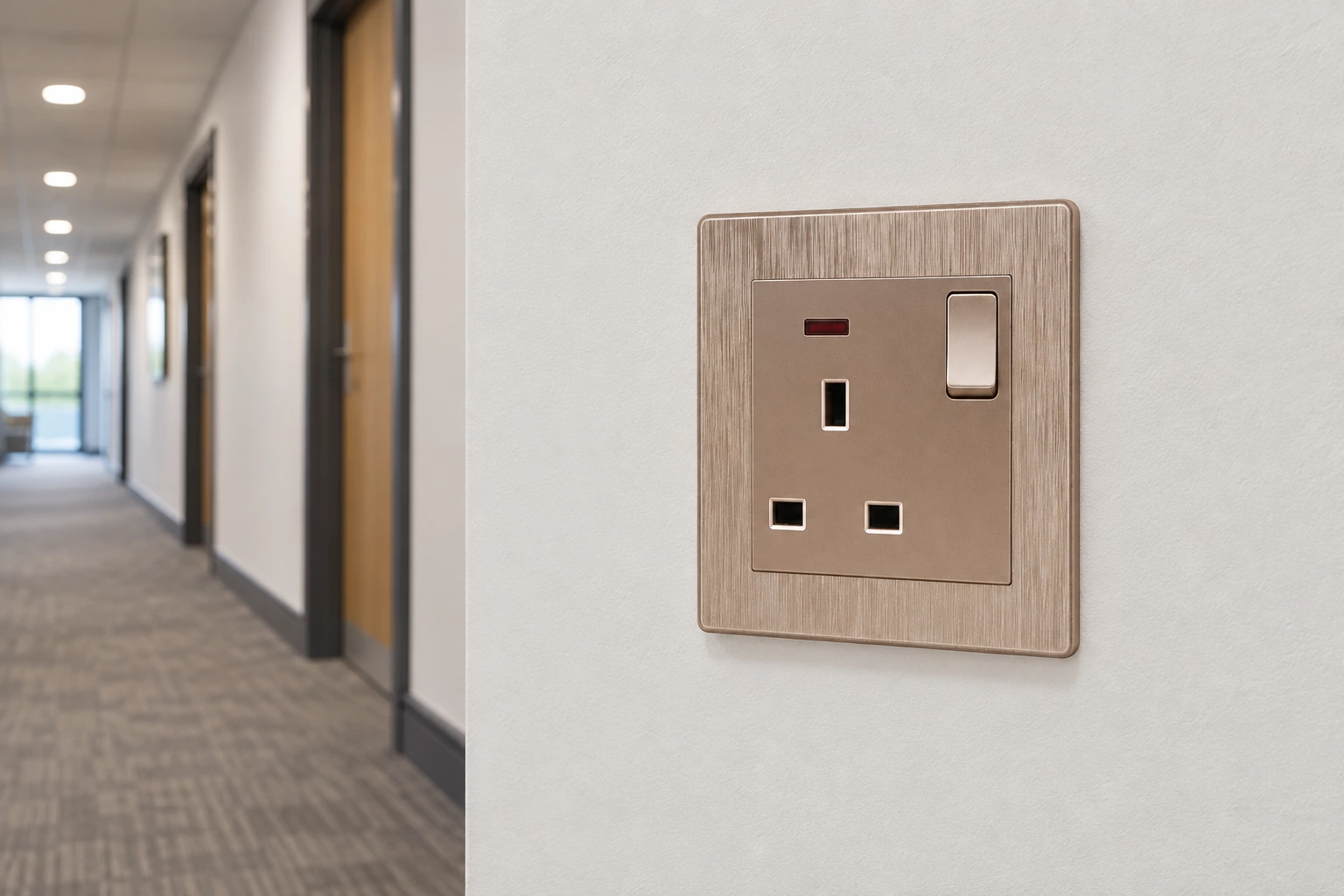
The familiar UK outlet accepts a Type G plug with three rectangular pins and normally supplies 230 V at 50 Hz. “Type G” describes the interface; the BS 1363 series covers 13 A plugs, socket-outlets, adaptors and connection units. BS 1363-2 specifically covers switched and unswitched socket-outlets.[1]
BS 7671, the IET Wiring Regulations, governs circuit design, protection, installation and verification.[2] A conforming socket does not make undersized wiring, a weak termination or an unsuitable circuit compliant. Buyers comparing UK wall sockets should request product evidence and coordinate it with the electrical designer.
A BS 1363 socket combines Type G compatibility with engineered safeguards
How do shutters restrict direct access to live contacts?
A BS 1363 socket uses shutters over live and neutral contacts, opened in the intended sequence by a compliant plug. Inspection should follow the BS 1363-2 gauges and test sequence; plug-in “child-protection” inserts are not a substitute.
Why do the plug fuse, circuit breaker and RCD perform different jobs?
A standard UK plug incorporates a BS 1362 cartridge fuse, rated to suit the appliance flex up to 13 A, so a fault or overload should disconnect before that flexible cord is damaged.[4] The socket is not normally fitted with a user-replaceable appliance fuse. A fuse is therefore not a licence to connect an unsuitable high load.
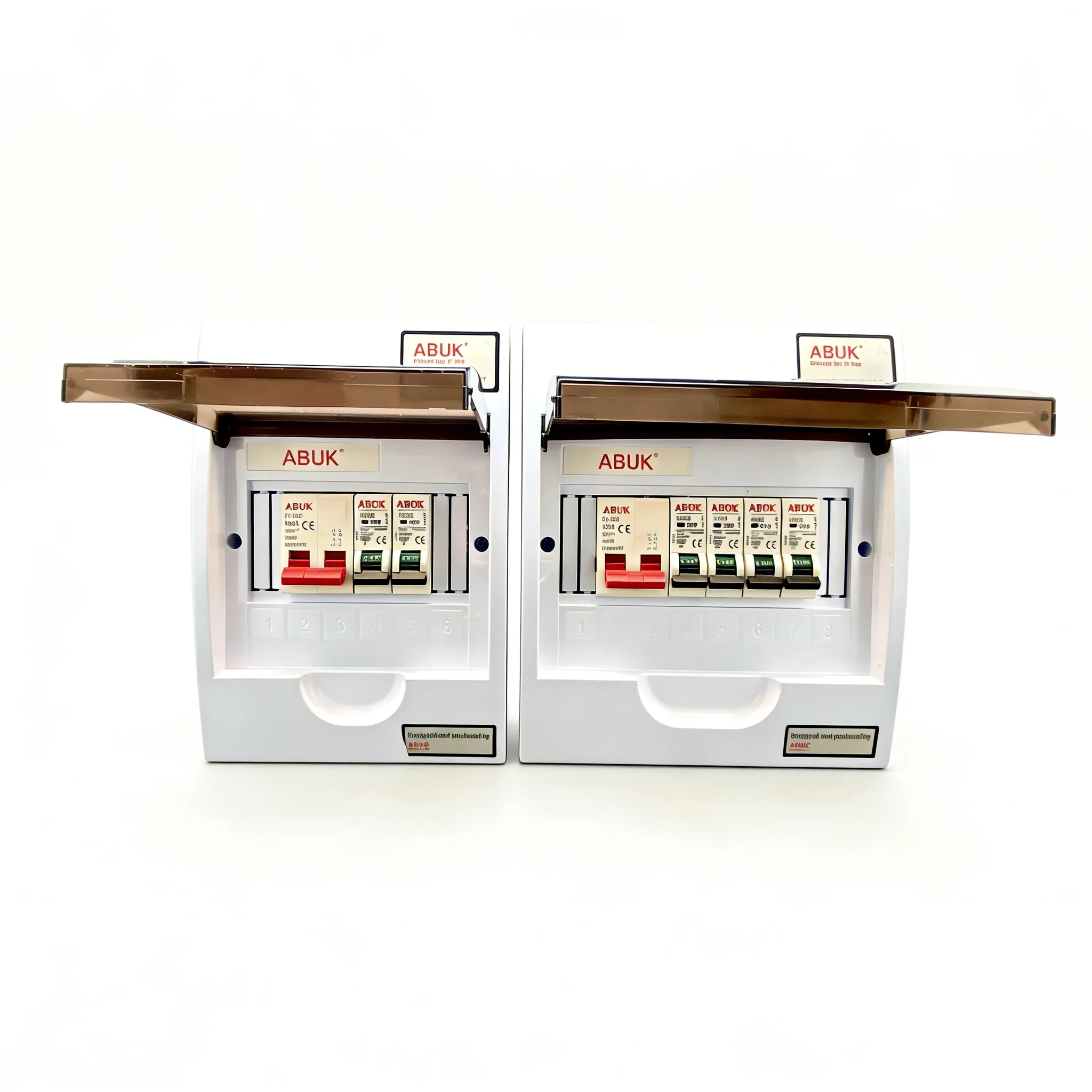
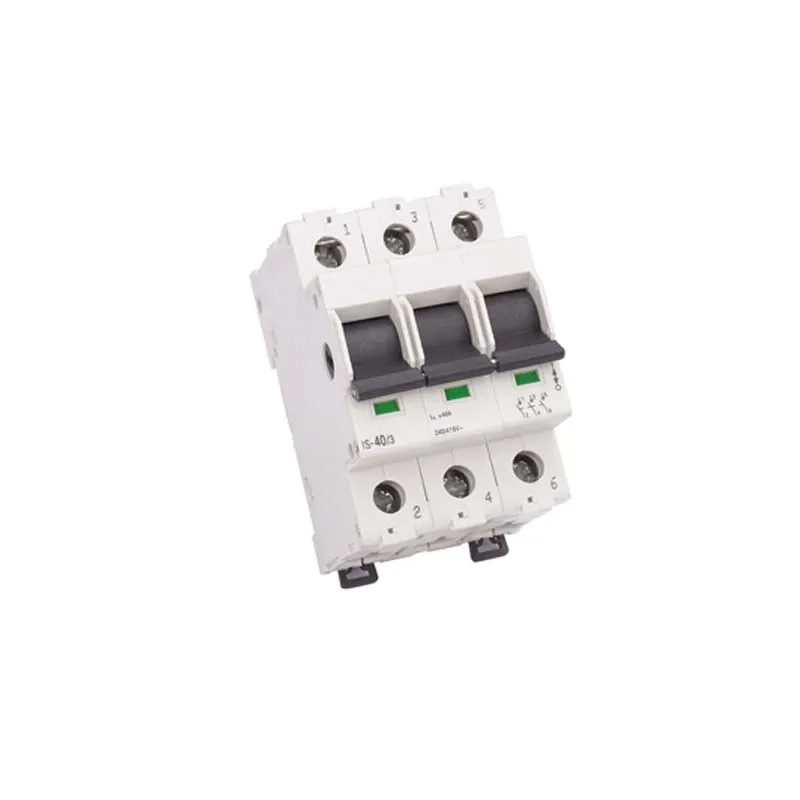
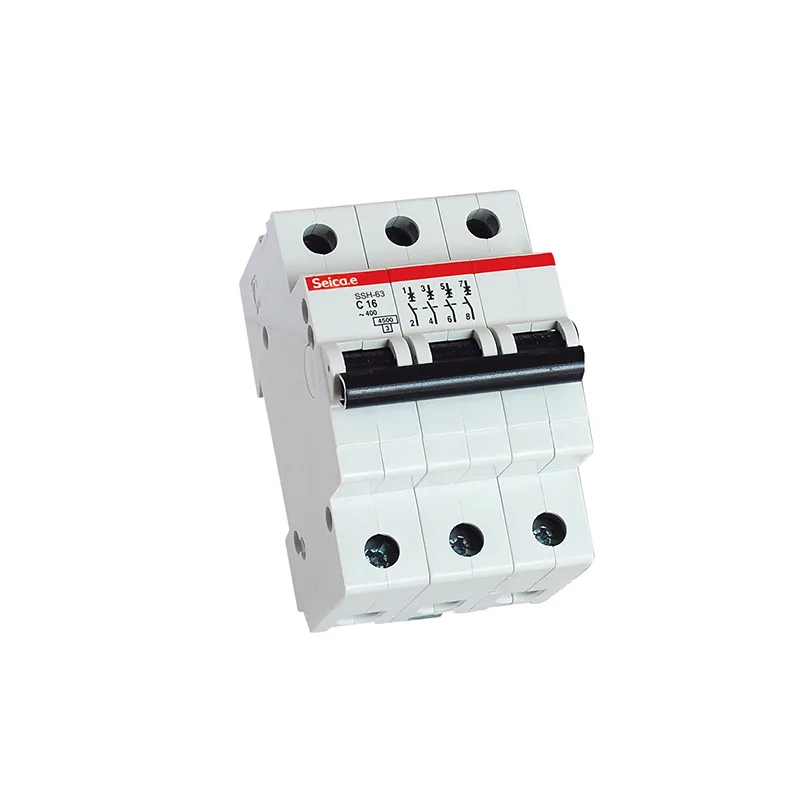
The circuit breaker or fuse at the distribution board protects the fixed wiring against overcurrent, while an RCD detects an imbalance between line and neutral that can indicate current leaking to earth. An RCD can reduce shock risk but does not replace overcurrent protection; similarly, the plug fuse cannot provide the additional protection expected from a correctly selected RCD. The circuit designer must coordinate all three functions under BS 7671.[2]
“Fused UK system” does not mean every outlet contains a fuse. A fused connection unit is a separate accessory whose fuse, switch and cable entry must be specified.
Why do metal faceplates add an earthing duty?
An exposed conductive faceplate must be connected to protective earth as required by the design and instructions. The installer should verify continuity, termination and back-box condition; a screwless cover does not remove that duty.
How do switched, USB and smart outlets change the specification?
Does local switching increase a socket’s load capacity?
A switched socket provides local control; an unswitched model may suit managed equipment with isolation elsewhere. Switching changes usability, not the 13 A rating. Mechanical endurance and spare-part consistency affect lifecycle value.
Why are USB-A, USB-C and Power Delivery not interchangeable labels?
A USB wall socket adds an AC-to-DC supply. USB-A supports legacy cables; USB-C enables reversible connection and may negotiate higher power. “USB-C” describes the connector—not guaranteed Power Delivery (PD) wattage or laptop charging.
Specify combined and per-port output, PD profiles, simultaneous-port behavior and standby consumption. A 30 W dual-port unit may divide output between ports; verify the declared protocol and test evidence.
How should back-box depth and heat be planned for electronic sockets?
USB and smart-socket electronics occupy space and generate conversion heat. There is no universal back-box depth: follow the supplier’s drawing. Confirm usable depth after plaster, side-lug intrusion, conductor bend radius, terminal projection and required clearance. Even a nominally deep box may fail when stiff ring-final conductors must fold behind the module.
Thermal planning should cover simultaneous USB loading, ambient temperature, surrounding insulation and spacing instructions. Do not crush conductors or force the faceplate onto its screws. Because charging standards evolve faster than a 13 A mechanism, also check replaceability, warranty and successor-module availability.
When is a standard 13 A socket the wrong connection method?
At 230 V, 13 A corresponds to about 2.99 kW (P = V × I). This illustrative calculation does not mean every appliance should draw 3 kW indefinitely, or that a twin faceplate offers almost 6 kW continuously. Duty cycle, temperature, terminations, circuit arrangement and diversity affect the design.
BS 7671 permits diversity where appropriate, but it is an engineering assessment—not permission to overload an accessory. A standard outlet is unsuitable when the load exceeds its rating, the manufacturer’s instructions require a fixed connection, controlled local isolation is needed, or the environment defeats an ordinary indoor faceplate. Fixed high-load cooking equipment commonly needs a designer-selected circuit and cooker control or connection arrangement.
Continuous or exceptional loads need specific assessment. Electric-vehicle charging should not be treated as ordinary long-duration use of a household socket unless the complete arrangement is explicitly designed for it. Rework, heat damage and returns can outweigh any purchase-price saving.
Special-purpose UK sockets solve installation problems that general outlets cannot
Why is a shaver supply unit not a general bathroom socket?
A shaver supply unit serves low-power shavers and similar bathroom equipment; it is not a 13 A outlet for hairdryers or heaters. BS EN IEC 61558-2-5 covers the shaver-supply transformer arrangement, while BS 7671 controls permitted locations in rooms containing a bath or shower. Specify outlet voltage, duty, transformer rating and installation zone—not merely a “bathroom socket.”
When does cooking equipment need a cooker connection unit?
A cooker control unit provides local control for a cooking circuit; a cooker connection unit terminates fixed appliance cable. The designer should use appliance rating, diversity, conductor size, manufacturer instructions and isolation needs to select them. A 13 A plug may suit a small appliance supplied that way, but not a fixed cooker requiring a dedicated connection.
What must be specified for floor sockets and outdoor outlets?
Floor sockets serve open-plan desks, retail islands and meeting tables where walls are distant. Specify the floor-box lid, recessed plug space, cable exit, cleaning regime, foot or trolley traffic, data segregation and inspection access. A desk socket placed in a floor void is not automatically floor-rated.
Outdoor and wash-down locations need an enclosure and cable entry selected for actual exposure. The IP code is tested to BS EN 60529; confirm whether it applies with the cover closed, a plug inserted, or both. BS 7671 requirements for RCD protection, routing, earthing and external influences still apply.[2] A cover cannot correct poor drainage or a loose gland.
Which wall-socket format best fits each UK project?
| Format | Best-fit use | Key benefit | Procurement caution | TCO tendency |
|---|---|---|---|---|
| Single 13 A, switched | Dedicated appliance point | Local isolation and clear user control | Confirm switch endurance and back-box fit | Low complexity; straightforward replacement |
| Twin 13 A, switched | Offices, homes and general commercial areas | Two connection points in one location | Do not assume 26 A continuous use at the faceplate | Efficient installation, but load coordination matters |
| Unswitched 13 A | Managed or concealed equipment | Reduces accidental local switching | Provide suitable isolation elsewhere | Simple mechanism; access planning may add cost |
| 13 A with USB-A | Legacy phones and shared charging spaces | Direct charging for common older cables | Output may be shared and relatively low | Convenient, but electronics may date faster than the socket |
| 13 A with USB-C/PD | Modern phones, tablets and selected laptops | Negotiated charging with the right device and cable | Verify PD wattage, profiles and thermal behavior | Higher unit cost can reduce separate charger demand |
| Special-purpose outlet or connection unit | Bathrooms, cooking equipment, floors or exposed areas | Matches a defined load, location or access problem | Do not substitute it for the product and installation design | Higher coordination effort can avoid unsafe adaptations and rework |
Application conditions narrow the correct socket specification
| Application condition | Specify | Verify before order |
|---|---|---|
| Dry indoor office | Switched twin outlet; USB-C/PD where charging demand is documented | Back-box depth, total USB output, finish durability and BS 1363-2 evidence |
| Hotel or multi-user space | Shuttered socket with visible switching and robust port design | Mechanical endurance, simultaneous-port output and maintainability |
| Outdoor or wash-down-prone area | Weatherproof enclosure with project-appropriate IP rating | BS EN 60529 test claim, cover-open/closed conditions, seals and cable entry |
| Metal-finish interior | Earthed metal faceplate and compatible back box | Earth terminal, continuity method, finish batch consistency and installer access |
| High simultaneous appliance load | Installation engineered to BS 7671, with load schedule and suitable accessories | Diversity assumptions, protective device, conductor sizing and termination temperature |
| Bathroom shaver point | Purpose-designed shaver supply unit in a permitted position | Applicable product standard, transformer duty, outlet voltage and BS 7671 location rules |
| Fixed cooking appliance | Designer-selected cooker control and connection arrangement | Appliance instructions, design current, isolation, terminals and cable heat resistance |
| Open-plan floor service point | Complete floor-box assembly suited to traffic and cleaning | Lid load, plug recess, cable exit, segregation, ingress and inspection access |
For weather exposure, IP44, IP55 and IP66 are not interchangeable quality grades; each code represents defined ingress tests under BS EN 60529. Confirm whether the stated rating applies only with the lid closed or also while a plug is connected. Site exposure, drainage, cleaning practice and enclosure orientation should drive the choice.
Which standards and market claims should a buyer verify?
- BS 1363 series: product requirements and test methods for the UK 13 A plug-and-socket system; BS 1363-2 covers switched and unswitched socket-outlets. A test report must identify the exact model and edition used.
- BS 7671: requirements for electrical installations, including design, protection, erection and verification. It is not a product certification for a socket.[2]
- BS EN 60529: the classification and test method behind IP codes. The claimed configuration and conditions must match the installed product.
- Product-specific standards: shaver supply units, cooker controls, floor boxes and electronic power supplies are not validated merely by citing BS 1363. The evidence must match the accessory’s actual function and construction.
- Electrical Equipment (Safety) Regulations 2016: Great Britain obligations apply according to the economic operator, product, placement on the market and current conformity-marking rules.[3]
Unsupported claims can delay customs clearance, cause tender rejection or expose an importer to corrective-action and recall costs. CE marking is not a generic UK approval substitute; relevance depends on the product, regulation and destination market. A standard number on a datasheet is not the same as model-specific evidence.
A five-step procurement process makes supplier offers comparable
- Define the destination market, outlet format, quantity, faceplate material, switch arrangement and environment; identify any bathroom, floor, cooking or outdoor points separately.
- Provide the load schedule and ask the project designer to confirm circuit protection, diversity and any RCD requirements under BS 7671.
- For USB or smart models, state USB-A or USB-C, PD wattage and profiles, number of simultaneous devices, standby target, communications dependency and supplier-declared back-box depth.
- Request model-specific drawings, bill-of-material consistency, BS 1363-2 evidence, IP reports where applicable, and incoming/production inspection criteria.
- Approve a pilot installation before volume release; measure fit, termination access, charging behavior and operating temperature under representative loads.
ABUK supports B2B buyers comparing configurable sockets and related products across its electrical product portfolio. CE, RoHS and GCC documentation may be available for particular models and destination markets; procurement teams should confirm the exact declaration, test report or certificate scope for the ordered SKU rather than applying one claim across a range.
These five questions resolve common UK socket choices
What are the common types of wall sockets in the UK?
The types of wall sockets UK projects use most often are single and twin 13 A Type G socket-outlets, available as switched or unswitched units. Variants include USB-A, USB-C/PD, metal-faceplate and smart models, while shaver supplies, cooker connections, floor boxes, weatherproof outlets and fused connection units solve more specific problems. The right choice depends on load, location, user control and installation design—not appearance alone.
How does a UK socket differ from a European outlet?
A UK socket uses the Type G/BS 1363 interface, including rectangular pins, shutters and a fused plug system. Many continental European outlets use Type C, E or F interfaces and generally rely on different plug and circuit-protection arrangements. For a nearby market comparison, see this BS 1363 socket guide for Ireland; never assume “European” means one universal outlet.
Do UK wall sockets require shutters and fuses?
BS 1363 socket-outlets use shutters over live and neutral contacts. The replaceable BS 1362 fuse is normally in the plug, not the socket, while the fixed circuit has separate protective devices. A fused connection unit is a distinct accessory, so specifications should not describe every UK outlet as socket-fused.[4]
Which UK socket is best for USB charging?
Choose from the devices to be charged: USB-A may suit legacy fleets, while USB-C with declared PD profiles is better for newer phones, tablets and compatible laptops. Compare total and per-port watts, simultaneous-load behavior, supplier-declared back-box depth, thermal instructions and replacement strategy before selecting the unit.
What IP rating should an outdoor UK socket have?
There is no single rating for every outdoor location. Assess water jets, dust, plug-in use, mounting orientation and cover position, then select an enclosure whose BS EN 60529 evidence matches those conditions; an electrician should also confirm the BS 7671 installation requirements.
These authoritative sources support the UK socket recommendations
- [1] BSI, BS 1363 plugs, socket-outlets and adaptors.
- [2] Institution of Engineering and Technology, BS 7671 Requirements for Electrical Installations.
- [3] UK Government / Office for Product Safety and Standards, Electrical equipment manufacturers and their responsibilities.
- [4] Electrical Safety First, Plugs and fuses guidance.
The durable rule is simple: specify the socket, the connected load and the installation as one coordinated electrical system.
To compare the types of wall sockets UK projects require, review ABUK’s range and contact the sourcing team with your destination market, drawings, quantities, load profile and compliance-document checklist.